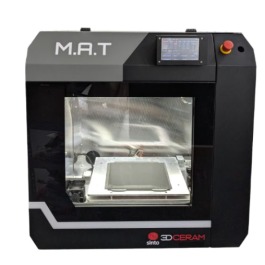
3DCeram ceramic stereolithography systems and 3DMIX pastes, supported end-to-end from our Los Angeles print lab.
A ceramic 3D printer from 3DCeram uses stereolithography (SLA): a laser cures a photosensitive ceramic paste one thin layer at a time to build a “green” part. That part is then cleaned, debinded and sintered into a fully dense technical ceramic. The result is a fired component with the same properties as conventionally processed ceramics — but in geometries that machining and molding cannot reach.
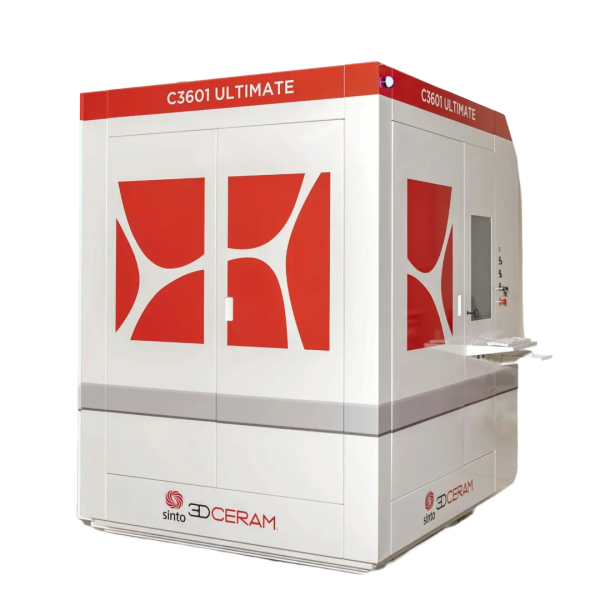
Ceramic additive manufacturing removes tooling and lets you print internal channels, lattices and thin walls in alumina, zirconia, silicon nitride and bioceramics. Surface roughness stays under 2 µm, and parts scale from a 100×100 mm lab platform up to the 600×600×300 mm C3601 for mass production.
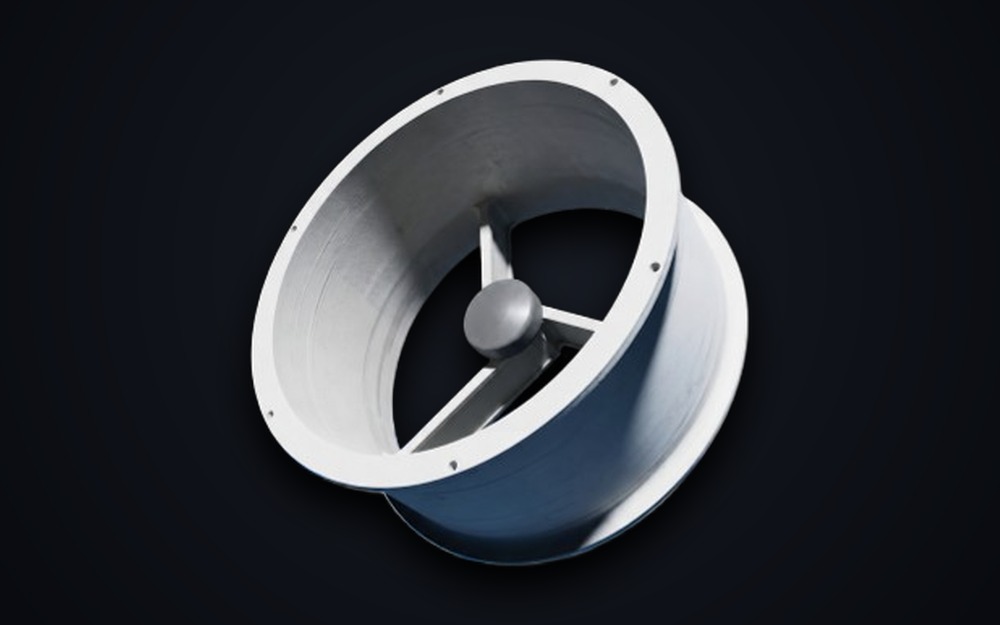
Printed on 3DCeram SLA
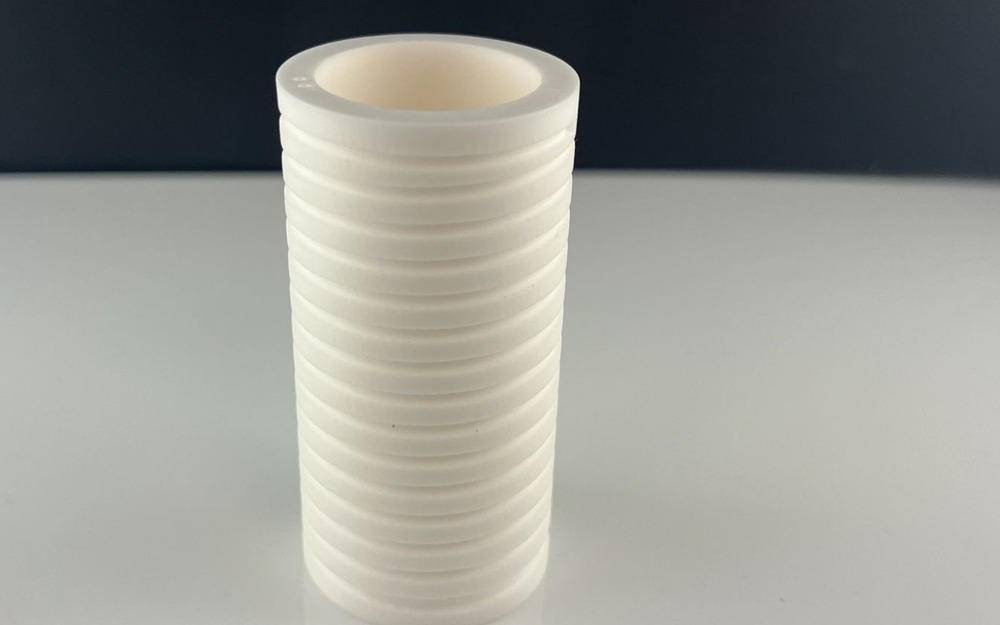
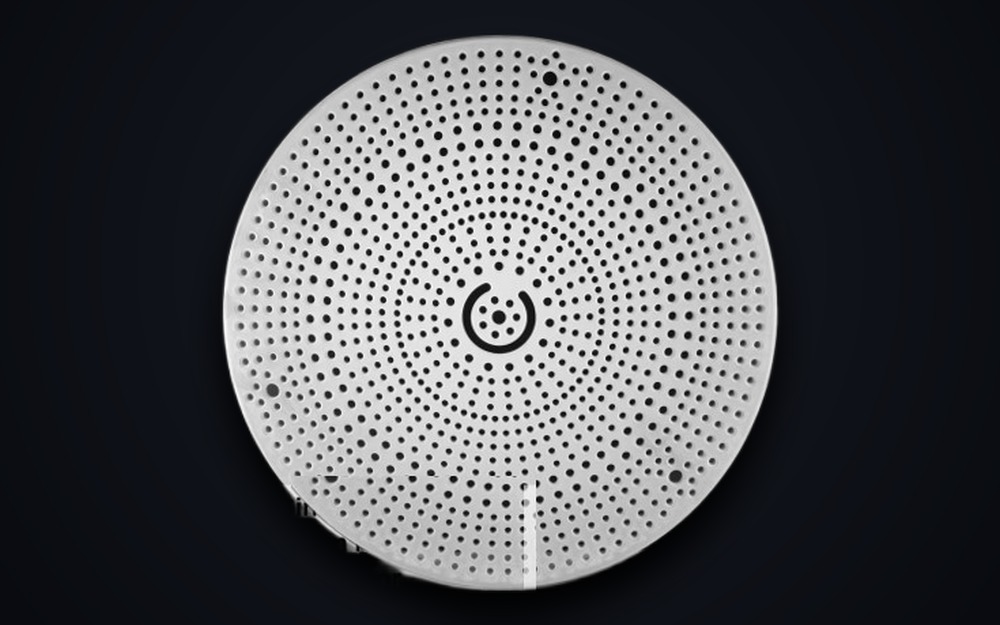
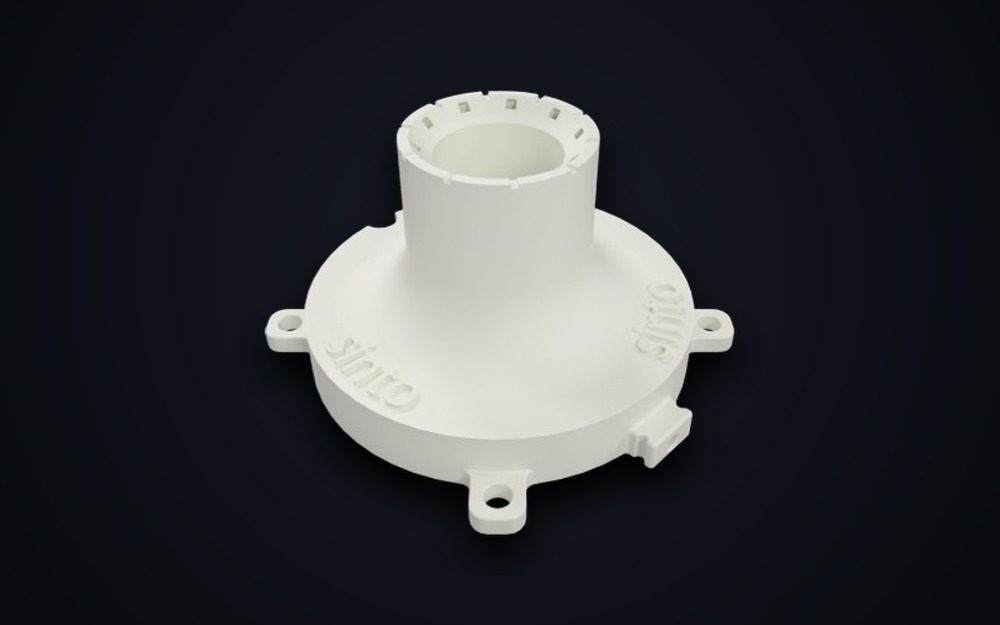
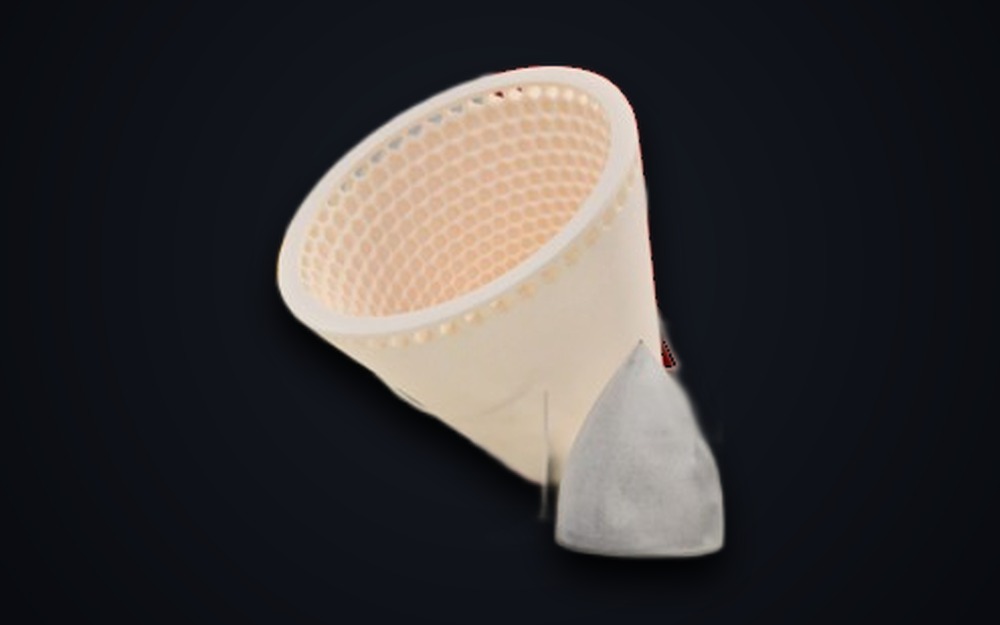
Real parts our customers build with 3DCeram ceramic 3D printers and 3DMIX pastes — across aerospace, medical, energy, electronics, defense and space.

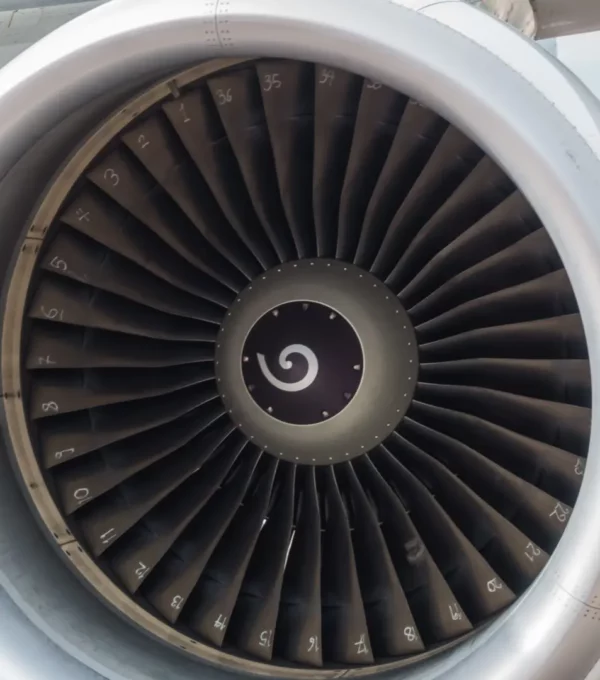
Turbine components, thermal barriers and lightweight structures that survive extreme heat.

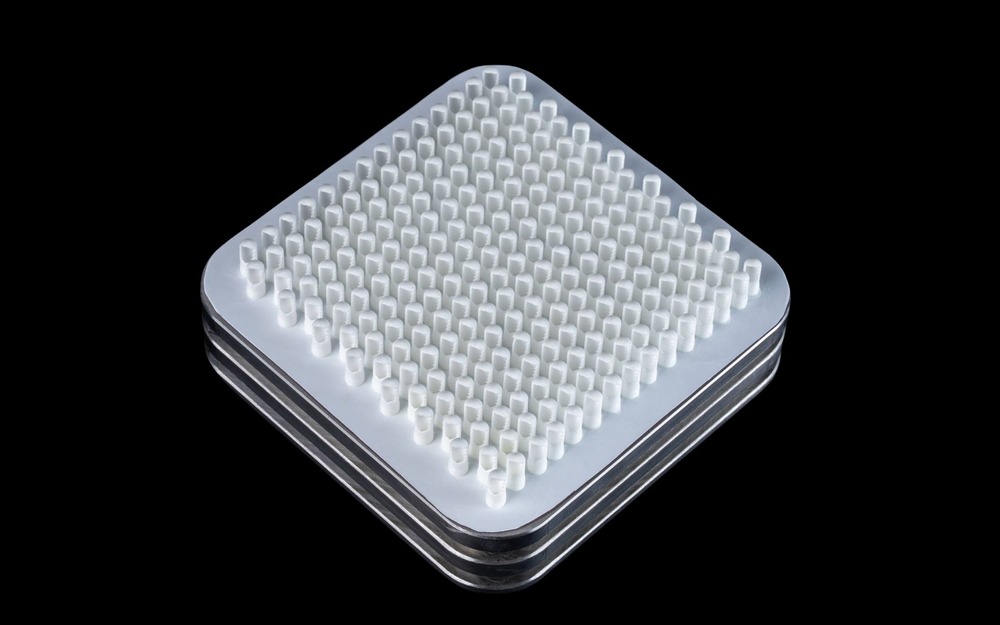
232 surgical tools on one build plate — support-free — plus implants and dental restorations.

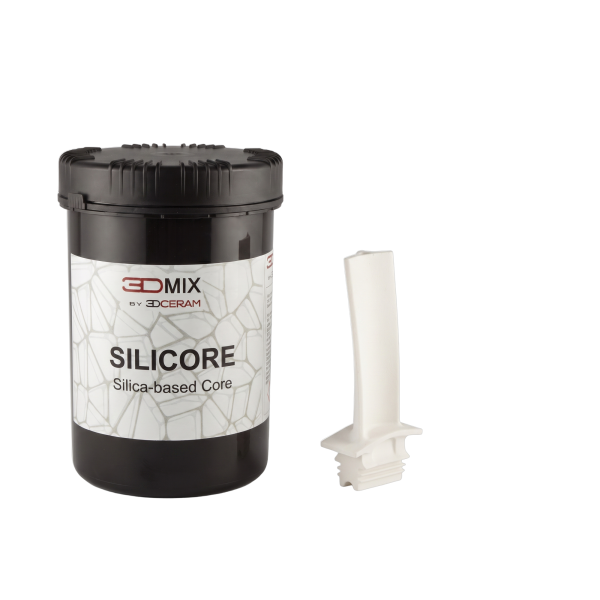
Complex investment-casting cores printed without tooling, then burned out cleanly.

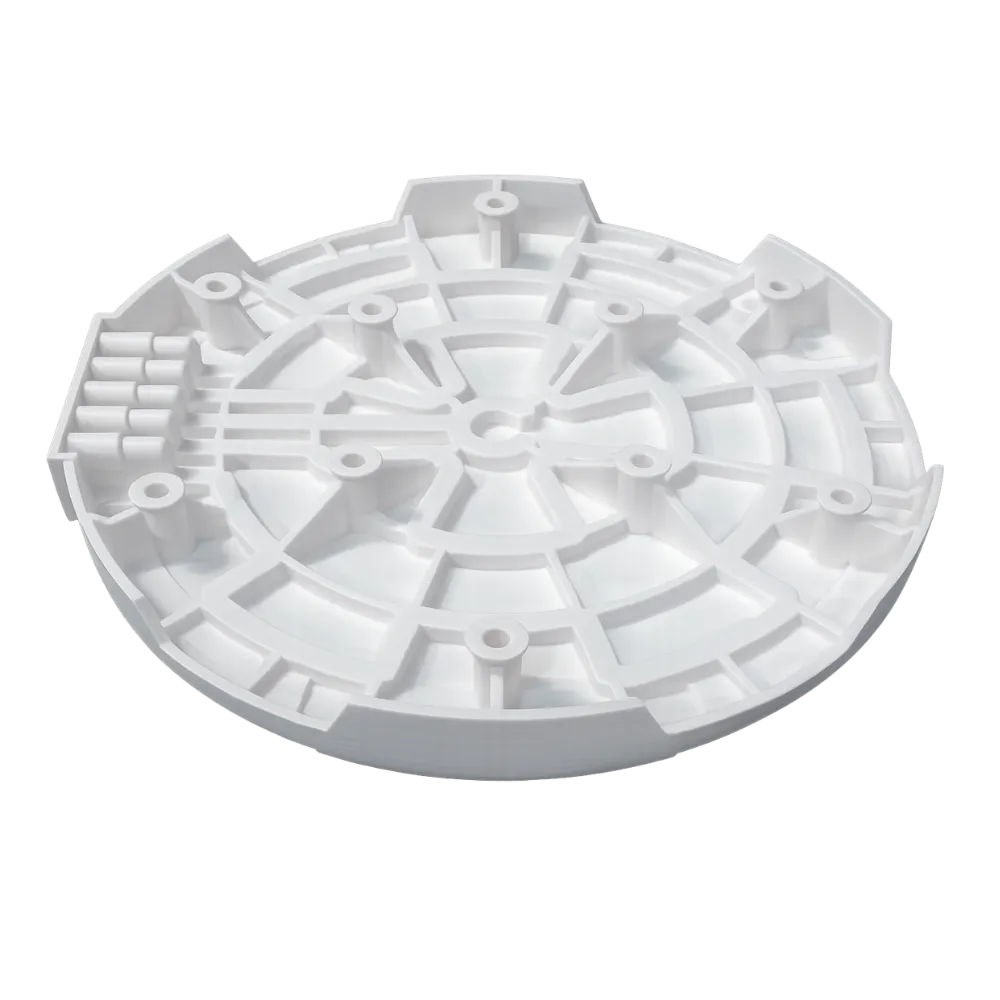
Furnace heating-element supports, fuel-cell plates and high-temperature insulators.
Heat sinks, spreaders and substrates in high-thermal-conductivity ceramics.

Laser cups, mirrors and precision optical components with sub-2 µm surfaces.

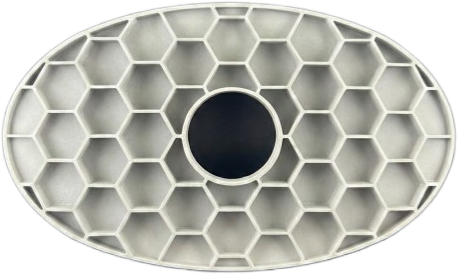
Radomes, antenna windows and RF-transparent housings for harsh environments.

Telescope optics, sensor housings and lightweight structures built for orbit.
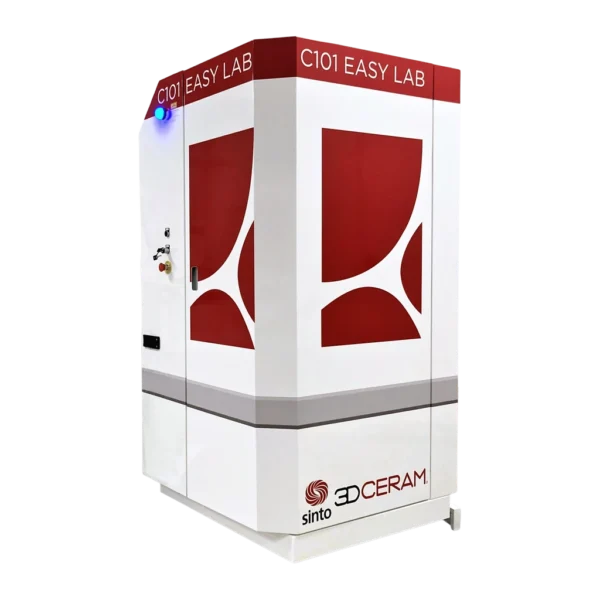
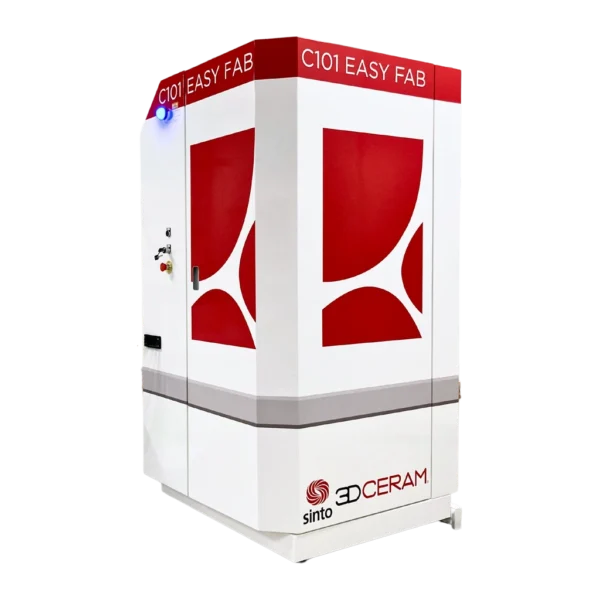
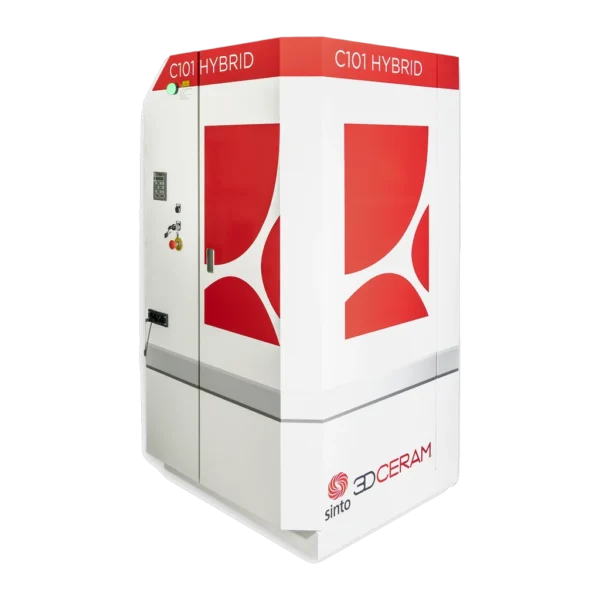
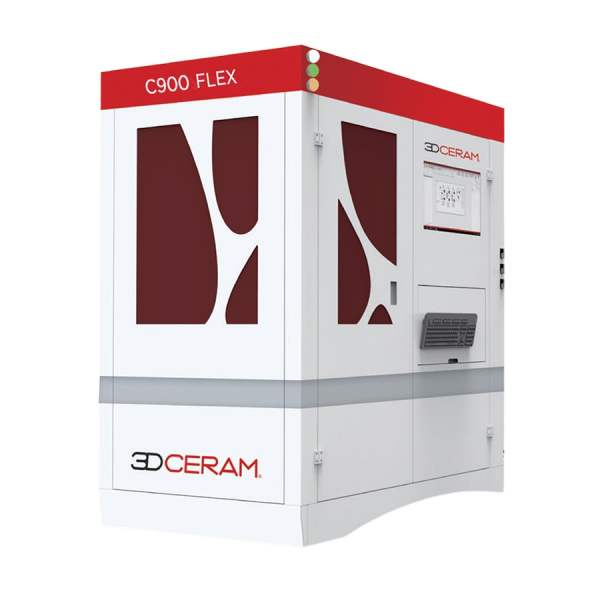
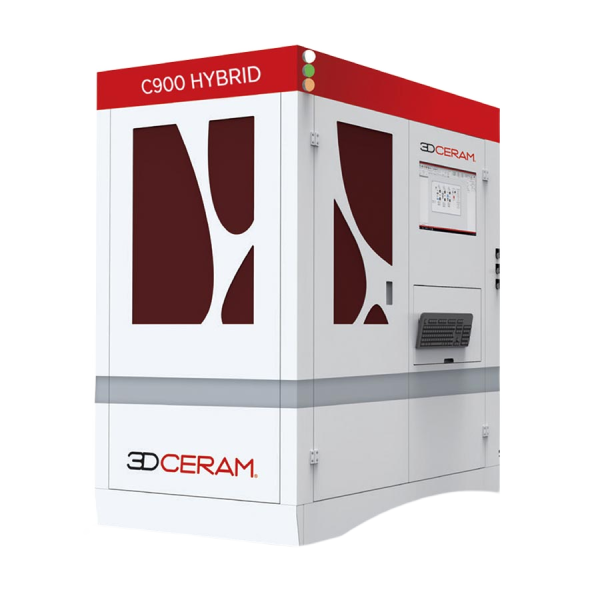
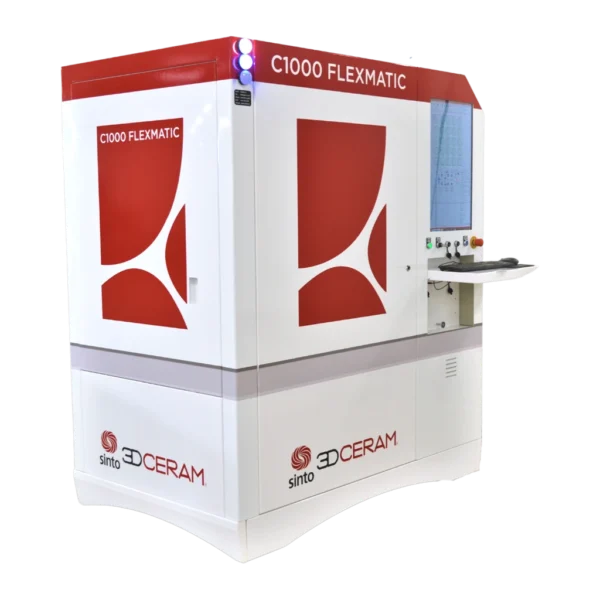
One ceramic SLA process, eight platforms. Prototype on a C101, scale to the C1000 FLEXMATIC or C3601 Ultimate without re-qualifying your material.
R&DEntry lab system for material development and prototyping, with open parameters.

Small-series production cell — loads material and starts a build in under 30 minutes.
HybridPrints two ceramic materials in the same layer for functionally graded parts.
Best sellerThe workhorse — 11+ qualified ceramic materials, three platform sizes, <2 µm finish.
HybridCombine up to four materials in one build with configurable dispensing systems.
AutomatedAutomated serial-production system for repeatable, hands-off ceramic manufacturing.
LargestThe largest 3DCeram printer — quad-laser mass production at 600×600×300 mm.
In stockMulti-technology platform — paste/robocasting and pellet heads for metal and ceramic.
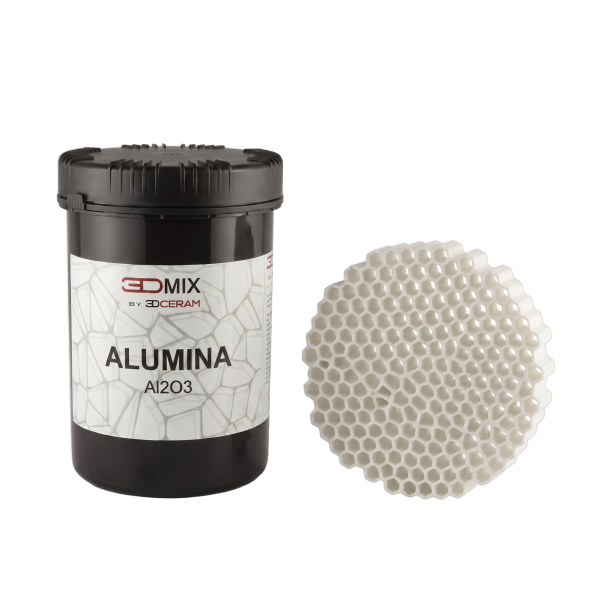
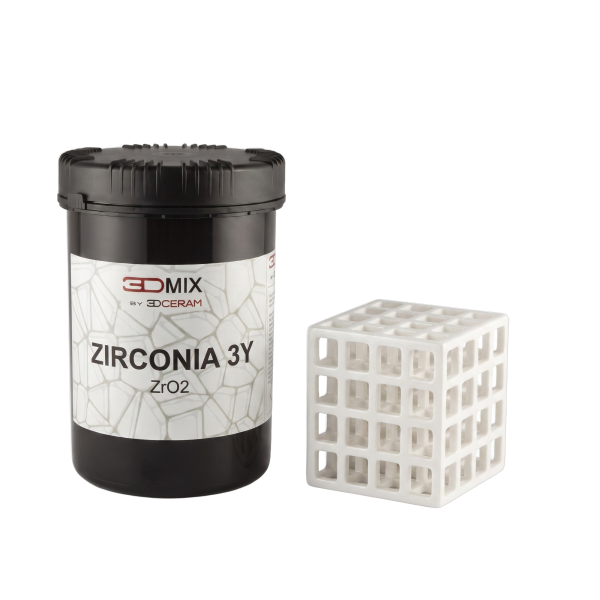
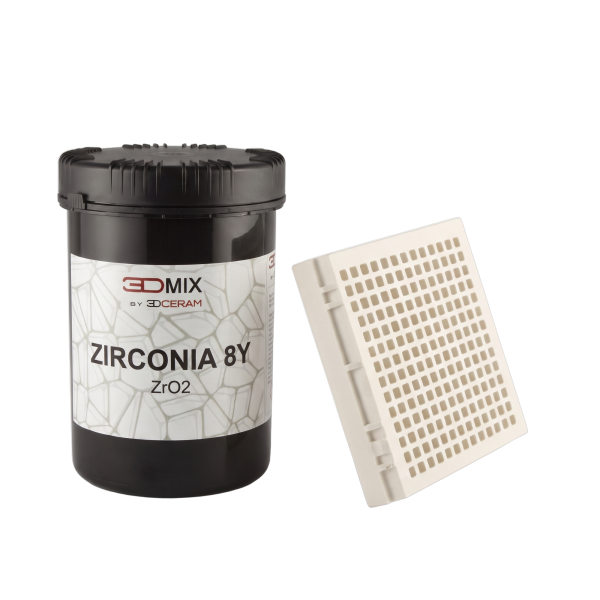
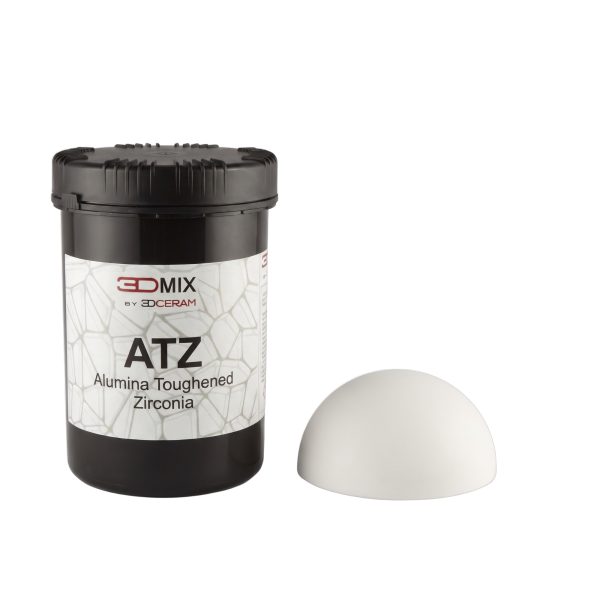
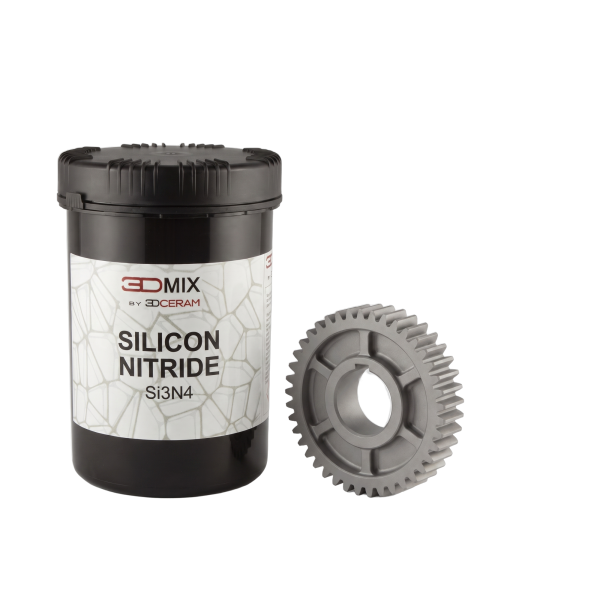
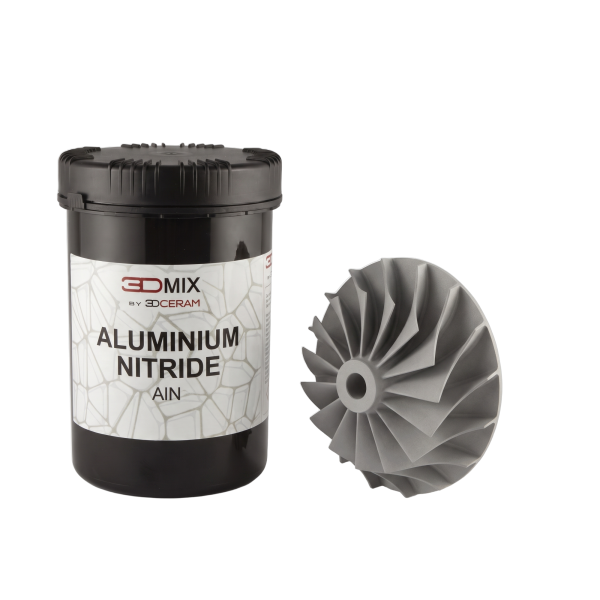
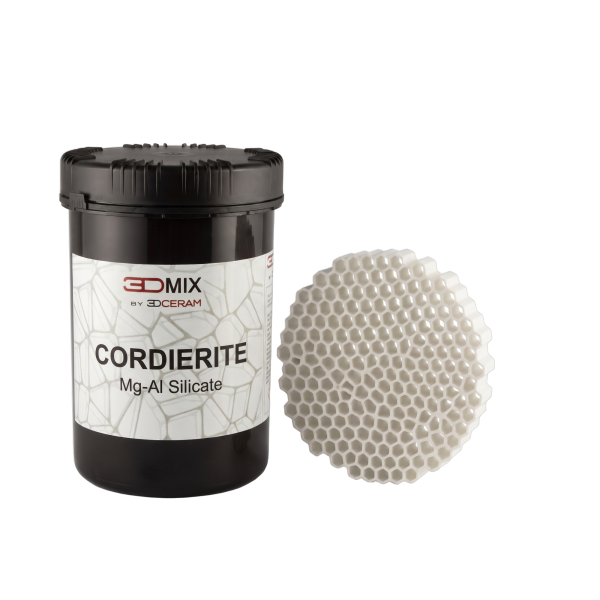
Oxide and non-oxide 3DMIX pastes qualified for 3DCeram SLA — each shown with a real printed part. Need a custom formulation? We develop those too.

Electrical insulation and wear-resistant parts — the workhorse oxide ceramic.
View material →
High toughness for medical, dental and cutting-tool parts.
View material →
Ionic conductor for solid-oxide fuel cells and oxygen sensors.
View material →
Balanced strength and toughness for structural and biomedical parts.
View material →Bearings and engine components — high strength at temperature.
View material →
High thermal conductivity for electronics cooling and substrates.
View material →
Extreme thermal-shock resistance for catalyst supports and kiln parts.
View material →
Silica-based paste for burn-out investment casting cores.
View material →
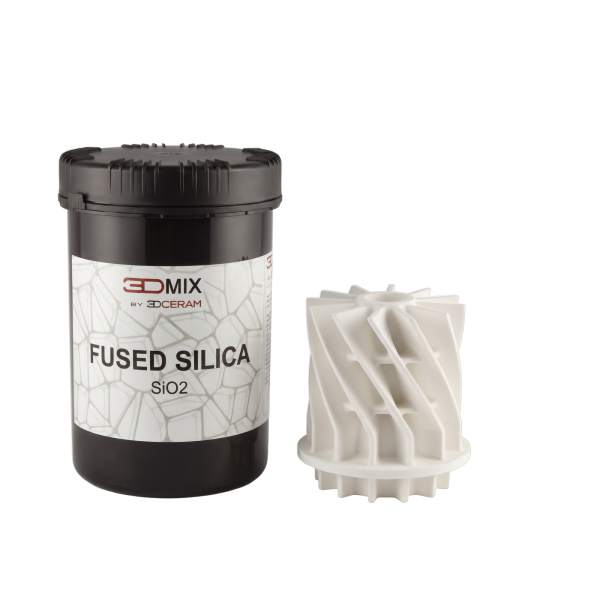
Low expansion for aerospace turbine-blade casting cores.
View material →
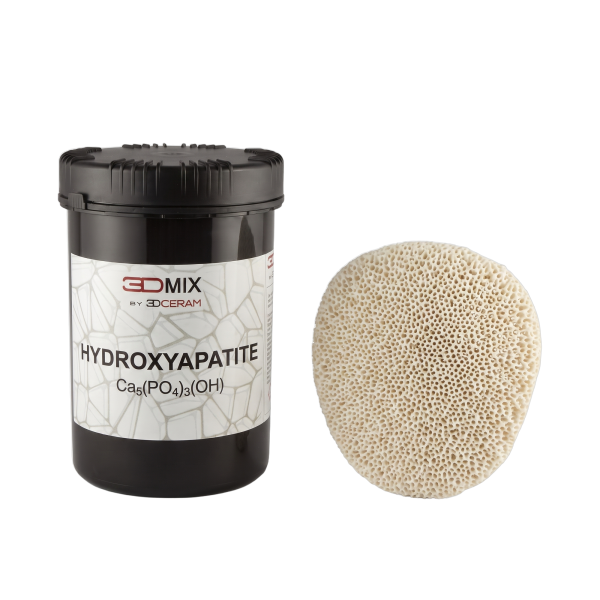
Bioactive ceramic for bone implants and cranial reconstruction.
View material →
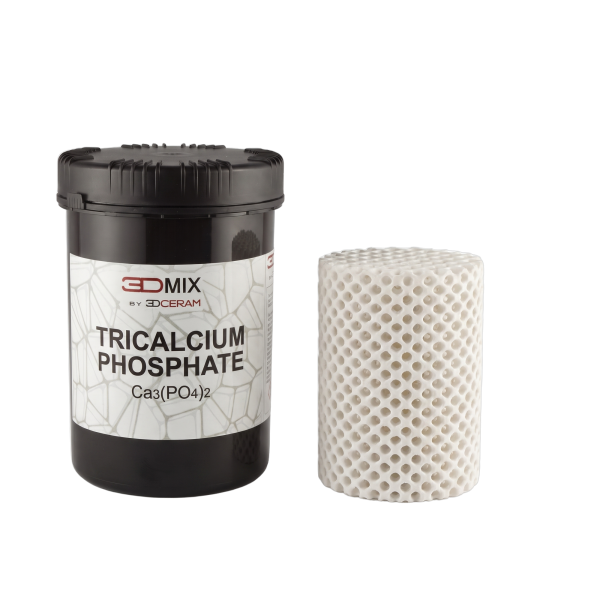
Resorbable bioceramic for bone scaffolds that remodel in the body.
View material →We develop customer-specific ceramic pastes — including non-standard oxides and blends.
Request a formulation →Ceramic SLA is a four-step workflow. We can supply the equipment for each stage — or run the whole thing for you as a service.
The SLA laser cures ceramic-loaded paste layer by layer into a green part — no support structures needed.
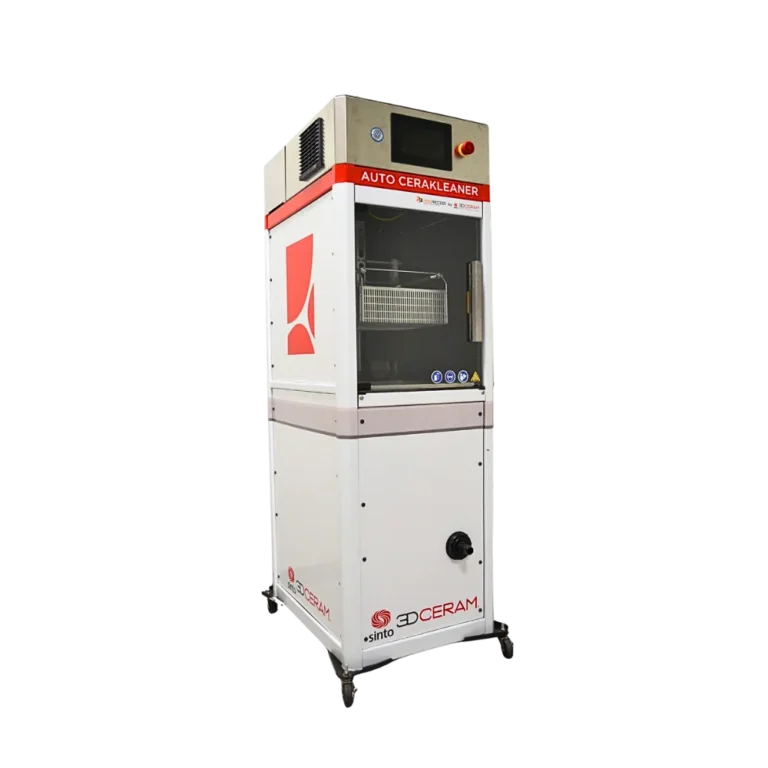
Uncured paste is removed from channels and cavities. The AUTO CERAKLEANER automates this for green parts.
Thermal debinding burns out the organic binder in a controlled atmosphere, leaving the ceramic skeleton.
High-temperature sintering fuses the ceramic to >99% density — the finished technical-ceramic part.

Automated cleaning for ceramic 3D-printed green parts — removes unpolymerized paste from complex geometries without hand-scrubbing, so serial production stays repeatable and hands-off.
Still deciding? Talk to an applications engineer who runs these systems every day.
Talk to an application engineer →Ceramic 3D printing builds parts from technical ceramics — such as alumina, zirconia or silicon nitride — layer by layer. On a 3DCeram system it uses stereolithography (SLA): a laser cures ceramic-loaded paste into a green part, which is then debinded and sintered into a fully dense fired ceramic.
A laser selectively cures a photosensitive ceramic paste one layer at a time to form the green part. The part is cleaned, the organic binder is removed by thermal debinding, and a high-temperature sintering step fuses the ceramic to over 99% density with a surface roughness below 2 µm.
Yes. 3DCeram systems scale from the C101 lab platform to the automated C1000 FLEXMATIC and quad-laser C3601 Ultimate for serial and mass production — using the same qualified material, so you don’t re-qualify when you scale up.
We stock 11+ qualified 3DMIX pastes: oxides (alumina, zirconia 3Y/8Y, ATZ, cordierite, silica) and non-oxides (silicon nitride, aluminium nitride), plus bioceramics (hydroxyapatite, tricalcium phosphate). Custom formulations are available on request.
No. After sintering, a 3D-printed ceramic reaches the same density and mechanical properties as conventionally processed technical ceramics — it’s a fully fired part, not a fragile print. SLA just lets you make geometries machining can’t.
Yes. Beyond selling the printers and materials, our Los Angeles lab can print, clean, debind and sinter parts for you. Send a CAD file and we’ll quote it within 24 hours.
Send us a CAD file or tell us your material and volume. A ceramics applications engineer — not a sales rep — will get back to you.
Get Instant Quote
Engineer-reviewed · Confidential · Fast response