
Made to order

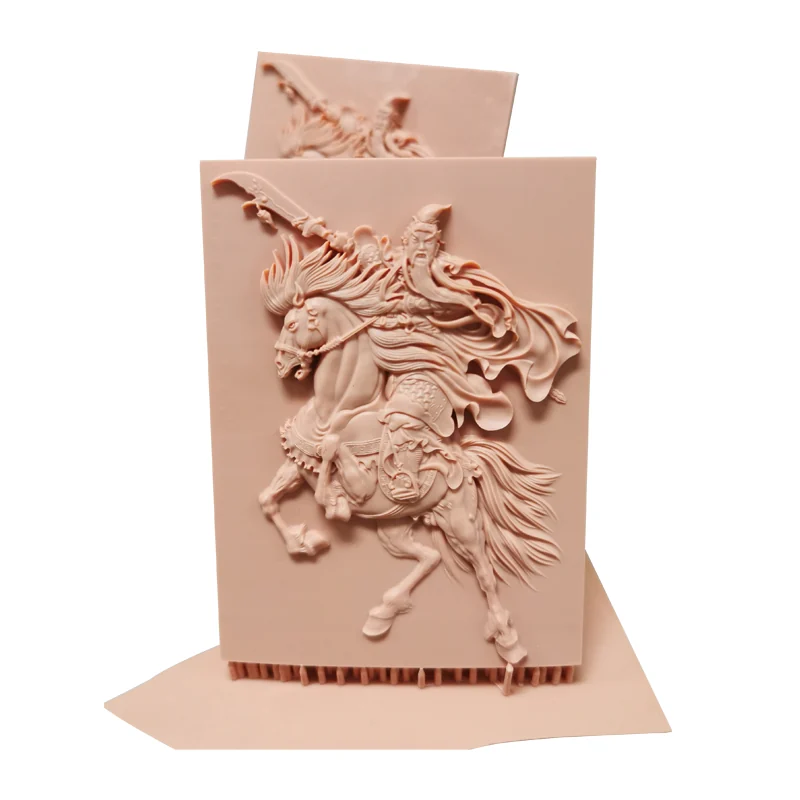
- Install, operator training, and validated print profiles for your starting materials
- Tailored warranty with same-week dispatch on critical issues
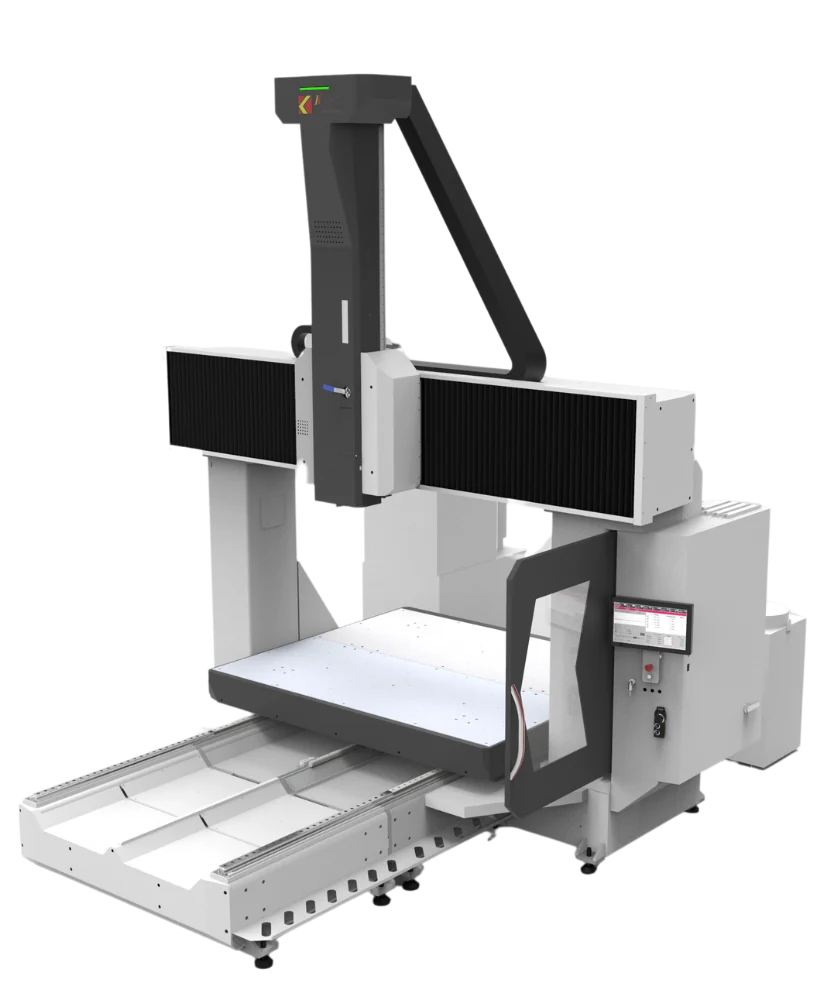
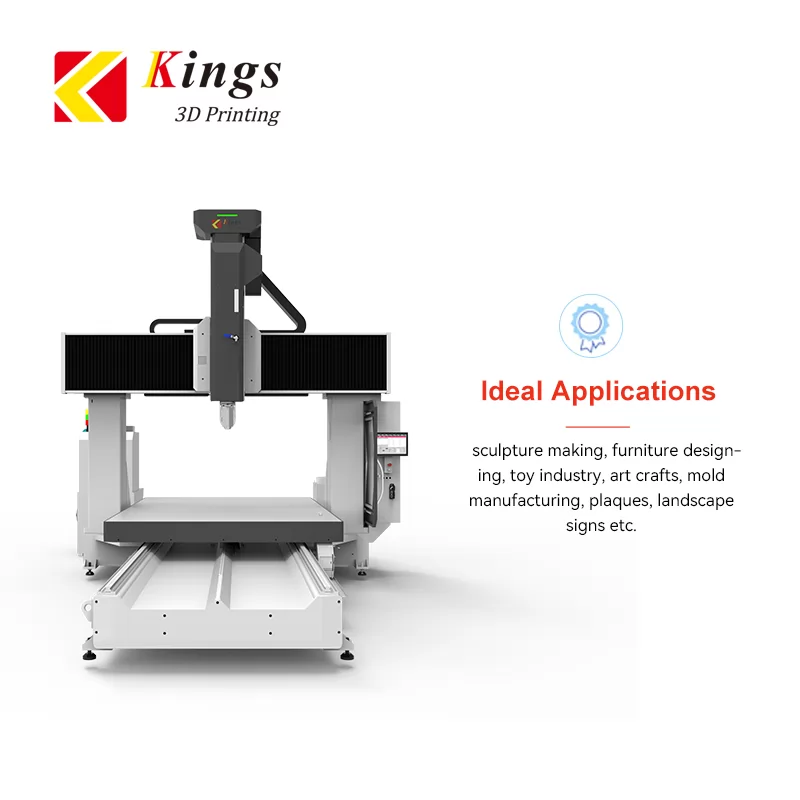
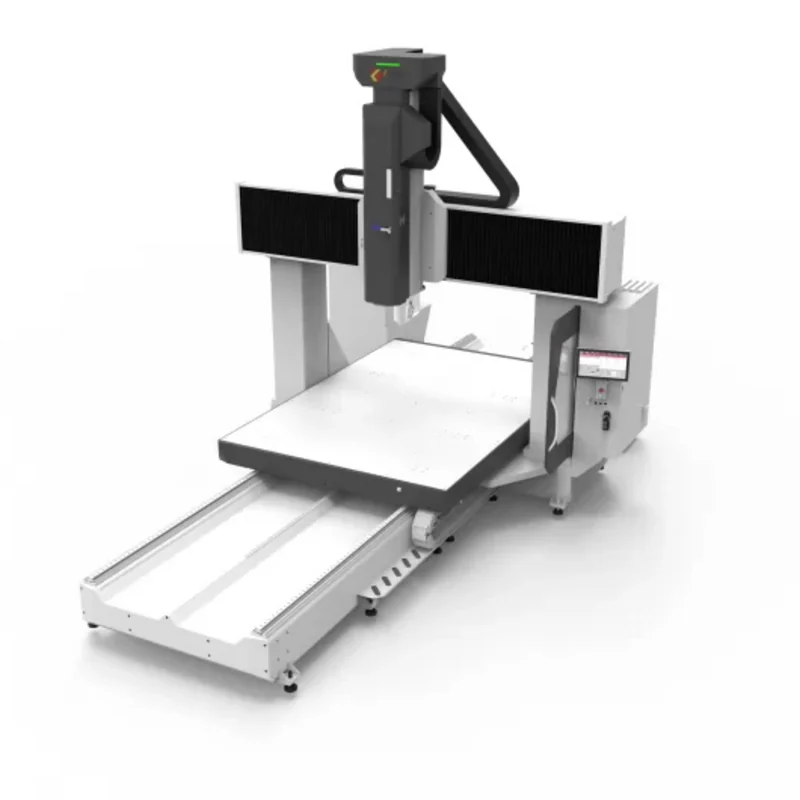
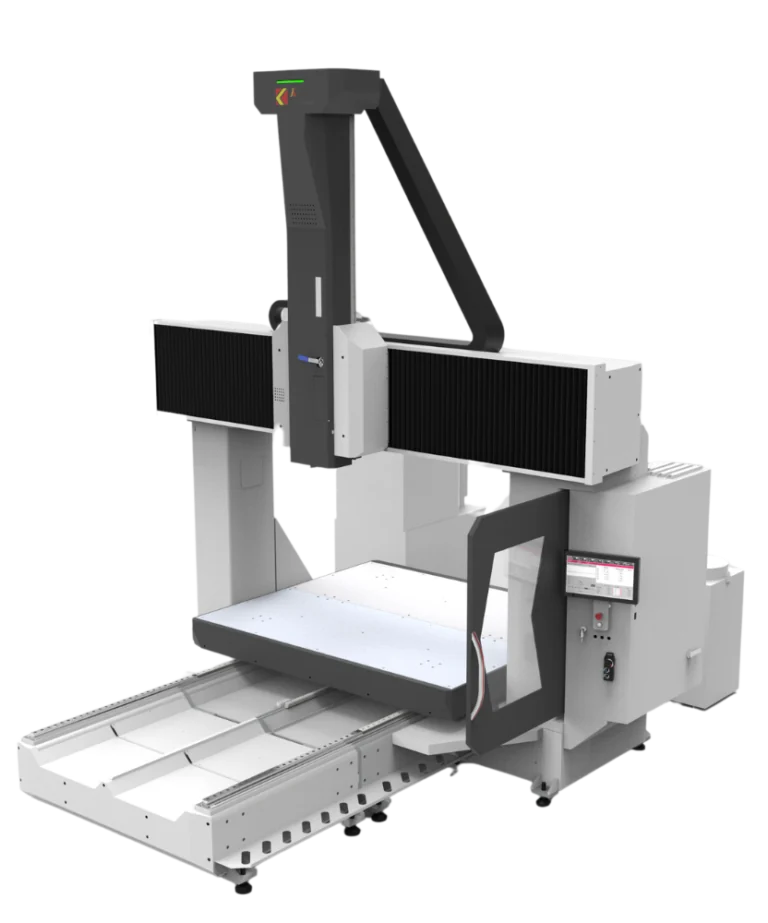
Kings FGF2400 Additive+Subtractive Pellet 3D Printer – Hybrid Large Format | 2400×2000×1350 mm
Hybrid additive + subtractive large-format pellet 3D printer — 94×79×53 in / 2400×2000×1350 mm bed, raw polymer granules, 3–16 mm nozzles, up to 30 kg/h. Optional 450°C nozzle and integrated CNC milling. Material cost 5–10× lower than filament.
- ✓ Print + mill in one cell — near-net print, then machined surfaces without a second setup
- ✓ 94×79×53 in / 2.4×2.0×1.35 m bed — up to 30 kg/h, three-phase industrial
- ✓ Lead time: 8–10 weeks — configured to order, installed and trained on-site
$545,000
What your production engineering lead actually checks
Print and machine in one setup
Hybrid additive + subtractive means the mating faces get CNC-milled on the same bed — tolerances a printed-only large-format part can't hold, without a separate machining vendor.
Print a benchmark part first
Send your STL and target material — we print a test part on our own FGF in California, so you see the surface, strength, and scale before you commit to the system.
An applications engineer on the line
Factory-trained engineers who run large-format AM daily — drying protocols, screw profiles, print and machining parameters. Sub-4h reply, NDA on request. Use the Talk to applications engineer button above.
Kings FGF2400 is a hybrid additive + subtractive large-format 3D printer — it extrudes raw polymer granules across a 94×79×53 in / 2400×2000×1350 mm bed, then CNC-mills critical surfaces in the same cell. Pellet feedstock keeps material cost 5–10× below filament, up to 30 kg/h of screw output builds multi-hundred-kilogram tooling fast, and a 3–16 mm nozzle range plus 450°C option cover everything from structural fill to engineering compounds. One machine takes a mold or pattern from near-net print to machined finish without a second setup.
Why engineers choose the FGF2400
Four things production teams verify before committing to hybrid large-format FGF.
Print + mill in one cell
Hybrid additive + subtractive: print near-net shape, then machine mating faces and seal surfaces without moving the part to a separate CNC.
Pellet economics
Granulate 5–10× below filament cost for the same polymer — injection-molding feedstock off the open market, no vendor lock-in.
2.4 m bed, up to 30 kg/h
94×79×53 in / 2400×2000×1350 mm envelope with 3–16 mm nozzles — full-scale molds and patterns in one piece, fast.
450°C, four-zone heating
Four-zone intelligent heating and a 100 kg hopper run engineering compounds — PA+CF, PC+CF, PEI+CF — in continuous production.
How we deliver it
Every FGF2400 ships as a working process, not a crate — configured, installed, and validated.
Configured to the application
Additive-only or additive + subtractive build, nozzle set, and material plan specced with an applications engineer before the order ships.
Installed and trained on-site
US-based installation, three-phase power and air hook-up, and operator training from California — your team runs the first build with our engineer.
Validated print + mill profiles
Print and machining profiles for your starting materials plus a granulate drying workflow, verified on your machine before hand-off.
Materials
- Standard (up to 350°C): ABS, ABS-FR, ABS+CF, ABS+GF, PETG, PETG-FR, PETG+GF, PLA, ASA, ASA+GF, TPU, PC, PA, PP, PA+CF, PC+CF
- High-temperature option (up to 450°C): PEI+CF and other engineering compounds
- Pellet size accepted: 0.04–0.2 in / 1–5 mm — standard injection-molding granulate and most regrind
Pellet economics, in numbers
The 5–10× claim, shown on one real part instead of adjectives.
| ABS example | Pellets (FGF2400) | Filament (FFF) |
|---|---|---|
| Material price, typical 2026 market | ~$4 / kg | ~$22 / kg |
| 110 lb / 50 kg full-scale mold — material cost | ~$200 | ~$1,100 |
| Saving on that one part | ~$900 — about 5.5× lower material cost | |
Typical open-market pricing for standard ABS granulate vs. ABS filament; filled and engineering grades scale similarly. Your exact numbers depend on material and supplier — ask us for a cost-per-part calculation on your geometry.
Technical specifications
- Build volume: 94×79×53 in / 2400×2000×1350 mm
- Configuration: additive-only or hybrid additive + subtractive (CNC milling head)
- Max extrusion output: up to 30 kg/h
- Nozzle diameter: 0.12–0.63 in / 3–16 mm
- Max nozzle temp: 350°C standard; 450°C optional high-temp nozzle
- Nozzle heating: four-zone intelligent heating
- Bed / working surface temp: up to 120°C (magnetic platform / tempered glass)
- Hopper: 100 kg with integrated pneumatic auto-feed
- Chamber heating: optional
- Power: three-phase 380 VAC, up to ~60 kW rated
- Compressed air: 0.6 MPa
- Machine dimensions: 173×161×185 in / 4400×4100×4700 mm; weight 13,228 lb / 6000 kg
High-temperature nozzle package, the subtractive milling head, chamber heating, and the granulate dryer are priced per configuration — request a quote for a full budget. Leasing and financing available.
Typical applications
Where production teams run the FGF2400 today.
A 1.8 m composite layup mold printed and machined on the FGF2400 in a single setup: near-net printed in ABS+GF, then the sealing face CNC-milled on the same bed — replacing a bonded, hand-faired pattern and cutting a two-week build to a few days. Send your STL and we’ll run the same math on your part.
Not sure the FGF2400 is the right fit?
Three reasons teams pick a different FGF platform — tap the closest match and we’ll help you qualify it.
Why source through Additive Plus
- Official Kings 3D US representative — US sales, service, spares, and application engineering, direct from California.
- FGF process expertise — drying protocols, screw profiles, and print + machining parameters by material family; no ramp-up trial-and-error.
- In-house large-format printing — validate geometry and material before system commitment.
- US-based support — installation, training, and field service from California.
- Leasing and financing available; sub-24h engineer response.
| Build Volume | 94x79x53 in / 2400x2000x1350 mm |
| Technology | FGF |
| Brand | Kings3D |
| Printing Materials | Plastic Pellets |
| Max Part Size | 94x79x53 in |
| Machine model | FGF-2420 |
| Molding technology | Fused granular fabrication |
| Configuration | Additive + subtractive (optional CNC milling head) |
| Max extrusion output | Up to 30 kg/h |
| Optional nozzle diameter | 0.12–0.63 in / 3–16 mm |
| Max nozzle temperature | ≤350°C (450°C optional high-temp nozzle) |
| Nozzle heating method | Four-zone intelligent heating |
| Working surface temperature | ≤120°C |
| Workbench contact surface | Magnetic platform / tempered glass |
| Materials | PLA, ABS, ABS-FR, ABS+GF, ABS+CF, PETG, PETG-FR, PETG+GF, ASA, ASA+GF, TPU, PC, PA, PP, PA+CF, PC+CF, PEI+CF |
| Material particle diameter | 0.039–0.197 in / 1–5 mm |
| Storage hopper | 220 lb / 100 kg, integrated pneumatic auto-feed |
| Chamber heating | Optional |
| Drive mode | Servo motor |
| Rated power consumption | 60 kW |
| Power supply voltage | Three-phase AC 380V |
| Compressed air pressure | 0.6 MPa |
| Machine dimensions | 173×161×185 in / 4400×4100×4700 mm |
| Machine weight | 13,228 lb / 6000 kg |
| Printing connection method | SD / USB / WiFi |
| Slicing supported formats | STL / OBJ / AMF / 3MF / STP / STEP |
Product videos
Send us your STL and we'll print a paid benchmark part on a Kings FGF machine in California — your geometry, your material, in your hands before you buy the system. You get the part, a cost-per-part figure, and the validated print profile.
Other products teams run alongside Kings FGF2400 Additive+Subtractive Pellet 3D Printer – Hybrid Large Format | 2400×2000×1350 mm
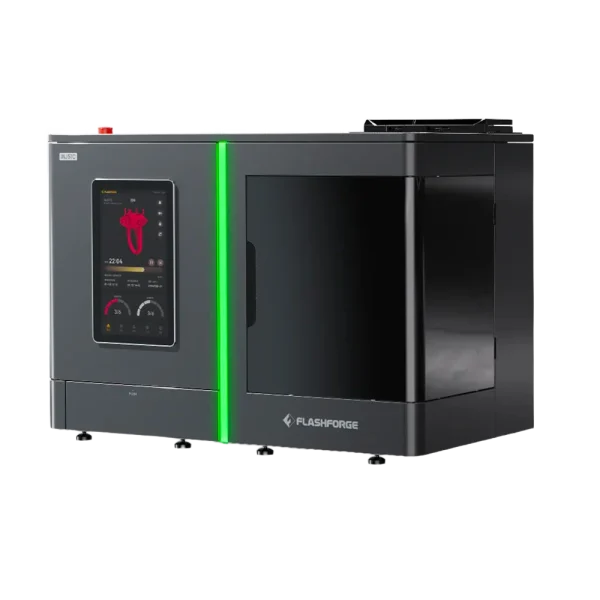
- MJP wax jetting — red model wax plus soluble white support, straight to burnout
- 9.25 × 5.43 × 3.94 in / 235 × 138 × 100 mm build area · up to 3 kg wax per month
- Lead time: configured to order — install, training and a tailored service plan included
Made to order
· Lead time: 8–10 weeks — configured to order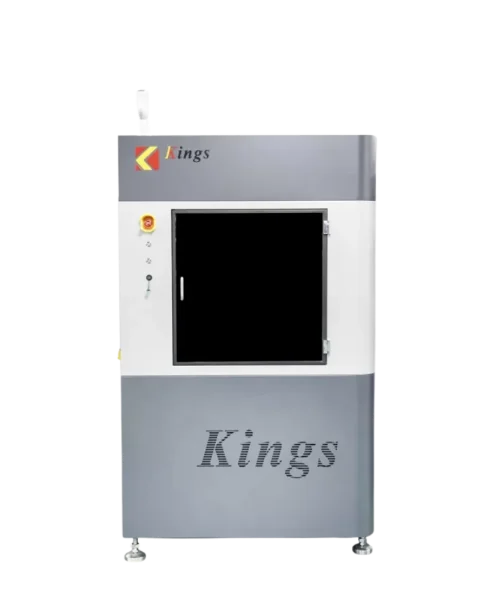
Large-format industrial SLA. Marble frame. Vacuum recoating. A fast, reliable platform for automotive patterns, one-piece molds, footwear lasts and architectural forms — without stitching or Z-seam artifacts.
- ✓ 31×31×20 in / 800×800×500 mm build chamber — a fascia pattern or a batch of shoe lasts in one run
- ✓ Solid-state 355 nm Nd:YVO4 laser · 0.075–0.8 mm variable beam · 15.0 m/s max scan
- ✓ Full-marble machine frame — thermal stability for ±0.1 mm part accuracy
- ✓ Lead time: 8–10 weeks — on-site install, calibration & operator training included
Made to order
· Ships in 8–10 weeks from order placement. Need it sooner? Talk to a specialist.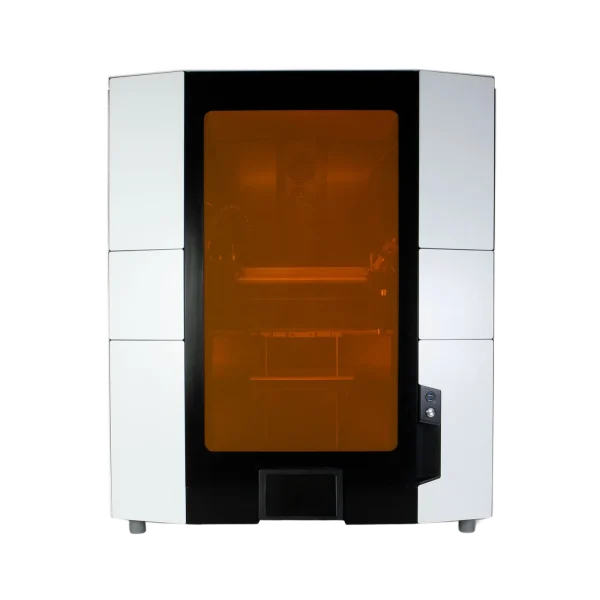
A hybrid Direct Ink Writing printer that prints one- and two-component pastes with thermoplastic supports and cures them with UV and IR during the print — for R&D and production of soft and functional parts.
- 250 × 250 × 250 mm build · platform heated to 120 °C
- SLE1 / SLE2 paste heads + FFF support head to 280 °C
- UV 365 / 405 nm and IR curing · profilometer and IR camera
- Built on demand, 12–14 weeks · remote commissioning and training · 12-month warranty
Made to order
· Ships in 12–14 weeks — built to order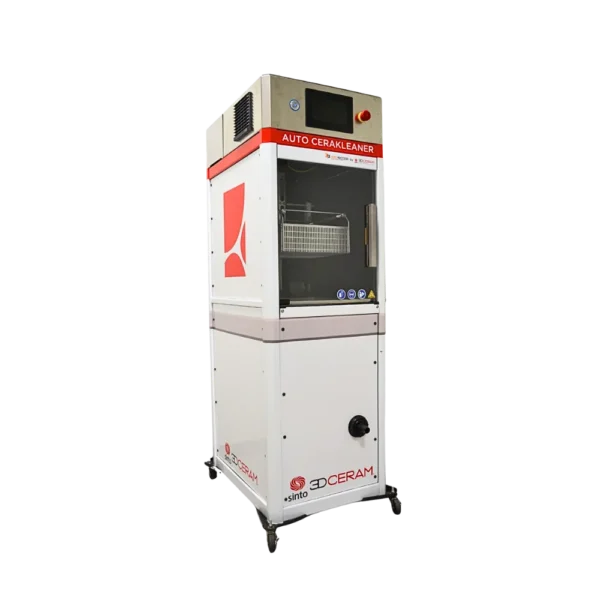
Automated cleaning system that removes excess ceramic paste from freshly printed green parts, leaving them ready to debind — replacing slow, hands-on solvent cleaning in the ceramic AM workflow.
- ✓ Gentle, low-mechanical-stress cleaning of fragile green parts
- ✓ Batch time cut dramatically vs manual (e.g. 60 min → 5 min on 70 alumina parts)
- ✓ Solvent longevity + recycling · no manual solvent contact
In stock
· Lead time, utilities and installation confirmed at quote — configured to order. Install and training included.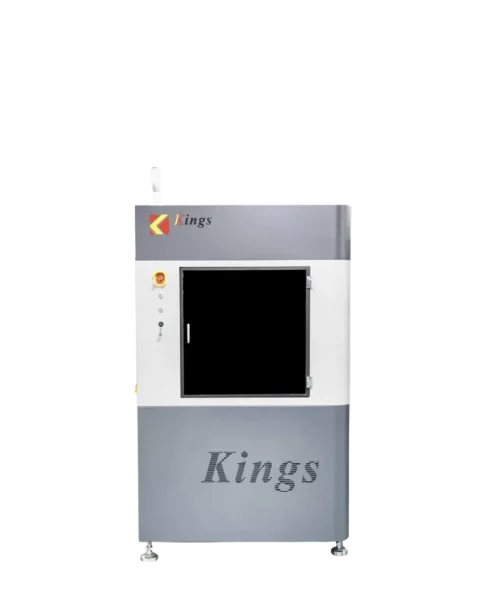
High-precision industrial SLA. Marble frame. Vacuum recoating. Built for fine-detail parts with a longer reach — extended dental and jewelry work, small engineering prototypes and casting patterns — at industrial accuracy.
- ✓ 24×14×14 in / 600×350×350 mm build chamber — fine detail with longer reach
- ✓ Solid-state 355 nm Nd:YVO4 laser · 0.075–0.8 mm variable beam · 0.0005 mm vertical resolution
- ✓ Full-marble machine frame — thermal stability for ±0.1 mm part accuracy
- ✓ Lead time: 8–10 weeks — on-site install, calibration & operator training included
Made to order
· Ships in 8–10 weeks from order placement. Need it sooner? Talk to a specialist.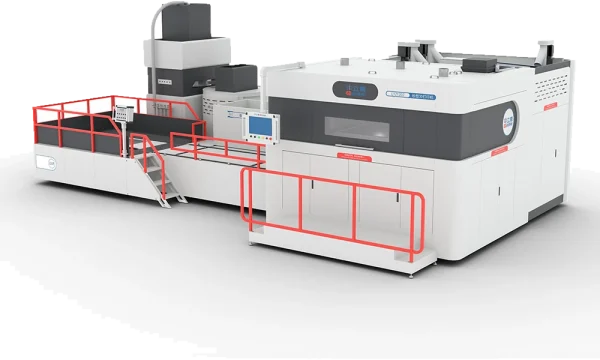
- ✔ 1.8×1.0×0.7 m build box — long molds and cores in one piece
- ✔ Plus: 129–216 L/h at ~15 s/layer · High-Speed: 102–170 L/h — CAD to sand mold in a day
- ✔ Nitrogen-free furan or inorganic binder; onboard AC, sand recovery & mixer
- ✔ Lead time: configured to order — request a quote for delivery & installation
Made to order
· Lead time: configured to order — request a quote for delivery and installation.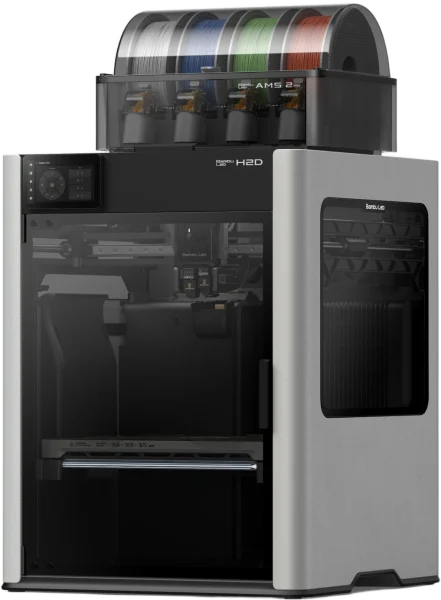
Bambu’s dual-nozzle flagship — print two materials or colors in one job, add dedicated support material for clean parts, and take on high-temp engineering filaments with a 350°C hotend and 65°C active-heated chamber. Optional 10W/40W laser & cutting.
- Dual-nozzle — two materials/colors per print, cleaner supports, less waste
- 350°C hotend + 65°C active chamber — ABS, PC, PA, PA-CF without warping
- Optional 10W/40W laser + cutting — one machine, many jobs
- Bought from US additive experts · ships in 1–2 business days from US stock · pay over time with PayPal
- Price match against any authorized US dealer · POs, tax-exempt and EDU/GOV orders welcome
In stock
Large-format industrial SLA. Marble frame. Vacuum recoating. Built for shoe molds, automotive patterns, dental models, and architectural forms — without stitching or Z-seam artifacts.
- ✓ 450 × 450 × 350 mm build chamber — fits a standard shoe last or full fascia panel in one run
- ✓ Solid-state 355 nm Nd:YVO4 laser · 0.08–0.8 mm variable beam · 15.0 m/s max scan
- ✓ Full-marble machine frame (720 kg) — thermal stability for ±0.1 mm part accuracy
- ✓ Lead time: 8–10 weeks — on-site install, calibration & operator training included
Made to order
· Ships in 8–10 weeks from order placement. Need it sooner? Talk to a specialist.What our customers say
“Harry and team were professional, effective communicators as we set up the order, then they executed quickly and produced an amazing product for us at a very competitive price. Am looking forward to our next print w Additive Plus!”
“Great 3D printing service and the resin parts look super smooth and clean. Really happy with how everything turned out!”
“Harry was very professional and helped me out with my 3D printing needs and explained what options I have in terms of filaments such as PEEK. Highly recommended.”
“I needed a 3D enclosure printed urgently in a specific time period, they did great!”
Common questions
Don't see yours? Email [email protected] — NDA on request, typical reply within 4 hours.
What does hybrid additive + subtractive mean on the Kings FGF2400?
What is the difference between FGF pellet printing and filament (FFF) printing?
What pellets can the Kings FGF2400 process — can I run my own compound or regrind?
How big a part can the FGF2400 build?
Can the Kings FGF2400 print carbon-fiber or glass-fiber filled materials?
Do pellets need drying before printing?
What surface finish can the FGF2400 achieve?
What infrastructure does the Kings FGF2400 require?
Place your order, or talk to an engineer first
Order Kings FGF2400 Additive+Subtractive Pellet 3D Printer – Hybrid Large Format | 2400×2000×1350 mm direct, or talk to materials engineer