
Made to order
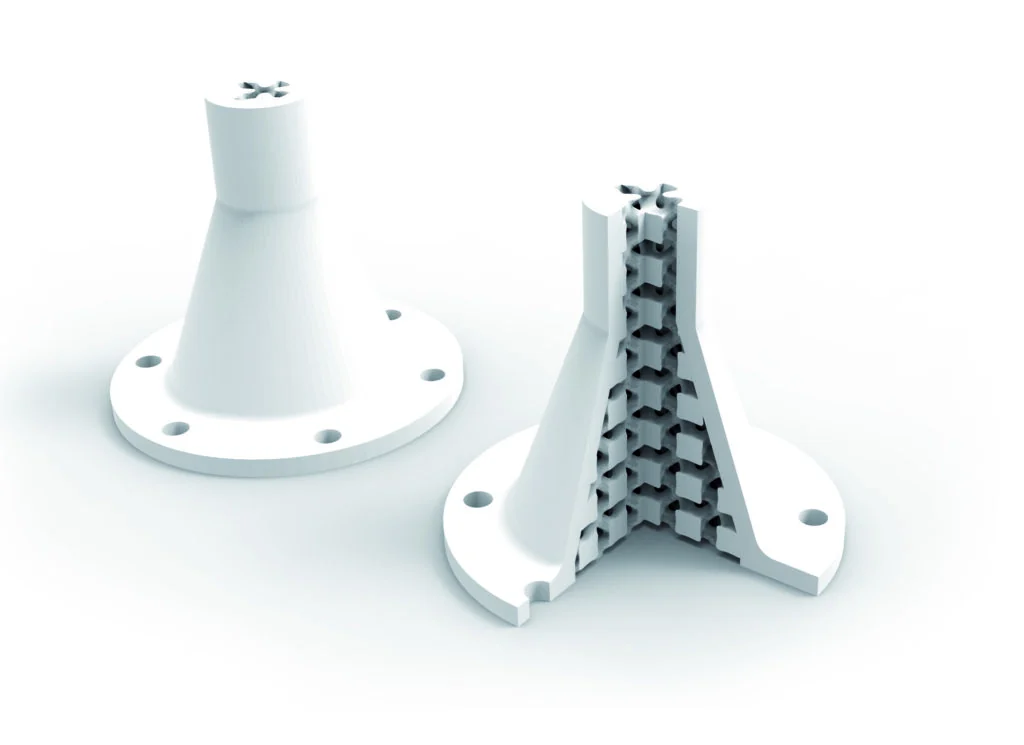

- Install & training commissioning and operator onboarding in California
- Development package open-parameter guidance and debind/sinter cycles
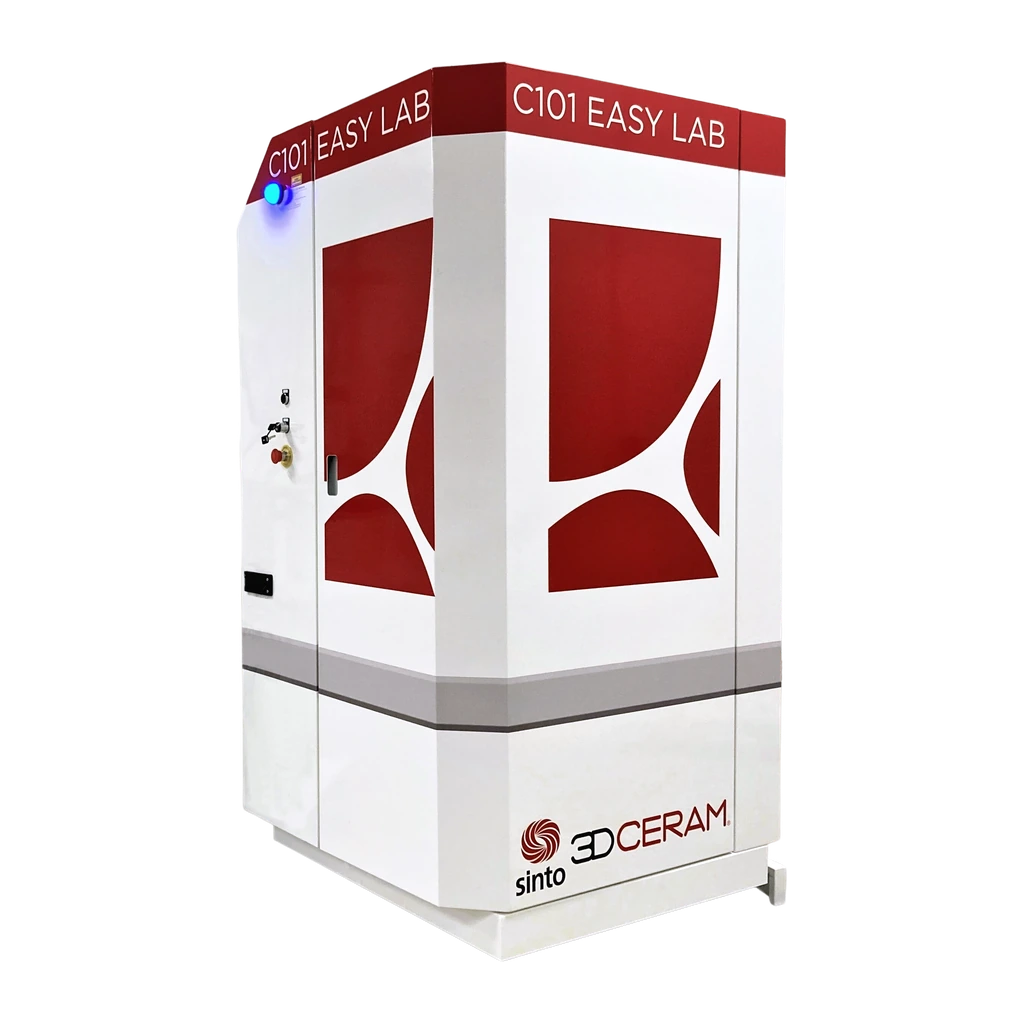
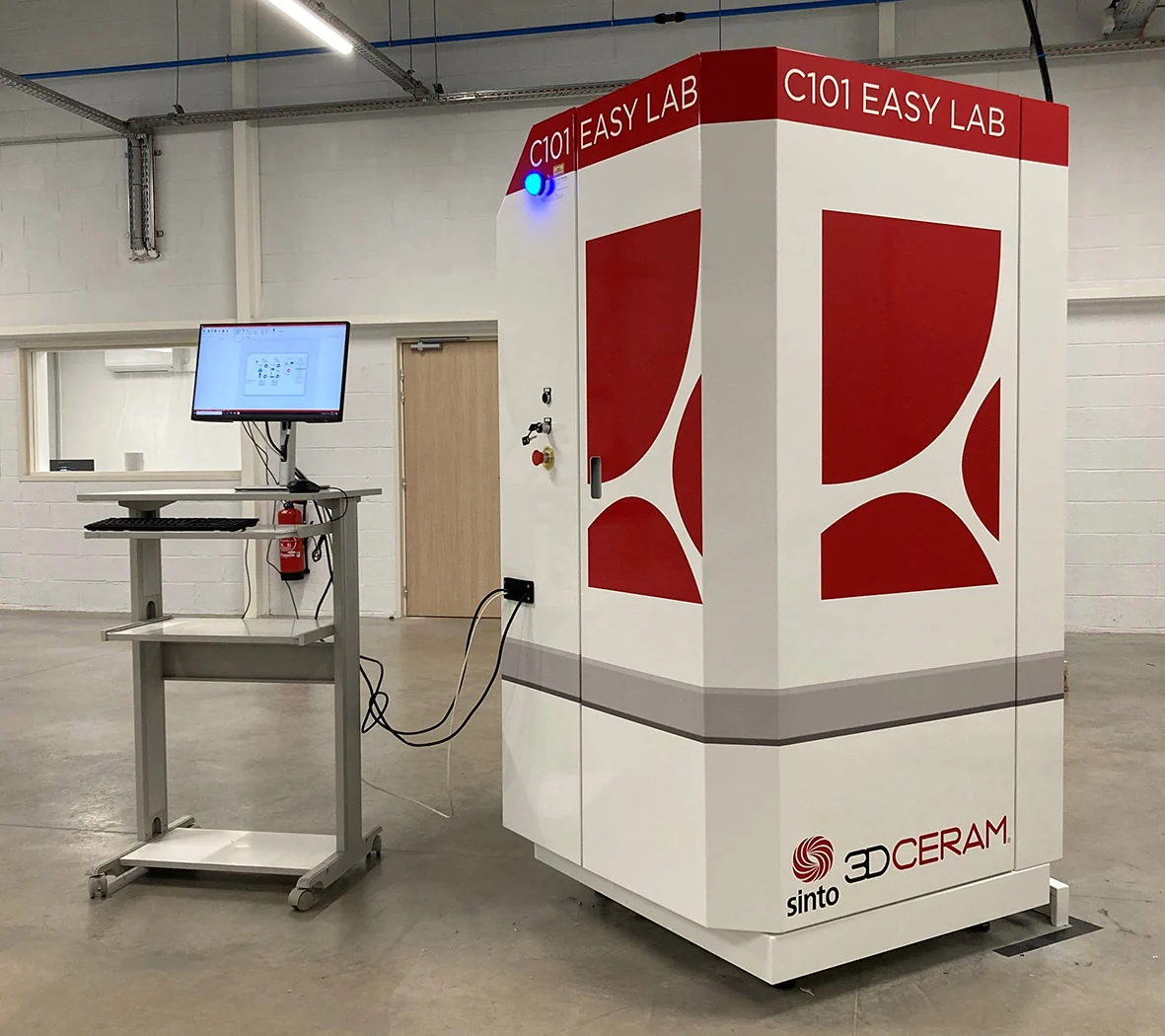
3DCeram C101 EASY LAB Ceramic SLA 3D Printer – Lab & Material Development | 100×100×150 mm
Compact open-parameter ceramic SLA printer for research and material development — a 3.9×3.9×5.9 in / 100×100×150 mm build that starts a print from as little as 60 mL of ceramic. Develop your own process, then scale the same technology to 3DCeram production systems. Full print → debind → sinter workflow supported by Additive Plus.
- Open parameters — qualify new ceramics & formulations, not just vendor recipes.
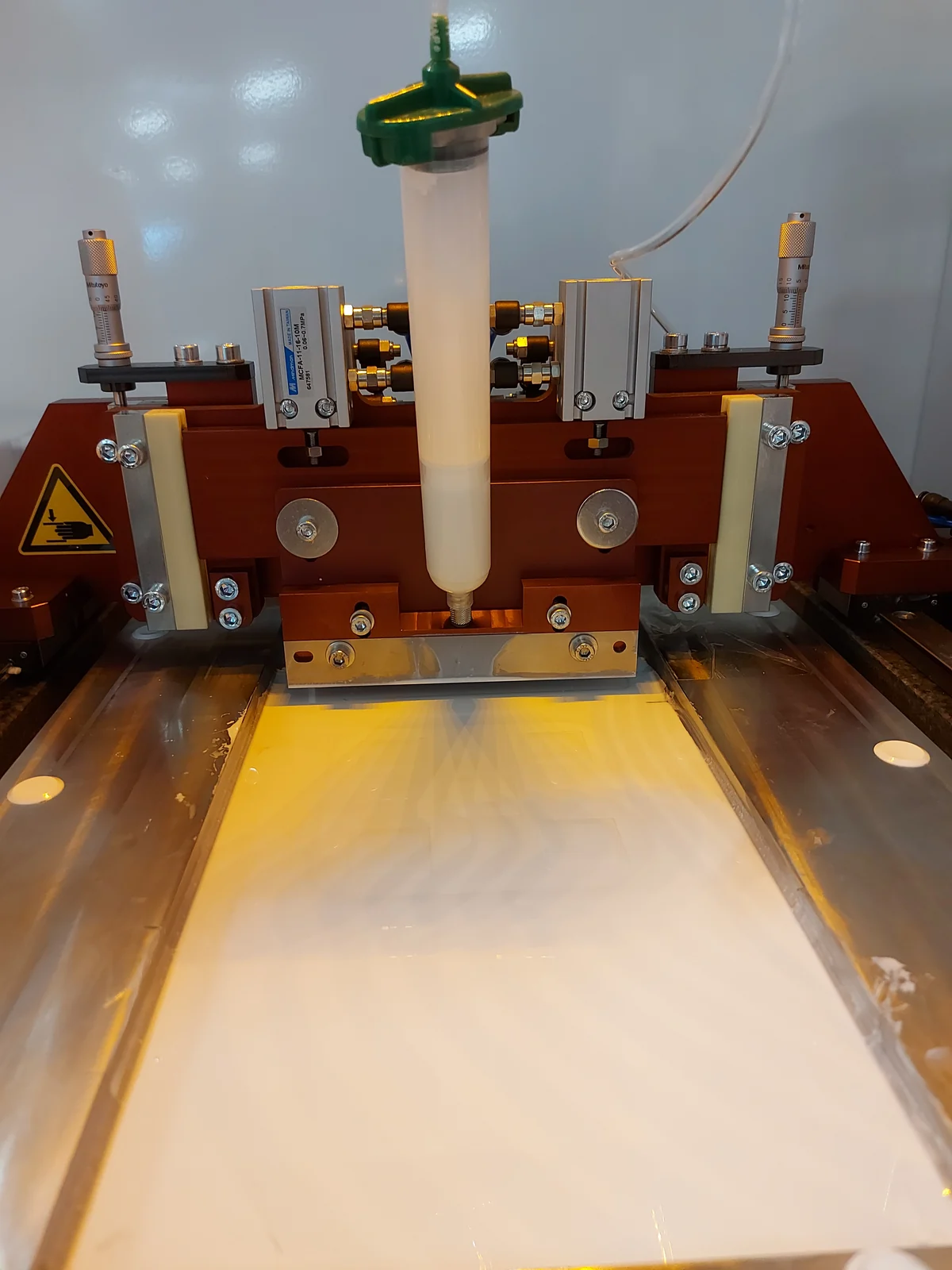
- Print from 60 mL — 10 mL with SAM option · change ceramic in ~20 min.
- Lead time: configured to order — install, training & scale-up support from California.
What your R&D team actually checks
Open platform for material development
Open parameters let you qualify new ceramics and formulations, not just run vendor recipes. The C101 EASY LAB is a genuine R&D machine — develop the process here, then scale it to a 3DCeram production system without starting over.
A ceramics engineer on the line
Open-parameter guidance, shrinkage maps for your ceramic, and debind/sinter parameter sets — plus a paid sample run before you commit. Sub-4h reply, NDA on request, from a team that runs ceramic AM.
The 3DCeram C101 EASY LAB is a compact, open-parameter ceramic SLA printer built for research centers, universities and material-development teams — a 3.9 × 3.9 × 5.9 in / 100 × 100 × 150 mm platform that starts a print from as little as 60 mL of ceramic. Develop your own process, then scale the exact same technology up to 3DCeram production systems. Additive Plus supports the full print → debind → sinter workflow around it.
Why R&D teams choose the C101 EASY LAB
A genuine development platform — open parameters, minimal material, fast turnaround.
Develop your own process
Open parameters give you full control of the print — laser, exposure and layering — to qualify new ceramics and formulations, not just run pre-set recipes.
Print from 60 mL of ceramic
Start a build with just 60 mL of paste — or 10 mL with the Small-Amount-of-Material (SAM) option. Precious experimental ceramics go further per trial.
Change ceramic in 20 minutes
The platform is built for fast maintenance and cleaning between prints — about 20 minutes on the same ceramic, 40 minutes when switching to a different slurry.
Lab today, fab tomorrow
A hybrid option is available, and the C101 shares its process with 3DCeram’s production systems — so a recipe proven here scales up without re-qualifying from scratch.
Print → debind → sinter: the full ceramic workflow
A printed ceramic is a “green” part, not a finished one. The C101 is step one of three — and Additive Plus supports all three.
Print the green part
The UV laser cures ceramic-loaded paste layer by layer, 0.010–0.125 mm at a time, into a dense green body on the 100 × 100 × 150 mm platform.
Debind
The green part is cleaned of unpolymerised paste and thermally debound to remove the organic binder — in air or nitrogen — leaving a fragile all-ceramic body.
Sinter to full density
Sintering fuses the ceramic to near-full density. The part shrinks roughly 15–20% linearly, so shrinkage is compensated in CAD up front. We share validated cycles per material.
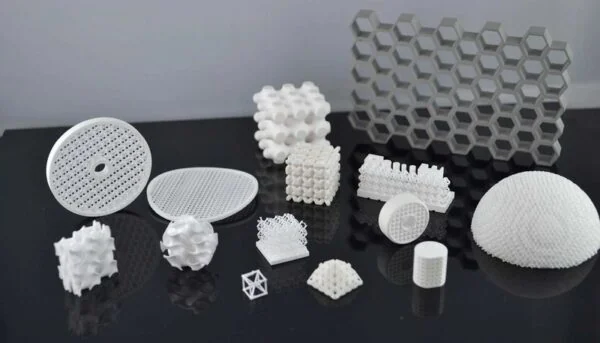
Materials & compatible ceramics
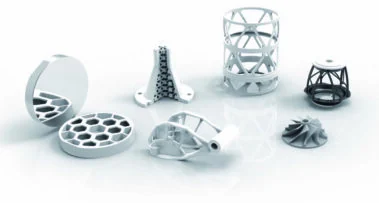
The C101 EASY LAB runs 3DCeram’s technical-ceramic pastes and is designed to help you qualify new ones. Each ceramic family targets a different property set — mechanical, thermal, electrical or biomedical. Additive Plus helps match the ceramic to your part and shares the matching debind/sinter schedule.
| Ceramic | Key properties | Typical parts |
|---|---|---|
| Alumina (Al₂O₃) | High hardness, wear & corrosion resistance, electrical insulation, high service temperature | Wear parts, insulators, industrial components |
| Zirconia (ZrO₂) & 8Y | High strength & toughness; 8Y adds ionic conductivity & heat insulation | Medical & dental, solid-oxide fuel cells |
| Silicon nitride (Si₃N₄) | Excellent thermal-shock & wear resistance, low density, low thermal expansion | Bearings, high-temperature structural parts |
| Aluminium nitride (AlN) | High thermal conductivity with electrical insulation, good mechanical strength | Electronics, thermal-management substrates |
| Hydroxyapatite (HA) / TCP | Bioactive, resorbable, biocompatible | Bone substitutes, cranial & maxillofacial implants |
| Cordierite & silica-based | Low thermal expansion, thermal-shock resistant, low dielectric loss | Refractory & thermal components |
Qualifying a new ceramic? That’s exactly what the C101 EASY LAB is for — ask our engineer.
Key specifications
| Technology | Top-down laser stereolithography (ceramic SLA) |
| Build platform (L×W×H) | 3.9 × 3.9 × 5.9 in / 100 × 100 × 150 mm |
| Laser | UV, 405 nm · ~60 µm spot |
| Layer thickness (Z) | 0.0004–0.0049 in / 0.010–0.125 mm |
| Minimum ceramic to start | 60 mL · 10 mL with SAM option |
| Material changeover | ~20 min same ceramic · ~40 min different slurry |
| Hybrid option | Available |
| Machine dimensions (L×W×H) | 37.0 × 41.7 × 71.9 in / 940 × 1060 × 1826 mm |
| Weight | 1,653 lb / 750 kg |
| Utilities | 220–240 VAC, 50 Hz · 2 kW · dry compressed air 6 bar · 20–25 °C, 50% RH |
| Control / warranty | Web dashboard · 12-month warranty |
See the Specifications tab for the full manufacturer data set.
Typical applications
Where an open ceramic development platform earns its place.
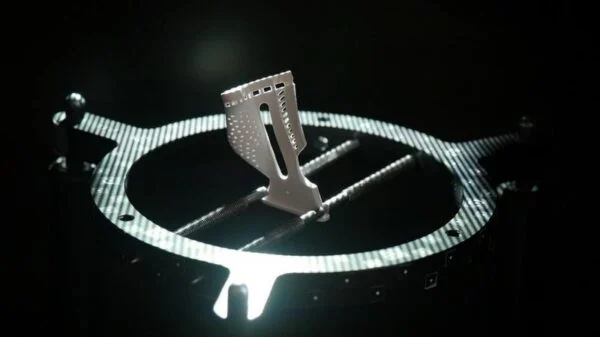
Ready to scale beyond the lab?
The C101 develops the process; these 3DCeram systems put it into production.
Why source the C101 EASY LAB through Additive Plus
- Full workflow, one partner. Printer, ceramic materials, debinding and sintering — we support the whole chain, not just the machine.
- Development & DfAM support. Open-parameter guidance, shrinkage compensation and validated debind/sinter cycles — from engineers who run ceramic AM.
- A clear scale-up path. Prove your process on the C101, then move it to a 3DCeram production system without starting over.
- US-based install, training & service. Commissioning and operator training handled from California, in your timezone.
- <24h response. 200+ qualified systems delivered across 23 countries.
| Brand | 3DCeram |
| Country of origin | France |
| Weight | 1653 lb / 750 kg |
| Dimensions | 37.0×41.7×71.9 in / 940×1060×1826 mm |
| Build Volume | 3.9×3.9×5.9 in / 100×100×150 mm |
| Layer thickness | 0.0004–0.0049 in / 0.010–0.125 mm |
| Light source | UV Laser |
| UV Wavelength | 405 nm |
| Laser spot diameter | ~60 µm |
| Electrical requirements | 220–240 VAC / 50Hz |
| Power Consumption | 2 kW |
| Optimum indoor operation temperature | 20–25 °C / 68–77 °F |
| Relative humidity | 50% |
| Compressed air | 6 bar dry |
| Hybrid option | Available |
| Client Operating System | Web Dashboard |
| Warranty | 12 months |
| Technology | CERAMIC SLA |
| Printing Materials | Ceramic Pastes |
| Material | Silicon Nitride, Zirconia, Alumina, Aluminium Nitride, Cordierite, Hydroxyapatite, Tricalcium Phosphate |
Product videos
3DCeram develops and qualifies new ceramic formulations on request — typically in 2–4 weeks. Tell us the properties you need and we'll scope it.
Other products teams run alongside 3DCeram C101 EASY LAB Ceramic SLA 3D Printer – Lab & Material Development | 100×100×150 mm
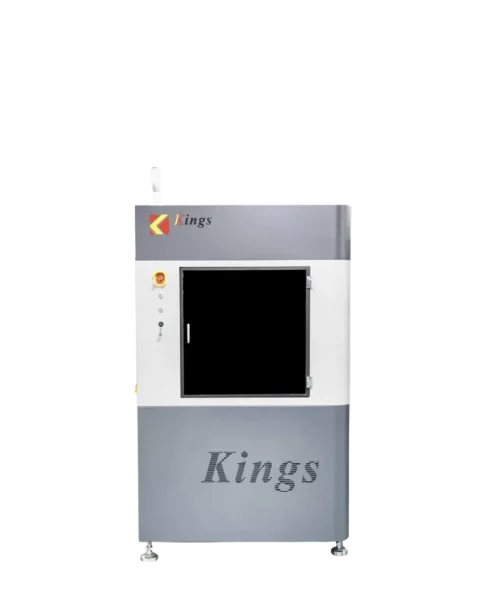
High-precision industrial SLA. Marble frame. Vacuum recoating. Built for fine-detail parts with a longer reach — extended dental and jewelry work, small engineering prototypes and casting patterns — at industrial accuracy.
- ✓ 24×14×14 in / 600×350×350 mm build chamber — fine detail with longer reach
- ✓ Solid-state 355 nm Nd:YVO4 laser · 0.075–0.8 mm variable beam · 0.0005 mm vertical resolution
- ✓ Full-marble machine frame — thermal stability for ±0.1 mm part accuracy
- ✓ Lead time: 8–10 weeks — on-site install, calibration & operator training included
Made to order
· Ships in 8–10 weeks from order placement. Need it sooner? Talk to a specialist.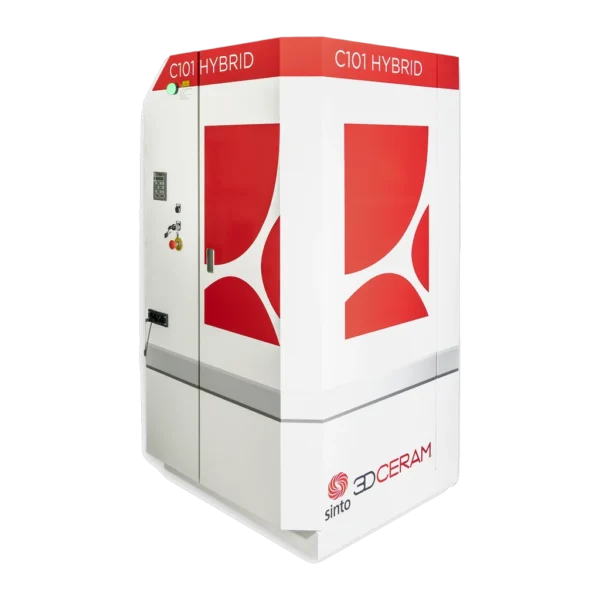
Multi-material ceramic SLA printer that prints two materials in the same layer — ceramic plus a second ceramic, metal or polymer — on a 3.9×3.9×5.9 in / 100×100×150 mm platform. It makes functionally graded and multi-material ceramic parts single-material printing can't. Full print → debind → co-sinter workflow supported by Additive Plus.
- Two materials in one layer — ceramic + ceramic, metal or polymer.
- Open-parameter R&D — 100×100×150 mm build, cartridges from 60 mL.
- Lead time: configured to order — material-pair & co-sinter support from California.
Made to order
· Lead time: configured to order — request a build slot. Installation, training and process support included from California.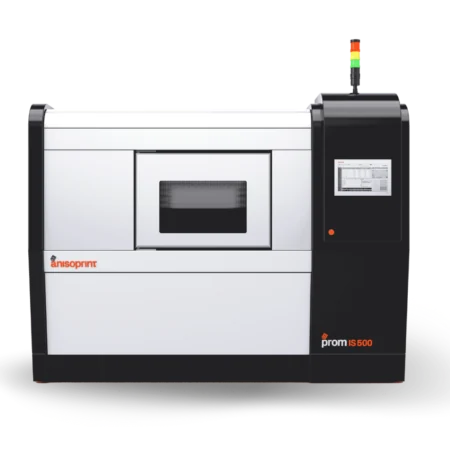
- ✔ CFC continuous fiber steered along load paths — ~860 MPa tensile at ~1.4 g/cm³
- ✔ Up to 4 swappable heads: fiber + plastic + soluble support
- ✔ High-temp extruder to 400 °C — PEEK & PEI (ULTEM), heated chamber/bed to 160 °C
- ✔ Made to order — request a quote for lead time, spares & support
Made to order
· Made to order — lead time, spares and long-term support confirmed with the vendor at quote. Request a quote.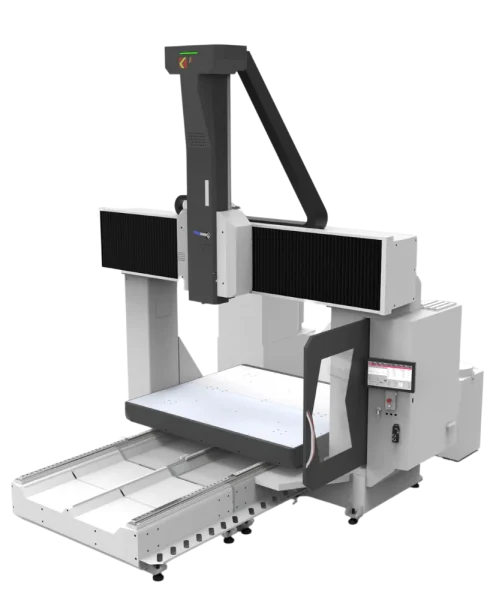
Hybrid additive + subtractive large-format pellet 3D printer — 94×79×53 in / 2400×2000×1350 mm bed, raw polymer granules, 3–16 mm nozzles, up to 30 kg/h. Optional 450°C nozzle and integrated CNC milling. Material cost 5–10× lower than filament.
- ✓ Print + mill in one cell — near-net print, then machined surfaces without a second setup
- ✓ 94×79×53 in / 2.4×2.0×1.35 m bed — up to 30 kg/h, three-phase industrial
- ✓ Lead time: 8–10 weeks — configured to order, installed and trained on-site
Made to order
· Ships in 8–10 weeks from order placement. Need it sooner? Talk to a specialist.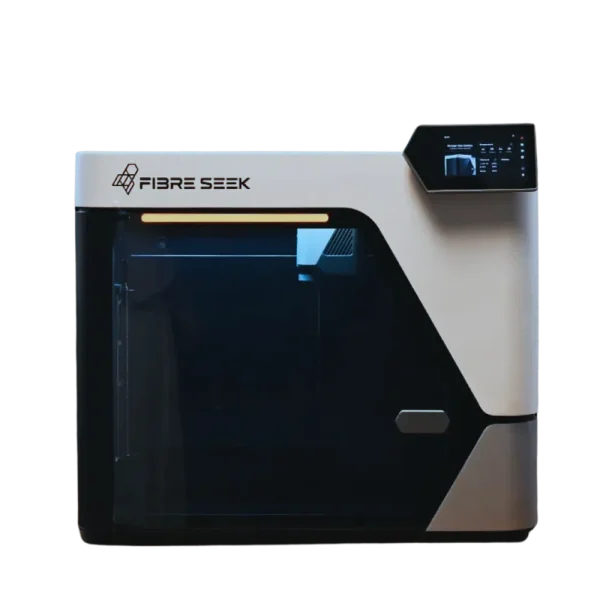
Desktop continuous-fiber 3D printer for load-bearing parts that replace machined aluminum.
- In stock in the US — ship date confirmed by email after you order.
- 1-year warranty in every bundle · 2 years with Pro and Enterprise
- US service from Starter up · support line +1 (747) 800-4854
In stock
· In stock · ships from the US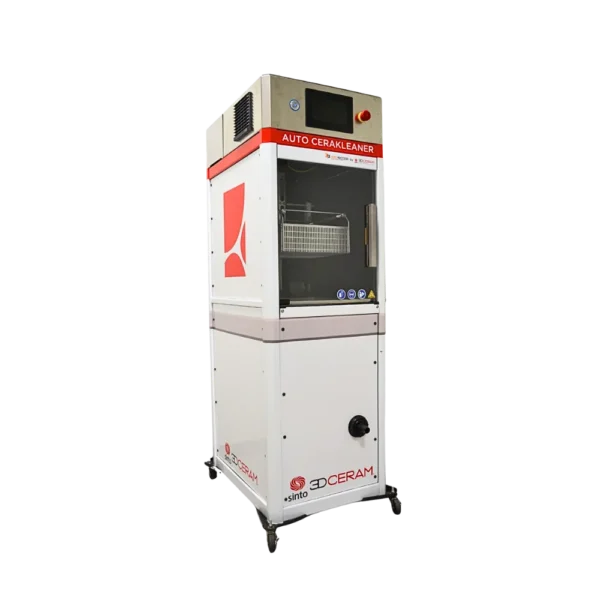
Automated cleaning system that removes excess ceramic paste from freshly printed green parts, leaving them ready to debind — replacing slow, hands-on solvent cleaning in the ceramic AM workflow.
- ✓ Gentle, low-mechanical-stress cleaning of fragile green parts
- ✓ Batch time cut dramatically vs manual (e.g. 60 min → 5 min on 70 alumina parts)
- ✓ Solvent longevity + recycling · no manual solvent contact
In stock
· Lead time, utilities and installation confirmed at quote — configured to order. Install and training included.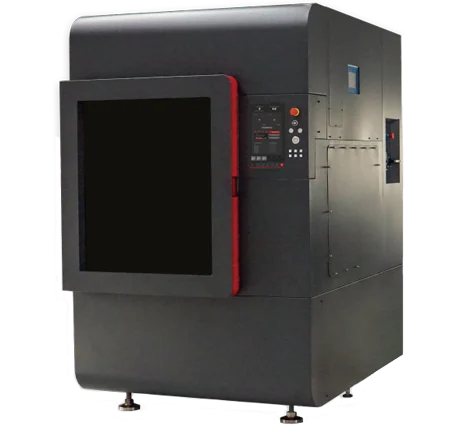
The InssTek MX-Fab is an all-in-one 5-axis DED metal 3D printer with a 31×39×28 in / 800×1000×700 mm work envelope — a 1,000 W (up to 2,000 W) ytterbium fiber laser, DMT closed-loop melt-pool control, and up to six powder feeders for multi-material and functionally graded parts.
- ✔ 5-axis DED with real-time DMT melt-pool feedback — dense, near-net-shape metal
- ✔ 30+ qualified alloys: Ti, Ni superalloys, stainless & tool steel, CoCr, Cu — multi-material in one build
- ✔ Fabrication, cladding, and repair on one platform
- ✔ Lead time: configured to order — request a quote for delivery & installation
Made to order
· Quote on request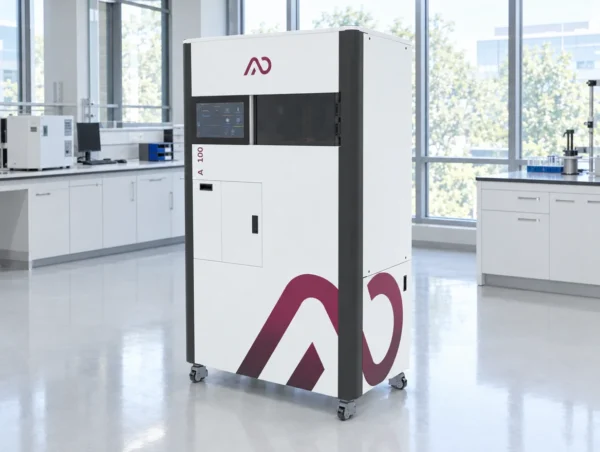
The same open platform as the A50, with four times the build area — Ø100 × 100 mm (3.9 × 3.9 in). Optional 445 nm blue laser and 900 °C platform for copper, gold, silver and refractory alloys; sixteen alloys proven to date, with validated parameters supplied for the standard alloys. Floor-standing LPBF, 300–1000 W, every parameter yours. Designed and built in the USA. From $99,000 · 8–14 weeks. Installation and commissioning in the USA: facility and gas planning, start-up and operator training by our US service team.
Made to order
· 8–14 weeksWhat our customers say
“Harry and team were professional, effective communicators as we set up the order, then they executed quickly and produced an amazing product for us at a very competitive price. Am looking forward to our next print w Additive Plus!”
“Great 3D printing service and the resin parts look super smooth and clean. Really happy with how everything turned out!”
“Harry was very professional and helped me out with my 3D printing needs and explained what options I have in terms of filaments such as PEEK. Highly recommended.”
“I needed a 3D enclosure printed urgently in a specific time period, they did great!”
Common questions
Don't see yours? Email [email protected] — NDA on request, typical reply within 4 hours.
What makes the C101 EASY LAB an "open" platform?
What post-processing is required after printing on the C101 EASY LAB?
How little ceramic can I start a print with?
How quickly can I switch between ceramics?
Can I scale a process developed on the C101 to production?
What is the build volume and layer thickness?
What is the linear shrinkage after sintering?
Can Additive Plus print a paid sample before I buy?
Place your order, or talk to an engineer first
Order 3DCeram C101 EASY LAB Ceramic SLA 3D Printer – Lab & Material Development | 100×100×150 mm direct, or talk to materials engineer