
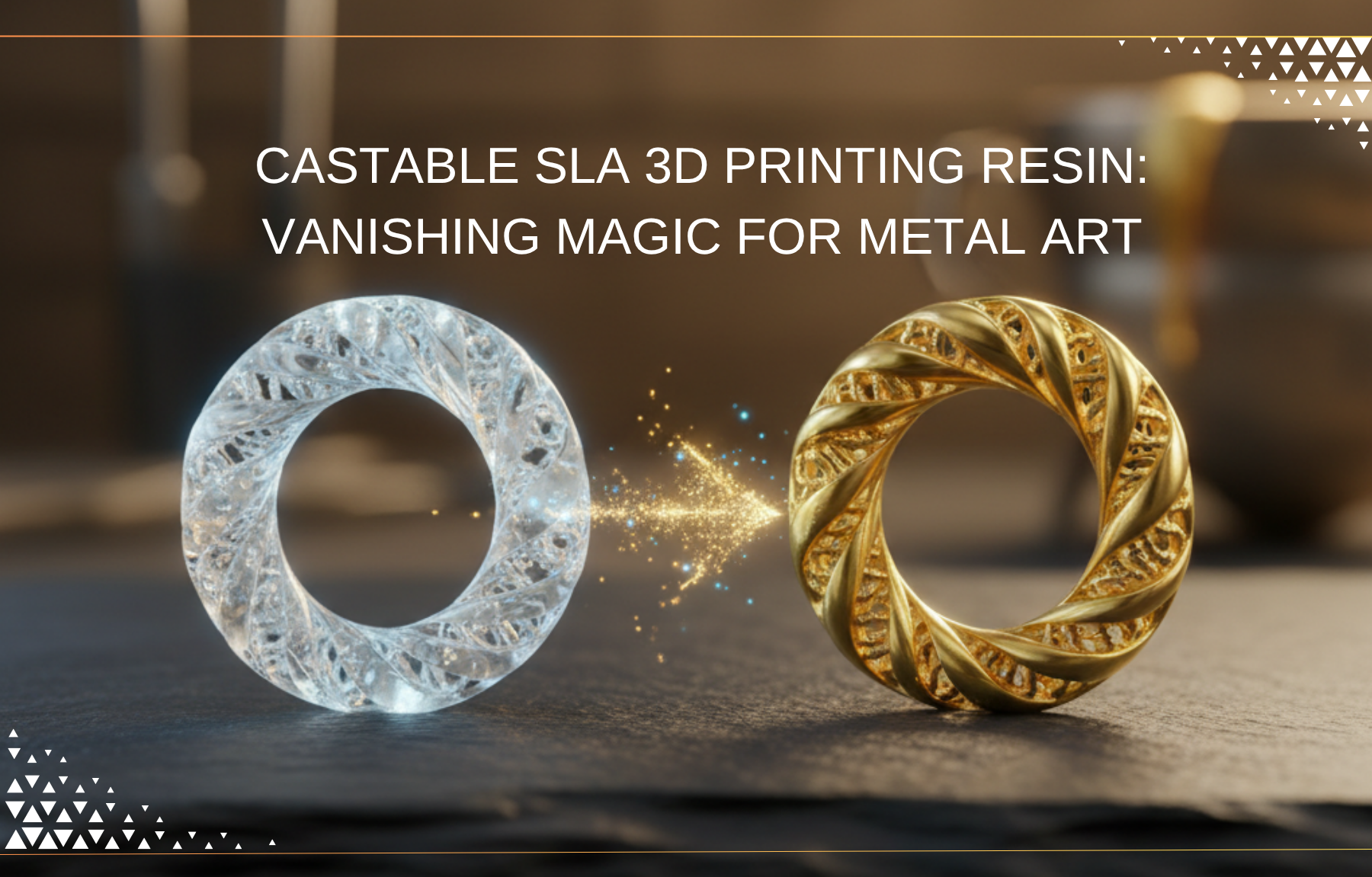
The quest for unparalleled precision in manufacturing, especially when transforming intricate digital designs into high-fidelity metal components, has driven relentless innovation. At the forefront of this advancement is Castable SLA 3D Printing Resin, a sophisticated material revolutionizing investment casting. This specialized SLA Resin for Casting from Additive Plus empowers engineers, jewelers, and designers to create complex patterns with an astonishing level of detail and accuracy, far surpassing the limitations of conventional prototyping and pattern-making techniques.
Imagine a material that, when exposed to focused UV light, solidifies layer by layer into a flawless three-dimensional object. This is the essence of stereolithography (SLA) 3D printing. What sets this particular Castable Printing Resin apart is its remarkable “burnout” property. After printing, these resin patterns can be directly integrated into the investment casting process. Unlike traditional waxes, this Resin for investment casting 3D printing offers a clean and complete ash-free combustion, ensuring that no residue compromises the integrity of the mold cavity. This leaves behind a perfect void, ready to be filled with molten metal, from precious alloys like gold and silver to industrial-grade steels.
The implications of this technology are vast. From crafting bespoke jewelry with intricate filigree using specialized Jewelry 3D printing resin to producing precision components for dental prosthetics and aerospace, Castable SLA 3D Printing Resin streamlines workflows and opens new avenues for product development. This introductory exploration delves into the mechanics behind this transformative material, highlighting its integral role in achieving exceptional surface finish and dimensional accuracy in metal part production.
The Science Behind the Vanishing Act: Decoding Castable SLA 3D Printing Resin
Building on the concept of a “magic goo” that prints with light and vanishes without a trace, let’s delve deeper into the fundamental properties that make Castable SLA 3D Printing Resin so revolutionary. This isn’t just any liquid plastic; it’s a meticulously engineered photopolymer designed for a very specific and critical purpose: to create intricate patterns that can then be completely eliminated. The “castable” aspect refers to its unique ability to undergo an exceptionally clean thermal degradation, leaving behind no ash or residue. This characteristic is paramount for the subsequent investment casting process, where molten metal takes the place of the vanished resin.
Understanding Ash-Free Burnout: The Key to Flawless Casting
The most distinguishing feature of Castable Printing Resin is its ash-free burnout. When a 3D-printed model made from this specialized material is subjected to high temperatures in a furnace, it doesn’t simply melt or leave behind a gooey mess. Instead, its chemical composition allows it to thermally decompose into gaseous byproducts, effectively “disappearing” from the mold cavity. This complete volatilization is critical because even the tiniest speck of ash or residue left within the mold would compromise the final cast metal product, leading to imperfections, porosity, or a poor surface finish. Traditional wax patterns, while effective, can sometimes leave behind carbonaceous residues, necessitating more complex post-processing steps. SLA Resin for Casting circumvents this challenge entirely, ensuring a pristine cavity ready for metal.
Precision and Detail: The SLA Advantage for Castable Printing Resin
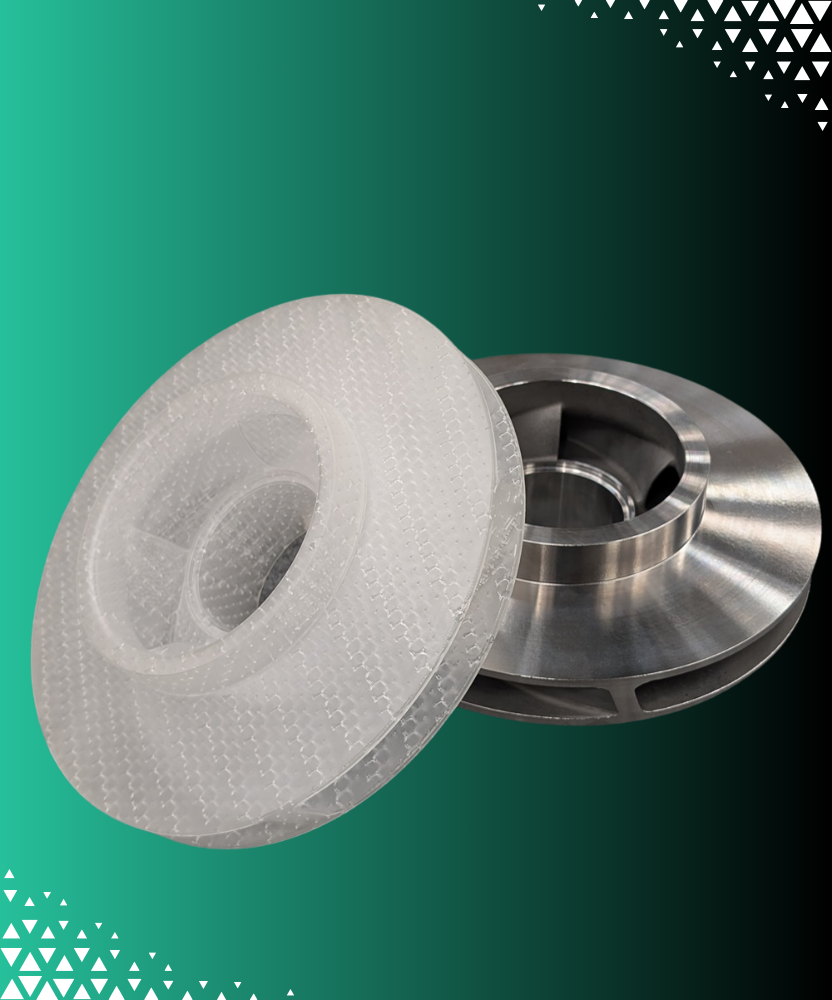
The “SLA” in Castable SLA 3D Printing Resin refers to Stereolithography, a 3D printing technology renowned for its exceptional accuracy and surface finish. SLA printers utilize a UV laser to selectively cure (harden) liquid photopolymer resin, layer by microscopic layer, building up an object from the bottom up. This process allows for the creation of incredibly fine details, sharp edges, and smooth surfaces, often down to micron-level resolution.
When applying this to casting, the inherent precision of SLA becomes a massive advantage. Designs that are impossibly intricate or feature extremely delicate geometries can be faithfully reproduced in the Castable Printing Resin. This level of detail directly translates into the final metal product, ensuring that complex filigrees, tiny engravings, or precise mechanical features are perfectly captured. For industries demanding exacting standards, such as jewelry and dental prosthetics, the ability of SLA to produce high-fidelity patterns is indispensable. Choosing the right SLA 3D printer is paramount to achieving these precise results, ensuring your castable resin patterns are of the highest quality.
Why SLA Resin for Casting is a Game-Changer: Benefits for Modern Manufacturing
The unique properties of Castable SLA 3D Printing Resin translate into significant advantages that have revolutionized design and manufacturing across various sectors. Its capabilities address long-standing challenges in creating highly detailed metal parts, offering solutions that were once complex, time-consuming, or prohibitively expensive.
Unparalleled Design Freedom and Intricacy
One of the most compelling benefits of Resin for investment casting 3D printing is the almost limitless design freedom it offers. Unlike traditional manufacturing methods that are constrained by tooling or the limitations of manual craftsmanship, 3D printing allows engineers and designers to create complex internal geometries, intricate lattice structures, and organic shapes that would be impossible to achieve otherwise. This ability unlocks new possibilities for product innovation, allowing for custom, bespoke designs that perfectly meet specific functional or aesthetic requirements. Imagine crafting jewelry with incredibly detailed personalized elements or producing miniature industrial components with internal channels for optimal fluid flow – all made possible by the digital flexibility and physical precision of this resin.
Frequently asked questions
What does "castable" truly mean in the context of Castable SLA 3D Printing Resin?
When a resin is described as “castable,” it means it’s specifically formulated to undergo a process called investment casting (also known as lost-wax casting). After your model is 3D printed using Castable SLA 3D Printing Resin, it’s embedded in a special plaster-like material called investment. When this entire mold is heated to high temperatures, the resin model completely burns out, leaving behind an empty, clean cavity that perfectly mirrors the original print. This cavity can then be filled with molten metal, ensuring a flawless metal replica.
How does Castable Printing Resin differ from standard 3D printing resins?
The primary difference lies in their post-processing properties and chemical composition. Standard 3D printing resins are designed to cure into durable, solid plastic objects. When subjected to high heat, they would typically melt, deform, or leave behind a significant amount of ash or residue. Castable Printing Resin, however, is engineered for a clean, ash-free burnout at specific temperatures, ensuring no impurities are left within the investment mold that could compromise the final metal casting.
What types of metals are best suited for casting with models made from SLA Resin for Casting?
SLA Resin for Casting is highly versatile and compatible with a wide range of metals, making it ideal for various industries. Common metals include precious metals like gold (yellow, white, rose), silver, and platinum, often used in jewelry. It’s also suitable for base metals such as brass, bronze, and various dental alloys and industrial metals that require high precision. The specific burnout cycle can be optimized for different metal types to ensure the best casting results.
Why is the complete "burnout" process so critical when using Resin for investment casting 3D printing?
The burnout process is arguably the most crucial step in investment casting with Resin for investment casting 3D printing. If the resin does not completely burn out and leaves behind even a tiny amount of ash or carbon residue, these impurities will contaminate the molten metal. This can lead to defects in the final cast, such as porosity, rough surfaces, or even incomplete filling of intricate details. A clean, controlled burnout ensures the mold cavity is pristine, resulting in high-quality, defect-free metal parts.
What are the main advantages of using Jewelry 3D printing resin over traditional wax modeling?
Using Jewelry 3D printing resin offers several significant advantages over traditional wax carving. It allows for the creation of highly intricate and complex geometries that would be incredibly difficult, if not impossible, to achieve by hand. Designs can be rapidly iterated and modified in CAD software, dramatically reducing design and prototyping time. It ensures exceptional accuracy and repeatability, allowing jewelers to produce multiple identical pieces with consistent quality, streamlining production and enabling greater design freedom for custom and mass-produced items.
Are there common mistakes to avoid when working with Castable SLA 3D Printing Resin?
Yes, several challenges can arise. Common mistakes include improper cleaning of the printed model (leaving uncured resin), insufficient post-curing (leading to incomplete burnout), and not following the recommended burnout schedule (resulting in ash residue or cracked investment molds). Additionally, overloading the furnace during burnout or using incompatible investment materials can also cause issues. Careful adherence to manufacturer guidelines for the Castable SLA 3D Printing Resin, printer settings, and burnout process is essential for success.
Do I need a special type of SLA 3D printer to use Castable Resins?
While many standard SLA and DLP 3D printers are compatible with Castable SLA 3D Printing Resin, it’s important to verify wavelength compatibility (typically 385nm or 405nm) and ensure your printer model has validated resin profiles for castable resins. Some resin manufacturers provide specific settings for popular printer brands to optimize print quality and burnout performance. While a dedicated “jewelry” or “casting” printer isn’t always necessary, using a printer with fine resolution capabilities will best leverage the intricate detail potential of these resins.
Have a question or a project? Let’s talk.
Tell us what you need — a real applications engineer replies within 24 hours. NDA on request, no sales script.