
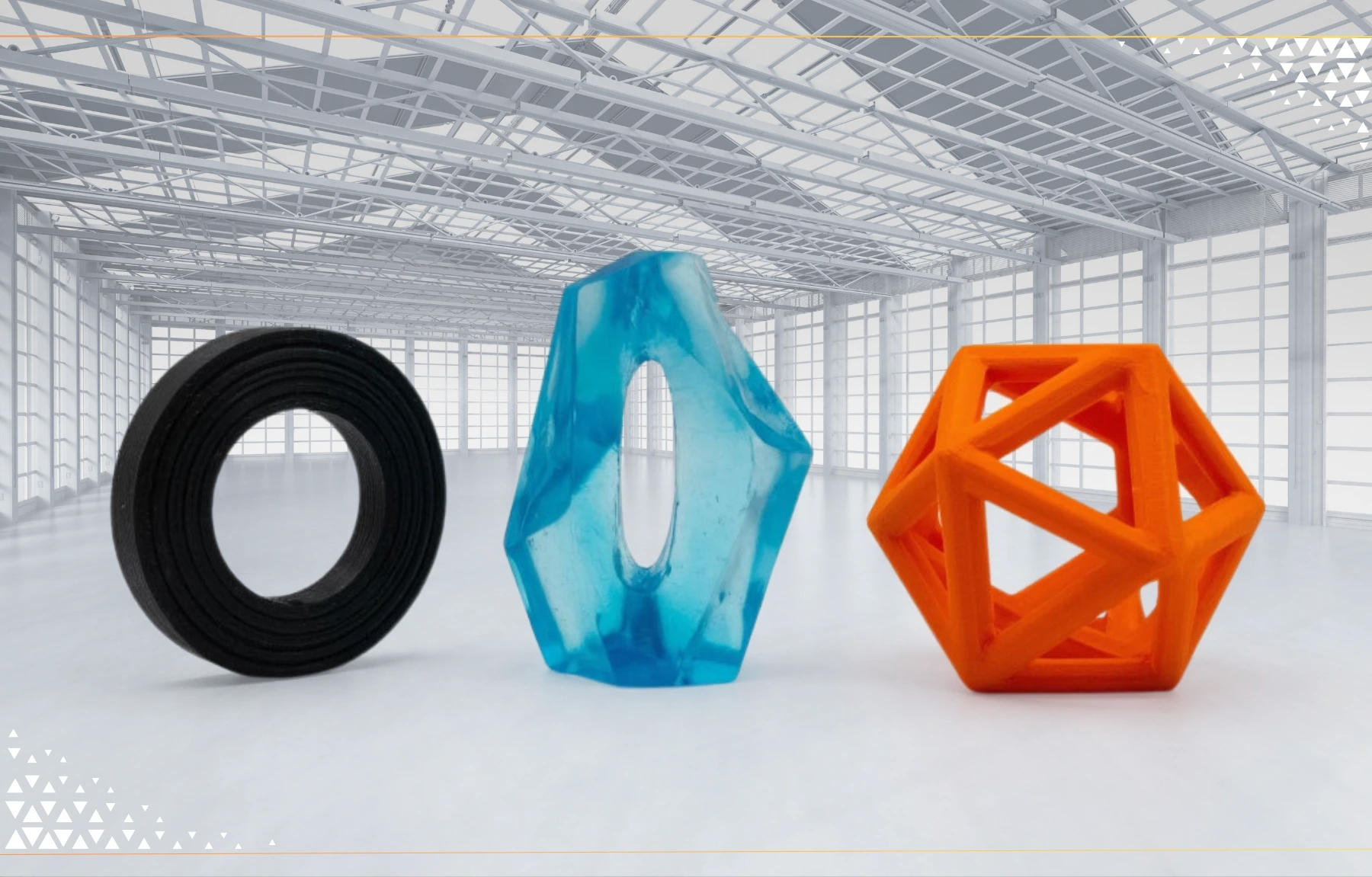
- Aerospace & Defense
- Automotive
- Healthcare & Dental
- Consumer Products & Electronics
- Architecture & Construction
- Industrial Manufacturing & Tooling
- Energy & Marine
- Education & Research
- Comparative Overview
- Next Steps In Your 3D Printing Journey
- FAQ
3D printing has grown far beyond its roots in rapid prototyping. Today, it’s a critical manufacturing tool across industries as diverse as aerospace, healthcare, automotive, and consumer products. By enabling faster development cycles, on-demand production, and designs that were once impossible, additive manufacturing has become a driver of innovation and efficiency.
From producing lightweight aerospace components to custom dental implants, 3D printing adapts to the unique demands of each sector. The choice of materials, ranging from plastics and resins to metals and ceramics, further expands its applications, making it a versatile solution for both prototyping and end-use production.
In this guide, we’ll explore the key industries where 3D printing is making an impact, the applications it serves, and the materials that power it.
Aerospace & Defense
3D printing has become a cornerstone in aerospace and defense because of its ability to produce lightweight, high-performance components with complex geometries. Traditional manufacturing often struggles with part consolidation and weight reduction, but additive processes make it possible to design stronger, lighter, and more efficient structures.
- Applications: Structural brackets, fuel nozzles, engine components, satellite parts, and drone systems
- Materials: Titanium, Inconel, aluminum alloys, high-performance polymers
- Benefits: Weight reduction, part consolidation, faster design-to-production cycles, reduced fuel consumption
For example, aerospace companies use LPBF metal printing to produce titanium brackets that replace multi-part assemblies, reducing both weight and assembly time. Defense organizations rely on 3D printing for on-demand spare parts and tooling in environments where supply chains are limited.
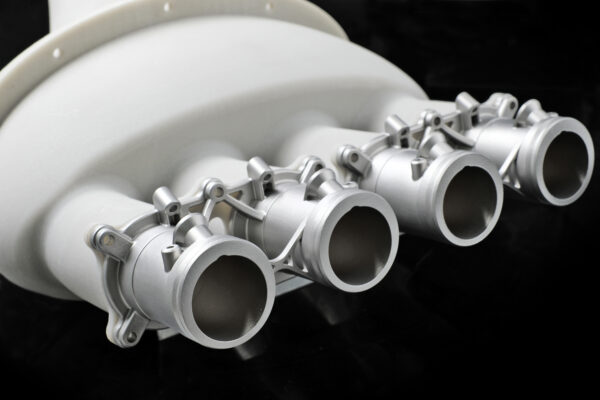
This capability is available through Additive Plus’s Metal 3D Printing (LPBF-DMLS) service, which supports aerospace-grade metals like titanium, Inconel, and aluminum for functional, flight-ready components.
Automotive
The automotive sector has been one of the earliest adopters of 3D printing, using it to speed up product development and optimize manufacturing workflows. Additive manufacturing enables engineers to create prototypes quickly, validate designs, and even produce end-use parts for low-volume vehicles.
- Applications: Prototypes, jigs and fixtures, molds, lightweight components, spare parts
- Materials: Nylon (PA12), ABS, composites, aluminum, stainless steel
- Benefits: Faster design cycles, reduced tooling costs, customization, lightweighting
For example, automakers rely on SLS printing to create durable nylon jigs and fixtures that hold up under daily use on the production floor. Custom brackets and housings are also produced with FDM or LPBF, giving teams flexibility from prototyping to functional part production.
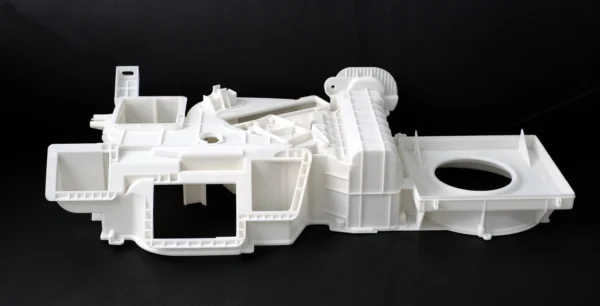
These capabilities are available through Additive Plus’s SLS nylon printing for strong production aids, FDM printing for cost-effective prototypes, and LPBF metal printing for high-performance metal parts used in vehicles.
Healthcare & Dental
Healthcare and dental industries rely on 3D printing to deliver patient-specific solutions that improve treatment outcomes and reduce time to care. From surgical planning to permanent implants, additive manufacturing enables customization at a level traditional methods can’t match.
- Applications: Surgical guides, dental aligners, crowns, prosthetics, implants, anatomical models
- Materials: Biocompatible resins, SLA resins, titanium, cobalt-chrome, ceramics
- Benefits: Customization for each patient, reduced lead times, improved fit and function, cost savings
For example, dental labs use SLA and DLP printing to create accurate surgical guides and models for crowns or aligners. Hospitals increasingly rely on metal 3D printing for custom titanium implants designed to fit each patient’s anatomy.

Additive Plus supports this industry with Same-Day SLA printing for highly accurate dental models, DLP resin printing for fast patient-specific guides, and LPBF metal printing for strong, biocompatible implants in titanium and cobalt-chrome.
Consumer Products & Electronics
In consumer products and electronics, 3D printing helps brands accelerate product development and bring designs to market faster. It allows companies to test ergonomics, aesthetics, and functionality early in the design process, while also enabling limited-run production for custom or niche products.
- Applications: Prototypes, wearable devices, product housings, custom casings, low-volume parts
- Materials: Resins, ABS, PLA, nylon, composites, aluminum
- Benefits: Shorter time-to-market, improved design validation, freedom to test multiple iterations, cost-effective customization
For example, electronics manufacturers use SLA printing to produce smooth, accurate prototypes for device housings before committing to injection molding. Consumer brands often adopt FDM or SLS printers in-house to speed up design iterations and maintain control over their production timelines.
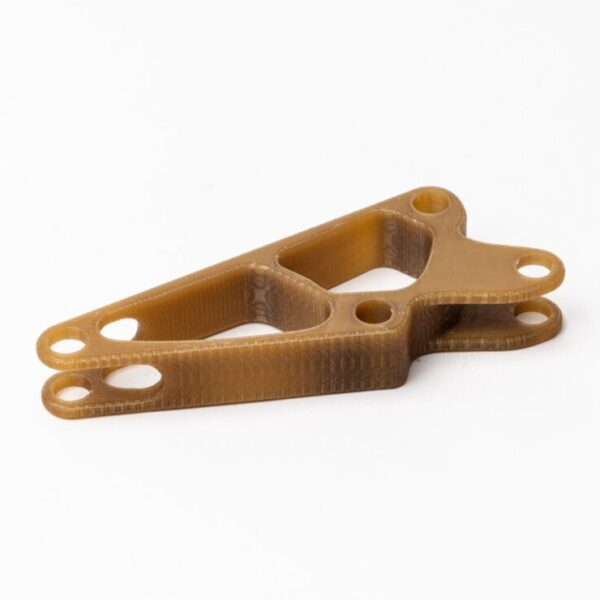
For consumer product teams ready to build internal 3D printing capabilities, Additive Plus offers a portfolio of industrial printers tailored for plastics, resins, and metals.
Architecture & Construction
Architecture and construction increasingly use 3D printing to visualize designs, test concepts, and even build structural components. What started as a tool for scale models is now expanding into experimental full-size construction and sustainable building methods.
- Applications: Architectural scale models, prototypes for urban design, façade elements, experimental housing structures
- Materials: Concrete, resins, polymers, composites
- Benefits: Faster design iteration, improved visualization for clients, potential for sustainable and cost-effective building solutions
For example, architects rely on SLA or SLS for detailed presentation models that help clients better understand complex designs. In construction, large-format extrusion (FGF/LFAM) is being tested to create molds, panels, and even full structural parts.

These processes are available through Additive Plus, from same-day SLA printing for architectural models to large-format FGF printing for oversized parts and prototypes.
Request a Quote for Architectural Printing
Industrial Manufacturing & Tooling
Industrial manufacturing relies on 3D printing to streamline production workflows, reduce downtime, and cut tooling costs. Instead of waiting weeks for outsourced parts, manufacturers can now produce jigs, fixtures, and molds on demand.
- Applications: Jigs and fixtures, molds, replacement parts, low-volume end-use tooling
- Materials: Steel, aluminum, nylon (PA12), high-temp polymers, composites
- Benefits: Reduced lead times, localized production, cost savings, greater flexibility
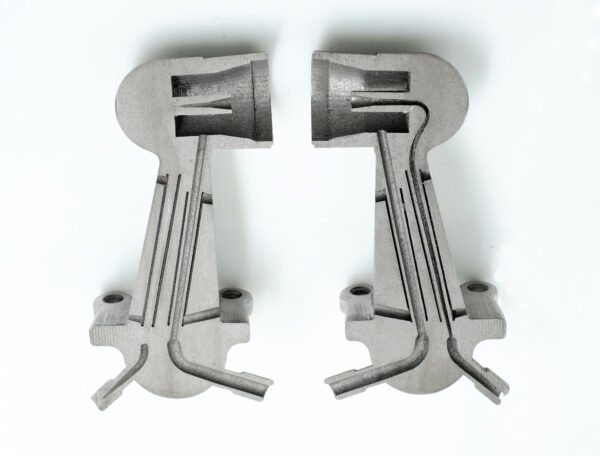
For example, factories use SLS nylon to produce lightweight but durable fixtures that improve efficiency on assembly lines. Tooling inserts or replacement parts made with LPBF metal printing can withstand high stress and temperature, keeping machines running without costly interruptions.
Request a Quote for Industrial 3D Printing
Energy & Marine
The energy and marine industries face unique challenges, components must withstand harsh environments, high stress, and continuous operation. 3D printing enables the production and repair of complex, large-scale parts while reducing waste and lead times.
- Applications: Turbine blades, heat exchangers, oil & gas tools, ship components, large-scale metal builds, repair and replacement parts
- Materials: Nickel alloys (Inconel), titanium, stainless steel, aluminum, composites
- Benefits: Faster turnaround for critical parts, extended equipment life, reduced material waste, localized production for remote operations
For example, offshore oil platforms use WAAM (Wire Arc Additive Manufacturing) to repair large metal structures without replacing the entire part. Energy companies rely on LPBF metal printing for turbine components in high-performance alloys that can withstand extreme temperatures and pressures.
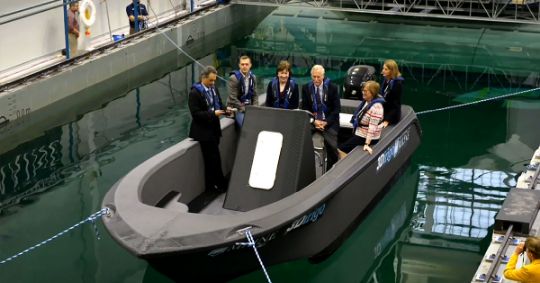
These technologies are becoming essential for industries where downtime is costly and parts must be both durable and available on demand.
Education & Research
In education and research, 3D printing serves as a hands-on learning tool and a platform for innovation. Universities, labs, and training centers use it to teach design principles, test new materials, and conduct experiments that advance manufacturing science.
- Applications: Classroom teaching models, student projects, lab experiments, material research, functional prototypes
- Materials: PLA, ABS, resins, nylon, titanium, aluminum, Inconel, ceramics
- Benefits: Accessible entry point for students, rapid design iteration, interdisciplinary research opportunities, cost-effective innovation
For example, engineering programs integrate FDM and SLA printers into their curriculum to teach design-for-additive principles, while research labs rely on LPBF and SLS to explore new alloys or functional polymers.
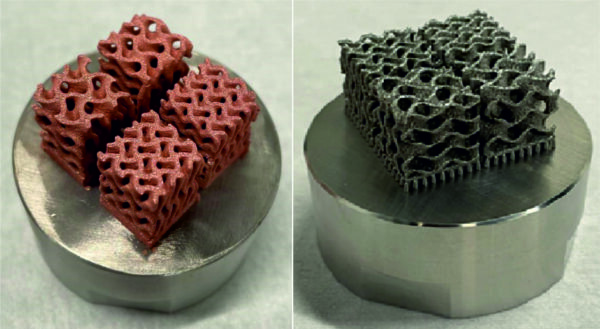
Education and R&D teams benefit most when they have access to multiple processes, resin, plastic, nylon, and metal alike. Additive Plus supports this approach by offering a complete suite of 3D printing technologies in one place, making it easier for schools and labs to match the right process to their research goals.
Explore 3D Printing Technologies
Comparative Overview
| Industry | Applications | Materials | Key Benefits |
| Aerospace & Defense | Structural brackets, engine parts, satellite components | Titanium, Inconel, aluminum, polymers | Lightweighting, part consolidation, faster development |
| Automotive | Prototypes, jigs & fixtures, molds, spare parts | Nylon (PA12), ABS, composites, aluminum, steel | Reduced tooling cost, faster prototyping, customization |
| Healthcare & Dental | Surgical guides, implants, prosthetics, dental models | Biocompatible resins, titanium, cobalt-chrome, ceramics | Patient-specific solutions, improved fit, shorter lead times |
| Consumer Products & Electronics | Prototypes, housings, casings, wearables, low-volume parts | Resins, PLA, ABS, nylon, composites, aluminum | Shorter time-to-market, design flexibility, customization |
| Architecture & Construction | Scale models, urban design prototypes, structural parts | Concrete, resins, polymers, composites | Visualization, rapid iteration, sustainable solutions |
| Industrial Manufacturing & Tooling | Jigs, fixtures, molds, spare parts | Steel, aluminum, nylon, composites, high-temp polymers | Reduced downtime, cost efficiency, localized production |
| Energy & Marine | Turbine blades, heat exchangers, ship components, repairs | Nickel alloys, titanium, stainless steel, aluminum | High durability, faster repairs, waste reduction |
| Education & Research | Teaching models, student projects, material R&D | PLA, ABS, resins, metals, ceramics | Accessible learning, innovation, material testing |
Next Steps In Your 3D Printing Journey
From aerospace and automotive to healthcare, consumer products, and beyond, 3D printing has proven its value across industries. Each sector uses it differently, whether for lightweighting, customization, faster prototyping, or large-scale production, but the result is the same: more flexible and efficient manufacturing.
For many organizations, success comes from having access to multiple processes and materials, since no single technology fits every application. That’s why choosing the right partner or platform is essential.
Additive Plus brings together a full suite of 3D printing technologies, resin, nylon, plastics, metals, and large-format systems, making it easier for teams in any industry to move from concept to production with confidence.
Request a Quote | Explore Our 3D Printing Services
FAQ
Is 3D printing worth it for low-margin industries?
It can be. While adoption is highest in premium sectors like aerospace or healthcare due to impactful cost and performance benefits, industries with tighter margins can still benefit through select use cases, like custom tooling, rapid repairs, or inventory reduction via on-demand parts.
Can 3D printing support sustainable manufacturing initiatives?
Absolutely. 3D printing minimizes excess material waste, enables recycling of powders and filaments, and reduces logistics emissions via localized, on-site production.
What kind of regulations apply to 3D-printed parts in the medical or aerospace industries?
3D-printed components in regulated sectors often must meet standards like ISO/ASTM 52900 (for AM processes) and may require FDA approval or aerospace-specific certifications depending on their use and materials.
Why isn’t 3D printing used for mass production?
For very high volumes, traditional manufacturing like injection molding remains more cost-effective. 3D printing shines in low- to mid-volume runs, bespoke parts, or components with complex geometries.
What safety concerns should industries consider when using 3D printing?
Operators must account for potential hazards, including UV/laser exposure, burns, material toxicity, and risks from post-processing steps such as sanding or chemical finishing. Proper protective gear, like respirators and eye protection, is essential.
Frequently asked questions
Which industries use 3D printing the most?
3D printing is used across aerospace and defense, automotive, healthcare and dental, consumer products and electronics, architecture and construction, industrial tooling, energy and marine, and education and research. Each sector chooses materials from plastics and resins to metals and ceramics, using additive manufacturing for both prototyping and end-use production.
How is 3D printing used in aerospace and defense?
Aerospace and defense use 3D printing to produce lightweight, high-performance parts with complex geometries, such as structural brackets, fuel nozzles, engine components, and satellite parts. LPBF metal printing lets companies make titanium brackets that replace multi-part assemblies, cutting weight and assembly time, while defense teams print on-demand spare parts where supply chains are limited.
What 3D printing materials are used in healthcare and dental?
Healthcare and dental applications use biocompatible resins, SLA resins, titanium, cobalt-chrome, and ceramics. Dental labs use SLA and DLP printing for surgical guides, crowns, and aligner models, while hospitals use metal 3D printing for custom titanium implants matched to each patient's anatomy, reducing lead times and improving fit.
Which 3D printing process is best for automotive jigs and fixtures?
SLS nylon printing is the go-to process for automotive jigs and fixtures because it produces durable parts that hold up under daily production-floor use. Automakers also use FDM for cost-effective prototypes and LPBF metal printing for high-performance parts, working in materials like PA12 nylon, ABS, composites, aluminum, and stainless steel.
Can 3D printing be used for construction and architecture?
Yes. Architecture and construction use 3D printing for scale models, urban design prototypes, facade elements, and experimental housing structures. What began as a scale-model tool is expanding into full-size construction and sustainable building, using materials such as concrete, resins, polymers, and composites.
What are the main benefits of additive manufacturing across industries?
The main cross-industry benefits are faster development cycles, on-demand production, weight reduction, part consolidation, and customization. In aerospace it lowers weight and fuel use; in automotive it cuts tooling costs; in healthcare it delivers patient-specific parts; and across sectors it enables designs that traditional manufacturing cannot produce.
Have a question or a project? Let’s talk.
Tell us what you need — a real applications engineer replies within 24 hours. NDA on request, no sales script.