

The aspiration to fabricate structures of immense scale and intricate design has long challenged traditional manufacturing paradigms. Imagine producing components for aerospace, marine, or construction that span meters rather than mere centimeters—a capability that redefines what is industrially possible. This transformative vision is now being realized through LFAM 3D Printing, a revolutionary branch of additive manufacturing that propels industrial production into an entirely new dimension of size and complexity.
LFAM, or Large-Format Additive Manufacturing, refers to sophisticated 3D printing methods specifically engineered to create exceptionally large, functional parts. Unlike conventional additive systems often confined to smaller prototypes or end-use objects, LFAM empowers industries to produce structural components, robust molds, specialized tools, and full-scale prototypes at an unprecedented scale, frequently exceeding one meter in any dimension. It leverages advanced material deposition techniques to build substantial parts directly from digital designs, bypassing many limitations of traditional fabrication.
This innovative approach is a critical enabler for industries seeking to accelerate production cycles, drastically reduce manufacturing costs, and achieve a degree of design freedom previously unattainable. By facilitating the rapid creation of expansive, tailored components, large-scale additive manufacturing stands as a pivotal technology for sectors demanding both precision and considerable dimensions. We delve into the core technologies driving this evolution, its diverse industrial applications, the compelling benefits it offers, and the challenges inherent in scaling 3D printing to such impressive magnitudes.
What is LFAM 3D Printing? The Giant Builder of Tomorrow
Imagine a 3D printer, not confined to producing intricate miniatures or small prototypes, but scaled up dramatically to fabricate objects as large as an automobile or a section of a ship. This is the essence of LFAM 3D Printing, or Large-Format Additive Manufacturing. It represents a transformative branch of 3D printing specifically engineered to create exceptionally large, functional parts—often measuring in meters rather than mere centimeters—by employing advanced material deposition techniques that go far beyond conventional printing methods. While traditional additive manufacturing might handle components for desktop gadgets, LFAM excels at manufacturing full-scale structural elements, expansive molds, durable tools, and large-scale prototypes for industrial volumes.
The rapid emergence of LFAM is a direct response to a burgeoning industrial demand. Sectors such as aerospace, automotive, marine, and construction consistently seek more efficient ways to produce bigger, more complex components. In these environments, the capability to quickly fabricate large, tailored parts offers major competitive advantages. LFAM 3D Printing has become a key enabler for accelerating production timelines, significantly reducing manufacturing costs, and achieving a level of design freedom previously unattainable with traditional fabrication methods or even smaller-scale 3D printing. Furthermore, its capacity to create intricate geometries and consolidated structures helps industries not only to reduce material waste but also to implement innovative design strategies that impact everything from product performance to supply chain logistics.
Exploring Large-Scale Additive Manufacturing Technologies
The expansive capabilities of LFAM 3D Printing are powered by several distinct and highly advanced additive technologies, each adapted or developed to handle the unique demands of large-scale fabrication. These diverse approaches offer flexibility in material choice, production speed, and the complexity of achievable geometries.
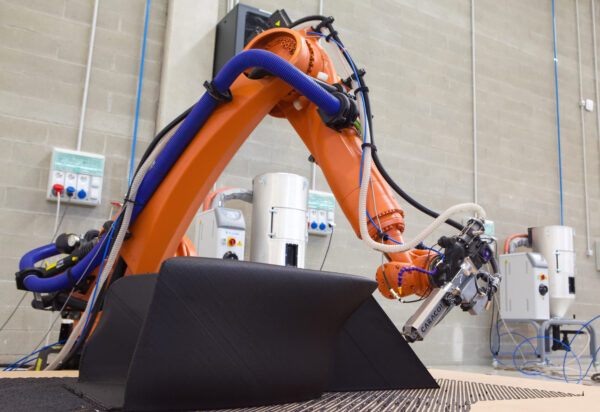
Giant Hot Glue Guns: Large-format FDM/FFF with Pellet Extrusion
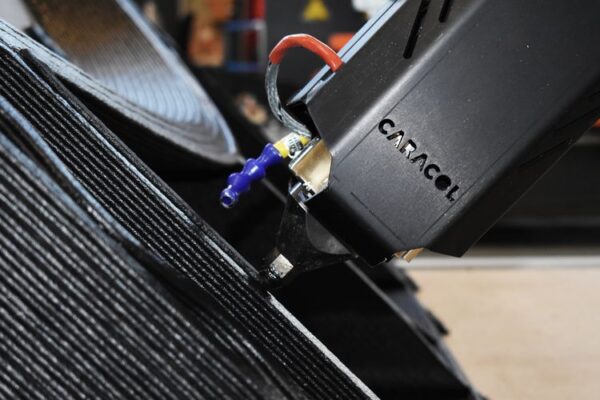
One of the most prevalent technologies in large-scale additive manufacturing is an evolved form of Fused Deposition Modeling (FDM) or Fused Filament Fabrication (FFF). Unlike desktop FDM printers that rely on spools of plastic filament, large-format systems utilize granulated polymers, often reinforced with fibers, fed directly into an extruder. This method significantly cuts material costs and dramatically increases material deposition rates, effectively turning the printer into a “giant hot glue gun.” These systems are adept at rapidly producing meter-scale plastic parts, finding critical applications in manufacturing large molds and specialized tooling. The direct use of pellets offers an economic advantage, making it viable for larger production runs where material consumption is high.
Robot Artists: Robotic Arm-Based Additive Manufacturing
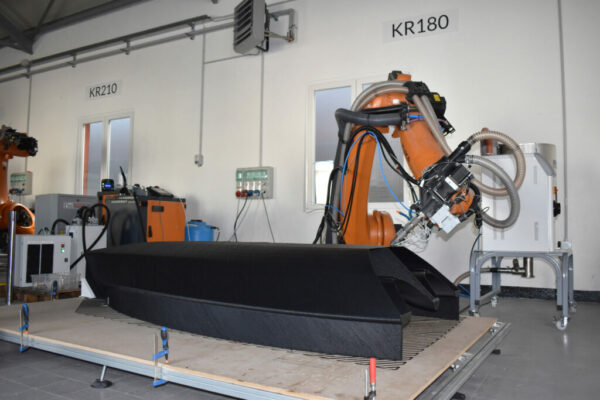
Another innovative approach involves the integration of robotic arms into the additive manufacturing process. Technologies such as Wire Arc Additive Manufacturing (WAAM) for metals or robotic pellet/paste extrusion for polymers leverage the flexible motion of industrial robotic arms. This allows for exceptionally high deposition rates and the ability to print structures with highly complex geometries and often enormous sizes, overcoming the build volume limitations of traditional enclosed printers. This method is particularly suited for creating very large structures, such as integral ship components or unique architectural features, where the robot’s dexterity allows for non-planar layer deposition and complex build strategies. The inherent adaptability of robotic systems also means they can be reconfigured for various tasks, offering a versatile solution for diverse industrial needs.
Magic Sandcastle Makers: Binder Jetting
Binder jetting stands out for its capacity to produce large, complex structures from powdered materials, primarily sand or metal powder. In this process, a liquid binding agent is selectively jetted onto thin layers of powder, binding particles together to form a solid part. After printing, the unbound powder is removed, leaving the solid object. This method is predominantly used for creating large sand molds and cores, particularly in foundry and casting applications where intricate internal geometries are crucial for complex metal parts. It enables the creation of complex and hollow structures that would be impractical or impossible to produce with traditional mold-making techniques. The speed and cost-effectiveness of producing large molds make binder jetting a valuable asset for industries seeking to streamline their casting processes.
Metal Wizards: Direct Energy Deposition (DED)
Direct Energy Deposition (DED) is a powerful large-scale additive manufacturing technology primarily used for producing or repairing high-value metal components. This process involves melting metal powder or wire with a focused energy source, such as a laser or electron beam, as it is precisely deposited onto a substrate. The molten material then solidifies, building up the part layer by layer. DED is favored for applications requiring strong, structurally sound metal parts, including the production of large tools, dies, and critical aerospace components, as well as for the repair of existing parts. Its ability to work with a wide range of metals and alloys, combined with its capacity for material repair, makes it a strategic choice for high-performance industrial applications where material integrity and robust mechanical properties are paramount.
Each of these large-scale additive manufacturing technologies involves distinct trade-offs in terms of speed, achievable surface finish, material options, and ideal applications. The choice of technology heavily depends on the specific requirements of the part being produced, from its material composition to its geometric complexity and functional demands.
COMPARE

Read moreHeron AM HF
Print big, print better with Heron AM, the integrated platform that will drive you to the next manuf
Heron AM HF
Print big, print better with Heron AM, the integrated platform that will drive you to the next manufacturing revolution
Categories: 3D printers, Business 3D Printers, Composite Tooling, Engineering, FGF, Jigs&Fixtures, Large Format 3D Printers, LFAM, Manufacturing, Pellet, Plastic
Details
COMPARE
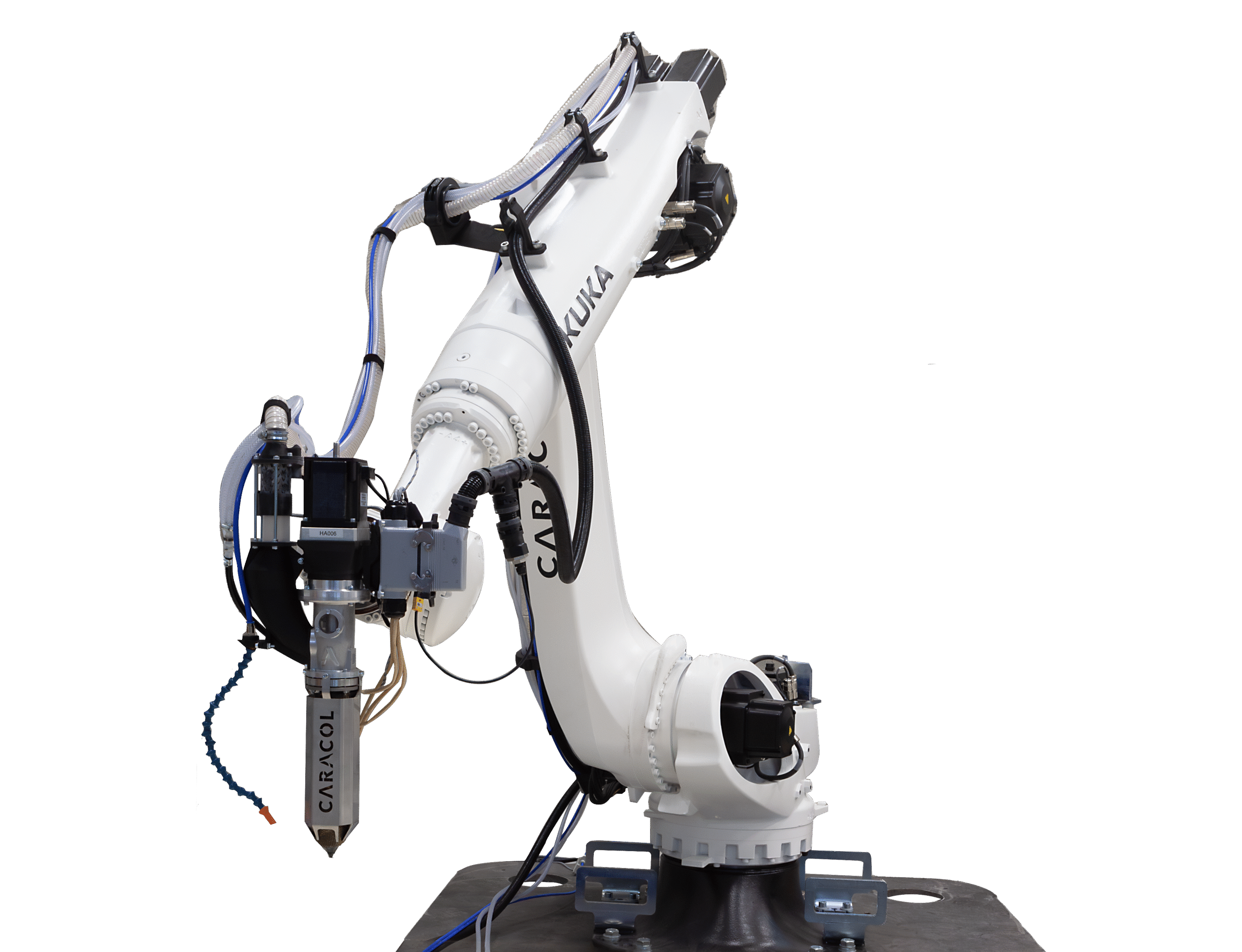
Read moreHeron AM HV
Print big, print better with Heron AM, the integrated platform that will drive you to the next manuf
Heron AM HV
Print big, print better with Heron AM, the integrated platform that will drive you to the next manufacturing revolution
Categories: 3D printers, Business 3D Printers, Engineering, FGF, Jigs&Fixtures, Large Format 3D Printers, LFAM, Manufacturing, Pellet, Plastic
Details
COMPARE
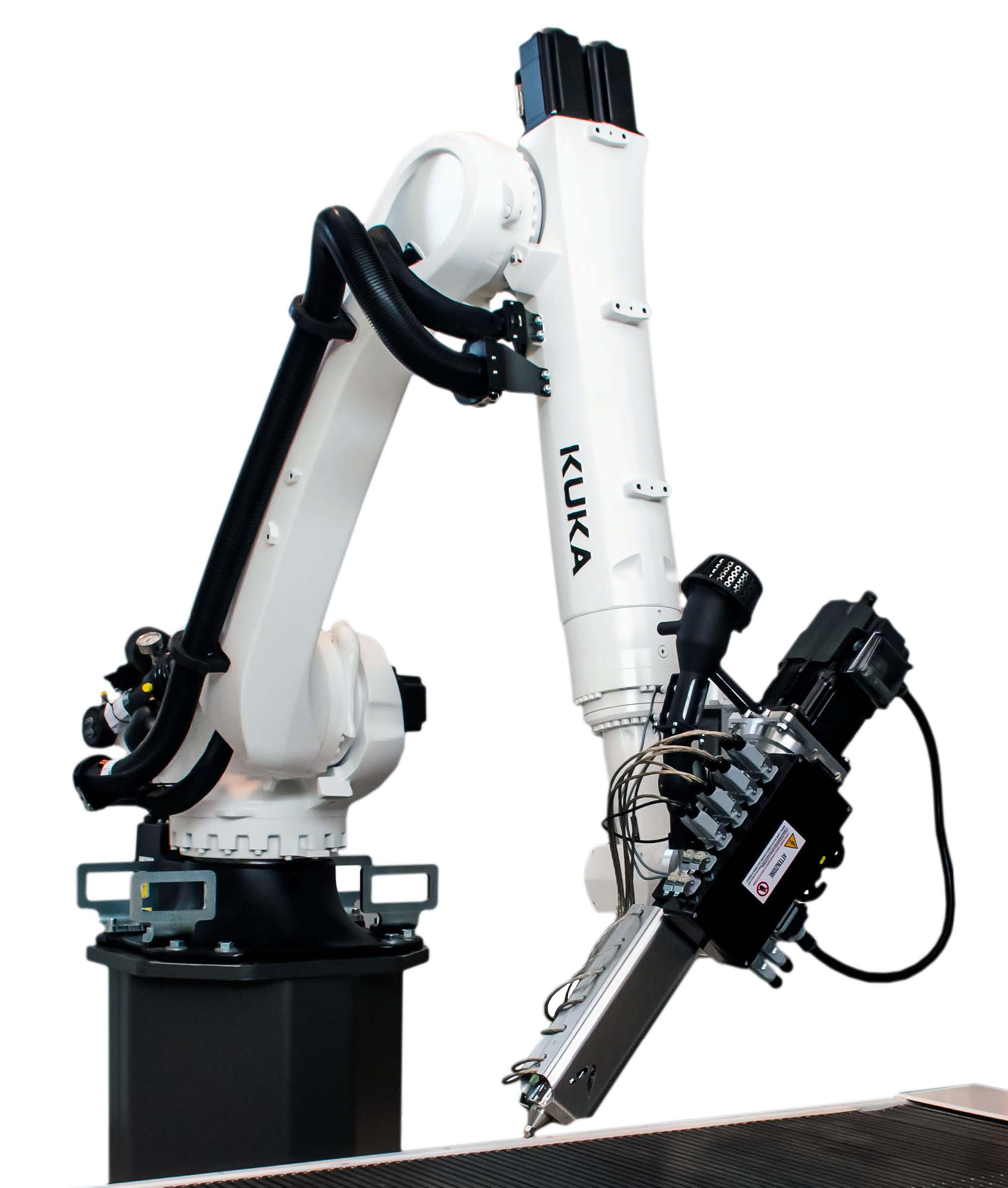
Read moreHeron AM HA
Print big, print better with Heron AM, the integrated platform that will drive you to the next manuf
Heron AM HA
Print big, print better with Heron AM, the integrated platform that will drive you to the next manufacturing revolution
Categories: 3D printers, Business 3D Printers, Engineering, FGF, Jigs&Fixtures, Large Format 3D Printers, LFAM, Manufacturing, Pellet, Plastic
Details
Brand Caracol Technology FFF, LFAM Printing Materials Plastic Pellets Weight 16 kg Dimensions 650x300x150 mm Max Throughput (kg/h – lb/h) Measured through a standardized qualification procedure 2 kg/h – 4.4 lb/h Heat Zones (#) Studied to ensure optimal distribution of heat zones for best plasticization of materials 1 Max Temperature (°C – °F) 350 °C – 662 °F Cooling Zone 1 Nozzle Range (min – max, mm) 1 – 5 mm Melt Flow Modulation (MFM) NO Dryer (L; kg/h – L; lbs/h) 30 L; 5kg/h – 11 lb/h Layer Cooling Unit & Anti-collision system INCLUDED Printing bed Alu
Unlocking Industrial 3D Printing Applications with LFAM
LFAM 3D Printing is not merely a technological curiosity; it’s a profound enabler, unlocking new possibilities across a wide spectrum of industries and radically altering conventional manufacturing paradigms. Its ability to create massive, custom components on demand is reshaping production cycles and stimulating innovation.
Airplanes and Cars: Aerospace & Automotive
In the aerospace and automotive sectors, LFAM 3D Printing facilitates the rapid fabrication of large tooling, complex molds, precision jigs, and fixtures. Beyond these production aids, it also manufactures functional or prototype vehicle components, such as car body panels, intricate engine parts, and aircraft interior structures, streamlining development cycles and allowing for significant weight reductions. This contributes to enhanced fuel efficiency and performance. The flexibility to iterate on designs quickly and produce unique parts helps companies stay ahead in highly competitive markets.
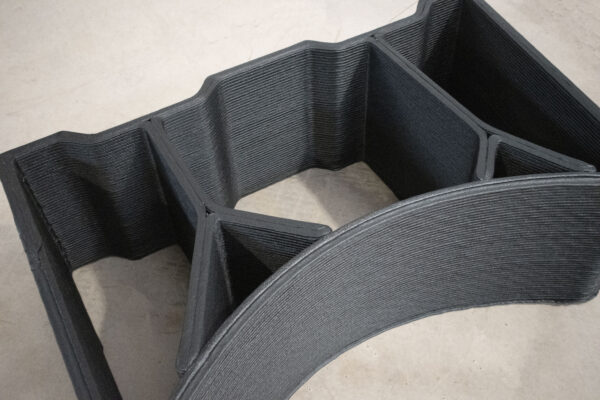
Buildings and Houses: Construction
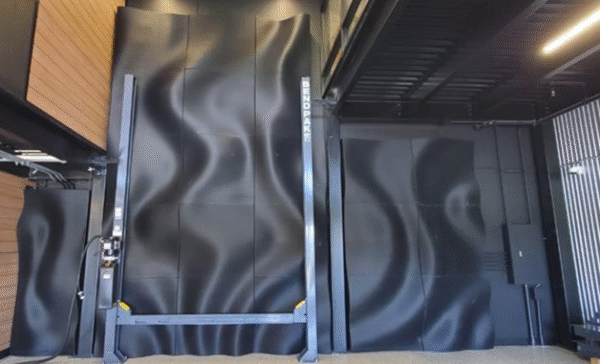
The construction industry is experiencing a quiet revolution through LFAM. Large-scale printers are now capable of creating architectural elements like bespoke facade panels and structural supports, reducing the traditional reliance on labor-intensive formwork. This not only accelerates construction timelines but also enables truly unique building features and complex geometries that were once prohibitively expensive or structurally impossible to achieve. The capacity to print customized components on-site minimizes transportation costs and waste, aligning with sustainable building practices.
Ships and Boats: Marine
For the marine industry, LFAM 3D Printing is proving invaluable for producing sizeable components such as hull segments, custom-designed propellers, and bulkheads. This capability enables engineers to explore lightweight designs without compromising structural integrity, leading to more fuel-efficient vessels. Furthermore, LFAM provides efficient repair solutions, allowing for on-demand fabrication of replacement parts that precisely match existing structures, significantly reducing vessel downtime. The ability to rapidly produce or repair large marine components locally also strengthens supply chain resilience.
Power Plants and Wind Turbines: Energy
The energy sector benefits from LFAM’s capacity to build tooling and prototype parts for massive infrastructure, including large-scale wind turbines and other power generation equipment. By reducing lead times and the need for extensive physical inventory, LFAM helps accelerate the development and deployment of critical energy solutions, facilitating innovation in renewable energy technologies. This means faster iteration on turbine blade designs, more efficient prototype testing, and ultimately, quicker market introduction for advanced energy systems.
Making Other Stuff: Tooling & Manufacturing
Across general manufacturing, LFAM 3D Printing is a game-changer for tooling applications. It allows for the direct printing of casting patterns, robust production tools, and custom machine parts straight from CAD designs. This capability drastically streamlines production for complex, large-scale equipment by reducing the time and cost associated with traditional mold-making and machining processes.
These examples illustrate how industrial 3D printing applications leveraging LFAM are profoundly impacting various sectors, demonstrating its versatility and strategic importance for modern manufacturing. As industries continue to embrace larger, more intricate components, the foundational knowledge of these technologies becomes increasingly critical.
The Strategic Advantages of Large Format Additive Manufacturing
Moving beyond the fundamental principles, the true impact of LFAM 3D Printing comes into focus through its myriad strategic advantages, reshaping how industries approach design, production, and supply chains. These benefits are not just incremental improvements but often represent paradigm shifts in manufacturing capabilities.
One of the most profound advantages is the significantly reduced lead times. Unlike traditional manufacturing processes that often involve multiple steps—such as designing molds, casting, machining, and assembly—large format additive manufacturing can produce complex, multi-meter components in a single, continuous process. This consolidation slashes the time from conceptualization to a finished part, transforming timelines from months to mere weeks or even days for large metal structures. For industries where rapid prototyping and quick market entry are critical, this acceleration provides a substantial competitive edge. Imagine an aerospace manufacturer developing a new aircraft component; LFAM allows for faster iteration and certification processes, getting new designs into the air sooner.
Beyond speed, cost-effectiveness is a compelling driver for adoption. While initial capital investment for LFAM systems can be high, the operational savings are considerable. Many large-scale additive processes, particularly those using pellet extrusion, leverage granulate polymers that are significantly less expensive than traditional filaments. Furthermore, the inherent nature of additive manufacturing minimizes material waste, using only what is necessary to build the part. This drastically reduces scrap rates associated with subtractive methods. The ability to print tools, molds, jigs, and fixtures directly also eliminates the need for expensive, time-consuming traditional tooling, further lowering overall production expenses and inventory costs.
Perhaps the most exciting advantage for innovators is the unprecedented design freedom. LFAM empowers engineers and designers to create geometries that are simply impossible with conventional manufacturing techniques. This includes intricate internal lattice structures for lightweighting, integrated functionalities like internal fluid channels, or complex organic shapes tailored for optimal performance. Parts can be consolidated, combining what would traditionally be multiple assembled components into a single printed structure. This not only reduces part count and assembly time but also improves overall structural integrity and performance by eliminating weak points inherent in joints and fasteners. The resulting designs can be lighter, stronger, and more efficient, pushing the boundaries of what is mechanically possible.
This advanced capability also feeds into rapid iteration and customization at scale. The digital nature of 3D printing means that design modifications can be implemented quickly and translated into physical parts without extensive retooling. This agility is invaluable for developing custom solutions, whether it’s a unique architectural element, a specialized marine propeller, or a bespoke jig for a production line. Companies can prototype large parts, test them, and refine their designs in a continuous feedback loop, dramatically compressing development cycles for products and tooling. This adaptability extends to low-volume production runs where unique, large parts are required, making customized solutions economically viable.
Finally, the sustainability aspects of large format 3D printing are becoming increasingly important. By minimizing material waste and enabling localized, on-demand production, LFAM significantly reduces the carbon footprint associated with manufacturing and transportation. The potential to utilize recycled or bio-based polymers further enhances its environmental credentials. Manufacturing parts closer to the point of use mitigates reliance on complex global supply chains, fostering resilience and contributing to a more circular economy. This holistic approach makes LFAM not just an economic advantage but a responsible choice for future manufacturing.
Addressing the Complexities and Hurdles in Large-Scale Additive Manufacturing
While the benefits of LFAM are transformative, implementing these advanced processes is not without its intricate challenges. Navigating these complexities is crucial for realizing the full potential of large-scale additive technologies.
One significant hurdle revolves around material selection and cost dynamics. While pelletized polymers can be cost-effective, high-performance thermoplastics and specialized metal feedstocks suitable for industrial applications often come with a substantial price tag. Moreover, the availability of these specific materials in the required quantities and compositions for large builds can be limited, affecting supply chain stability and project timelines. Engineers must carefully consider the mechanical properties, environmental resistance, and regulatory compliance of materials for their intended application, which adds a layer of complexity not always present in traditional manufacturing.
Achieving part accuracy and desired surface finish presents another set of considerations. The sheer size of LFAM components means that maintaining tight dimensional tolerances across multi-meter structures is inherently more difficult than with smaller prints. Gravity, thermal expansion, and contraction during printing can introduce warping or deviations. Consequently, most large printed parts require extensive post-processing complexities, often involving CNC machining, sanding, grinding, or specialized coatings to meet final specifications for smooth surfaces or precise interfaces. Handling, clamping, and accurately positioning these heavy, sometimes unwieldy parts for subsequent machining operations introduces significant logistical and financial overhead.
The balance between throughput and build times remains a key area of development. Despite rapid deposition rates, producing truly massive components can still involve print times spanning several days or even weeks. This impacts production scheduling and limits the total output capacity of a single LFAM system. Manufacturers are constantly seeking ways to optimize print parameters, material flow, and hardware design to reduce these long cycle times without compromising part quality or structural integrity.
The substantial capital investment required for LFAM systems is another barrier to entry for many organizations. High-end industrial printers, along with the necessary infrastructure—large environmentally controlled build chambers, robust material handling systems, and powerful energy sources—represent a significant financial outlay. However, innovative solutions, such as adapting existing robotic arms with additive manufacturing capabilities, are emerging as more accessible alternatives for companies looking to integrate large-scale additive processes without committing to entirely new dedicated platforms. This modular approach allows for greater flexibility and potentially lower initial costs.
A critical technical challenge is ensuring structural integrity and mitigating anisotropy. Due to the layer-by-layer nature of additive manufacturing, parts can exhibit different mechanical properties along different axes (anisotropy), particularly if layer adhesion is not optimized. For large components under significant loads, consistent mechanical performance throughout the entire structure is paramount. Researchers are actively working on advanced process controls, pre-heating/post-heating strategies, and novel material formulations, including fiber reinforcement, to improve inter-layer bonding and achieve more isotropic material properties. This is vital for applications in aerospace, marine, and construction where reliability is non-negotiable.
Finally, the operation and maintenance of these sophisticated systems demand specialized skill requirements. There is a growing need for engineers, technicians, and operators who possess a deep understanding of advanced materials science, complex software interfaces, and the unique physics governing large-scale additive processes. Bridging the skills gap through targeted training and education programs is essential for widespread adoption and efficient utilization of LFAM technologies.
The Evolving Landscape and Future Trajectory of LFAM Innovation
The journey of LFAM 3D Printing is marked by continuous evolution, with ongoing innovations poised to address current challenges and unlock even greater capabilities across industrial sectors. The future outlook for large-scale additive manufacturing promises a deeper integration into mainstream production, driven by advancements across several key fronts.
At the core of this evolution lies material science innovation. Researchers are not only developing stronger and lighter polymers, composites, and metal alloys but are also focusing on functionalized materials. This includes advanced thermoplastics with improved thermal stability, flame retardancy, or even conductive properties, as well as bio-based and recycled materials that enhance the sustainability profile of LFAM. The integration of continuous fiber reinforcement within large polymer prints is transforming their mechanical performance, allowing them to rival traditional metal components in specific applications. These material breakthroughs are steadily expanding the horizons of what LFAM can create and where it can be applied, moving from prototyping into high-performance end-use parts.
A significant trend shaping the future is hybrid manufacturing. This approach combines the unparalleled design freedom and speed of large format additive manufacturing with the precision and superior surface finish of traditional subtractive techniques like CNC milling. Imagine a large component being rapidly 3D printed with its intricate internal structures and lightweight design, after which a robotic milling head automatically refines its external surfaces to exacting tolerances. This synergistic approach allows manufacturers to capitalize on the strengths of both methodologies, delivering complex, high-quality, large-scale parts with exceptional accuracy and minimal post-processing complexities. This combination is particularly appealing for industries like aerospace and automotive, where both structural integrity and precise dimensions are paramount.
Ultimately, these advancements are paving the way for wider industrial adoption of LFAM technologies across a broader spectrum of applications. As systems become more reliable, materials more versatile, and processes more automated, large-scale additive manufacturing will transition from specialized use cases to an integral part of production lines in aerospace, construction, marine, and renewable energy sectors. This ongoing integration will not only drive further cost reductions and enhance design flexibility but will also profoundly influence global supply chains. LFAM enables a localized, on-demand manufacturing paradigm, reducing dependency on far-flung factories and offering unprecedented agility to respond to market demands or unforeseen disruptions. This fosters resilience, supports sustainability initiatives, and empowers industries to innovate at an unprecedented scale, making LFAM a cornerstone of future manufacturing.
Further insights into managing these large-scale projects and ensuring their success can be found in discussions around.
Conclusion
Large-Format Additive Manufacturing (LFAM) 3D printing stands as an undisputed force, fundamentally reshaping the landscape of industrial production. It is not merely an incremental improvement but a decisive leap, enabling the efficient creation of meter-scale, complex components that were once prohibitively expensive or physically impossible through traditional means. This shift unlocks unprecedented design freedom and propels industries like aerospace, marine, and construction into a new era of innovation and agility.
The evidence is clear: LFAM delivers substantial competitive advantages, slashing lead times, dramatically reducing material waste, and driving down overall costs. While navigating challenges related to material availability, surface finish, and capital investment, these are actively addressed by rapid advancements in material science, process automation, and hybrid manufacturing solutions. The progression towards more sophisticated, reliable systems confirms that these hurdles are temporary, not barriers.
Ultimately, LFAM 3D Printing is not just about scaling up; it is about scaling possibility. Its continued integration into global supply chains will empower localized, on-demand manufacturing, reinforce sustainability initiatives, and transform how industries bring immense, intricate designs to life. The strategic advantage now lies with those who recognize and actively embrace this transformative technology to build the future at a scale previously unimaginable.
Frequently asked questions
What's the main distinction between LFAM and conventional 3D printing?
The core difference lies in scale and application. While conventional 3D printing often focuses on prototypes, small end-use parts, or intricate models typically measured in centimeters, LFAM (Large-Format Additive Manufacturing) is specifically engineered to produce exceptionally large, functional components, frequently exceeding one meter in length or height. It moves beyond mere prototyping to enable the full-scale manufacture of structural elements, molds, and tools for industrial use.
What kinds of materials are commonly used in LFAM 3D printing?
LFAM utilizes a diverse range of materials, depending on the specific technology. For plastic-based methods like large-format FDM/FFF, granulated polymers (often reinforced with fibers) are common, being more cost-effective than traditional filaments. Metal-focused LFAM, such as Direct Energy Deposition (DED) or Wire Arc Additive Manufacturing (WAAM), uses metal powders or wires (e.g., steel, titanium, aluminum alloys). Binder Jetting primarily works with sand or metal powders for molds and cores.
How does LFAM 3D printing help companies save money and time?
LFAM offers significant savings by reducing lead times from design to finished part, often cutting delivery from months to weeks. It’s also cost-effective by minimizing material waste through optimized deposition, using cheaper raw materials like polymer pellets, and reducing the need for expensive tooling or large inventories of spare parts. This streamlining of the production process directly translates to financial and temporal efficiencies.
What industries are seeing the most significant impact from LFAM technologies?
Aerospace and automotive utilize LFAM for large tooling, molds, jigs, and vehicle components. The construction industry benefits from printing architectural elements and structural supports. In the marine sector, LFAM produces substantial components like hull segments and custom propellers. It also plays a role in energy for wind turbine parts and general manufacturing for casting patterns and production tools.
Are there specific limitations to the size or complexity of parts LFAM can print?
While LFAM pushes the boundaries of size, there are still limitations. Achieving tight tolerances and smooth surface finishes on very large parts often requires extensive post-processing. Additionally, ensuring consistent structural integrity and mechanical properties across massive, layered prints remains an active research area. The sheer size also dictates longer print times and significant capital investment for the machinery itself.
What kind of expertise is needed to operate LFAM systems?
Operating and maintaining LFAM systems requires specialized expertise that goes beyond conventional 3D printing knowledge. This includes in-depth understanding of advanced material science, complex robotic operations, sophisticated software for process control and optimization, and often mechanical engineering skills for post-processing and quality assurance. Training in these high-tech areas is crucial for successful implementation.
How does LFAM contribute to more sustainable manufacturing practices?
LFAM significantly enhances sustainability by minimizing material consumption through additive processes that only use what’s needed, reducing waste. It supports the use of recycled and recyclable materials, lowering the environmental footprint. Furthermore, LFAM enables localized, on-demand production, which reduces transportation costs and carbon emissions associated with long supply chains, making manufacturing greener.
What advancements are expected to improve LFAM in the near future?
The future of LFAM will see breakthroughs in material science, introducing new high-performance and sustainable polymers and composites. Expect greater process automation and AI integration for smarter, more reliable systems. Hybrid manufacturing, combining LFAM with CNC machining for better accuracy, will become more common. These advancements will drive wider industrial adoption and further enhance LFAM’s capabilities.
Have a question or a project? Let’s talk.
Tell us what you need — a real applications engineer replies within 24 hours. NDA on request, no sales script.