
Made to order
- Install, operator training, and validated print profiles for your starting materials
- Tailored warranty with same-week dispatch on critical issues
Heron AM HF Robotic Large-Format Pellet 3D Printer – High Flow | Caracol LFAM
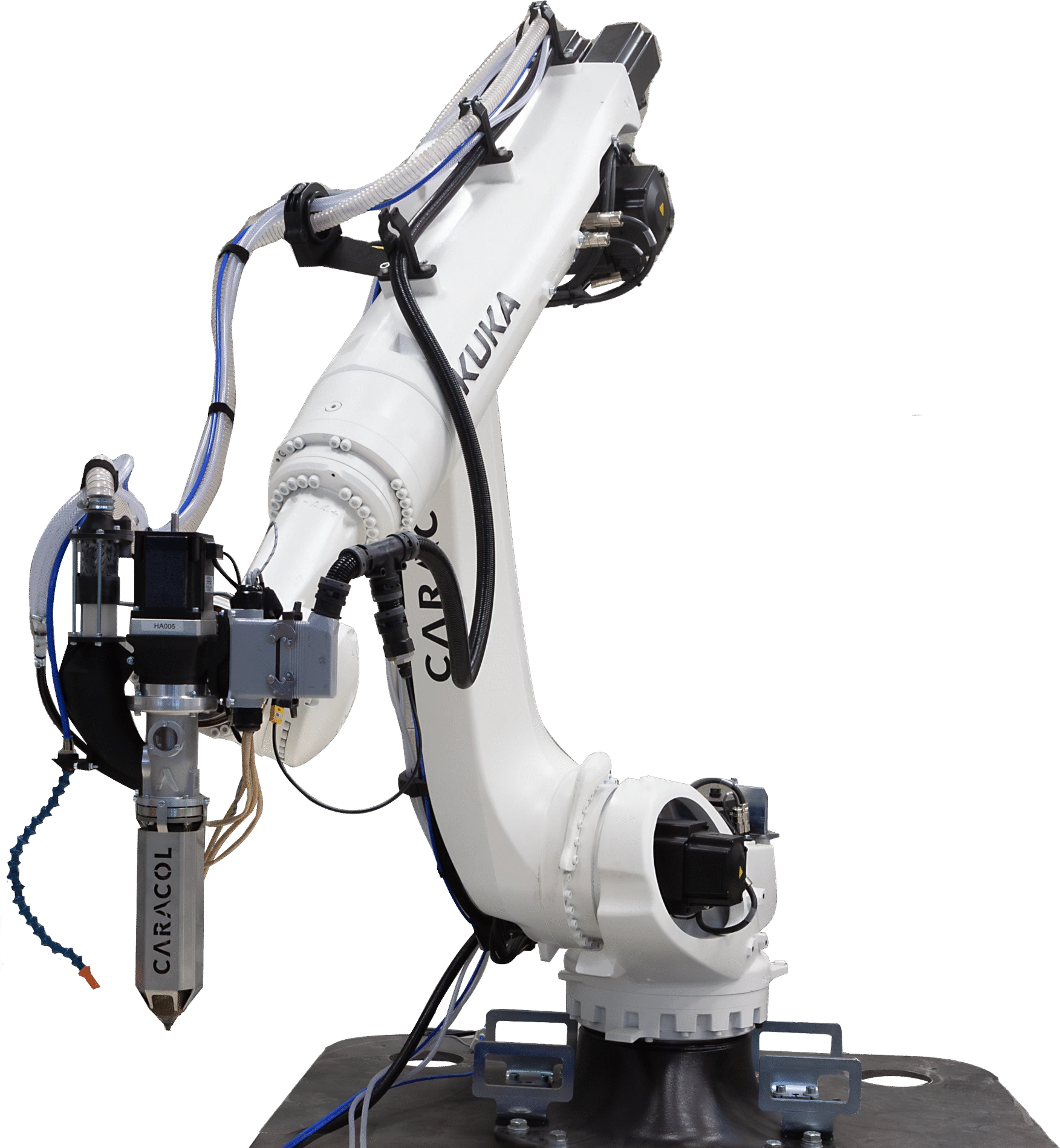
Heron AM configured with the High Flow (HF) extruder head — Caracol's 6-axis robotic large-format additive platform. 30 kg/h through 5–14 mm nozzles at up to 450°C, pellet-fed with optional hybrid CNC milling. EN9100 and ISO 9001 certified. Priced by configuration.
- ✓ 6-axis robotic LFAM — freeform geometries up to 15 m, beyond any gantry
- ✓ High Flow head: 30 kg/h, 5–14 mm, 450°C — highest throughput, largest parts
- ✓ EN9100 + ISO 9001 certified · lead time confirmed at quote
What your process engineer actually checks
Certified robotic LFAM
EN9100 and ISO 9001 on a 6-axis robotic platform — freeform large geometries a gantry can't build, on a process your auditor recognizes. Optional hybrid CNC milling in the same cell.
Print a benchmark part first
Send your STL and target material — we print a test part on our own large-format FGF in California, so you see the surface, strength, and scale before you commit to the cell.
An applications engineer on the line
Factory-trained engineers who run large-format AM daily — head selection, toolpaths, drying, and material qualification. Sub-4h reply, NDA on request. Use the Talk to applications engineer button above.
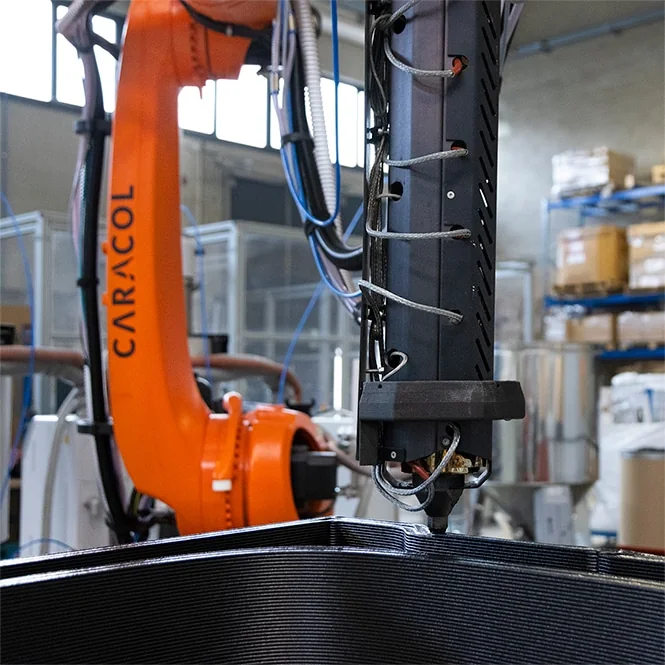
Heron AM HF is Caracol’s Heron AM robotic large-format additive platform configured with the High Flow (HF) extruder head. A 6-axis industrial robot (KUKA, FANUC, or ABB) carries a pellet-fed FGF extruder over an envelope that reaches up to 590×276×236 in / 15000×7000×6000 mm with a 7th-axis rail. The HF head runs 30 kg/h through 5–14 mm nozzles at up to 450°C, and an optional tool changer adds subtractive CNC milling in the same cell. The platform is EN9100 and ISO 9001 certified.
Why engineers choose Heron AM HF
Four things production teams verify before committing to robotic large-format AM.
6-axis robotic freedom
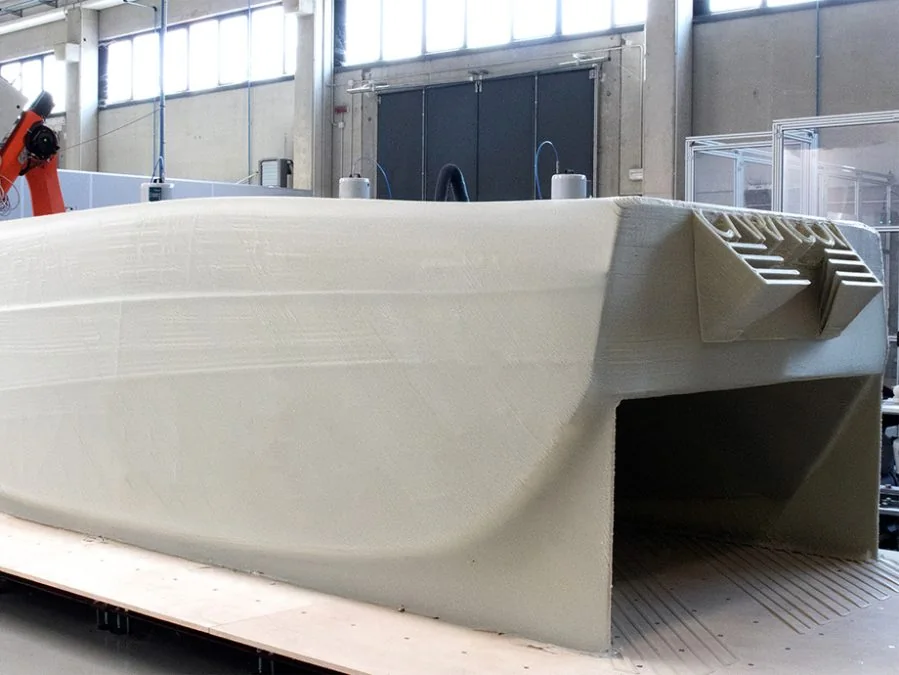
A robot arm reaches around and over the part — freeform, non-planar, and very large geometries a fixed gantry cannot build, up to 15 m with a 7th-axis rail.
High Flow head: 30 kg/h
5–14 mm nozzles at up to 450°C — the high-throughput head — large tooling and molds. Heads are interchangeable on the same platform as your mix of work changes.
Pellet economics, reinforced
Pellet feedstock at a fraction of filament cost, including carbon-, glass-, and aramid-fiber-reinforced compounds, plus recycled and bio-based grades.
EN9100 + ISO 9001
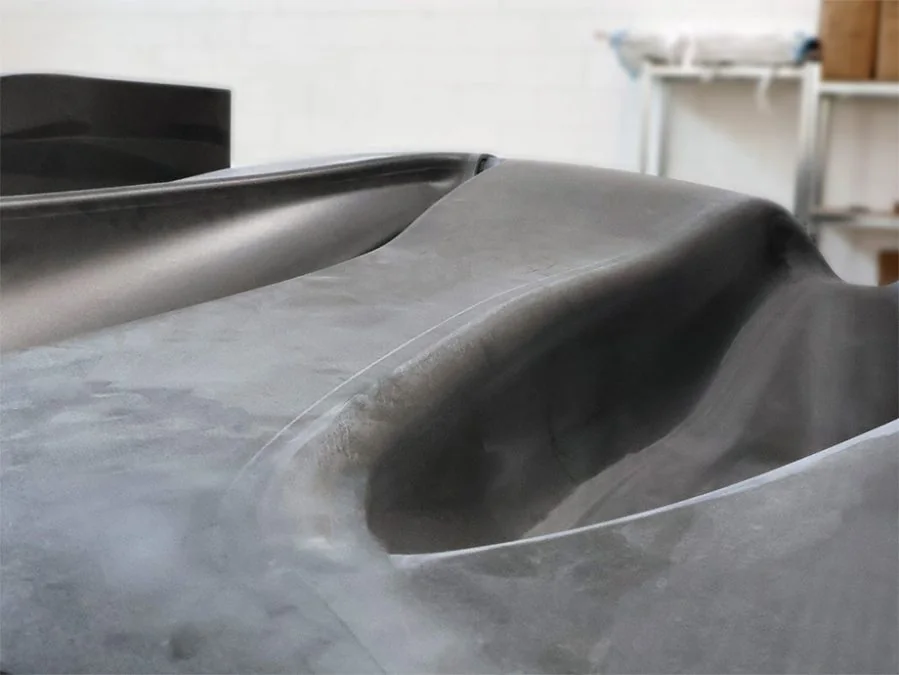
A certified LFAM process — the quality-system baseline aerospace and industrial buyers require. Optional hybrid CNC milling finishes machined surfaces in the same cell.
How we deliver it
Every Heron AM ships as a working cell, not a crate — configured, installed, and validated.
Configured to the application
Extruder head (High Flow), robot reach, enclosure, and optional milling specced with an applications engineer before the order ships.
Installed and trained on-site
US-based installation, cell safety and enclosure set-up, and operator training — your team runs the first build with our engineer.
Validated print profiles
Toolpaths and material profiles for your starting compounds plus a drying workflow, verified on your cell before hand-off.
Materials
- Confirmed compounds: PLA, ABS, ASA, PC, PETG, TPE/elastomers, and ULTEM 9085 (PEI)
- Fiber-reinforced: carbon-, glass-, and aramid-filled thermoplastics
- Feedstock: virgin, recycled, and bio-based pellets — open material system
Ask our engineer to confirm compatibility for a specific high-temperature or filled grade before you commit — the reachable ceiling depends on the extruder head and enclosure.
Technical specifications
- Technology: robotic FGF pellet extrusion, 6-axis arm (KUKA / FANUC / ABB), optional 7th-axis rail
- Max build envelope: up to 590×276×236 in / 15000×7000×6000 mm (with 7th-axis rail)
- Extruder head: High Flow (HF)
- Extrusion output: 30 kg/h
- Nozzle range: 0.20–0.55 in / 5–14 mm
- Max melt temperature: 450°C
- Hybrid milling: optional additive + subtractive tool changer (CNC milling head)
- Enclosure: options from safety light curtains to a climate-controlled cell
- Certifications: EN9100, ISO 9001
Positioning accuracy and layer height depend on the chosen robot and toolpath and are confirmed per configuration. Priced by configuration — request a quote for a full budget. Leasing and financing available.
Typical applications
Where production teams run Heron AM today.
Not sure the HF head is the right fit?
Heron AM heads swap on the same platform — tap the closest match and we’ll help you configure it.
Why source through Additive Plus
- Official Caracol US representative — US sales, service, spares, and application engineering, direct from California.
- Robotic LFAM expertise — head selection, toolpath and material qualification, and cell integration; no ramp-up trial-and-error.
- In-house large-format printing — validate geometry and material before system commitment.
- Leasing and financing available; sub-24h engineer response.
| Technology | FGF |
| Brand | Caracol |
| Printing Materials | Plastic Pellets |
| Build Volume | Up to 590x276x236 in / 15000x7000x6000 mm |
| Platform | 6-axis robotic LFAM (KUKA / FANUC / ABB), optional 7th-axis rail |
| Extruder head | High Flow (HF) |
| Extrusion output | 30 kg/h |
| Nozzle range | 0.20–0.55 in / 5–14 mm |
| Max melt temperature | 450°C |
| Hybrid milling | Optional additive + subtractive (CNC milling head) |
| Materials | PLA, ABS, ASA, PC, PETG, TPE, ULTEM 9085 (PEI); carbon/glass/aramid fiber-reinforced; recycled and bio-based |
| Enclosure | Light curtains to climate-controlled cell (configurable) |
| Certifications | EN9100, ISO 9001 |
| Head dimensions | 1500×550×350 mm |
Product videos
Send us your STL and we'll print a paid benchmark part on a large-format FGF system in California — your geometry, your material, in your hands before you buy the cell. You get the part, a cost-per-part figure, and a validated profile.
Other products teams run alongside Heron AM HF Robotic Large-Format Pellet 3D Printer – High Flow | Caracol LFAM
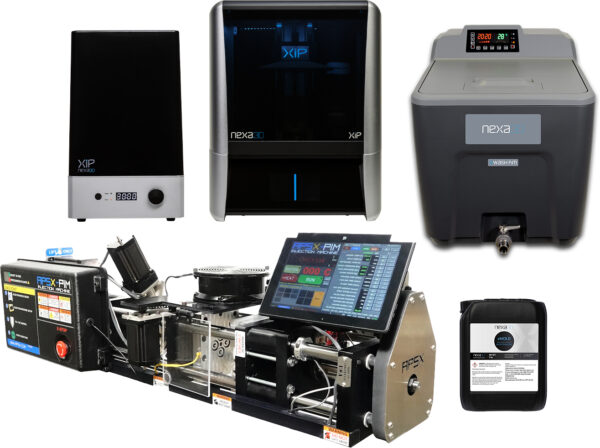
A desktop package to run Freeform Injection Molding: print a dissolvable mold in xMOLD resin on the Nexa3D XiP, inject real production material into it, then dissolve the mold away — end-use parts from a printed tool, at a fraction of hard-tooling cost.
- ✓ Print the mold, mold the part, dissolve the mold — ~2 days CAD-to-part
- ✓ Inject thermoplastics, TPE, LSR silicone, MIM metal, CIM ceramic
- ✓ Package: XiP printer + xMOLD resin + xWASH FiM · priced by configuration
In stock
· Configured and quoted to your setup (incl. injection press). Install and training included; lead time confirmed at quote.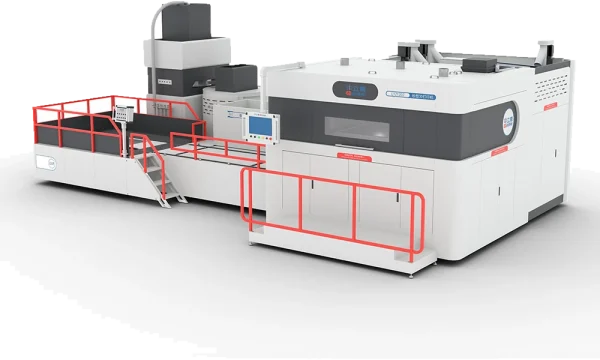
- ✔ 2.5×1.5×1.0 m build box — the largest in the line, full molds and cores in one piece
- ✔ Plus: 312–519 L/h at ~13 s/layer · High-Speed: 213–355 L/h — CAD to sand mold in a day
- ✔ Nitrogen-free furan or inorganic binder; onboard AC, sand recovery & mixer
- ✔ Lead time: configured to order — request a quote for delivery & installation
Made to order
· Lead time: configured to order — request a quote for delivery and installation.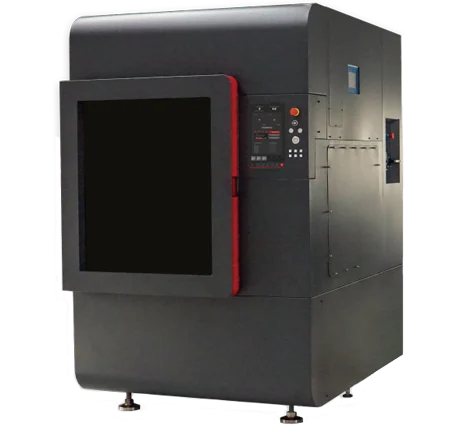
The InssTek MX-Fab is an all-in-one 5-axis DED metal 3D printer with a 31×39×28 in / 800×1000×700 mm work envelope — a 1,000 W (up to 2,000 W) ytterbium fiber laser, DMT closed-loop melt-pool control, and up to six powder feeders for multi-material and functionally graded parts.
- ✔ 5-axis DED with real-time DMT melt-pool feedback — dense, near-net-shape metal
- ✔ 30+ qualified alloys: Ti, Ni superalloys, stainless & tool steel, CoCr, Cu — multi-material in one build
- ✔ Fabrication, cladding, and repair on one platform
- ✔ Lead time: configured to order — request a quote for delivery & installation
Made to order
· Quote on request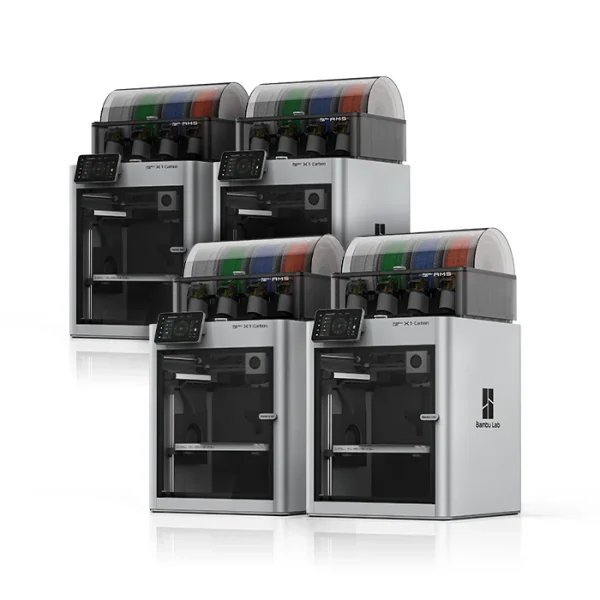
Expert on-site installation and hands-on operator training for your Bambu Lab printer, delivered by Additive Plus. Choose the session length that fits your team.
In stock
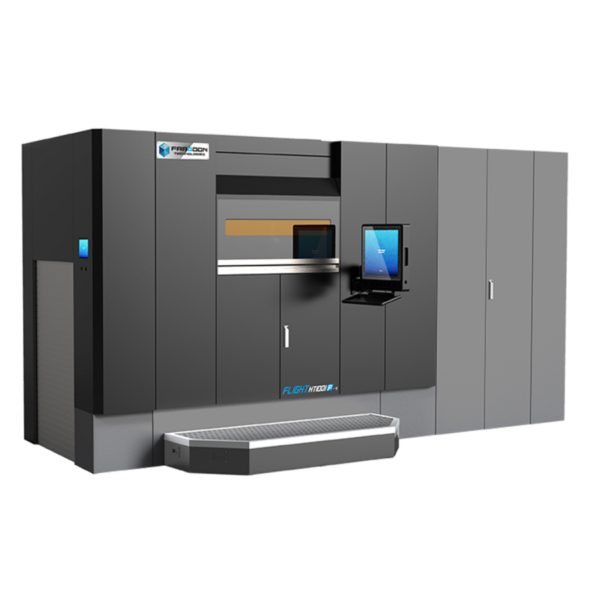
Large-format, high-temperature fiber-laser SLS system with a metre-scale 39.4×19.7×17.7 in / 1000×500×450 mm build. Two to four 300 W fiber lasers and a 220 °C chamber run high-performance and glass-filled polymers at production scale, with fully open parameters and a modular build-station architecture. Sold, installed and supported in the US by Additive Plus.
- Metre-scale build — 1000×500×450 mm for large parts and high-nest batches.
- 2–4 fiber lasers · 220 °C — high-performance, glass-filled & TPU polymers.
- Lead time: configured to order — US install, training & validated profiles from California.
Made to order
· Lead time: configured to order — request a build slot. US installation of module and build station, training and process support included from California.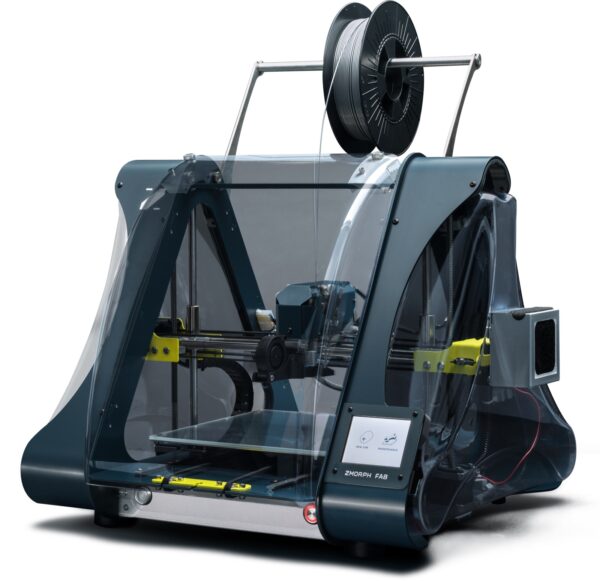
One desktop machine for 3D printing, two-material printing, CNC milling and paste extrusion — four toolheads, swapped in about a minute.
- Single and Dual FFF printing, 235 × 250 × 165 mm, layers 0.05–0.4 mm
- 300 W CNC milling for wood, plastics, PCBs and composites
- Thick Paste toolhead for ceramic, porcelain and silicone
- Lead time 2–3 weeks · remote training · 12-month warranty
Made to order
· Ships in 2–3 weeks · 12-month warranty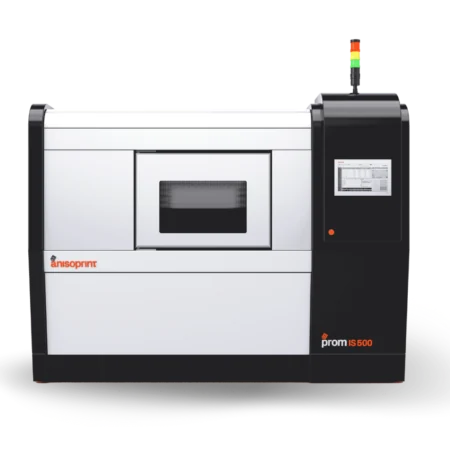
- ✔ CFC continuous fiber steered along load paths — ~860 MPa tensile at ~1.4 g/cm³
- ✔ Up to 4 swappable heads: fiber + plastic + soluble support
- ✔ High-temp extruder to 400 °C — PEEK & PEI (ULTEM), heated chamber/bed to 160 °C
- ✔ Made to order — request a quote for lead time, spares & support
Made to order
· Made to order — lead time, spares and long-term support confirmed with the vendor at quote. Request a quote.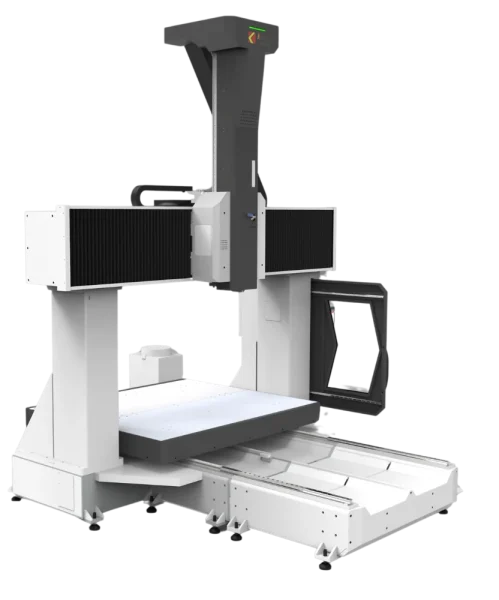
Flagship hybrid additive + subtractive pellet 3D printer — 138×94×39 in / 3500×2400×1000 mm bed with integrated 5-axis CNC milling, raw polymer granules, 3–16 mm nozzles, up to 30 kg/h. Optional 450°C nozzle. Material cost 5–10× lower than filament.
- ✓ Print + 5-axis finish-machine in one setup — no crane move to a separate mill
- ✓ 138×94×39 in / 3.5×2.4×1.0 m bed — the largest one-piece molds Kings builds
- ✓ Lead time: 8–10 weeks — configured to order, installed and trained on-site
Looking for a smaller machine? Kings FGF800 from $34,200 · or have us print the part on our FGF line.
Made to order
· Ships in 8–10 weeks from order placement. Need it sooner? Talk to a specialist.What our customers say
“Harry and team were professional, effective communicators as we set up the order, then they executed quickly and produced an amazing product for us at a very competitive price. Am looking forward to our next print w Additive Plus!”
“Great 3D printing service and the resin parts look super smooth and clean. Really happy with how everything turned out!”
“Harry was very professional and helped me out with my 3D printing needs and explained what options I have in terms of filaments such as PEEK. Highly recommended.”
“I needed a 3D enclosure printed urgently in a specific time period, they did great!”
Common questions
Don't see yours? Email [email protected] — NDA on request, typical reply within 4 hours.
What is Heron AM HF, and how is it different from a gantry 3D printer?
What does the HF extruder head do best?
What materials can Heron AM run?
Can Heron AM machine parts as well as print them?
Is Heron AM certified for aerospace or industrial quality systems?
How big a part can Heron AM build?
Do pellets need drying before printing on Heron AM?
What does Heron AM HF cost and what is the lead time?
Place your order, or talk to an engineer first
Order Heron AM HF Robotic Large-Format Pellet 3D Printer – High Flow | Caracol LFAM direct, or talk to materials engineer