
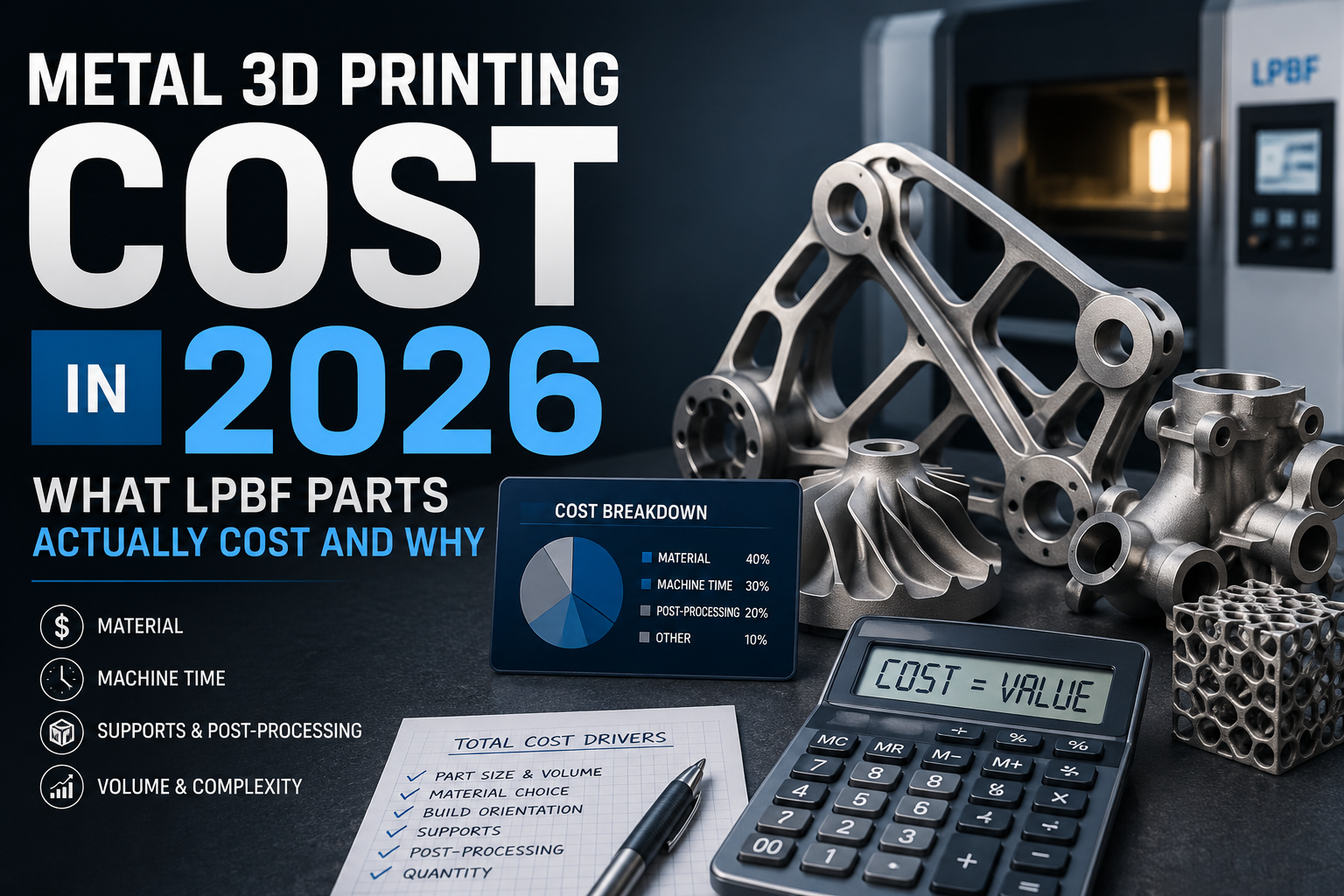
Metal additive manufacturing has evolved from a niche prototyping technology into a powerful production solution used across aerospace, healthcare, automotive, energy, defense, and research industries. As more organizations adopt metal 3D printing to create lightweight, complex, and high-performance components, one question continues to dominate conversations:
How much does metal 3D printing actually cost?
The answer is more complex than many people expect. Unlike traditional manufacturing methods, the cost of a metal 3D printed part is not determined solely by the amount of material used. Build time, part geometry, material selection, support requirements, post-processing operations, and production volume all play important roles in determining the final price.
For companies exploring Laser Powder Bed Fusion (LPBF), understanding these cost drivers is essential for making informed manufacturing decisions. In many cases, metal additive manufacturing can reduce overall project costs despite having a higher per-part price than conventional methods.
In this guide, we’ll explore what LPBF parts actually cost in 2026, what factors influence pricing, and how Additive Plus helps customers optimize metal 3D printing projects for both performance and cost efficiency.
Understanding LPBF Metal 3D Printing
Laser Powder Bed Fusion (LPBF) is one of the most advanced and widely adopted metal additive manufacturing technologies available today. The process uses a high-powered laser to selectively melt and fuse fine layers of metal powder according to a digital CAD design. Each layer is typically between 20 and 60 microns thick, allowing the technology to produce highly detailed and precise metal components with exceptional accuracy.
During production, a thin layer of metal powder is spread across the build platform. The laser then scans the designated areas, melting the powder to form a solid cross-section of the part. Once a layer is completed, the build platform lowers, a new layer of powder is applied, and the process repeats. This layer-by-layer approach continues until the entire component is fully built.
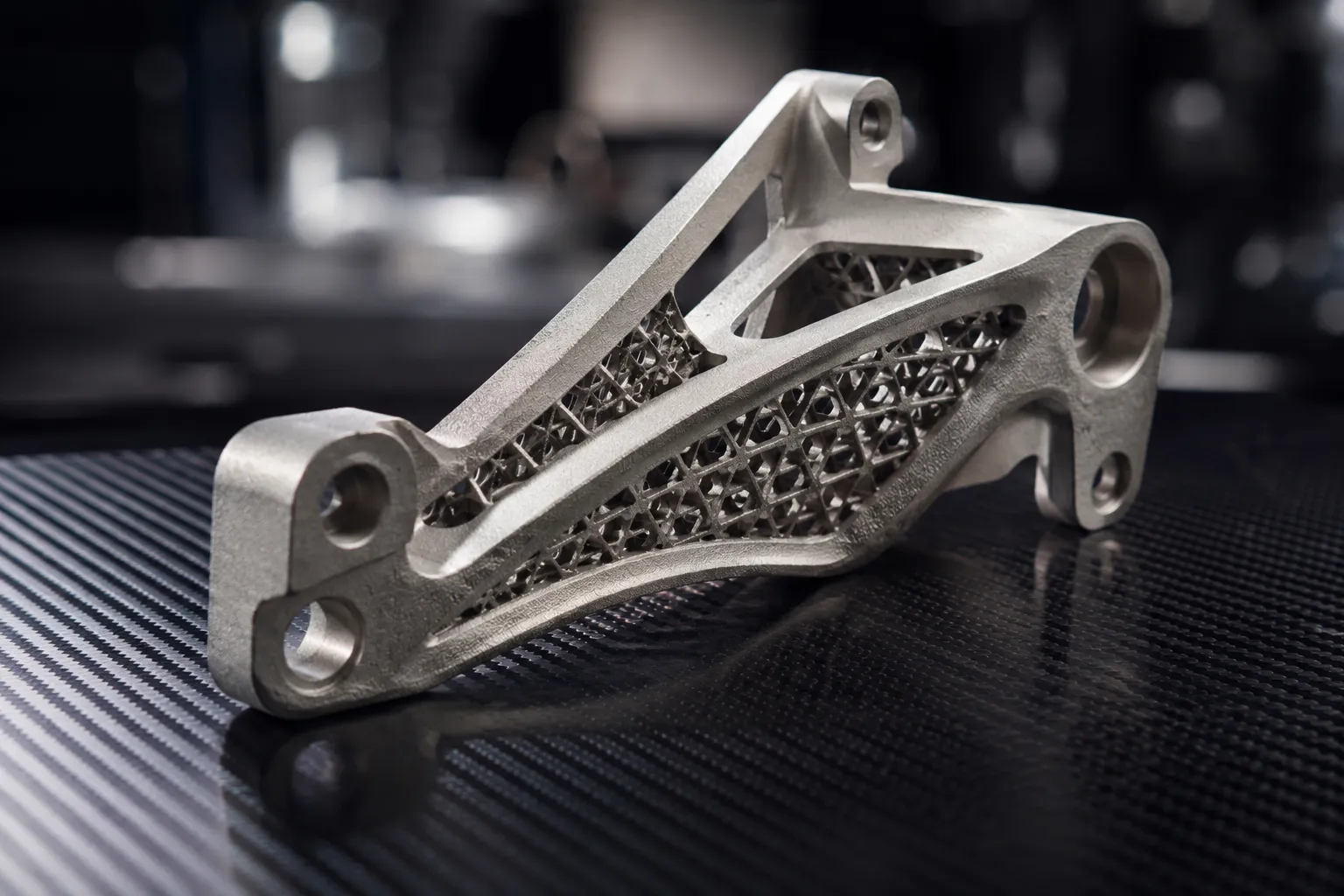
One of the key advantages of LPBF is its ability to manufacture complex geometries that are difficult, costly, or impossible to achieve using traditional subtractive manufacturing methods. Engineers can design parts with intricate internal cooling channels, lightweight lattice structures, organic shapes, and topology-optimized geometries without the tooling limitations associated with machining or casting. Multiple components can also be consolidated into a single printed part, reducing assembly requirements and improving overall performance.
LPBF technology supports a wide range of engineering-grade metals, including stainless steels, aluminum alloys, titanium alloys, nickel-based superalloys, cobalt chrome, copper, and specialized research materials. This material versatility allows manufacturers to produce parts capable of meeting demanding mechanical, thermal, and corrosion-resistance requirements.
Today, LPBF is widely used across numerous industries, including:
- Aerospace brackets and lightweight structural components
- Medical implants and patient-specific surgical instruments
- Heat exchangers and thermal management systems
- Industrial tooling and manufacturing fixtures
- Functional prototypes and engineering validation parts
- Motorsport and high-performance automotive components
- Research and development applications
- Low-volume production and spare parts manufacturing
The growing adoption of LPBF is driven by its ability to reduce lead times, accelerate product development, and unlock new design possibilities. In many cases, organizations can move directly from a digital design to a finished metal component without the need for molds, tooling, or extensive setup costs. This makes LPBF particularly attractive for custom parts, low-volume production runs, and applications where performance optimization outweighs traditional manufacturing constraints.
However, understanding the true cost of LPBF requires looking beyond the amount of metal powder used. Part orientation, support structures, machine time, post-processing requirements, heat treatment, surface finishing, quality inspection, and engineering preparation all contribute to the final price. While LPBF may appear more expensive than conventional manufacturing on a per-part basis, it often delivers significant value through weight reduction, part consolidation, faster development cycles, reduced inventory requirements, and improved product performance.
As a result, manufacturers evaluating LPBF should consider the total manufacturing and lifecycle benefits rather than focusing solely on material consumption. In many high-performance applications, the design freedom and functional advantages provided by LPBF can generate savings that far exceed the initial production cost.
What Does Metal 3D Printing Cost in 2026?
Metal 3D printing costs in 2026 continue to vary significantly depending on the application, material selection, part size, complexity, and post-processing requirements. While a small prototype may cost only a few hundred dollars, larger production components with strict quality requirements and extensive finishing operations can cost several thousand dollars per part.
Unlike conventional manufacturing methods, where material usage often drives the majority of the cost, LPBF metal 3D printing is influenced by a much broader range of factors. The technology involves advanced equipment, highly controlled production environments, engineering expertise, and multiple post-processing steps that all contribute to the final project cost.
One of the largest contributors to pricing is machine build time. LPBF systems can operate for many hours or even several days to complete a build, depending on part size and quantity. Because these industrial machines represent a significant capital investment, the amount of time a part occupies the machine directly affects production costs. In many cases, build time has a greater impact on pricing than the actual amount of metal used.
Material selection also plays an important role. Common alloys such as stainless steel and aluminum are generally more cost-effective than specialty materials like titanium, Inconel, cobalt chrome, or copper alloys. Material costs include not only the powder consumed during production but also powder handling, recycling, quality control, and storage procedures required to maintain consistent performance.
Part geometry is another major cost driver. Complex designs often require support structures to stabilize the component during printing and prevent distortion caused by thermal stresses. More intricate geometries may increase printing time, support removal labor, and post-processing requirements. However, well-designed additive manufacturing parts can also reduce costs by eliminating assemblies, reducing material waste, and improving overall efficiency.
Engineering preparation is often overlooked when evaluating metal 3D printing costs. Before a build begins, engineers typically review the design, optimize part orientation, generate support structures, prepare build files, and verify manufacturability. These steps help ensure successful production and reduce the risk of costly print failures.
Post-processing requirements can also have a substantial impact on final pricing. Most LPBF components require support removal, heat treatment, and surface finishing after printing. Depending on the application, additional processes such as CNC machining, polishing, bead blasting, thread creation, or dimensional corrections may be necessary to achieve the required specifications.
For industries such as aerospace, medical, defense, and energy, inspection and certification requirements add another layer of cost. Dimensional verification, material testing, CT scanning, density measurements, and documentation procedures may be required to ensure the part meets industry standards and customer requirements.
Production quantity is another factor that influences overall cost. While LPBF excels at prototypes, custom components, and low-volume production, larger production runs can benefit from build optimization strategies that distribute machine costs across multiple parts. This often reduces the cost per component and improves overall manufacturing efficiency.
At Additive Plus, every metal 3D printing project is evaluated based on its specific design, material, performance requirements, and production goals. This approach ensures customers receive accurate pricing while identifying opportunities to optimize designs for improved manufacturability and cost efficiency.
The most important thing to understand is that LPBF pricing is typically driven more by machine utilization, engineering effort, and manufacturing complexity than by the actual weight of the finished part. A lightweight component with intricate internal features may cost more to produce than a heavier, simpler part because it requires longer build times, more supports, and additional post-processing. For this reason, evaluating metal 3D printing costs requires considering the entire manufacturing workflow rather than focusing solely on raw material consumption.
Why Metal 3D Printing Costs Vary So Much
| Cost driver | Effect on the quote |
|---|---|
| Build height (Z) | The single biggest driver — a taller build means more layers and more machine hours. |
| Nesting / packing density | Filling the plate spreads the fixed build cost across more parts, lowering price per part. |
| Alloy | Titanium and nickel superalloys cost more to print than stainless steel or aluminium. |
| Support structures | Add material, print time, and manual removal labour. |
| Post-processing | Stress relief, HIP, machining and finishing each add cost on top of the print. |
| Tolerance & complexity | Fine features and tight tolerances need slower parameters and more finishing. |
One of the biggest misconceptions about metal additive manufacturing is that two parts with the same weight should cost approximately the same amount to produce. In reality, two components weighing 500 grams can have dramatically different production costs.
For example, two parts of the same 500 g weight can price very differently:
- A simple solid bracket — minimal supports and limited post-processing.
- A complex part — intricate internal channels, thin walls, lattice structures and tight tolerances that add engineering and machining.
Factors that can dramatically influence pricing include:
- Part orientation
- Build height
- Surface finish requirements
- Support removal complexity
- Material type
- Quality inspection requirements
- Production volume
This is why our engineers review every project individually as a metal 3D printing service before generating an accurate quote.
Cost Breakdown of an LPBF Build
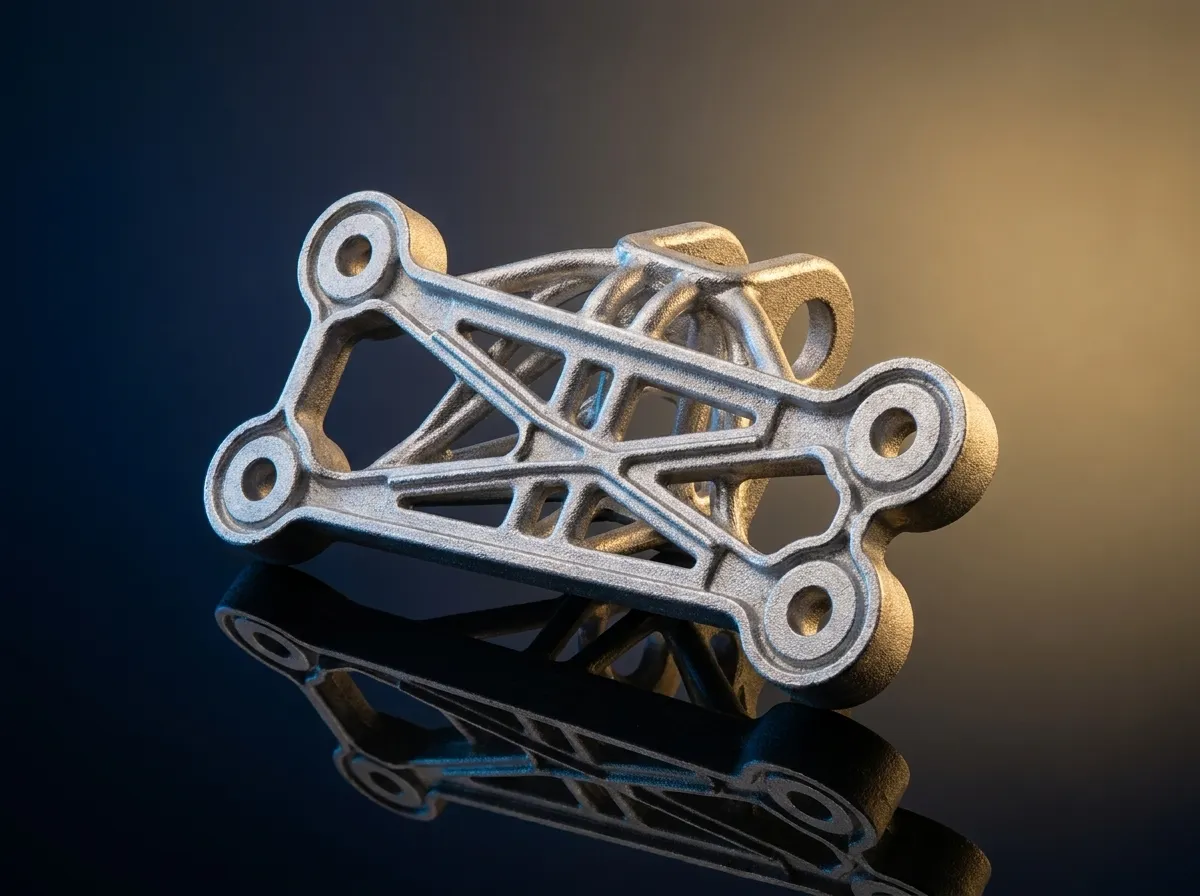
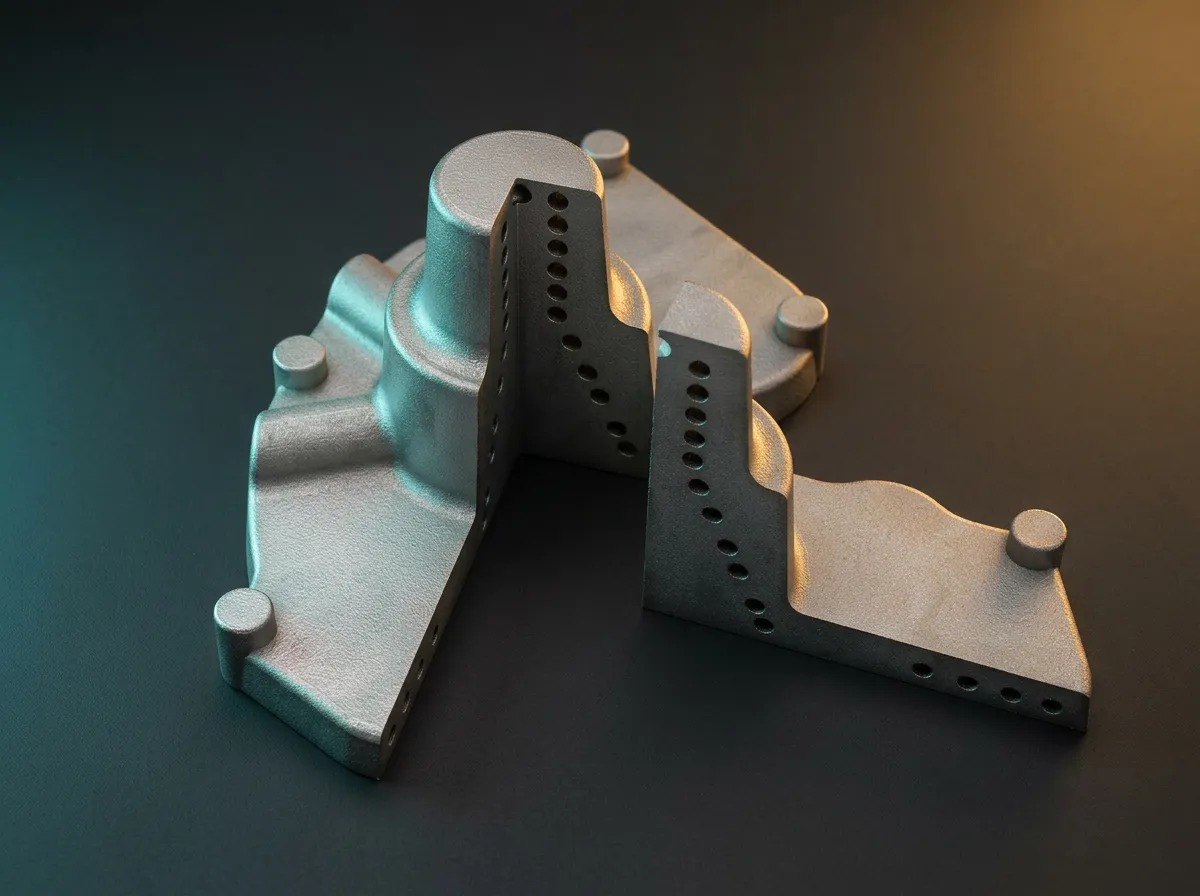
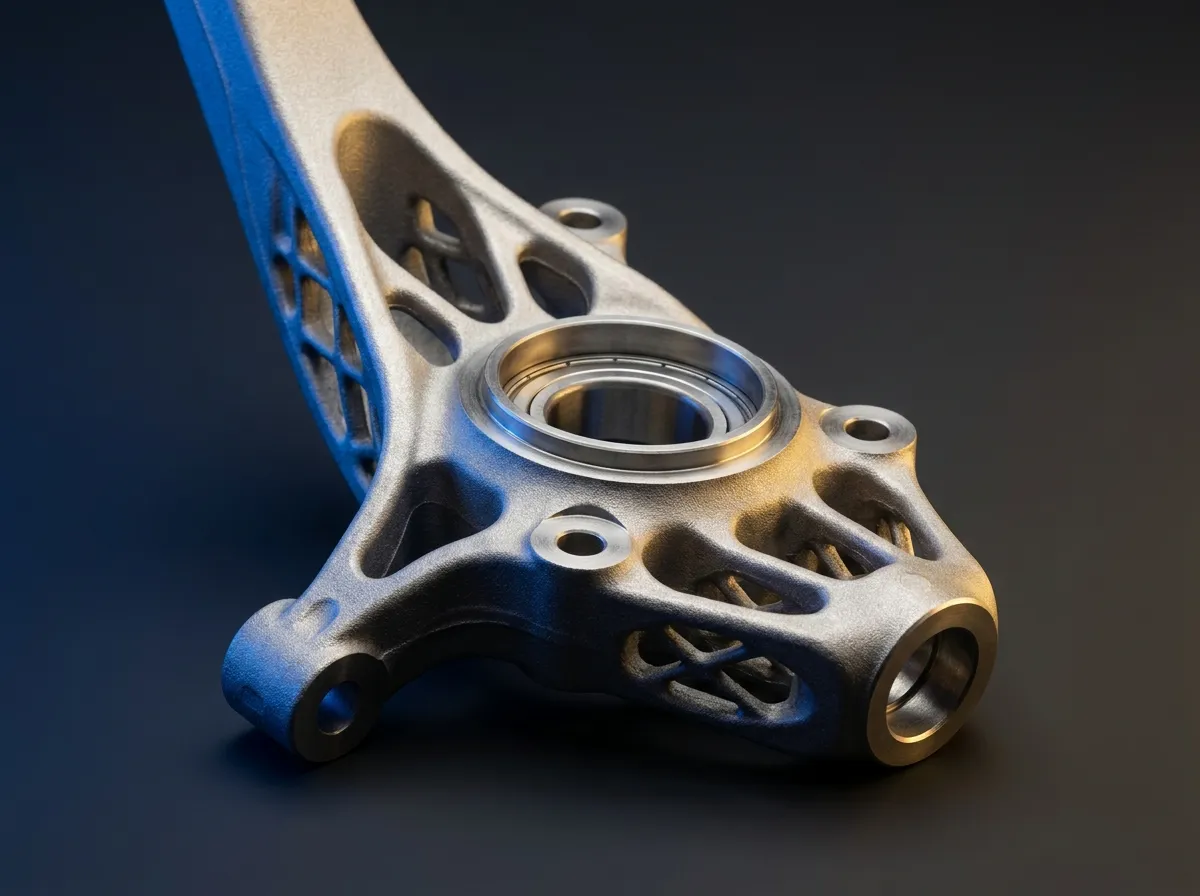
Every LPBF project consists of multiple manufacturing stages, each contributing to the final cost.
Design and Engineering Review
Before printing begins, engineers evaluate the CAD model to ensure it can be manufactured successfully. Design modifications may be recommended to improve build success, reduce support structures, and minimize costs.
Build Preparation
Engineers determine the optimal orientation, generate supports, and prepare machine parameters for production.
Printing Process
The LPBF machine selectively melts layers of metal powder using a laser. Machine time is one of the largest cost contributors because industrial metal 3D printers represent a substantial capital investment and require specialized operating conditions.
Powder Handling
Metal powders require controlled handling procedures, including storage, sieving, recycling, and quality verification.
Post-Processing
After printing, parts undergo support removal, heat treatment, machining, and finishing operations.
Inspection and Quality Assurance
Critical applications often require dimensional verification, material testing, and quality documentation before parts can be delivered.
When all these stages are considered together, it becomes clear why metal additive manufacturing pricing is much more sophisticated than a simple cost-per-pound calculation.
Material Cost Comparison: Stainless Steel vs Aluminum vs Titanium
Material selection plays a significant role in determining the overall project cost.
Raw powder is a published catalog number, and the alloy alone can swing material cost more than 5×. Current metal powder prices per 10 kg lot:
| Alloy family | Typical use | Powder, 10 kg lot |
|---|---|---|
| Stainless 316L / 17-4PH | General parts, tooling | $450–$510 |
| Aluminium AlSi10Mg | Lightweight, thermal | $580 |
| Tool / maraging (H13, 18Ni300) | Tooling, conformal cooling | $480–$1,150 |
| Nickel superalloys (Inconel 718, IN625) | High-temp, aerospace | $1,090–$1,150 |
| Titanium Ti-6Al-4V | Aerospace, medical | $1,220–$2,540 |
| Cobalt chrome (CoCrMo) | Medical, dental | $1,470–$1,955 |
Print machines and print services are quoted per project rather than sold at a fixed price.
Different alloys vary in raw powder pricing, machine processing requirements, and post-processing complexity.
Stainless Steel 316L
Stainless Steel 316L remains one of the most popular LPBF materials due to its excellent balance of performance and affordability. Benefits include:
- Corrosion resistance
- Strong mechanical properties
- Broad industrial applicability
- Cost-effective processing
Common applications include tooling, industrial equipment, manufacturing fixtures, and functional prototypes.
Aluminum AlSi10Mg
Aluminum alloys are highly valued for lightweight applications. Advantages include:
- Excellent strength-to-weight ratio
- Good thermal conductivity
- Corrosion resistance
- Reduced component weight
Aluminum is widely used in aerospace, automotive, and robotics applications.
Titanium Ti6Al4V
Titanium remains one of the most sought-after additive manufacturing materials due to its exceptional performance characteristics. Benefits include:
- High strength
- Low density
- Corrosion resistance
- Biocompatibility
- Excellent fatigue properties
Titanium is commonly used in aerospace, medical, and motorsport applications where performance outweighs material costs.
Nickel-Based Superalloys
Materials such as Inconel 625 and Inconel 718 are used in extreme environments requiring high-temperature resistance. These materials are common in:
- Aerospace engines
- Energy systems
- Turbomachinery
- High-performance industrial equipment
While more expensive, they provide performance levels that cannot be achieved with conventional materials.
How Part Size and Build Height Affect Cost
Many buyers assume that larger parts automatically cost more because they consume more material. However, in LPBF manufacturing, build height often has a greater impact on pricing than volume.
Since the machine builds components layer by layer, taller parts require more layers and longer machine runtimes. For example:
- A short, wide component may finish relatively quickly.
- A tall, narrow component with the same volume may require substantially longer build times.
Longer machine utilization translates directly into higher manufacturing costs. This is why proper orientation during build preparation is one of the most important cost optimization strategies available.
Engineering and Design Costs
One of the most valuable aspects of metal additive manufacturing is the ability to optimize designs for performance and efficiency. Engineering services often include:
- Design for Additive Manufacturing (DfAM)
- Topology optimization
- Part consolidation
- Support reduction
- Build orientation optimization
A well-designed component can reduce material consumption, decrease build time, simplify post-processing, and improve overall performance. Although engineering support adds an upfront cost, it often generates substantial savings throughout production.
The Impact of Support Structures on Pricing
Most LPBF parts require support structures during printing. These temporary structures help:
- Anchor parts to the build plate
- Prevent distortion
- Manage thermal stresses
- Support overhanging features
While necessary, supports increase costs because they consume material, extend build times, and require removal after printing. Complex support removal can become a significant labor expense, especially for intricate geometries.
Design optimization is often one of the most effective ways to reduce support-related costs.
Post-Processing Costs Explained
Contrary to popular belief, metal parts rarely come directly off the printer ready for use. Most applications require some level of post-processing.
Heat Treatment
Stress-relief heat treatments reduce residual stresses generated during printing.
Support Removal
Support structures must be removed carefully without damaging critical features.
CNC Machining
Tight-tolerance surfaces often require precision machining after printing.
Surface Finishing
Applications requiring smooth finishes may involve:
- Bead blasting
- Grinding
- Polishing
- Tumbling
Depending on the application, post-processing can represent a significant portion of the total project cost.
Hidden Costs That Affect Metal 3D Printing Projects
When comparing manufacturing methods, it is important to evaluate the entire project lifecycle. Several hidden costs can significantly impact traditional manufacturing projects.
Tooling Costs
Injection molding, casting, and other manufacturing methods often require expensive tooling investments. LPBF eliminates these costs entirely.
Assembly Costs
Complex assemblies can often be consolidated into a single printed component. This reduces:
- Labor requirements
- Inventory management
- Potential failure points
Material Waste
Subtractive manufacturing removes material from a larger block, generating waste. Additive manufacturing uses material much more efficiently.
Inventory Costs
Digital inventories allow manufacturers to produce parts on demand rather than storing large quantities in warehouses.
LPBF vs CNC Machining Cost Comparison
Many manufacturers compare LPBF directly against CNC machining. For simple geometries, machining is often more economical. However, as part complexity increases, machining costs can rise dramatically due to:
- Additional setups
- Specialized tooling
- Extended programming time
- Increased material waste
LPBF often becomes more competitive when producing:
- Internal cooling channels
- Organic geometries
- Lattice structures
- Lightweight components
- Consolidated assemblies
In many cases, additive manufacturing reduces overall lifecycle costs even if the initial production cost is higher.
When Metal 3D Printing Is More Cost-Effective Than Traditional Manufacturing
Metal additive manufacturing provides the greatest value when:
- Production volumes are low to medium
- Tooling costs are undesirable
- Weight reduction is important
- Product development cycles must be accelerated
- Complex geometries are required
- Multiple components can be consolidated
For these applications, LPBF often delivers substantial long-term savings and performance advantages.
How Additive Plus Helps Reduce Metal 3D Printing Costs
At Additive Plus, we understand that successful additive manufacturing projects require more than simply printing a part. Our team works closely with customers to optimize designs, reduce manufacturing costs, and improve part performance. Our metal 3D printing services support industries including:
- Aerospace
- Medical
- Automotive
- Industrial manufacturing
- Energy
- Research and development
We help customers identify opportunities for:
Design Optimization
Our engineers evaluate designs for manufacturability and recommend improvements that reduce build time and post-processing requirements.
Material Selection
Choosing the right alloy can significantly affect both performance and cost. We help customers select materials that align with project goals.
Build Optimization
Part orientation, nesting strategies, and support reduction techniques help maximize production efficiency.
Faster Development Cycles
By leveraging advanced LPBF technologies, customers can accelerate prototyping and reduce time-to-market.
Whether you’re developing a prototype, validating a concept, or producing end-use components, Additive Plus helps ensure your project achieves the best balance between quality, performance, and cost.
Real-World Applications and Cost Considerations
Different industries evaluate metal 3D printing costs differently.
Aerospace
Weight reduction often generates substantial operational savings over the life of an aircraft, making additive manufacturing highly attractive.
Medical
Patient-specific implants and customized devices benefit from additive manufacturing’s design freedom and lack of tooling requirements.
Automotive
Manufacturers use LPBF for prototyping, motorsports, and specialized production applications where speed and flexibility are critical.
Research and Development
Universities and innovation centers leverage metal additive manufacturing to accelerate experimentation and rapidly validate new concepts. For these industries, the value of additive manufacturing extends far beyond the cost of an individual component.
Conclusion
Metal 3D printing costs in 2026 are influenced by far more than material usage alone. Build time, geometry complexity, support structures, post-processing requirements, and engineering considerations all contribute to the final price.
While LPBF may not replace traditional manufacturing for every application, it provides unmatched advantages for complex, lightweight, and high-performance components. As additive manufacturing technologies continue to advance, organizations are increasingly discovering that metal 3D printing can reduce overall project costs while enabling innovative designs that would be impossible using conventional methods.
For companies looking to explore metal additive manufacturing, partnering with an experienced provider can make all the difference. At Additive Plus, we help customers optimize designs, reduce production costs, and unlock the full potential of LPBF technology.
Frequently asked questions
How much does metal 3D printing cost per part?
The cost can range from a few hundred dollars for small prototypes to several thousand dollars for large or highly complex production components. Material choice, build time, and post-processing requirements all affect pricing.
What is the most affordable metal for LPBF printing?
Stainless Steel 316L is generally one of the most cost-effective LPBF materials while still providing excellent mechanical properties and corrosion resistance.
Why is metal 3D printing expensive?
Metal additive manufacturing requires specialized equipment, high-quality metal powders, controlled processing environments, and extensive post-processing operations, all of which contribute to the overall cost.
Does part complexity increase metal 3D printing costs?
Not always. Additive manufacturing handles complexity more efficiently than traditional methods. However, designs requiring extensive supports or post-processing can increase production costs.
How can I reduce the cost of a metal 3D printed part?
Cost reduction strategies include optimizing part orientation, minimizing support structures, selecting appropriate materials, consolidating assemblies, and applying Design for Additive Manufacturing (DfAM) principles.
Is LPBF suitable for production manufacturing?
Yes. LPBF is widely used for low-to-medium volume production across aerospace, medical, automotive, energy, and industrial sectors.
How do I get a quote for metal 3D printing services?
To receive an accurate quote, provide your CAD file, preferred material, quantity requirements, and application details. The Additive Plus team can review your project and recommend the most efficient manufacturing solution.
Have a question or a project? Let’s talk.
Tell us what you need — a real applications engineer replies within 24 hours. NDA standard, no sales script.