
Free U.S. shipping on orders over $200 · Mutual NDA standard before any file review.
Talk to an engineer →
In stock

In every order
- Full lot COA — PSD, sphericity, flow rate, chemistry
- Qualified parameter sets for the major LPBF systems
- Mutual NDA before any file or spec review
- Free U.S. shipping over $200 · fast dispatch from L.A.
Materials, Composite Tooling, Engineering, Jigs&Fixtures, Manufacturing, Plastic Nylon Powder 3D Printing Materials, SLS 3D Printing Materials · SLS
GF TPU 23 – High-Performance FDM & SLS 3D Printing Resin
Cost per kg: $75. Cost per pound: $34
The plastic nylon powder is supplied in a packaging of 10 kg/22.05 lbs.
TPU a member of the TPE family, combines the elasticity of rubber with the strength of plastic.
$750
Lot # and price held 7 days after order.
NDA standard
Ships in 1–2 business days
Spec-match guarantee on every lot
Built for production teams
What your process engineer actually checks
Locked, traceable lot chemistry
Every lot ships with a COA documenting PSD, sphericity, flow rate, apparent density, and full chemistry — and a lot number you can trace. Aerospace and medical teams reorder 4+ times without re-qualifying.
Qualified parameters, not just powder
Validated parameter sets for EOS M 290, Renishaw 500Q, SLM 280, and our own AO Metal LPBF ship with the order. Load the profile and hit density on the first build — no parameter-development burn.
A materials engineer on the line
Questions on ferrite content, flowability, recyclate ratios, or HIP response? A materials engineer answers directly — not a contact-form bot. Most replies in under 4 hours, NDA standard.
About this product
Please note: Cost per kg: $75
Cost per pound: $34
The plastic nylon powder is supplied in a packaging of 10 kg/22.05 lbs.
Cost per package: $750
Material Overview
Thermoplastic polyurethane (TPU), a member of the thermoplastic elastomer (TPE) family, combines the elasticity of rubber with the strength of plastic. Chemically, TPU is a block copolymer consisting of alternating hard segments (isocyanates) and soft segments (reacted polyol), and the manufacturer determines their ratio. More soft
segments enhance flexibility, leading to a shore hardness ranging from 60A (similar to mild silicones) to 80D (comparable to nylons or rigid PVC). TPU is versatile, available in various forms tailored to different manufacturing technologies, including filament for FDM and powder for SLS in 3D printing.
46 MPa
Tensile Strength
1600 MPa
Tensile Modulus
20%
Elongation at break
50 MPa
Flexural strength
1400 MPa
Flexural modulus
key properties
GF TPU 23 is a high-performance thermoplastic polyurethane (TPU) 3D printing resin, offering the perfect balance of elasticity, durability, and versatility. As a member of the thermoplastic elastomer (TPE) family, TPU combines the flexibility of rubber with the strength of plastic. Chemically, it is a block copolymer with alternating hard segments (isocyanates) and soft segments (reacted polyol), and the ratio of these segments determines its properties. The increased ratio of soft segments enhances flexibility, allowing for a shore hardness range from 60A (similar to mild silicones) to 80D (similar to nylons or rigid PVC). This 3D printer resin material is available in various forms, including filament for FDM and powder for SLS, making it highly versatile for 3D printing applications.
Key Properties:
- Elasticity
- High elongation and tensile strength
- Low-temperature performance
- Abrasion resistance
- Chemical resistance
GF TPU 23 is a perfect choice for 3D printing flexible and durable parts.
100% compatible with any SLS System
application
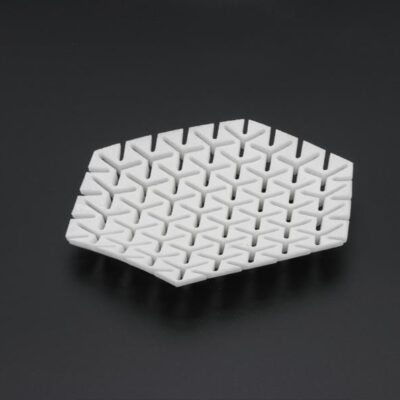
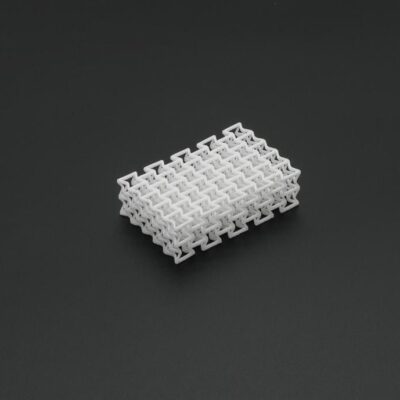
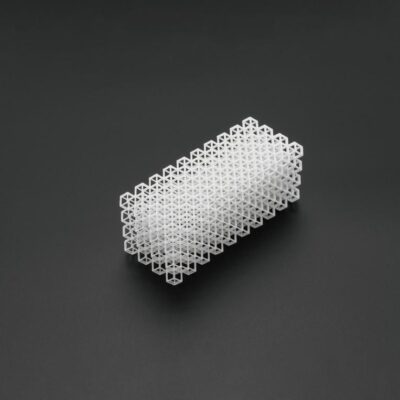
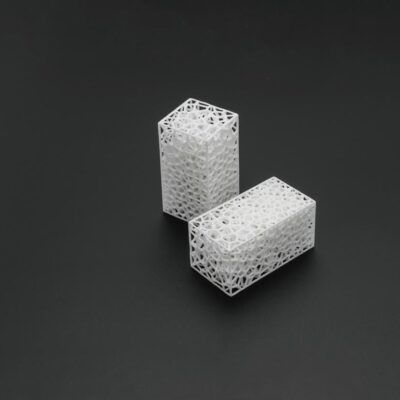
KSPA12 is primarily used in SLS technology, where it is selectively melted by a laser to create parts layer by layer. This process allows for complex geometries that are difficult or impossible to achieve with traditional manufacturing methods.
- Shock-absorbing shoe soles
- Insoles
- Medical organ models
- Flexible robots
- Smart wearable devices
- Biological scaffolds
- Lining for apparel prosthetics
FAQs
Application cases of nylon materials on EOS machines — are all EOS models compatible?
Our PA12 and PA12GF can be used on EOS models such as P760, P110, and P396.
Do machine parameters need to be adjusted to use them? If so, which parameters mainly need adjustment?
Yes, parameter adjustments are needed, mainly including melting temperature and heat deflection temperature.
What are the advantages and disadvantages of your PA12 and PA12GF materials compared to similar EOS materials?
In terms of stiffness, heat resistance, toughness, and elongation, our materials are lower than EOS. The main advantage lies in the price, as well as the mixing ratio of new and used powder, which helps reduce costs.
Our PA12 and PA12GF can be used on EOS models such as P760, P110, and P396.
Yes, parameter adjustments are needed, mainly including melting temperature and heat deflection temperature.
In terms of stiffness, heat resistance, toughness, and elongation, our materials are lower than EOS. The main advantage lies in the price, as well as the mixing ratio of new and used powder, which helps reduce costs.
Add Your Heading Text Here
SLS NYLOn Powder
Start today – order minimal package 20 kg
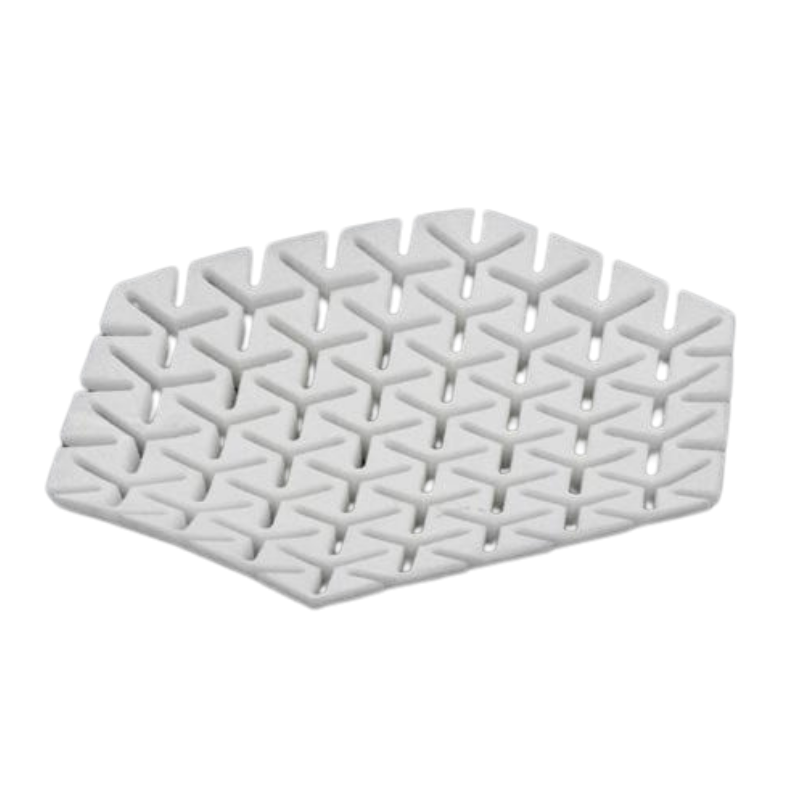
| Brand | Kings3D |
| Country of origin | China |
| Technology | SLS |
| Bulk density, g/m³ | 0.5 |
| Powder color | White |
| Part color | Natural color |
| Shore hardness A, ℃ | 88-90 |
| Tensile strength, MPa | 20 |
| Melting point, ℃ | 160 |
| Printing Materials | Plastic Nylon Powders |
| Available colors | White |
| Elongation at Break (%) | 12-20 |
| Flexural Strength (MPa/KSI) | 20 (ISO 178) |
| Weight | 20 kg |
Full documentation — TDS, SDS, batch COA, and parameter sets for the major LPBF platforms. Everything you need for qualification under AS9100 / ISO 13485 workflows.
Don't see your spec?
We atomize our own. Custom variants on request.
Tighter PSD, modified chemistry, custom blend? Our ATO atomization lab runs custom batches in 3–4 weeks. Biocompatible, refractory, proprietary — all in-house, verified before ship.
Frequently bought together
Complete the workflow
What teams add to an order so the first build runs clean — handling, plates, and a sample to qualify before you commit volume.
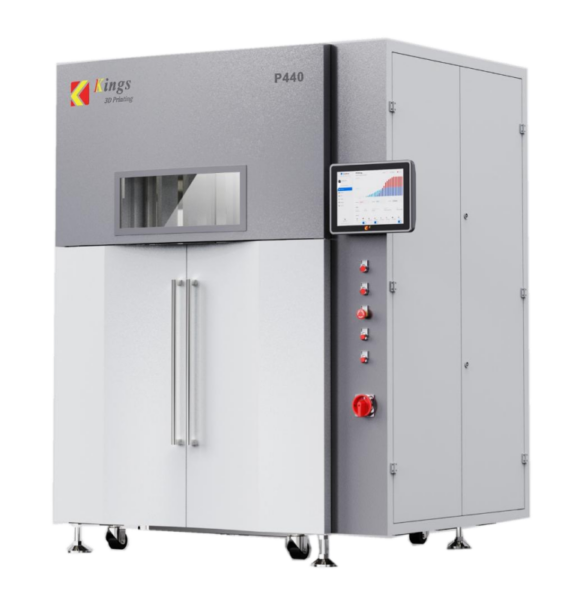
3D printers, Business 3D Printers, Engineering 3D Printers, Jigs&Fixtures 3D Printers, Manufacturing 3D Printers, Nylon 3D printers, Plastic Powder, SLS 3D Printers
Kings P440 SLS 3D Printer: Selective Laser Sintering for Industrial Applications
Industrial SLS 3D Printer solution with 17.3*17.3*17.7 in build size.
For SLS
From $0
Get quote
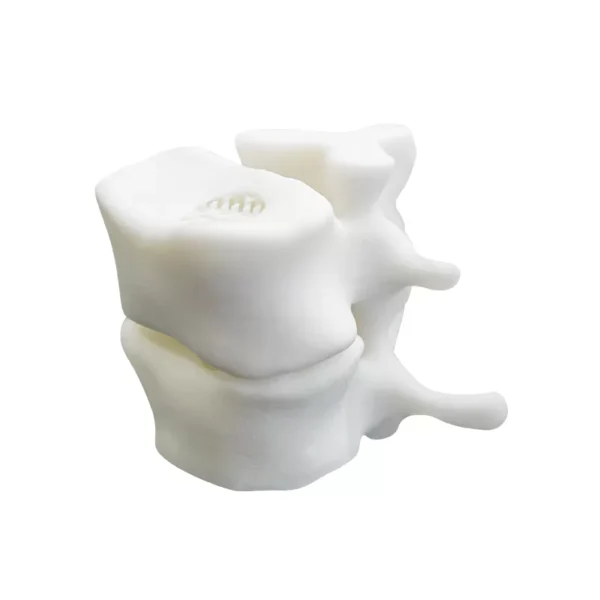
Materials, Composite Tooling, Engineering, Jigs&Fixtures, Manufacturing, Plastic Nylon Powder 3D Printing Materials, SLS 3D Printing Materials
PA12 Nylon Powder SLS Material – In Stock in CA, Ships from Los Angeles
Looking for a reliable, high-performance nylon powder at an unbeatable price?
KSPA12 is a premium PA12 nylon powder designed for SLS systems. It delivers clean white parts, excellent mechanical strength, and consistent powder flow — making it a perfect fit for industrial, prototyping, and medical applications.
Packaging & Pricing
10 kg / 22.05 lbs per unit
$75 per kg / $34 per pound
In-stock and ready to ship
For SLS
From $750
Add to cart
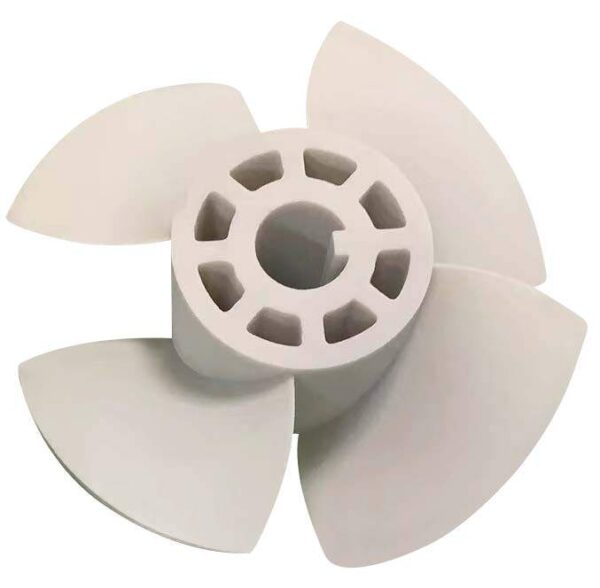
Materials, Composite Tooling, Engineering, Jigs&Fixtures, Manufacturing, Plastic Nylon Powder 3D Printing Materials, SLS 3D Printing Materials
KSPA12GB Nylon Powder – High-Performance SLS 3D Printing Material for Precision Applications
Cost per kg: $75. Cost per pound: $34
The plastic nylon powder is supplied in a packaging of 10 kg/22.05 lbs.
A premium white nylon powder for superior performance.
For SLS
From $750
Add to cart
Other products teams run alongside GF TPU 23 – High-Performance FDM & SLS 3D Printing Resin
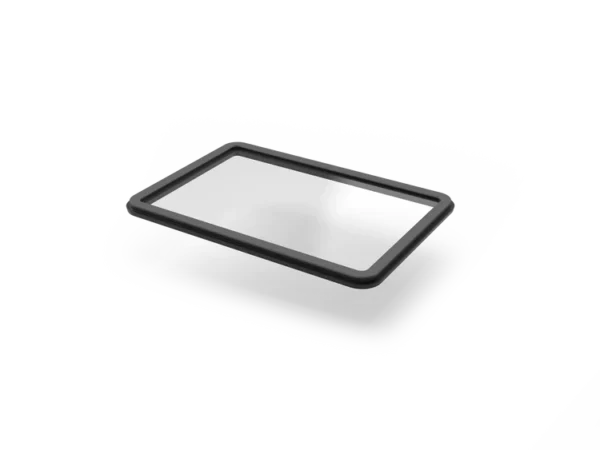
Consumables, Materials, Membranes 3D Printing Materials, Other Accessories and Spare Parts
Nexa3D Everlast-1 membrane for XiP Pro - 2-pak
From $352
Add to cart
On backorder
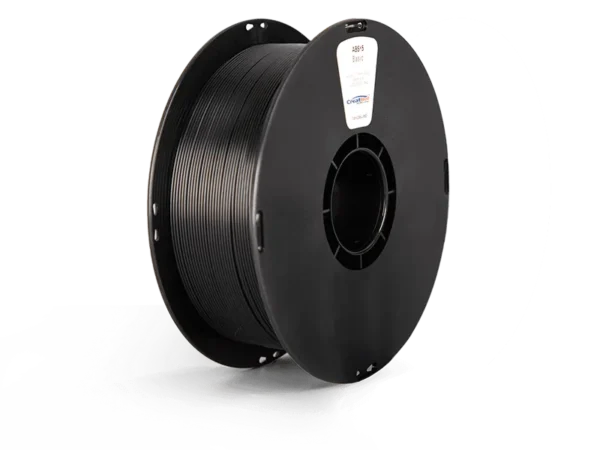
Engineering, FFF (FDM) 3D Printing Materials, Filaments 3D Printing Materials, Jigs&Fixtures, Manufacturing, Materials, Plastic Filament
CreatBot ABS Filament - 1kg
Classic ABS engineering filament with excellent impact strength and durability for functional prototypes, automotive, and industrial parts.
From $20
Add to cart
In stock
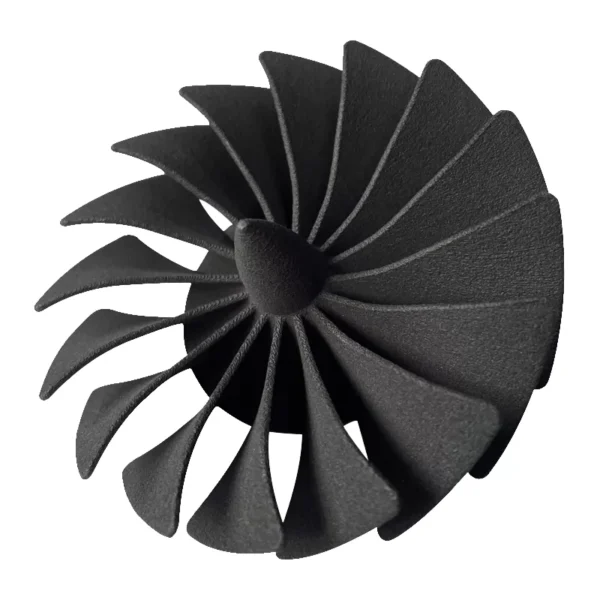
Materials, Composite Tooling, Engineering, Jigs&Fixtures, Manufacturing, Plastic Nylon Powder 3D Printing Materials, SLS 3D Printing Materials · SLS
KSPA12BK Nylon Powder – High-Performance Black SLS Printing Material for Durable Parts
Cost per kg: $75. Cost per pound: $34
The plastic nylon powder is supplied in a packaging of 10 kg/22.05 lbs.
A premium black nylon powder for superior performance.
From $750
Add to cart
In stock
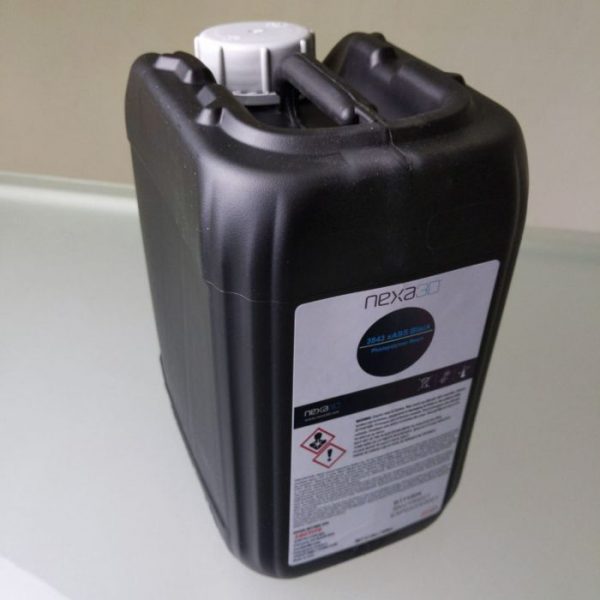
Materials, DLP 3D Printing Materials, Engineering, Manufacturing, Resin 3D Printing Materials · LSPc, DLP, XiP
Nexa3D xABS3843 Black Resin 5kg
Tough and durable material with the aesthetics of injection molded black ABS. High performance, high modulus material boasting excellent flexural and tensile physical properties with a relatively high degree of elongation.
From $1127
Add to cart
In stock
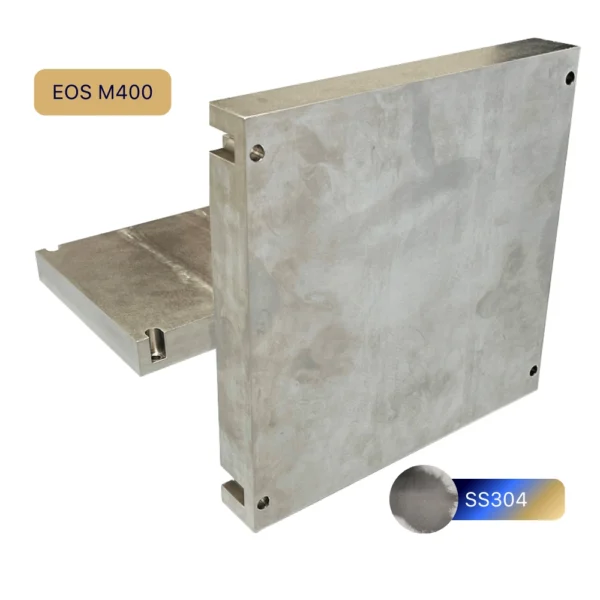
Materials, Metal Build Plates 3D Printing Materials, Standard
EOS M400 SS304 Build Plate | M400 Steel Build Platform for Metal 3D Printing
The M400 Steel Build Platform is a heavy-duty SS304 stainless steel build plate engineered for EOS M400 systems. Designed for large-format LPBF production, it delivers superior thermal stability, structural rigidity, and repeatable industrial metal 3D printing performance.
Need a build platform for a different printer model or custom dimensions?
Request a custom quote — we manufacture precision build plates and building platforms for most industrial metal AM systems.
Prints SS304 (AMS 5513)
From $2050
Get quote
In stock
· 6-8 weeks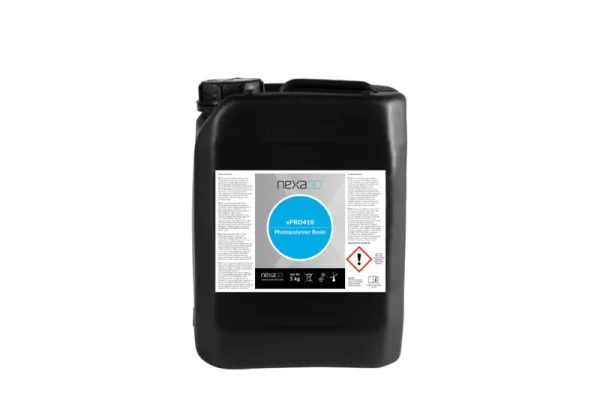
Materials, Engineering, Manufacturing, Resin 3D Printing Materials · LSPc, DLP, XiP
Nexa3D xPRO410 Resin 5kg - NA
xPRO410 is a rigid photoplastic that prints parts with extreme accuracy and an exceptional surface finish. Formulated based on Henkel’s LOCTITE® PRO410 polymer and optimized for Nexa3D’s NXE400 3D printer, the material is ideal for general purpose prototyping and series production.
From $427
Add to cart
In stock
Materials, DLP 3D Printing Materials, Engineering, Manufacturing, Resin 3D Printing Materials · LSPc, DLP, XiP
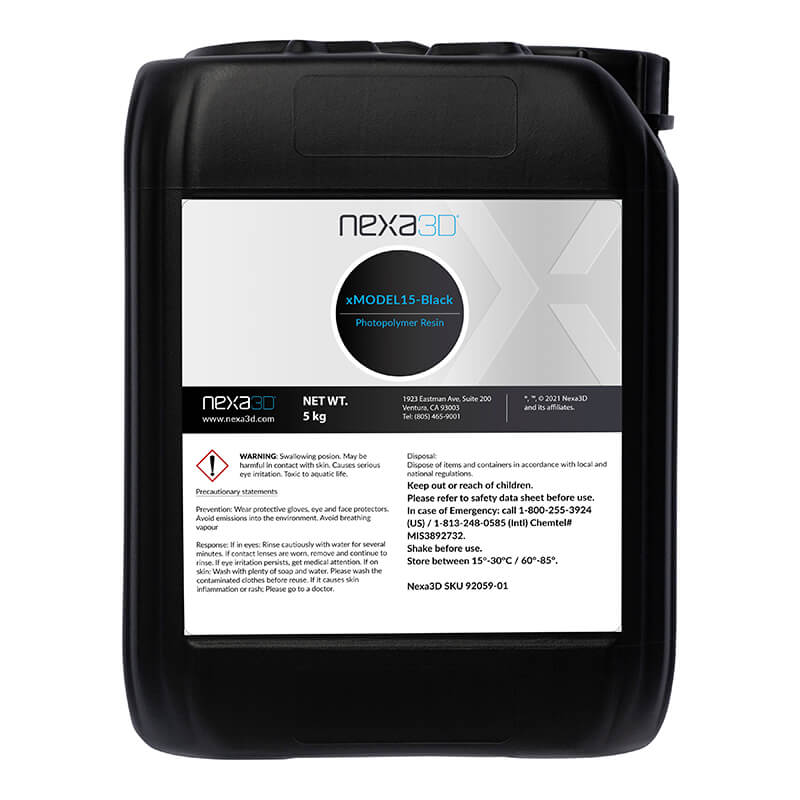
Nexa3D xMODEL15-Black 5kg Resin
This is an economical modeling material that yields suburb feature resolution and accuracy to serve a wide variety of modeling applications. Formulated to deliver exceptional first-time print success, xMODEL15 exhibits excellent detail and a high-quality surface finish.
From $267
Add to cart
In stock
Materials, Engineering, LPBF (DMLS) 3D Printing Materials, Manufacturing, Metal Powders 3D Printing Materials, Nickel Base · Metal LPBF
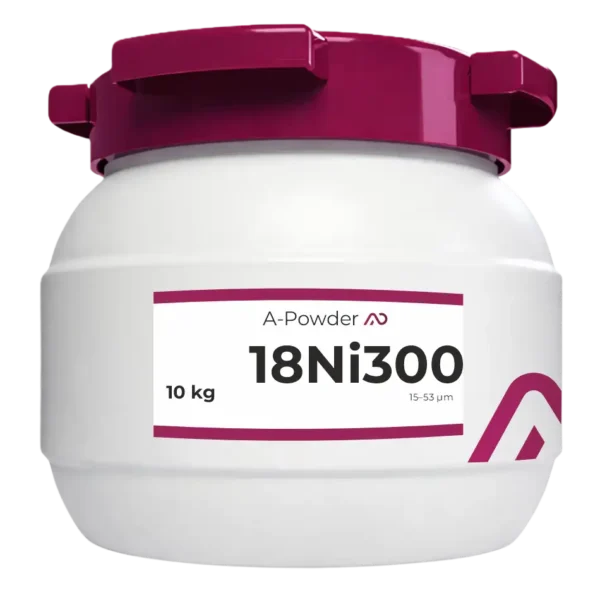
A-Powder 18Ni300 Maraging Steel Powder for Metal 3D Printing | LPBF Compatible – 10 kg / 22 lbs
Ultra-High Strength. Heat-Treatable. High-performance 18Ni300 maraging steel powder for LPBF additive manufacturing. Ultra-high strength, heat-treatable, and reliable for aerospace, defense, and industrial engineering components.
OEM-optimized 18Ni300 steel powder for metal 3D printing, delivering predictable prints, stable LPBF processing, and full traceable documentation.
Prints 18Ni300
From $1090
Get quote
In stock
· 5-10 Business DaysFrom process engineers running GF TPU 23 – High-Performance FDM & SLS 3D Printing Resin
Unedited feedback from customers who reorder GF TPU 23 – High-Performance FDM & SLS 3D Printing Resin.
★★★★★
Same lot 4 times in a row. We stopped re-running parameter sweeps after the second order — density was identical to the first build.
MK
Marcus K.
Process Engineer · Aerospace OEM
★★★★★
Asked about ferrite content on a Friday. A materials engineer answered Monday morning with actual data, not a sales pitch. That's why we keep ordering.
PS
Priya S.
R&D Lead · Medical Devices
★★★★★
COA matches the bottle. PSD and flow are exactly what was on the sheet — we run it on a Renishaw 500Q and it hits density on the first try.
DR
Diego R.
Production Lead · Energy
Place your order, or talk to an engineer first
Order 316L direct, or send your application and we'll recommend the right alloy and PSD for your printer.