
Free U.S. shipping on orders over $200 · Mutual NDA standard before any file review.
Talk to an engineer →
On backorder
In every order
- Full lot COA — PSD, sphericity, flow rate, chemistry
- Qualified parameter sets for the major LPBF systems
- Mutual NDA before any file or spec review
- Free U.S. shipping over $200 · fast dispatch from L.A.
3D printers, Advanced Plastic filament, Business 3D Printers, Composite Tooling, Education 3D Printers, Engineering 3D Printers, FFF (FDM) 3D Printers, Filament, Filament, Jigs&Fixtures 3D Printers, Manufacturing 3D Printers, Plastic 3D printers · FFF
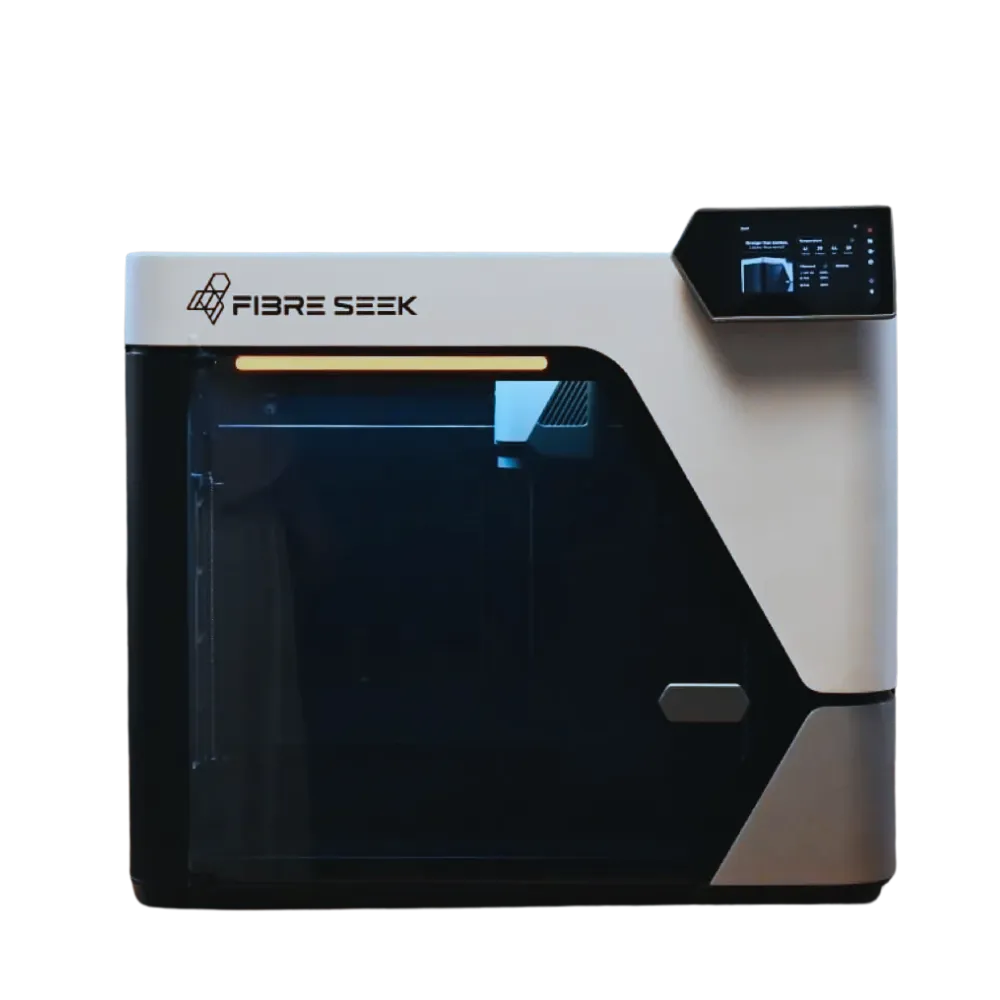
FibreSeeker 3 Continuous Fibre 3D Printer – Carbon Fiber Reinforced Desktop Manufacturing
Real Carbon Fibre. Real Strength. Desktop Manufacturing.
Bring industrial composite manufacturing into your workspace with the FibreSeeker 3 continuous fibre 3D printer. Produce lightweight, high-strength parts using real carbon or glass fibre reinforcement.
Lot # and price held 7 days after order.
NDA standard
Ships in 1–2 business days
Spec-match guarantee on every lot
Built for production teams
What your process engineer actually checks
Locked, traceable lot chemistry
Every lot ships with a COA documenting PSD, sphericity, flow rate, apparent density, and full chemistry — and a lot number you can trace. Aerospace and medical teams reorder 4+ times without re-qualifying.
Qualified parameters, not just powder
Validated parameter sets for EOS M 290, Renishaw 500Q, SLM 280, and our own AO Metal LPBF ship with the order. Load the profile and hit density on the first build — no parameter-development burn.
A materials engineer on the line
Questions on ferrite content, flowability, recyclate ratios, or HIP response? A materials engineer answers directly — not a contact-form bot. Most replies in under 4 hours, NDA standard.
About this product
The FibreSeeker 3 continuous fibre 3D printer is engineered to bridge the gap between desktop additive manufacturing and industrial composite production. It enables engineers to manufacture structural parts with significantly enhanced mechanical properties directly from a compact system.
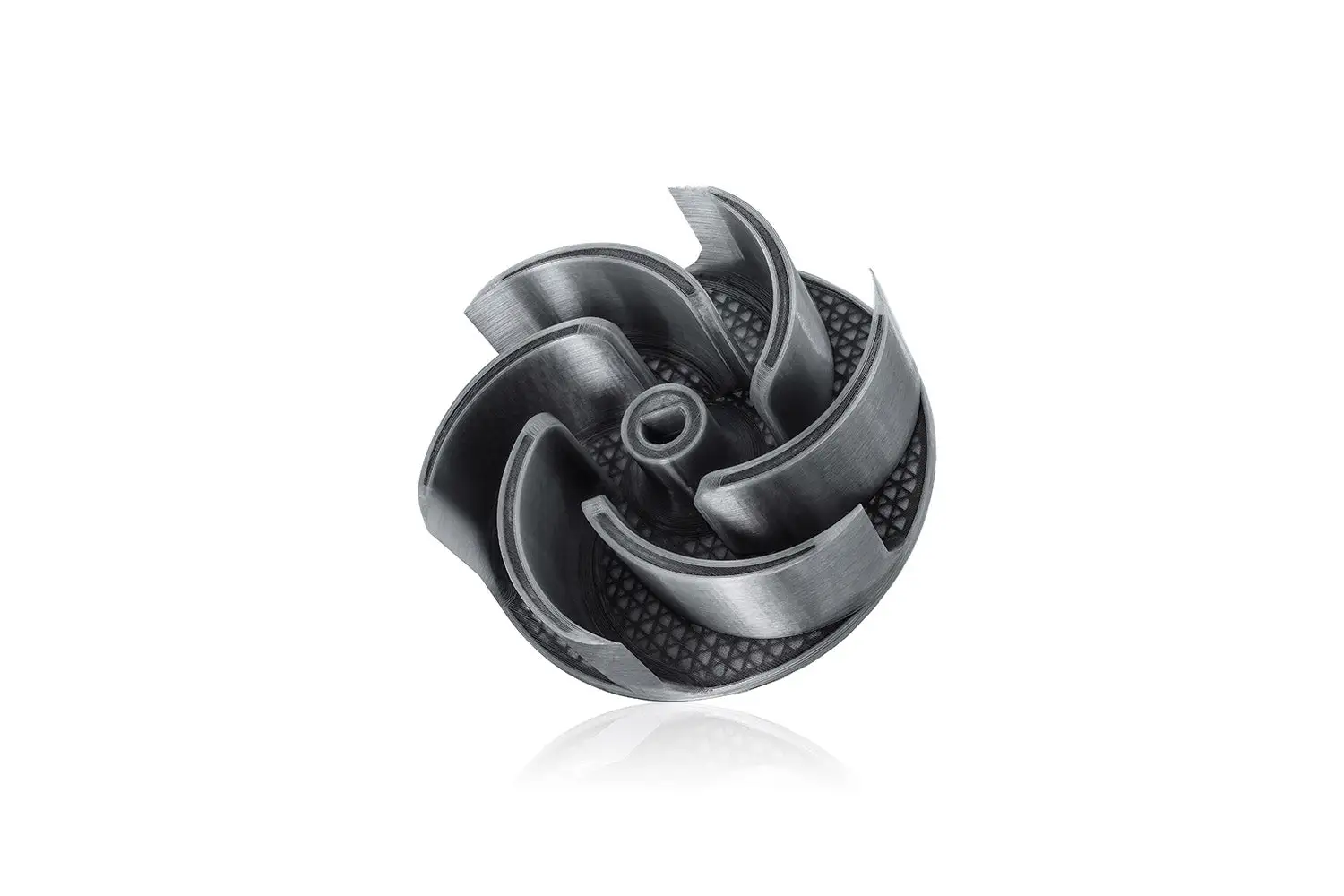
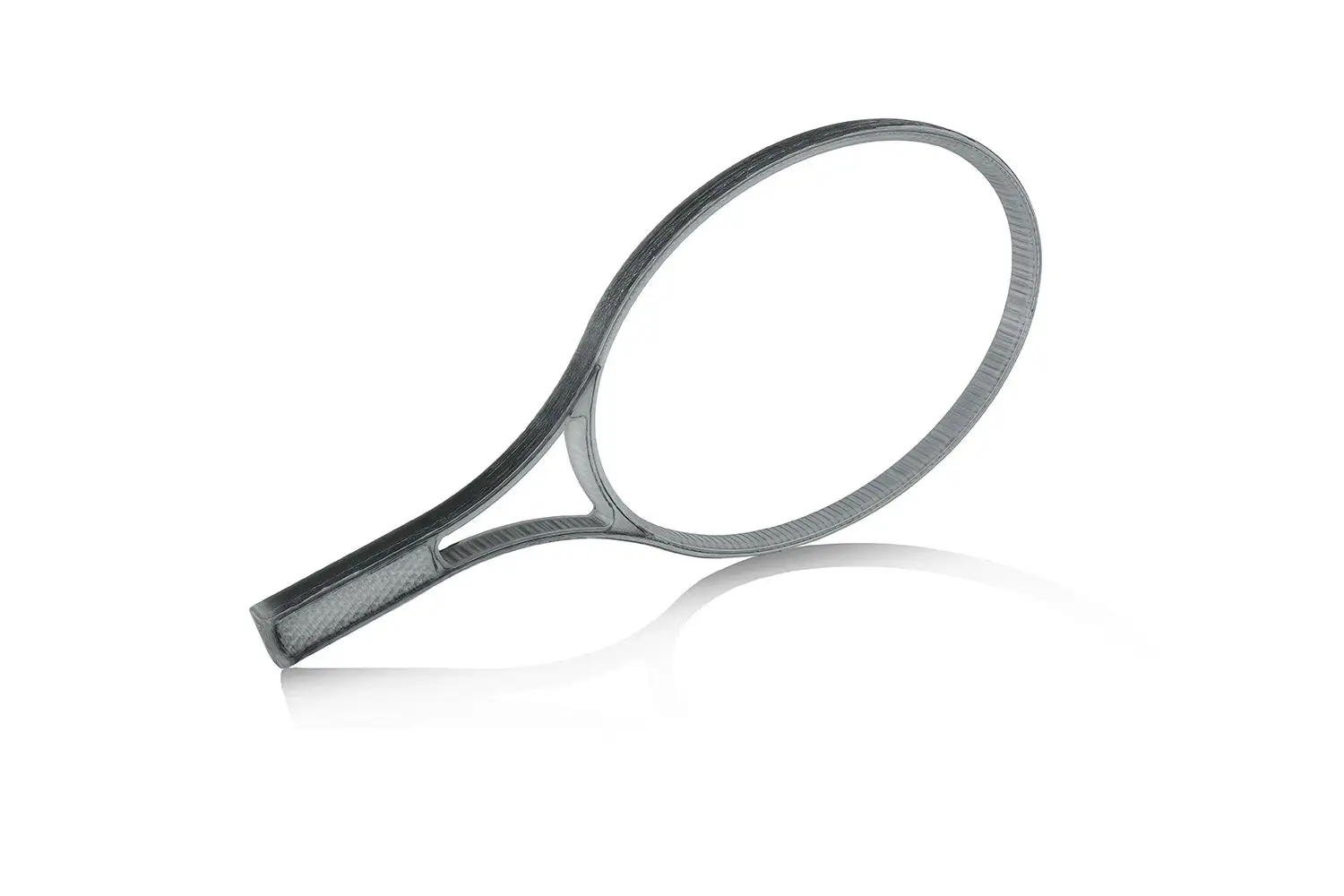
At the core of the system is Continuous Fibre Co-Extrusion (CFC) — a process that embeds continuous carbon or glass fibres into a thermoplastic matrix during printing. Unlike short-fibre or filled filaments, continuous reinforcement allows load transfer across the entire part, dramatically increasing mechanical performance.
Mechanical Performance
By combining thermoplastics with continuous fibres, FibreSeeker 3 produces parts with:
- Tensile strength up to 900 MPa
- Significantly improved stiffness and rigidity
- Enhanced fatigue resistance
- Load-bearing capability suitable for functional applications
This enables replacement of metal components in weight-critical applications.
Process & Manufacturing Benefits
- Controlled fibre placement for optimized stress distribution
- Multi-material capability for functional part design
- Stable extrusion with real-time fibre tension monitoring
- Reduced material waste compared to traditional composite manufacturing
Use Case Integration
The system is designed not only for prototyping but also for functional production workflows, enabling engineers to move from concept to end-use parts without changing manufacturing processes.
Key Performance Benefits
- Up to 10× stronger parts vs standard FDM
- True continuous fibre reinforcement (not chopped fibre)
- Lightweight alternative to metal parts
- Optimized fibre orientation for structural performance
- Desktop accessibility with industrial-level output
Markets
- Aerospace & UAV
- Automotive & Motorsport
- Robotics
- Industrial Manufacturing
- Education & Research
Applications
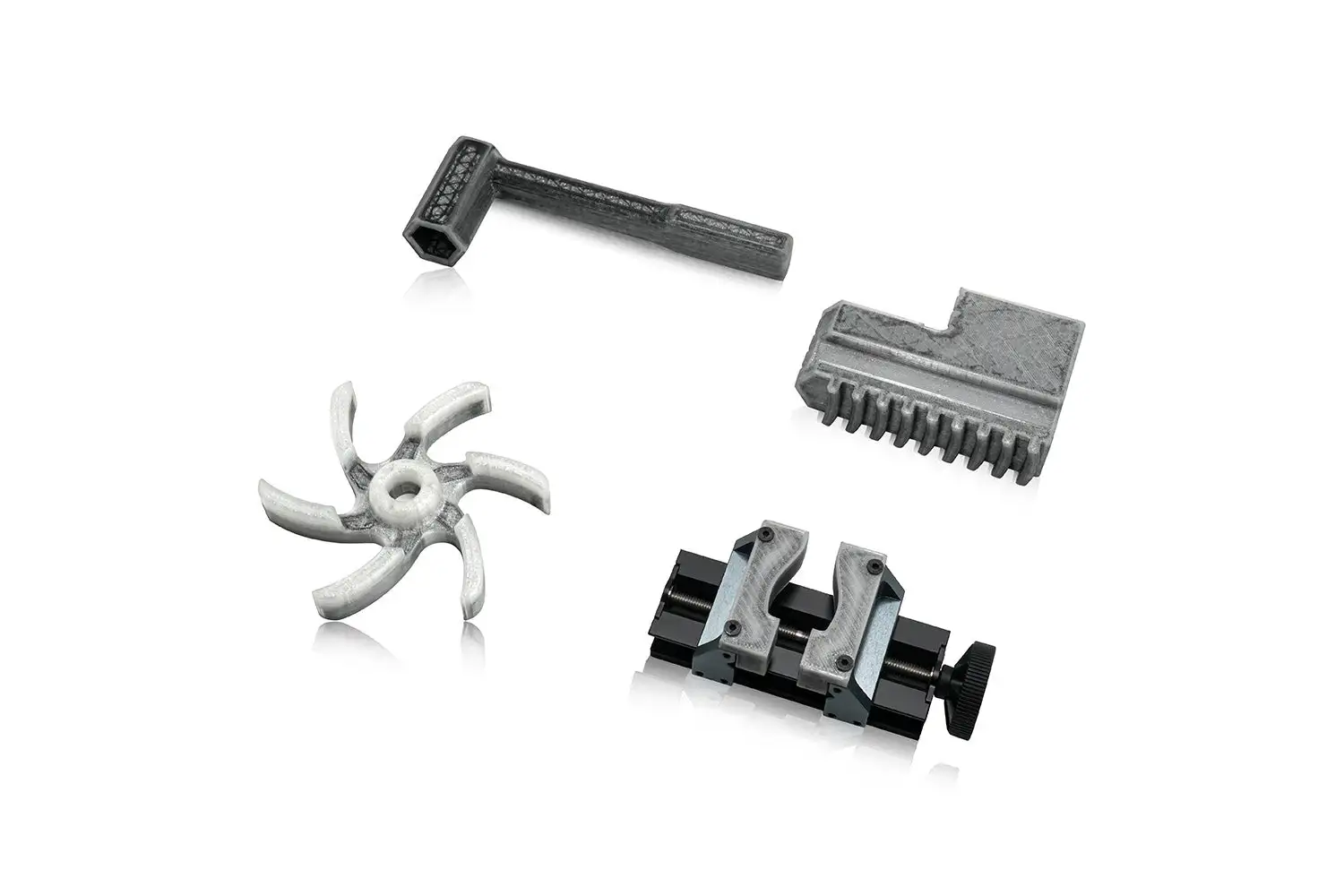
- UAV frames and structural components
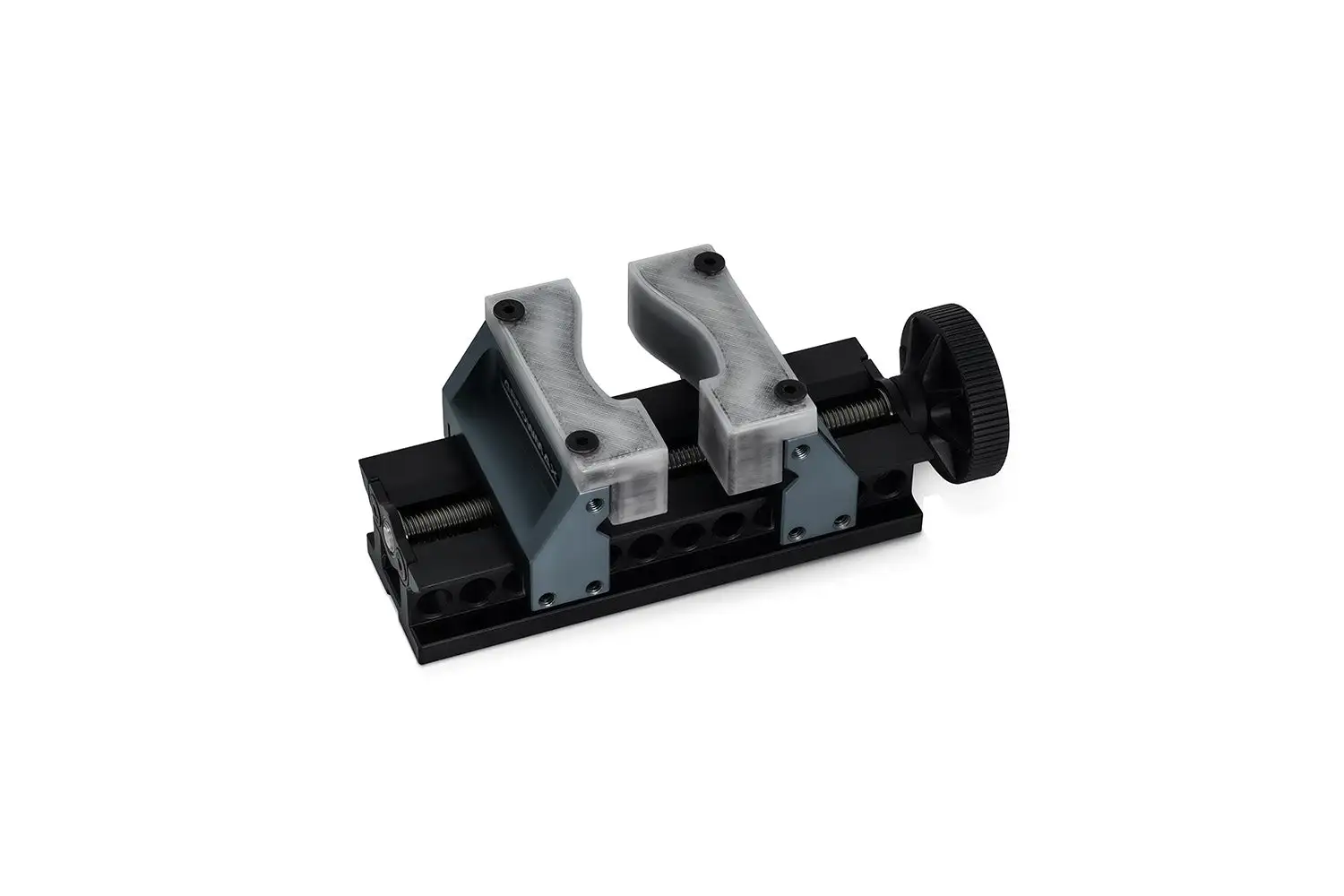
- Robotics arms and load-bearing parts
- Functional prototypes for testing
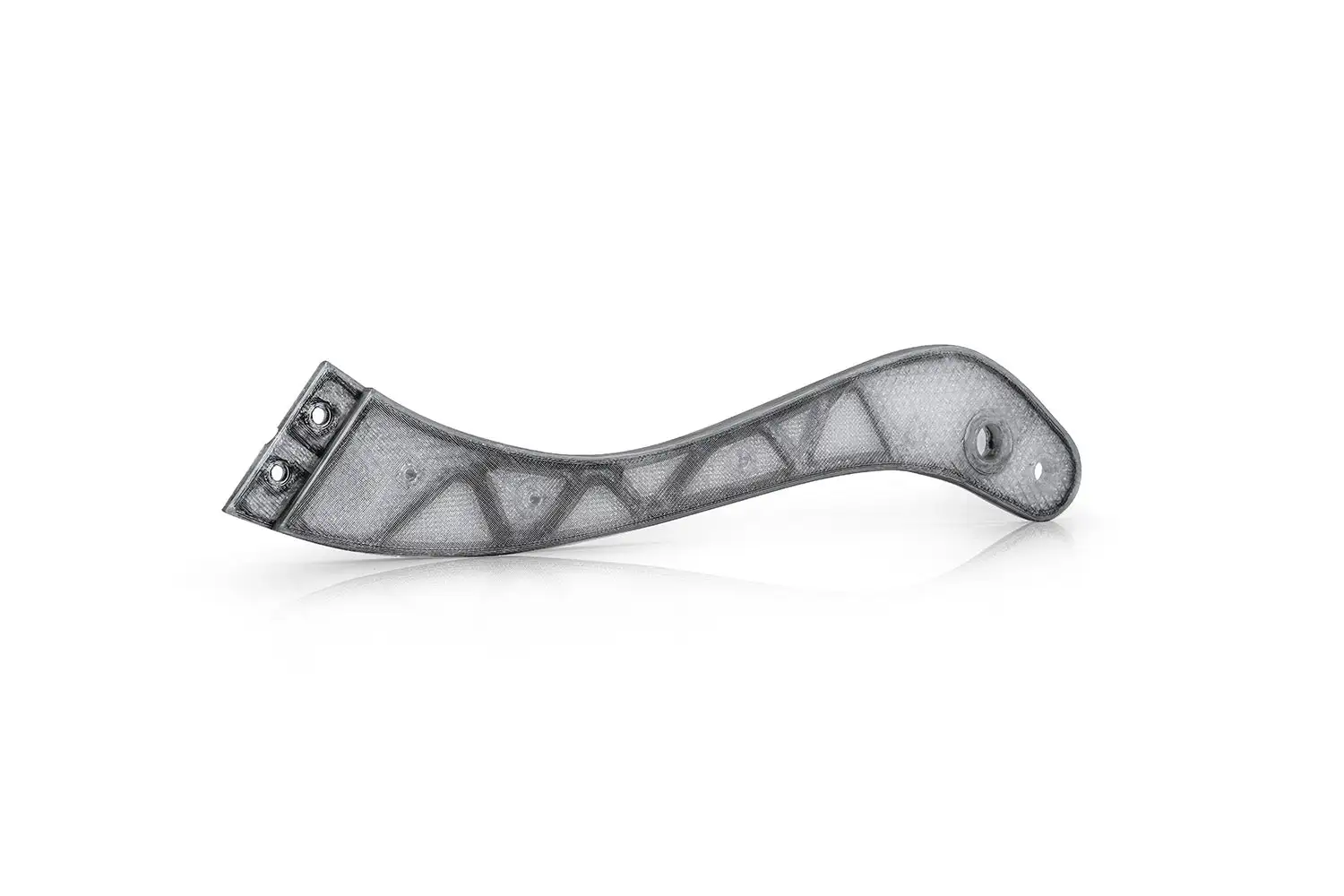
- Mechanical brackets and housings
- Lightweight replacement for metal parts
Why Fibre Matters
Standard FDM printing relies on unreinforced thermoplastics or short-fibre-filled filaments, which provide limited mechanical performance. Even carbon-filled filaments (PLA-CF, PA-CF) contain chopped fibres, typically less than 0.2 mm in length, which do not create a continuous load path through the part.
The FibreSeeker 3 continuous fibre 3D printer uses continuous fibre reinforcement, meaning long strands of carbon or glass fibre are embedded directly into the print.
In practical terms, this transforms printed parts from visual prototypes into functional engineering components.
When Standard FDM Is Not Enough
Standard FDM becomes a limitation when your application requires:
- Load-bearing or structural components
- High stiffness and minimal deformation
- Lightweight alternatives to metal parts
- Functional testing under real conditions
- Repeated mechanical stress or fatigue resistance
When to Choose Continuous Fibre Printing
Choose a continuous fibre 3D printer when performance matters:
- You need engineering-grade strength, not just form
- You want to replace metal with lightweight composites
- Your parts must withstand real-world loads
- You require controlled fibre orientation for optimized performance
| Brand | Fibre Seek |
| Technology | FFF |
| Build Volume | 11.81×11.81×9.65 in, 300×300×245 mm |
| Motion Control System | Closed-loop |
| Network Type and Protocol | Ethernet, WiFi, USB-type B, SD-card slot |
| Electrical Requirement | 220-240VAC (100-120VAC optionally), 50/6OHz, 800W |
| Ambient Temperature | 18-28 °C (64.4-82.4 °F) |
| Operating Temperatures | Max. Print Head Operating Temperature: 320 °C Max. Buildplate Operating Temperature: up to 110 °С |
| Layer Thickness | 50 µm+ |
| Plastic Filament Diameter | 0.0689in / 1.75mm |
| FFF Nozzle Diameter | 0.0157in / 0.4mm |
| Print Head | Dual nozzle: FFF extruder; CFC extruder with reinforcing filament cutting device |
| Printing Speed | up to 500 mm/s |
| Interface | 5” Touchscreen |
| Material | PLA, Carbon Fibre X-CCF, Glass Fibre X-CGF, Glass-filled Nylon PACF, Glass-filled PETG PETGF, PA Filament, PC, PETG |
| Printing Materials | Plastic Filaments |
Don't see your spec?
We atomize our own. Custom variants on request.
Tighter PSD, modified chemistry, custom blend? Our ATO atomization lab runs custom batches in 3–4 weeks. Biocompatible, refractory, proprietary — all in-house, verified before ship.
Other products teams run alongside FibreSeeker 3 Continuous Fibre 3D Printer – Carbon Fiber Reinforced Desktop Manufacturing
3D printers, Bundle 3D Printers, Business 3D Printers, Education 3D Printers, Engineering 3D Printers, FDM 3D Printers, FFF (FDM) 3D Printers, Filament, Filament, Home 3D Printers, Jigs&Fixtures 3D Printers, Plastic 3D printers · FFF
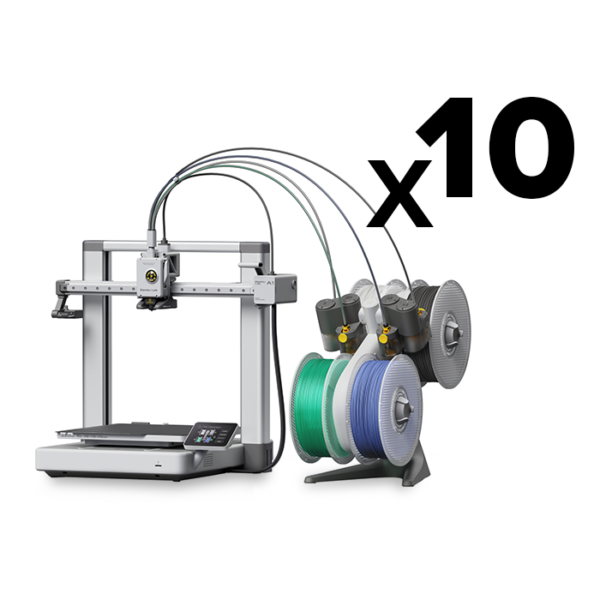
Bambu Lab A1 Combo 10 Printer Set
Package of 10 Bambu Lab A1 Printers.
From $7499
Add to cart
On backorder
3D printers, Business 3D Printers, Engineering 3D Printers, Jigs&Fixtures 3D Printers, Manufacturing 3D Printers, Nylon 3D printers, Plastic Powder, SLS 3D Printers · SLS
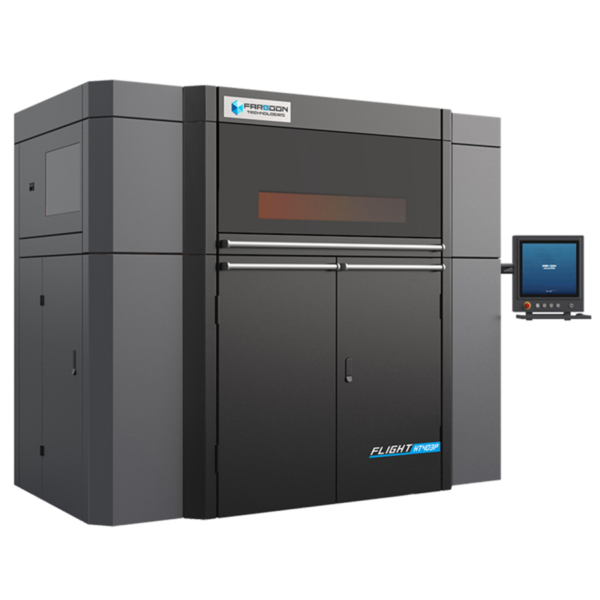
Farsoon Flight® 403P Series: Advanced SLS 3D Printer for High-Performance Polymer Materials
Next generation of high-speed laser sintering machines providing impressive detail resolution.
Prints FS3201PA-F, FS3300PA-F, FS3401GB-F, LUVOSINT®, TPU X92A-1064 WT
From $0
Get quote
In stock
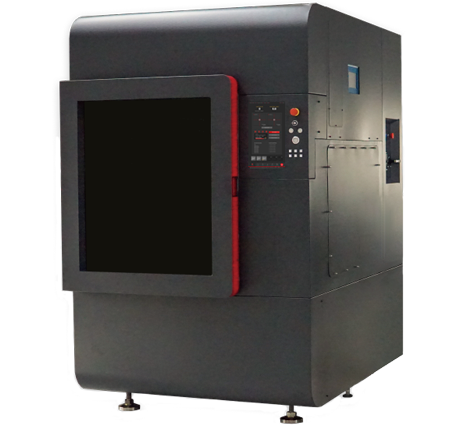
DED 3D Printers, 3D printers, Business 3D Printers, Engineering 3D Printers, Jigs&Fixtures 3D Printers, Large Format 3D Printers, Manufacturing 3D Printers, Material Development 3D Printers, Metal 3D Printers, Metal 3D printers, Powder · DED, DMT
InssTek MX-Fab
DED 3D Printer with DMT & 5-Axis system.
From $0
Get quote
In stock
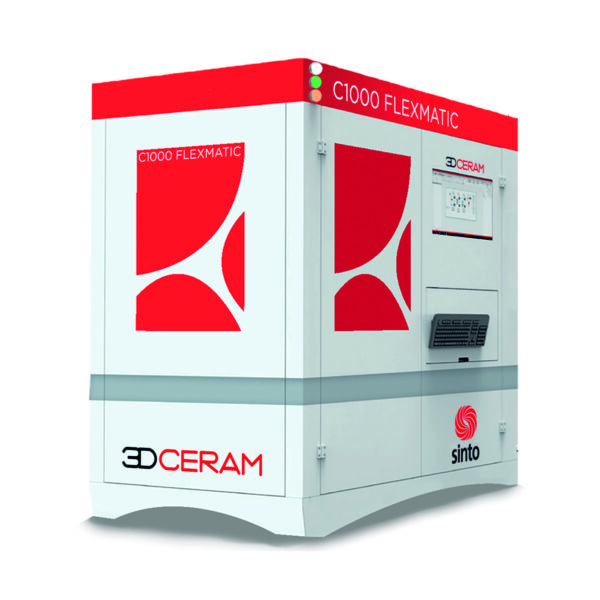
3D printers, Business 3D Printers, Ceramic, Engineering 3D Printers, Jigs&Fixtures 3D Printers, Manufacturing 3D Printers, Paste, SLA Ceramic 3D Printers, Slurry · CERAMIC SLA
C1000 Flexamatic
Designed to meet the industrial challenges of large-scale production
Prints Alumina, Alumina Toughened Zirconia, Aluminium Nitride, Cordierite, Fused Silica, Hydroxyapatite, Silicone Nitride, Silicore, Tricalcium Phosphate, Zirconia 3Y, Zirconia 8Y
From $0
Get quote
In stock
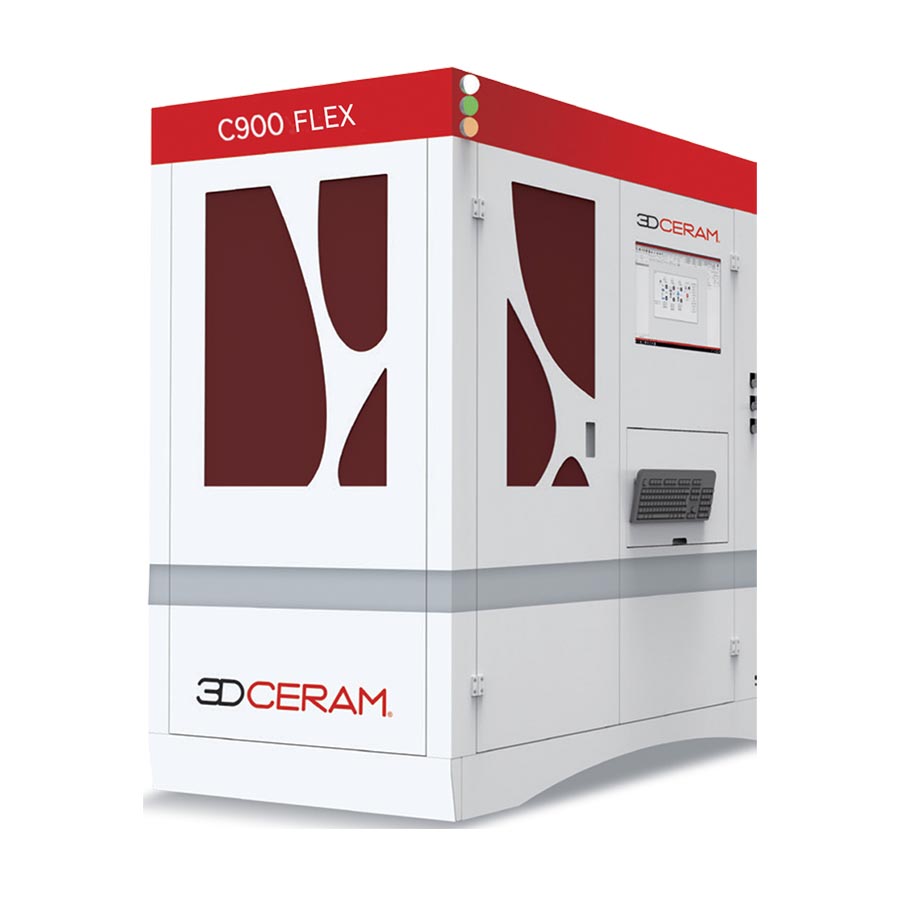
3D printers, Business 3D Printers, Ceramic, Dental 3D Printers, Engineering 3D Printers, Jigs&Fixtures 3D Printers, Manufacturing 3D Printers, Material Development 3D Printers, Medical 3D Printers, Paste, SLA Ceramic 3D Printers, Slurry · CERAMIC SLA
C900 FLEX
С900 Flex 3D printer allows you to produce products with a high surface quality, the roughness of which does not exceed 2 microns.
From $0
Get quote
On backorder
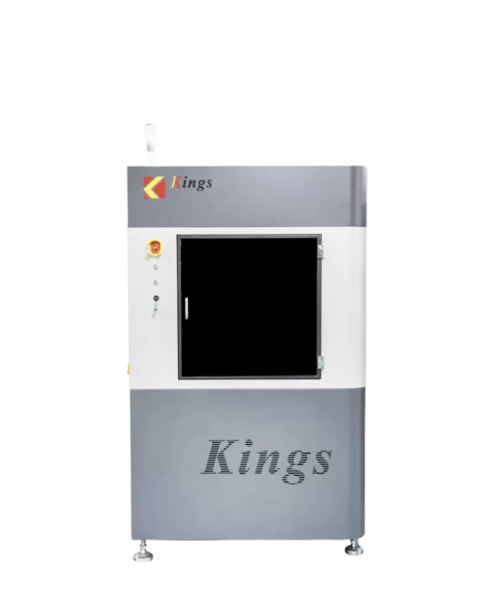
3D printers, Business 3D Printers, Dental 3D Printers, Engineering 3D Printers, Manufacturing 3D Printers, Medical 3D Printers, Resin 3D printers, SLA 3D Printers · SLA
Kings 650Pro – Industrial SLA 3D Printer for High-Volume Printing
The SLA 3D printer is great for medium-sized prototypes, perfect for a range of projects.
From $0
Get quote
On backorder
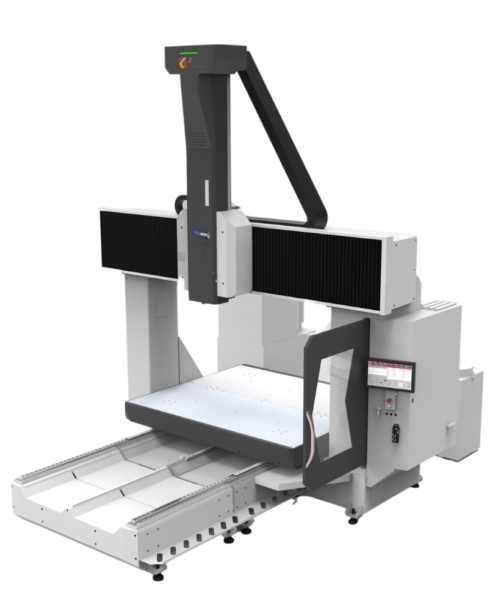
3D printers, Business 3D Printers, Composite Tooling, Education 3D Printers, Engineering 3D Printers, FGF 3D Printers, Jigs&Fixtures 3D Printers, Large Format 3D Printers, Manufacturing 3D Printers, Pellet, Plastic 3D printers · FGF
Kings FGF2400 3D Printer
Efficient Industrial FGF 3D Printer. Large Format. Open Platform.
.
From $545000
Add to cart
On backorder
· 4-6 weeks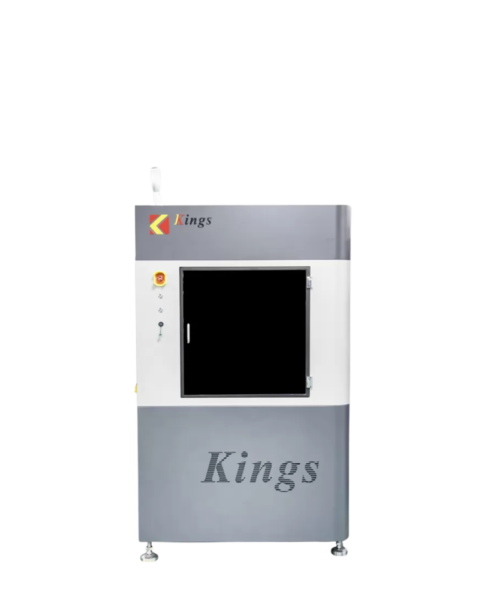
3D printers, Business 3D Printers, Dental 3D Printers, Education 3D Printers, Engineering 3D Printers, Manufacturing 3D Printers, Medical 3D Printers, Resin 3D printers, SLA 3D Printers · SLA
Kings 450Pro – Industrial SLA 3D Printer with High Precision
The SLA 3D printer is perfect for concept models, prototypes, and industrial parts.
From $78500
Add to cart
On backorder
From process engineers running FibreSeeker 3 Continuous Fibre 3D Printer – Carbon Fiber Reinforced Desktop Manufacturing
Unedited feedback from customers who reorder FibreSeeker 3 Continuous Fibre 3D Printer – Carbon Fiber Reinforced Desktop Manufacturing.
★★★★★
Same lot 4 times in a row. We stopped re-running parameter sweeps after the second order — density was identical to the first build.
MK
Marcus K.
Process Engineer · Aerospace OEM
★★★★★
Asked about ferrite content on a Friday. A materials engineer answered Monday morning with actual data, not a sales pitch. That's why we keep ordering.
PS
Priya S.
R&D Lead · Medical Devices
★★★★★
COA matches the bottle. PSD and flow are exactly what was on the sheet — we run it on a Renishaw 500Q and it hits density on the first try.
DR
Diego R.
Production Lead · Energy
Common questions
Don't see yours? Email [email protected] — NDA standard, typical reply within 4 hours.
What is a continuous fibre 3D printer and how does FibreSeeker 3 differ from standard FDM printers?
A continuous fibre 3D printer embeds continuous reinforcement strands into the print, unlike standard FDM which uses only thermoplastics or short fibres. FibreSeeker 3 produces structural composite parts with significantly higher strength.
What materials can be used in the FibreSeeker 3 continuous fibre 3D printer?
The system supports PLA, PETG, PC, nylon, and reinforced materials, along with continuous carbon and glass fibres for structural applications.
Can the FibreSeeker 3 replace metal parts in engineering applications?
Yes, for many applications requiring high strength-to-weight ratio, FibreSeeker 3 can replace metal components, especially in aerospace, robotics, and automotive use cases.
What industries benefit most from continuous fibre 3D printing?
Aerospace, automotive, robotics, and industrial manufacturing benefit the most due to the need for lightweight, high-strength parts.
Is the FibreSeeker 3 suitable for production or only prototyping?
It is suitable for both. The printer enables functional prototyping and small-batch production of end-use composite parts.
Place your order, or talk to an engineer first
Order 316L direct, or send your application and we'll recommend the right alloy and PSD for your printer.