
Made to order
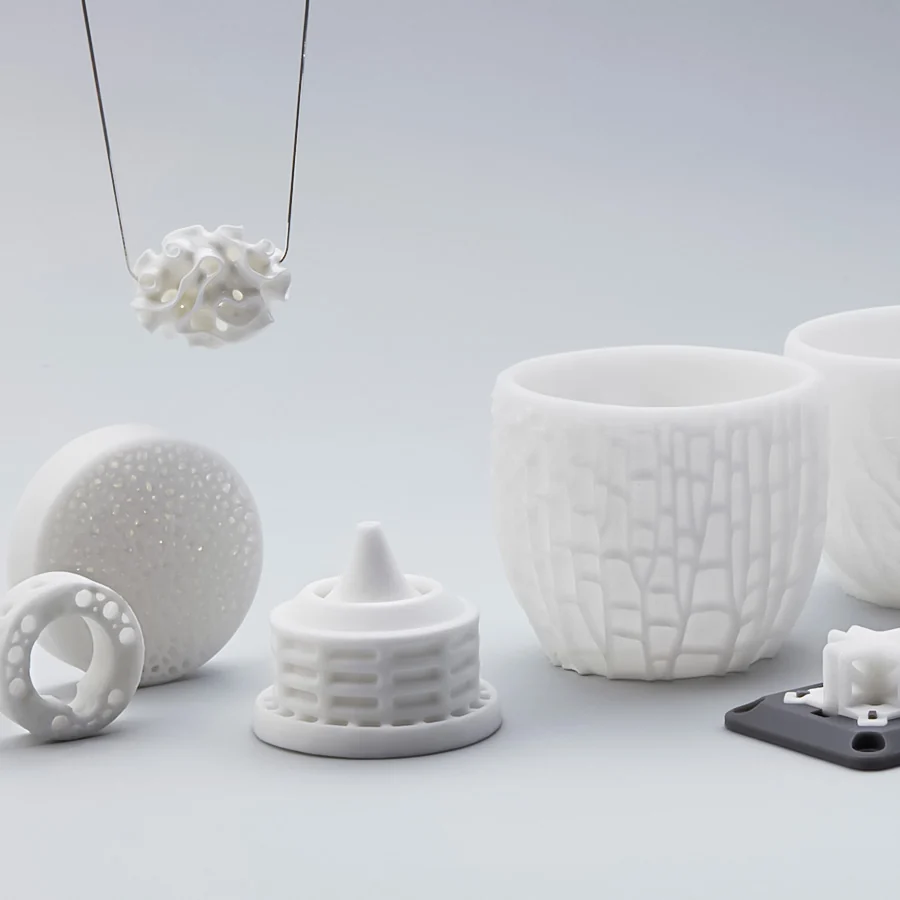
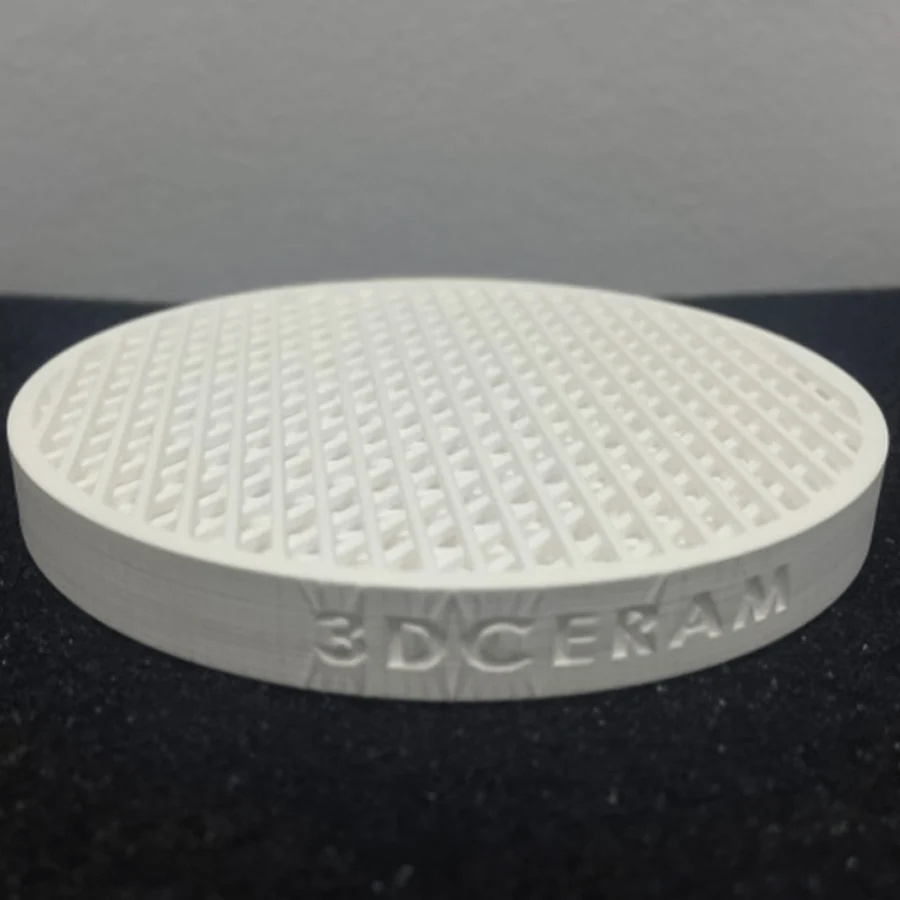
- Install, operator training, and validated print profiles
- Tailored warranty with same-week dispatch on critical issues
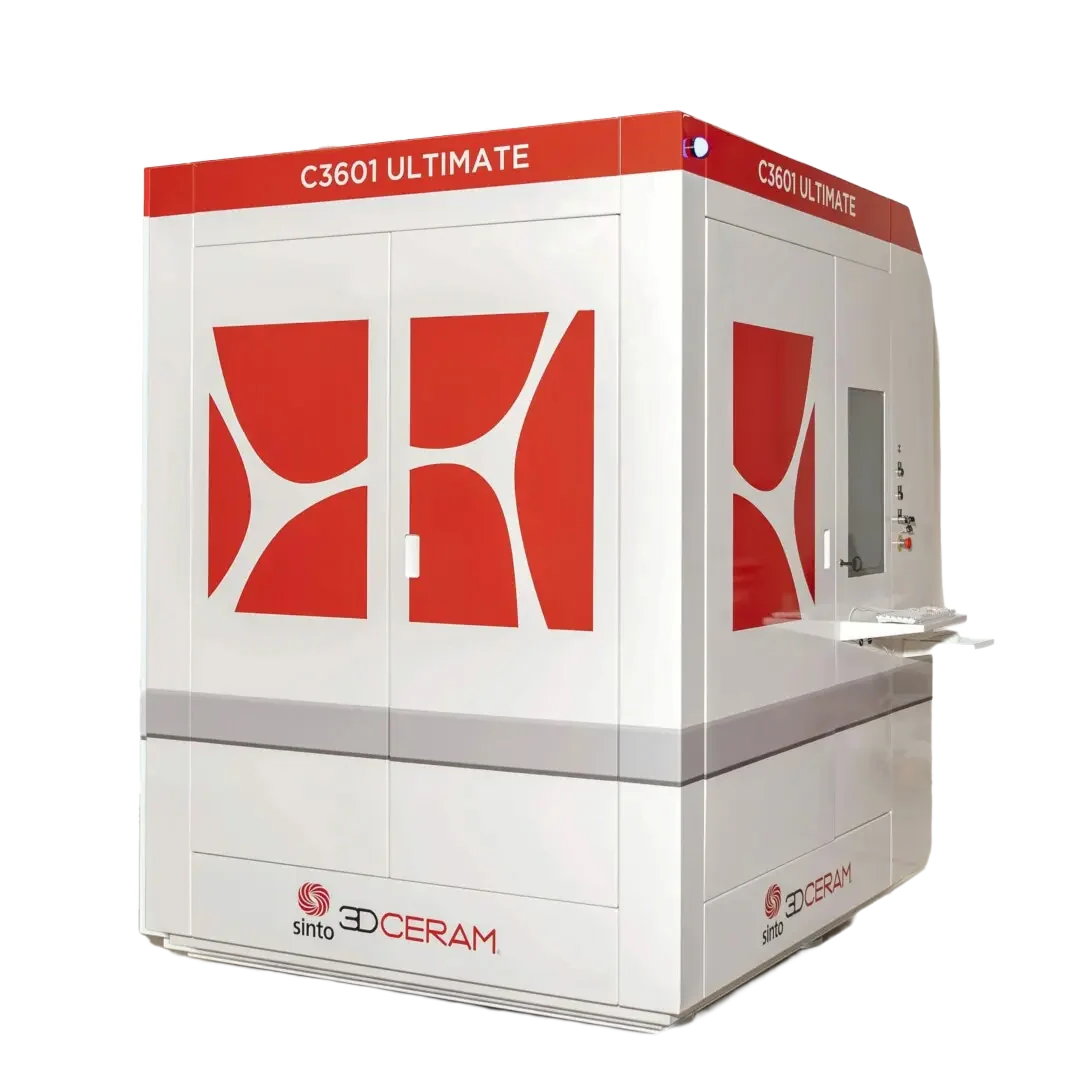
3DCeram C3601 Ultimate Ceramic 3D Printer – Quad-Laser SLA | 600×600×300 mm
Quad-laser SLA ceramic 3D printer for serial production — a 600×600×300 mm build envelope, four 405 nm UV lasers, and an open architecture that runs any qualified ceramic paste.
- ✓ Largest plate in the 3DCeram line — 600×600×300 mm (23.6×23.6×11.8 in)
- ✓ Support-free top-down SLA · surface roughness under 2 µm
- ✓ Lead time: configured to order — full print → debind → sinter workflow supported
What your ceramics engineer actually checks
Full workflow, not just a printer
Ceramic AM needs debinding and sintering — most vendors stop at the printer. Additive Plus supplies the whole chain: the C3601 Ultimate, qualified 3DMix pastes, cleaning, and validated debind and sinter cycles. One partner, one workflow.
A materials engineer on the line
Shrinkage map for your ceramic and geometry, debind and sinter parameters, and a paid sample run before you commit. Sub-4h reply, NDA on request — we run ceramic AM, not a remote ticket queue.
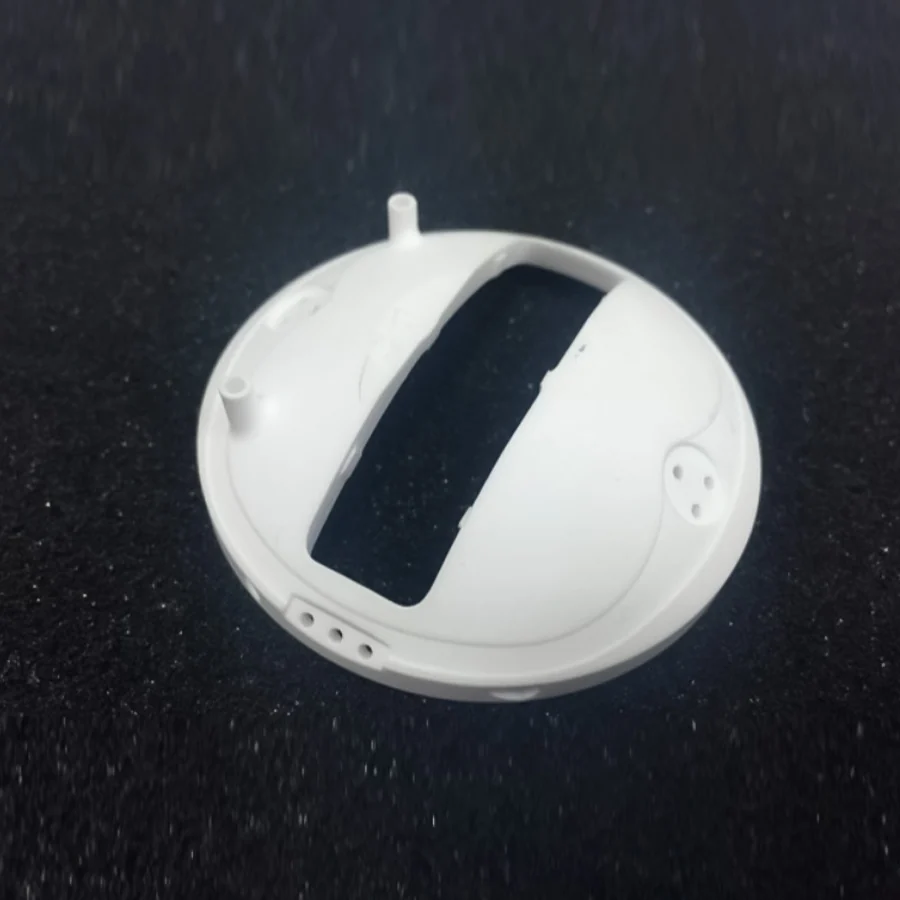
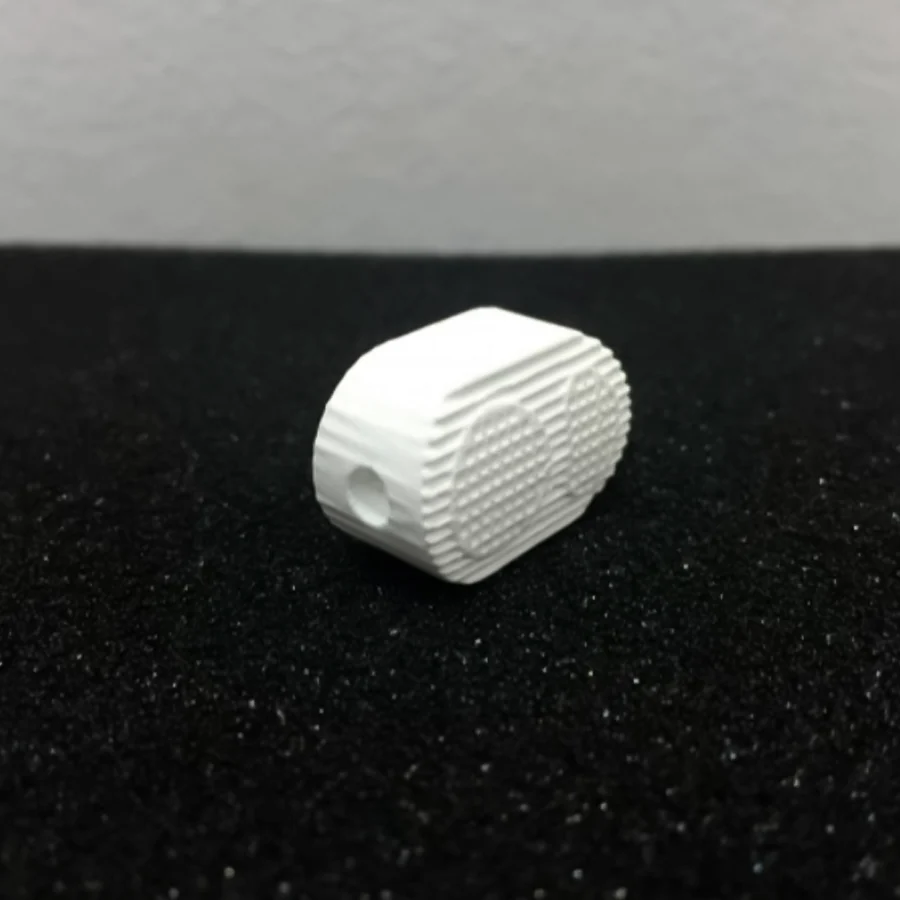
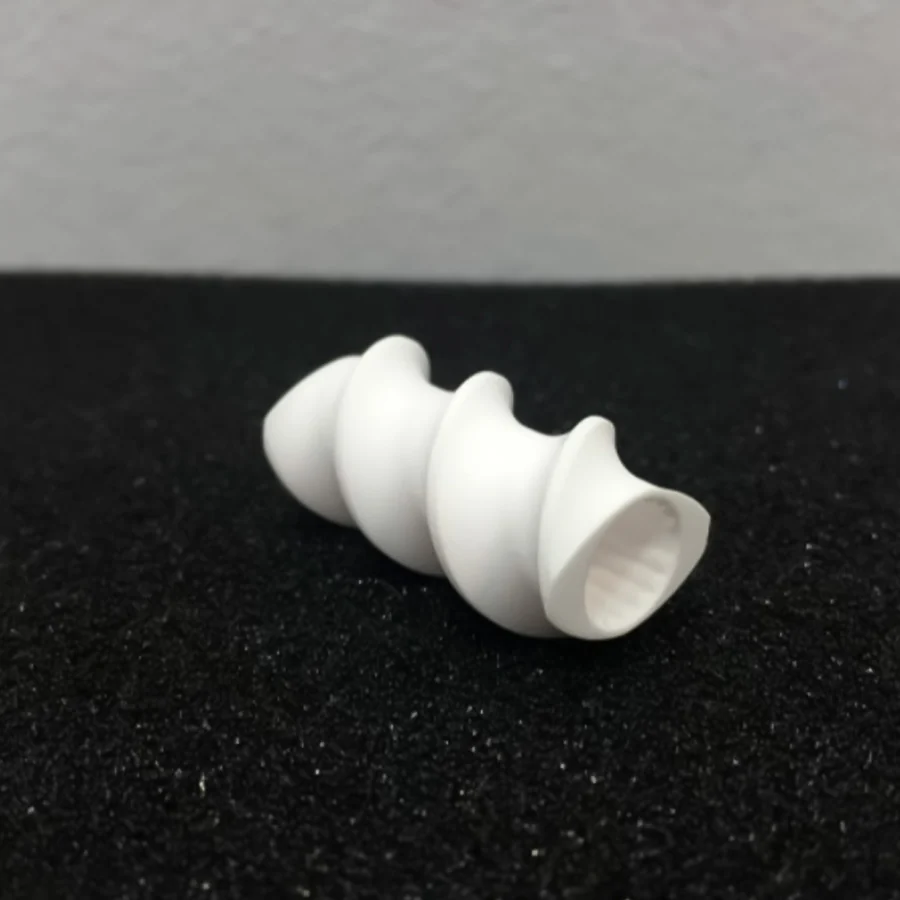
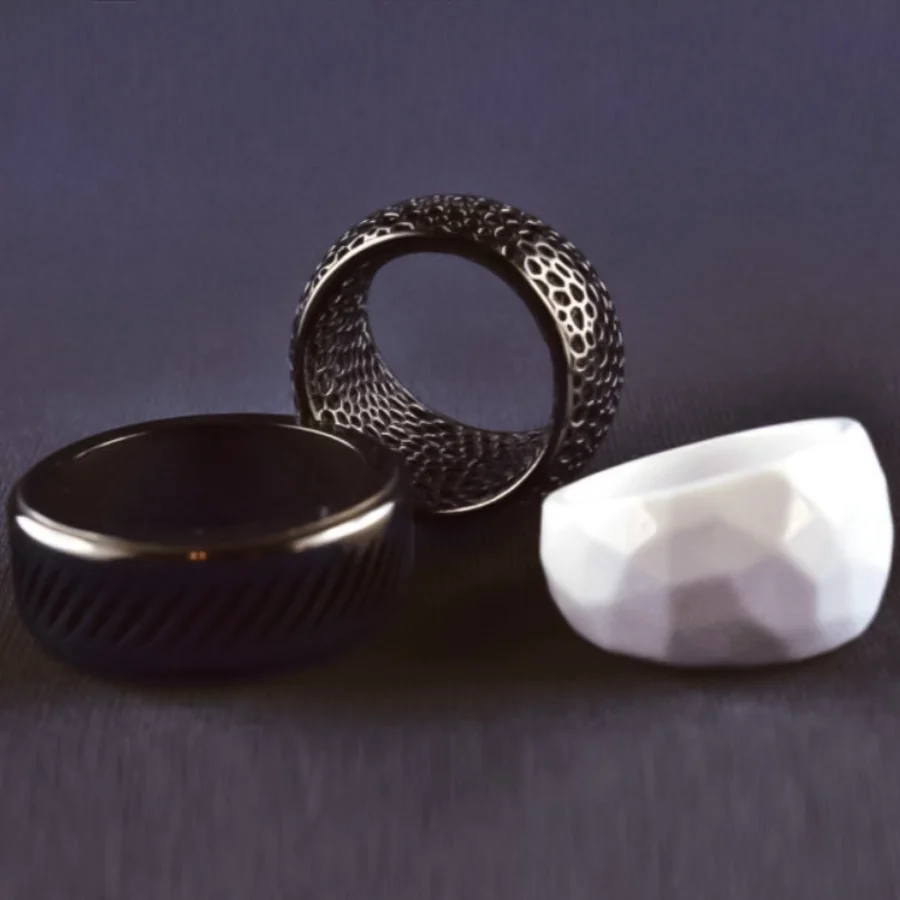
The 3DCeram C3601 Ultimate is the largest laser-SLA ceramic 3D printer in the 3DCeram line — a 600×600×300 mm build envelope driven by four UV lasers, built for serial production of dense technical-ceramic parts.
Why engineers choose the C3601 Ultimate
Serial-scale ceramic stereolithography — throughput, envelope and material freedom in one machine.
Four-laser throughput
Four 405 nm UV lasers, ~60 µm spot, polymerize different zones of the build in parallel — the serial-production speed SLA ceramics usually lack.
Largest ceramic envelope
600×600×300 mm (23.6×23.6×11.8 in) — the biggest plate in the 3DCeram range. Print one large part or nest many small ones per build.
Support-free, less cleaning
Top-down “free link” stereolithography builds without supports — less post-print cleaning, lower cost per part, fewer geometry limits.
Open materials, ≤2 µm finish
Open parameter architecture runs any qualified 3DMix ceramic paste. Surface roughness stays under 2 µm; machining is possible at any intermediate stage.
The full ceramic workflow: print → debind → sinter
A ceramic part is never done at the printer. Additive Plus supports every step.
Print the green part
Laser SLA polymerizes ceramic paste layer by layer, 25–125 µm layers, no supports. Green parts come off the plate with the AUTO CERAKLEANER.
Debind
A controlled thermal cycle burns out the binder, leaving a fragile “brown” part. We hand you the debinding schedule for your ceramic.
Sinter to full density
High-temperature sintering densifies the part. It shrinks roughly 15–20% linearly — we supply the shrinkage map so parts land on tolerance.
Compatible Ceramic Materials
| Ceramic | Key properties | Typical use |
|---|---|---|
| Alumina (Al₂O₃) | High hardness, wear & corrosion resistance, electrical insulation, bio-inert | Wear parts, insulators, medical |
| Zirconia (ZrO₂) | High toughness and strength, good wear and corrosion resistance | Surgical tools, dental, mechanical parts |
| Zirconia 8Y | Excellent ionic conductivity and thermal insulation | Solid-oxide fuel cells |
| Silicon Nitride (Si₃N₄) | Very hard, low density, excellent thermal-shock and wear resistance | Bearings, high-temp structural parts |
| Aluminium Nitride (AlN) | High thermal conductivity, strong electrical insulation | Electronics, heat management |
| Cordierite | Low thermal expansion, low dielectric loss, heat resistant | Thermal & RF components |
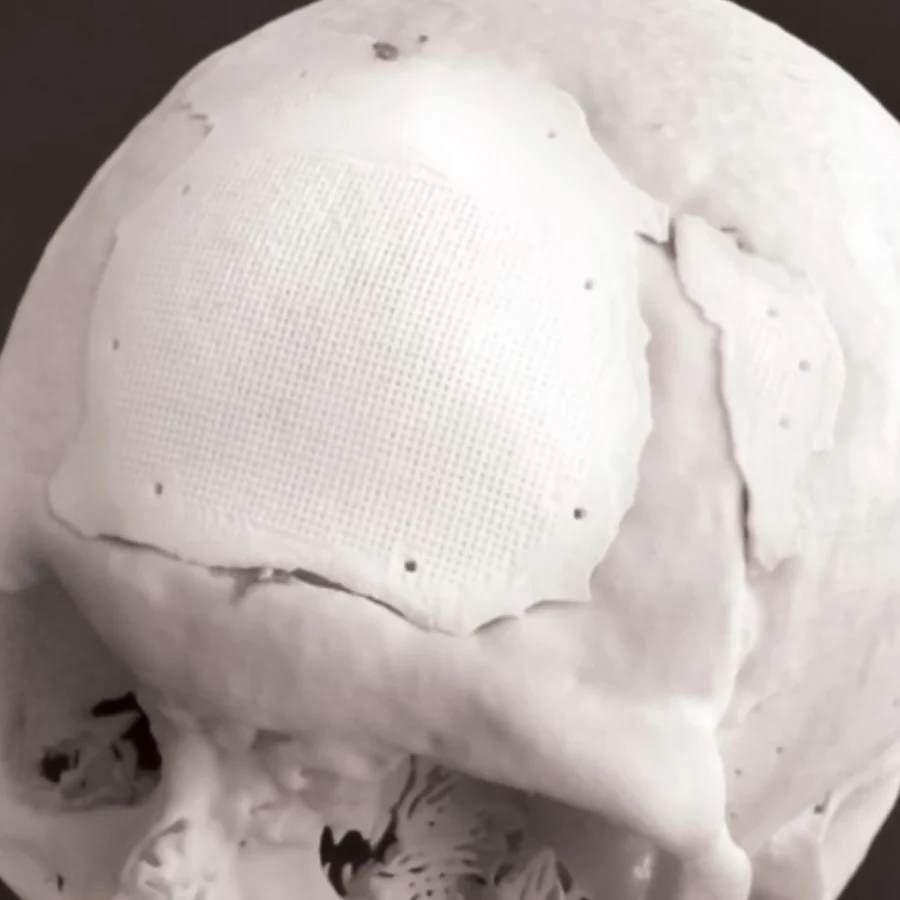
| Hydroxyapatite (HA) | Biocompatible, controllable porosity | Bone substitutes, implants |
Open architecture also qualifies custom ceramic formulations. See full specifications below.
Where the C3601 Ultimate earns its place
One machine, many demanding ceramic industries.
Not sure the C3601 Ultimate is the right size?
Same laser-SLA ceramic technology, smaller footprint.
Why source the C3601 Ultimate through Additive Plus
- Full ceramic chain — printer, 3DMix pastes, cleaning, and validated debinding and sintering parameters
- Paid benchmark part in your target ceramic before you commit to a system
- Applications engineering — shrinkage maps and parameter sets, not a remote ticket queue
- Install, training and a tailored service plan with every system
- <24h response · 200+ AM systems delivered across 23 countries
| Brand | 3DCeram |
| Country of origin | France |
| Weight | 8,818 lb / 4,000 kg |
| Dimensions | 82.7 × 70.9 × 98.4 in / 2100 × 1800 × 2500 mm |
| Build Volume | 23.6 × 23.6 × 11.8 in / 600 × 600 × 300 mm |
| Layer thickness | 0.025–0.125 mm (25–125 µm) |
| Light source | 4 UV lasers |
| UV Wavelength | 405 nm |
| Laser spot diameter | ~60 µm |
| Electrical requirements | 220–240 VAC / 50 Hz |
| Power Consumption | 4 kW |
| Optimum indoor operation temperature | 68–77 °F / 20–25 °C |
| Maximum room temperature variation | 1 °C/hour |
| Relative humidity | 50% |
| Compressed air | 6 bar, dry |
| Hybrid option | At a later stage |
| Additional equipment | Cerakleaner cleaning device for removing unpolymerized paste; platform-removal module for extracting printed models and collecting unpolymerized paste. |
| Client Operating System | Web Dashboard |
| Warranty | 12 months |
| Technology | Ceramic SLA (laser stereolithography) |
| Printing Materials | Ceramic Pastes |
Product videos
We build our own. Custom configs on request.
Need a specific laser setup, build plate size, or an integrated powder/post-processing workflow? We configure AO Metal systems and bundle OEM equipment to match your application. Demo before you commit.
Other products teams run alongside 3DCeram C3601 Ultimate Ceramic 3D Printer – Quad-Laser SLA | 600×600×300 mm
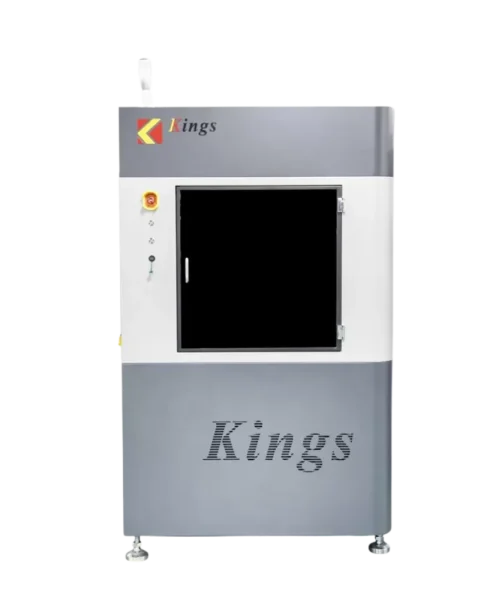
Large-format industrial SLA. Marble frame. Vacuum recoating. Built for automotive panels, one-piece patterns, dental models, and architectural forms — without stitching or Z-seam artifacts.
- ✓ 1000 × 1000 × 600 mm build chamber — a full bumper fascia or a batch of shoe lasts in one run
- ✓ Solid-state 355 nm Nd:YVO4 laser · 0.075–0.8 mm variable beam · 15.0 m/s max scan
- ✓ Full-marble machine frame — thermal stability for ±0.1 mm part accuracy
- ✓ Lead time: 8–10 weeks — on-site install, calibration & operator training included
Made to order
· Ships in 8–10 weeks from order placement. Need it sooner? Talk to a specialist.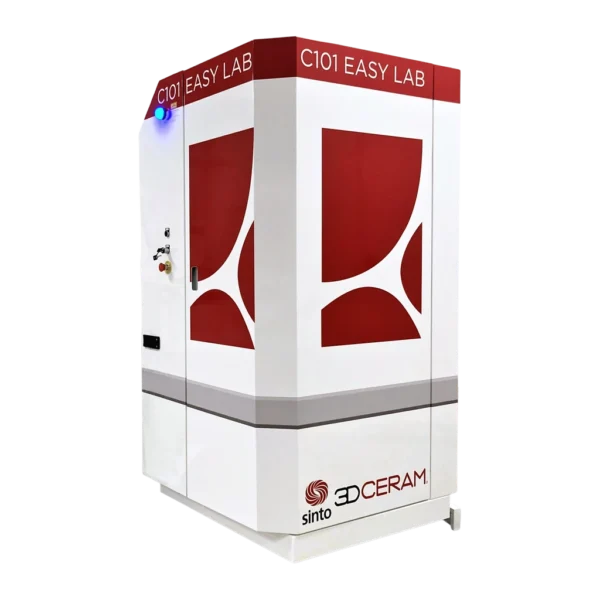
Compact open-parameter ceramic SLA printer for research and material development — a 3.9×3.9×5.9 in / 100×100×150 mm build that starts a print from as little as 60 mL of ceramic. Develop your own process, then scale the same technology to 3DCeram production systems. Full print → debind → sinter workflow supported by Additive Plus.
- Open parameters — qualify new ceramics & formulations, not just vendor recipes.
- Print from 60 mL — 10 mL with SAM option · change ceramic in ~20 min.
- Lead time: configured to order — install, training & scale-up support from California.
Made to order
· Lead time: configured to order — request a build slot. Installation, training and process support included from California.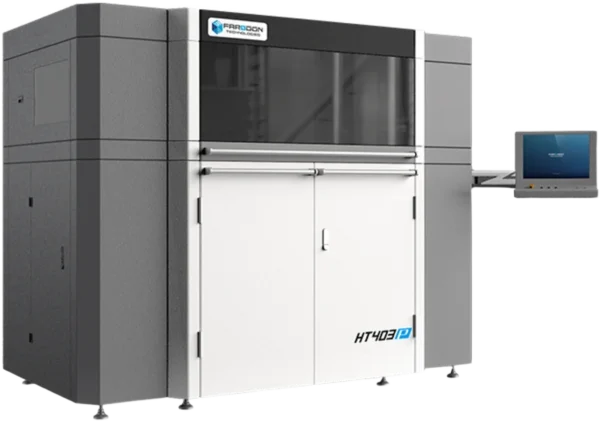
Open-platform industrial SLS system for polymer production — a 15.7×15.7×17.7 in / 400×400×450 mm build (up to 540 mm tall), CO₂ laser and eight-zone thermal control. Runs nylons, filled compounds and TPU with fully open parameters. Sold, installed and supported in the US by Additive Plus.
- Open-parameter SLS — full process control, any compatible powder, build rates to 4.0 L/h.
- Broad materials — PA12, filled nylons, glass-bead, TPU & PP; chamber to 220 °C.
- Lead time: configured to order — US install, training & validated profiles from California.
Made to order
· Lead time: configured to order — request a build slot. US installation, training and process support included from California.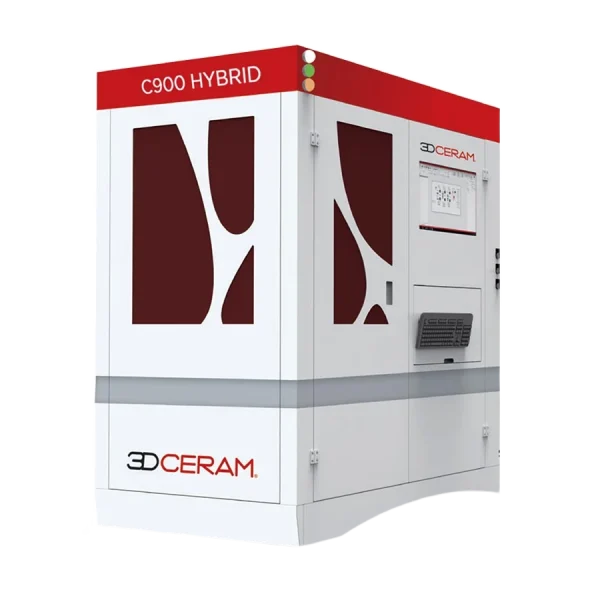
Production-scale multi-material ceramic SLA system: alongside the base ceramic it deposits up to three additional materials in one part, via dispensers from needle valve to micro-distribution, all in CPS 2.0. On an 11.8×11.8×3.9 in / 300×300×100 mm platform with a fine 35 µm UV laser. Full print → debind → co-sinter workflow supported by Additive Plus.
- Up to 4 materials in one part — base ceramic + 3 dispensed materials.
- Fine 35 µm UV laser — 355 nm, detail across the 300×300 mm platform.
- Lead time: configured to order — material-set & co-sinter support from California.
Made to order
· Lead time: configured to order — request a build slot. Installation, training and process support included from California.
High-precision industrial SLA. Marble frame. Vacuum recoating. Built for fine-detail parts with a longer reach — extended dental and jewelry work, small engineering prototypes and casting patterns — at industrial accuracy.
- ✓ 24×14×14 in / 600×350×350 mm build chamber — fine detail with longer reach
- ✓ Solid-state 355 nm Nd:YVO4 laser · 0.075–0.8 mm variable beam · 0.0005 mm vertical resolution
- ✓ Full-marble machine frame — thermal stability for ±0.1 mm part accuracy
- ✓ Lead time: 8–10 weeks — on-site install, calibration & operator training included
Made to order
· Ships in 8–10 weeks from order placement. Need it sooner? Talk to a specialist.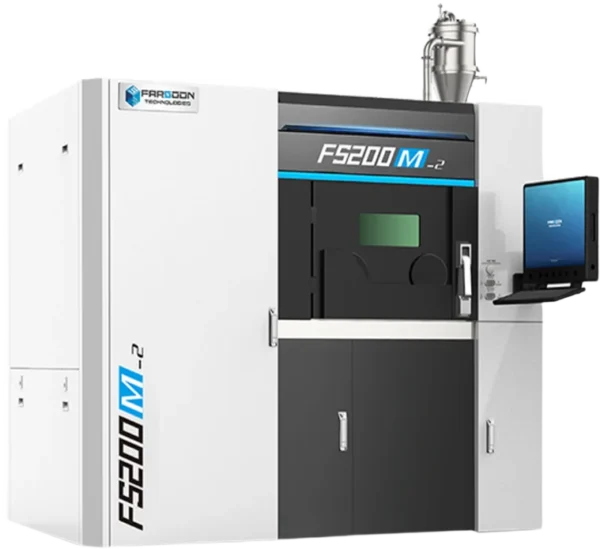
The Farsoon FS200M-2 is a metal LPBF 3D printer with a 16.7×9.1×11.8 in / 425×230×300 mm build envelope, running two 500 W fiber lasers.
- ✓ 2×500 W — dual fiber lasers
- ✓ 16.7×9.1×11.8 in / 425×230×300 mm build envelope
- ✓ Open platform — full access to process parameters, qualify your own alloy
- ✓ Lead time: built to order — confirmed at quote
Installation and commissioning in the USA: facility and gas planning, start-up and operator training by our US service team.
Made to order
· Built to order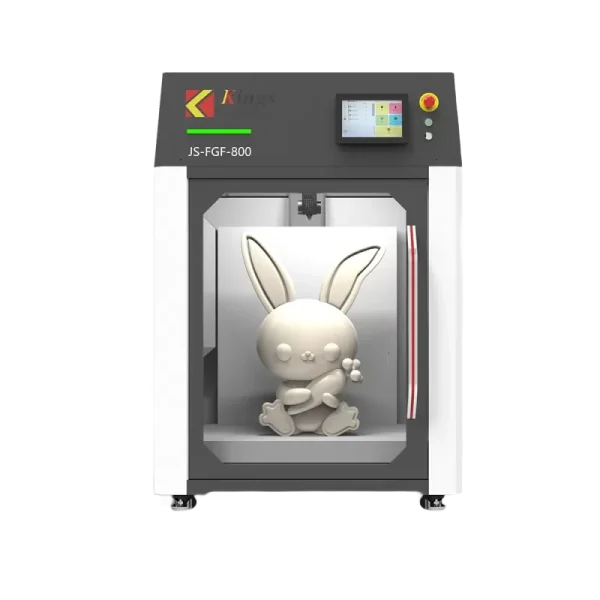
Large-format pellet extrusion 3D printer — 31×24×31 in / 800×600×800 mm, raw polymer granules, 0.4–2 mm nozzle selection. Optional 450°C nozzle for PEEK/PEKK/ULTEM. Material cost 5–10× lower than equivalent filament.
- ✓ Pellet feedstock — 5–10× lower material cost vs. filament at the same polymer
- ✓ Optional 450°C nozzle — PEEK, PEKK, ULTEM at 800×600×800 mm scale
- ✓ Lead time: 8–10 weeks — configured to order, installed and trained on-site
Made to order
· Ships in 8–10 weeks from order placement. Need it sooner? Talk to a specialist.
Large-format industrial SLA. Marble frame. Vacuum recoating. Built for shoe molds, automotive patterns, dental models, and architectural forms — without stitching or Z-seam artifacts.
- ✓ 450 × 450 × 350 mm build chamber — fits a standard shoe last or full fascia panel in one run
- ✓ Solid-state 355 nm Nd:YVO4 laser · 0.08–0.8 mm variable beam · 15.0 m/s max scan
- ✓ Full-marble machine frame (720 kg) — thermal stability for ±0.1 mm part accuracy
- ✓ Lead time: 8–10 weeks — on-site install, calibration & operator training included
Made to order
· Ships in 8–10 weeks from order placement. Need it sooner? Talk to a specialist.What our customers say
“Harry and team were professional, effective communicators as we set up the order, then they executed quickly and produced an amazing product for us at a very competitive price. Am looking forward to our next print w Additive Plus!”
“Great 3D printing service and the resin parts look super smooth and clean. Really happy with how everything turned out!”
“Harry was very professional and helped me out with my 3D printing needs and explained what options I have in terms of filaments such as PEEK. Highly recommended.”
“I needed a 3D enclosure printed urgently in a specific time period, they did great!”
Common questions
Don't see yours? Email [email protected] — NDA on request, typical reply within 4 hours.
What post-processing is required after printing on the C3601 Ultimate?
What is the linear shrinkage after sintering and how do I design for it?
What sintering temperature and equipment does each ceramic need?
What mechanical properties can the C3601 Ultimate achieve after sintering?
Which ceramic materials does the C3601 Ultimate support?
Is the C3601 Ultimate suitable for dental zirconia or biocompatible implants?
Can Additive Plus print a paid sample part before I buy the C3601 Ultimate?
Place your order, or talk to an engineer first
Order 3DCeram C3601 Ultimate Ceramic 3D Printer – Quad-Laser SLA | 600×600×300 mm direct, or talk to materials engineer