
In stock
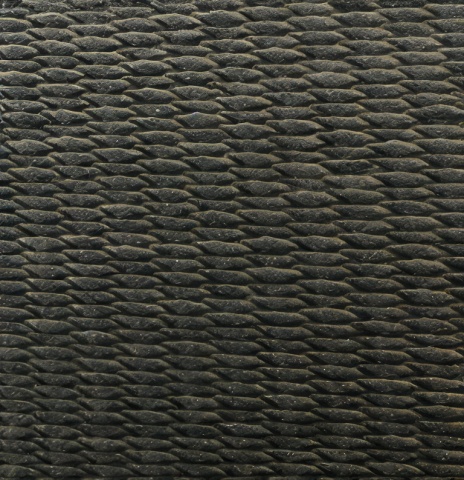
- Lot datasheet + parameters drying and extrusion settings for your LFAM system
- Dry, sealed packaging shipped ready to run, with a re-dry schedule
Caracol PP Pellets – Chemical & Fatigue-Resistant Feedstock for Large-Format 3D Printing
Chemical- and fatigue-resistant PP pellets qualified for large-format additive manufacturing (LFAM) — light, low-moisture big parts and living-hinge components at pellet cost, unreinforced or glass-fiber reinforced.
- ✓ Broad chemical resistance and living-hinge fatigue behavior — light and low-moisture
- ✓ Ships sealed with a lot datasheet + adhesion and cooling parameters for warp control
- ✓ Lead time: 1–2 business days from L.A. stock — volume & PO on request
What your process engineer actually checks
Chemical resistance and fatigue you can build big with
PP resists acids, bases, and many solvents, absorbs almost no water, is light enough to float, and flexes repeatedly without cracking — the basis for chemical parts, automotive fixtures, and living-hinge components. Because PP is crystalline and warp-prone, every lot ships with heated-chamber, adhesion, and cooling parameters, and glass-fiber grades both stiffen the part and reduce warp on big flat sections.
A materials engineer on the line
Questions on drying schedules, warpage, recyclate ratios, or glass-fiber content? A materials engineer answers directly — not a contact-form bot. Most replies in under 4 hours, NDA standard.
Caracol PP is a polypropylene pellet feedstock qualified for Caracol large-format additive manufacturing (LFAM) extruders. It pairs broad chemical resistance and very low moisture uptake with low density and outstanding fatigue and living-hinge behavior — the reasons PP dominates in chemical, automotive, and consumer parts. Available unreinforced or glass-fiber reinforced, PP is crystalline and warp-prone, so every lot ships with heated-chamber, adhesion, and cooling guidance for big flat parts.
Why engineers choose Caracol PP
Four things production teams verify before running PP on a large-format system.
Broad chemical resistance
PP resists acids, bases, and many solvents, so chemical-handling parts and wet-process fixtures survive where engineering plastics degrade.
Fatigue & living hinge
PP flexes repeatedly without cracking — the basis for integrated hinges, snap features, and parts under cyclic load.
Light & low-moisture
Low density (it floats) and near-zero moisture uptake suit lightweight parts and wet service, with minimal drying before printing.
Glass-fiber option
GF-reinforced PP raises stiffness and heat deflection and — importantly — cuts the warpage that limits unfilled PP on big flat parts.
How Additive Plus delivers it
Every order ships production-ready — qualified feedstock, parameters, and a datasheet.
Source & qualify
Polypropylene (PP) sourced and qualified against Caracol's extrusion testing so the pellet runs on LFAM systems without a re-development cycle.
Dry & screen
PP absorbs almost no moisture, so drying is minimal — we ship it sealed. Warp is the real variable on big PP parts: each lot ships with chamber, adhesion, and cooling guidance.
Verify & document
Each lot ships with a datasheet and recommended drying and extrusion parameters, so you reorder the same behavior — not a new qualification.
Material overview
PP (polypropylene) is a lightweight polyolefin known for excellent chemical and fatigue resistance, very low moisture uptake, and unique living-hinge behavior that lets it flex repeatedly without cracking. On a large-format extruder it produces chemical-handling parts, automotive fixtures, and lightweight components at pellet cost. Like all semi-crystalline polyolefins it is warp-prone, so heated-chamber and adhesion strategy matter — and glass-fiber grades both stiffen the part and reduce warp.

Technical specifications
Representative PP properties (unreinforced). Lot-specific values are on the datasheet shipped with every order; glass-fiber grades differ. Confirm exact figures with a materials engineer for design-critical work.
| Property | Typical value |
|---|---|
| Polymer | Polypropylene (PP) |
| Form | Pellets (granulate) for LFAM/FGF extruders |
| Density | ~0.905 g/cm³ (floats) |
| Tensile strength | 25–35 MPa |
| Tensile modulus | 1,100–1,500 MPa |
| Elongation at break | High (fatigue-resistant) |
| Heat deflection (HDT, 0.45 MPa) | ~90–100 °C |
| Extrusion temperature | 200–230 °C |
| Recommended drying | Minimal — optional 60–80 °C for 2 h |
| Reinforcement | Unreinforced or glass-fiber (GF) on request |
Typical applications
Where large-format PP earns its place.
Not sure PP is the right pellet?
Same large-format pellet family — pick the property that matters most.
Need high heatPCCompare pellet →
Need flexibilityTPECompare pellet →
Why source PP through Additive Plus
- Qualified feedstock, not a generic bag of pellets — sourced and qualified against Caracol LFAM extrusion, shipped sealed with a datasheet and parameters.
- Warp guidance that ships with the pellet — heated-chamber, adhesion, and cooling settings, plus GF grades that both stiffen and de-warp big PP parts.
- Glass-fiber and recycled blends on request — GF, recycled-content, or compounded PP qualified before you commit.
- A materials engineer on the line — chemical-compatibility, warpage, and living-hinge questions answered directly. Under 4h reply, NDA standard.
| Technology | FFF, LFAM |
| Printing Materials | Plastic Pellets |
| Brand | Caracol |
| Material | PP (Polypropylene) |
| Reinforcement | Unfilled |
| Application | Engineering, Jigs & Fixtures, Manufacturing |
Product videos
We qualify glass-fiber, recycled-content, and compounded PP pellets against your LFAM extruder before you commit — 2–4 week custom batches.
Other products teams run alongside Caracol PP Pellets – Chemical & Fatigue-Resistant Feedstock for Large-Format 3D Printing
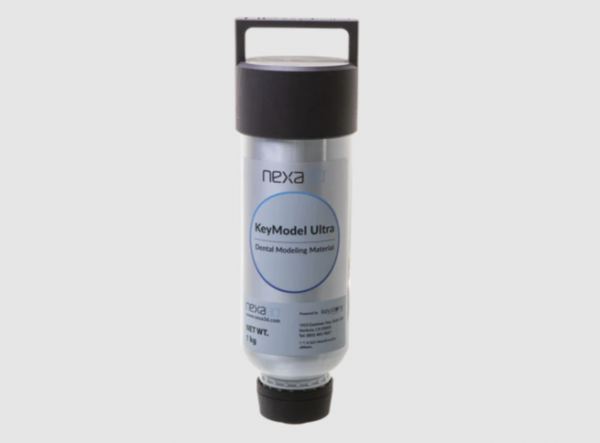
KeyModel Ultra is a fast, dimensionally stable resin for dental and orthodontic models — ivory shade, crisp margins.
- ✓ Built for accurate dental and orthodontic models with sharp detail and stable dimensions
- ✓ High print speed for high-volume lab throughput on Nexa3D NXE-series printers
- ✓ Genuine Nexa3D resin · Ivory · 1 kg · ships from US stock in 2 business days
In stock
· 2 Business Days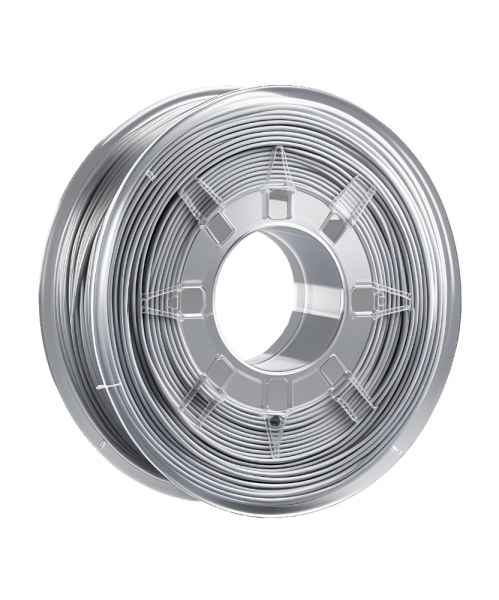
Print titanium parts on 3DCeram's M.A.T. FFF platform, then debind and sinter to dense, high-strength, lightweight metal.
- ✔ Rp0.2 844 MPa, Rm 940 MPa at 4.33 g/cc after sintering — tested to ASTM E8/E8M
- ✔ Debind and sinter parameters plus the full datasheet included with every spool
- ✔ 1.75mm bound-metal feedstock for the 3DCeram M.A.T. FFF head — mutual NDA before any spec review
In stock
· In stock — ships in 1–2 business days. Custom alloy or ceramic feedstock: 3–4 weeks, configured to order.
In stock
· 1–2 Business Days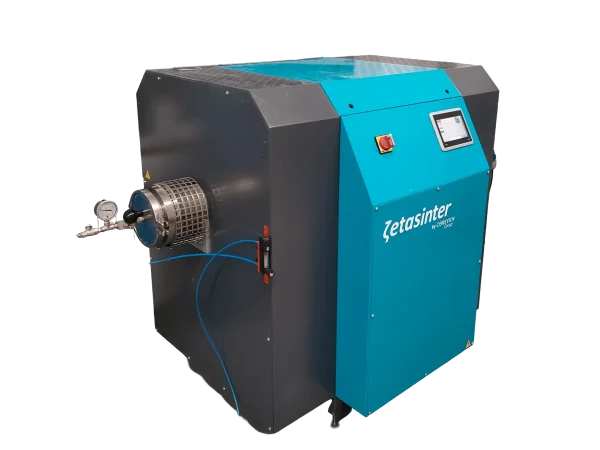
Zetasinter 4L is a tubular furnace for sintering printed metal parts under controlled atmosphere.
- ✔ Sinters under argon or argon and hydrogen — the atmosphere metal parts need
- ✔ Sized for prototyping and small production runs, not for a service bureau queue
- ✔ Runs on 220 V, 6 kW — no plant-level power supply required
Freight and installation requirements confirmed with you before the order is placed.
Made to order
· Ships from California · timeline confirmed at quotation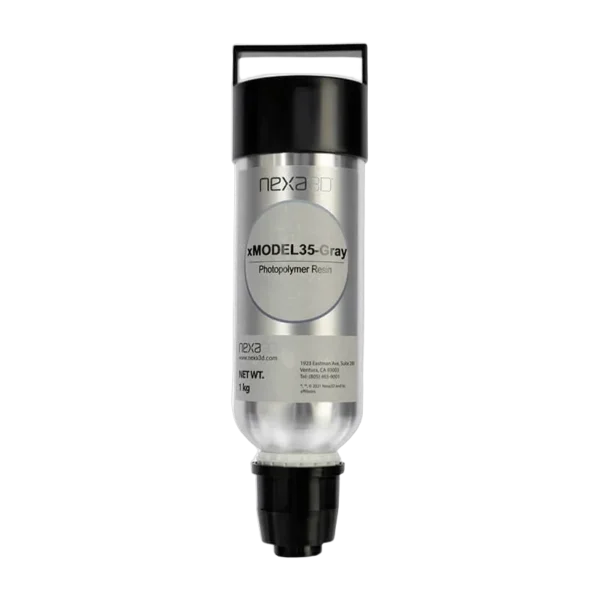
In stock
· 2 Business Days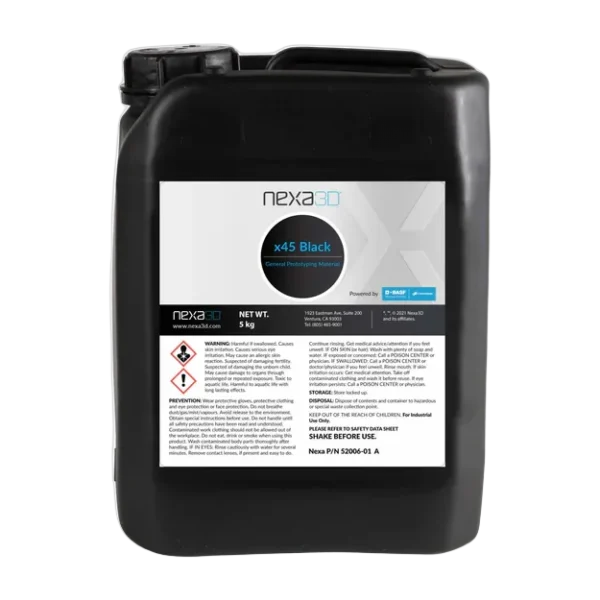
Tough. Fast. Heat-stable. Nexa3D x45 Black is a functional photopolymer for prototypes and production models that have to survive handling, assembly and test — 95 MPa flexural strength, 20 J/m notched Izod and a 120 °C heat-deflection temperature, with a draft mode that pushes build rates past 15 cm/hr. The deep black finish needs little cosmetic work.
5 kg bulk bottle. Currently on backorder — contact us for the current lead time.
Made to order
· On backorder — contact us for the current lead time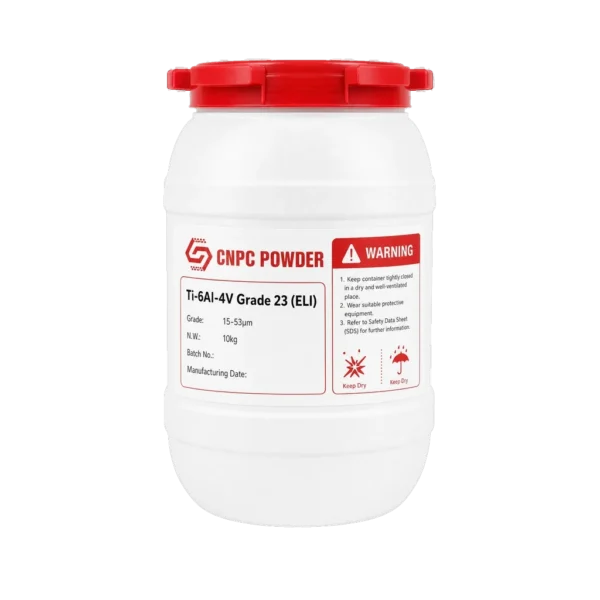
CNPC Ti-6Al-4V Grade 23 ELI powder for LPBF — made by CNPC Powder, argon gas-atomized, 15–53 µm, sold in 10 kg containers.
- 10 kg container · $136/kg · $1,360
- Certificate of analysis (COA) for the lot, on request
- In stock in California — ships within 2 business days
Manufacturer: CNPC Powder · materials engineer on call · order below or talk to an engineer first.
In stock
· In stock in California · ships within 2 business days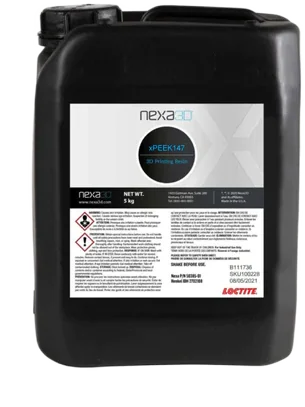
xPEEK147 is a high-temperature LSPc photopolymer in the performance range of PEEK — very high stiffness, 80 MPa tensile strength and heat deflection up to 230°C after a thermal post-cure.
- ✓ Heat deflection up to 230°C (0.45 MPa) after the 170°C bake
- ✓ PEEK-range stiffness — 3220 MPa modulus, Shore D 94
- ✓ 5 kg container for NXE 400 / 400Pro (405 nm LSPc)
- ✓ In stock — ships in 1–2 business days from US inventory
In stock
· In stock — ships in 1–2 business days from US inventory.Common questions
Don't see yours? Email [email protected] — NDA standard, typical reply within 4 hours.
Is Caracol PP a filament or a pellet material?
Why choose PP over HDPE?
Does Caracol PP warp, and how do you control it?
Does Caracol PP need drying before printing?
Is a glass-fiber PP available?
What extrusion temperature does PP run at?
Can I order a sample before committing to a full order?
Place your order, or talk to an engineer first
Order Caracol PP Pellets – Chemical & Fatigue-Resistant Feedstock for Large-Format 3D Printing direct, or talk to materials engineer