
In stock

- Lot datasheet + parameters drying and extrusion settings for your LFAM system
- Dry, sealed packaging shipped ready to run, with a re-dry schedule
Caracol PC Pellets – High-Heat Feedstock for Large-Format 3D Printing
High-heat PC pellets qualified for large-format additive manufacturing (LFAM) — high heat deflection, high impact, and dimensional stability for big tooling at pellet cost.
- ✓ High heat deflection and high impact — holds shape where ABS and PET-G soften
- ✓ Ships sealed with a lot datasheet + high-temperature drying and extrusion parameters
- ✓ Lead time: 1–2 business days from L.A. stock — volume & PO on request
What your process engineer actually checks
Heat and impact you can build big with
PC holds shape at temperatures that soften ABS and PET-G, resists impact, and stays dimensionally stable on large parts — the reason it is the high-heat choice for tooling, guards, and hot-service fixtures. Because PC is hygroscopic and runs hot, every lot ships sealed with a high-temperature drying schedule and extrusion parameters so big parts come out sound.
A materials engineer on the line
Questions on drying schedules, warpage, recyclate ratios, or glass-fiber content? A materials engineer answers directly — not a contact-form bot. Most replies in under 4 hours, NDA on request.
Caracol PC is a polycarbonate pellet feedstock qualified for Caracol large-format additive manufacturing (LFAM) extruders. It is the high-heat, high-impact member of the pellet family — the choice when a big part must hold shape at temperature, take a hit, and stay dimensionally stable. Available unreinforced or glass-fiber reinforced, PC is hygroscopic and runs hot, so every lot ships dry with a high-temperature drying schedule and extrusion parameters.
Why engineers choose Caracol PC
Four things production teams verify before running PC on a large-format system.
High heat deflection
PC holds shape at temperatures that soften ABS and PET-G, so tooling and parts stay true in hot service and near heat sources.
High impact strength
PC is famously tough — it resists cracking and impact, which suits protective housings, guards, and load-bearing parts.
Dimensional stability
Amorphous PC shrinks predictably and warps less than crystalline polymers, so large parts hold tight tolerances.
Glass-fiber option
GF-reinforced PC adds stiffness and pushes heat deflection higher still for structural, high-temperature tooling.
How Additive Plus delivers it
Every order ships production-ready — qualified feedstock, parameters, and a datasheet.
Source & qualify
Polycarbonate (PC) sourced and qualified against Caracol's extrusion testing so the pellet runs on LFAM systems without a re-development cycle.
Dry & screen
PC is hygroscopic and must run dry. We ship it sealed and specify a 110–120 °C re-dry so it doesn't hydrolyze or bubble at PC extrusion temperatures.
Verify & document
Each lot ships with a datasheet and recommended drying and extrusion parameters, so you reorder the same behavior — not a new qualification.
Material overview
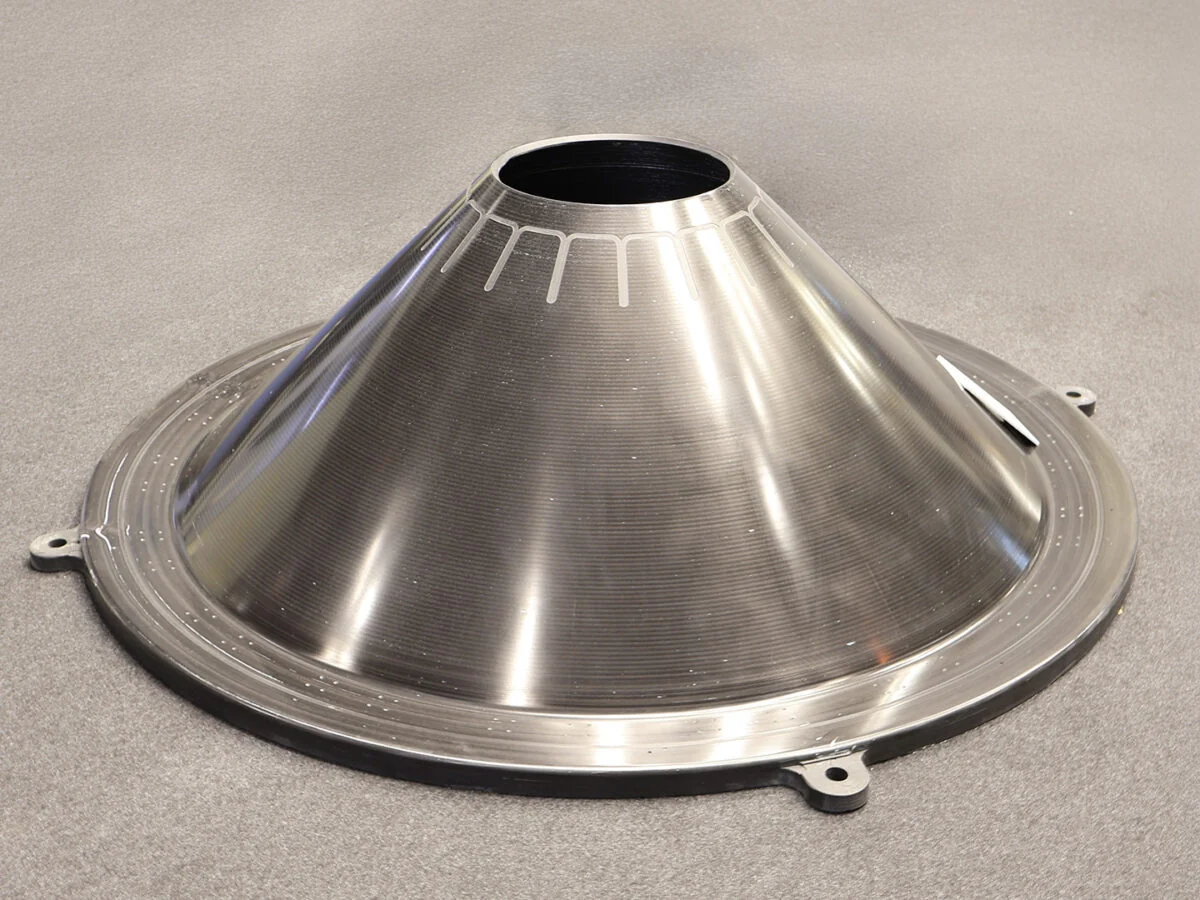
PC (polycarbonate) is an amorphous engineering thermoplastic known for a rare combination of high heat deflection, outstanding impact strength, and dimensional stability. On a large-format extruder it produces tooling and parts that survive elevated temperatures and mechanical load where ABS or PET-G would soften. It demands care — high extrusion temperatures and thorough drying — which is exactly what the shipped parameters cover.
Technical specifications
Representative PC properties (unreinforced). Lot-specific values are on the datasheet shipped with every order; glass-fiber grades differ. Confirm exact figures with a materials engineer for design-critical work.
| Property | Typical value |
|---|---|
| Polymer | Polycarbonate (PC) |
| Form | Pellets (granulate) for LFAM/FGF extruders |
| Density | ~1.20 g/cm³ |
| Tensile strength | 60–70 MPa |
| Tensile modulus | 2,000–2,400 MPa |
| Elongation at break | 80–120% |
| Notched Izod impact | High (tough) |
| Heat deflection (HDT, 0.45 MPa) | ~135–145 °C |
| Extrusion temperature | 260–300 °C |
| Recommended drying | 110–120 °C for 3–4 h (critical) |
| Reinforcement | Unreinforced or glass-fiber (GF) on request |
Typical applications
Where large-format PC earns its place.
Not sure PC is the right pellet?
Same large-format pellet family — pick the property that matters most.
Need max stiffnessPA6Compare pellet →
Need UV / outdoorASACompare pellet →
Why source PC through Additive Plus
- Qualified feedstock, not a generic bag of pellets — sourced and qualified against Caracol LFAM extrusion, shipped sealed with a datasheet and a high-temp drying schedule.
- Runs hot, documented — 260–300 °C extrusion and 110–120 °C drying shipped with every lot so PC prints sound, not brittle.
- Glass-fiber and custom grades on request — GF PC and color-matched grades qualified before you commit.
- A materials engineer on the line — drying discipline, heat performance, and warpage questions answered directly. Under 4h reply, NDA on request.
| Brand | Caracol |
| Technology | FFF, LFAM |
| Printing Materials | Plastic Pellets |
| Material | PC (Polycarbonate) |
| Reinforcement | Unfilled |
| Application | Engineering, Jigs & Fixtures, Manufacturing |
Product videos
We qualify glass-fiber, recycled-content, and color-matched PC pellets against your LFAM extruder before you commit — 2–4 week custom batches.
Other products teams run alongside Caracol PC Pellets – High-Heat Feedstock for Large-Format 3D Printing
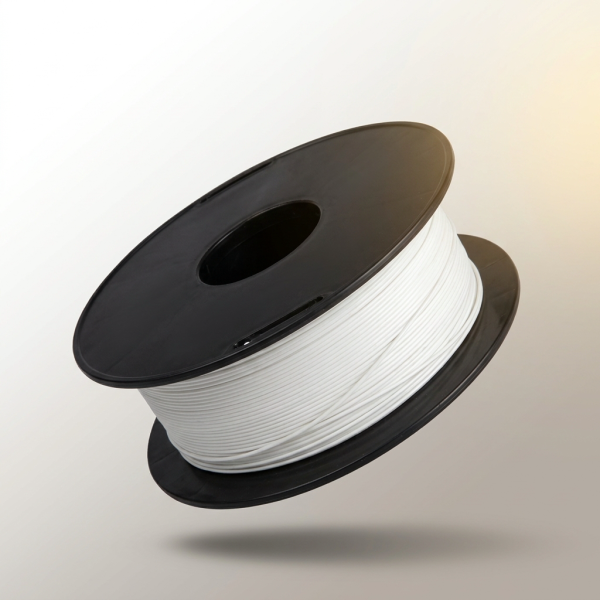
- ✔ Electrically insulating, very hard and wear-resistant, stable at high temperatures
- ✔ Print → debind → sinter to dense alumina — no powder bed, no special printer
- ✔ Genuine Zetamix by Nanoe · 500 g spool · lead time 10–20 business days (depending on order queue)
In stock
· Ships in 1–2 business days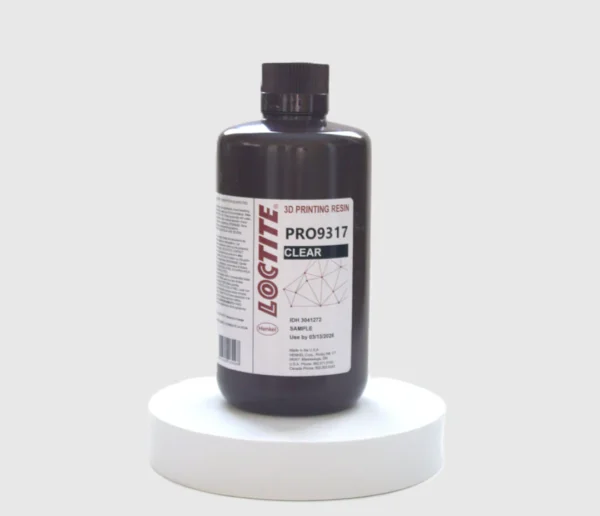
Crystal-clear resin for precision parts. Low viscosity = effortless flow & void-free prints.
Availability: confirmed at order. Supplier stock for this line varies — we verify availability and lead time on every order before processing, and offer an equivalent or a full refund if an item cannot be supplied. Cubic Ink equivalents →
Made to order
· Ships in about 2 weeks — final date confirmed after you order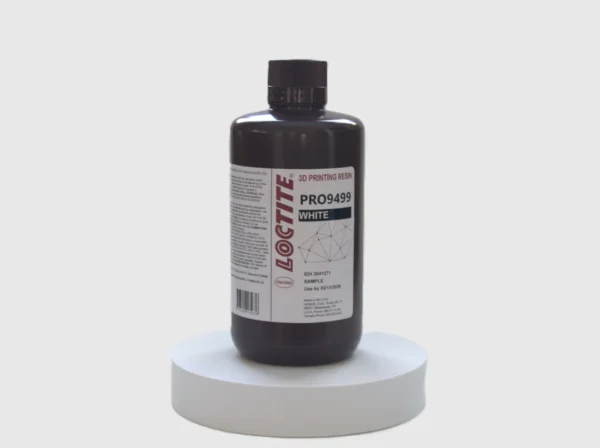
High-res white resin: Sharp details & strong parts. Matte finish for functional prototyping. Low moisture.
Availability: confirmed at order. Supplier stock for this line varies — we verify availability and lead time on every order before processing, and offer an equivalent or a full refund if an item cannot be supplied. Cubic Ink equivalents →
Made to order
· Ships in about 2 weeks — final date confirmed after you order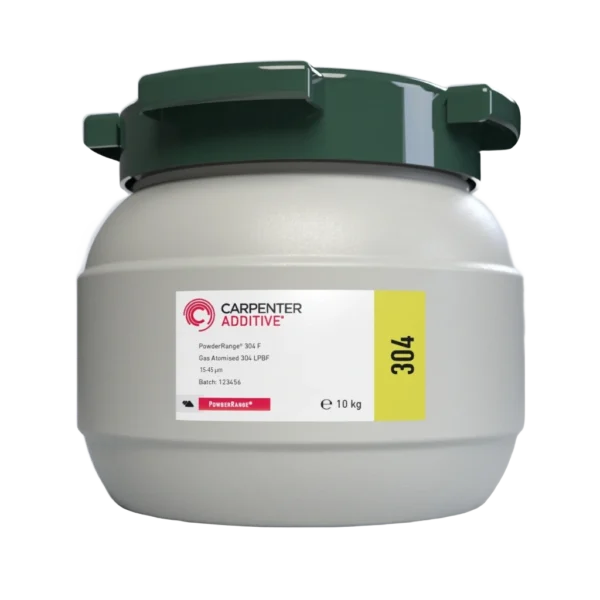
Versatile. Weldable. Cost-effective. Genuine Carpenter PowderRange® 304 / 304L austenitic stainless steel for LPBF & EBM metal 3D printing.
- ✓ Gas-atomized, low-oxygen — COA on request
- ✓ Sold in small, workable volumes — no large mill minimums
- ✓ In US stock — ready to ship
In stock
· In US stock · ready to ship
- ✓ ESA/ESTEC-verified: 423 MPa flexural strength, 82 W/m-K thermal conductivity
- ✓ Solid-state sintered to 2100°C — dense, chemically inert, no powder bed
- ✓ Qualified for the 3DCeram M.A.T. platform — quote-based pricing, request a quote
In stock
· Contact for lead time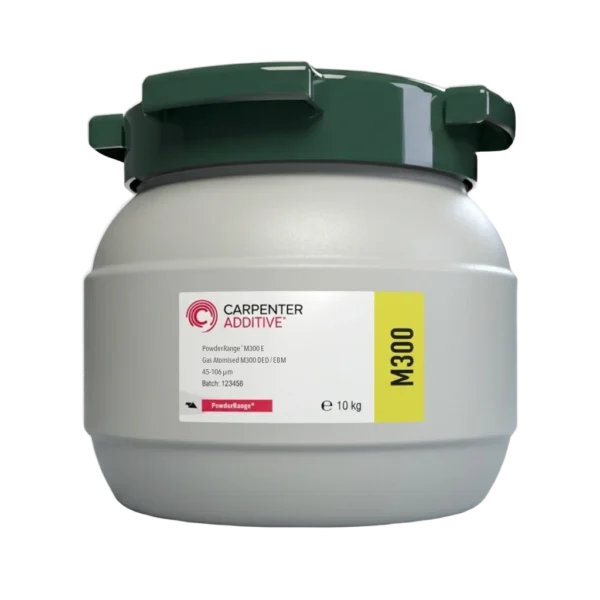
Maraging tool steel. Easy to harden. AM-proven. Genuine Carpenter PowderRange® M300 (1.2709) for DED & EBM metal 3D printing, in the coarser E cut (45–106 µm).
- ✓ Exceptional strength & hardness after simple aging
- ✓ Low-distortion AM processability (vs. H13/M2)
- ✓ Full COA on request · small volumes · in US stock, ready to ship
In stock
· In US stock · ready to ship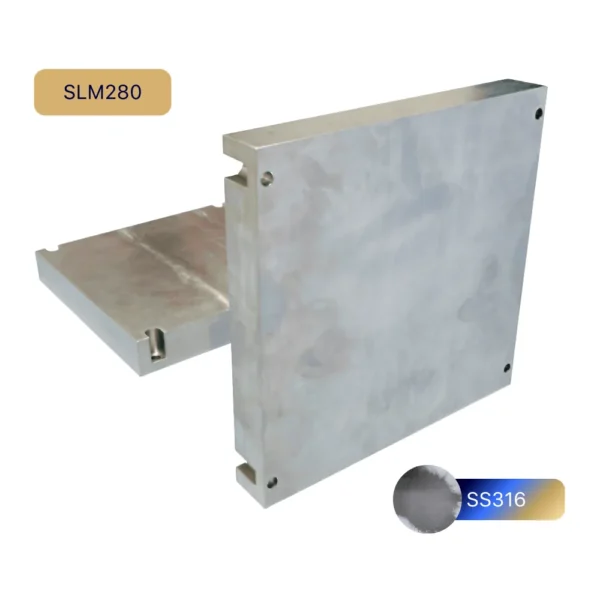
Need a custom stainless steel build platform or alternative alloy for your LPBF system? Request a custom quote — we manufacture precision steel and specialty alloy build plates for most industrial metal 3D printers.
Made to order
· Express 2–3 wks · Standard 6–8 wks
Cost-effective ABS pellets qualified for large-format additive manufacturing (LFAM) — stiff, impact-tough parts and tooling at pellet cost, unreinforced or glass-fiber reinforced.
- ✓ Stiff and impact-tough — machines, sands, and paints cleanly for masters and tooling
- ✓ Ships dry with a lot datasheet + drying and extrusion parameters
- ✓ Lead time: 1–2 business days from L.A. stock — volume & PO on request
In stock
· 1–2 Business DaysWhat our customers say
“Harry and team were professional, effective communicators as we set up the order, then they executed quickly and produced an amazing product for us at a very competitive price. Am looking forward to our next print w Additive Plus!”
“Great 3D printing service and the resin parts look super smooth and clean. Really happy with how everything turned out!”
“Harry was very professional and helped me out with my 3D printing needs and explained what options I have in terms of filaments such as PEEK. Highly recommended.”
“I needed a 3D enclosure printed urgently in a specific time period, they did great!”
Common questions
Don't see yours? Email [email protected] — NDA on request, typical reply within 4 hours.
Is Caracol PC a filament or a pellet material?
When should I choose PC over ABS or PA6?
How hot can large-format PC parts run?
How important is drying for Caracol PC?
Is a glass-fiber PC available?
What extrusion temperature does PC run at?
Can I order a sample before committing to a full order?
Place your order, or talk to an engineer first
Order Caracol PC Pellets – High-Heat Feedstock for Large-Format 3D Printing direct, or talk to materials engineer