
In stock

- Lot datasheet + parameters drying and extrusion settings for your LFAM system
- Dry, sealed packaging shipped ready to run, with a re-dry schedule
Caracol HDPE Pellets – Chemical-Resistant Feedstock for Large-Format 3D Printing
Chemical-resistant HDPE pellets qualified for large-format additive manufacturing (LFAM) — low-moisture, low-friction big parts and wet-environment tooling at pellet cost.
- ✓ Broad chemical resistance and very low moisture uptake — built for tanks and marine
- ✓ Ships sealed with a lot datasheet + drying, adhesion, and cooling parameters
- ✓ Lead time: 1–2 business days from L.A. stock — volume & PO on request
What your process engineer actually checks
Chemical and moisture resistance you can verify
HDPE shrugs off acids, bases, and most solvents and absorbs almost no water, so tanks, ducting, and wet-shop fixtures stay stable where engineering plastics swell or crack. Because HDPE is crystalline and prone to warp, every lot ships with heated-chamber, adhesion, and cooling parameters so large flat parts stay flat.
A materials engineer on the line
Questions on drying schedules, warpage, recyclate ratios, or glass-fiber content? A materials engineer answers directly — not a contact-form bot. Most replies in under 4 hours, NDA on request.
Caracol HDPE is a high-density polyethylene pellet feedstock qualified for Caracol large-format additive manufacturing (LFAM) extruders. It brings HDPE's signature strengths — broad chemical resistance, very low moisture uptake, low friction, and near-water density — to meter-scale parts at pellet cost. It is the go-to for tanks, ducting, marine and wet-environment components, and low-friction fixtures, with heated-chamber and cooling guidance shipped to keep this crystalline polymer flat on big prints.
Why engineers choose Caracol HDPE
Four things production teams verify before running HDPE on a large-format system.
Broad chemical resistance
HDPE resists acids, bases, and most solvents, so tanks, ducting, and wet-process fixtures survive environments that degrade many engineering plastics.
Very low moisture uptake
HDPE barely absorbs water, so parts stay dimensionally steady in wet and humid service — and drying needs before printing are minimal.
Low friction & light
A slick, self-lubricating surface and near-water density suit chutes, guides, wear strips, and lightweight parts that must not stick or bind.
Warp managed for big parts
HDPE is crystalline and wants to shrink. Every lot ships with heated-chamber, adhesion, and cooling guidance so large flat sections stay flat.
How Additive Plus delivers it
Every order ships production-ready — qualified feedstock, parameters, and a datasheet.
Source & qualify
High-density polyethylene (HDPE) sourced and qualified against Caracol's extrusion testing so the pellet runs on LFAM systems without a re-development cycle.
Dry & screen
HDPE barely absorbs moisture, so drying is minimal — we still ship it sealed. Warp control matters more: each lot ships with chamber, adhesion, and cooling guidance for big flat parts.
Verify & document
Each lot ships with a datasheet and recommended drying and extrusion parameters, so you reorder the same behavior — not a new qualification.
Material overview
HDPE (high-density polyethylene) is a tough, lightweight polyolefin known for outstanding chemical and moisture resistance and a naturally slick, low-friction surface. On a large-format extruder it produces big chemical-handling, marine, and fixture parts that shrug off solvents and water. Its main design consideration is shrinkage: like all semi-crystalline polyolefins it wants to warp, so a heated environment and the cooling parameters we supply matter on large flat sections.
Technical specifications
Representative HDPE properties. Lot-specific values are on the datasheet shipped with every order. Confirm exact figures with a materials engineer for design-critical work.
| Property | Typical value |
|---|---|
| Polymer | High-density polyethylene (HDPE) |
| Form | Pellets (granulate) for LFAM/FGF extruders |
| Density | ~0.95 g/cm³ |
| Tensile strength | 20–30 MPa |
| Tensile modulus | 800–1,200 MPa |
| Elongation at break | >50% (ductile) |
| Notched Izod impact | High — often no break |
| Heat deflection (HDT, 0.45 MPa) | ~70–80 °C |
| Extrusion temperature | 190–220 °C |
| Recommended drying | Minimal — optional 60–65 °C for 2 h |
| Reinforcement | Unreinforced (compounded grades on request) |
Typical applications
Where large-format HDPE earns its place.
Not sure HDPE is the right pellet?
Same large-format pellet family — pick the property that matters most.
Need max chemical + heatPCCompare pellet →
Need structural strengthPA6Compare pellet →
Why source HDPE through Additive Plus
- Qualified feedstock, not a generic bag of pellets — sourced and qualified against Caracol LFAM extrusion, shipped sealed with a datasheet and parameters.
- Warp guidance that ships with the pellet — heated-chamber, adhesion, and cooling settings so crystalline HDPE stays flat on large parts.
- Custom and recycled blends on request — recycled-content or compounded HDPE qualified before you commit.
- A materials engineer on the line — chemical-compatibility, warpage, and part-environment questions answered directly. Under 4h reply, NDA on request.
| Brand | Caracol |
| Technology | FFF, LFAM |
| Printing Materials | Plastic Pellets |
| Material | HDPE (Polyethylene) |
| Reinforcement | Unfilled |
| Application | Engineering, Jigs & Fixtures, Manufacturing |
Product videos
We qualify recycled-content and compounded HDPE pellets against your LFAM extruder before you commit — 2–4 week custom batches.
Other products teams run alongside Caracol HDPE Pellets – Chemical-Resistant Feedstock for Large-Format 3D Printing
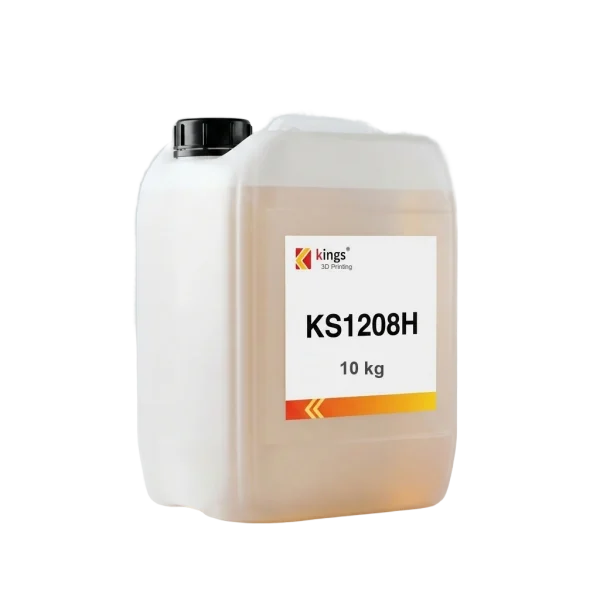
Low-viscosity, semi-translucent laser-SLA resin with a 135 °C glass transition — built for prototypes and quick molds that must hold their shape under heat.
- ✓ Tg 135 °C · 87 Shore D · 65 MPa tensile · 110 MPa flexural
- ✓ 340 cps low-viscosity · 0.08–0.12 mm layers on Kings industrial SLA (355 nm)
- ✓ In stock — ships in 1–2 business days from our Los Angeles warehouse
In stock
· In stock — ships in 1–2 business days from our Los Angeles warehouse.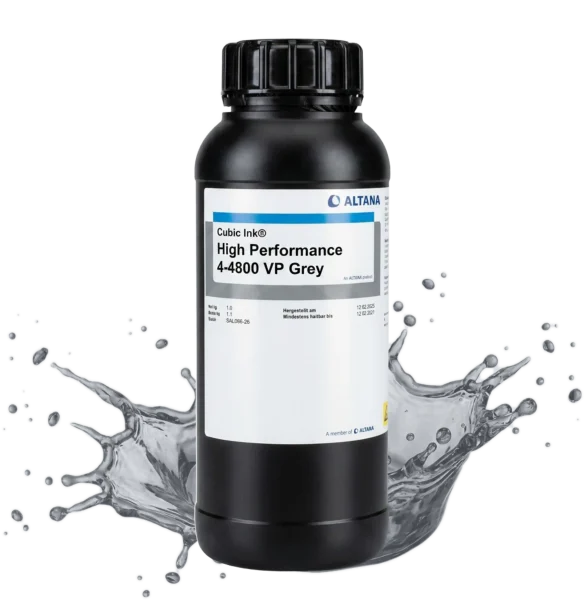
Highly impact-resistant, flexible final-part resin with good toughness, scratch resistance and heat resistance (HDT-B 90 °C), plus a clean regulatory profile.
- ✓ 44 J/m notched · 350 J/m unnotched Izod · 16% elongation — durable end-use parts
- ✓ HDT-B 90 °C, UV-stable, low water uptake, cytotoxicity passed (ISO 10993)
- ✓ Scratch-resistant; uncolored, black, blue, pink, grey
- ✓ A similar option to Loctite IND406 / 3843 for final-part production
Made to order
· Ships in 5–10 business days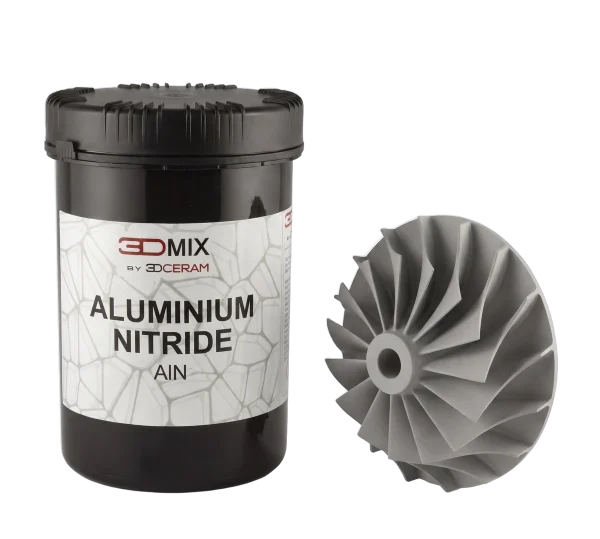
Print aluminium nitride (AlN) parts on 3DCeram's Ceramaker laser-SLA platform, then debind and sinter to a ceramic that conducts heat yet insulates electrically.
- ✓ 163 W/m·K thermal conductivity with electrical insulation — power-electronics substrates
- ✓ Print conformal cooling and channelled geometries not possible by pressing
- ✓ Ceramic SLA paste for the 3DCeram Ceramaker platform — quote-based, mutual NDA before spec review
In stock
· In stock — ships in 1–2 business days. Custom ceramic formulations and larger batches: 2–4 weeks, configured to order.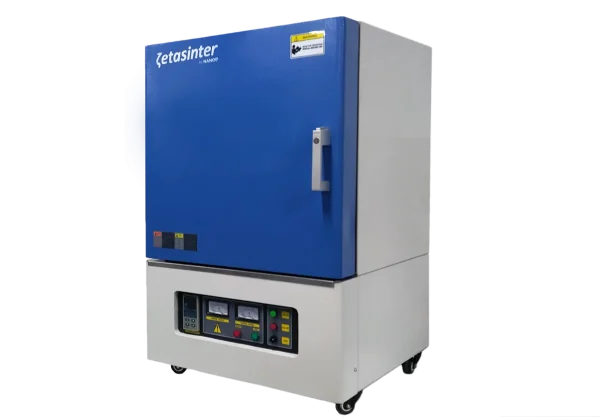
Zetasinter Chamber sinters printed ceramic parts in ambient air, up to 1600 °C.
- ✔ Sinters in ambient air — no gas supply, no atmosphere control to manage
- ✔ 1600 °C maximum: alumina at 1550 °C, white and black zirconia at 1475 °C
- ✔ 250 × 250 × 250 mm chamber takes real parts, not only test pieces
Freight and installation requirements confirmed with you before the order is placed.
Made to order
· Ships from California in 4–8 weeks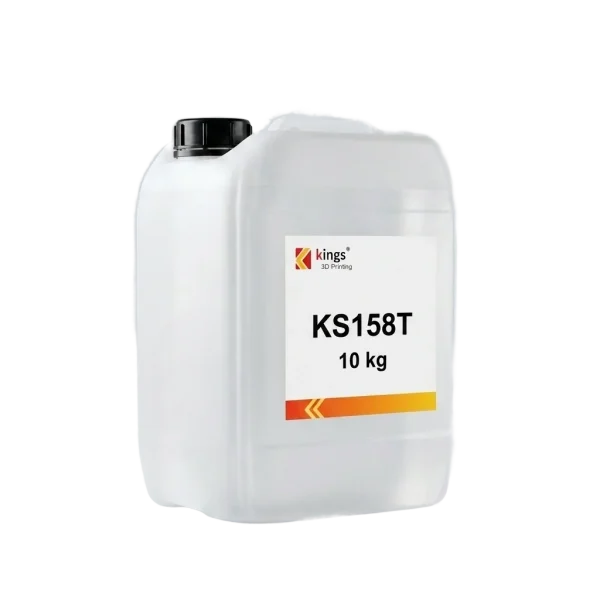
In stock
· In stock — ships in 1–2 business days from our Los Angeles warehouse.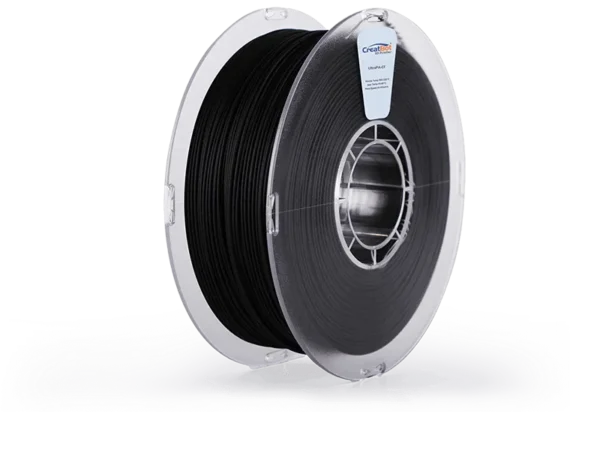
Carbon-fiber-reinforced high-temperature nylon filament for FDM 3D printing — the strongest, stiffest, most heat-resistant material in the CreatBot range (125 MPa tensile, 8512 MPa flexural modulus, 188°C glass transition), for demanding structural and end-use parts.
- ✓ ±0.02mm diameter tolerance — consistent extrusion, low jam risk
- ✓ Validated CreatBot F430 print profile + datasheet included
- ✓ In stock, ships in 1–2 business days
In stock
- ✔ Excellent hot hardness and wear resistance, heat-treatable
- ✔ Print → debind → sinter — great for tooling, dies and inserts
- ✔ Genuine Zetamix by Nanoe · 500 g spool · lead time 10–20 business days (depending on order queue)
In stock
· Ships in 1–2 business days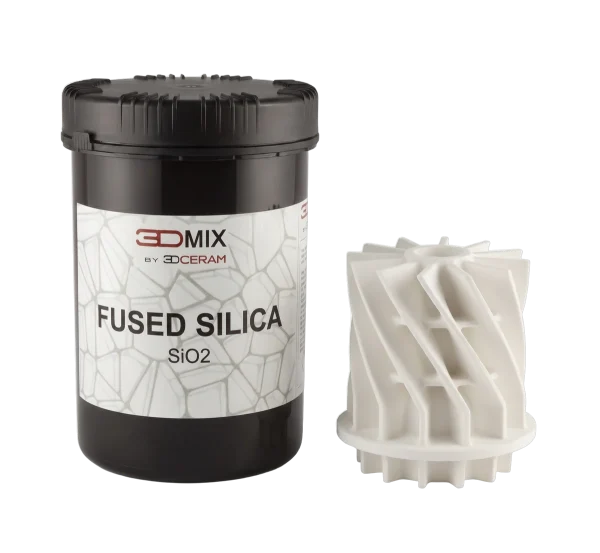
Print leachable fused-silica investment-casting cores on 3DCeram's Ceramaker laser-SLA platform for complex internal casting geometries.
- ✓ 40% porosity, excellent leachability — cleanly removed after casting
- ✓ Very low expansion (0.07% max dilatation to 1500 °C) holds core dimension through the pour
- ✓ Ceramic SLA paste for the 3DCeram Ceramaker platform — quote-based, mutual NDA before spec review
In stock
· In stock — ships in 1–2 business days. Custom ceramic formulations and larger batches: 2–4 weeks, configured to order.What our customers say
“Harry and team were professional, effective communicators as we set up the order, then they executed quickly and produced an amazing product for us at a very competitive price. Am looking forward to our next print w Additive Plus!”
“Great 3D printing service and the resin parts look super smooth and clean. Really happy with how everything turned out!”
“Harry was very professional and helped me out with my 3D printing needs and explained what options I have in terms of filaments such as PEEK. Highly recommended.”
“I needed a 3D enclosure printed urgently in a specific time period, they did great!”
Common questions
Don't see yours? Email [email protected] — NDA on request, typical reply within 4 hours.
Is Caracol HDPE a filament or a pellet material?
Why choose HDPE for chemical and marine parts?
Does Caracol HDPE warp, and how do you control it?
Does Caracol HDPE need drying before printing?
Which systems is Caracol HDPE qualified for?
What extrusion temperature does HDPE run at?
Can I order a sample before committing to a full order?
Place your order, or talk to an engineer first
Order Caracol HDPE Pellets – Chemical-Resistant Feedstock for Large-Format 3D Printing direct, or talk to materials engineer