
In stock
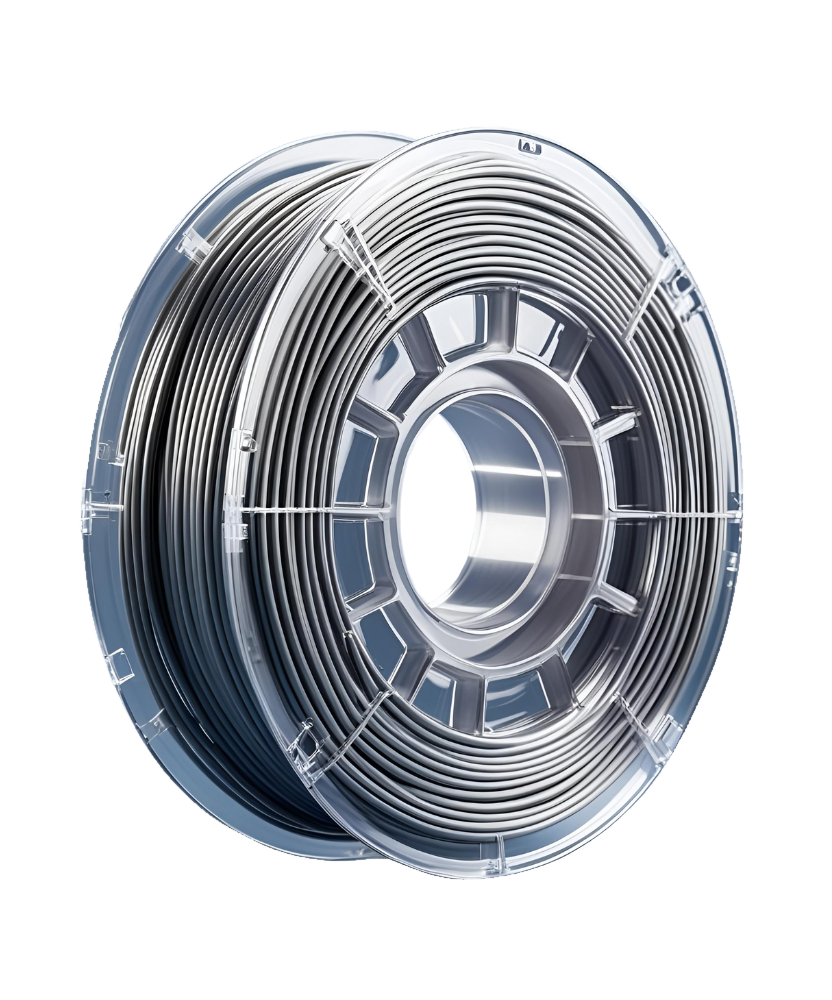
- Debind & sinter parameters + datasheet in every order
- Mutual NDA before any file or spec review
Fila-MAT Metal 17-4PH 1,75mm
- ✔ Rp0.2 680 MPa / Rm 880 MPa / 257 HV10 — tested to DIN EN ISO 6892 & 6507-1 at ESA's ESTEC facility
- ✔ Debind & sinter parameters plus full datasheet included with every spool
- ✔ 1.75mm bound-metal feedstock for the 3DCeram M.A.T. FFF head — mutual NDA before any spec review
What your process engineer actually checks
Third-party mechanical data
Rp0.2 680 MPa, Rm 880 MPa and 257 HV10 after sintering — measured at the European Space Agency's ESTEC centre and tested to DIN EN ISO 6892 and 6507-1. You qualify Fila-MAT Metal 17-4PH against real numbers, not a filament-vendor estimate.
Debind & sinter parameters included
Every spool ships with 3DCeram's datasheet and the full print, debind and sinter cycle for the M.A.T. FFF head, so green parts reach target density on the first build instead of after trial-and-error.
A materials engineer on the line
Shrinkage, warpage and heat-treatment questions go to an engineer who has run bound-metal FFF — not a ticket queue. Sub-4h reply, mutual NDA on request before any spec review.
Fila-MAT Metal 17-4PH is 3DCeram’s bound-metal FFF feedstock — 1.75mm filament loaded with 17-4PH stainless steel powder for the M.A.T. multi-head extrusion printer. Print the green part on a standard FFF head, then debind and sinter to a dense, precipitation-hardenable metal component.
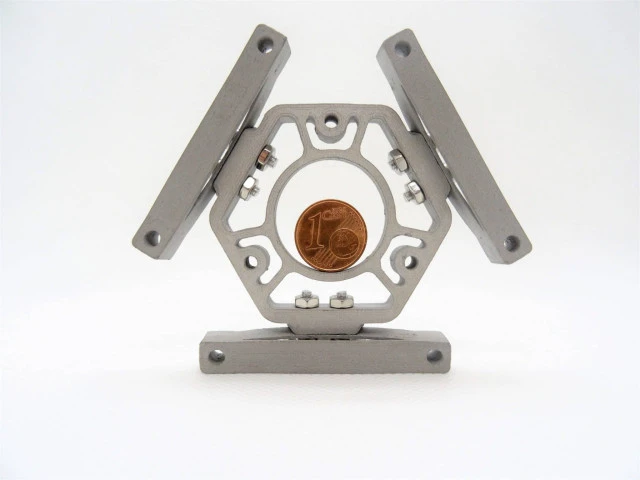
Why engineers choose Fila-MAT 17-4PH
Four things a process engineer checks before qualifying a bound-metal feedstock.
680 MPa yield, 880 MPa tensile
Rp0.2 680 MPa / Rm 880 MPa post-sinter, tested to DIN EN ISO 6892 — precipitation-hardenable 17-4PH performance, not a filament-vendor estimate.
257 HV10 hardness
Vickers hardness tested to DIN EN ISO 6507-1. Density 7.6 g/cc, elongation at break 5.8%.
Tested at ESA’s ESTEC facility
Mechanical data measured with calibrated equipment at the European Space Agency’s technology centre in the Netherlands — third-party test conditions.
Debind & sinter parameters included
Every spool ships with 3DCeram’s datasheet and process parameters for the M.A.T. FFF head, so green parts reach target density predictably.
How the Fila-MAT workflow runs
Print, debind, sinter — the same three-step process behind every bound-metal FFF part.
Print on the M.A.T. FFF head
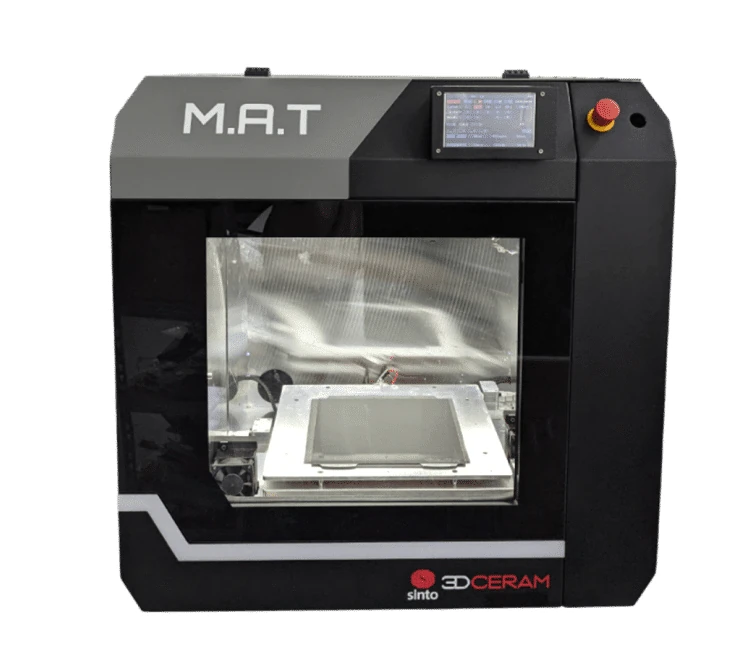
1.75mm feedstock runs on 3DCeram’s M.A.T. printer — max nozzle 270°C, max bed 110°C, with heated filament and print chambers for consistent extrusion.
Debind the binder
Binder-removal parameters ship with every spool’s datasheet, tuned for the 17-4PH feedstock — no trial-and-error on the first batch.
Sinter to dense metal
High-temperature sintering consolidates the part to dense 17-4PH — ready for precipitation-hardening heat treatment to reach full strength.
Material properties (post-sinter)
| Property | Value | Standard |
|---|---|---|
| Density | 7.6 g/cc | — |
| Yield strength, Rp0.2 | 680 MPa | DIN EN ISO 6892 |
| Ultimate tensile strength, Rm | 880 MPa | DIN EN ISO 6892 |
| Elongation at break | 5.8% | DIN EN ISO 6892 |
| Vickers hardness | 257 HV10 | DIN EN ISO 6507-1 |
Tested with calibrated equipment at ESA’s ESTEC technology centre, Netherlands. See the full datasheet in Downloads.
Technical specifications
- Material: 17-4PH stainless steel, bound-metal FFF feedstock
- Filament diameter: 1.75mm
- Compatible platform: 3DCeram M.A.T. — FFF head, max nozzle 270°C, max bed 110°C, filament chamber ≤50°C, print chamber ≤50–60°C
- Post-processing required: chemical/thermal debind + sinter furnace — parameters supplied with the datasheet on every order
Typical applications
Where teams run Fila-MAT 17-4PH today.
Not sure Fila-MAT 17-4PH is the right fit?
Three reasons teams pick a different feedstock or platform — tap the closest match.
Why source Fila-MAT through Additive Plus
- 3DCeram-qualified feedstock for the M.A.T. FFF head — matched to the machine, not a generic substitute.
- Debind and sinter parameters plus full datasheet included with every order.
- Materials engineer on the line for shrinkage, warpage, and heat-treatment questions — NDA on request.
- Custom alloy or ceramic feedstock sourced and qualified on request, typical lead 3–4 weeks.
| Brand | 3DCeram |
| Printing Materials | Metal Filaments |
| Technology | FFF |
| Application | Composite Tooling, Engineering, Jigs & Fixtures, Manufacturing |
Product videos
We source and qualify. Custom feedstock on request.
Need a specific bound-metal or ceramic filament, or parameters for a printer we don't list yet? Our materials team qualifies the feedstock and verifies sinter behavior before you commit. Typical lead 3–4 weeks.
Complete the workflow
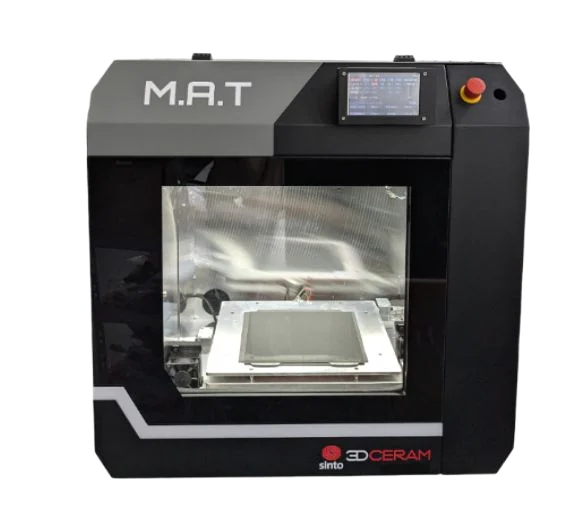
Metal & technical ceramics, printed by extrusion — even silicon carbide.
- FFF · pellet · paste + 3-axis CNC in one machine
- No laser, no loose powder — lab-safe, single-phase
- Official 3DCeram US representative · 12-mo warranty
From $63,000 · Core: FFF + CNC (add Pellet/Paste heads) · made to order, ~3-month build · leasing available
Request a quote Installation and commissioning in the USA: facility and gas planning, start-up and operator training by our US service team.
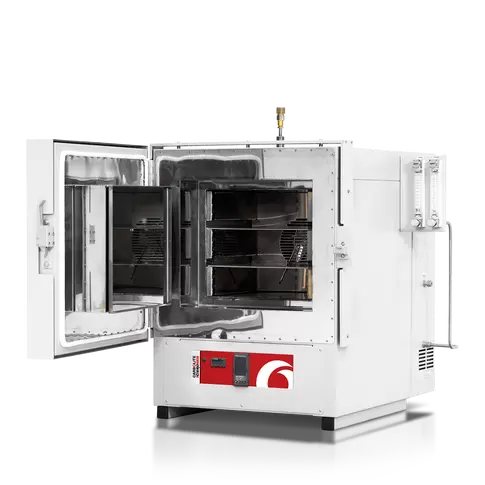
Controlled atmosphere oven for metal AM post-processing and materials research — 400–700°C max (4 grades), 28–1,000 L chambers (5 sizes), O₂ down to 50 ppm with N₂/Ar purge. Seam-welded gas-tight chamber built as an atmosphere unit from the ground up.
- ✓ O₂ down to 50 ppm — atmosphere-controlled heat treatment without vacuum-furnace cost
- ✓ 17 configurations in one family — 28 L lab to 1,000 L production, same gas architecture
- ✓ Seam-welded gas-tight chamber — purpose-built, not a retort-converted standard oven
- ✓ Configured to order — request lead time; install, training & cycle validation included
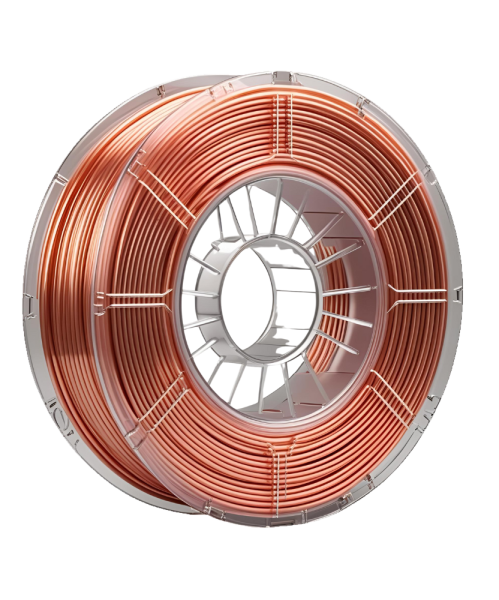
- ✔ 228 W/m-K thermal conductivity, 8.4 g/cc density and 118 GPa modulus after sintering
- ✔ Debind and sinter parameters plus the full datasheet included with every spool
- ✔ 1.75mm bound-metal feedstock for the 3DCeram M.A.T. FFF head — mutual NDA before any spec review
Other products teams run alongside Fila-MAT Metal 17-4PH 1,75mm
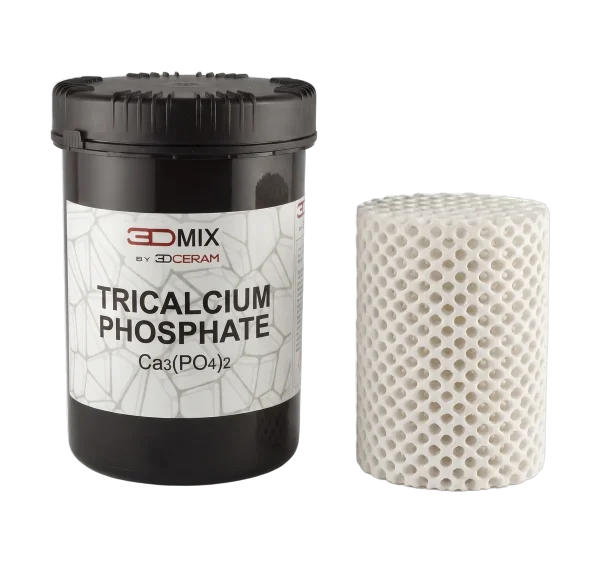
Print bioresorbable tricalcium phosphate (TCP) scaffolds on 3DCeram's Ceramaker laser-SLA platform, then debind and sinter to a clean, resorbable bioceramic.
- ✓ Bioresorbable — gradually replaced by natural bone; Ca/P ratio 1.503, no calcium pyrophosphate
- ✓ Print porous, patient-specific scaffolds for bone regeneration and spinal implants
- ✓ Ceramic SLA paste for the 3DCeram Ceramaker platform — quote-based, mutual NDA before spec review
In stock
· In stock — ships in 1–2 business days. Custom ceramic formulations and larger batches: 2–4 weeks, configured to order.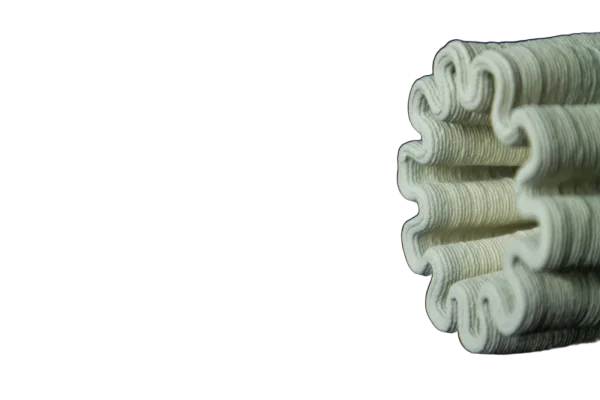
Print your own ceramic paste — the Sygnis F-NIS 23151 and Sygpast are open DIW platforms for alumina, zirconia, SiC and other pastes you formulate or buy.
- Al₂O₃, YSZ, ZrO₂, SiC, aluminosilicate, TiO₂ and zeolite pastes
- Pneumatic extrusion up to 4 bar, Luer Lock nozzles 0.10–1.50 mm
- Print seals and insulation straight onto a component
- You source the paste and fire the green parts in your own furnace
Made to order
· Free DIW guide · not sold as a material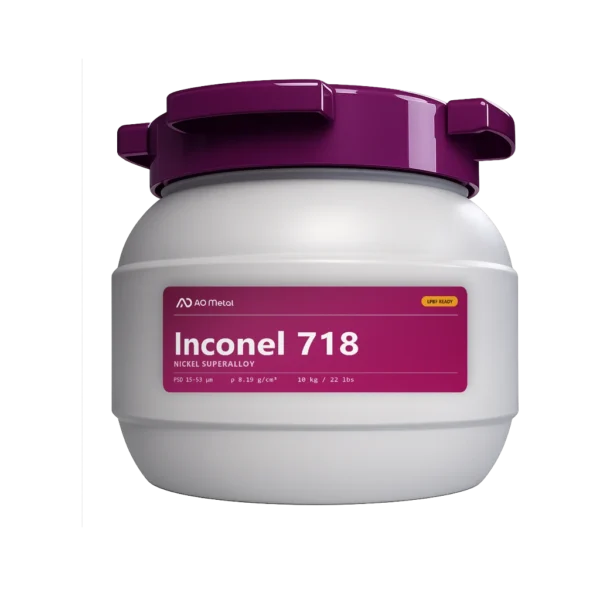
A-Powder Inconel 718 — AO Metal’s LPBF powder line, 15–53 µm, in 10 kg containers.
- Lot certificate of analysis (COA)
Brand: A-Powder by AO Metal
Made to order
· Ships in 6–8 weeks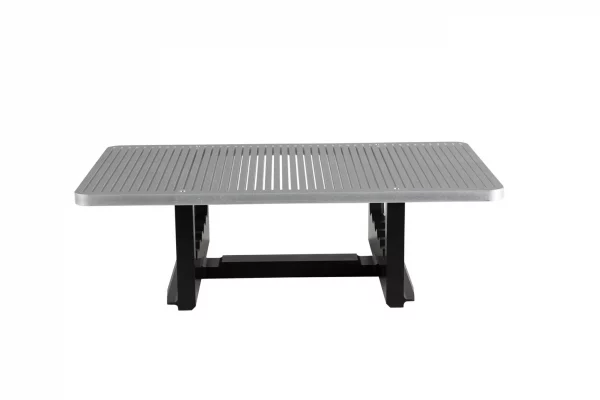
Solid replacement build plate assembly for the Nexa3D NX Pro (NXE 400 series). Its continuous flat surface gives parts a full-contact base. Swap a worn or warped plate to keep first-layer adhesion reliable across the build area.
- ✓ Solid, continuous machined platform
- ✓ Fits Nexa3D NX Pro (NXE 400 series)
- ✓ Genuine Nexa3D part (P/N 12390) · ships in 2 business days
In stock
· 2 Business Days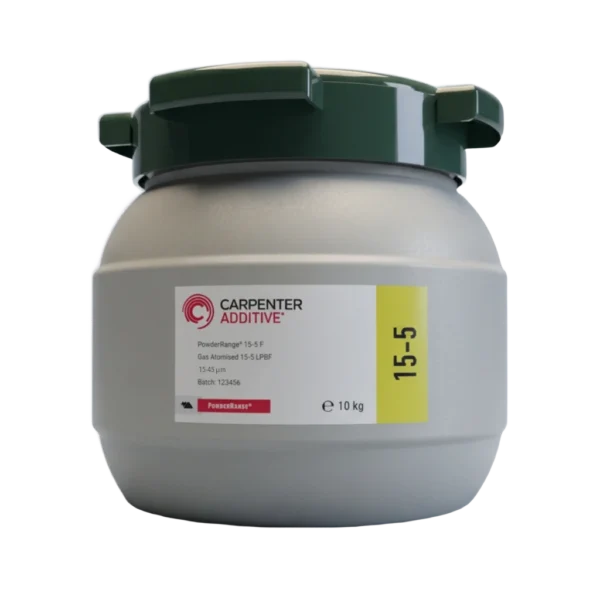
High strength. Cleaner properties. Heat-treatable. Genuine Carpenter PowderRange® 15-5 (15-5PH) precipitation-hardening stainless steel for LPBF metal 3D printing.
- ✓ Gas-atomized, low-oxygen — COA on request
- ✓ Sold in small, workable volumes — no large mill minimums
- ✓ In US stock — ready to ship
In stock
· In US stock · ready to ship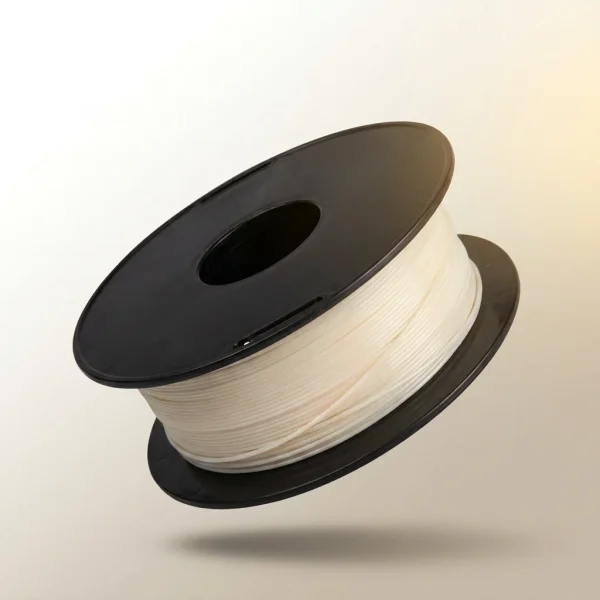
Print radiofrequency parts directly — no debinding, no sintering. A dielectric filament with permittivity 2.2 and low loss, so antennas, lenses and metasurfaces come off the printer ready to test.
- ✔ Permittivity 2.2 · loss tangent 0.001 · HDT up to 110 °C
- ✔ No debinding, no sintering — prints as a technical polymer, parts up to 80 cm
- ✔ Genuine Zetamix by Nanoe · 500 g spool, vacuum packed · 1.75 mm
In stock
· Ships from California · 10–20 business days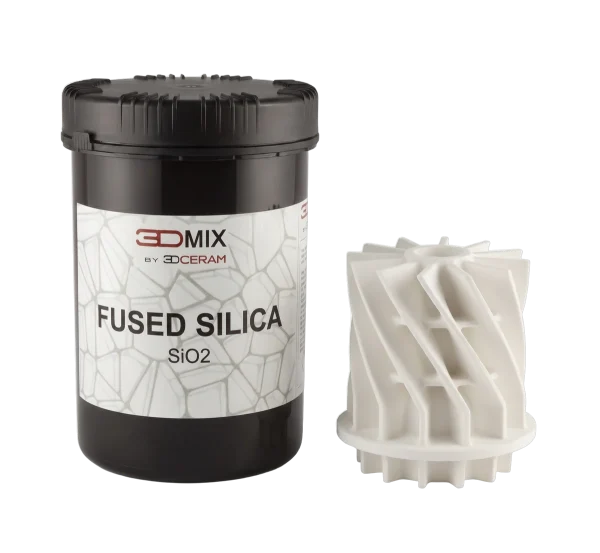
Print leachable fused-silica investment-casting cores on 3DCeram's Ceramaker laser-SLA platform for complex internal casting geometries.
- ✓ 40% porosity, excellent leachability — cleanly removed after casting
- ✓ Very low expansion (0.07% max dilatation to 1500 °C) holds core dimension through the pour
- ✓ Ceramic SLA paste for the 3DCeram Ceramaker platform — quote-based, mutual NDA before spec review
In stock
· In stock — ships in 1–2 business days. Custom ceramic formulations and larger batches: 2–4 weeks, configured to order.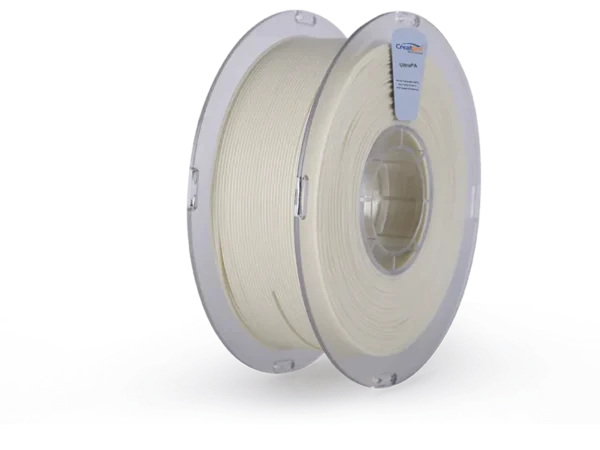
High-temperature nylon (PA) filament for FDM 3D printing — tough, wear- and chemical-resistant, with 133 MPa flexural strength and heat tolerance well beyond ABS, for functional gears, brackets, and end-use engineering parts.
- ✓ ±0.02mm diameter tolerance — consistent extrusion, low jam risk
- ✓ Validated CreatBot F430 print profile + datasheet included
- ✓ In stock, ships in 1–2 business days
In stock
What our customers say
“Harry and team were professional, effective communicators as we set up the order, then they executed quickly and produced an amazing product for us at a very competitive price. Am looking forward to our next print w Additive Plus!”
“Great 3D printing service and the resin parts look super smooth and clean. Really happy with how everything turned out!”
“Harry was very professional and helped me out with my 3D printing needs and explained what options I have in terms of filaments such as PEEK. Highly recommended.”
“I needed a 3D enclosure printed urgently in a specific time period, they did great!”
Common questions
Don't see yours? Email [email protected] — NDA on request, typical reply within 4 hours.
What is Fila-MAT Metal 17-4PH and how does it produce metal parts?
Which printer is Fila-MAT Metal 17-4PH compatible with?
What post-processing does Fila-MAT Metal 17-4PH require?
What mechanical properties can I expect after sintering?
How much does a Fila-MAT Metal 17-4PH part shrink during debinding and sintering?
Does Fila-MAT Metal 17-4PH need to be dried before printing?
Can Additive Plus help qualify Fila-MAT Metal 17-4PH for my parts?
Place your order, or talk to an engineer first
Order Fila-MAT Metal 17-4PH 1,75mm direct, or talk to materials engineer