
In stock
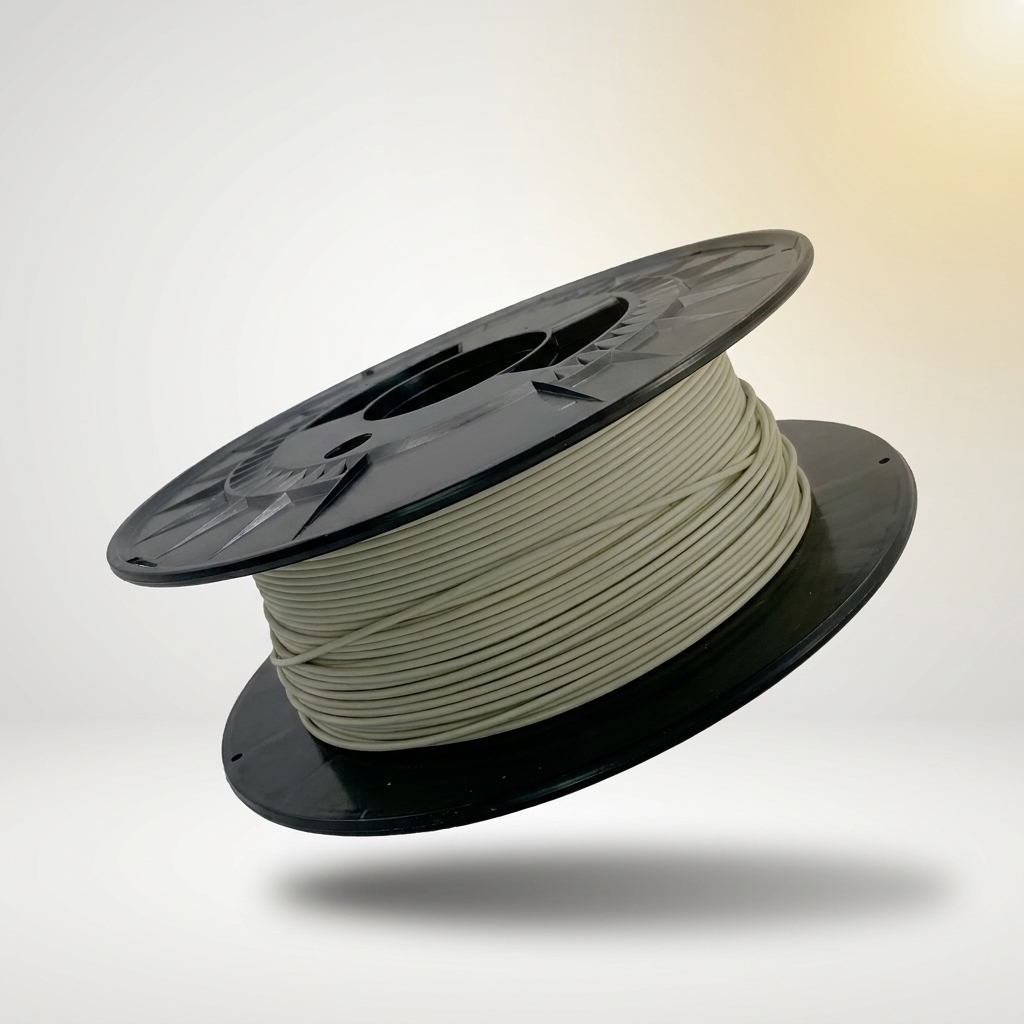
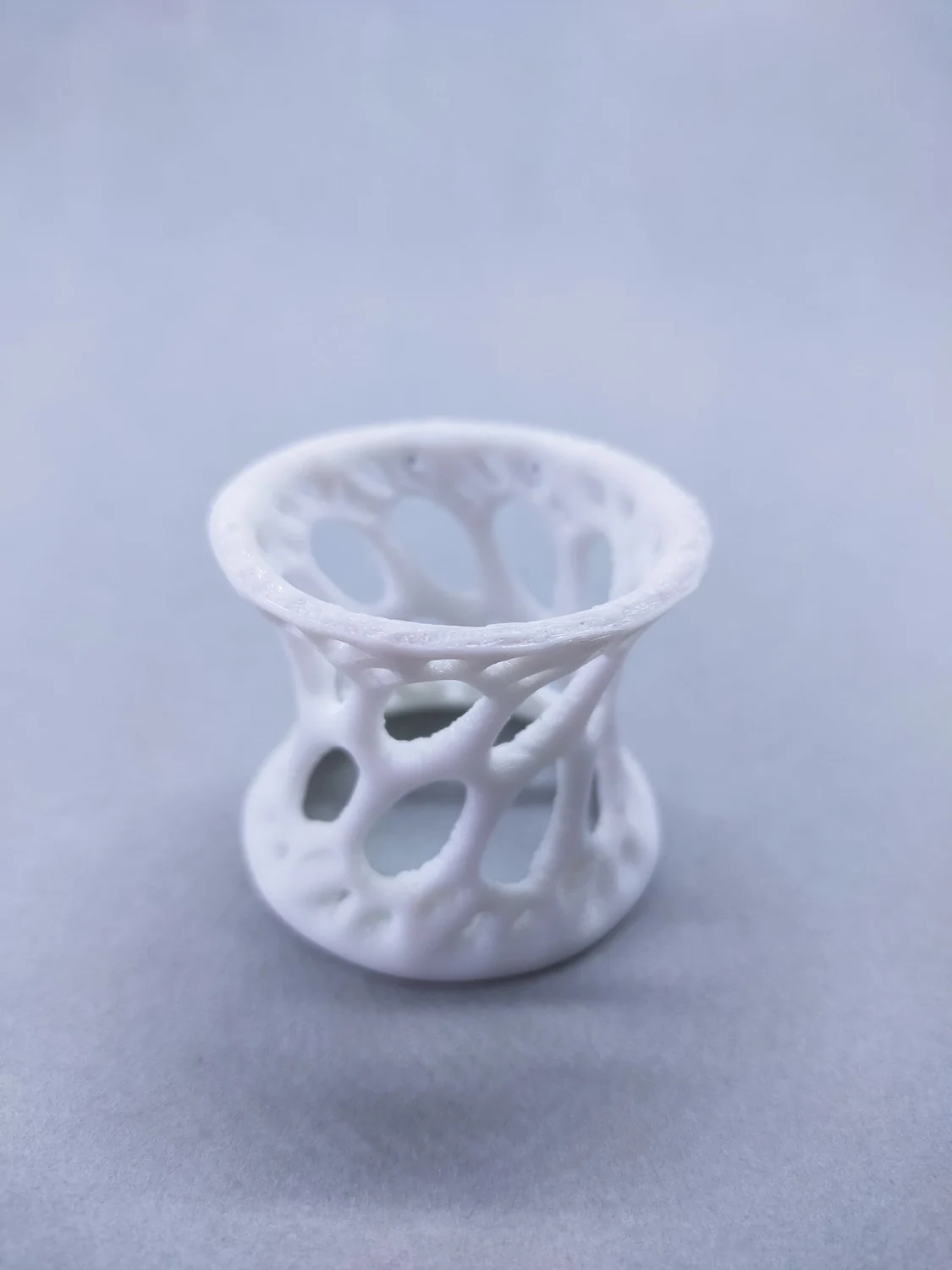
Zetamix Porcelain Filament 1,75mm
- ✔ Smooth, glazeable porcelain finish with a classic ceramic look
- ✔ Print → debind → fire — ceramic printing on an everyday FFF machine
- ✔ Genuine Zetamix by Nanoe · 500 g spool · lead time 10–20 business days (depending on order queue)
$225
Zetamix Porcelain filament lets you 3D-print authentic, vitrified porcelain on a standard FDM/FFF printer, then debind and sinter to a dense, food-safe (when glazed) ceramic part — the same print → debind → sinter workflow we run in-house on our 3DCeram M.A.T. It reaches complex geometries that throwing and casting cannot.

Why makers & designers choose Zetamix Porcelain filament
Real vitrified porcelain from a desktop FFF printer — documented shrinkage, glazeable and food-safe once fired and glazed.
Sinters to a dense, vitrified porcelain at 98–99% of theoretical density — the fired body of traditional porcelain, not a filled plastic.
Takes enamel and glaze; food-safe for tableware once glazed. Pause the sinter at 1000 °C to apply glaze, then finish to 1250 °C.
Print undercuts, thin walls and internal detail that throwing and casting cannot reach — straight from a digital model.
Linear shrinkage 13.8% (X/Y) and 26.4% (Z) — scale the model 116% and 136% for repeatable dimensions.
Porcelain material properties after sintering
- Body: fine porcelain, fully vitrified after sintering
- Density after sintering: 98–99% of theoretical
- Mechanical strength: comparable to traditional porcelain
- Food safety: food-safe for tableware when glazed
- Sintering: 1250 °C at 125 °C/h, 2 h hold
- Linear shrinkage: 13.8% (X/Y), 26.4% (Z) — scale 116% / 136%
- Nozzle: compatible with 0.4–1.0 mm nozzles
- Filament: 1.75 mm
Full specifications are listed in the Specifications tab. Mechanical values are process-dependent — final properties vary with print, debind and sinter parameters.
From spool to dense porcelain part
Three stages — the same workflow we run in-house.
Design & print
Scale the model 116% (X/Y) and 136% (Z) for shrinkage. Use 3 wall layers minimum and 15–100% infill, and print the green part on a flexible build plate for easy removal.
Debind
Solvent debind 24 h in acetone at 40 °C, then thermal debind at 7 °C/h from 50 to 500 °C to remove the binder before sintering.
Sinter & glaze
Sinter to 1250 °C at 125 °C/h with a 2 h hold to full vitrification. To glaze, pause at 1000 °C, apply glaze, then complete to 1250 °C. No furnace? We run this for you.
Where Zetamix Porcelain is used
Makers and designers print porcelain when they need a real, glazeable ceramic body in geometries traditional pottery cannot produce.
See real builds in our Zetamix case studies →
No sintering furnace or debinding station? Talk to our team — we’ll help you get set up. Get in touch →
See Zetamix Porcelain in action
Watch how Zetamix ceramic and metal filaments go from spool to dense, sintered part — the same FFF print → debind → sinter workflow we run in-house.
Choose your Zetamix material
Every Zetamix filament prints on a standard FFF 3D printer — we print and validate them in-house on our 3DCeram M.A.T. system — then debind and sinter to a dense ceramic or metal part. The highlighted row is the material on this page; compare the range below:
| Material | Type | Stands out for | Best for | From |
|---|---|---|---|---|
| Alumina | Technical ceramic | Electrical insulation, ~1550°C | Insulators, high-temp tooling | $495 |
| White Zirconia | Technical ceramic | Toughness & flexural strength | Wear & structural parts | $485 |
| Black Zirconia | Technical ceramic | Zirconia strength, black finish | Aesthetic + technical parts | $550 |
| Silicon Carbide | Technical ceramic | Extreme hardness & thermal | Abrasive / high-temp parts | $550 |
| Porcelain | Ceramic (art) | Glazeable, classic finish | Art, tableware, decorative | $225 |
| 316L | Stainless steel | Corrosion resistance, ductile | Functional metal parts | $420 |
| 17-4 PH | Stainless steel | High strength, hardenable | Tooling & functional parts | $420 |
| H13 | Tool steel | Hot hardness & wear | Dies, inserts, tooling | $420 |
| TiO2 | Specialty ceramic | Specialty technical ceramic | Niche functional parts | $550 |
| Brand | Zetamix by Nanoe |
| Printing Materials | Ceramic Filaments |
| Technology | FFF |
| Material | Porcelain |
| Application | Composite Tooling, Engineering, Jigs & Fixtures, Manufacturing |
Other products teams run alongside Zetamix Porcelain Filament 1,75mm
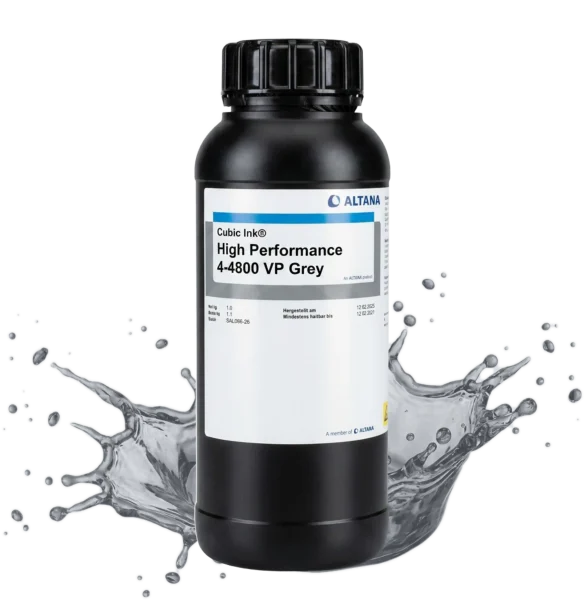
Highly impact-resistant, flexible final-part resin with good toughness, scratch resistance and heat resistance (HDT-B 90 °C), plus a clean regulatory profile.
- ✓ 44 J/m notched · 350 J/m unnotched Izod · 16% elongation — durable end-use parts
- ✓ HDT-B 90 °C, UV-stable, low water uptake, cytotoxicity passed (ISO 10993)
- ✓ Scratch-resistant; uncolored, black, blue, pink, grey
- ✓ A similar option to Loctite IND406 / 3843 for final-part production
Made to order
· Ships in 5–10 business days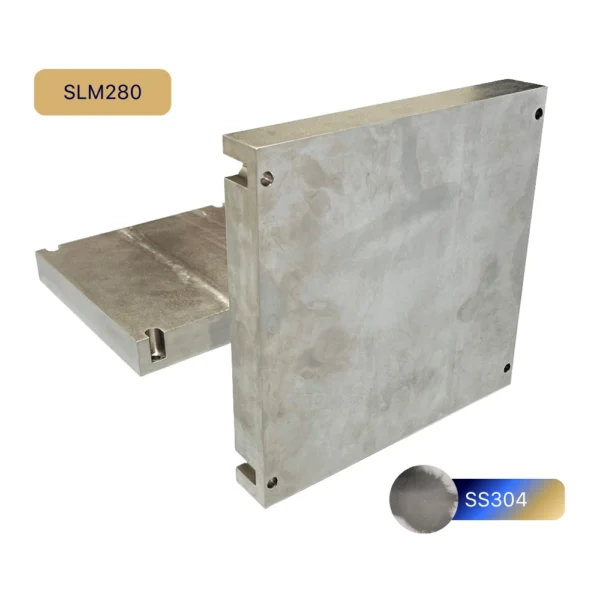
The SLM 280 SS304 Build Platform is a precision-ground stainless steel build plate engineered for reliable LPBF production. Manufactured from high-grade 304 stainless steel and designed as a direct OEM-compatible solution, this SLM 280 metal build plate delivers excellent flatness, thermal stability, and repeatable first-layer performance for industrial additive manufacturing.
Need a custom steel build platform for another printer or alternative thickness? Request a custom quote — we manufacture precision stainless steel and specialty alloy build plates for most industrial LPBF systems.Made to order
· Express 2–3 wks · Standard 6–8 wks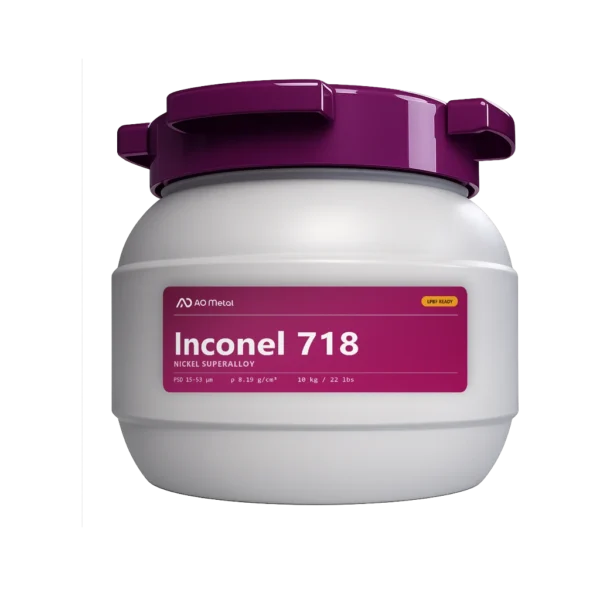
A-Powder Inconel 718 — AO Metal’s LPBF powder line, 15–53 µm, in 10 kg containers.
- Lot certificate of analysis (COA)
Brand: A-Powder by AO Metal
Made to order
· Ships in 6–8 weeks
Print your own silicone — the Sygnis F-NIS 23151 and Sygpast are open DIW platforms for one- and two-component silicones you formulate or buy.
- One-component, moisture-curing and UV-curing silicones on the F-NIS
- UV 365/405 nm, 60 °C heated cartridge, cooled platform or two heads by version
- Two-component silicones and supported soft parts on the Sygpast
- K2 silicone in the box for calibration · you source the production material
In stock
· Free DIW guide · not sold as a material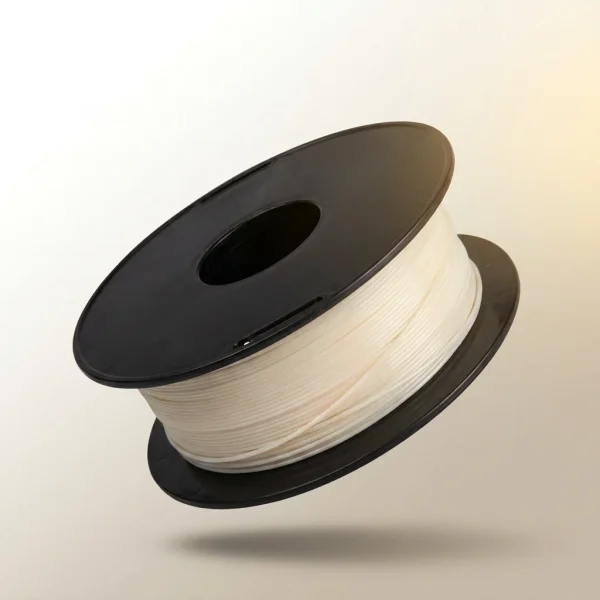
Print radiofrequency parts directly — no debinding, no sintering. A dielectric filament with permittivity 7.5 and low loss, so antennas, lenses and metasurfaces come off the printer ready to test.
- ✔ Permittivity 7.5 · loss tangent 0.001 · HDT up to 110 °C
- ✔ No debinding, no sintering — prints as a technical polymer, parts up to 80 cm
- ✔ Genuine Zetamix by Nanoe · 500 g spool, vacuum packed · 1.75 mm
In stock
· Ships from California · 10–20 business days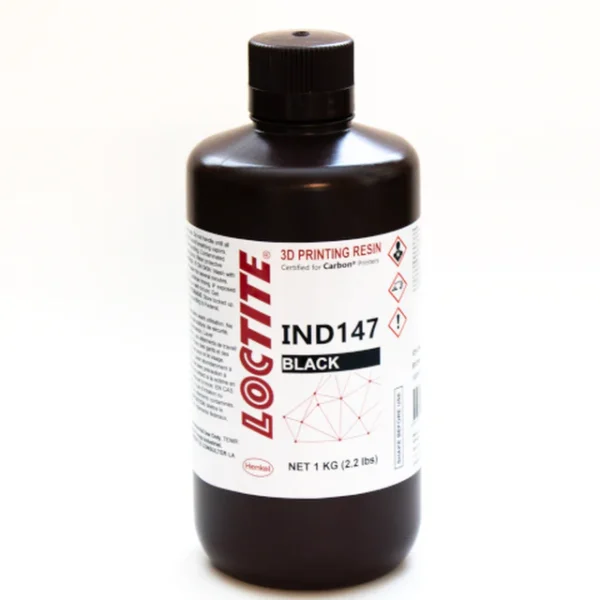
Extreme-temp resin: HDT230°C for molding/dies. Stiff, dimensionally stable & production-ready.
Availability: confirmed at order. Supplier stock for this line varies — we verify availability and lead time on every order before processing, and offer an equivalent or a full refund if an item cannot be supplied. Cubic Ink equivalents →
Made to order
· Ships in about 2 weeks — final date confirmed after you order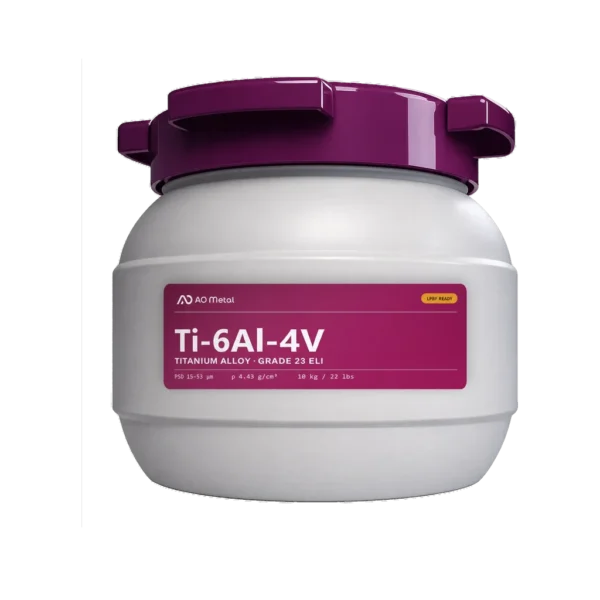
A-Powder Ti-6Al-4V Grade 23 ELI — AO Metal’s LPBF powder line, 15–53 µm, in 10 kg containers.
- Lot certificate of analysis (COA)
Brand: A-Powder by AO Metal
In stock
· In stock in California · ships within 2 business days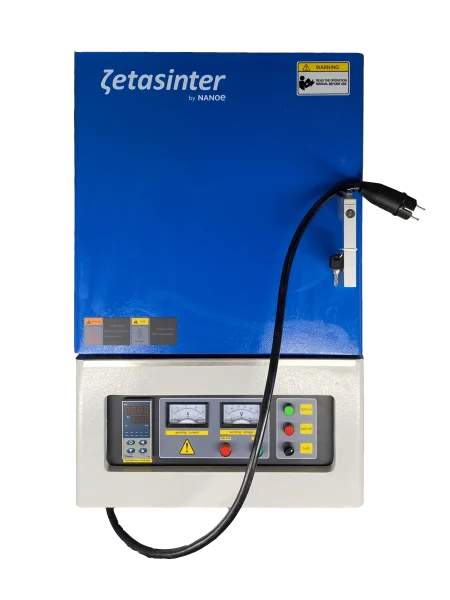
Zetasinter Chamber Mini is the compact version of the chamber furnace, for sintering printed ceramic parts in ambient air where floor space or budget rules out the full-size unit.
- ✔ Same air-sintering process as the full chamber furnace, in a smaller footprint
- ✔ Suited to labs and workshops running smaller ceramic parts
- ✔ Part of the Zetamix print-debind-sinter chain, supported from California
Freight and installation requirements confirmed with you before the order is placed.
Made to order
· Ships from California in 4–8 weeksWhat our customers say
“Harry and team were professional, effective communicators as we set up the order, then they executed quickly and produced an amazing product for us at a very competitive price. Am looking forward to our next print w Additive Plus!”
“Great 3D printing service and the resin parts look super smooth and clean. Really happy with how everything turned out!”
“Harry was very professional and helped me out with my 3D printing needs and explained what options I have in terms of filaments such as PEEK. Highly recommended.”
“I needed a 3D enclosure printed urgently in a specific time period, they did great!”
Common questions
Don't see yours? Email [email protected] — NDA on request, typical reply within 4 hours.
What equipment do I need beyond my 3D printer?
How strong are the finished porcelain parts?
Can I use this with any FDM printer?
What safety precautions should I take?
How long does the complete process take?
Can I create food-safe items?
What's the shelf life of the filament?
How do I handle failed prints or support material?
Place your order, or talk to an engineer first
Order Zetamix Porcelain Filament 1,75mm direct, or talk to materials engineer