
In stock
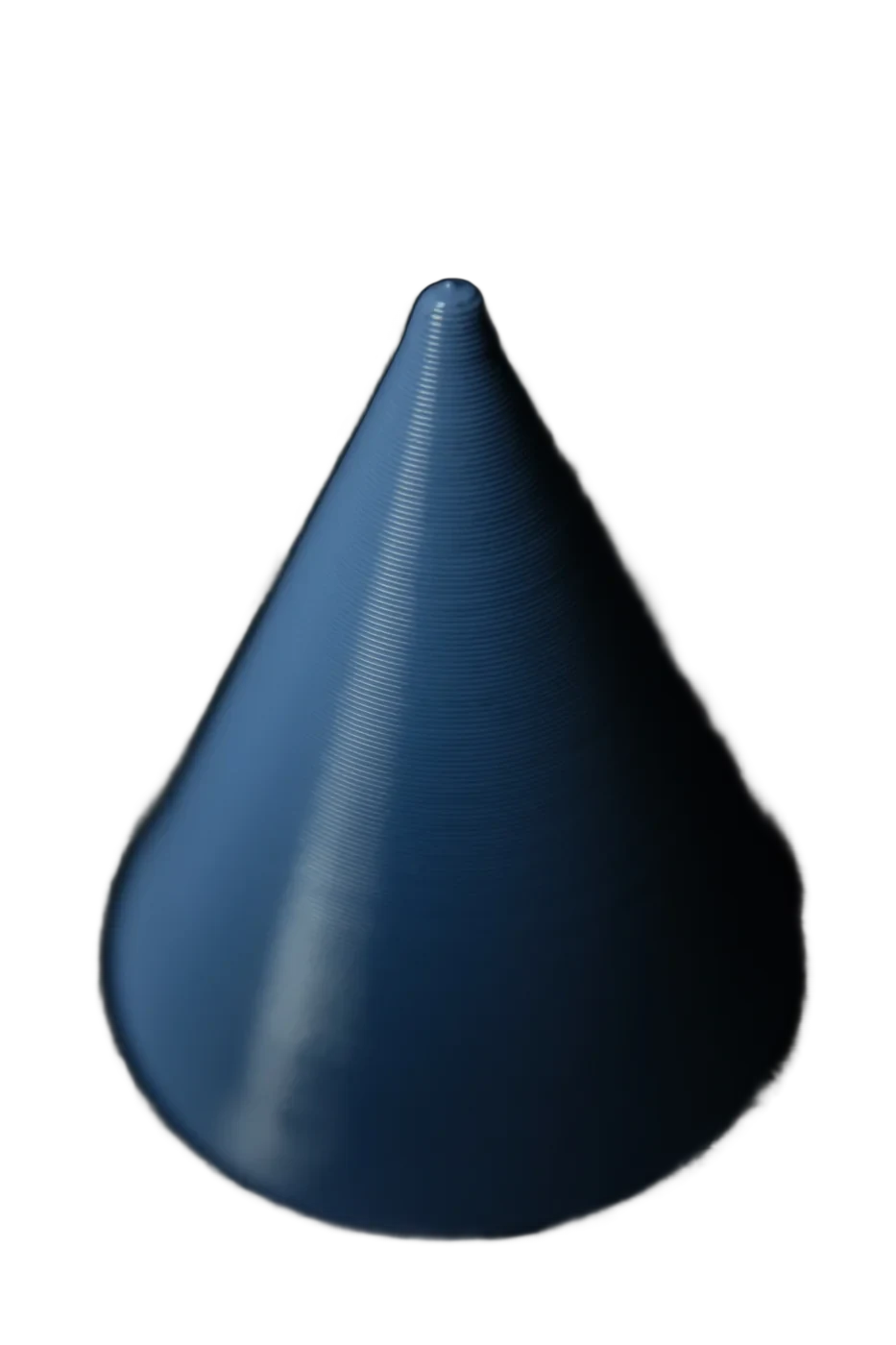
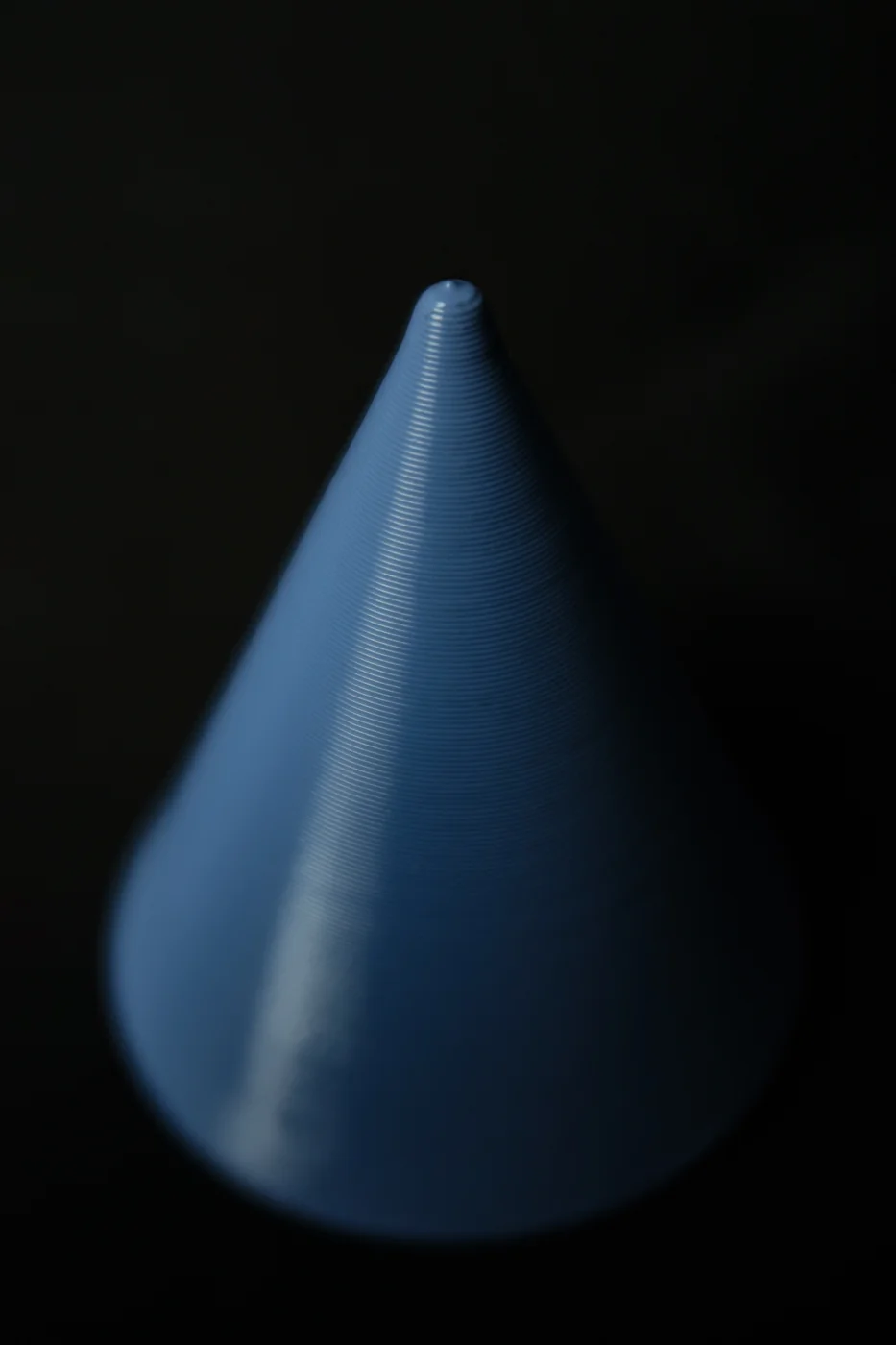
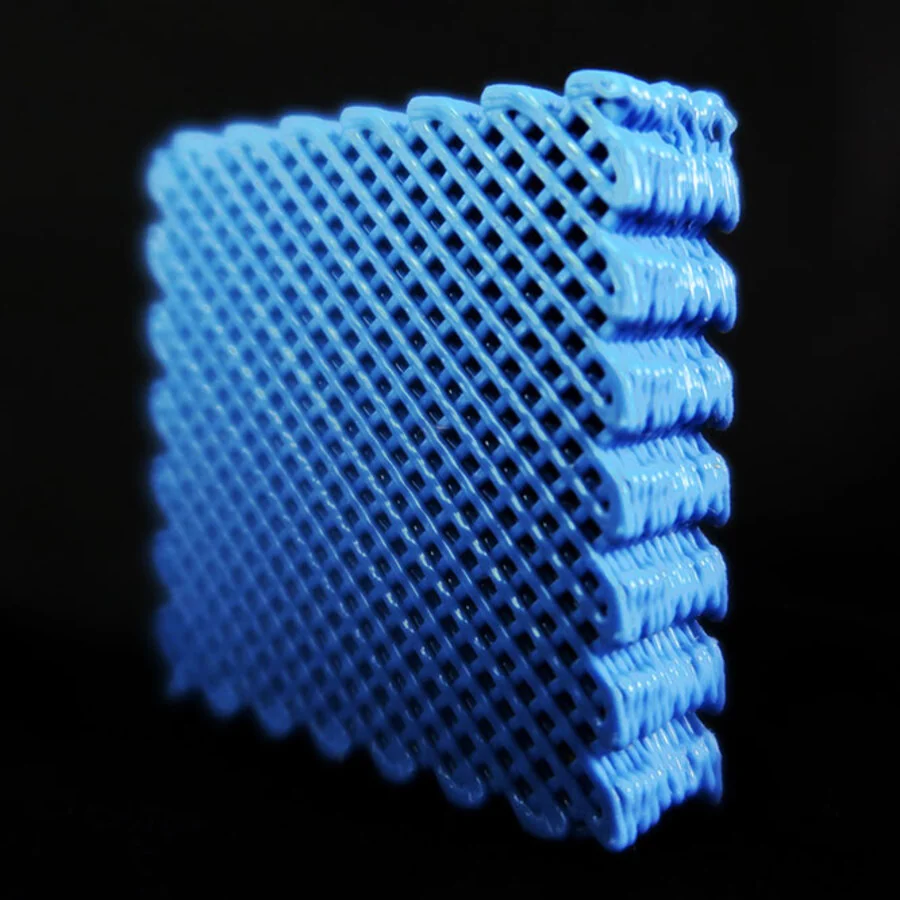
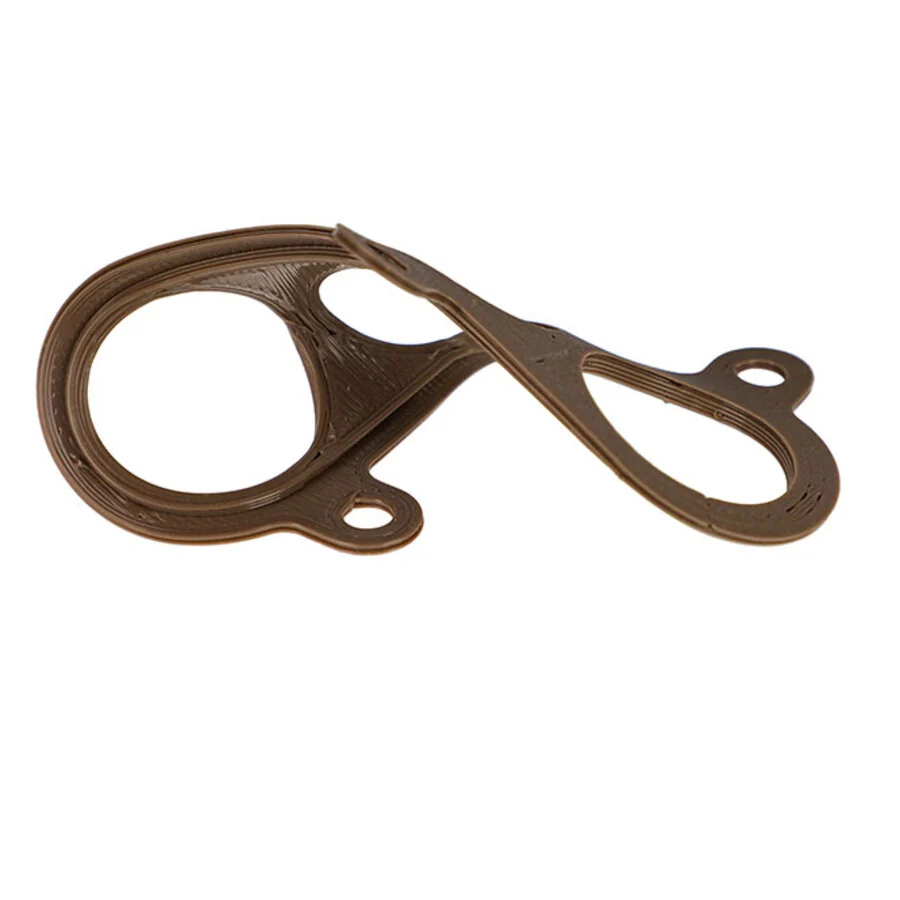
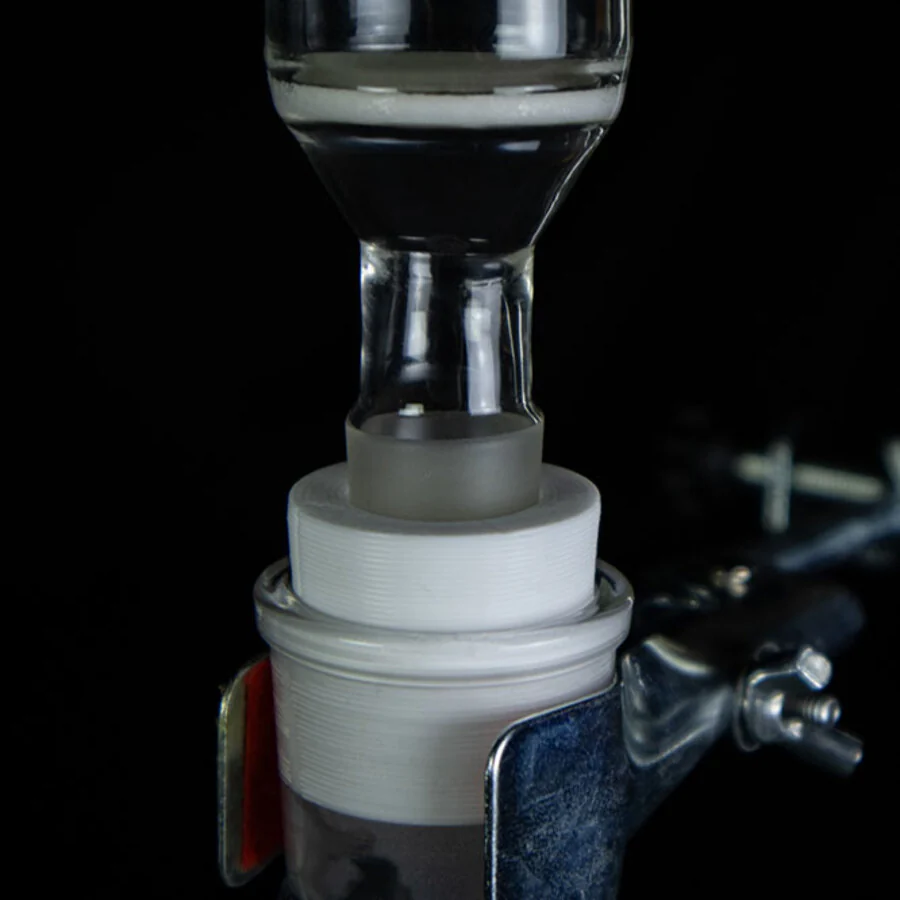
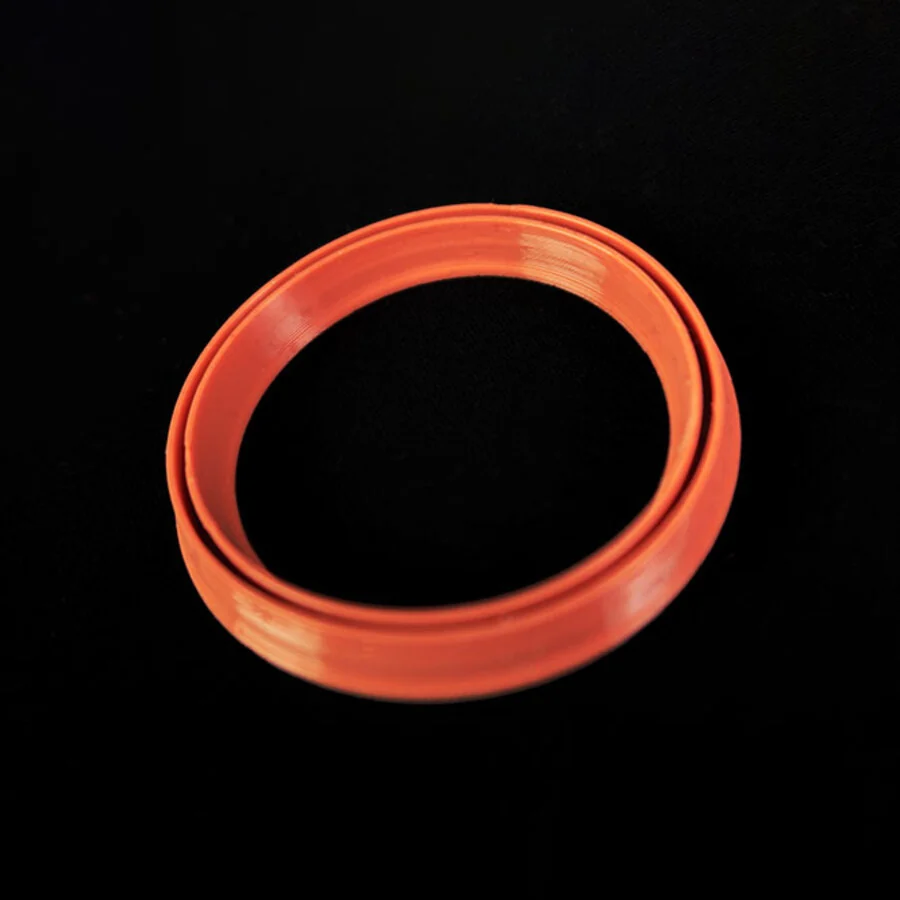
- Genuine Sygnis DIW silicone grade matched to your part
- Print-setting & cure guidance for your DIW head
Sygnis Silicone for Direct Ink Writing (DIW) — Printable Silicone Ink | 20–80 Shore A
Printable liquid silicone for Direct Ink Writing (DIW) — low viscosity for clean extrusion and low-temperature curing, in a tunable 20–80 Shore A hardness range for flexible, durable printed parts.
- ✓ 20–80 Shore A · service range −50 °C to 200 °C
- ✓ Low viscosity, low-temperature cure · bonds to metal, glass, ceramic, plastic
- ✓ For DIW / paste-extrusion printing · priced per configuration
What your process engineer actually checks
Formulated to print, then perform
A low-viscosity silicone extrudes cleanly through a DIW paste head and holds its bead, then cures at low temperature into a flexible part. The hardness is tunable across 20–80 Shore A, and cured parts hold up from −50 °C to 200 °C — soft where you need compliance, firm where you need structure.
A materials engineer on the line
Not a ticket queue. We run DIW and paste extrusion in-house, so nozzle, flow and cure advice for your printer comes from the floor. Sub-4h reply, NDA standard.
Sygnis silicone for Direct Ink Writing (DIW) is a printable liquid silicone that extrudes cleanly through a paste head and cures at low temperature into a flexible part. Choose a hardness across 20–80 Shore A, and the cured silicone serves from −50 °C to 200 °C.
Why print silicone with DIW
A material that extrudes precisely and performs after cure.
Formulated to extrude cleanly
A low-viscosity silicone flows precisely through a DIW paste head and holds its bead, so you build fine, controlled geometry rather than fighting a stringy or slumping material.
Tunable 20–80 Shore A
Pick soft, compliant parts at the low end of the range or firmer, more structural ones at the high end — one process spanning cushioning, seals and load-bearing flexible components.
−50 °C to 200 °C in service
Cured parts stay functional from deep cold to sustained heat, so seals and flexible components hold up in engineering environments where a standard flexible resin would soften or turn brittle.
Bonds to many substrates
Adheres to aluminium, stainless steel, glass, plastic, rubber and ceramic — so you can print silicone directly onto an existing part (a gasket on a housing, a compliant layer over a rigid base) instead of printing and assembling separately.
How you print it
Load, extrude, cure — on a DIW / paste-extrusion system.
Load the paste head
Load the silicone cartridge into your DIW / pneumatic paste-extrusion head, such as a Sygnis F-NIS system.
Extrude the geometry
The head lays down the silicone bead-by-bead to build the part — or prints directly onto a substrate for an in-place seal or compliant layer.
Low-temperature cure
Cure at low temperature to set the silicone into a flexible, durable part without stressing the substrate or geometry.
What you can make
Flexible, sealing and compliant parts — often as one-offs.
Key specifications
- Material: printable liquid silicone for Direct Ink Writing (DIW) / paste extrusion
- Hardness: 20–80 Shore A (tunable range) · service temperature: −50 °C to 200 °C
- Rheology: low viscosity for precise extrusion · cure: low-temperature
- Substrate adhesion: aluminium, stainless steel, glass, plastic, rubber, ceramic
- Supplied: per configuration — hardness grade and pack size to your application
Cure schedule and exact grade properties confirmed on request — ask a materials engineer.
Runs on the Sygnis DIW system
The printer, head and other pastes that pair with this material.
Why source Sygnis DIW silicone through Additive Plus
- Authorized Sygnis partner — genuine, lot-traceable material
- Print-setting and cure guidance for your DIW head
- Application support from a team that runs paste extrusion in-house
- <24h response · 120+ materials supported across 23 countries
| Brand | Sygnis |
| Application | Composite Tooling, Engineering, Jigs & Fixtures, Manufacturing |
| Technology | DIW |
| Printing Materials | Silicone |
Tell us your target Shore hardness, service temperature and geometry — a materials engineer will confirm the right silicone grade and DIW print settings, and quote pack size and pricing.
Other products teams run alongside Sygnis Silicone for Direct Ink Writing (DIW) — Printable Silicone Ink | 20–80 Shore A
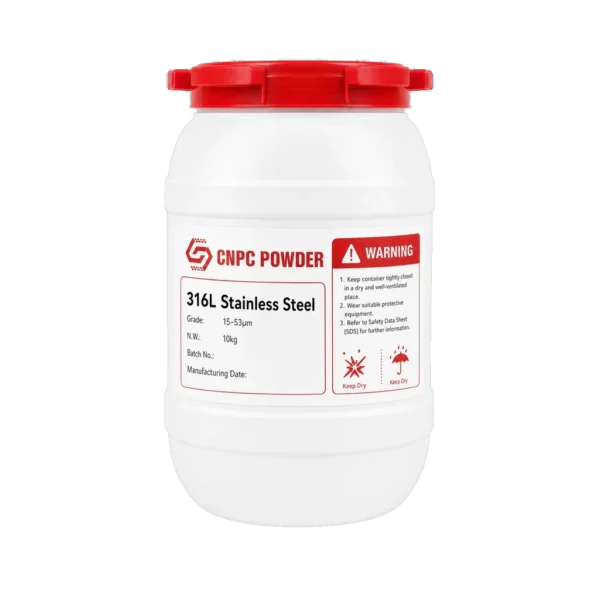
CNPC 316L powder for LPBF — made by CNPC Powder, nitrogen gas-atomized, 15–53 µm, sold in 10 kg containers.
- 10 kg container · $38/kg · $380
- Certificate of analysis (COA) for the lot, on request
- Ship date confirmed by email after you order
Manufacturer: CNPC Powder · materials engineer on call · order below or talk to an engineer first.
Made to order
· Ship date confirmed after you order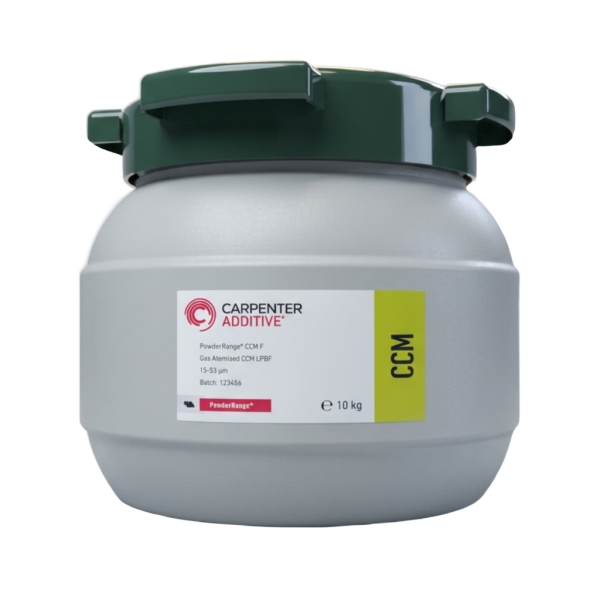
Implant-grade. Biocompatible. Wear-resistant. Genuine Carpenter PowderRange® CCM cobalt-chrome (CoCrMo, ASTM F75) for LPBF, EBM & DED metal 3D printing.
- ✓ VIM-melted, nitrogen gas-atomized — COA on request
- ✓ Excellent biocompatibility & non-magnetic (MRI-safe)
- ✓ Sold in small, workable volumes · in US stock, ready to ship
In stock
· In US stock · ready to ship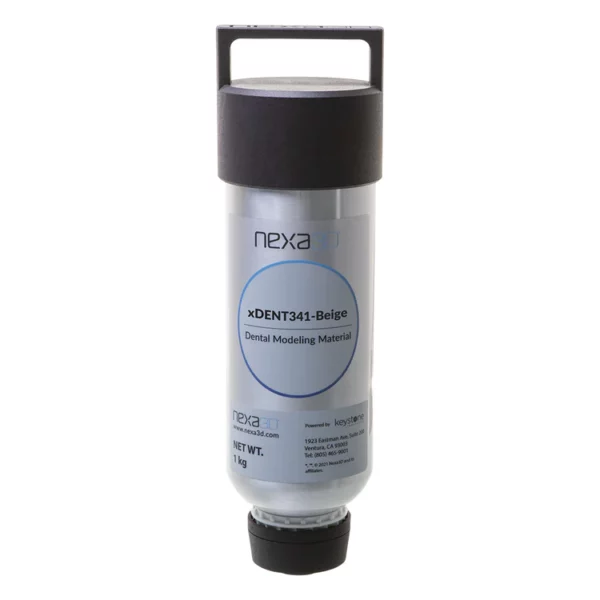
xDENT341-Beige is Nexa3D's precision model resin for LSPc printers — 93% dimensional accuracy at 50 µm deviation, built for removable die models with the margins and contacts crown and bridge work depends on.
- ✓ 93% accuracy at 50 µm — against a dental-industry norm nearer 65%
- ✓ Removable dies that seat and return to position · Shore 84 D keeps margins crisp
- ✓ Traditional beige reads like stone for margin and contact assessment
- ✓ Genuine Nexa3D · 1.5 kg cartridge for XiP · ships in 1–2 business days
In stock
· Ships in 1–2 business days from US stock.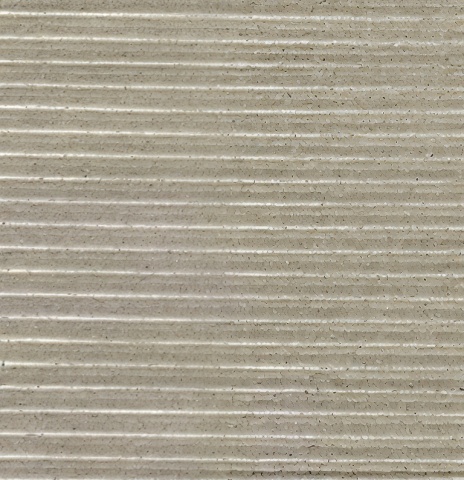
- ✓ Weather- and UV-stable — holds color, gloss, and strength outdoors
- ✓ Ships dry with a lot datasheet + drying and extrusion parameters
- ✓ Lead time: 1–2 business days from L.A. stock — volume & PO on request
In stock
· 1–2 Business Days
High-heat PC pellets qualified for large-format additive manufacturing (LFAM) — high heat deflection, high impact, and dimensional stability for big tooling at pellet cost.
- ✓ High heat deflection and high impact — holds shape where ABS and PET-G soften
- ✓ Ships sealed with a lot datasheet + high-temperature drying and extrusion parameters
- ✓ Lead time: 1–2 business days from L.A. stock — volume & PO on request
In stock
· 1–2 Business Days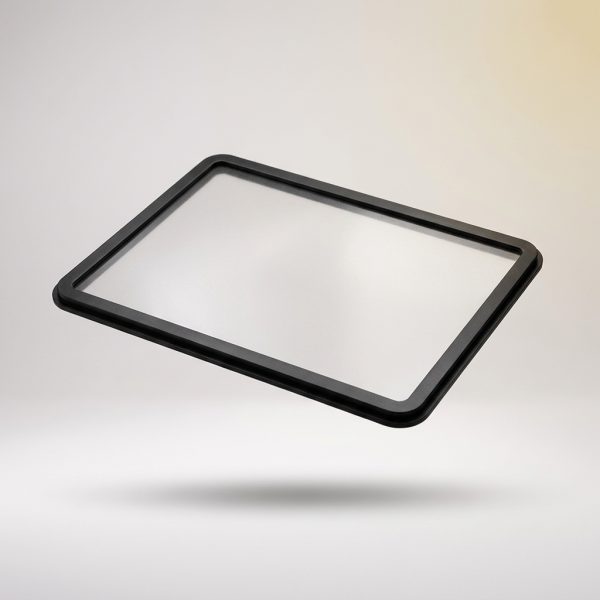
The genuine Nexa3D Everlast-1 membrane keeps your XiP Pro producing consistent parts at industrial volume.
- ✔ Rated 50,000+ layers (~20 L per membrane) — up to 25× the life of standard films
- ✔ Genuine Nexa3D OEM — even resin replenishment for repeatable parts, build after build
- ✔ Ships fast from our Los Angeles warehouse — lead time 5–15 business days
A fresh membrane on schedule is the cheapest insurance against downtime.
In stock
· 5–15 Business Days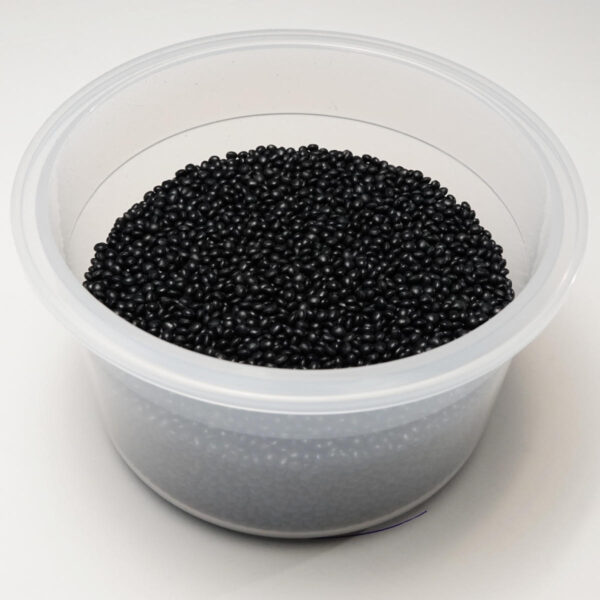
In stock
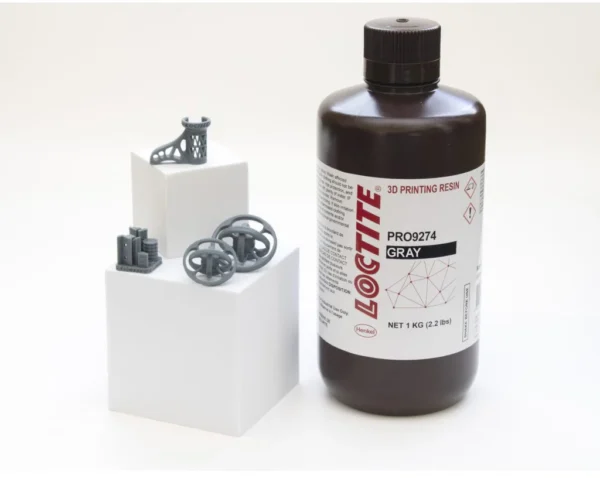
Dark gray resin for durable, high-detail parts. Fast-printing & compatible with DLP/LCD printers.
Availability: confirmed at order. Supplier stock for this line varies — we verify availability and lead time on every order before processing, and offer an equivalent or a full refund if an item cannot be supplied. Cubic Ink equivalents →
Made to order
· Available to order — we confirm the lead time by email within one business day of your order.Common questions
Don't see yours? Email [email protected] — NDA standard, typical reply within 4 hours.
What is this silicone and what printers is it for?
How hard are the printed parts?
What temperatures can the cured silicone withstand?
What does it bond to?
How does it cure?
What can I make with it?
How is it supplied and priced?
Place your order, or talk to an engineer first
Order Sygnis Silicone for Direct Ink Writing (DIW) — Printable Silicone Ink | 20–80 Shore A direct, or talk to materials engineer