
In stock
- Lot datasheet + parameters drying and extrusion settings for your LFAM system
- Dry, sealed packaging shipped ready to run, with a re-dry schedule
Caracol ASA Pellets – UV-Stable Feedstock for Large-Format 3D Printing
- ✓ Weather- and UV-stable — holds color, gloss, and strength outdoors
- ✓ Ships dry with a lot datasheet + drying and extrusion parameters
- ✓ Lead time: 1–2 business days from L.A. stock — volume & PO on request
What your process engineer actually checks
UV and weather stability you can verify
ASA replaces ABS's butadiene phase with an acrylic elastomer, so parts hold color, gloss, and strength through prolonged sun and weather instead of yellowing and cracking. Every lot ships with drying and extrusion parameters, so meter-scale prints stay dimensionally stable — dial the line in once, reorder the same pellet.
A materials engineer on the line
Questions on drying schedules, warpage, recyclate ratios, or glass-fiber content? A materials engineer answers directly — not a contact-form bot. Most replies in under 4 hours, NDA on request.
Caracol ASA is an acrylonitrile styrene acrylate pellet feedstock qualified for Caracol large-format additive manufacturing (LFAM) extruders. It keeps ASA’s defining strengths — UV stability, weather and chemical resistance — at the scale and material cost of pellet extrusion, so outdoor and finished parts hold color, gloss, and dimensions long after standard ABS would chalk and crack. Available unreinforced or glass-fiber reinforced for stiffer, lower-warp large parts.
Why engineers choose Caracol ASA
Four things production teams verify before running ASA on a large-format system.
UV & weather stable
ASA holds color, gloss, and mechanical strength under prolonged sun and weather. Outdoor parts do not yellow, chalk, or embrittle the way ABS does.
Chemical resistance
Resists acids, alkalis, and many solvents — a fit for enclosures, fixtures, and functional parts exposed to fluids and cleaning agents.
Big-part dimensional stability
Every lot ships with recommended drying and extrusion parameters, so meter-scale prints stay dimensionally stable. Dial the line in once, reorder the same pellet.
Glass-fiber option
GF-reinforced ASA raises stiffness and heat deflection and cuts warpage on large flat sections — useful for tooling, molds, and structural fixtures.
How Additive Plus delivers it
Every order ships production-ready — qualified feedstock, parameters, and a datasheet.
Source & qualify
ASA sourced and qualified against Caracol’s extrusion testing so the pellet runs on LFAM systems without a re-development cycle.
Dry & screen
ASA is hygroscopic. We ship it dry and specify a re-dry schedule so moisture does not surface as bubbling or weak layers on big prints.
Verify & document
Each lot ships with a datasheet and recommended drying and extrusion parameters, so you reorder the same behavior — not a new qualification.
Material overview
ASA (acrylonitrile styrene acrylate) is the weather-resistant cousin of ABS. It shares ABS-like printability and mechanical strength but replaces the butadiene phase with an acrylic elastomer, which is what gives ASA its long-term UV and outdoor stability. In pellet form on a large-format extruder, it delivers those properties across meter-scale parts at a fraction of filament cost — the reason it is a common choice for finished outdoor components, design and furniture, and functional tooling.
Technical specifications
Representative ASA properties (unreinforced). Lot-specific values are on the datasheet shipped with every order; glass-fiber grades differ. Confirm exact figures with a materials engineer for design-critical work.
| Property | Typical value |
|---|---|
| Polymer | Acrylonitrile styrene acrylate (ASA) |
| Form | Pellets (granulate) for LFAM/FGF extruders |
| Density | ~1.05 g/cm³ |
| Tensile strength | 40–45 MPa |
| Tensile modulus | 1,900–2,400 MPa |
| Elongation at break | 15–40% |
| Notched Izod impact | 8–13 kJ/m² |
| Heat deflection (HDT, 0.45 MPa) | ~95 °C |
| Extrusion temperature | 230–260 °C |
| Recommended drying | 70–80 °C for 2–4 h before printing |
| Reinforcement | Unreinforced or glass-fiber (GF) on request |
Typical applications
Where large-format ASA earns its place.
Not sure ASA is the right pellet?
Same large-format pellet family — pick the property that matters most.
Need max stiffnessPA6Compare pellet →
Indoor, cost-firstABSCompare pellet →
Why source ASA through Additive Plus
- Qualified feedstock, not a generic bag of pellets — sourced and qualified against Caracol LFAM extrusion, shipped dry with a datasheet and parameters.
- Reorder the same behavior — lot-to-lot consistency so a dialed-in line stays dialed in; no re-qualifying every batch.
- Glass-fiber and custom blends on request — GF grades, recycled content, or color-matched pellets qualified before you commit.
- A materials engineer on the line — drying schedules, warpage, fiber content, and part-environment questions answered directly. Under 4h reply, NDA on request.
| Brand | Caracol |
| Technology | FFF, LFAM |
| Printing Materials | Plastic Pellets |
| Material | ASA |
| Reinforcement | Unfilled |
| Application | Engineering, Jigs & Fixtures, Manufacturing |
Product videos
We qualify GF-reinforced, recycled-content and color-matched ASA pellets against your LFAM extruder before you commit — 2–4 week custom batches.
Other products teams run alongside Caracol ASA Pellets – UV-Stable Feedstock for Large-Format 3D Printing
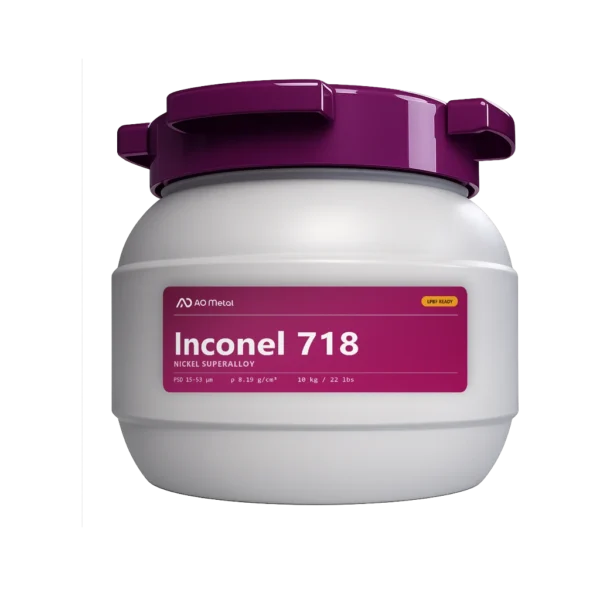
A-Powder Inconel 718 — AO Metal’s LPBF powder line, 15–53 µm, in 10 kg containers.
- Lot certificate of analysis (COA)
Brand: A-Powder by AO Metal
Made to order
· Ships in 6–8 weeks
Made to order
· Express 2–3 wks · Standard 6–8 wks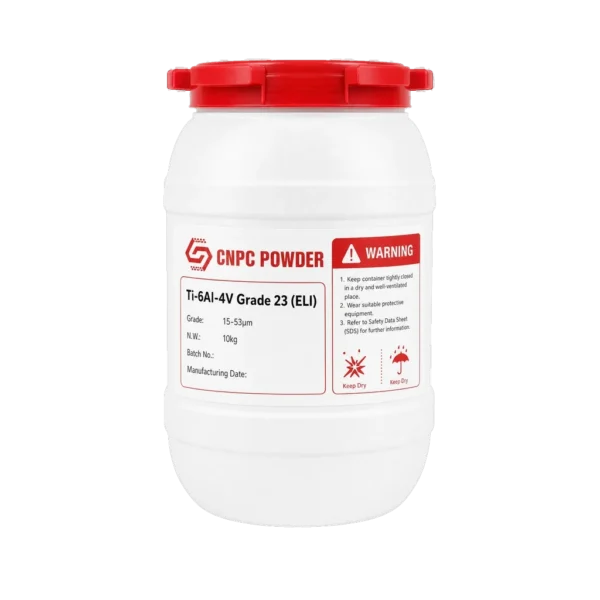
CNPC Ti-6Al-4V Grade 23 ELI powder for LPBF — made by CNPC Powder, argon gas-atomized, 15–53 µm, sold in 10 kg containers.
- 10 kg container · $136/kg · $1,360
- Certificate of analysis (COA) for the lot, on request
- In stock in California — ships within 2 business days
Manufacturer: CNPC Powder · materials engineer on call · order below or talk to an engineer first.
In stock
· In stock in California · ships within 2 business days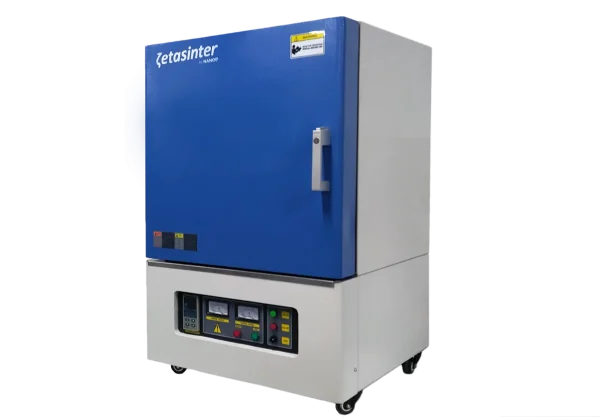
Zetasinter Chamber sinters printed ceramic parts in ambient air, up to 1600 °C.
- ✔ Sinters in ambient air — no gas supply, no atmosphere control to manage
- ✔ 1600 °C maximum: alumina at 1550 °C, white and black zirconia at 1475 °C
- ✔ 250 × 250 × 250 mm chamber takes real parts, not only test pieces
Freight and installation requirements confirmed with you before the order is placed.
Made to order
· Ships from California in 4–8 weeks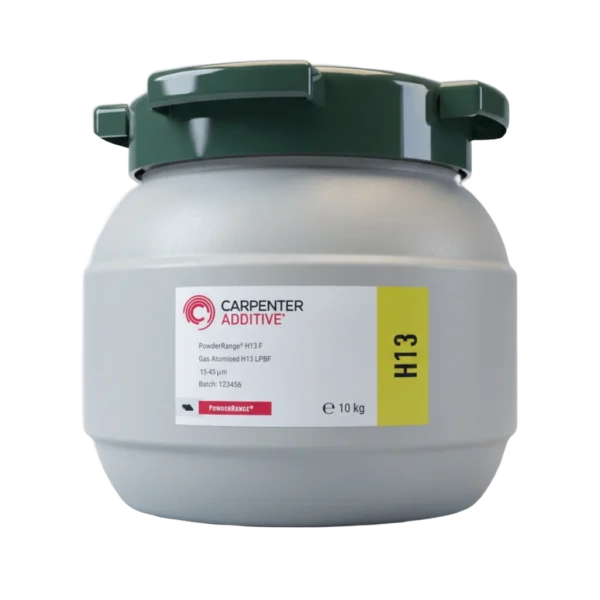
- ✓ High toughness & thermal-fatigue resistance for die-casting tooling
- ✓ Gas-atomized — COA on request
- ✓ Sold in small, workable volumes
In stock
· In US stock · ready to ship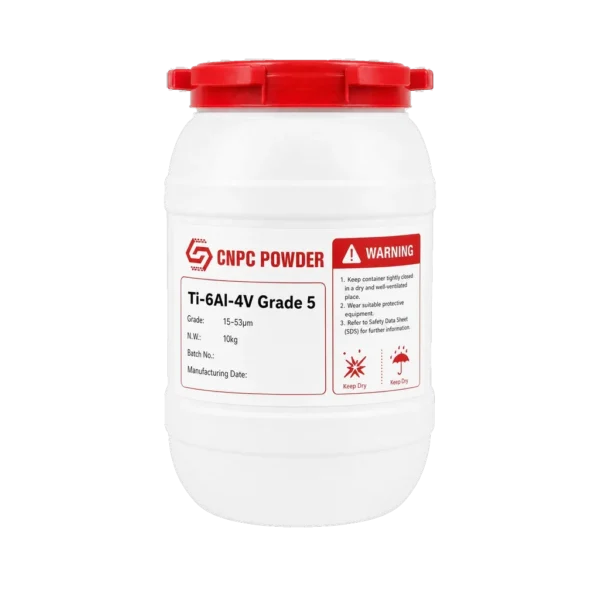
CNPC Ti-6Al-4V Grade 5 powder for LPBF — made by CNPC Powder, 15–53 µm, sold in 10 kg containers.
- 10 kg container · $136/kg · $1,360
- Certificate of analysis (COA) for the lot, on request
- Ship date confirmed by email after you order
Manufacturer: CNPC Powder · materials engineer on call · order below or talk to an engineer first.
Made to order
· Ships in 6–8 weeks
- ✓ Runs hot to 80 °C safely — no peroxide formation
- ✓ For high-temperature and FST resins (e.g. Loctite 3955 HDT280 FST)
- ✓ 18 kg · in stock — ships same day
In stock
· Ships same day from Los Angeles
Print radiofrequency parts directly — no debinding, no sintering. A dielectric filament with permittivity 7.5 and low loss, so antennas, lenses and metasurfaces come off the printer ready to test.
- ✔ Permittivity 7.5 · loss tangent 0.001 · HDT up to 110 °C
- ✔ No debinding, no sintering — prints as a technical polymer, parts up to 80 cm
- ✔ Genuine Zetamix by Nanoe · 500 g spool, vacuum packed · 1.75 mm
In stock
· Ships from California · 10–20 business daysWhat our customers say
“Harry and team were professional, effective communicators as we set up the order, then they executed quickly and produced an amazing product for us at a very competitive price. Am looking forward to our next print w Additive Plus!”
“Great 3D printing service and the resin parts look super smooth and clean. Really happy with how everything turned out!”
“Harry was very professional and helped me out with my 3D printing needs and explained what options I have in terms of filaments such as PEEK. Highly recommended.”
“I needed a 3D enclosure printed urgently in a specific time period, they did great!”
Common questions
Don't see yours? Email [email protected] — NDA on request, typical reply within 4 hours.
Is Caracol ASA a filament or a pellet material?
Why choose ASA over ABS for outdoor parts?
Does Caracol ASA need drying before printing?
Is a glass-fiber reinforced ASA available?
Which systems is Caracol ASA qualified for?
What extrusion temperature and settings does ASA run at?
Can I order a sample before committing to a full order?
Place your order, or talk to an engineer first
Order Caracol ASA Pellets – UV-Stable Feedstock for Large-Format 3D Printing direct, or talk to materials engineer