
In stock

- Lot datasheet + parameters drying and extrusion settings for your LFAM system
- Dry, sealed packaging shipped ready to run, with a re-dry schedule
Caracol ABS Pellets – Cost-Effective Feedstock for Large-Format 3D Printing
Cost-effective ABS pellets qualified for large-format additive manufacturing (LFAM) — stiff, impact-tough parts and tooling at pellet cost, unreinforced or glass-fiber reinforced.
- ✓ Stiff and impact-tough — machines, sands, and paints cleanly for masters and tooling
- ✓ Ships dry with a lot datasheet + drying and extrusion parameters
- ✓ Lead time: 1–2 business days from L.A. stock — volume & PO on request
What your process engineer actually checks
Stiffness and impact you can build big with
ABS balances rigidity with impact toughness and finishes easily — machined, sanded, painted, or vapor-smoothed — so masters and tooling look and perform right. Every lot ships with drying and extrusion parameters, so meter-scale parts stay dimensionally stable and reorders behave the same.
A materials engineer on the line
Questions on drying schedules, warpage, recyclate ratios, or glass-fiber content? A materials engineer answers directly — not a contact-form bot. Most replies in under 4 hours, NDA on request.
Caracol ABS is an acrylonitrile butadiene styrene pellet feedstock qualified for Caracol large-format additive manufacturing (LFAM) extruders. It brings ABS's familiar balance — good stiffness, impact toughness, and an easy machined-and-painted finish — to meter-scale parts at the material cost of pellet extrusion. It is the cost-first workhorse for indoor tooling, masters, and functional prototypes, available unreinforced or glass-fiber reinforced for stiffer, lower-warp large parts.
Why engineers choose Caracol ABS
Four things production teams verify before running ABS on a large-format system.
Stiff and impact-tough
ABS combines rigidity with good impact resistance, so large tooling, jigs, and functional parts hold their shape and survive shop-floor handling.
Easy to finish
Sands, drills, and machines cleanly, takes paint and adhesives, and can be vapor-smoothed — the reason ABS is a favorite for masters and cosmetic parts.
Big-part dimensional stability
Every lot ships with recommended drying and extrusion parameters, so meter-scale prints stay dimensionally stable. Dial the line in once, reorder the same pellet.
Glass-fiber option
GF-reinforced ABS raises stiffness and heat deflection and cuts warpage on large flat sections — useful for tooling, molds, and structural fixtures.
How Additive Plus delivers it
Every order ships production-ready — qualified feedstock, parameters, and a datasheet.
Source & qualify
Acrylonitrile butadiene styrene (ABS) sourced and qualified against Caracol's extrusion testing so the pellet runs on LFAM systems without a re-development cycle.
Dry & screen
ABS picks up some moisture from the air. We ship it dry and specify a re-dry schedule so surface finish stays clean and layers stay strong on big prints.
Verify & document
Each lot ships with a datasheet and recommended drying and extrusion parameters, so you reorder the same behavior — not a new qualification.
Material overview
ABS (acrylonitrile butadiene styrene) is one of the most widely used engineering thermoplastics — valued for its blend of rigidity, impact resistance, and easy post-processing. In pellet form on a large-format extruder it delivers those properties across big parts at a fraction of filament cost, which is why it is a default choice for jigs, fixtures, thermoforming and layup masters, and finished indoor components. ABS is not UV-stable; for outdoor service its weather-resistant cousin ASA is the better pick.
Technical specifications
Representative ABS properties (unreinforced). Lot-specific values are on the datasheet shipped with every order; glass-fiber grades differ. Confirm exact figures with a materials engineer for design-critical work.
| Property | Typical value |
|---|---|
| Polymer | Acrylonitrile butadiene styrene (ABS) |
| Form | Pellets (granulate) for LFAM/FGF extruders |
| Density | ~1.04 g/cm³ |
| Tensile strength | 35–45 MPa |
| Tensile modulus | 1,800–2,300 MPa |
| Elongation at break | 10–25% |
| Notched Izod impact | 10–20 kJ/m² |
| Heat deflection (HDT, 0.45 MPa) | ~95–100 °C |
| Extrusion temperature | 220–250 °C |
| Recommended drying | 70–80 °C for 2–4 h before printing |
| Reinforcement | Unreinforced or glass-fiber (GF) on request |
Typical applications
Where large-format ABS earns its place.
Not sure ABS is the right pellet?
Same large-format pellet family — pick the property that matters most.
Need more heatPCCompare pellet →
Need max stiffnessPA6Compare pellet →
Why source ABS through Additive Plus
- Qualified feedstock, not a generic bag of pellets — sourced and qualified against Caracol LFAM extrusion, shipped dry with a datasheet and parameters.
- Reorder the same behavior — lot-to-lot consistency so a dialed-in line stays dialed in; no re-qualifying every batch.
- Glass-fiber and custom blends on request — GF grades, recycled content, or color-matched pellets qualified before you commit.
- A materials engineer on the line — drying schedules, warpage, fiber content, and finishing questions answered directly. Under 4h reply, NDA on request.
| Brand | Caracol |
| Technology | FFF, LFAM |
| Printing Materials | Plastic Pellets |
| Material | ABS |
| Reinforcement | Unfilled |
| Application | Engineering, Jigs & Fixtures, Manufacturing |
Product videos
We qualify GF-reinforced, recycled-content, and color-matched ABS pellets against your LFAM extruder before you commit — 2–4 week custom batches.
Other products teams run alongside Caracol ABS Pellets – Cost-Effective Feedstock for Large-Format 3D Printing
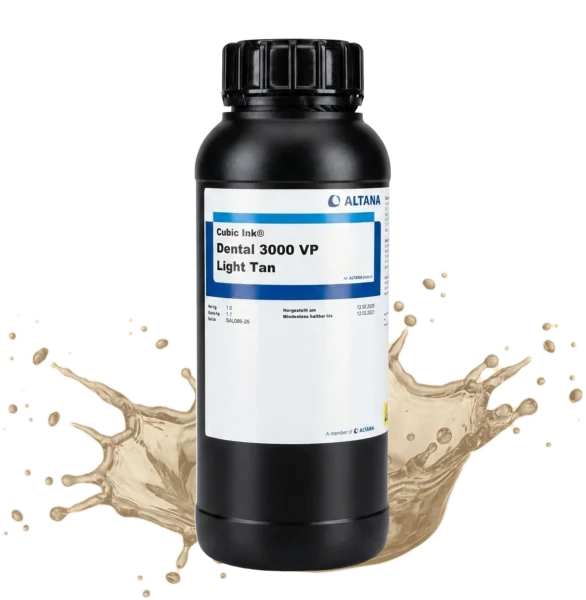
Model material for the dental industry — high-resolution, dimensionally accurate dental models for aligner thermoforming, with excellent printability up to 150 µm layers.
- ✓ High-detail dental models & hollow objects on common DLP/LCD machines
- ✓ Robust post-treatment via temperature & pressure (thermoforming-ready)
- ✓ Cytotoxicity passed (ISO 10993); light tan, custom colors on request
- ✓ 1 kg & 5 kg made in Germany · 200 L drums produced in the USA
Also available in 200 L drums — request a quote.
Made to order
· Ships in 5–10 business days · 200 L drums on request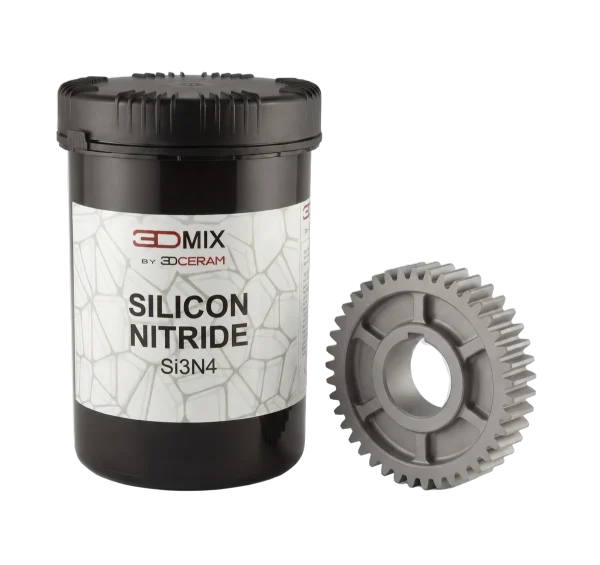
Print silicon nitride (Si₃N₄) parts on 3DCeram's Ceramaker laser-SLA platform, then debind and sinter to one of the hardest, most thermal-shock-resistant ceramics.
- ✓ 881 MPa 4-point bending strength at >97% density, 11 Weibull modulus
- ✓ Thermal-shock resistant with low wettability against molten metal
- ✓ Ceramic SLA paste for the 3DCeram Ceramaker platform — quote-based, mutual NDA before spec review
In stock
· In stock — ships in 1–2 business days. Custom ceramic formulations and larger batches: 2–4 weeks, configured to order.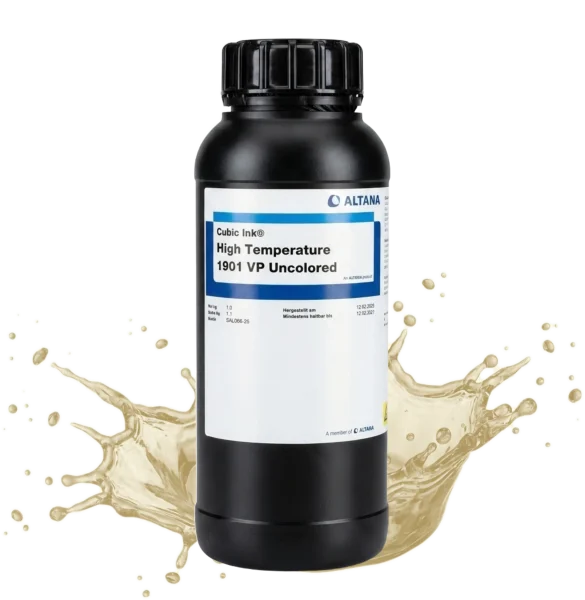
Easy-to-print DLP/LCD/mSLA resin with an HDT-B of 272 °C, superior chemical resistance and — unlike most high-temp resins — real toughness instead of brittleness.
- ✓ HDT-B 272 °C · Tg > 300 °C — holds geometry under sustained heat
- ✓ Tough, not brittle — drill, grind and machine without shattering
- ✓ Superior chemical resistance · cytotoxicity passed (ISO 10993)
- ✓ A similar alternative to Loctite IND147 for the same high-temp applications
Made to order
· Ships in 5–10 business days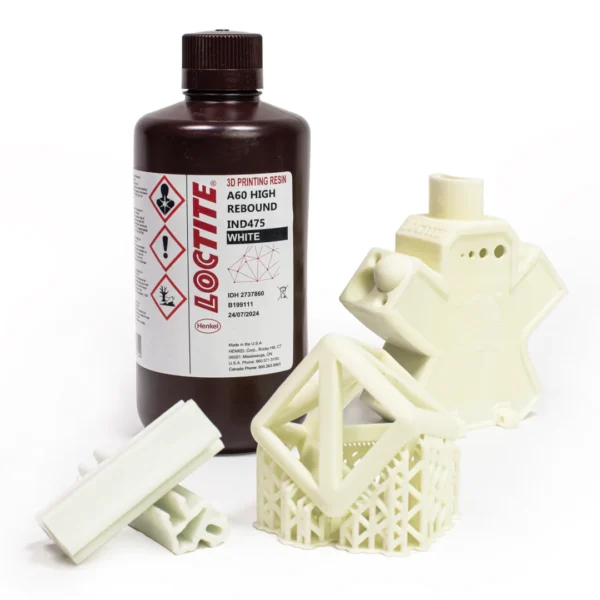
White elastomer resin: High rebound & tear resistance for lattices/prototypes. Easy printing.
Availability: confirmed at order. Supplier stock for this line varies — we verify availability and lead time on every order before processing, and offer an equivalent or a full refund if an item cannot be supplied. Cubic Ink equivalents →
Made to order
· Ships in about 2 weeks — final date confirmed after you order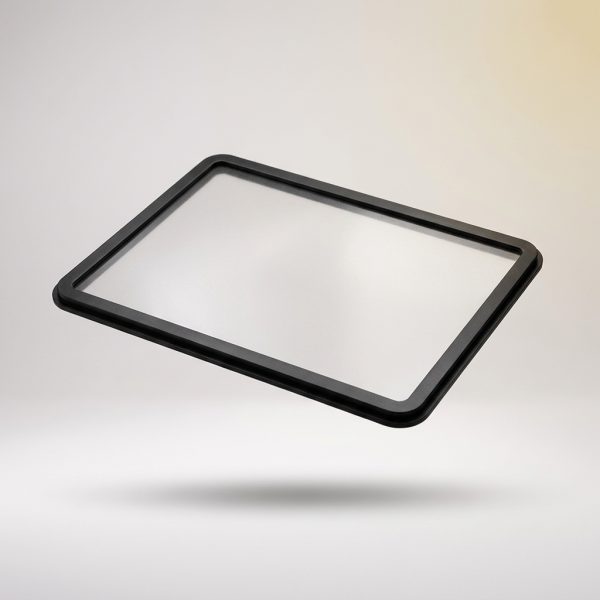
The genuine Nexa3D Everlast-1 membrane keeps your XiP Pro producing consistent parts at industrial volume.
- ✔ Rated 50,000+ layers (~20 L per membrane) — up to 25× the life of standard films
- ✔ Genuine Nexa3D OEM — even resin replenishment for repeatable parts, build after build
- ✔ Ships fast from our Los Angeles warehouse — lead time 5–15 business days
A fresh membrane on schedule is the cheapest insurance against downtime.
In stock
· 5–15 Business Days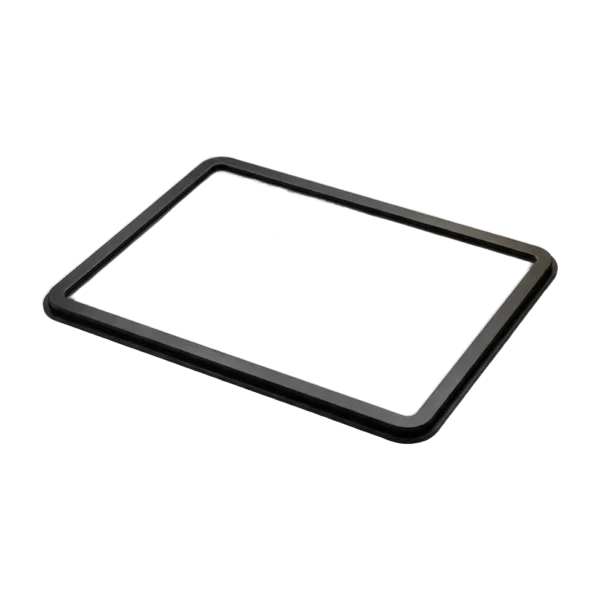
The genuine Nexa3D Everlast-2 membrane keeps your XiP producing clean, consistent parts — print after print.
- ✔ Rated 50,000+ layers (~20 L per membrane) — up to 25× the life of standard films
- ✔ Genuine Nexa3D OEM — second-generation interface for sharp feature definition
- ✔ Ships from our Los Angeles warehouse in 5–15 business days
Order a spare today — a worn membrane shouldn’t cost you a print day.
In stock
· 5–15 Business Days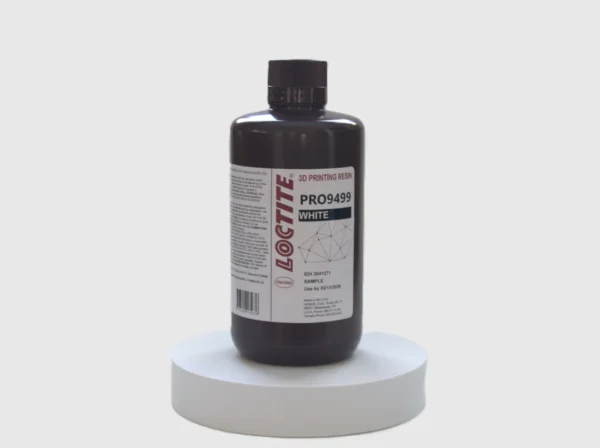
High-res white resin: Sharp details & strong parts. Matte finish for functional prototyping. Low moisture.
Availability: confirmed at order. Supplier stock for this line varies — we verify availability and lead time on every order before processing, and offer an equivalent or a full refund if an item cannot be supplied. Cubic Ink equivalents →
Made to order
· Ships in about 2 weeks — final date confirmed after you order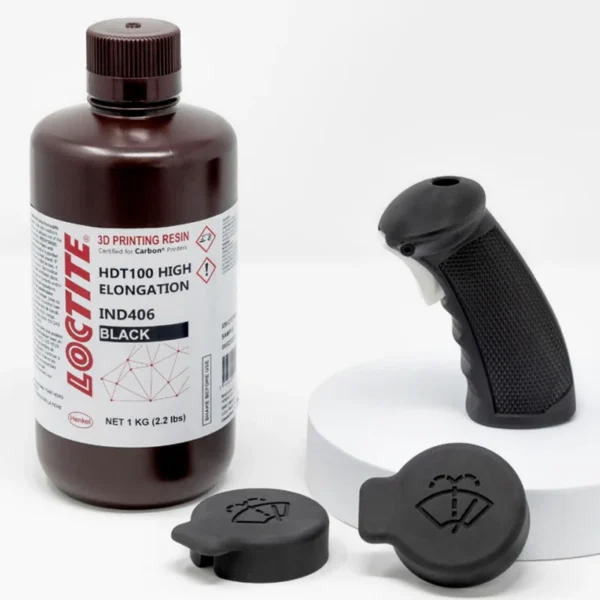
HDT100°C ABS/PP alternative: Tough end-use parts & tooling. High impact/elongation.
Availability: confirmed at order. Supplier stock for this line varies — we verify availability and lead time on every order before processing, and offer an equivalent or a full refund if an item cannot be supplied. Cubic Ink equivalents →
Made to order
· Ships in about 2 weeks — final date confirmed after you orderWhat our customers say
“Harry and team were professional, effective communicators as we set up the order, then they executed quickly and produced an amazing product for us at a very competitive price. Am looking forward to our next print w Additive Plus!”
“Great 3D printing service and the resin parts look super smooth and clean. Really happy with how everything turned out!”
“Harry was very professional and helped me out with my 3D printing needs and explained what options I have in terms of filaments such as PEEK. Highly recommended.”
“I needed a 3D enclosure printed urgently in a specific time period, they did great!”
Common questions
Don't see yours? Email [email protected] — NDA on request, typical reply within 4 hours.
Is Caracol ABS a filament or a pellet material?
When should I choose ABS over ASA or PC?
Does Caracol ABS need drying before printing?
Is a glass-fiber reinforced ABS available?
Which systems is Caracol ABS qualified for?
What extrusion temperature and settings does ABS run at?
Can I order a sample before committing to a full order?
Place your order, or talk to an engineer first
Order Caracol ABS Pellets – Cost-Effective Feedstock for Large-Format 3D Printing direct, or talk to materials engineer