
In stock
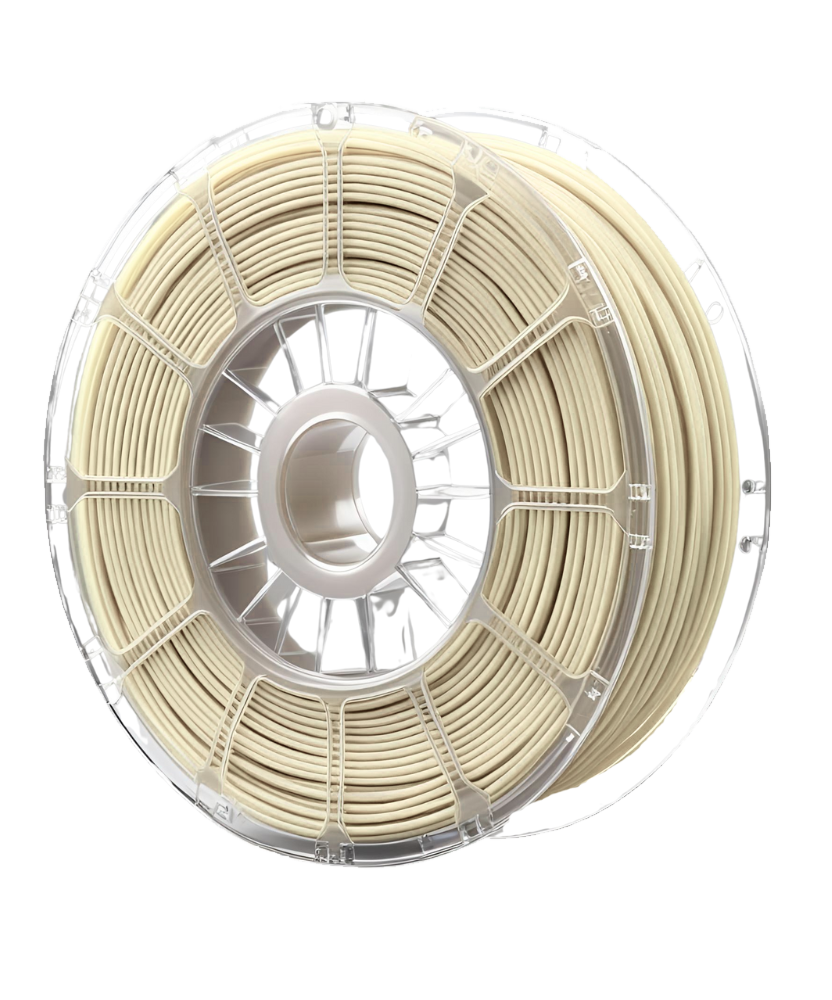
Fila-MAT Alumina 1,75mm
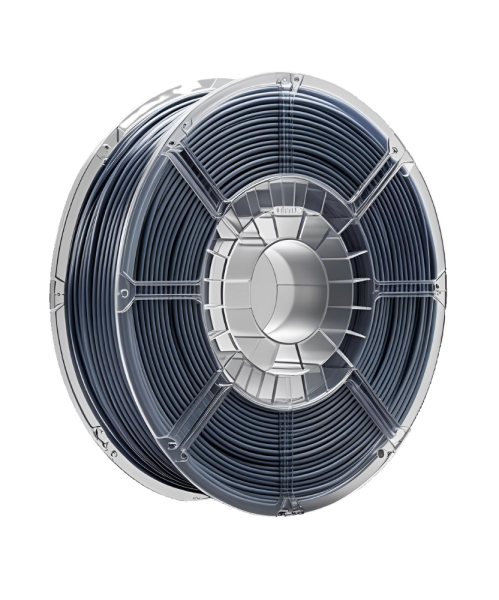
- ✔ 295 MPa average flexural strength, 213 GPa elastic modulus and 3.9 g/cc after solid-state sintering at 1650°C
- ✔ Debind and sinter parameters plus the full datasheet included with every spool
- ✔ 1.75mm ceramic feedstock for the 3DCeram M.A.T. FFF head — mutual NDA before any spec review
What your process engineer actually checks
Third-party mechanical data
295 MPa average flexural strength (3-point bending, 16 samples, ±53 MPa), 213 GPa elastic modulus and 3.9 g/cc density after sintering. You qualify Fila-MAT Alumina against measured numbers, not a filament-vendor estimate.
Debind and sinter parameters included
Every spool ships with 3DCeram's datasheet and the full print, debind and solid-state-sinter cycle (1650°C) for the M.A.T. FFF head, so parts reach target density on the first build instead of after trial-and-error.
A materials engineer on the line
Shrinkage, warpage and sintering questions go to an engineer who has run bound-ceramic FFF — not a ticket queue. Sub-4h reply, mutual NDA on request before any spec review.
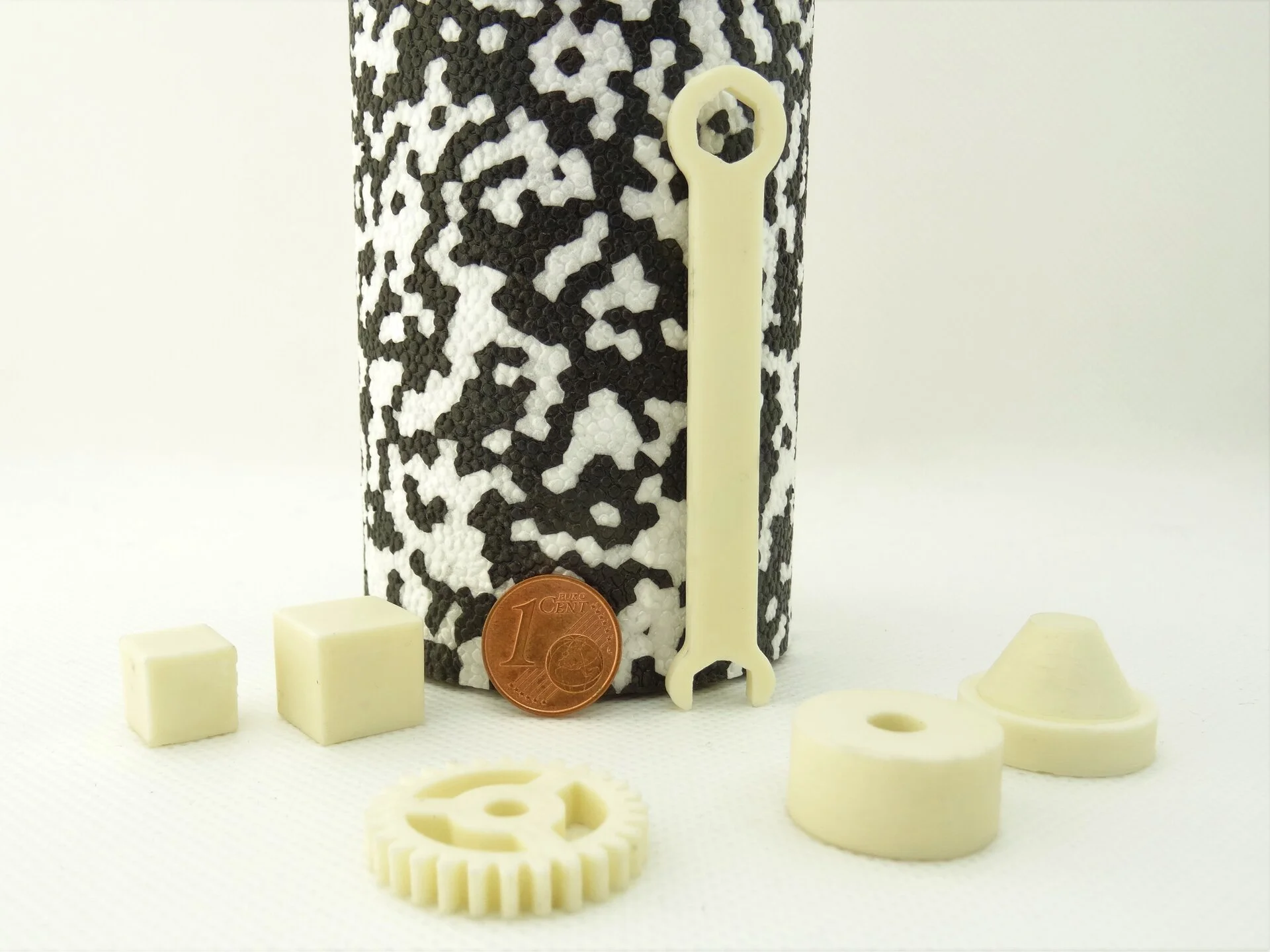
Fila-MAT Alumina is 3DCeram’s ceramic FFF feedstock — 1.75mm filament loaded with alumina (Al₂O₃) for the M.A.T. multi-head extrusion printer. Print the green part on a standard FFF head, then debind and solid-state sinter at 1650°C to a dense technical-ceramic component.
Why engineers choose Fila-MAT Alumina
Four things a process engineer checks before qualifying a ceramic feedstock.
295 MPa flexural strength
Average 3-point-bend flexural strength on sintered specimens — measured technical-ceramic performance, not a filament-vendor estimate.
213 GPa modulus, 3.9 g/cc
Stiff, dense alumina after solid-state sintering — hard, wear- and corrosion-resistant, and electrically insulating.
Tested at ESA’s ESTEC facility
Mechanical data measured with calibrated equipment at the European Space Agency’s technology centre in the Netherlands — third-party test conditions.
Debind & sinter parameters included
Every spool ships with 3DCeram’s datasheet and process parameters for the M.A.T. FFF head, so green parts reach target density predictably.
How the Fila-MAT workflow runs
Print, debind, sinter — the same three-step process behind every Fila-MAT FFF part.
Print on the M.A.T. FFF head
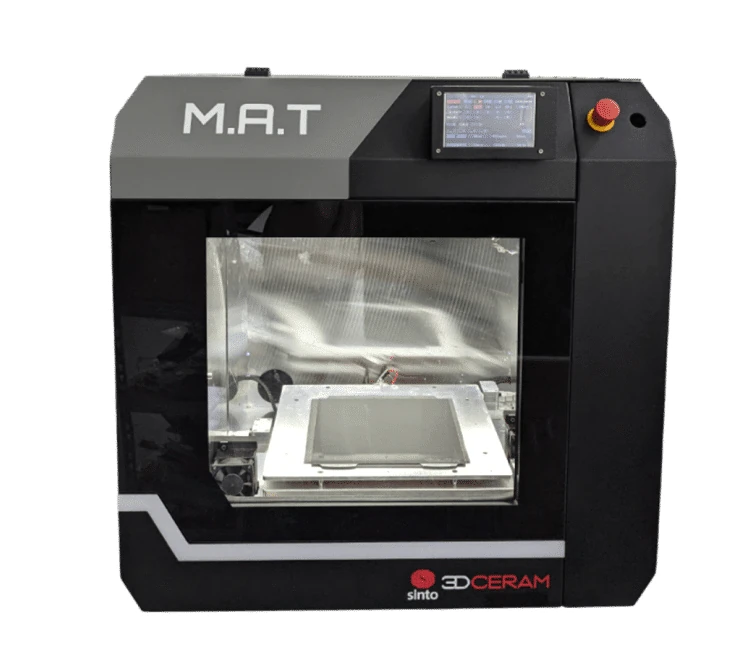
1.75mm feedstock runs on 3DCeram’s M.A.T. printer — max nozzle 270°C, max bed 110°C, with heated filament and print chambers for consistent extrusion.
Debind the binder
Binder-removal parameters ship with every spool’s datasheet, tuned for the alumina feedstock — no trial-and-error on the first batch.
Sinter to dense ceramic
Solid-state sintering at 1650°C consolidates the part to dense Al₂O₃ — hard, inert, and dimensionally stable.
Material properties (post-sinter)
| Property | Value | Standard |
|---|---|---|
| Density | 3.9 g/cc | — |
| Flexural strength (3-point bend) | 295 MPa | — |
| Elastic modulus | 213 GPa | — |
| Sintering temperature | 1650°C | solid-state |
Tested with calibrated equipment at ESA’s ESTEC technology centre, Netherlands. See the full datasheet in Downloads.
Technical specifications
- Material: Alumina (Al₂O₃) technical ceramic, FFF feedstock
- Filament diameter: 1.75mm
- Compatible platform: 3DCeram M.A.T. — FFF head, max nozzle 270°C, max bed 110°C, filament chamber ≤50°C, print chamber ≤50–60°C
- Post-processing required: thermal debind + solid-state sinter to 1650°C — parameters supplied with the datasheet on every order
Typical applications
Where teams run Fila-MAT Alumina today.
Not sure Fila-MAT Alumina is the right fit?
Three reasons teams pick a different feedstock or platform — tap the closest match.
Why source Fila-MAT through Additive Plus
- 3DCeram-qualified feedstock for the M.A.T. FFF head — matched to the machine, not a generic substitute.
- Debind and sinter parameters plus full datasheet included with every order.
- Materials engineer on the line for shrinkage, warpage, and heat-treatment questions — NDA on request.
- Custom alloy or ceramic feedstock sourced and qualified on request, typical lead 3–4 weeks.
| Brand | 3DCeram |
| Printing Materials | Ceramic Filaments |
| Technology | FFF |
| Material | Alumina (Al2O3) |
| Application | Composite Tooling, Engineering, Jigs & Fixtures, Manufacturing |
Product videos
Complete the workflow
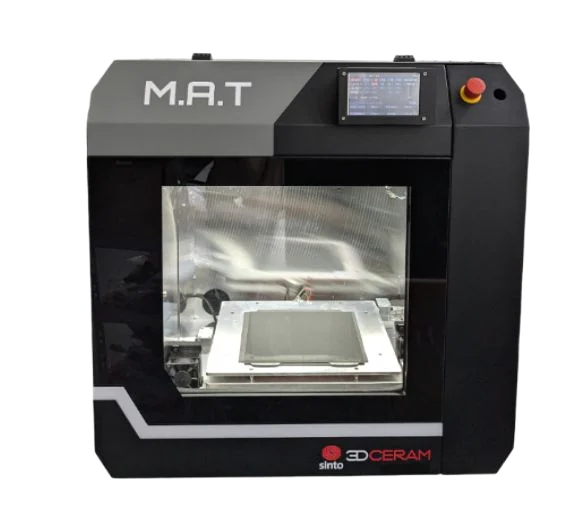
Metal & technical ceramics, printed by extrusion — even silicon carbide.
- FFF · pellet · paste + 3-axis CNC in one machine
- No laser, no loose powder — lab-safe, single-phase
- Official 3DCeram US representative · 12-mo warranty
From $63,000 · Core: FFF + CNC (add Pellet/Paste heads) · made to order, ~3-month build · leasing available
Request a quote Installation and commissioning in the USA: facility and gas planning, start-up and operator training by our US service team.
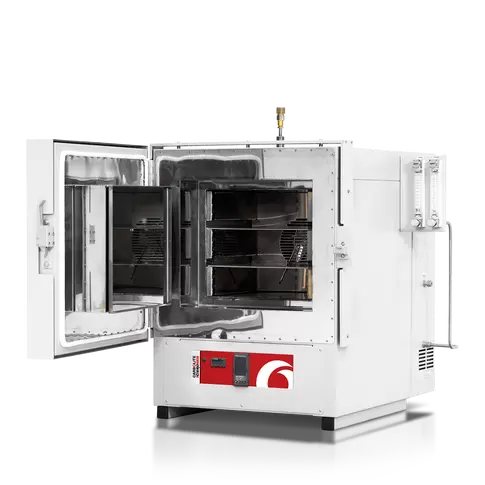
Controlled atmosphere oven for metal AM post-processing and materials research — 400–700°C max (4 grades), 28–1,000 L chambers (5 sizes), O₂ down to 50 ppm with N₂/Ar purge. Seam-welded gas-tight chamber built as an atmosphere unit from the ground up.
- ✓ O₂ down to 50 ppm — atmosphere-controlled heat treatment without vacuum-furnace cost
- ✓ 17 configurations in one family — 28 L lab to 1,000 L production, same gas architecture
- ✓ Seam-welded gas-tight chamber — purpose-built, not a retort-converted standard oven
- ✓ Configured to order — request lead time; install, training & cycle validation included
- ✓ ESA/ESTEC-verified: 423 MPa flexural strength, 82 W/m-K thermal conductivity
- ✓ Solid-state sintered to 2100°C — dense, chemically inert, no powder bed
- ✓ Qualified for the 3DCeram M.A.T. platform — quote-based pricing, request a quote
Other products teams run alongside Fila-MAT Alumina 1,75mm
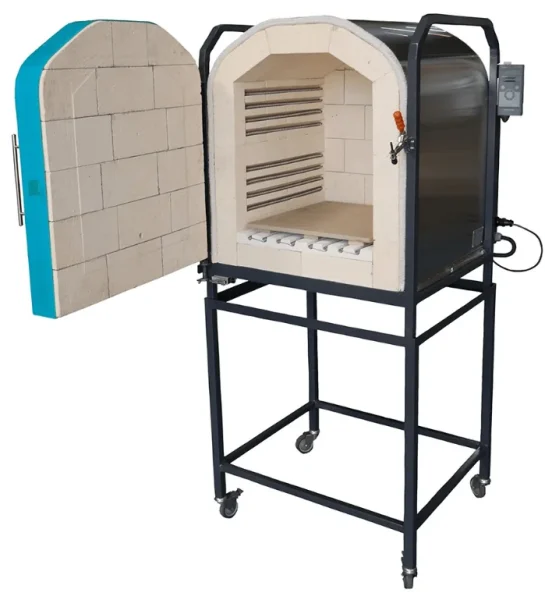
Zetasinter Porcelain is an electric oven for firing printed porcelain pieces.
- ✔ 54 litres — fire multiple pieces in a single run
- ✔ Fully configurable temperature programmer with several heating modes
- ✔ Runs on 230 V at 4.5 kW, light enough at 95 kg for a normal workshop
Freight and installation requirements confirmed with you before the order is placed.
Made to order
· Ships from California in 4–8 weeks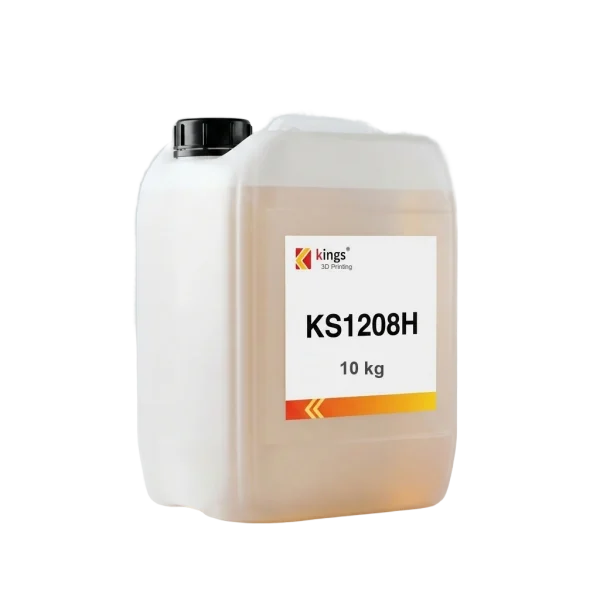
Low-viscosity, semi-translucent laser-SLA resin with a 135 °C glass transition — built for prototypes and quick molds that must hold their shape under heat.
- ✓ Tg 135 °C · 87 Shore D · 65 MPa tensile · 110 MPa flexural
- ✓ 340 cps low-viscosity · 0.08–0.12 mm layers on Kings industrial SLA (355 nm)
- ✓ In stock — ships in 1–2 business days from our Los Angeles warehouse
In stock
· In stock — ships in 1–2 business days from our Los Angeles warehouse.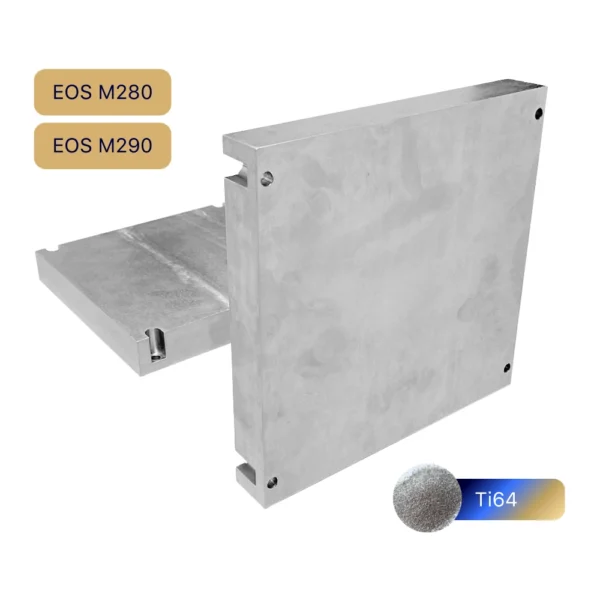
Request a custom quote — we manufacture precision build plates for most metal AM systems.
Made to order
· Express 2–3 wks · Standard 6–8 wks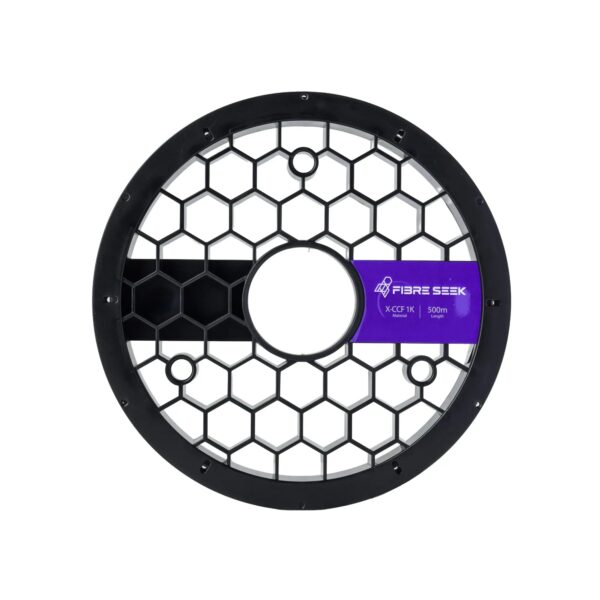
- 1K continuous carbon fiber engineered for FibreSeeker 3 co-extrusion
- ~60% fiber volume fraction, tensile strength up to 900 MPa
- Continuous load paths for strong, lightweight structural parts
In stock
· In stock · ships from the US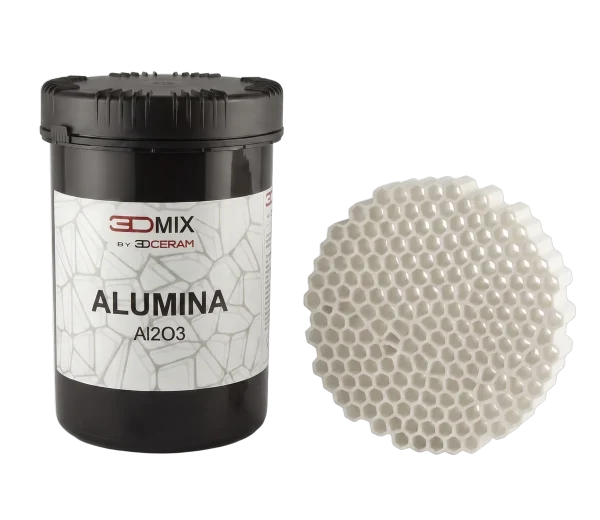
Print dense alumina (Al₂O₃) parts on 3DCeram's Ceramaker laser-SLA platform, then debind and sinter to a hard, electrically insulating technical ceramic.
- ✓ 397 MPa 4-point bending strength at >3.9 g/cc, 16.4 GPa Vickers hardness after sintering
- ✓ Debind and sinter parameters plus the full datasheet included with every order
- ✓ Ceramic SLA paste for the 3DCeram Ceramaker platform — quote-based, mutual NDA before spec review
In stock
· In stock — ships in 1–2 business days. Custom ceramic formulations and larger batches: 2–4 weeks, configured to order.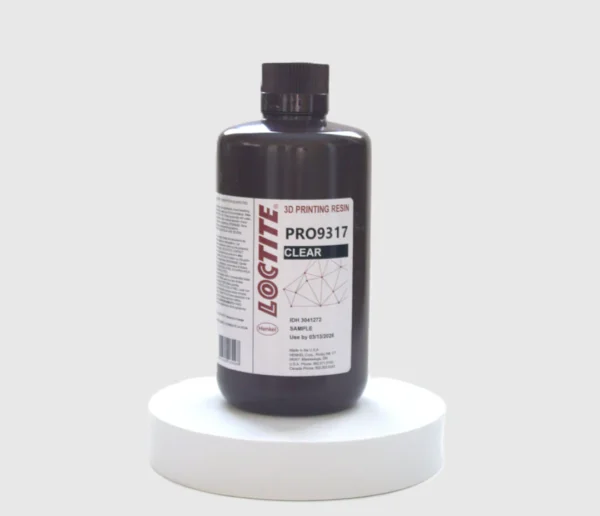
Crystal-clear resin for precision parts. Low viscosity = effortless flow & void-free prints.
Availability: confirmed at order. Supplier stock for this line varies — we verify availability and lead time on every order before processing, and offer an equivalent or a full refund if an item cannot be supplied. Cubic Ink equivalents →
Made to order
· Ships in about 2 weeks — final date confirmed after you order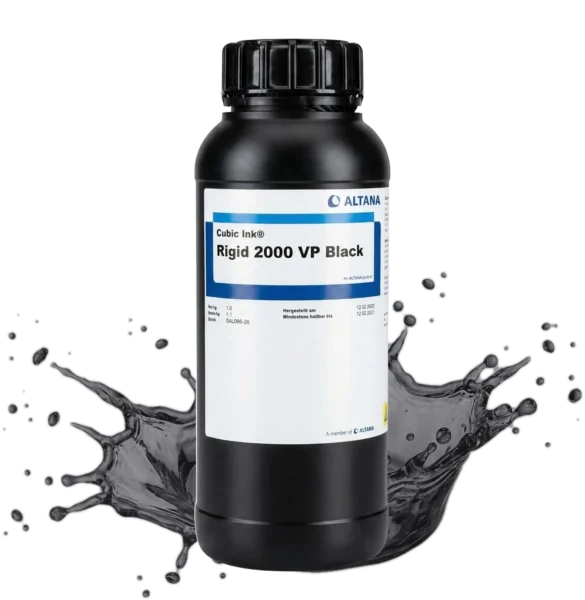
Easy-to-print all-round industrial resin with excellent rigidity, an HDT of 122 °C and outstanding chemical resistance — for functional prototypes and demanding industrial parts.
- ✓ 92 MPa tensile · 3600 MPa modulus · HDT-B 122 °C — stiff and heat-stable
- ✓ Outstanding chemical resistance (<1% mass gain) & 0.3% water uptake
- ✓ Post-machinable (drill, grind); long-term thermal stability
- ✓ A cost-effective alternative to Loctite IND249 High Temp
Made to order
· Ships in 5–10 business days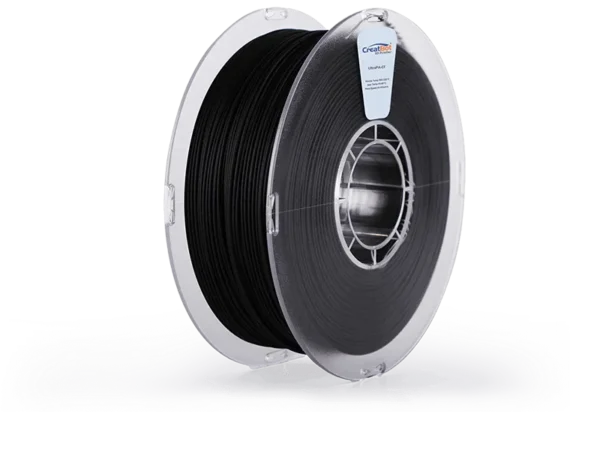
Carbon-fiber-reinforced high-temperature nylon filament for FDM 3D printing — the strongest, stiffest, most heat-resistant material in the CreatBot range (125 MPa tensile, 8512 MPa flexural modulus, 188°C glass transition), for demanding structural and end-use parts.
- ✓ ±0.02mm diameter tolerance — consistent extrusion, low jam risk
- ✓ Validated CreatBot F430 print profile + datasheet included
- ✓ In stock, ships in 1–2 business days
In stock
What our customers say
“Harry and team were professional, effective communicators as we set up the order, then they executed quickly and produced an amazing product for us at a very competitive price. Am looking forward to our next print w Additive Plus!”
“Great 3D printing service and the resin parts look super smooth and clean. Really happy with how everything turned out!”
“Harry was very professional and helped me out with my 3D printing needs and explained what options I have in terms of filaments such as PEEK. Highly recommended.”
“I needed a 3D enclosure printed urgently in a specific time period, they did great!”
Common questions
Don't see yours? Email [email protected] — NDA on request, typical reply within 4 hours.
What is Fila-MAT Alumina and how does it produce ceramic parts?
Which printer is Fila-MAT Alumina compatible with?
What post-processing does Fila-MAT Alumina require?
What mechanical properties can I expect after sintering?
How much does a Fila-MAT Alumina part shrink during debinding and sintering?
What applications is Fila-MAT Alumina suited to?
Place your order, or talk to an engineer first
Order Fila-MAT Alumina 1,75mm direct, or talk to materials engineer