
In stock
- ESA/ESTEC-verified datasheet included with every quote
- Debind/sinter parameter guidance from our materials engineer
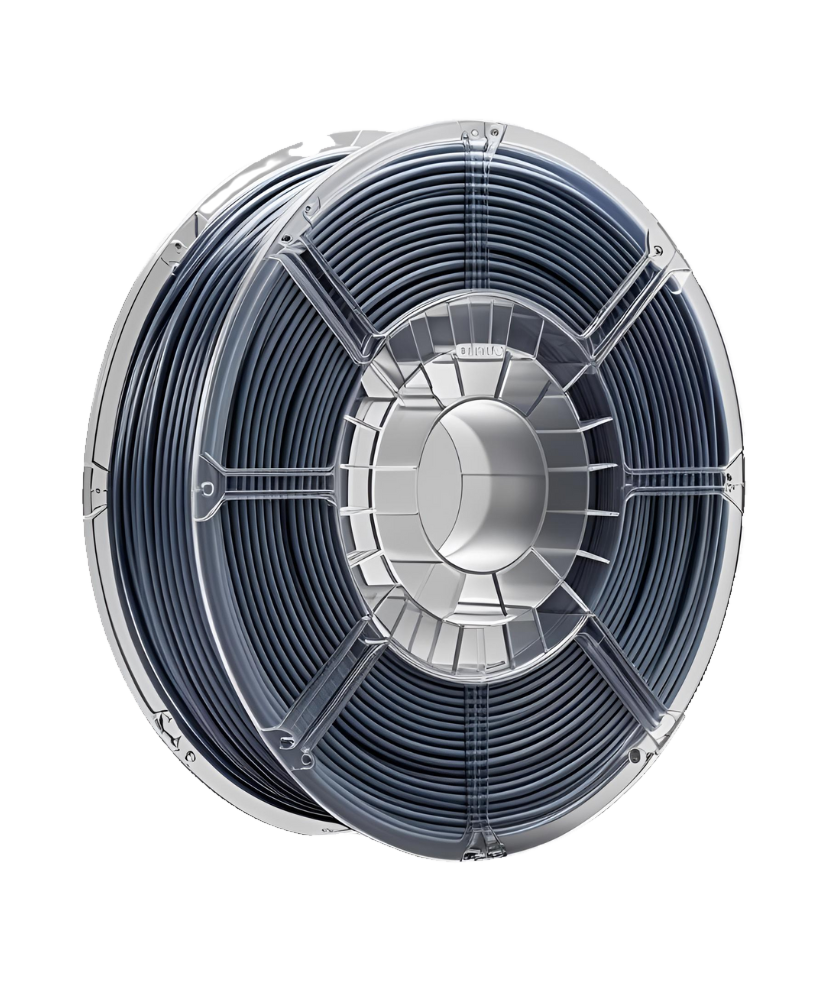
Fila-MAT Silicon Carbide (SiC) Ceramic Filament 1.75mm – FFF for 3DCeram M.A.T.
- ✓ ESA/ESTEC-verified: 423 MPa flexural strength, 82 W/m-K thermal conductivity
- ✓ Solid-state sintered to 2100°C — dense, chemically inert, no powder bed
- ✓ Qualified for the 3DCeram M.A.T. platform — quote-based pricing, request a quote
What your process engineer actually checks
ESA/ESTEC-verified performance, not a spec sheet promise
Flexural strength, thermal conductivity, and CTE for this SiC filament were measured at ESA's technology centre (ESTEC) in the Netherlands under calibrated test equipment — 14 samples for flexural data alone. You get the same numbers we'd hand an auditor.
A materials engineer on the line
Questions about debind/sinter schedule, chamber atmosphere, or M.A.T. print parameters? Our materials engineers have run this filament in-house. Sub-4h reply, NDA on request.
Fila-MAT Silicon Carbide is 3DCeram’s ceramic FFF feedstock — 1.75mm filament loaded with silicon carbide (SiC) for the M.A.T. multi-head extrusion printer. Print the green part on a standard FFF head, then debind and solid-state sinter at 2100°C to a dense, chemically inert, high-temperature ceramic component.

Why engineers choose Fila-MAT Silicon Carbide
Four things a process engineer checks before qualifying a ceramic feedstock.
423 MPa flexural strength
Average 3-point-bend flexural strength (±67 MPa across 14 samples) on sintered specimens — full spread reported, not a best case.
82 W/m-K thermal conductivity
Thermal conductivity at 20°C measured on sintered parts. Elastic modulus 248 GPa, density 3.11 g/cc.
Tested at ESA’s ESTEC facility
Property data measured with calibrated equipment at the European Space Agency’s technology centre in the Netherlands — third-party test conditions.
Debind & sinter parameters included
Every spool ships with 3DCeram’s datasheet and process parameters for the M.A.T. FFF head, so green parts reach target density predictably.
How the Fila-MAT workflow runs
Print, debind, sinter — the same three-step process behind every Fila-MAT FFF part.
Print on the M.A.T. FFF head
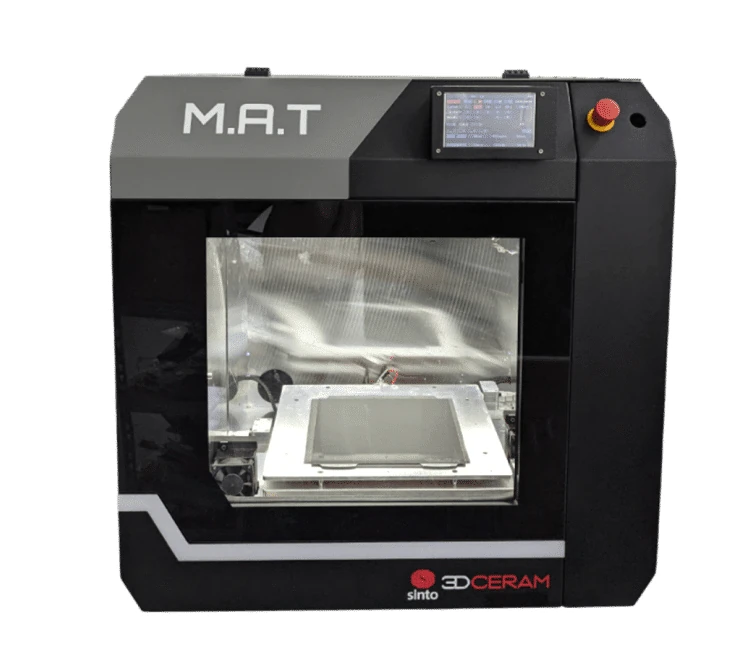
1.75mm feedstock runs on 3DCeram’s M.A.T. printer — max nozzle 270°C, max bed 110°C, with heated filament and print chambers for consistent extrusion.
Debind the binder
Binder-removal parameters ship with every spool’s datasheet, tuned for the silicon carbide feedstock — no trial-and-error on the first batch.
Sinter to dense ceramic
Solid-state sintering at 2100°C consolidates the part to dense, chemically inert silicon carbide — no melt phase, no powder bed.
Material properties (post-sinter)
| Property | Value | Standard |
|---|---|---|
| Density | 3.11 g/cc | — |
| Flexural strength (3-point bend) | 423 MPa (±67 MPa) | — |
| Elastic modulus | 248 GPa | — |
| Thermal conductivity (20°C) | 82 W/m-K | — |
| CTE (−130 to +399°C) | 2.9 ppm/°C | — |
| Sintering temperature | 2100°C | solid-state |
Tested with calibrated equipment at ESA’s ESTEC technology centre, Netherlands. See the full datasheet in Downloads.
Thermal diffusivity — ESA/ESTEC test data
Thermal diffusivity measured across a cryogenic-to-ambient range at ESA’s technology centre (ESTEC) in the Netherlands, with calibrated equipment.
| Temperature (°C) | Diffusivity, α (mm²/s) |
|---|---|
| −99.7 | 73.859 |
| −75.3 | 65.278 |
| −50.6 | 57.079 |
| −25.3 | 49.534 |
| +23.6 | 39.24 |
| +49.9 | 35.156 |
| +100.7 | 28.842 |
Technical specifications
- Material: Silicon carbide (SiC) technical ceramic, FFF feedstock
- Filament diameter: 1.75mm
- Compatible platform: 3DCeram M.A.T. — FFF head, max nozzle 270°C, max bed 110°C, filament chamber ≤50°C, print chamber ≤50–60°C
- Post-processing required: thermal debind + solid-state sinter to 2100°C — parameters supplied with the datasheet on every order
Typical applications
Where teams run Fila-MAT Silicon Carbide today.
Not sure Fila-MAT Silicon Carbide is the right fit?
Three reasons teams pick a different feedstock or platform — tap the closest match.
Why source Fila-MAT through Additive Plus
- 3DCeram-qualified feedstock for the M.A.T. FFF head — matched to the machine, not a generic substitute.
- Debind and sinter parameters plus full datasheet included with every order.
- Materials engineer on the line for shrinkage, warpage, and heat-treatment questions — NDA on request.
- Custom alloy or ceramic feedstock sourced and qualified on request, typical lead 3–4 weeks.
| Brand | 3DCeram |
| Printing Materials | Ceramic Filaments |
| Technology | FFF |
| Material | Silicon Carbide (SiC) |
| Application | Composite Tooling, Engineering, Jigs & Fixtures, Manufacturing |
Product videos
Custom chemistries 2–4 week turnaroundM.A.T.-qualified
We work directly with Nanoe and 3DCeram to source and qualify additional ceramic grades and custom debind/sinter profiles for the M.A.T. platform.
Other products teams run alongside Fila-MAT Silicon Carbide (SiC) Ceramic Filament 1.75mm – FFF for 3DCeram M.A.T.
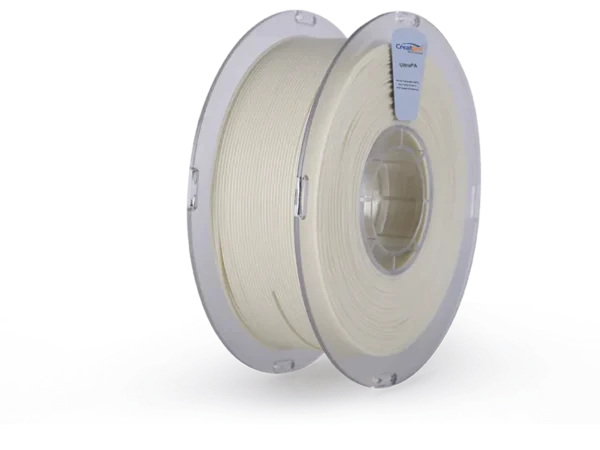
High-temperature nylon (PA) filament for FDM 3D printing — tough, wear- and chemical-resistant, with 133 MPa flexural strength and heat tolerance well beyond ABS, for functional gears, brackets, and end-use engineering parts.
- ✓ ±0.02mm diameter tolerance — consistent extrusion, low jam risk
- ✓ Validated CreatBot F430 print profile + datasheet included
- ✓ In stock, ships in 1–2 business days
In stock
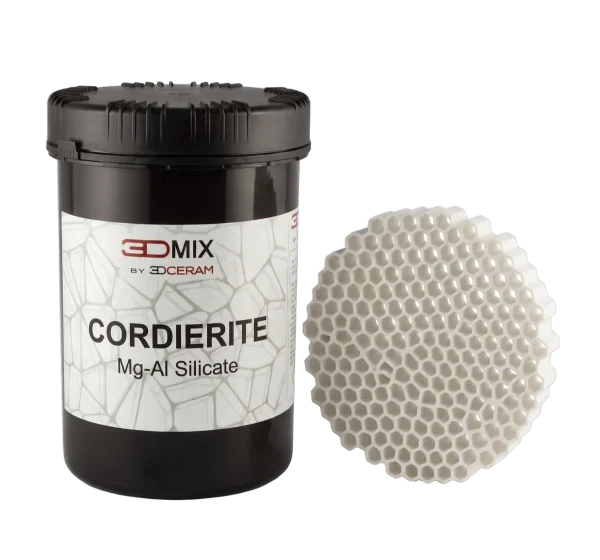
Print near-zero-expansion cordierite parts on 3DCeram's Ceramaker laser-SLA platform, then debind and sinter to a dimensionally stable oxide ceramic.
- ✓ Coefficient of thermal expansion near zero — dimensional stability through thermal cycling
- ✓ Aerospace optics, metrology and vacuum hardware; >98% dense after sintering
- ✓ Ceramic SLA paste for the 3DCeram Ceramaker platform — quote-based, mutual NDA before spec review
In stock
· In stock — ships in 1–2 business days. Custom ceramic formulations and larger batches: 2–4 weeks, configured to order.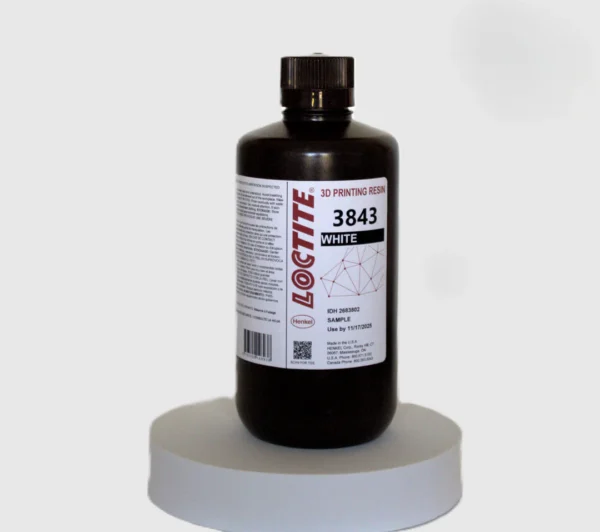
Semi-flex matte black resin (HDT60): no post-cure needed for impact-resistant jigs & fixtures
Availability: confirmed at order. Supplier stock for this line varies — we verify availability and lead time on every order before processing, and offer an equivalent or a full refund if an item cannot be supplied. Cubic Ink equivalents →
Made to order
· Ships in about 2 weeks — final date confirmed after you order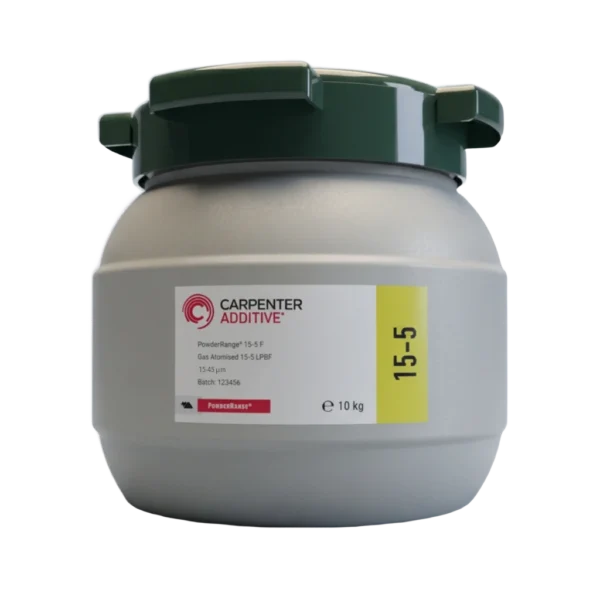
High strength. Cleaner properties. Heat-treatable. Genuine Carpenter PowderRange® 15-5 (15-5PH) precipitation-hardening stainless steel for LPBF metal 3D printing.
- ✓ Gas-atomized, low-oxygen — COA on request
- ✓ Sold in small, workable volumes — no large mill minimums
- ✓ In US stock — ready to ship
In stock
· In US stock · ready to ship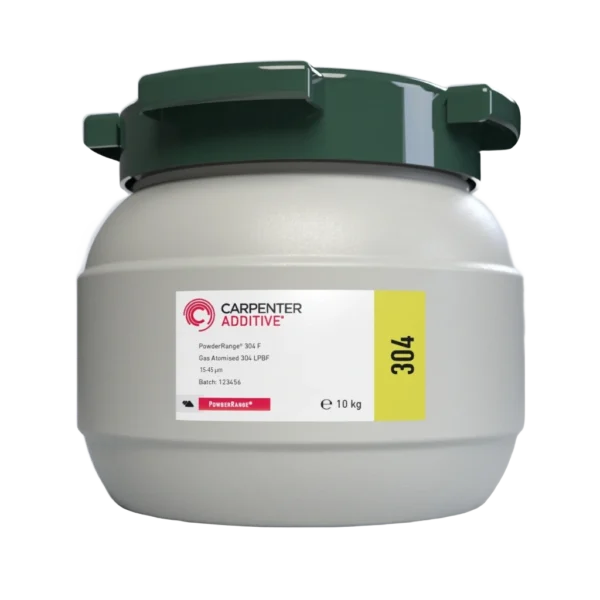
Versatile. Weldable. Cost-effective. Genuine Carpenter PowderRange® 304 / 304L austenitic stainless steel for LPBF & EBM metal 3D printing.
- ✓ Gas-atomized, low-oxygen — COA on request
- ✓ Sold in small, workable volumes — no large mill minimums
- ✓ In US stock — ready to ship
In stock
· In US stock · ready to ship
Made to order
· Express 2–3 wks · Standard 6–8 wks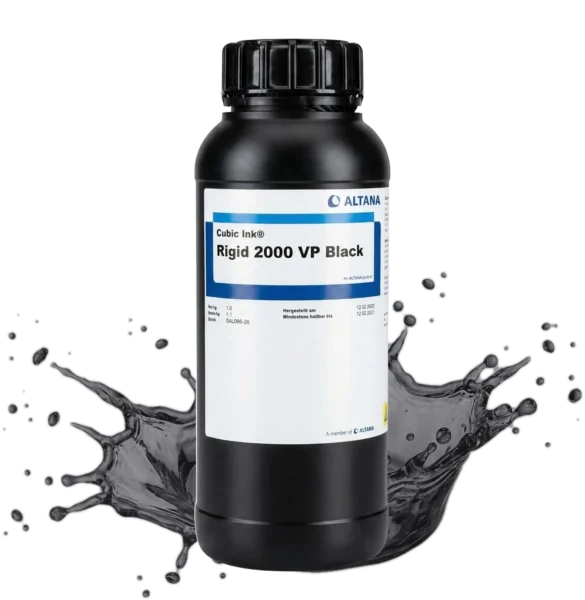
Easy-to-print all-round industrial resin with excellent rigidity, an HDT of 122 °C and outstanding chemical resistance — for functional prototypes and demanding industrial parts.
- ✓ 92 MPa tensile · 3600 MPa modulus · HDT-B 122 °C — stiff and heat-stable
- ✓ Outstanding chemical resistance (<1% mass gain) & 0.3% water uptake
- ✓ Post-machinable (drill, grind); long-term thermal stability
- ✓ A cost-effective alternative to Loctite IND249 High Temp
Made to order
· Ships in 5–10 business days
- ✓ Weather- and UV-stable — holds color, gloss, and strength outdoors
- ✓ Ships dry with a lot datasheet + drying and extrusion parameters
- ✓ Lead time: 1–2 business days from L.A. stock — volume & PO on request
In stock
· 1–2 Business DaysWhat our customers say
“Harry and team were professional, effective communicators as we set up the order, then they executed quickly and produced an amazing product for us at a very competitive price. Am looking forward to our next print w Additive Plus!”
“Great 3D printing service and the resin parts look super smooth and clean. Really happy with how everything turned out!”
“Harry was very professional and helped me out with my 3D printing needs and explained what options I have in terms of filaments such as PEEK. Highly recommended.”
“I needed a 3D enclosure printed urgently in a specific time period, they did great!”
Common questions
Don't see yours? Email [email protected] — NDA on request, typical reply within 4 hours.
What is Fila-MAT Silicon Carbide filament and how is it different from a raw SiC ceramic?
Is Fila-MAT Silicon Carbide compatible with any FFF printer, or only the 3DCeram M.A.T.?
What sintering temperature and process does this filament require?
What mechanical and thermal properties does the sintered part achieve?
How was the thermal and mechanical performance data validated?
What shrinkage should I plan for between the printed part and the final sintered part?
Is pricing available online, or does Fila-MAT Silicon Carbide require a quote?
Can Additive Plus help with debind and sinter parameters for this material?
Place your order, or talk to an engineer first
Order Fila-MAT Silicon Carbide (SiC) Ceramic Filament 1.75mm – FFF for 3DCeram M.A.T. direct, or talk to materials engineer