
In stock
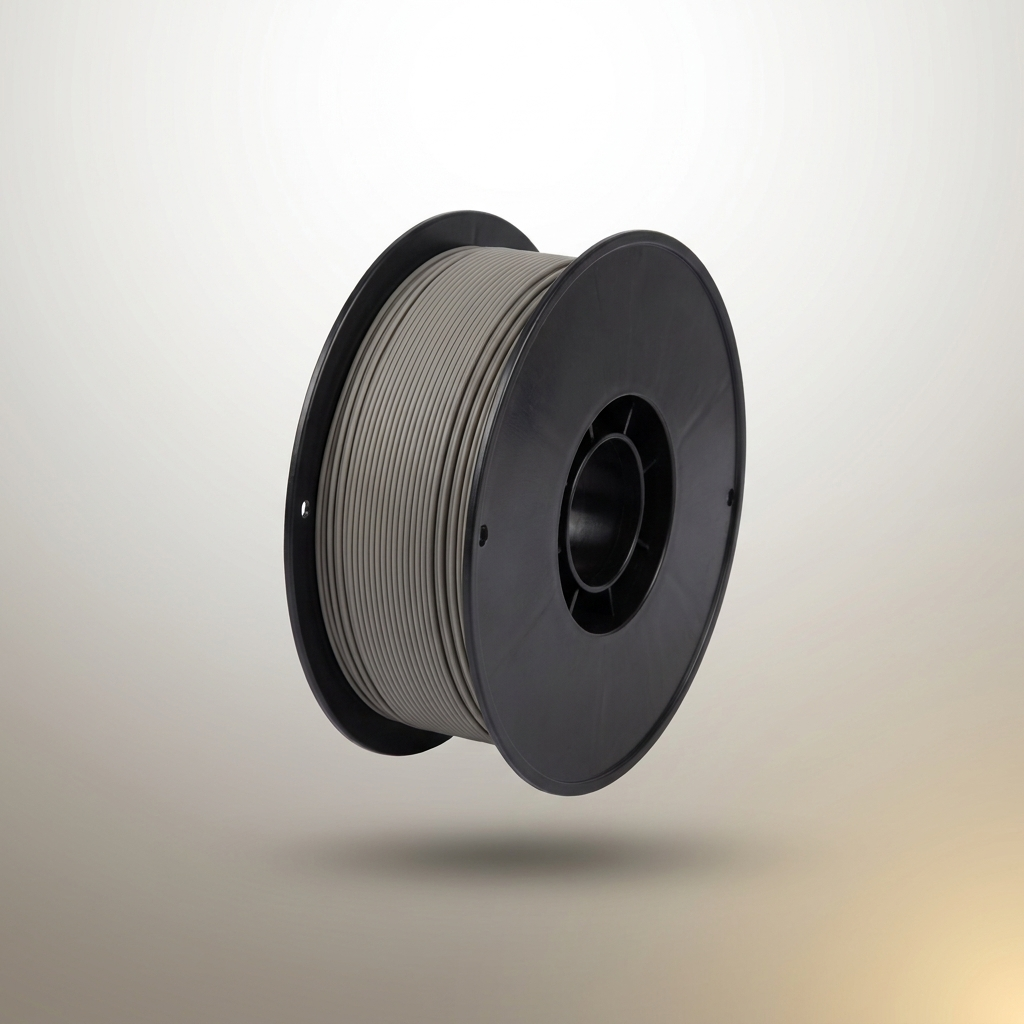
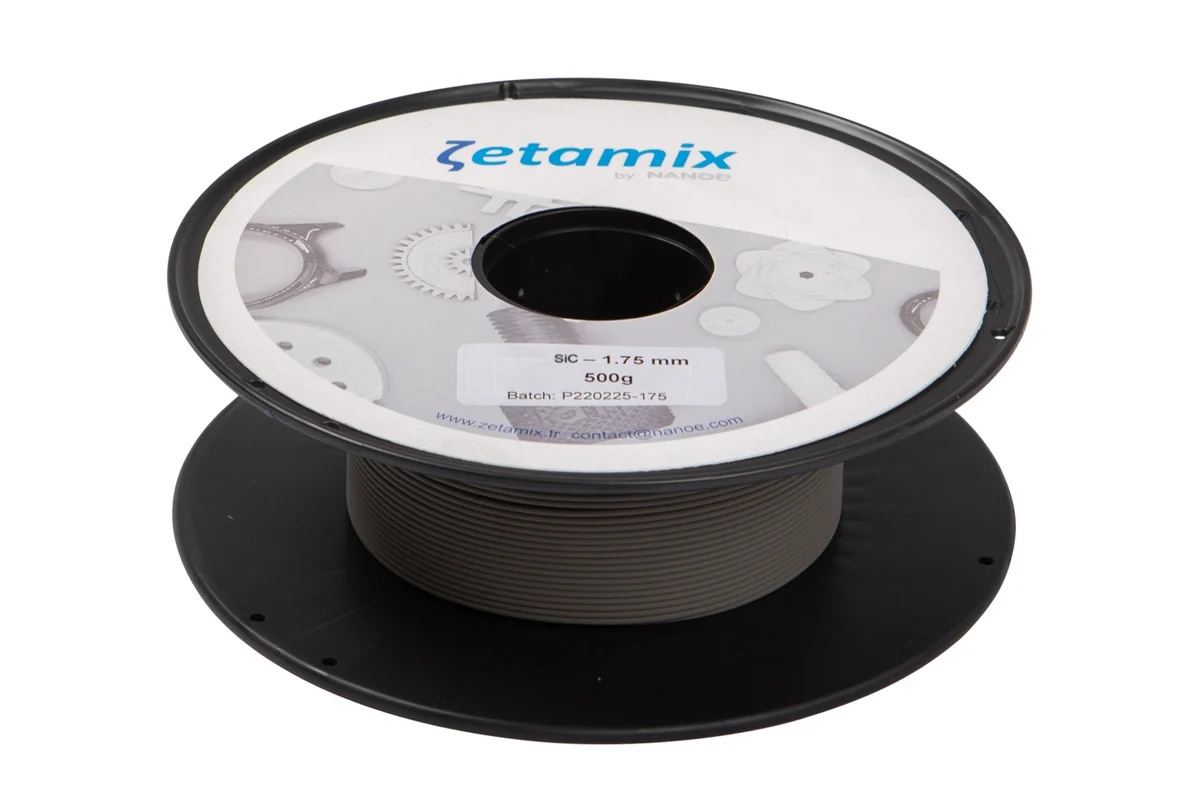
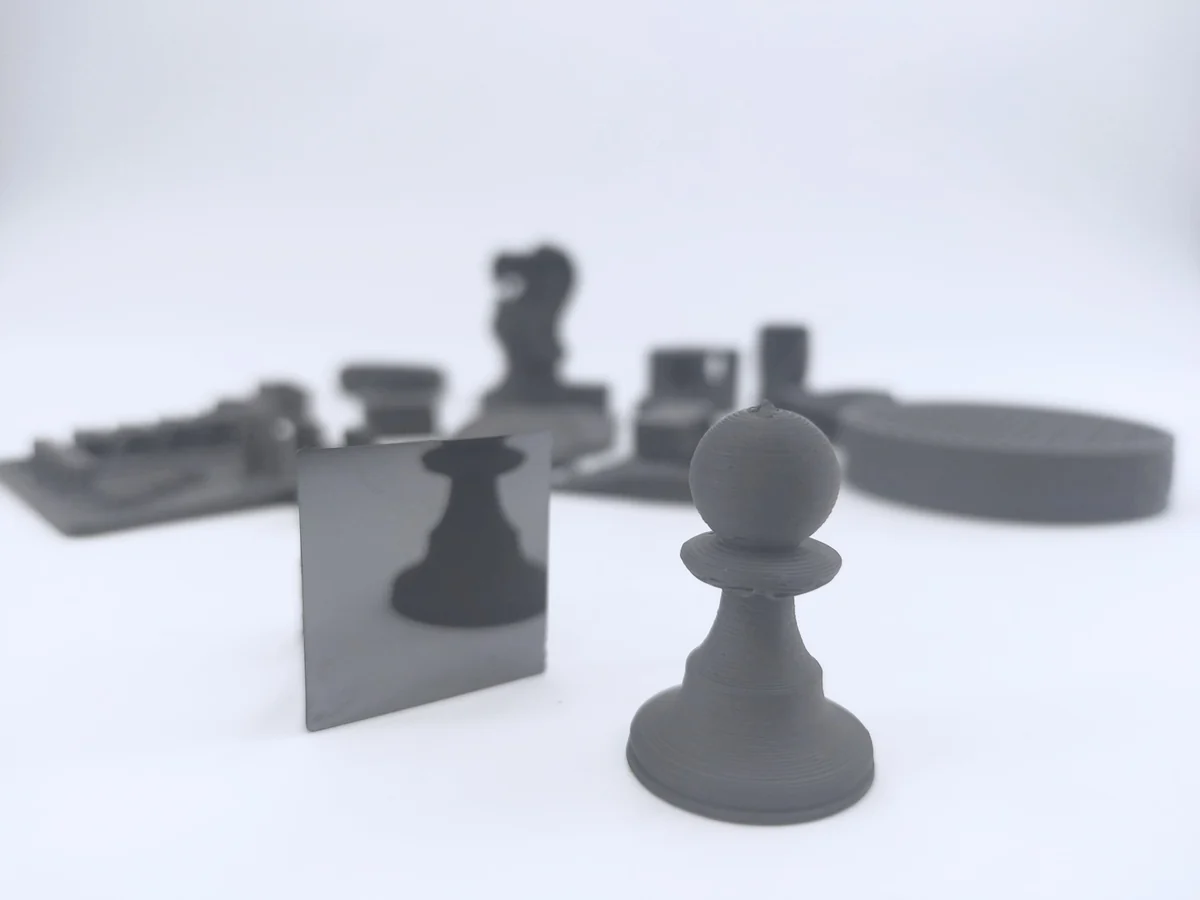
Zetamix Silicon Carbide Filament 1,75mm
- ✔ Very high hardness, excellent thermal performance, chemically resistant
- ✔ Print → debind → sinter — advanced technical ceramic without a powder system
- ✔ Genuine Zetamix by Nanoe · 500 g spool · lead time 10–20 business days (depending on order queue)
$550
Zetamix Silicon Carbide filament lets you 3D-print one of the hardest technical ceramics on a standard FFF printer, then debind and sinter to a dense silicon carbide part — the same print → debind → sinter workflow we run in-house on our 3DCeram M.A.T. It reaches 25 GPa hardness (Hv10) and holds up under thermal shock, high temperature and aggressive chemistry.
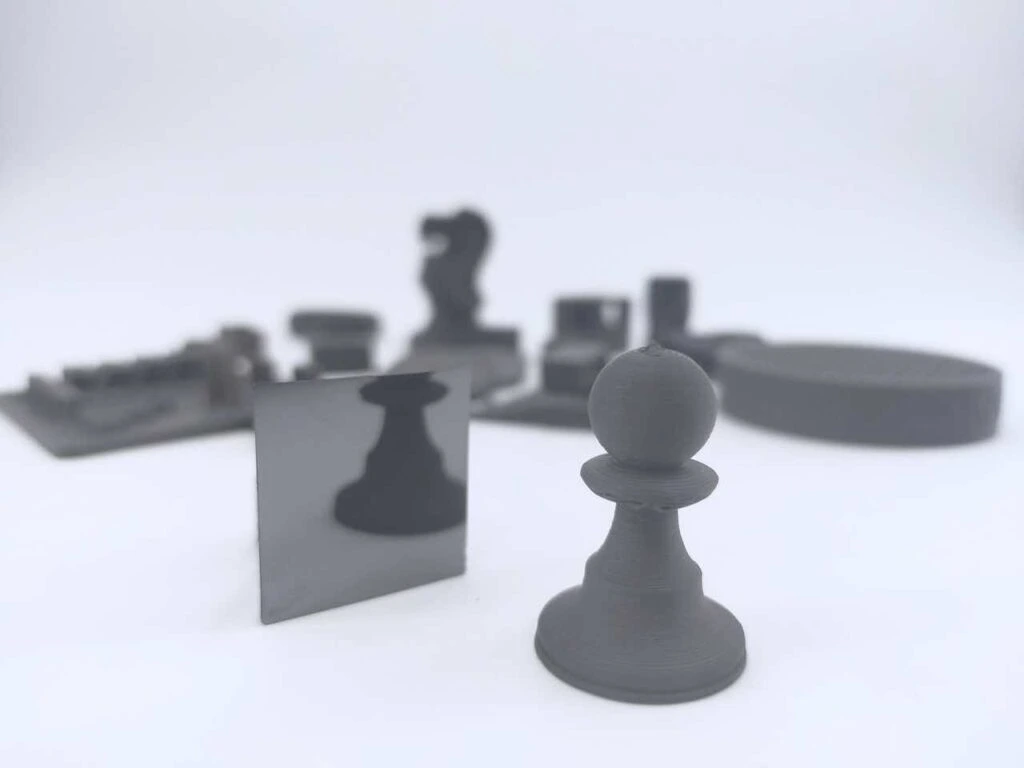
Why engineers choose Zetamix Silicon Carbide filament
78% SiC by mass, 25 GPa hardness after sintering — silicon carbide performance from a standard FFF printer.
Among the hardest technical ceramics available — for abrasive, high-wear parts where steels and softer ceramics wear out.
Handles rapid temperature swings without cracking — suited to heat exchangers and thermal-management components.
Holds its mechanical properties at extreme temperatures where polymers and metals fail.
Stable against corrosive and aggressive media — for parts that run in harsh chemical environments.
Silicon carbide material properties after sintering
- Composition: 78% SiC by mass
- Density after sintering: 98–99% of theoretical
- Hardness: 25 GPa (Hv10)
- Bending strength: 400 MPa
- Sintering: 2200 °C under controlled atmosphere (partial vacuum with argon)
- Linear shrinkage: 16.8% (X/Y), 22.6% (Z)
- Filament: 1.75 mm
Full specifications are listed in the Specifications tab. Mechanical values are process-dependent — final properties vary with print, debind and sinter parameters.
From spool to dense silicon carbide part
Three stages — the same workflow we run in-house.
Design & scale
Scale the model for sintering shrinkage: 16.8% (X/Y) and 22.6% (Z). Account for SiC’s extreme hardness in any post-machining and design accordingly.
Print on FFF
Print the green part on any standard FFF machine with a grooved drive gear to prevent filament grinding and a flexible build plate for easy removal.
Debind & sinter
Chemical (acetone) debind, then thermal debind, then sinter to 2200 °C under argon / partial vacuum to a dense SiC part. No furnace? We run this for you.
Where silicon carbide is used
Engineers 3D-print silicon carbide when they need extreme hardness, thermal-shock resistance and chemical stability in one part.
See real builds in our Zetamix case studies →
No sintering furnace or debinding station? Talk to our team — we’ll help you get set up. Get in touch →
See Zetamix Silicon Carbide in action
Watch how Zetamix ceramic and metal filaments go from spool to dense, sintered part — the same FFF print → debind → sinter workflow we run in-house.
Choose your Zetamix material
Every Zetamix filament prints on a standard FFF 3D printer — we print and validate them in-house on our 3DCeram M.A.T. system — then debind and sinter to a dense ceramic or metal part. The highlighted row is the material on this page; compare the range below:
| Material | Type | Stands out for | Best for | From |
|---|---|---|---|---|
| Alumina | Technical ceramic | Electrical insulation, ~1550°C | Insulators, high-temp tooling | $495 |
| White Zirconia | Technical ceramic | Toughness & flexural strength | Wear & structural parts | $485 |
| Black Zirconia | Technical ceramic | Zirconia strength, black finish | Aesthetic + technical parts | $550 |
| Silicon Carbide | Technical ceramic | Extreme hardness & thermal | Abrasive / high-temp parts | $550 |
| Porcelain | Ceramic (art) | Glazeable, classic finish | Art, tableware, decorative | $225 |
| 316L | Stainless steel | Corrosion resistance, ductile | Functional metal parts | $420 |
| 17-4 PH | Stainless steel | High strength, hardenable | Tooling & functional parts | $420 |
| H13 | Tool steel | Hot hardness & wear | Dies, inserts, tooling | $420 |
| TiO2 | Specialty ceramic | Specialty technical ceramic | Niche functional parts | $550 |
| Brand | Zetamix by Nanoe |
| Printing Materials | Ceramic Filaments |
| Technology | FFF |
| Material | Silicon Carbide (SiC) |
| Application | Composite Tooling, Engineering, Jigs & Fixtures, Manufacturing |
Other products teams run alongside Zetamix Silicon Carbide Filament 1,75mm
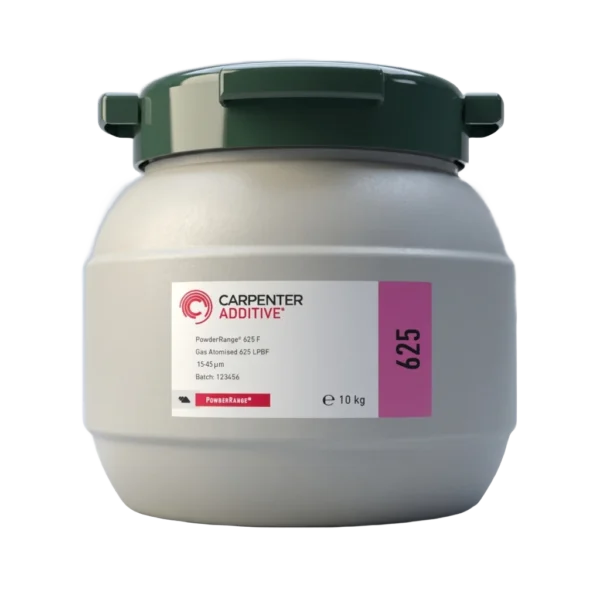
High-temp. Corrosion-proof. Non-magnetic. Genuine Carpenter PowderRange® 625 (Inconel® 625) nickel superalloy for LPBF, EBM & DED metal 3D printing.
- ✓ Strength & corrosion resistance to 2000°F (1093°C)
- ✓ Sold in small, workable volumes — no large mill minimums
- ✓ Full COA on every lot · in US stock, ready to ship
In stock
· In US stock · ready to ship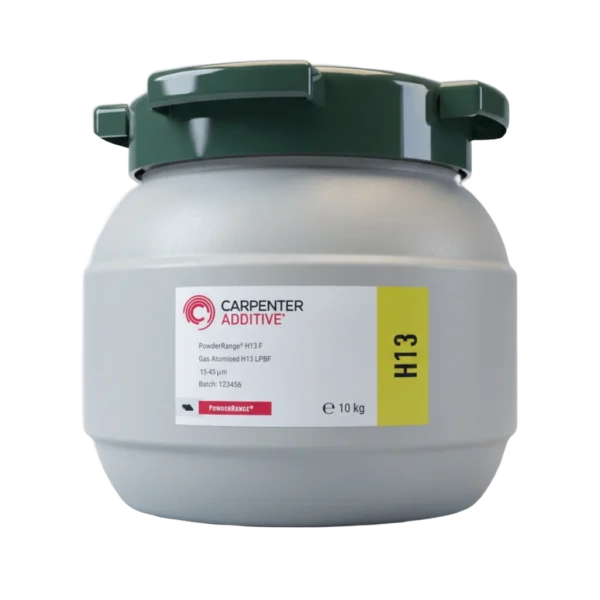
- ✓ High toughness & thermal-fatigue resistance for die-casting tooling
- ✓ Gas-atomized — COA on request
- ✓ Sold in small, workable volumes
In stock
· In US stock · ready to ship
Easy-printing PET-G pellets qualified for large-format additive manufacturing (LFAM) — low-warp, strong-bonding, glossy big parts for display and enclosures at pellet cost.
- ✓ Low warp and strong layer adhesion — reliable big prints with a clean glossy finish
- ✓ Ships dry with a lot datasheet + drying and extrusion parameters
- ✓ Lead time: 1–2 business days from L.A. stock — volume & PO on request
In stock
· 1–2 Business Days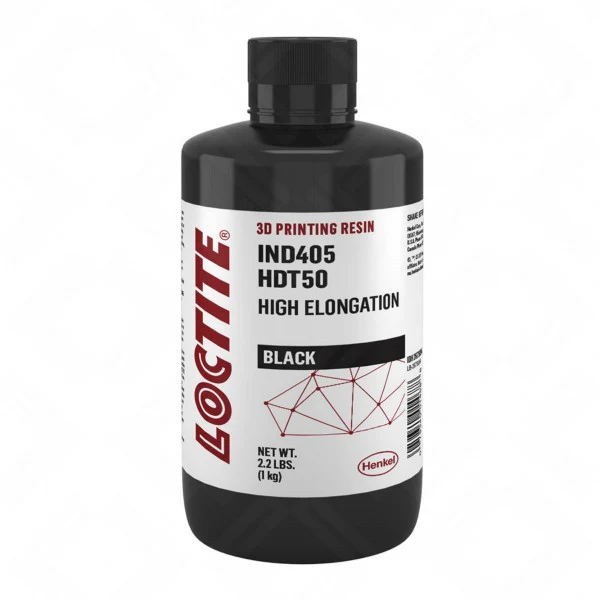
PP-like black resin: high elongation/impact for end-use jigs, housings & parts.
Availability: confirmed at order. Supplier stock for this line varies — we verify availability and lead time on every order before processing, and offer an equivalent or a full refund if an item cannot be supplied. Cubic Ink equivalents →
In stock
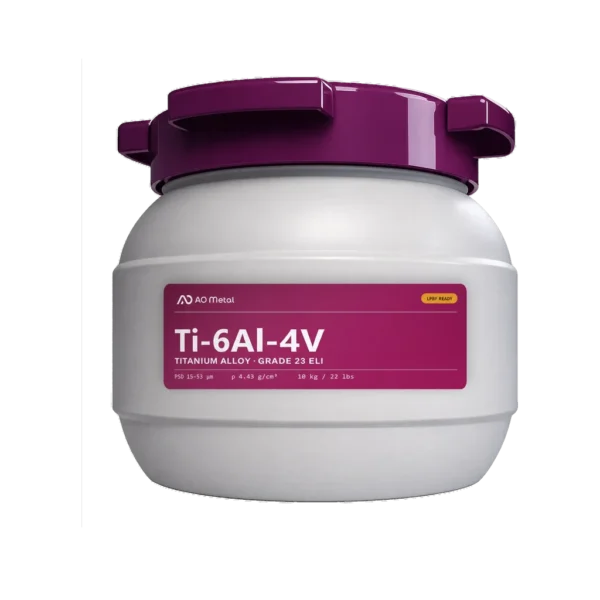
A-Powder Ti-6Al-4V Grade 23 ELI — AO Metal’s LPBF powder line, 15–53 µm, in 10 kg containers.
- Lot certificate of analysis (COA)
Brand: A-Powder by AO Metal
In stock
· In stock in California · ships within 2 business days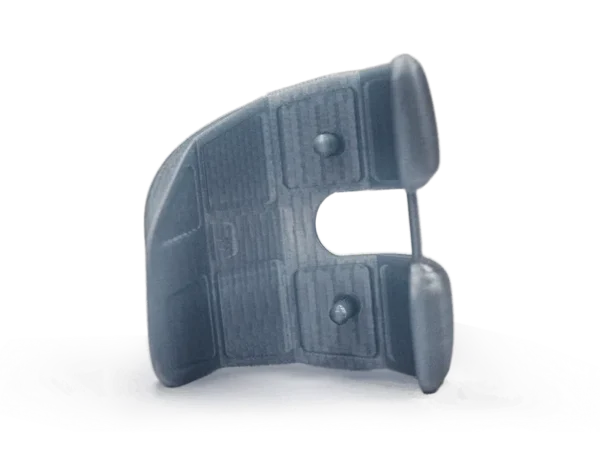
Castable wax filament for FDM 3D printing — prints burn-out-ready patterns with low ash and a smooth surface for investment casting in jewelry, dental, and small-metal-part production.
- ✓ ±0.02mm diameter tolerance — consistent extrusion, low jam risk
- ✓ Validated CreatBot F430 print profile + datasheet included
- ✓ In stock — request a quote for volume and lead time
In stock
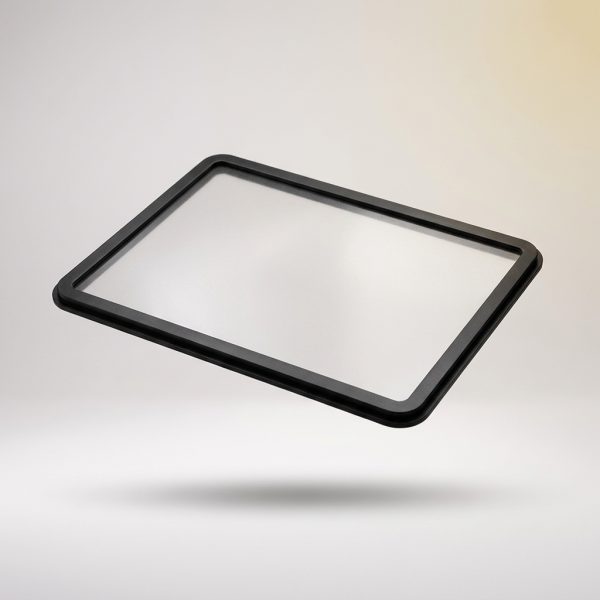
The genuine Nexa3D Everlast-1 membrane keeps your XiP Pro producing consistent parts at industrial volume.
- ✔ Rated 50,000+ layers (~20 L per membrane) — up to 25× the life of standard films
- ✔ Genuine Nexa3D OEM — even resin replenishment for repeatable parts, build after build
- ✔ Ships fast from our Los Angeles warehouse — lead time 5–15 business days
A fresh membrane on schedule is the cheapest insurance against downtime.
In stock
· 5–15 Business Days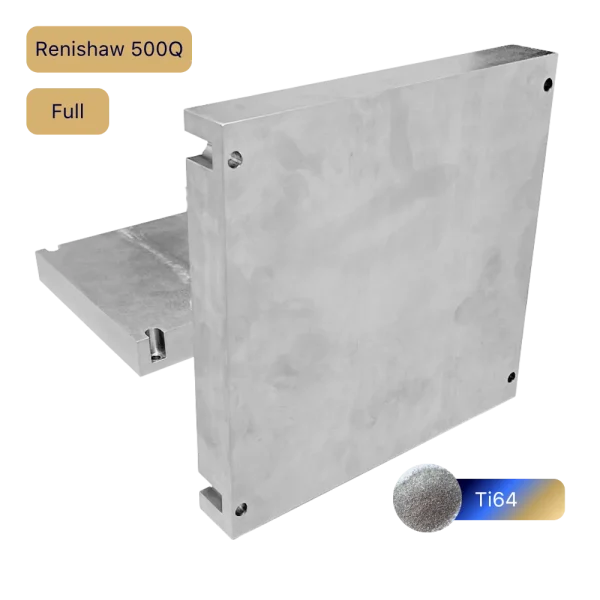
Made to order
· Express 2–3 wks · Standard 6–8 wksWhat our customers say
“Harry and team were professional, effective communicators as we set up the order, then they executed quickly and produced an amazing product for us at a very competitive price. Am looking forward to our next print w Additive Plus!”
“Great 3D printing service and the resin parts look super smooth and clean. Really happy with how everything turned out!”
“Harry was very professional and helped me out with my 3D printing needs and explained what options I have in terms of filaments such as PEEK. Highly recommended.”
“I needed a 3D enclosure printed urgently in a specific time period, they did great!”
Common questions
Don't see yours? Email [email protected] — NDA on request, typical reply within 4 hours.
What makes silicon carbide unique compared to other ceramics?
What applications is silicon carbide best suited for?
How does the hardness compare to other materials?
What special equipment is needed for sintering?
Can silicon carbide be polished to optical quality?
How does the thermal shock resistance benefit applications?
What design limitations should I consider?
Is silicon carbide suitable for high-temperature applications?
How does the weight compare to metals?
What safety precautions are necessary?
Place your order, or talk to an engineer first
Order Zetamix Silicon Carbide Filament 1,75mm direct, or talk to materials engineer