
In stock
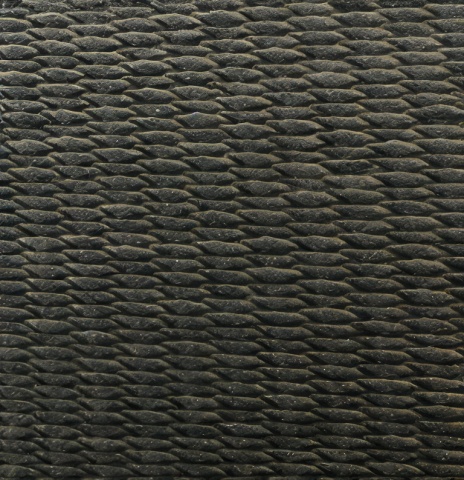
- Lot datasheet + parameters drying and extrusion settings for your LFAM system
- Dry, sealed packaging shipped ready to run, with a re-dry schedule
Caracol PP Pellets – Chemical & Fatigue-Resistant Feedstock for Large-Format 3D Printing
Chemical- and fatigue-resistant PP pellets qualified for large-format additive manufacturing (LFAM) — light, low-moisture big parts and living-hinge components at pellet cost, unreinforced or glass-fiber reinforced.
- ✓ Broad chemical resistance and living-hinge fatigue behavior — light and low-moisture
- ✓ Ships sealed with a lot datasheet + adhesion and cooling parameters for warp control
- ✓ Lead time: 1–2 business days from L.A. stock — volume & PO on request
What your process engineer actually checks
Chemical resistance and fatigue you can build big with
PP resists acids, bases, and many solvents, absorbs almost no water, is light enough to float, and flexes repeatedly without cracking — the basis for chemical parts, automotive fixtures, and living-hinge components. Because PP is crystalline and warp-prone, every lot ships with heated-chamber, adhesion, and cooling parameters, and glass-fiber grades both stiffen the part and reduce warp on big flat sections.
A materials engineer on the line
Questions on drying schedules, warpage, recyclate ratios, or glass-fiber content? A materials engineer answers directly — not a contact-form bot. Most replies in under 4 hours, NDA on request.
Caracol PP is a polypropylene pellet feedstock qualified for Caracol large-format additive manufacturing (LFAM) extruders. It pairs broad chemical resistance and very low moisture uptake with low density and outstanding fatigue and living-hinge behavior — the reasons PP dominates in chemical, automotive, and consumer parts. Available unreinforced or glass-fiber reinforced, PP is crystalline and warp-prone, so every lot ships with heated-chamber, adhesion, and cooling guidance for big flat parts.
Why engineers choose Caracol PP
Four things production teams verify before running PP on a large-format system.
Broad chemical resistance
PP resists acids, bases, and many solvents, so chemical-handling parts and wet-process fixtures survive where engineering plastics degrade.
Fatigue & living hinge
PP flexes repeatedly without cracking — the basis for integrated hinges, snap features, and parts under cyclic load.
Light & low-moisture
Low density (it floats) and near-zero moisture uptake suit lightweight parts and wet service, with minimal drying before printing.
Glass-fiber option
GF-reinforced PP raises stiffness and heat deflection and — importantly — cuts the warpage that limits unfilled PP on big flat parts.
How Additive Plus delivers it
Every order ships production-ready — qualified feedstock, parameters, and a datasheet.
Source & qualify
Polypropylene (PP) sourced and qualified against Caracol's extrusion testing so the pellet runs on LFAM systems without a re-development cycle.
Dry & screen
PP absorbs almost no moisture, so drying is minimal — we ship it sealed. Warp is the real variable on big PP parts: each lot ships with chamber, adhesion, and cooling guidance.
Verify & document
Each lot ships with a datasheet and recommended drying and extrusion parameters, so you reorder the same behavior — not a new qualification.
Material overview
PP (polypropylene) is a lightweight polyolefin known for excellent chemical and fatigue resistance, very low moisture uptake, and unique living-hinge behavior that lets it flex repeatedly without cracking. On a large-format extruder it produces chemical-handling parts, automotive fixtures, and lightweight components at pellet cost. Like all semi-crystalline polyolefins it is warp-prone, so heated-chamber and adhesion strategy matter — and glass-fiber grades both stiffen the part and reduce warp.

Technical specifications
Representative PP properties (unreinforced). Lot-specific values are on the datasheet shipped with every order; glass-fiber grades differ. Confirm exact figures with a materials engineer for design-critical work.
| Property | Typical value |
|---|---|
| Polymer | Polypropylene (PP) |
| Form | Pellets (granulate) for LFAM/FGF extruders |
| Density | ~0.905 g/cm³ (floats) |
| Tensile strength | 25–35 MPa |
| Tensile modulus | 1,100–1,500 MPa |
| Elongation at break | High (fatigue-resistant) |
| Heat deflection (HDT, 0.45 MPa) | ~90–100 °C |
| Extrusion temperature | 200–230 °C |
| Recommended drying | Minimal — optional 60–80 °C for 2 h |
| Reinforcement | Unreinforced or glass-fiber (GF) on request |
Typical applications
Where large-format PP earns its place.
Not sure PP is the right pellet?
Same large-format pellet family — pick the property that matters most.
Need high heatPCCompare pellet →
Need flexibilityTPECompare pellet →
Why source PP through Additive Plus
- Qualified feedstock, not a generic bag of pellets — sourced and qualified against Caracol LFAM extrusion, shipped sealed with a datasheet and parameters.
- Warp guidance that ships with the pellet — heated-chamber, adhesion, and cooling settings, plus GF grades that both stiffen and de-warp big PP parts.
- Glass-fiber and recycled blends on request — GF, recycled-content, or compounded PP qualified before you commit.
- A materials engineer on the line — chemical-compatibility, warpage, and living-hinge questions answered directly. Under 4h reply, NDA on request.
| Technology | FFF, LFAM |
| Printing Materials | Plastic Pellets |
| Brand | Caracol |
| Material | PP (Polypropylene) |
| Reinforcement | Unfilled |
| Application | Engineering, Jigs & Fixtures, Manufacturing |
Product videos
We qualify glass-fiber, recycled-content, and compounded PP pellets against your LFAM extruder before you commit — 2–4 week custom batches.
Other products teams run alongside Caracol PP Pellets – Chemical & Fatigue-Resistant Feedstock for Large-Format 3D Printing
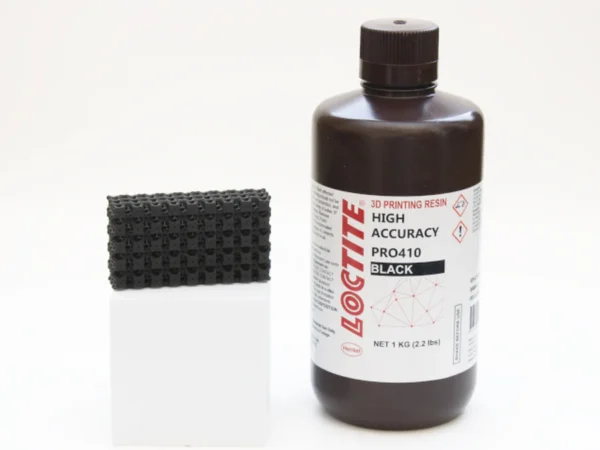
Fast-calibration black resin (3x speed!) for professional finishes on SLA/DLP printers.
Availability: confirmed at order. Supplier stock for this line varies — we verify availability and lead time on every order before processing, and offer an equivalent or a full refund if an item cannot be supplied. Cubic Ink equivalents →
Made to order
· Ships in about 2 weeks — final date confirmed after you order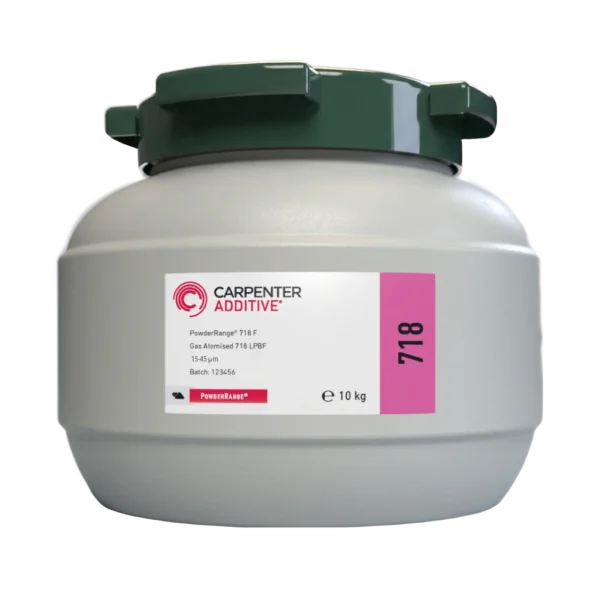
- ✓ High tensile, fatigue & creep strength to 1300°F (704°C)
- ✓ Sold in small, workable volumes — no large mill minimums
- ✓ Full COA on every lot · in US stock, ready to ship
Out of stock
· Out of stock · next lot expected in February 2027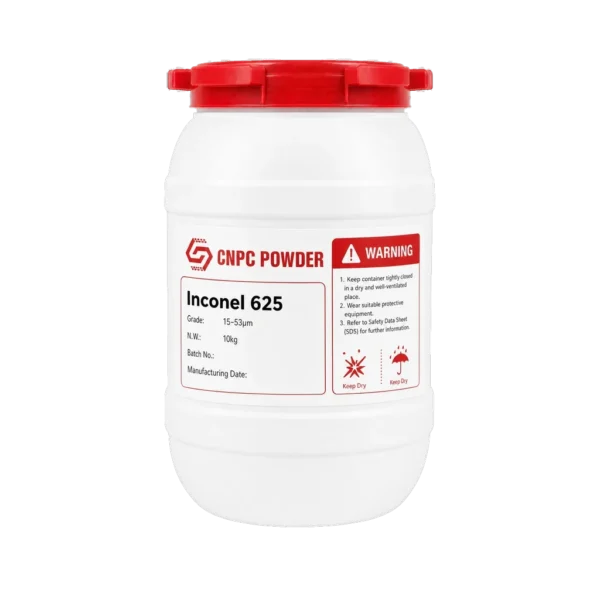
CNPC Inconel 625 powder for LPBF — made by CNPC Powder, 15–53 µm, sold in 10 kg containers.
- Certificate of analysis (COA) for the lot, on request
Manufacturer: CNPC Powder
Made to order
· Ships in 6–8 weeks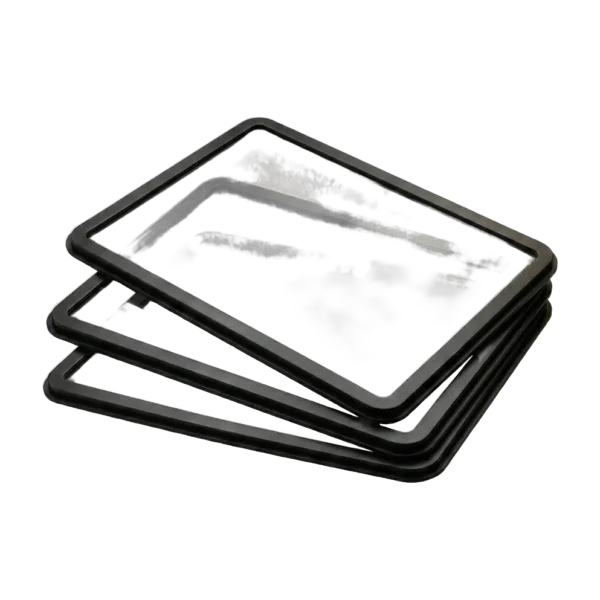
Stock up and keep your XiP printing — three genuine Nexa3D Everlast-2 membranes ready on the shelf.
- ✔ Each rated 50,000+ layers (~20 L) — up to 25× the life of standard films
- ✔ Lower cost per membrane than singles — genuine Nexa3D OEM
- ✔ In stock in Los Angeles
Three on hand means a fresh membrane is always one swap away.
In stock
· Ship Date Confirmed at Order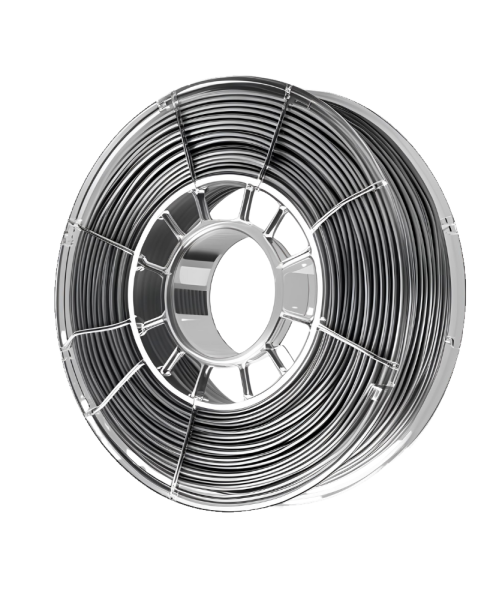
- ✔ Rp0.2 149 MPa, Rm 485 MPa and 158 GPa modulus after sintering — tested to ASTM E8/E8M
- ✔ Debind and sinter parameters plus the full datasheet included with every spool
- ✔ 1.75mm bound-metal feedstock for the 3DCeram M.A.T. FFF head — mutual NDA before any spec review
In stock
· In stock — ships in 1–2 business days. Custom alloy or ceramic feedstock: 3–4 weeks, configured to order.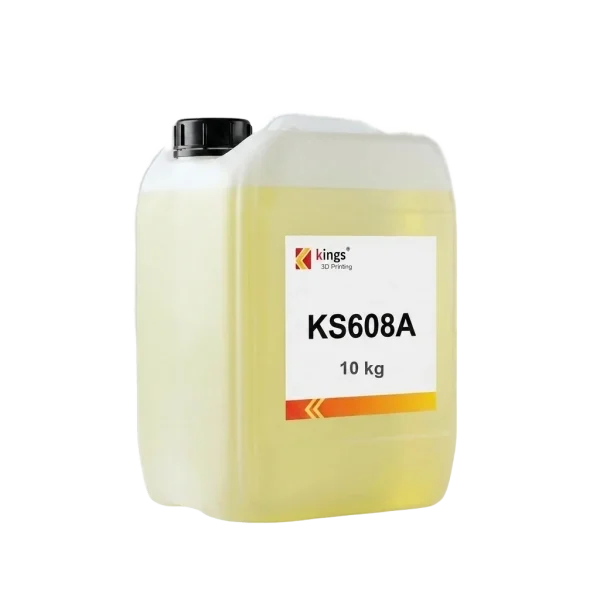
KS608A is a tough, heat- and moisture-resistant UV SLA resin for accurate, durable parts — ABS-like finish, low shrinkage and low yellowing, with a validated cure profile in every order. Supplied in a 10 kg (22 lb) container.
- ✓ Tough, ABS-like mechanicals — 25–30 MPa tensile, 58–70 J/m notched Izod, 12–20% elongation
- ✓ Heat & moisture resistant — HDT 58–68°C, Tg 55–70°C for warm functional testing
- ✓ Runs on any 405 nm SLA (desktop or large-format) with the included cure profile
- ✓ In US stock · ships from Los Angeles in 1–2 business days · datasheet included
In stock
· 1-2 Business Days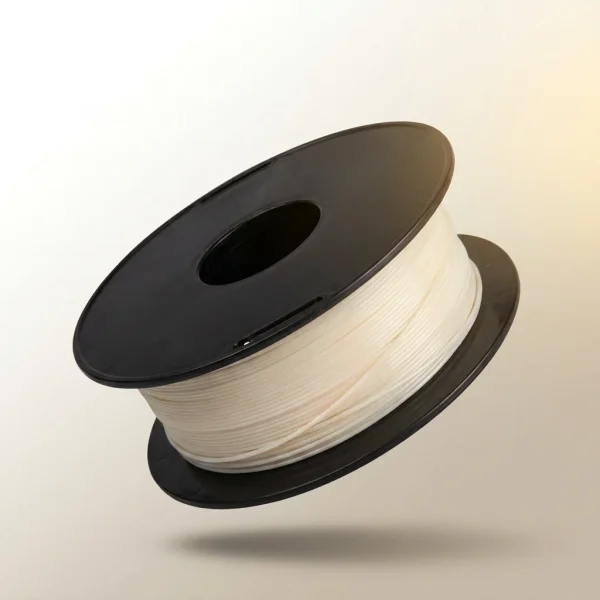
Print radiofrequency parts directly — no debinding, no sintering. A dielectric filament with permittivity 7.5 and low loss, so antennas, lenses and metasurfaces come off the printer ready to test.
- ✔ Permittivity 7.5 · loss tangent 0.001 · HDT up to 110 °C
- ✔ No debinding, no sintering — prints as a technical polymer, parts up to 80 cm
- ✔ Genuine Zetamix by Nanoe · 500 g spool, vacuum packed · 1.75 mm
In stock
· Ships from California · 10–20 business days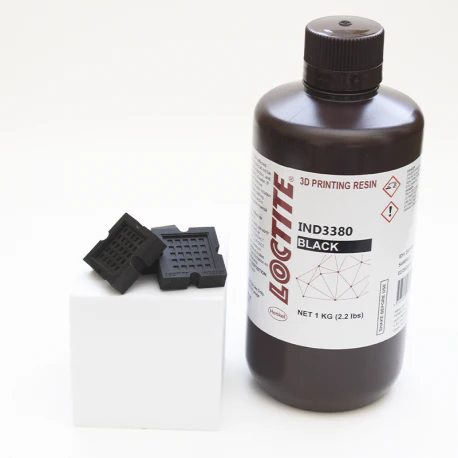
ESD-safe black resin (HDT190°C): Precision tooling for electronics. Electrostatic dissipation.
Availability: confirmed at order. Supplier stock for this line varies — we verify availability and lead time on every order before processing, and offer an equivalent or a full refund if an item cannot be supplied. Cubic Ink equivalents →
Made to order
· Ships in about 2 weeks — final date confirmed after you orderWhat our customers say
“Harry and team were professional, effective communicators as we set up the order, then they executed quickly and produced an amazing product for us at a very competitive price. Am looking forward to our next print w Additive Plus!”
“Great 3D printing service and the resin parts look super smooth and clean. Really happy with how everything turned out!”
“Harry was very professional and helped me out with my 3D printing needs and explained what options I have in terms of filaments such as PEEK. Highly recommended.”
“I needed a 3D enclosure printed urgently in a specific time period, they did great!”
Common questions
Don't see yours? Email [email protected] — NDA on request, typical reply within 4 hours.
Is Caracol PP a filament or a pellet material?
Why choose PP over HDPE?
Does Caracol PP warp, and how do you control it?
Does Caracol PP need drying before printing?
Is a glass-fiber PP available?
What extrusion temperature does PP run at?
Can I order a sample before committing to a full order?
Place your order, or talk to an engineer first
Order Caracol PP Pellets – Chemical & Fatigue-Resistant Feedstock for Large-Format 3D Printing direct, or talk to materials engineer