
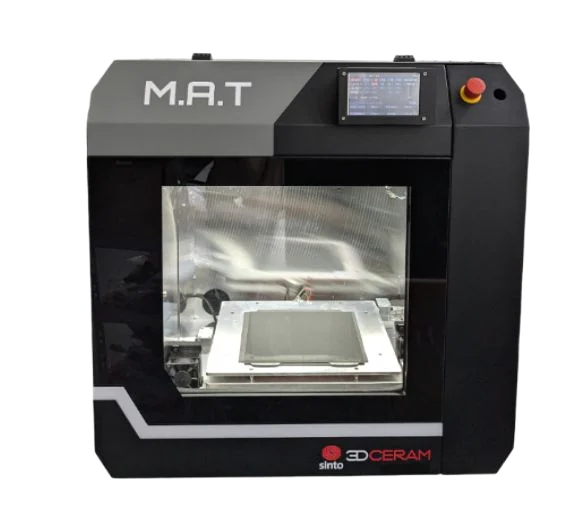
Start with the Core — add heads as you need them
The M.A.T. Core ($63,100) ships with the FFF print head and the 3-axis CNC. Add the Pellet, Paste/DIW or dual-head option below — your cart total reflects the exact configuration.
Prices in USD · made to order · a materials engineer can scope the right configuration with you.
Metal & technical-ceramic parts. On your bench. No laser.
The 3DCeram M.A.T. prints dense metal and technical ceramics by extrusion — even silicon carbide — then green-machines them in one setup. Built to order for your materials.
No obligation · a materials engineer replies within one business day · or talk to an engineer.
See the M.A.T. in action
 Watch the M.A.T. print & green-machine — 2 min
What you can make
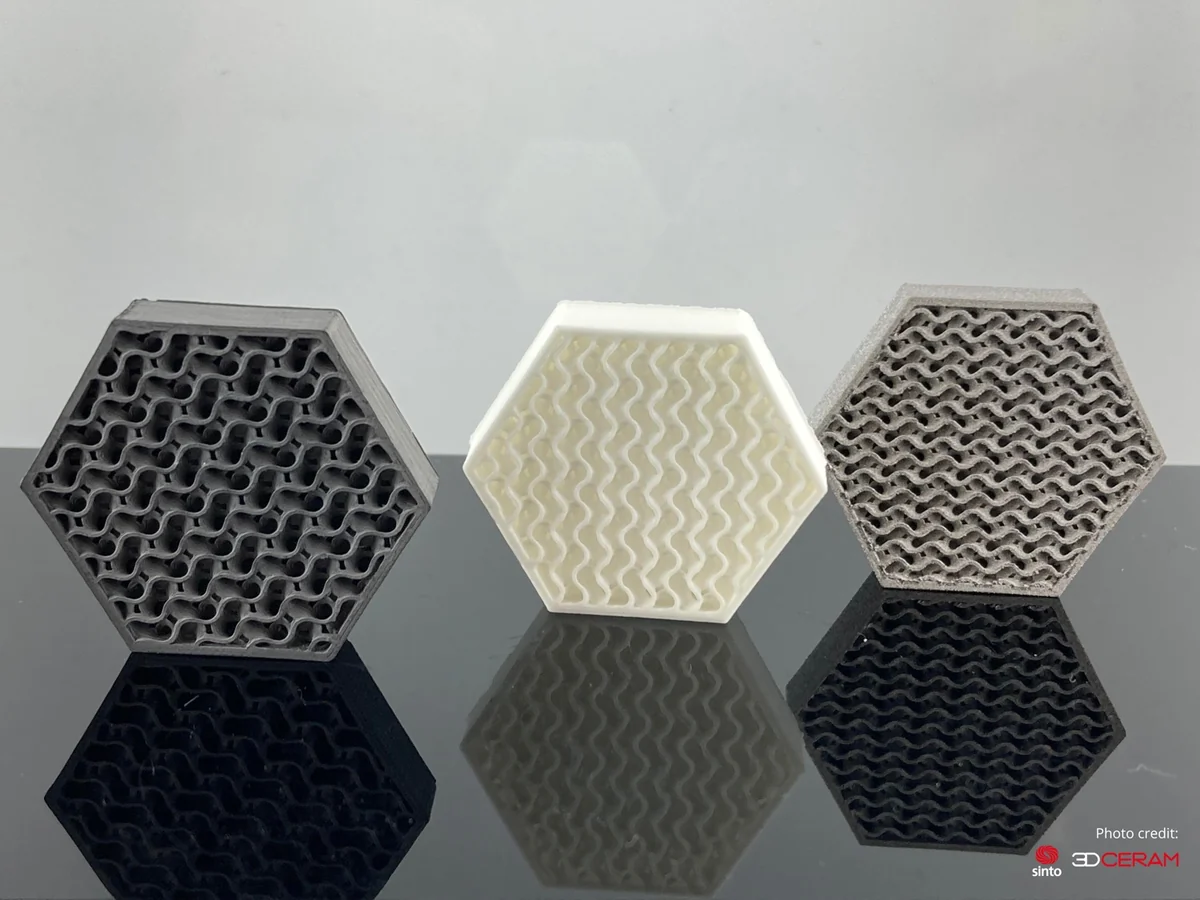
From dense stainless-steel and titanium components to silicon carbide, zirconia and alumina ceramics, the M.A.T. turns your CAD into real, load-bearing hardware — the kind of parts that used to require an outside service bureau or a powder-bed system you couldn’t justify. Prototype on Monday, iterate by Friday, and keep your IP in-house under NDA.
No laser. No loose powder. No powder room.
The M.A.T. prints bound feedstock — filament, pellets, or paste — in which metal or ceramic particles are held in a binder. There is no laser and no free-flowing reactive powder, so you skip the inert-gas handling, the powder room, and most of the safety overhead that keeps metal AM out of normal labs.
| M.A.T. (extrusion) | Metal LPBF (laser powder bed) | |
|---|---|---|
| Feedstock | Bound filament / pellet / paste — safe to handle | Loose, reactive metal powder |
| Hazards | No laser, minimal PPE | Class-4 laser, inert gas, powder room |
| Install | Single-phase outlet, fits a lab | 3-phase power, facility upgrades |
| Materials | Metals + technical ceramics + silicone | Metals only |
| Entry cost | From $63,000 | Typically $300k–$1M+ |
Why buy the M.A.T. from Additive Plus
Additive Plus is the official 3DCeram representative in the United States. You get the machine, the materials, and the know-how to run it from one accountable US partner — not a box shipped from overseas.
Proven maker — 3DCeram ceramics in orbit
The M.A.T. comes from 3DCeram (Sinto) — the team that took newspace startup AnyWaves, a CNES (French space agency) spin-off, from a blank page to space-qualified zirconia ceramic antennas in 18 months, using the same technical-ceramic materials the M.A.T. runs. AnyWaves is now one of the world’s leading small-satellite antenna makers.
Zirconia lattice antenna · SmallSat space application · 3DCeram 3D-AIM program
One machine, four tools
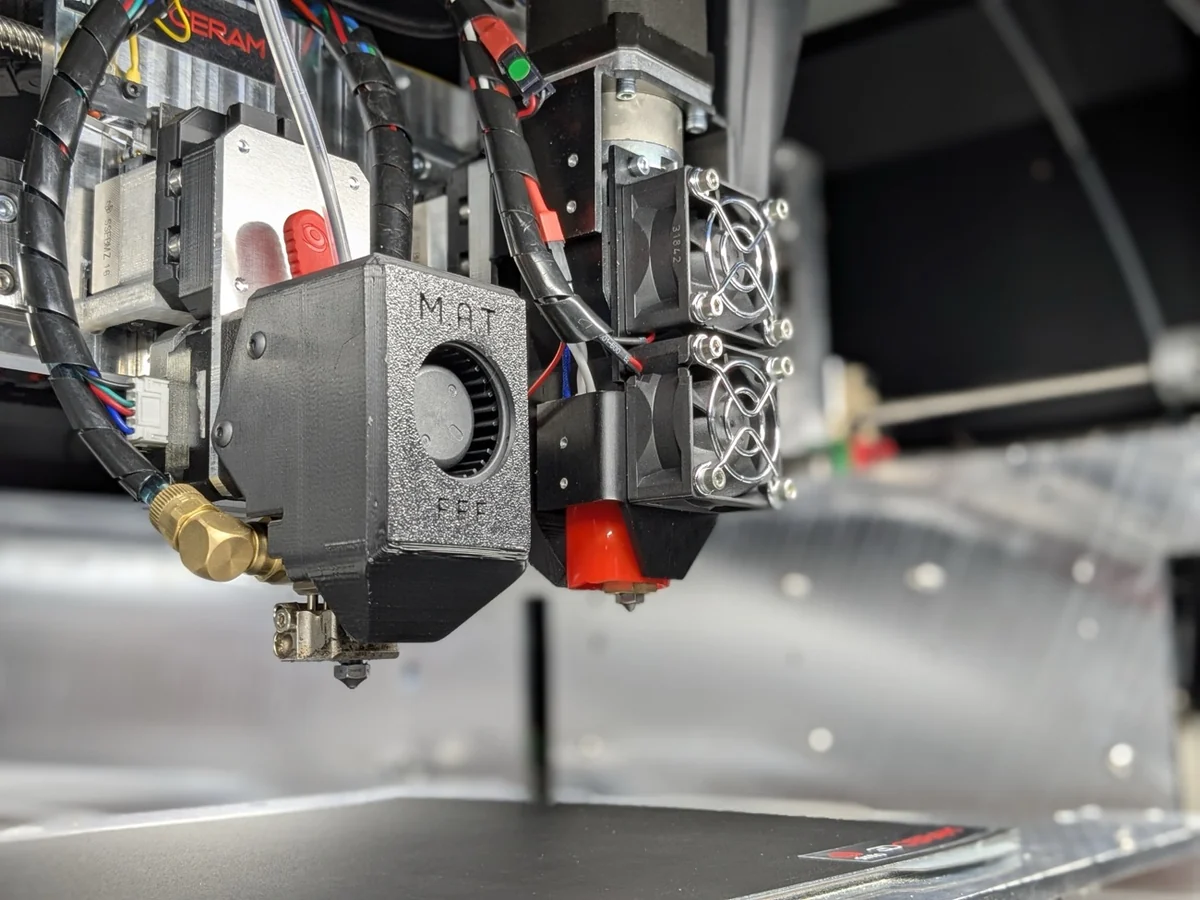
▣ FFF head
Ceramic and metal filaments, with the reliability of fused-filament fabrication.
◈ Direct Pellet Extrusion
Feeds pellets directly — lower feedstock cost, higher throughput for runs.
◆ Paste / robocasting
Extrudes ceramic slurry or silicone for fine, complex geometries.
▤ 3-axis CNC
Green-machines parts before firing for a superior surface finish — in one setup.
Tune the inside, not just the outside
Because the M.A.T. deposits material instead of melting a powder bed, it is the only approach that lets you build parts with fully customizable infill — reinforce only where the load path needs it, and tune weight, strength, or material usage part by part.
Signature It prints silicon carbide — most printers can’t
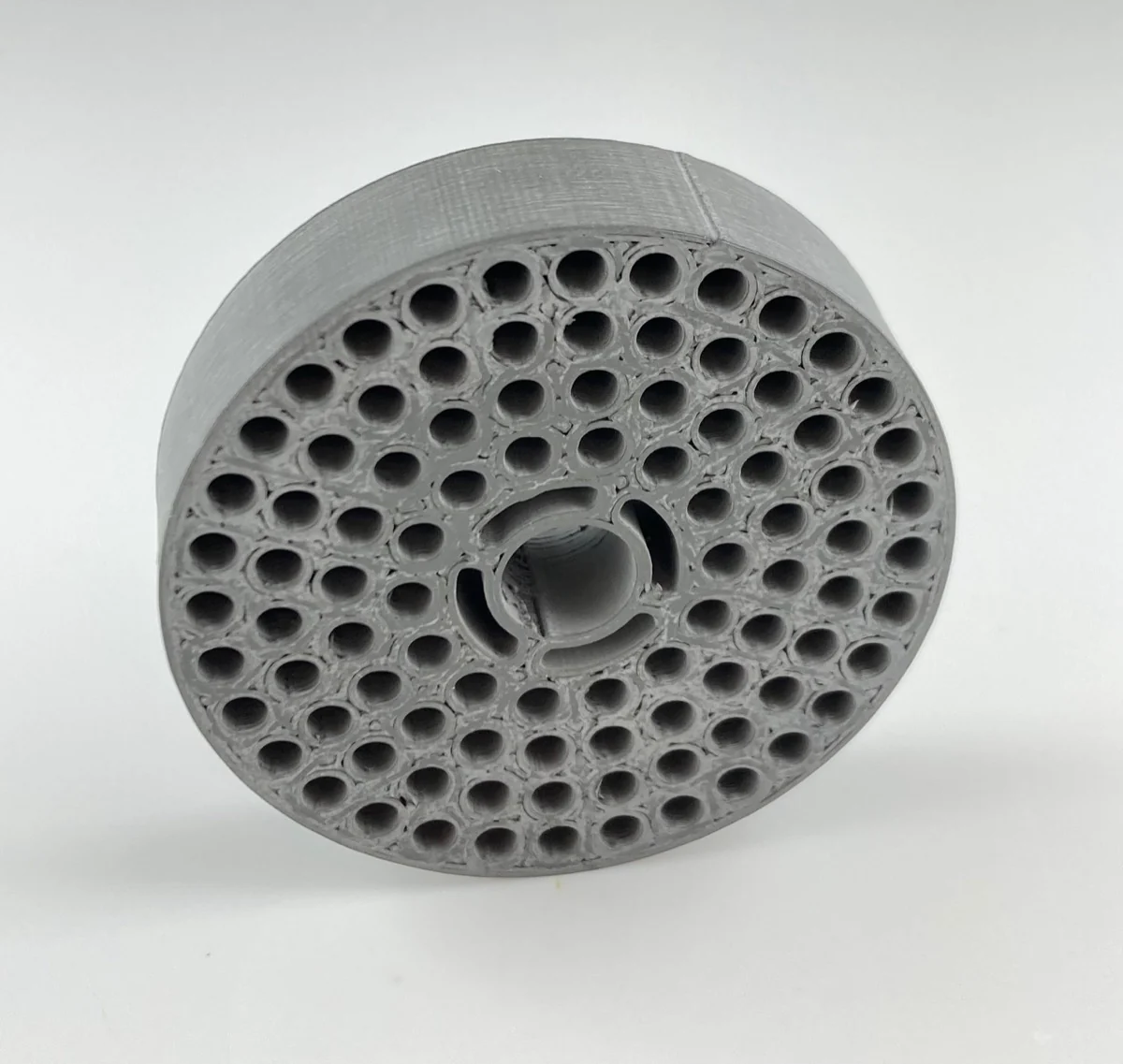
Silicon carbide, zirconia, alumina: the hard, heat- and wear-resistant ceramics most desktop printers can’t touch. The M.A.T. shapes them green, then you debind and sinter to full function. Metals too — 316L, 17-4PH, titanium and copper — plus silicone via the paste head.
316L, 17-4PH, Titanium, Copper
Zirconia, Alumina, SiC
Compatible filaments and pellets ship with the printer, with datasheets and validated parameters on request. Need an alloy or ceramic that isn’t on the list? Custom filament and pellet development from your own powder is possible.
Built for production teams
How the M.A.T. process works
- Print — deposit metal or ceramic feedstock via FFF, pellet, or paste extrusion.
- Green-machine (optional) — switch to the 3-axis CNC in the same setup to refine surfaces before firing.
- Debind — remove the binder from the printed green part.
- Sinter — densify under heat so particles fuse into a strong, fully functional part.
Complete your M.A.T. workflow
Print-ready ceramic and metal filaments matched to the M.A.T., plus the controlled-atmosphere oven for debinding and sintering.
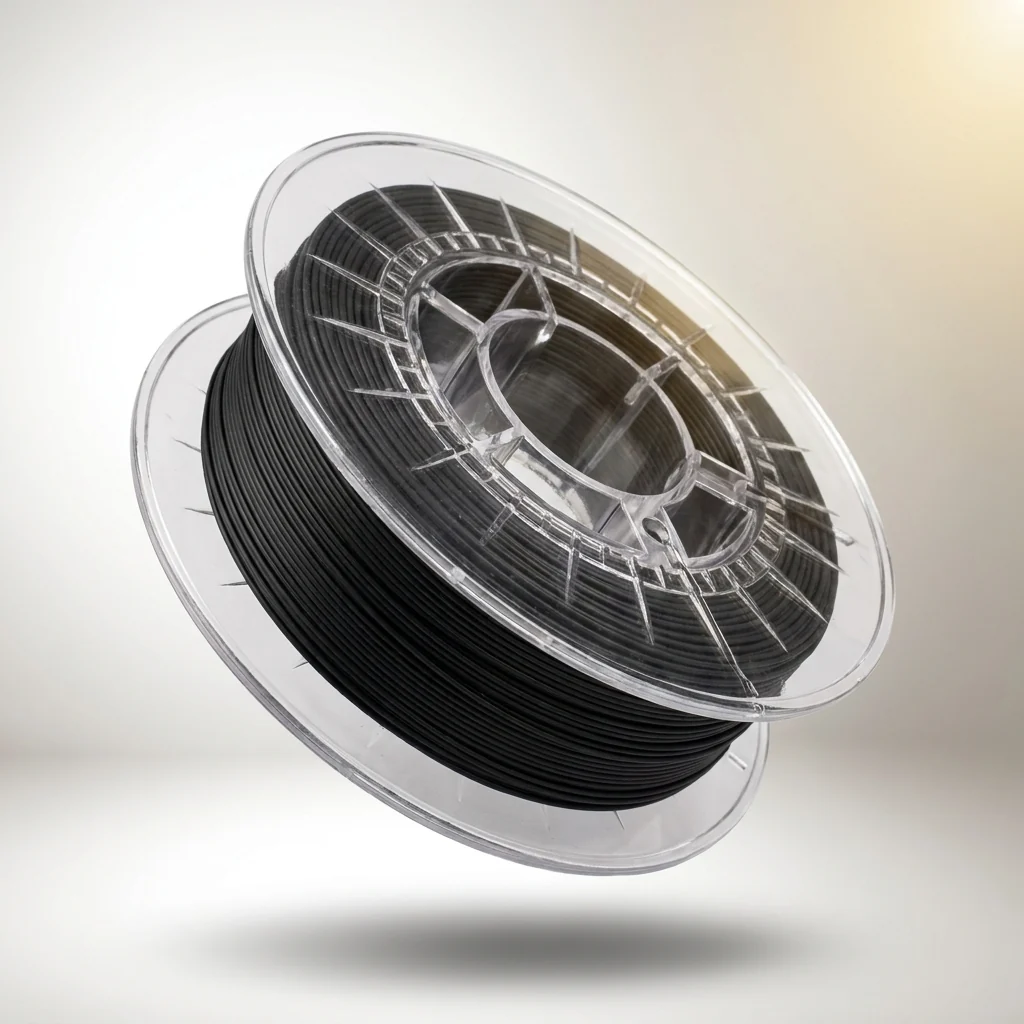
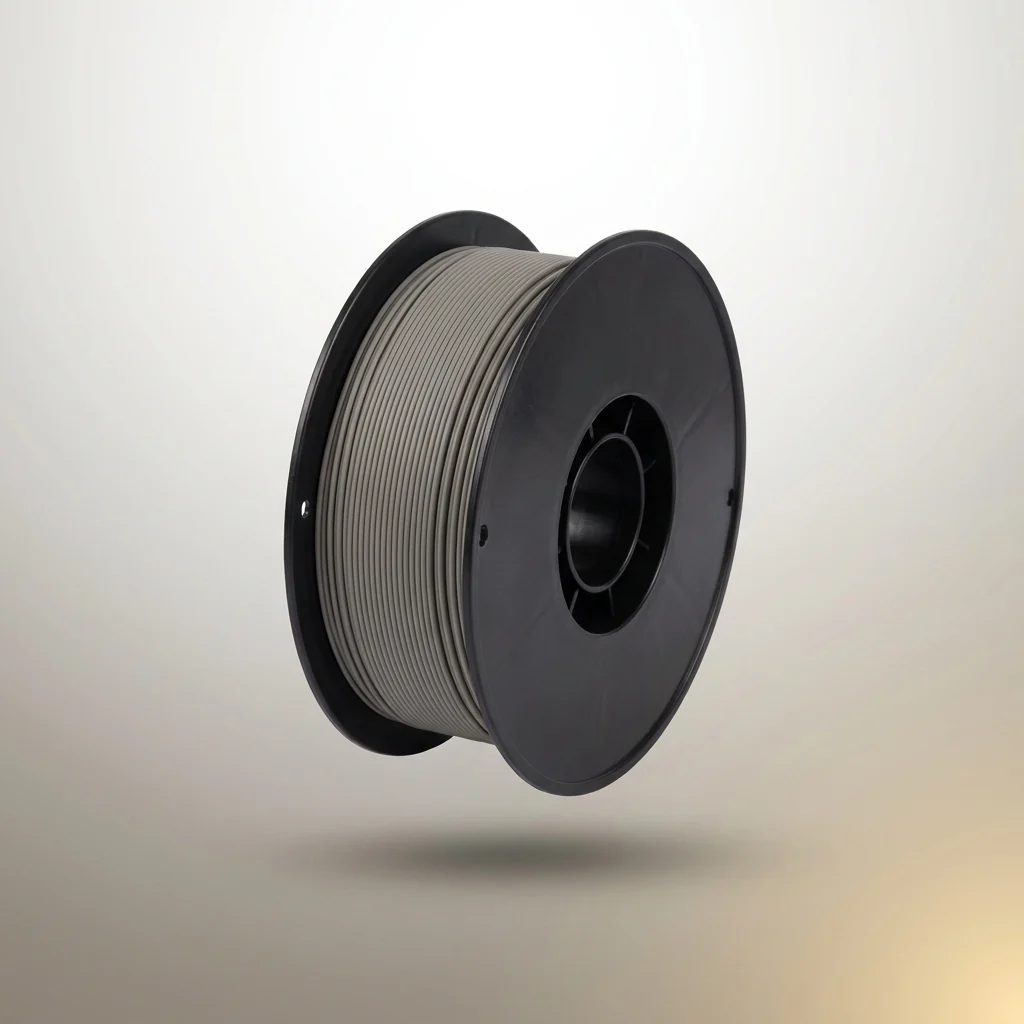 CeramicSilicon Carbide filament$550
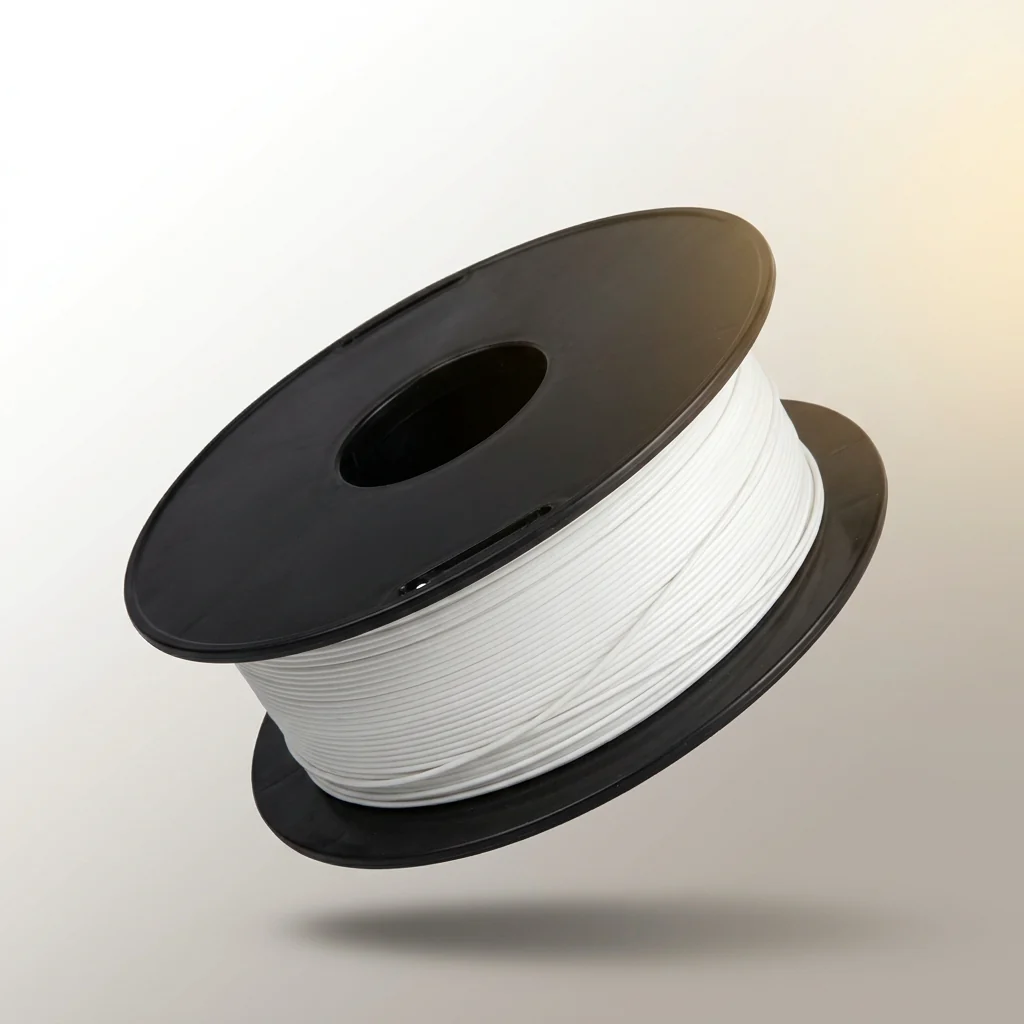 CeramicAlumina filament$495
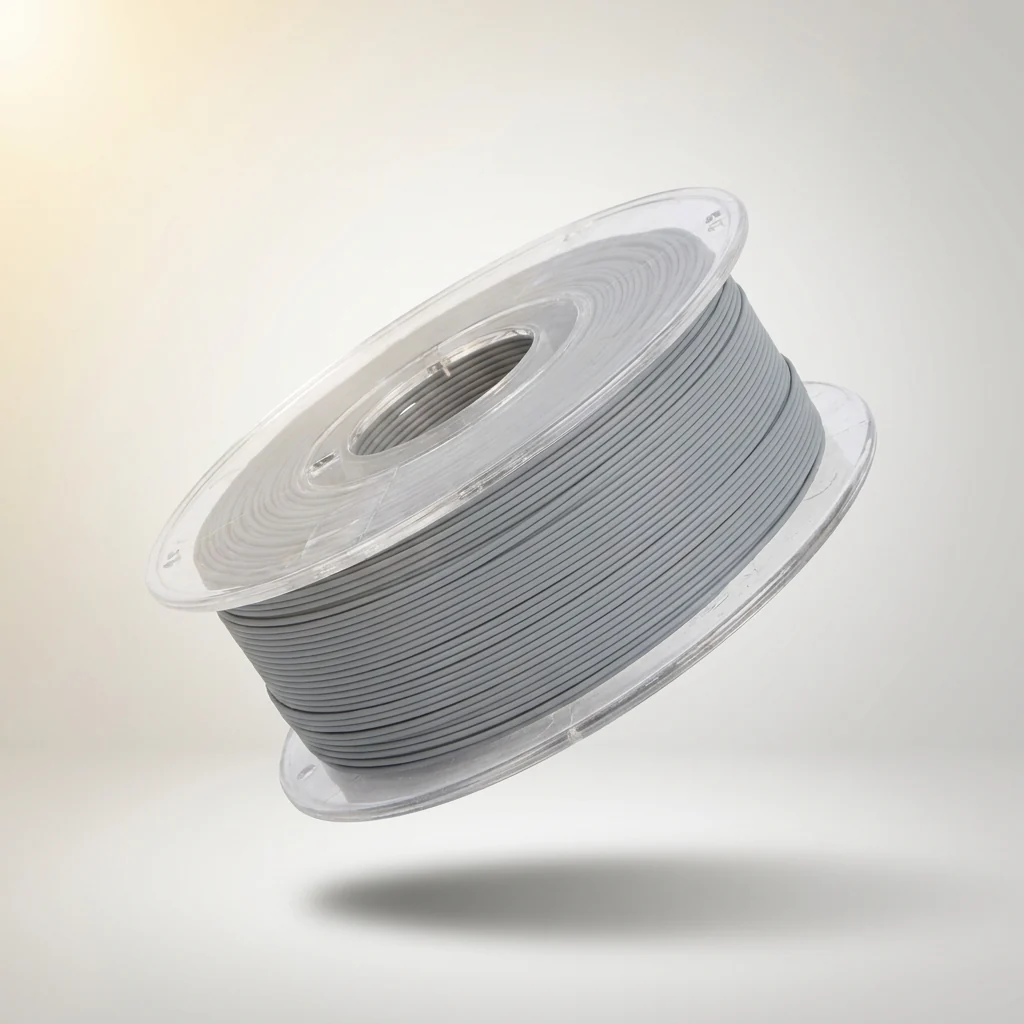 CeramicZirconia filament$550
 Metal17-4PH steel filament$420
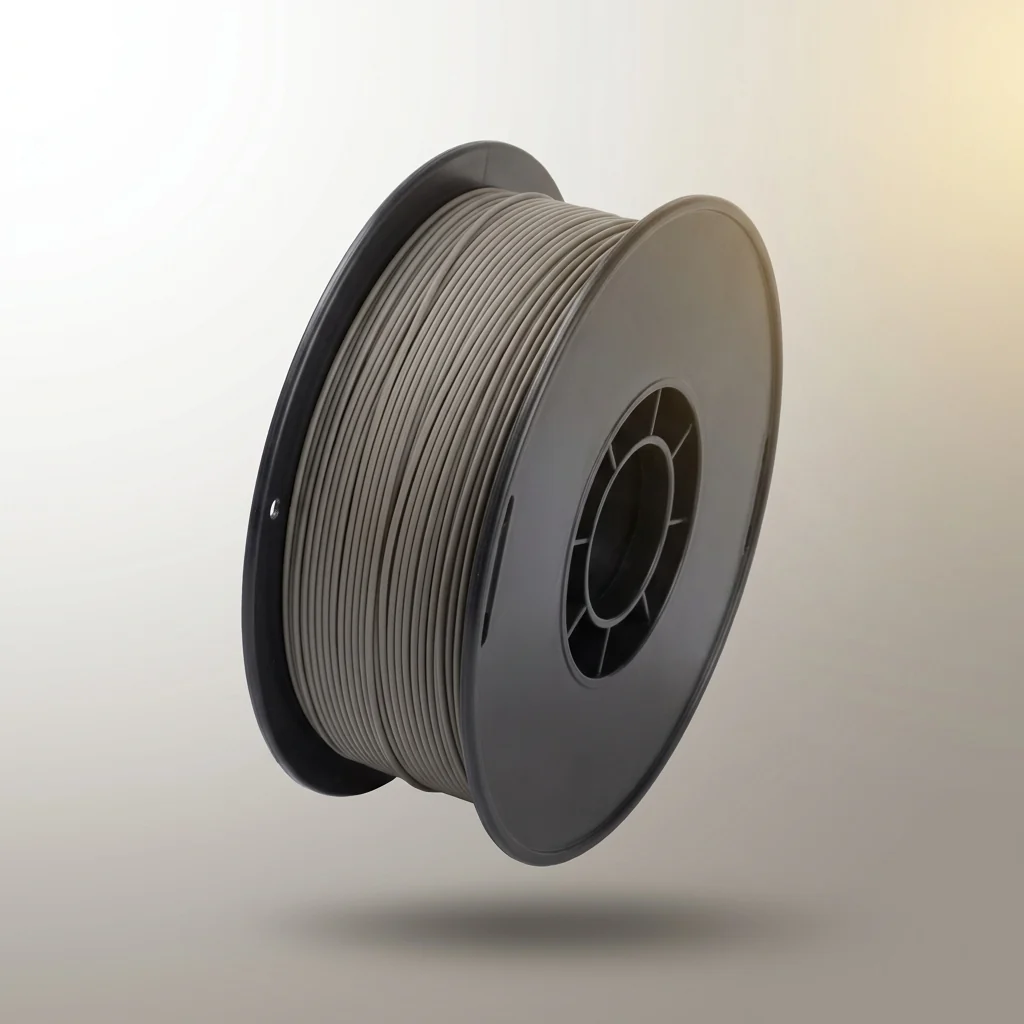 Metal316L steel filament$420
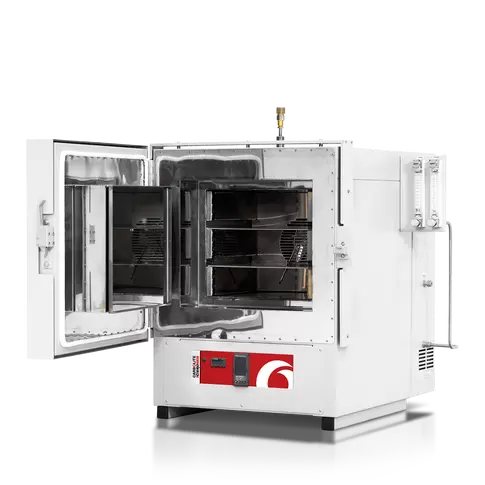 Debind + sinterControlled-atmosphere ovenQuote
More from the 3DCeram family
The M.A.T. is the extrusion-and-machining member of the 3DCeram range. For high-resolution technical ceramics by stereolithography (SLA), explore the Ceramaker line.
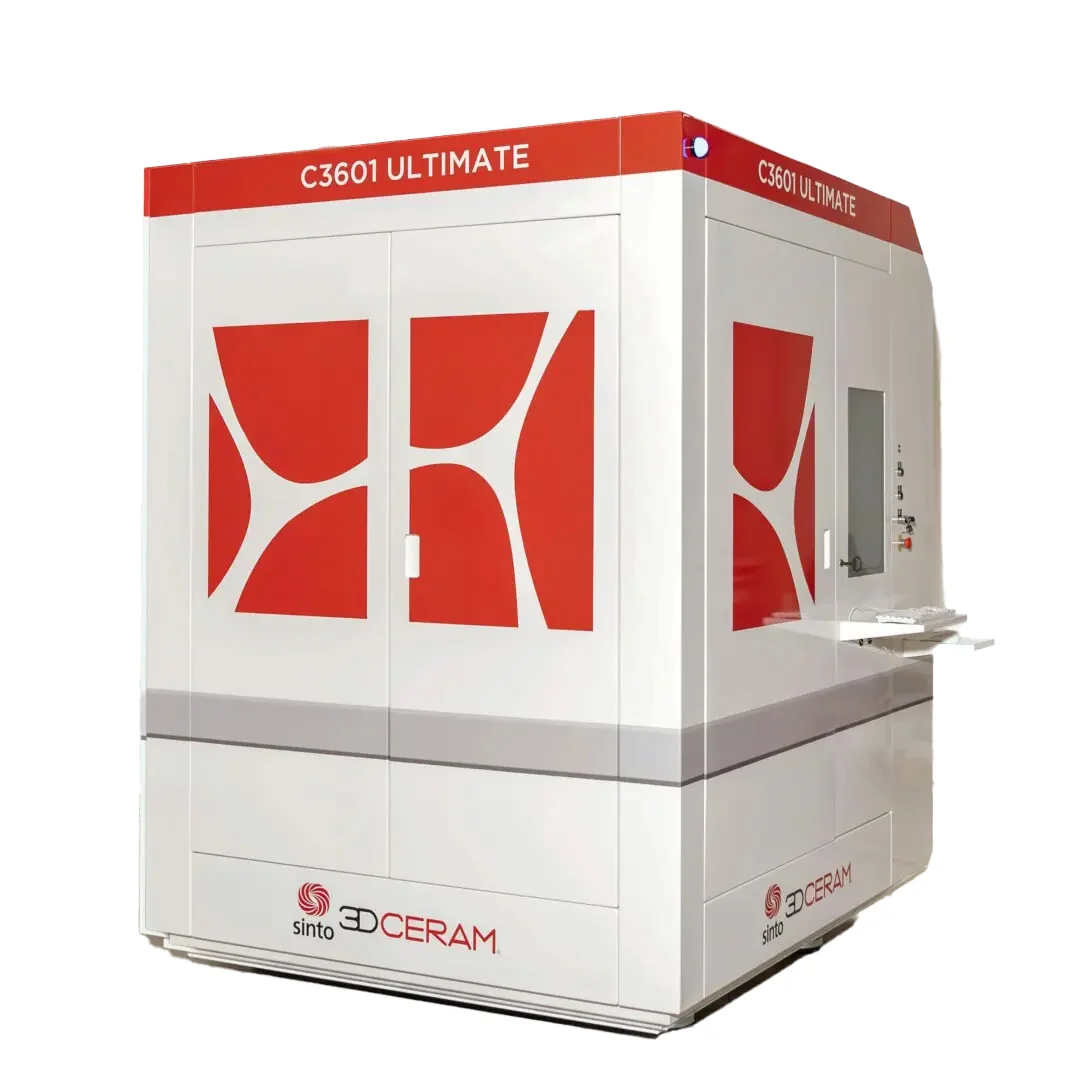 3DCeram · SLAC3601 ULTIMATELarge-format production SLA →
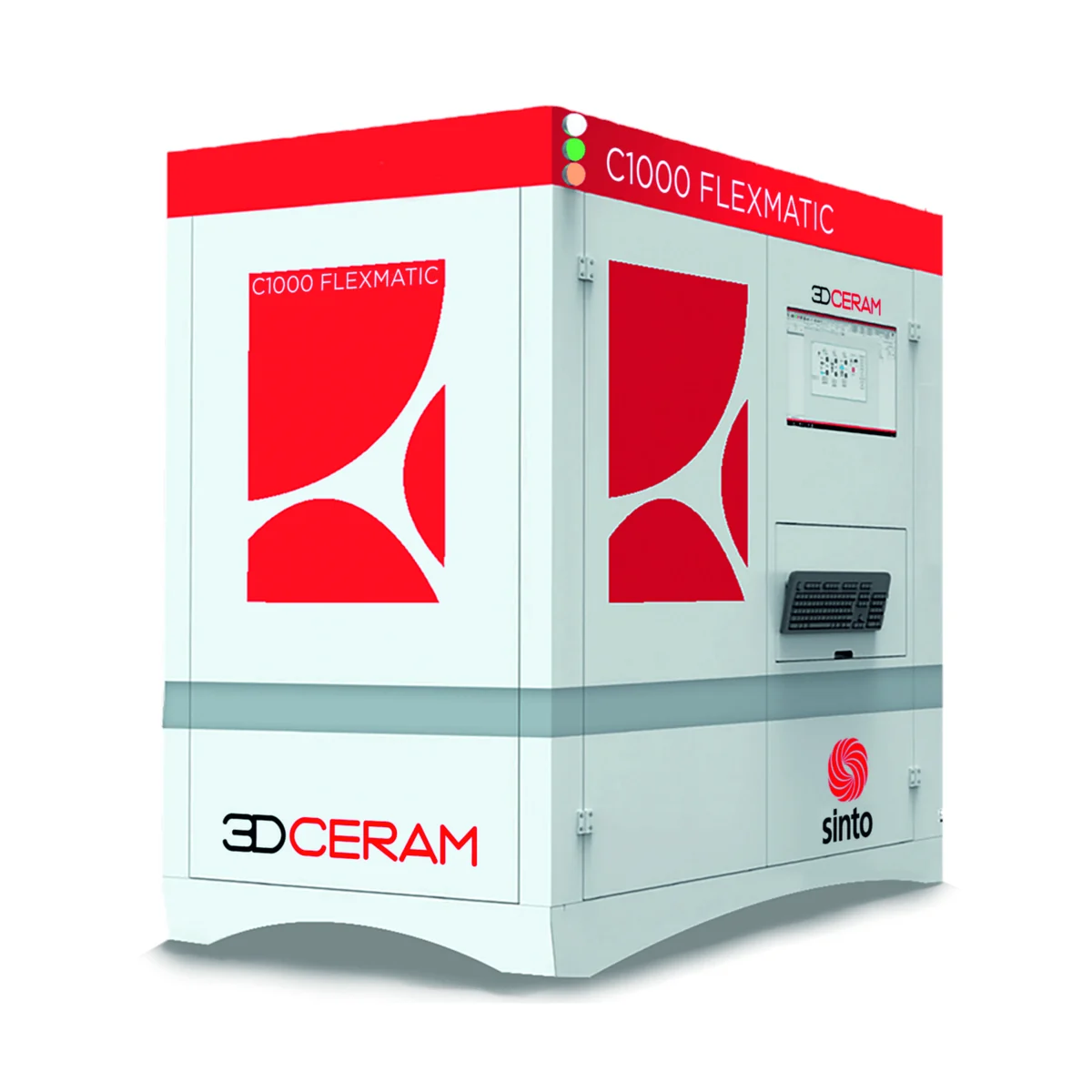 3DCeram · SLAC1000 FlexamaticHigh-throughput ceramic SLA →
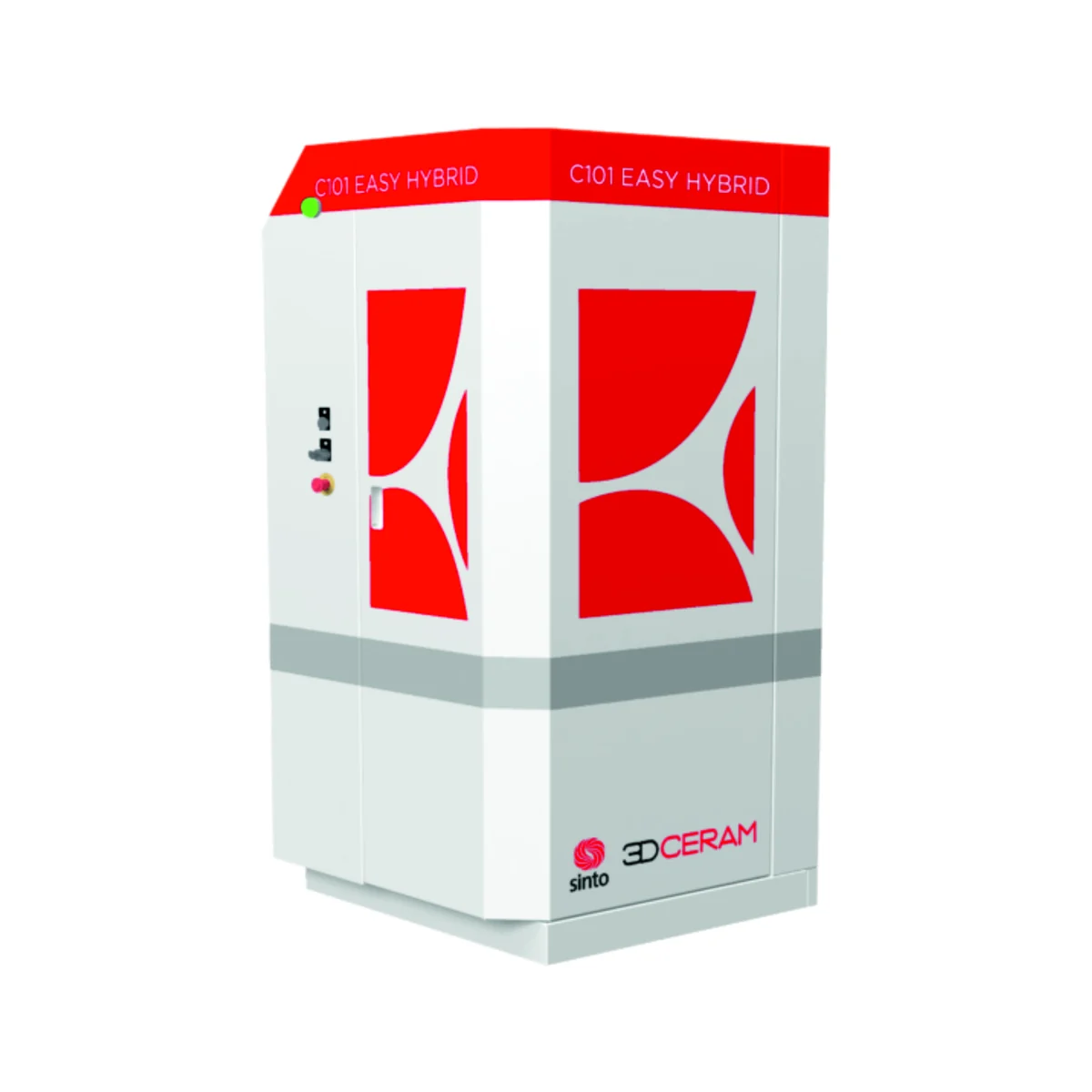 3DCeram · SLAC101 HYBRIDDevelop & scale, hybrid SLA →
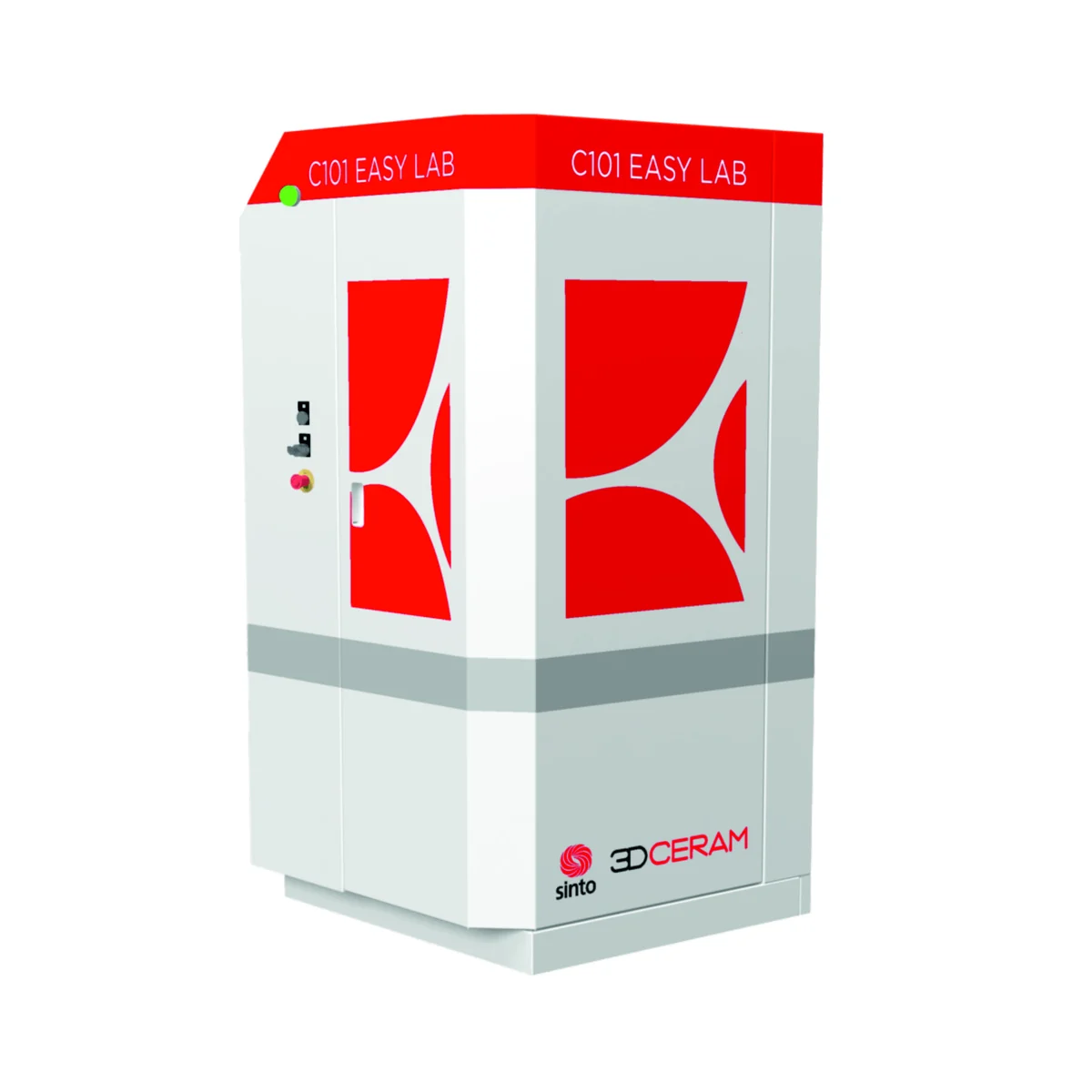 3DCeram · SLAC101 EASY LABLab & prototyping SLA →
M.A.T. technical specifications
| Specification | Detail |
|---|---|
| Technology | Direct extrusion — FFF, Direct Pellet Extrusion (DPE), paste / robocasting |
| Integrated subtractive | 3-axis CNC milling for green machining |
| Build volume | 200 × 200 × 200 mm |
| Machine dimensions | 750 × 650 × 800 mm (W×D×H) |
| Max. nozzle temperature | 270 °C |
| Max. bed temperature | 110 °C |
| Chamber temperature | Filament 50 °C · printer 50–60 °C |
| Motion | Closed-loop stepper motors |
| Filtration | Active-carbon filter; vacuum-assisted chip collection |
| Power supply | 230 V, 16 A, single-phase — no special installation |
| Software | Cura / Slic3r / Simplify3D + 3DCeram hybrid print-and-machine software |
What’s included & how you buy
- On-site installation & commissioning
- Operator training — printing, green-machining and the debind / sinter workflow
- US service, spares & technical support — from Additive Plus, not overseas
- 12-month manufacturer warranty, 3DCeram-backed and supported in the US
- Compatible filaments, pellets & validated parameters supplied; custom feedstock from your own powder
- Mutual NDA before any file or spec review
- Leasing & installment plans available — spread the investment over time
- US invoicing & PO procurement; typical lead time ~3 months
Frequently asked questions
Can the M.A.T. really print metal and ceramic without a laser?
Which materials can it run?
Do I need special facilities or three-phase power?
What is the build volume and lead time?
Is financing available?
Can I see a sample before I buy?
What warranty and support come with it?
See it make your part
Want proof before you invest? We don’t print free giveaways — but we’ll print your actual part for a fee in your target material (SiC, zirconia, 316L and more) and walk you through the results on a call, so you decide with the part in your hand.
No obligation · a materials engineer replies within one business day · we’ll help match materials and scope your first parts · or talk to an engineer.