
In stock
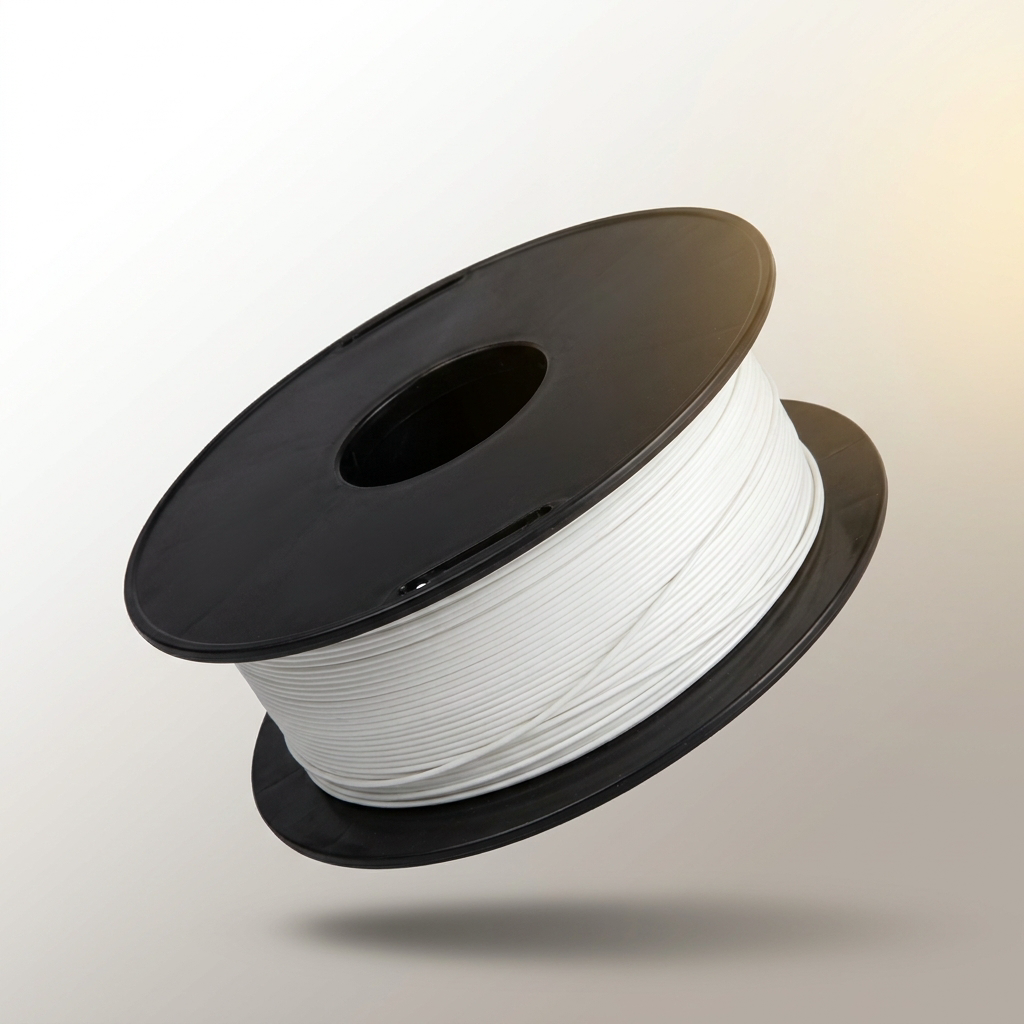
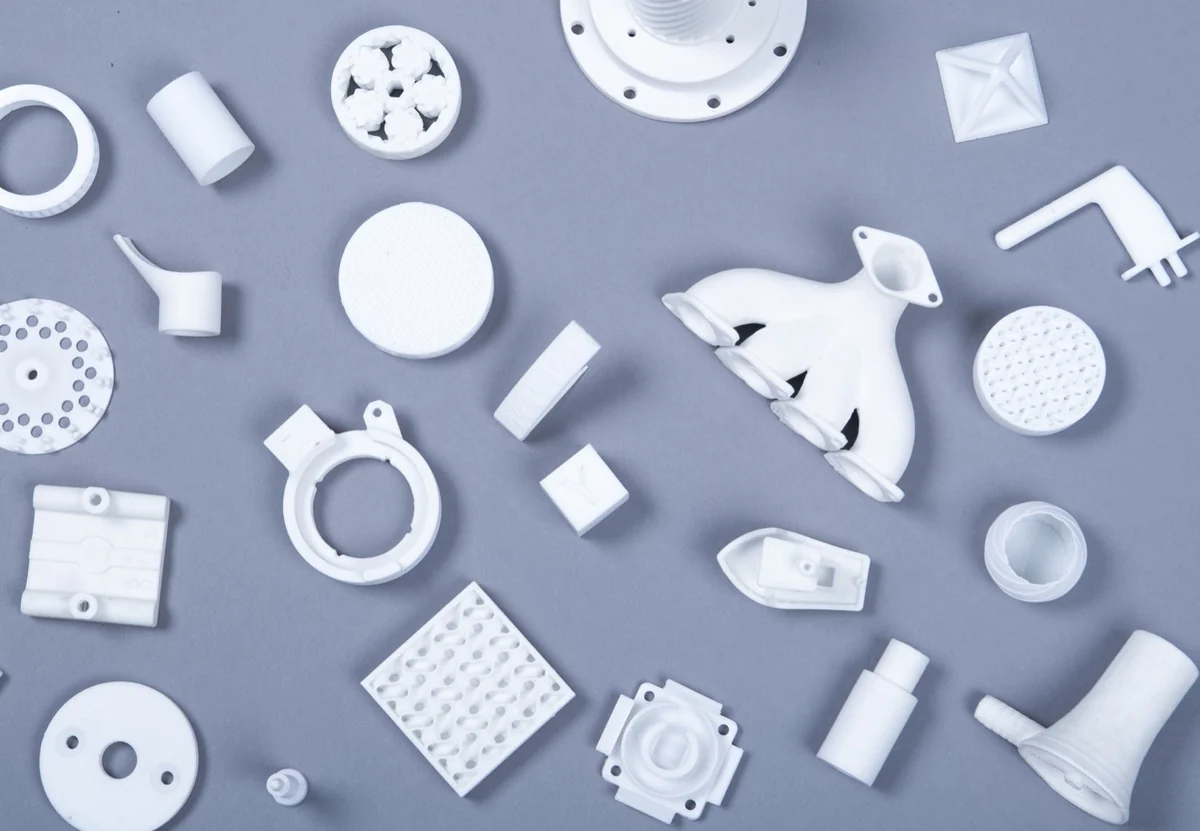
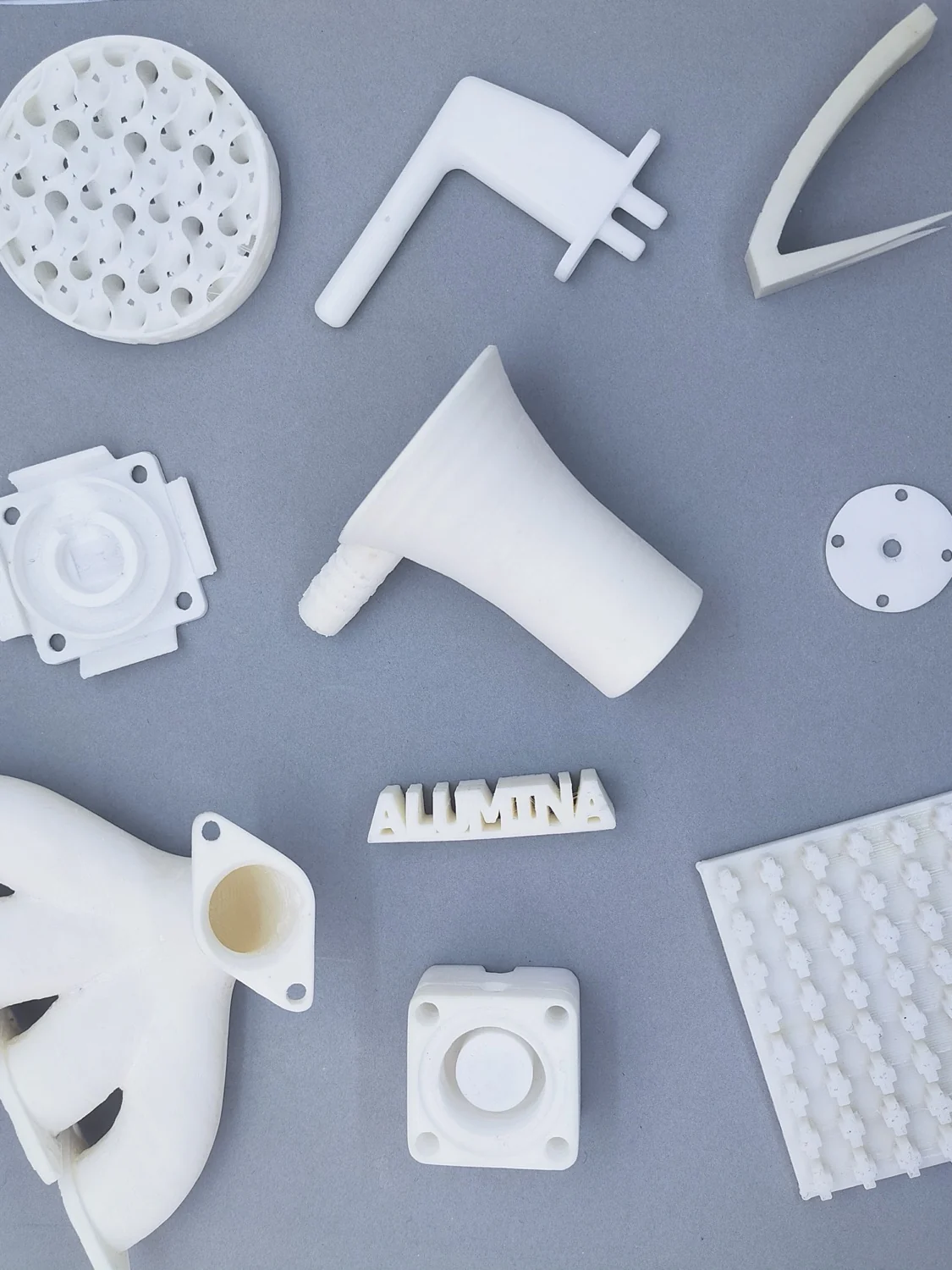
Zetamix Alumina Filament 1,75mm
- ✔ Electrically insulating, very hard and wear-resistant, stable at high temperatures
- ✔ Print → debind → sinter to dense alumina — no powder bed, no special printer
- ✔ Genuine Zetamix by Nanoe · 500 g spool · lead time 10–20 business days (depending on order queue)
$495
Zetamix Alumina filament lets you 3D-print dense technical alumina (Al₂O₃) on a standard FFF printer, then debind and sinter to a part that holds up to ~1550 °C, insulates electrically and resists wear — the same print → debind → sinter workflow we run in-house on our 3DCeram M.A.T.
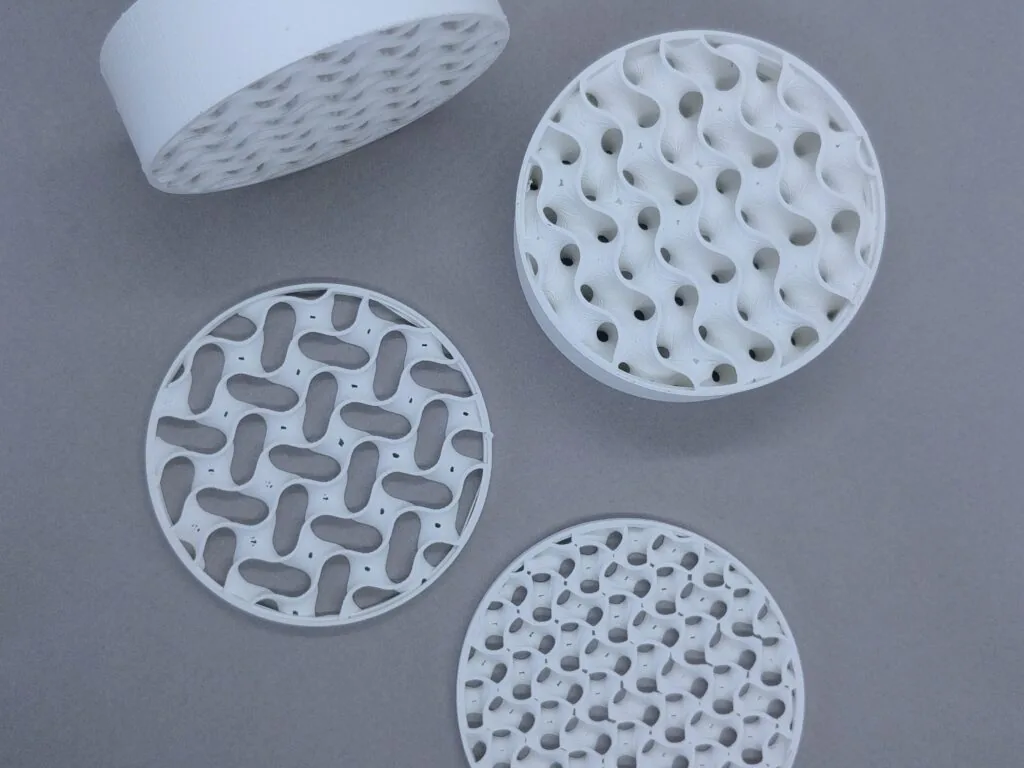
Why engineers choose Zetamix Alumina filament
Technical alumina (Al₂O₃) that goes from spool to a dense, heat-, wear- and electrically-resistant part on standard FFF hardware.
Holds mechanical properties up to ~1550 °C after sintering — for furnace parts, thermocouple tubes and high-temperature tooling.
Dielectric constant of 9 (±0.5) at 9.4 GHz and loss tangent ≈1×10⁻³ — a stable insulator for electrical components.
19 GPa (Hv10) at 98–99% density — a hard, abrasion-resistant surface for guides, inserts and wear parts.
Resistant to most acids and alkalis, so parts stay stable in aggressive chemical and process environments.
Alumina material properties after sintering
- Composition: technical alumina (Al₂O₃)
- Density after sintering: 98–99% of theoretical
- Bending strength: 200–500 MPa
- Hardness: 19 GPa (Hv10)
- Max service temperature: ~1550 °C
- Melting point: 2072 °C
- Dielectric constant: 9 (±0.5) at 9.4 GHz · loss tangent ≈1×10⁻³
- Linear shrinkage: scale the model 126.2% (X/Y) and 130.2% (Z)
- Filament: 1.75 mm
Full specifications are listed in the Specifications tab. Mechanical values are process-dependent — final properties vary with print, debind and sinter parameters.
From spool to dense alumina part
Three stages — the same workflow we run in-house.
Design & scale
Scale the model by 126.2% (X/Y) and 130.2% (Z) for sintering shrinkage. Minimum wall 1 mm, minimum part 6 mm cube, minimum vertical hole 0.6 mm, pins ≥2.5 mm.
Print on FFF
Print the green part on any standard FFF machine with a grooved drive gear and flexible build plate. 100% fan, 1 mm retraction at 20 mm/s, keep the room below 25 °C.
Debind & sinter
Acetone debind (6 h, 40 °C), thermal debind to 500 °C, then sinter to 1550 °C in air to a dense alumina part. No furnace? We run this for you.
Where alumina is used
Labs and manufacturers print alumina when they need heat, wear and electrical resistance in the same part.
See real builds in our Zetamix case studies →
No sintering furnace or debinding station? Talk to our team — we’ll help you get set up. Get in touch →
See Zetamix Alumina in action
Watch how Zetamix ceramic and metal filaments go from spool to dense, sintered part — the same FFF print → debind → sinter workflow we run in-house.
Choose your Zetamix material
Every Zetamix filament prints on a standard FFF 3D printer — we print and validate them in-house on our 3DCeram M.A.T. system — then debind and sinter to a dense ceramic or metal part. The highlighted row is the material on this page; compare the range below:
| Material | Type | Stands out for | Best for | From |
|---|---|---|---|---|
| Alumina | Technical ceramic | Electrical insulation, ~1550°C | Insulators, high-temp tooling | $495 |
| White Zirconia | Technical ceramic | Toughness & flexural strength | Wear & structural parts | $485 |
| Black Zirconia | Technical ceramic | Zirconia strength, black finish | Aesthetic + technical parts | $550 |
| Silicon Carbide | Technical ceramic | Extreme hardness & thermal | Abrasive / high-temp parts | $550 |
| Porcelain | Ceramic (art) | Glazeable, classic finish | Art, tableware, decorative | $225 |
| 316L | Stainless steel | Corrosion resistance, ductile | Functional metal parts | $420 |
| 17-4 PH | Stainless steel | High strength, hardenable | Tooling & functional parts | $420 |
| H13 | Tool steel | Hot hardness & wear | Dies, inserts, tooling | $420 |
| TiO2 | Specialty ceramic | Specialty technical ceramic | Niche functional parts | $550 |
| Brand | Zetamix by Nanoe |
| Printing Materials | Ceramic Filaments |
| Technology | FFF |
| Material | Alumina (Al2O3) |
| Application | Composite Tooling, Engineering, Jigs & Fixtures, Manufacturing |
Other products teams run alongside Zetamix Alumina Filament 1,75mm
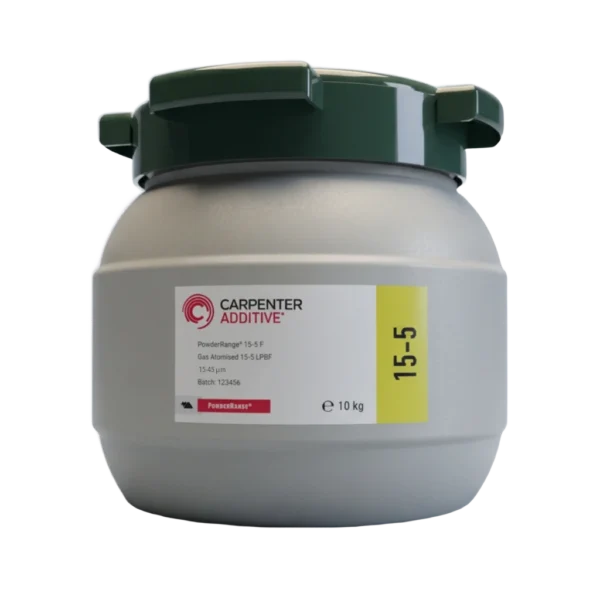
High strength. Cleaner properties. Heat-treatable. Genuine Carpenter PowderRange® 15-5 (15-5PH) precipitation-hardening stainless steel for LPBF metal 3D printing.
- ✓ Gas-atomized, low-oxygen — COA on request
- ✓ Sold in small, workable volumes — no large mill minimums
- ✓ In US stock — ready to ship
In stock
· In US stock · ready to ship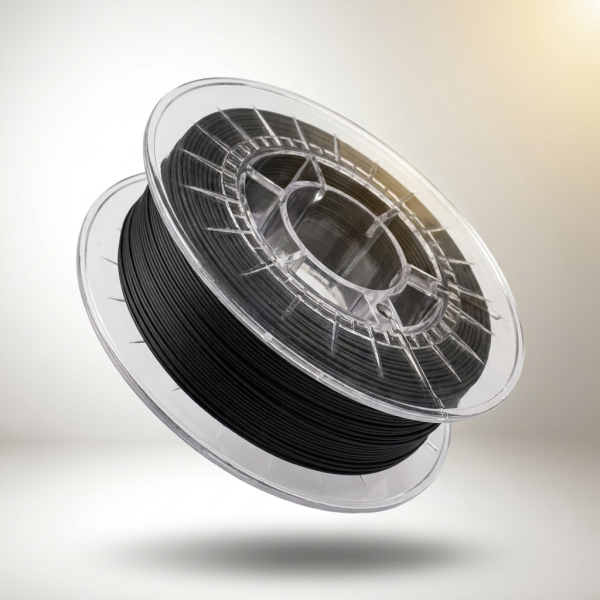
- ✔ High strength and hardness (precipitation-hardenable), good corrosion resistance
- ✔ Print → debind → sinter to dense metal — ideal for functional and tooling parts
- ✔ Genuine Zetamix by Nanoe · 500 g spool · lead time 10–20 business days (depending on order queue)
In stock
· Ships in 1–2 business days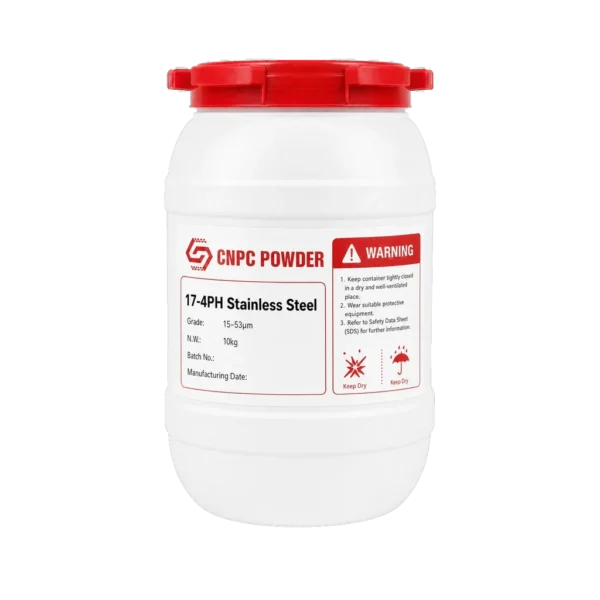
CNPC 17-4PH powder for LPBF — made by CNPC Powder, nitrogen gas-atomized, 15–53 µm, sold in 10 kg containers.
- 10 kg container · $38.50/kg · $385
- Certificate of analysis (COA) for the lot, on request
- Ship date confirmed by email after you order
Manufacturer: CNPC Powder · materials engineer on call · order below or talk to an engineer first.
Made to order
· Ships in 6–8 weeks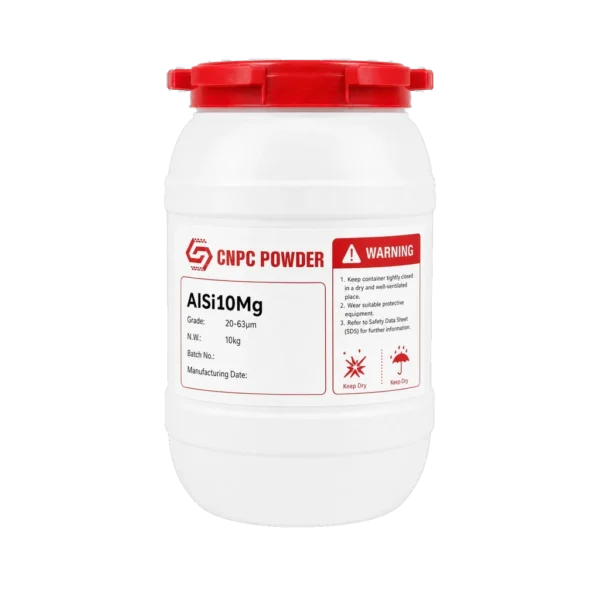
CNPC AlSi10Mg powder for LPBF — made by CNPC Powder, gas-atomized, 20–63 µm, sold in 10 kg lots.
- 10 kg container · $41/kg · $410
- Certificate of analysis (COA) for the lot, on request
- Ship date confirmed by email after you order
Manufacturer: CNPC Powder · materials engineer on call · order below or talk to an engineer first.
Made to order
· Ships in 6–8 weeks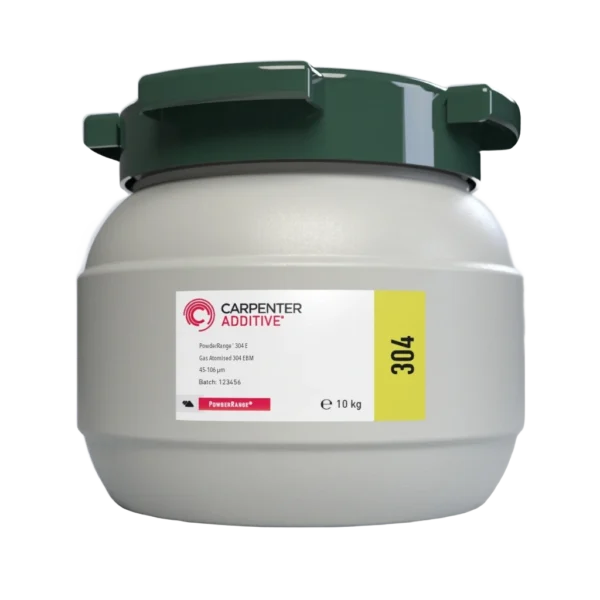
Versatile. Weldable. Cost-effective. Genuine Carpenter PowderRange® 304 / 304L austenitic stainless steel for EBM metal 3D printing, in the coarser E cut (45–106 µm).
- ✓ Gas-atomized, low-oxygen — COA on request
- ✓ Sold in small, workable volumes — no large mill minimums
- ✓ In US stock — ready to ship
In stock
· In US stock · ready to ship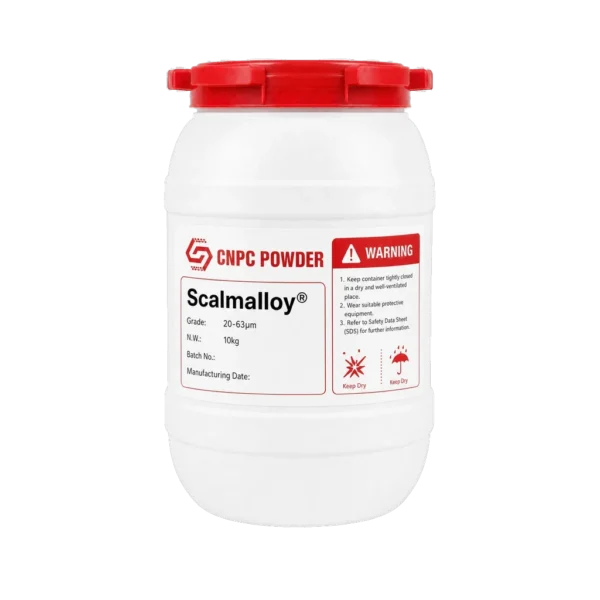
CNPC Scalmalloy® powder for LPBF — made by CNPC Powder, 20–63 µm, sold in 10 kg containers.
- Certificate of analysis (COA) for the lot, on request
Manufacturer: CNPC Powder
Made to order
· Ships in 6–8 weeks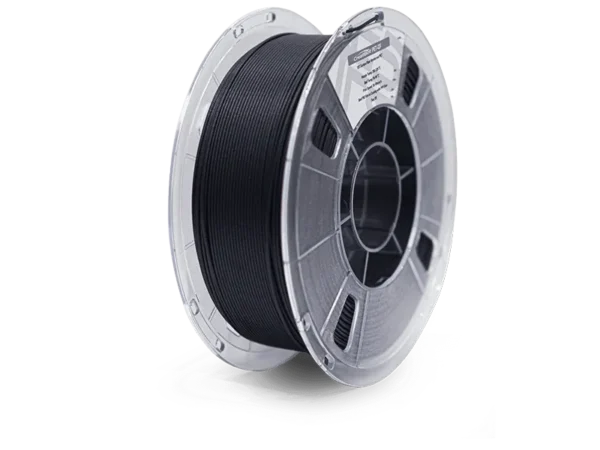
Carbon-fiber-reinforced PET filament for FDM 3D printing — high strength (87 MPa tensile) and stiffness (6025 MPa modulus) with excellent dimensional stability, for structural brackets, tooling, and end-use parts under load.
- ✓ ±0.02mm diameter tolerance — consistent extrusion, low jam risk
- ✓ Validated print profile + datasheet included
- ✓ In stock, ships in 1–2 business days
In stock
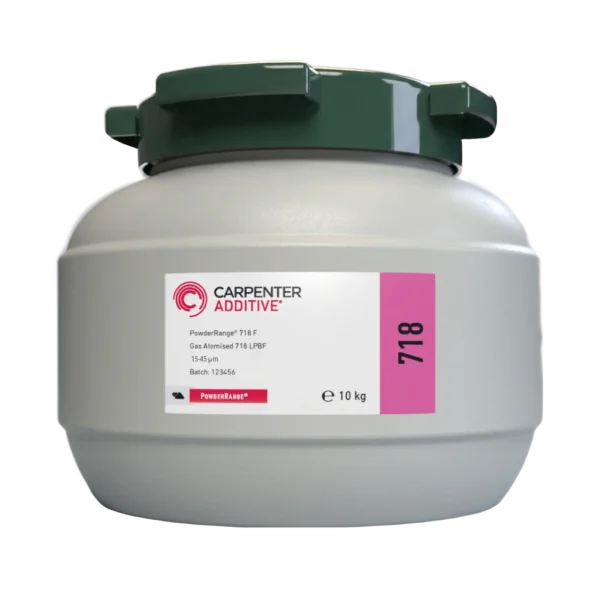
- ✓ High tensile, fatigue & creep strength to 1300°F (704°C)
- ✓ Sold in small, workable volumes — no large mill minimums
- ✓ Full COA on every lot · in US stock, ready to ship
Out of stock
· Out of stock · next lot expected in February 2027What our customers say
“Harry and team were professional, effective communicators as we set up the order, then they executed quickly and produced an amazing product for us at a very competitive price. Am looking forward to our next print w Additive Plus!”
“Great 3D printing service and the resin parts look super smooth and clean. Really happy with how everything turned out!”
“Harry was very professional and helped me out with my 3D printing needs and explained what options I have in terms of filaments such as PEEK. Highly recommended.”
“I needed a 3D enclosure printed urgently in a specific time period, they did great!”
Common questions
Don't see yours? Email [email protected] — NDA on request, typical reply within 4 hours.
What is Zetamix Alumina Filament?
Do I need a specialized ceramic 3D printer to use Zetamix Alumina Filament?
What are the main advantages of Zetamix Alumina Filament?
What applications is Zetamix Alumina Filament best suited for?
How heat resistant are sintered alumina parts?
Are alumina parts electrically insulating?
Is Zetamix Alumina Filament chemically resistant?
What processing steps are required after printing?
Do printed parts shrink during sintering?
What mechanical properties can I expect after sintering?
Can I print complex ceramic geometries?
What support does Additive Plus provide for Zetamix Alumina Filament?
Place your order, or talk to an engineer first
Order Zetamix Alumina Filament 1,75mm direct, or talk to materials engineer