
In stock
- Debind & sinter parameters + datasheet in every order
- Mutual NDA before any file or spec review
Zetamix H13 Tool Steel Filament 1,75mm
- ✔ Excellent hot hardness and wear resistance, heat-treatable
- ✔ Print → debind → sinter — great for tooling, dies and inserts
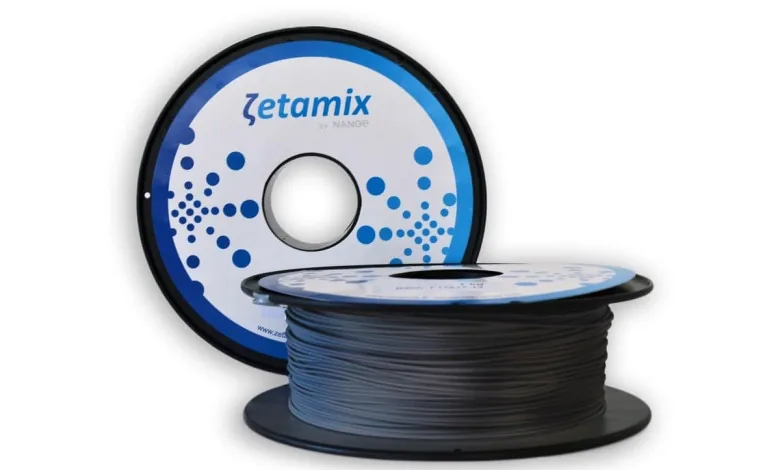
- ✔ Genuine Zetamix by Nanoe · 500 g spool · lead time 10–20 business days (depending on order queue)
$420
What your process engineer actually checks
Green part to fully dense, predictably
Every spool ships with a datasheet and validated debind/sinter parameters, so green parts reach target density with predictable shrinkage. Lock the cycle once, reorder the same feedstock.
A materials engineer on the line
Questions on debind schedules, sinter shrinkage, density, or warpage on bound-metal/ceramic FFF? A materials engineer answers directly — not a contact-form bot. Most replies in under 4 hours, NDA on request.
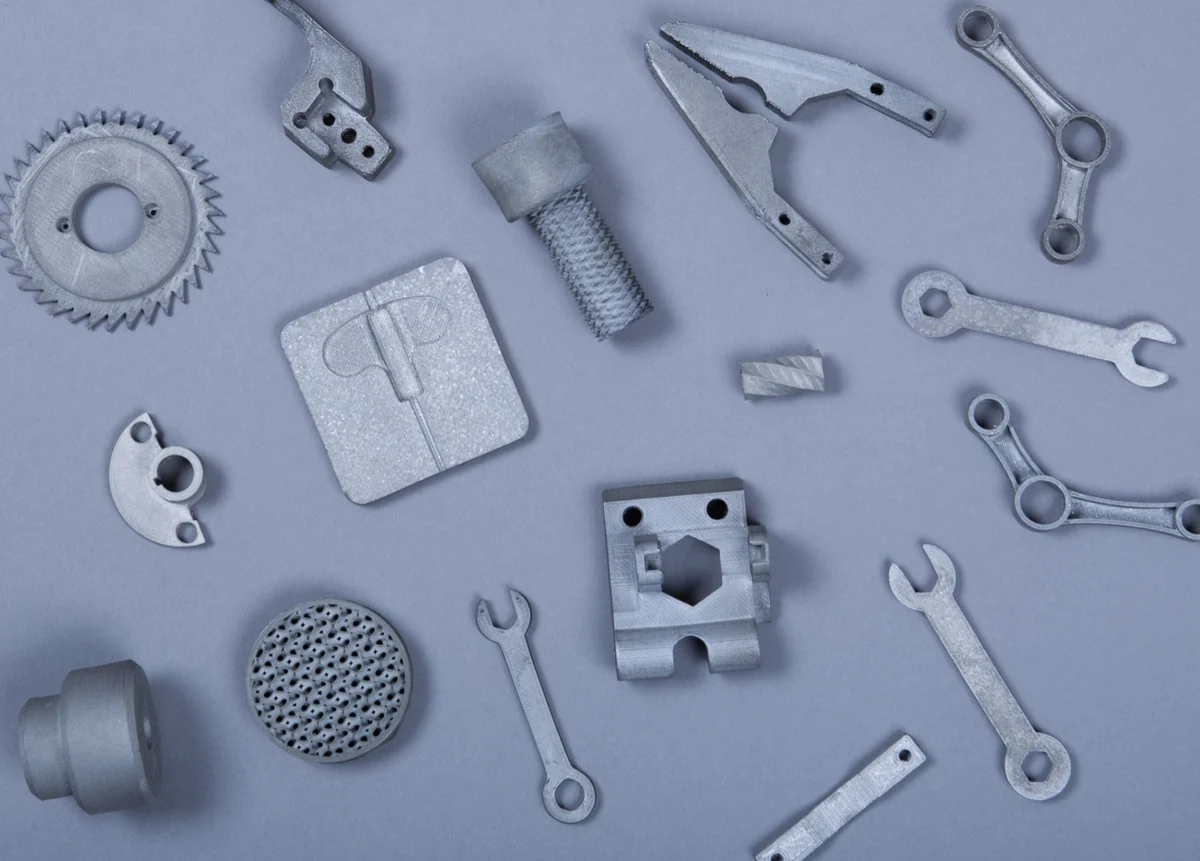
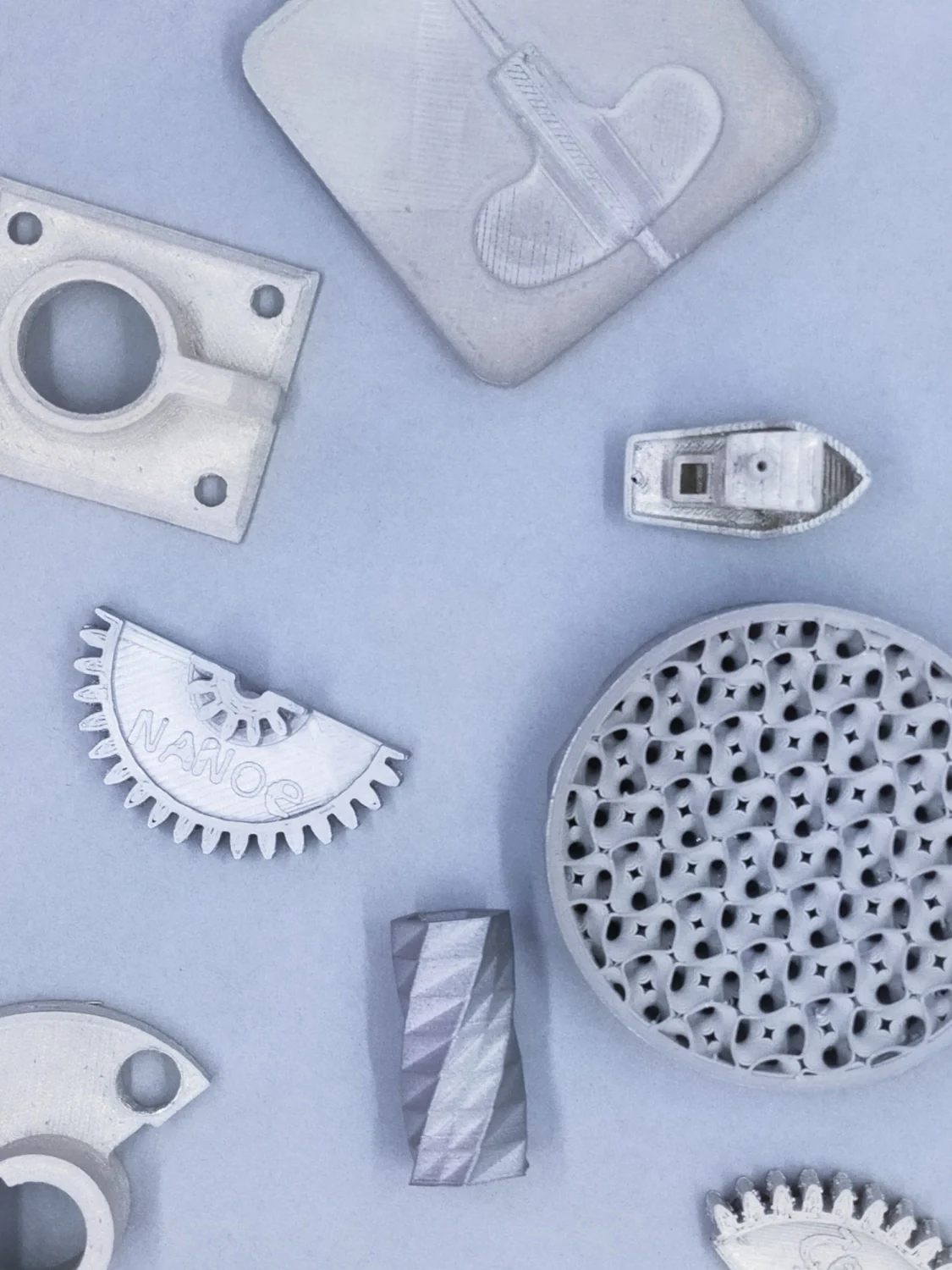
Zetamix H13 tool steel filament lets you 3D-print hot-work tool steel (X40CrMoV5-1) on a standard FFF printer, then debind and sinter to a dense metal tooling part — the same print → debind → sinter workflow we run in-house on our 3DCeram M.A.T. It holds strength and hardness at elevated temperature, so you can print dies, inserts and mould components with conformal cooling that machining can’t reach.
Why engineers choose Zetamix H13 Tool Steel filament
Hot-work tool steel (X40CrMoV5-1) printed on FFF and sintered to a dense metal part — tooling geometry without the machining lead time.
X40CrMoV5-1 (H13) maintains strength and hardness at elevated temperature — built for dies, inserts and hot-work tooling.
Print internal cooling channels and mould features that subtractive machining cannot produce, directly on a standard FFF printer.
High ductility gives impact resistance and reduces the risk of brittle fracture in loaded tooling components.
Sinter to 90–91% density for near-wrought performance and print replacement tooling on demand instead of re-machining.
H13 tool steel properties after sintering
- Composition: X40CrMoV5-1 hot-work tool steel (~90% steel by mass)
- Density after sintering: 90–91% of theoretical
- Temperature behaviour: maintains strength and hardness at elevated temperature
- Ductility: high — impact resistance for loaded tooling
- Sintering scale: 118.2% (X/Y) and 119.6% (Z) to compensate shrinkage
- Filament: 1.75 mm
Full specifications are listed in the Specifications tab. Mechanical values are process-dependent — final properties vary with print, debind and sinter parameters.
From spool to dense H13 tooling part
Three stages — the same workflow we run in-house.
Design & scale
Scale the model 118.2% (X/Y) and 119.6% (Z) for sintering shrinkage. Max printed size 200 mm (100 mm recommended). Minimum wall 1 mm, pin 3 mm, hole 1.5 mm, overhang ≥35°.
Print on FFF
Print the green part on any standard FFF machine with grooved drive gears. Keep ambient below 25 °C, no retraction, 3 wall layers, 100% fan from layer 2, 20–100% infill.
Debind & sinter
Thermal debind at 10 °C/h from 50 to 650 °C in Ar/H₂, then sinter at 50 °C/h to 1350 °C with a 2 h hold in a controlled atmosphere. No furnace? We run this for you.
Where H13 tool steel is used
Engineers print H13 when they need hot-work tool steel geometry — and cooling — that machining can’t deliver on time.
See real builds in our Zetamix case studies →
No sintering furnace or debinding station? Talk to our team — we’ll help you get set up. Get in touch →
See Zetamix H13 Tool Steel in action
Watch how Zetamix ceramic and metal filaments go from spool to dense, sintered part — the same FFF print → debind → sinter workflow we run in-house.
Choose your Zetamix material
Every Zetamix filament prints on a standard FFF 3D printer — we print and validate them in-house on our 3DCeram M.A.T. system — then debind and sinter to a dense ceramic or metal part. The highlighted row is the material on this page; compare the range below:
| Material | Type | Stands out for | Best for | From |
|---|---|---|---|---|
| Alumina | Technical ceramic | Electrical insulation, ~1550°C | Insulators, high-temp tooling | $495 |
| White Zirconia | Technical ceramic | Toughness & flexural strength | Wear & structural parts | $485 |
| Black Zirconia | Technical ceramic | Zirconia strength, black finish | Aesthetic + technical parts | $550 |
| Silicon Carbide | Technical ceramic | Extreme hardness & thermal | Abrasive / high-temp parts | $550 |
| Porcelain | Ceramic (art) | Glazeable, classic finish | Art, tableware, decorative | $225 |
| 316L | Stainless steel | Corrosion resistance, ductile | Functional metal parts | $420 |
| 17-4 PH | Stainless steel | High strength, hardenable | Tooling & functional parts | $420 |
| H13 | Tool steel | Hot hardness & wear | Dies, inserts, tooling | $420 |
| TiO2 | Specialty ceramic | Specialty technical ceramic | Niche functional parts | $550 |
| Brand | Zetamix by Nanoe |
| Printing Materials | Metal Filaments |
| Technology | FFF |
| Application | Composite Tooling, Engineering, Jigs & Fixtures, Manufacturing |
We source and qualify. Custom feedstock on request.
Need a specific bound-metal or ceramic filament, or parameters for a printer we don't list yet? Our materials team qualifies the feedstock and verifies sinter behavior before you commit. Typical lead 3–4 weeks.
Other products teams run alongside Zetamix H13 Tool Steel Filament 1,75mm
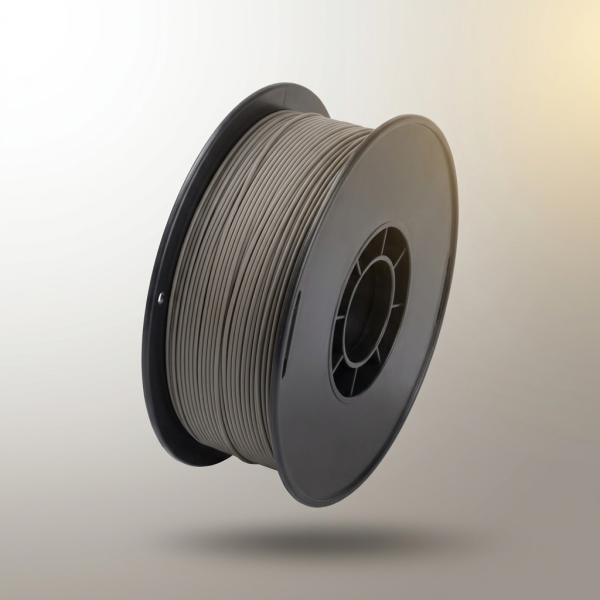
- ✔ Excellent corrosion resistance, ductile and well suited to functional parts
- ✔ Print → debind → sinter to dense 316L on a desktop FFF printer
- ✔ Genuine Zetamix by Nanoe · 500 g spool · lead time 10–20 business days (depending on order queue)
In stock
· Ships in 1–2 business days
High-heat PC pellets qualified for large-format additive manufacturing (LFAM) — high heat deflection, high impact, and dimensional stability for big tooling at pellet cost.
- ✓ High heat deflection and high impact — holds shape where ABS and PET-G soften
- ✓ Ships sealed with a lot datasheet + high-temperature drying and extrusion parameters
- ✓ Lead time: 1–2 business days from L.A. stock — volume & PO on request
In stock
· 1–2 Business Days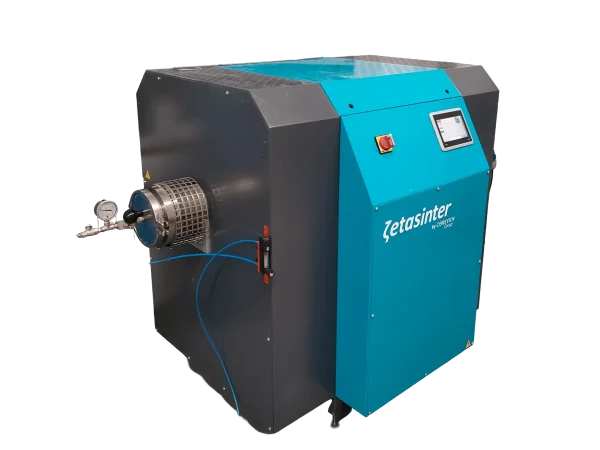
Zetasinter 4L is a tubular furnace for sintering printed metal parts under controlled atmosphere.
- ✔ Sinters under argon or argon and hydrogen — the atmosphere metal parts need
- ✔ Sized for prototyping and small production runs, not for a service bureau queue
- ✔ Runs on 220 V, 6 kW — no plant-level power supply required
Freight and installation requirements confirmed with you before the order is placed.
Made to order
· Ships from California in 4–8 weeks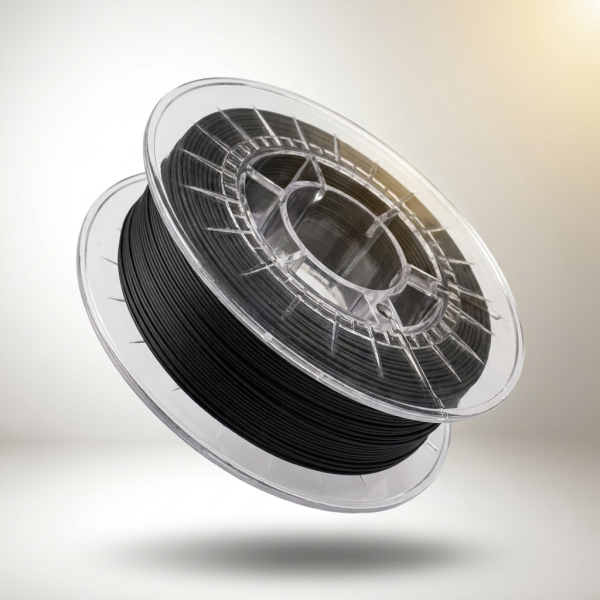
- ✔ High strength and hardness (precipitation-hardenable), good corrosion resistance
- ✔ Print → debind → sinter to dense metal — ideal for functional and tooling parts
- ✔ Genuine Zetamix by Nanoe · 500 g spool · lead time 10–20 business days (depending on order queue)
In stock
· Ships in 1–2 business days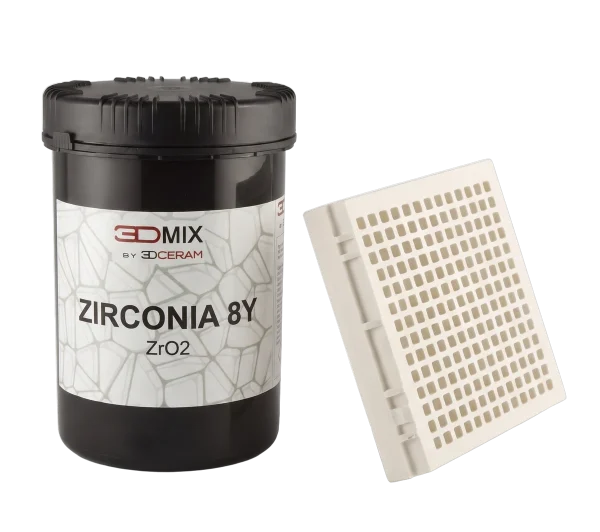
Print oxygen-ion-conducting 8Y zirconia parts on 3DCeram's Ceramaker laser-SLA platform for solid-oxide fuel cells and electrochemical hardware.
- ✓ σ·T = 17 S·cm⁻¹·K at 800 °C — fully-stabilized SOFC electrolyte material, >99% dense
- ✓ Debind and sinter parameters plus the full datasheet included with every order
- ✓ Ceramic SLA paste for the 3DCeram Ceramaker platform — quote-based, mutual NDA before spec review
In stock
· In stock — ships in 1–2 business days. Custom ceramic formulations and larger batches: 2–4 weeks, configured to order.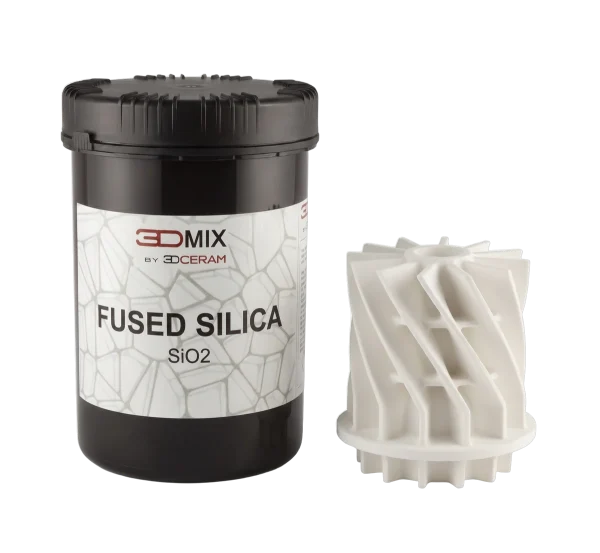
Print leachable fused-silica investment-casting cores on 3DCeram's Ceramaker laser-SLA platform for complex internal casting geometries.
- ✓ 40% porosity, excellent leachability — cleanly removed after casting
- ✓ Very low expansion (0.07% max dilatation to 1500 °C) holds core dimension through the pour
- ✓ Ceramic SLA paste for the 3DCeram Ceramaker platform — quote-based, mutual NDA before spec review
In stock
· In stock — ships in 1–2 business days. Custom ceramic formulations and larger batches: 2–4 weeks, configured to order.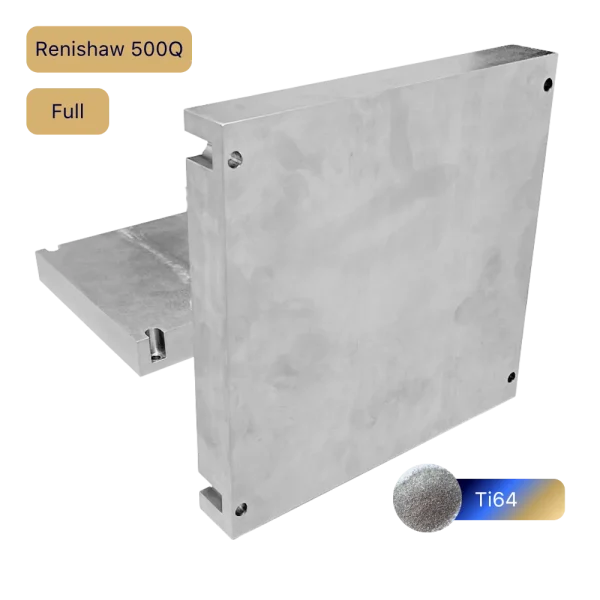
Made to order
· Express 2–3 wks · Standard 6–8 wks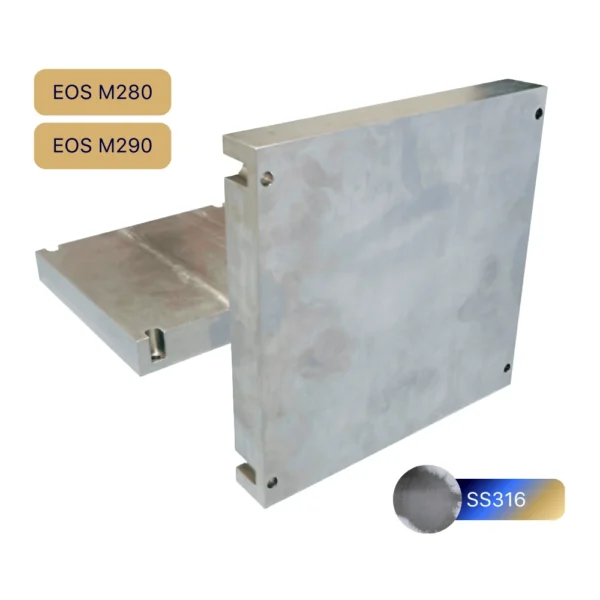
- ✓ 316L — stronger pitting and chemical resistance than 304 stainless
- ✓ Precision-ground flatness for consistent first-layer adhesion
- ✓ Made to order — choose your speed below: Express 2–3 wks, or Standard 6–8 wks (save ~45%)
Made to order
· Express 2–3 wks · Standard 6–8 wksWhat our customers say
“Harry and team were professional, effective communicators as we set up the order, then they executed quickly and produced an amazing product for us at a very competitive price. Am looking forward to our next print w Additive Plus!”
“Great 3D printing service and the resin parts look super smooth and clean. Really happy with how everything turned out!”
“Harry was very professional and helped me out with my 3D printing needs and explained what options I have in terms of filaments such as PEEK. Highly recommended.”
“I needed a 3D enclosure printed urgently in a specific time period, they did great!”
Common questions
Don't see yours? Email [email protected] — NDA on request, typical reply within 4 hours.
What makes H13 steel suitable for tooling applications?
What special printing environment is required?
How do the mechanical properties compare to traditional H13?
What safety precautions are necessary?
Can I create injection molds with conformal cooling channels?
What design limitations should I consider?
How long does the complete process take?
What applications is H13 best suited for?
Is chemical debinding required?
What's the shelf life and storage requirements?
Place your order, or talk to an engineer first
Order Zetamix H13 Tool Steel Filament 1,75mm direct, or talk to materials engineer