
In stock
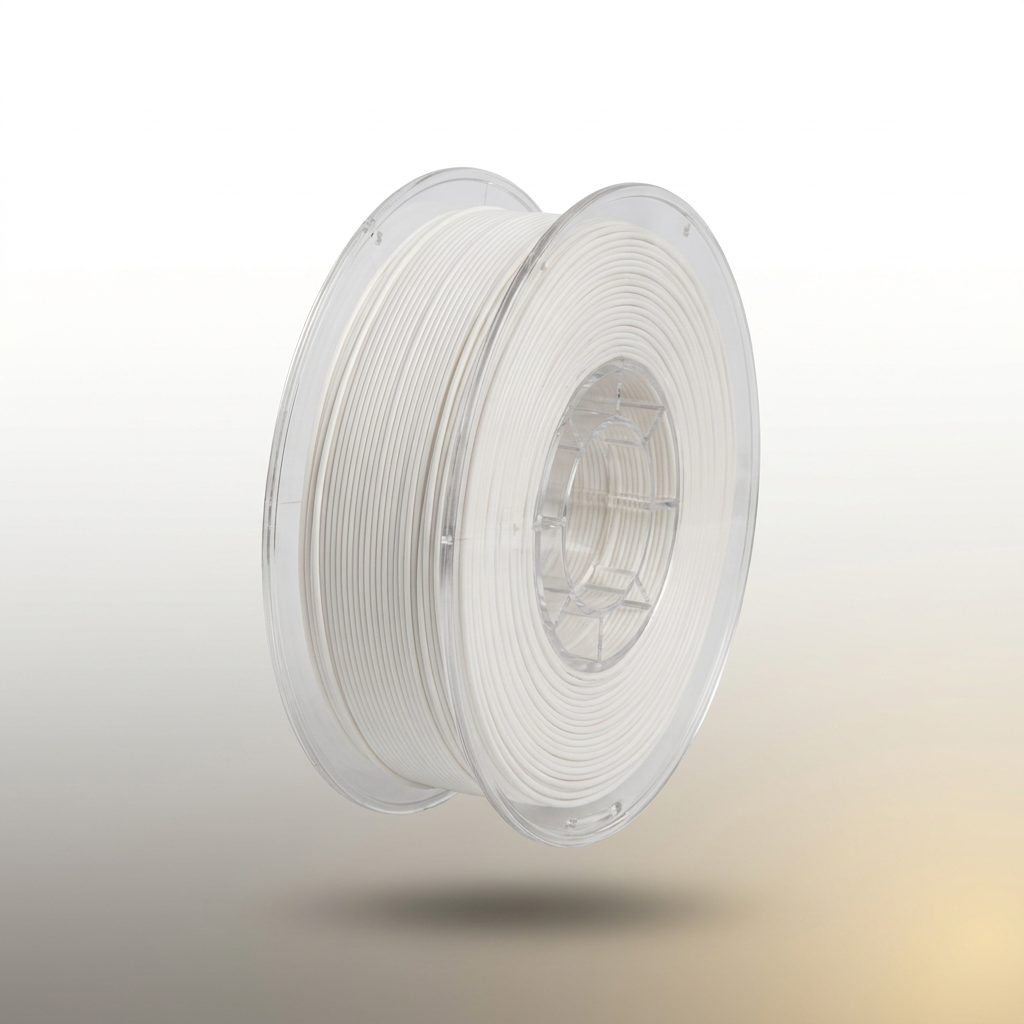
Zetamix White Zirconia Filament 1,75mm
- ✔ High toughness and flexural strength, wear- and corrosion-resistant
- ✔ Print → debind → sinter to dense zirconia on a desktop FFF machine
- ✔ Genuine Zetamix by Nanoe · 500 g spool · lead time 10–20 business days (depending on order queue)
$485
Zetamix White Zirconia lets you 3D-print dense technical zirconia (3Y-TZP) on a standard FFF printer, then debind and sinter to a tough, wear-resistant ceramic part with a clean white finish — the same print → debind → sinter workflow we run in-house on our 3DCeram M.A.T.
Why engineers choose Zetamix White Zirconia filament
3 mol% yttria-stabilized zirconia (3Y-TZP) — the toughest of the common technical ceramics.
3Y-TZP resists chipping and impact where alumina and other technical ceramics crack — the go-to material for parts that take load and abuse.
Bending strength of 400–1000 MPa after sintering, at 98–99% of theoretical density — comparable to conventionally manufactured technical zirconia.
Hard, chemically stable surface for cutting edges, guides, fixtures and structural parts that run in abrasive or aggressive environments.
Sinters to a dense white ceramic. Machinable and polishable from matte to a mirror finish for appearance and high-visibility parts.
White zirconia material properties after sintering

| Property | Value |
|---|---|
| Composition | 3 mol% yttria-stabilized zirconia (3Y-TZP) · 86 wt% ceramic load |
| Density after sintering | 98–99% of theoretical |
| Bending strength | 400–1000 MPa |
| Fracture toughness | Highest of the common technical ceramics |
| Sintering | 1475 °C, 2 h hold, air atmosphere |
| Linear shrinkage | ~21.5% ±1% (x, y, z) |
| Print temperature | 180 °C |
| Filament | 1.75 mm · 500 g vacuum-sealed spool |
Full specifications are listed in the Specifications tab. Mechanical values are process-dependent — final properties vary with print, debind and sinter parameters.
From spool to dense ceramic part
Three stages — the same workflow we run in-house.
Design & scale
Scale the model by ~21.5% for sintering shrinkage. Minimum wall 1 mm, minimum part size 6 mm, minimum vertical hole 0.6 mm.
Print on FFF
Print the green part on any standard FFF machine with a hardened, abrasion-resistant nozzle. 100% fan, grooved drive gear, 180 °C, flexible build plate.
Debind & sinter
Acetone debind, thermal debind to 500 °C, then sinter to 1475 °C in air to a dense zirconia part. No furnace? We run this for you.
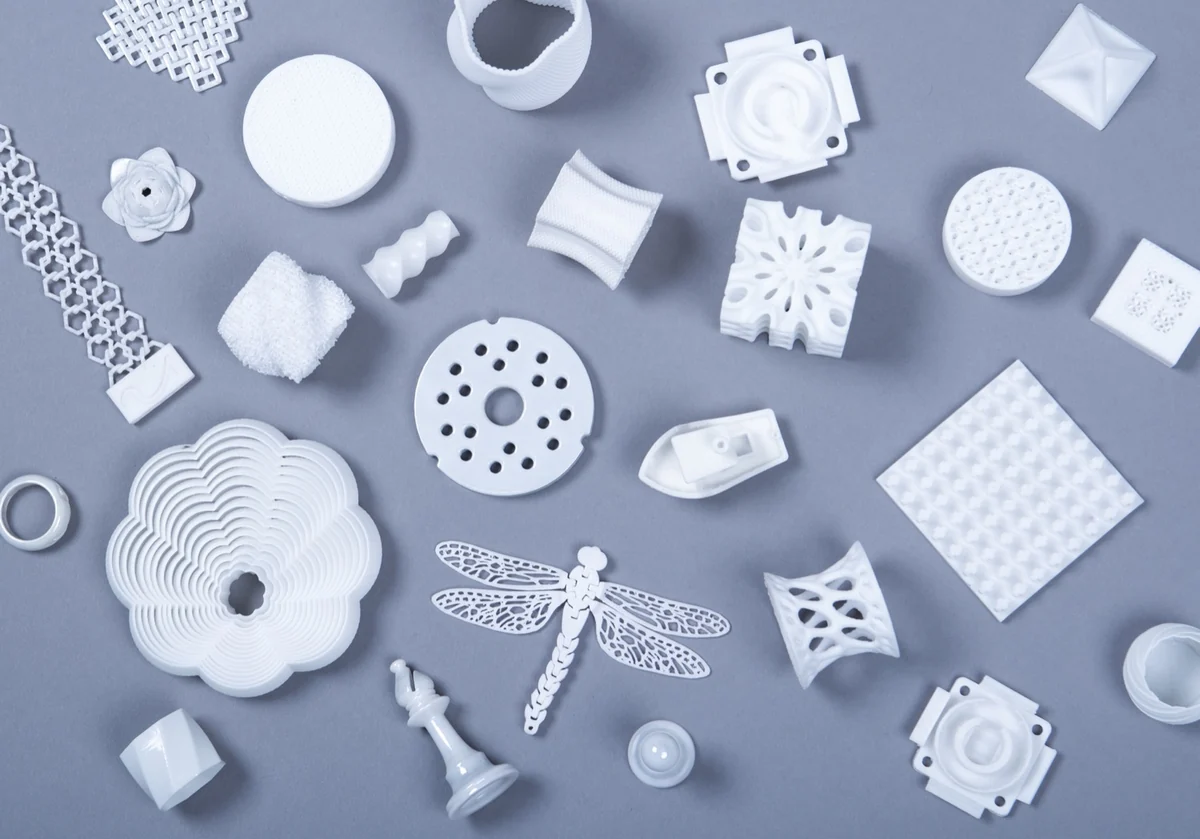
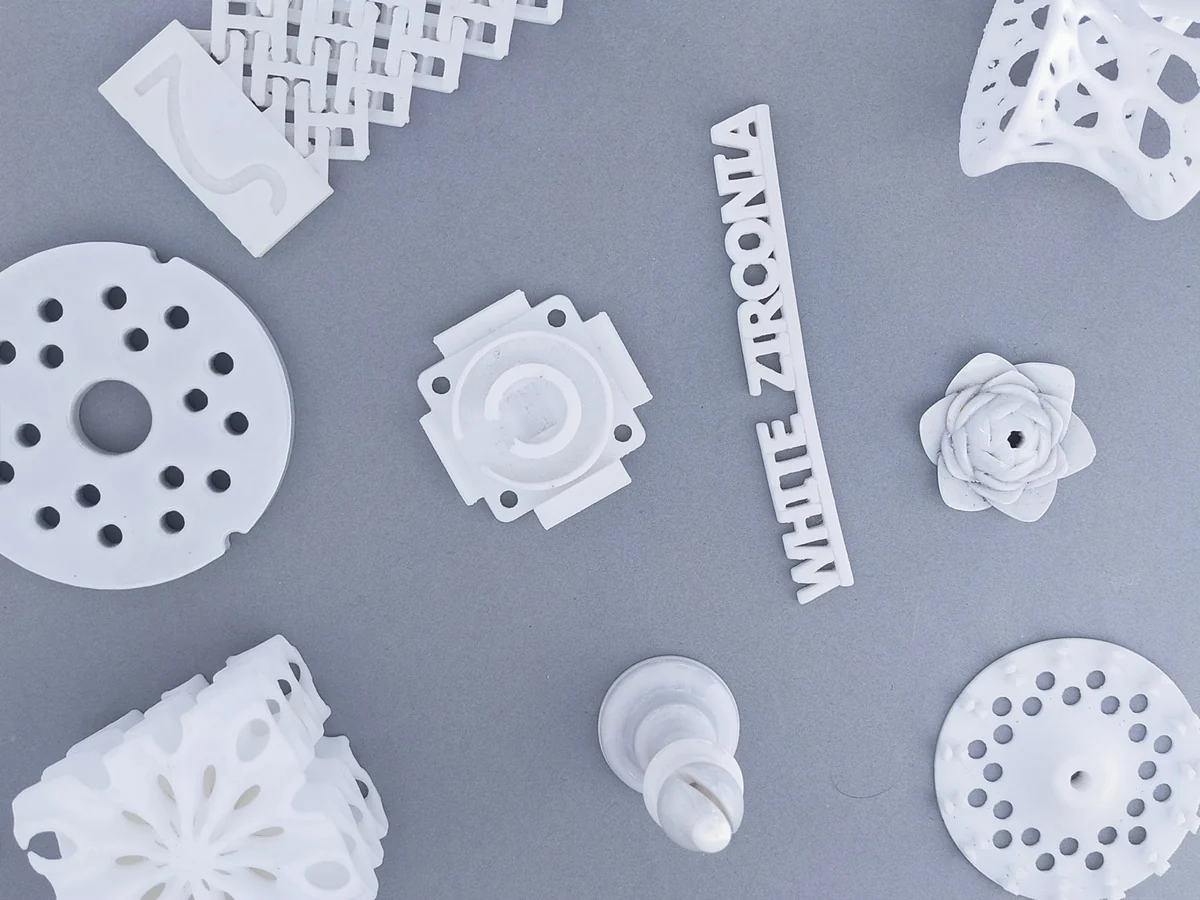
Where white zirconia is used
Designers and engineers print white zirconia for tough, wear- and corrosion-resistant parts.
See real builds in our Zetamix case studies →
No sintering furnace or debinding station? Talk to our team — we’ll help you get set up. Get in touch →
See Zetamix White Zirconia in action
Watch how Zetamix ceramic and metal filaments go from spool to dense, sintered part — the same FFF print → debind → sinter workflow we run in-house.
Choose your Zetamix material
Every Zetamix filament prints on a standard FFF 3D printer — we print and validate them in-house on our 3DCeram M.A.T. system — then debind and sinter to a dense ceramic or metal part. The highlighted row is the material on this page; compare the range below:
| Material | Type | Stands out for | Best for | From |
|---|---|---|---|---|
| Alumina | Technical ceramic | Electrical insulation, ~1550°C | Insulators, high-temp tooling | $495 |
| White Zirconia | Technical ceramic | Toughness & flexural strength | Wear & structural parts | $485 |
| Black Zirconia | Technical ceramic | Zirconia strength, black finish | Aesthetic + technical parts | $550 |
| Silicon Carbide | Technical ceramic | Extreme hardness & thermal | Abrasive / high-temp parts | $550 |
| Porcelain | Ceramic (art) | Glazeable, classic finish | Art, tableware, decorative | $225 |
| 316L | Stainless steel | Corrosion resistance, ductile | Functional metal parts | $420 |
| 17-4 PH | Stainless steel | High strength, hardenable | Tooling & functional parts | $420 |
| H13 | Tool steel | Hot hardness & wear | Dies, inserts, tooling | $420 |
| TiO2 | Specialty ceramic | Specialty technical ceramic | Niche functional parts | $550 |
| Brand | Zetamix by Nanoe |
| Printing Materials | Ceramic Filaments |
| Technology | FFF |
| Material | Zirconia (ZrO2) |
| Application | Composite Tooling, Engineering, Jigs & Fixtures, Manufacturing |
Other products teams run alongside Zetamix White Zirconia Filament 1,75mm
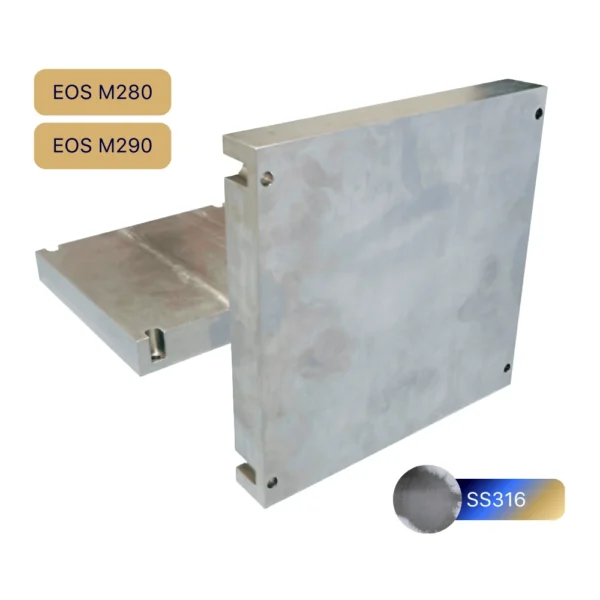
- ✓ 316L — stronger pitting and chemical resistance than 304 stainless
- ✓ Precision-ground flatness for consistent first-layer adhesion
- ✓ Made to order — choose your speed below: Express 2–3 wks, or Standard 6–8 wks (save ~45%)
Made to order
· Express 2–3 wks · Standard 6–8 wks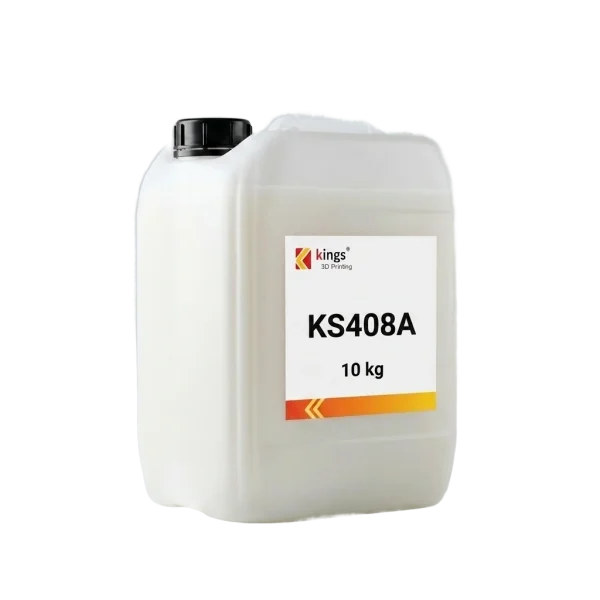
In stock
· In stock — ships in 1–2 business days from our Los Angeles warehouse.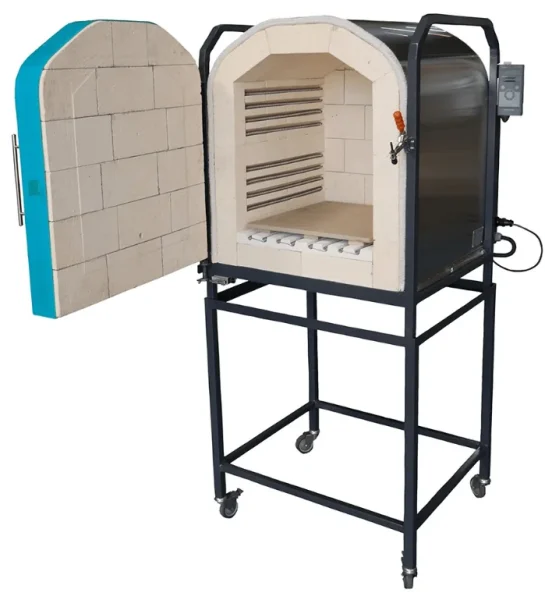
Zetasinter Porcelain is an electric oven for firing printed porcelain pieces.
- ✔ 54 litres — fire multiple pieces in a single run
- ✔ Fully configurable temperature programmer with several heating modes
- ✔ Runs on 230 V at 4.5 kW, light enough at 95 kg for a normal workshop
Freight and installation requirements confirmed with you before the order is placed.
Made to order
· Ships from California in 4–8 weeks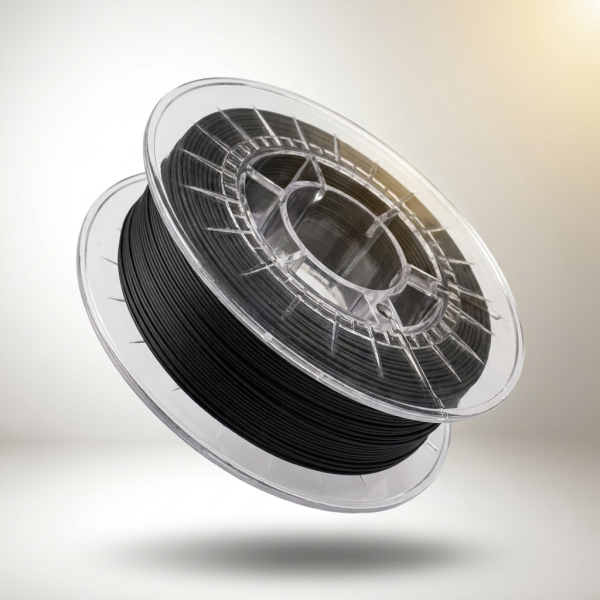
- ✔ High strength and hardness (precipitation-hardenable), good corrosion resistance
- ✔ Print → debind → sinter to dense metal — ideal for functional and tooling parts
- ✔ Genuine Zetamix by Nanoe · 500 g spool · lead time 10–20 business days (depending on order queue)
In stock
· Ships in 1–2 business days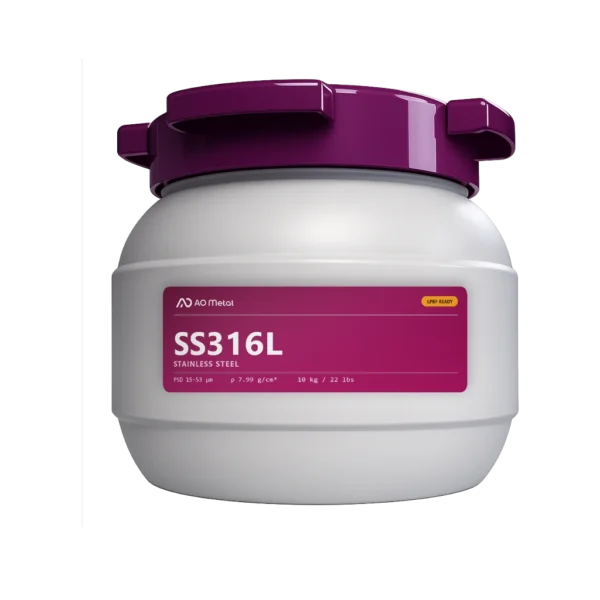
A-Powder 316L — AO Metal’s LPBF powder line, 15–53 µm, in 10 kg containers.
- Lot certificate of analysis (COA)
Brand: A-Powder by AO Metal
Made to order
· Ships in 6–8 weeks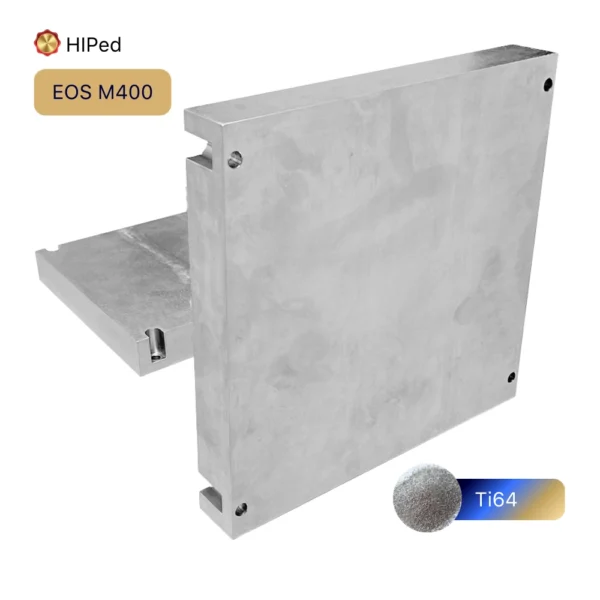
Made to order
· 6-8 weeks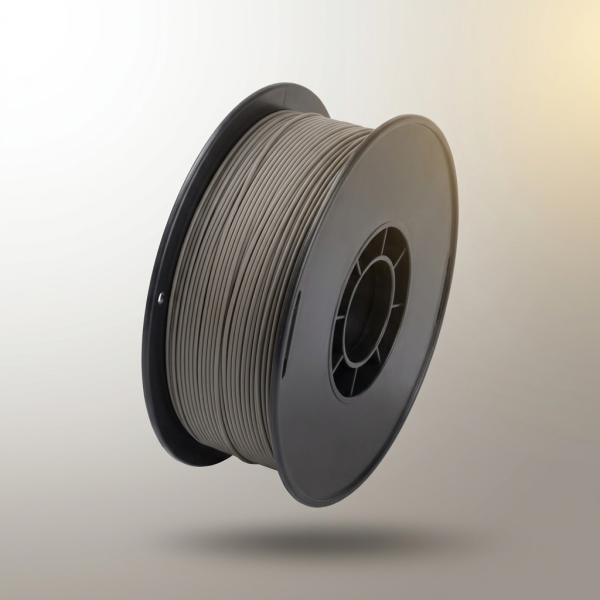
- ✔ Excellent corrosion resistance, ductile and well suited to functional parts
- ✔ Print → debind → sinter to dense 316L on a desktop FFF printer
- ✔ Genuine Zetamix by Nanoe · 500 g spool · lead time 10–20 business days (depending on order queue)
In stock
· Ships in 1–2 business days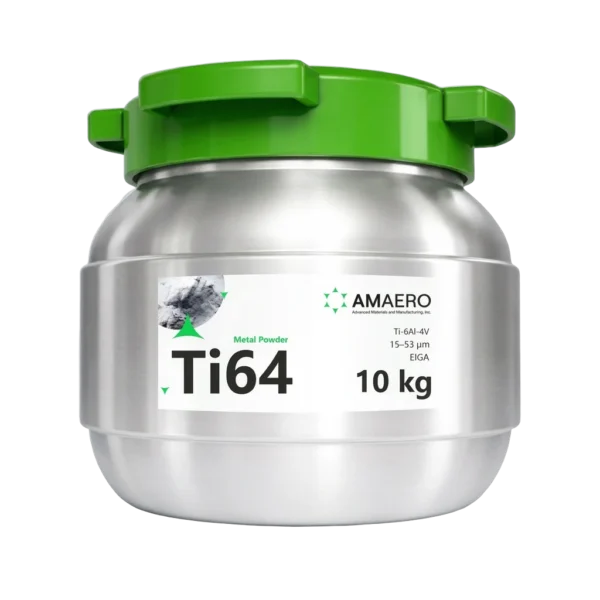
Lightweight. High-purity. Biocompatible. Genuine Amaero Ti64 Grade 23 (ELI) titanium for LPBF, EBM & DED metal 3D printing.
- ✓ Extra-low-interstitial — higher ductility & fracture toughness
- ✓ Gas-atomized (EIGA), COA and PSD report on request (15–53 µm or 20–75 µm, 10 kg)
- ✓ Sold in small, workable volumes · in US stock, ready to ship
In stock
· In US stock · ready to shipWhat our customers say
“Harry and team were professional, effective communicators as we set up the order, then they executed quickly and produced an amazing product for us at a very competitive price. Am looking forward to our next print w Additive Plus!”
“Great 3D printing service and the resin parts look super smooth and clean. Really happy with how everything turned out!”
“Harry was very professional and helped me out with my 3D printing needs and explained what options I have in terms of filaments such as PEEK. Highly recommended.”
“I needed a 3D enclosure printed urgently in a specific time period, they did great!”
Common questions
Don't see yours? Email [email protected] — NDA on request, typical reply within 4 hours.
What makes zirconia superior to other ceramics for strength applications?
What finishing options are available for sintered zirconia parts?
What applications is white zirconia best suited for?
How does the strength compare to traditional manufacturing methods?
What design limitations should I consider?
Can I create complex geometries with fine details?
How long does the complete process take?
What safety precautions are necessary?
What's the shelf life of the filament?
Can I achieve different surface finishes without post-processing?
Place your order, or talk to an engineer first
Order Zetamix White Zirconia Filament 1,75mm direct, or talk to materials engineer