
In stock
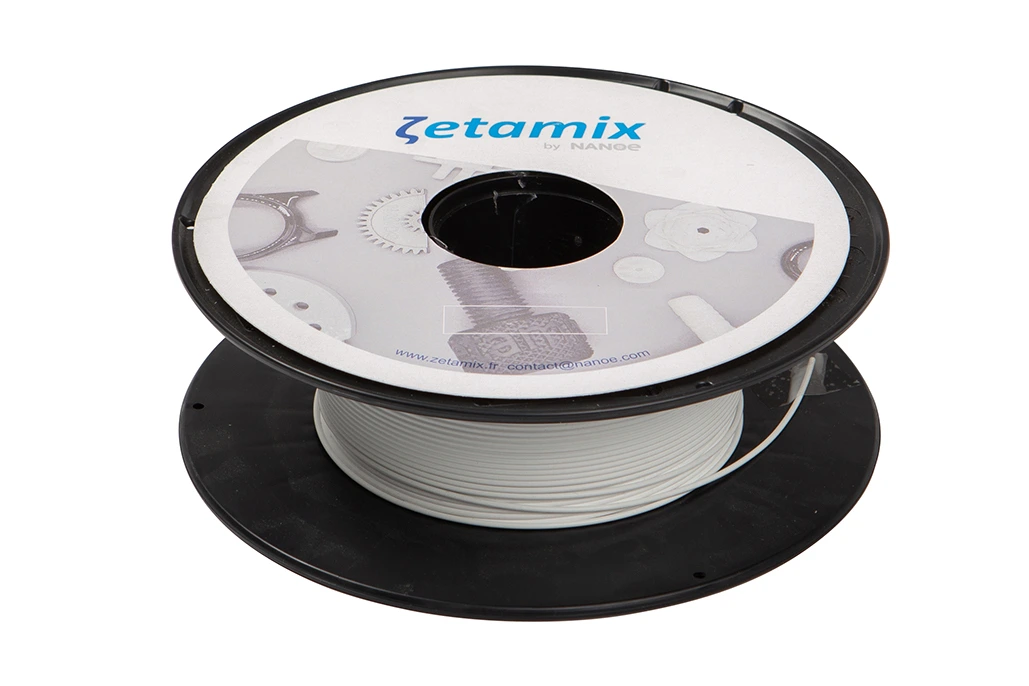
Zetamix TiO2 Filament 1,75mm
- ✔ Specialty technical ceramic produced on an everyday FFF machine
- ✔ Print → debind → sinter to dense ceramic, no powder system required
- ✔ Genuine Zetamix by Nanoe · 500 g spool · lead time 10–20 business days (depending on order queue)
$550
Zetamix TiO2 filament lets you 3D-print dense titanium-dioxide (rutile) ceramic with a very high dielectric constant on a standard FFF printer, then debind and sinter to a functional RF part — the same print → debind → sinter workflow we run in-house on our 3DCeram M.A.T. Permittivity εr = 75 (±5) at 9.4 GHz makes it a material for miniaturized microwave devices, antennas and dielectric resonators.
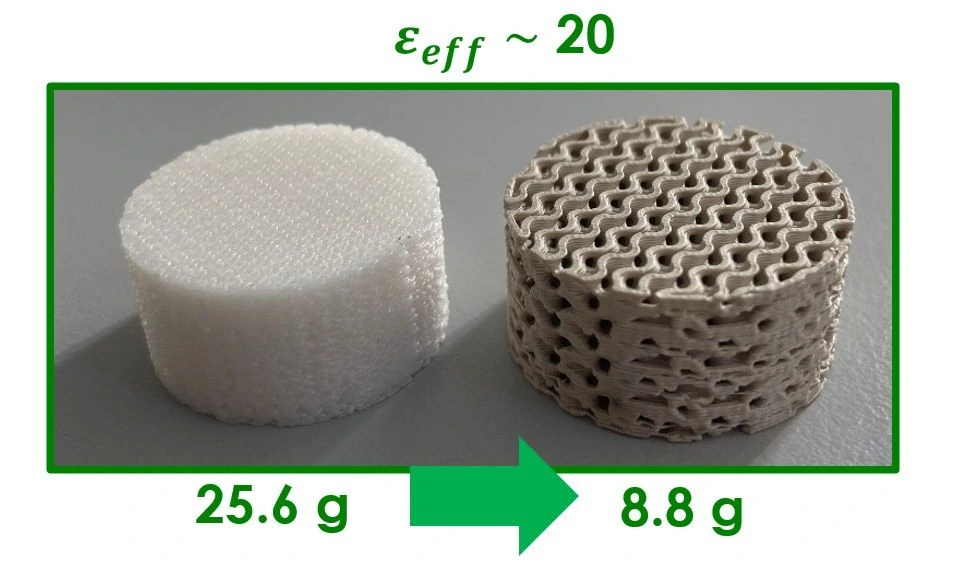
Why engineers choose Zetamix TiO2 filament
Sintered titanium dioxide (rutile) with a very high, batch-consistent dielectric constant — for RF and microwave parts.
Dielectric constant εr = 75 (±5) at 9.4 GHz lets you shrink RF components and antennas that would be far larger in low-ε materials.
Loss tangent of 1×10⁻³ to 5×10⁻³ keeps dielectric losses low at microwave frequencies.
Titanium dioxide (rutile), 81% by mass, sintered to 98–99% of theoretical density for stable, repeatable RF behaviour.
Consistent permittivity and loss from spool to spool, with ±5% dielectric stability from −50 °C to +110 °C.
TiO2 material properties after sintering
- Composition: titanium dioxide (rutile), 81% by mass
- Dielectric constant (permittivity): εr = 75 (±5) at 9.4 GHz
- Loss tangent: 1×10⁻³ to 5×10⁻³
- Dielectric stability: ±5% from −50 °C to +110 °C
- Density after sintering: 98–99% of theoretical
- Specific gravity: 2.59 g/cm³ (filament)
- Sintering: 30 °C/h to 1300 °C, 2 h hold, air atmosphere
- Scale factor: 123.4% (X/Y) & 125.7% (Z)
- Filament: 1.75 mm
Full specifications are listed in the Specifications tab. Dielectric and density values are process-dependent — final properties vary with print, debind and sinter parameters.
From spool to dense rutile ceramic part
Three stages — the same workflow we run in-house.
Design & scale
Scale the model by 123.4% (X/Y) and 125.7% (Z) for sintering shrinkage. Design for the RF geometry and target frequency you need.
Print on FFF
Print the green part on any standard FFF machine with a grooved drive gear and flexible build plate. No cooling fan; 0.5 mm retraction at 80 mm/s.
Debind & sinter
Acetone debind (6 h, 40 °C), thermal debind to 500 °C, then sinter to 1300 °C in air to a dense rutile part. No furnace? We run this for you.
Where Zetamix TiO2 is used
Engineers print TiO2 when they need a high-permittivity dielectric in a complex, miniaturized RF geometry.
See real builds in our Zetamix case studies →
No sintering furnace or debinding station? Talk to our team — we’ll help you get set up. Get in touch →
See Zetamix TiO2 in action
Watch how Zetamix ceramic and metal filaments go from spool to dense, sintered part — the same FFF print → debind → sinter workflow we run in-house.
Choose your Zetamix material
Every Zetamix filament prints on a standard FFF 3D printer — we print and validate them in-house on our 3DCeram M.A.T. system — then debind and sinter to a dense ceramic or metal part. The highlighted row is the material on this page; compare the range below:
| Material | Type | Stands out for | Best for | From |
|---|---|---|---|---|
| Alumina | Technical ceramic | Electrical insulation, ~1550°C | Insulators, high-temp tooling | $495 |
| White Zirconia | Technical ceramic | Toughness & flexural strength | Wear & structural parts | $485 |
| Black Zirconia | Technical ceramic | Zirconia strength, black finish | Aesthetic + technical parts | $550 |
| Silicon Carbide | Technical ceramic | Extreme hardness & thermal | Abrasive / high-temp parts | $550 |
| Porcelain | Ceramic (art) | Glazeable, classic finish | Art, tableware, decorative | $225 |
| 316L | Stainless steel | Corrosion resistance, ductile | Functional metal parts | $420 |
| 17-4 PH | Stainless steel | High strength, hardenable | Tooling & functional parts | $420 |
| H13 | Tool steel | Hot hardness & wear | Dies, inserts, tooling | $420 |
| TiO2 | Specialty ceramic | Very high permittivity (εr 75) | RF / microwave parts | $550 |
| Brand | Zetamix by Nanoe |
| Printing Materials | Metal Filaments |
| Technology | FFF |
| Material | Titania (TiO2) |
| Application | Composite Tooling, Engineering, Jigs & Fixtures, Manufacturing |
Other products teams run alongside Zetamix TiO2 Filament 1,75mm
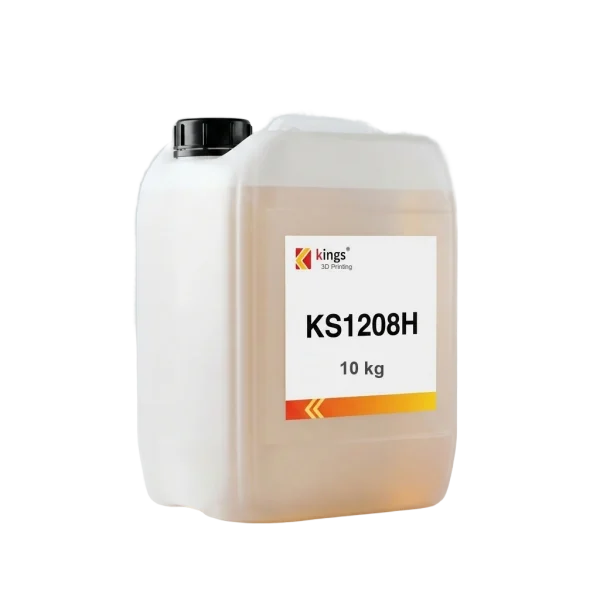
Low-viscosity, semi-translucent laser-SLA resin with a 135 °C glass transition — built for prototypes and quick molds that must hold their shape under heat.
- ✓ Tg 135 °C · 87 Shore D · 65 MPa tensile · 110 MPa flexural
- ✓ 340 cps low-viscosity · 0.08–0.12 mm layers on Kings industrial SLA (355 nm)
- ✓ In stock — ships in 1–2 business days from our Los Angeles warehouse
In stock
· In stock — ships in 1–2 business days from our Los Angeles warehouse.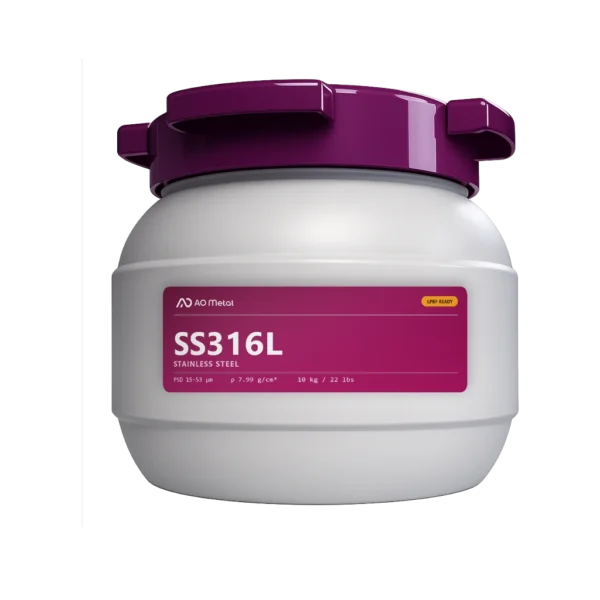
A-Powder 316L — AO Metal’s LPBF powder line, 15–53 µm, in 10 kg containers.
- Lot certificate of analysis (COA)
Brand: A-Powder by AO Metal
Made to order
· Ships in 6–8 weeks
Made to order
· Express 2–3 wks · Standard 6–8 wks
- PETG matrix plastic for FibreSeeker 3 — plain FFF or with continuous fiber
- 1.75 mm, black
In stock
· In stock · ships from the US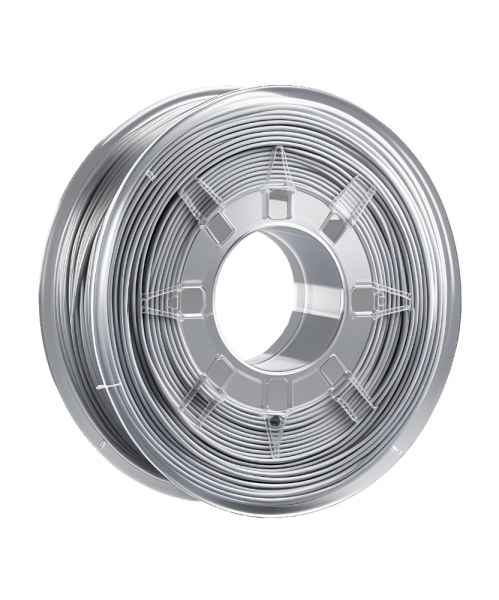
- ✔ Rp0.2 844 MPa, Rm 940 MPa at 4.33 g/cc after sintering — tested to ASTM E8/E8M
- ✔ Debind and sinter parameters plus the full datasheet included with every spool
- ✔ 1.75mm bound-metal feedstock for the 3DCeram M.A.T. FFF head — mutual NDA before any spec review
In stock
· In stock — ships in 1–2 business days. Custom alloy or ceramic feedstock: 3–4 weeks, configured to order.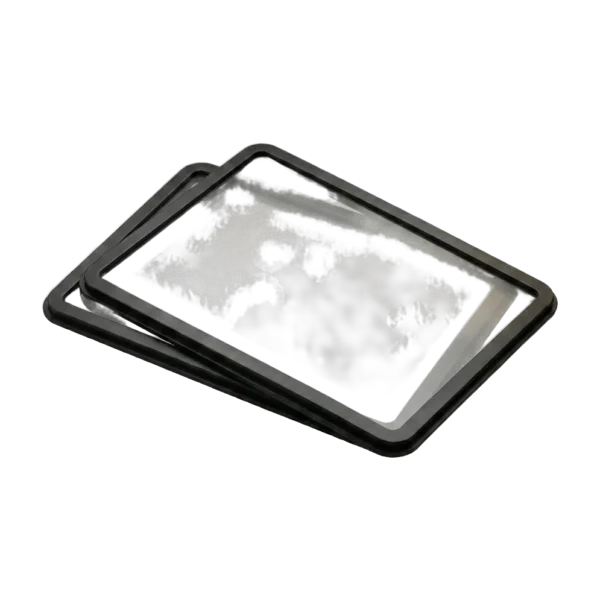
Keep your NXE 400 / 400Pro at full throughput — two genuine Nexa3D Everlast-2 membranes.
- ✔ Each rated 50,000+ layers (~20 L) — up to 25× the life of standard films
- ✔ Second-generation Everlast-2 interface — genuine Nexa3D OEM
- ✔ In stock in Los Angeles
A spare on the shelf costs far less than an idle NXE.
In stock
· Ship Date Confirmed at Order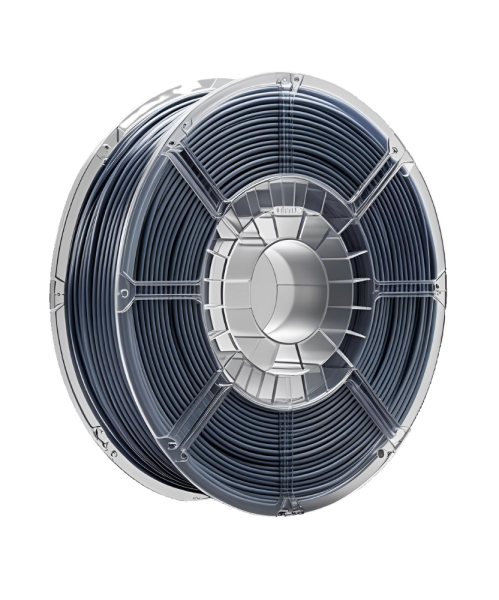
- ✓ ESA/ESTEC-verified: 423 MPa flexural strength, 82 W/m-K thermal conductivity
- ✓ Solid-state sintered to 2100°C — dense, chemically inert, no powder bed
- ✓ Qualified for the 3DCeram M.A.T. platform — quote-based pricing, request a quote
In stock
· Contact for lead time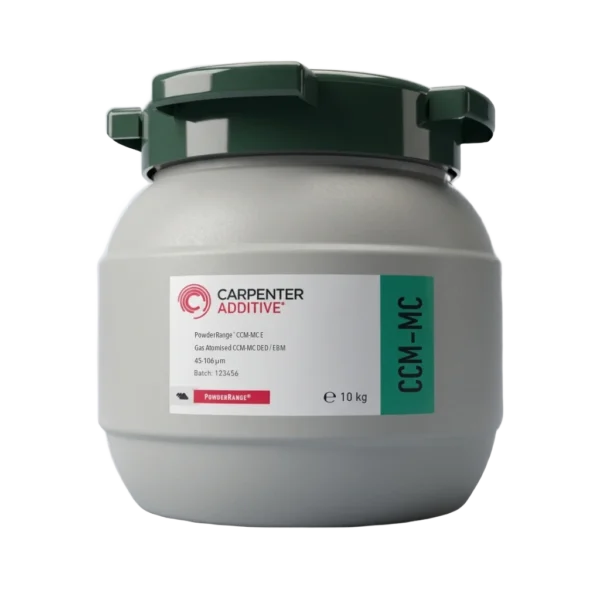
- ✓ VIM-melted, nitrogen gas-atomized — COA on request
- ✓ Biocompatible & non-magnetic (MRI-safe) — small biomedical devices
- ✓ Sold in small, workable volumes
In stock
· In US stock · ready to shipWhat our customers say
“Harry and team were professional, effective communicators as we set up the order, then they executed quickly and produced an amazing product for us at a very competitive price. Am looking forward to our next print w Additive Plus!”
“Great 3D printing service and the resin parts look super smooth and clean. Really happy with how everything turned out!”
“Harry was very professional and helped me out with my 3D printing needs and explained what options I have in terms of filaments such as PEEK. Highly recommended.”
“I needed a 3D enclosure printed urgently in a specific time period, they did great!”
Common questions
Don't see yours? Email [email protected] — NDA on request, typical reply within 4 hours.
What makes TiO2 particularly valuable for RF applications?
How stable are the dielectric properties with temperature?
What RF applications is this material best suited for?
How does the sintering process affect dielectric properties?
What design limitations should I consider?
Can I create complex geometries with internal features?
How long does the complete process take?
What safety precautions are necessary?
What's the shelf life of the filament?
Can I achieve different permittivity values?
Place your order, or talk to an engineer first
Order Zetamix TiO2 Filament 1,75mm direct, or talk to materials engineer