
In stock
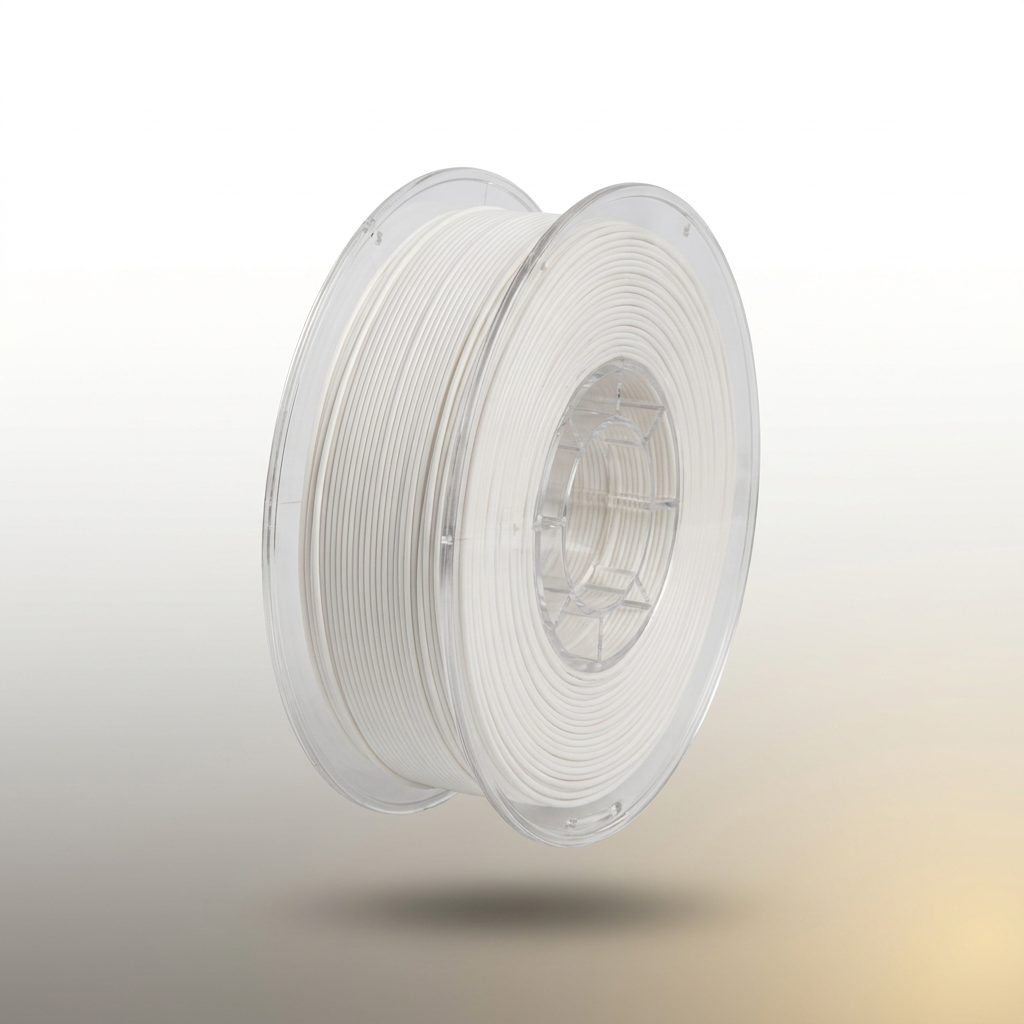
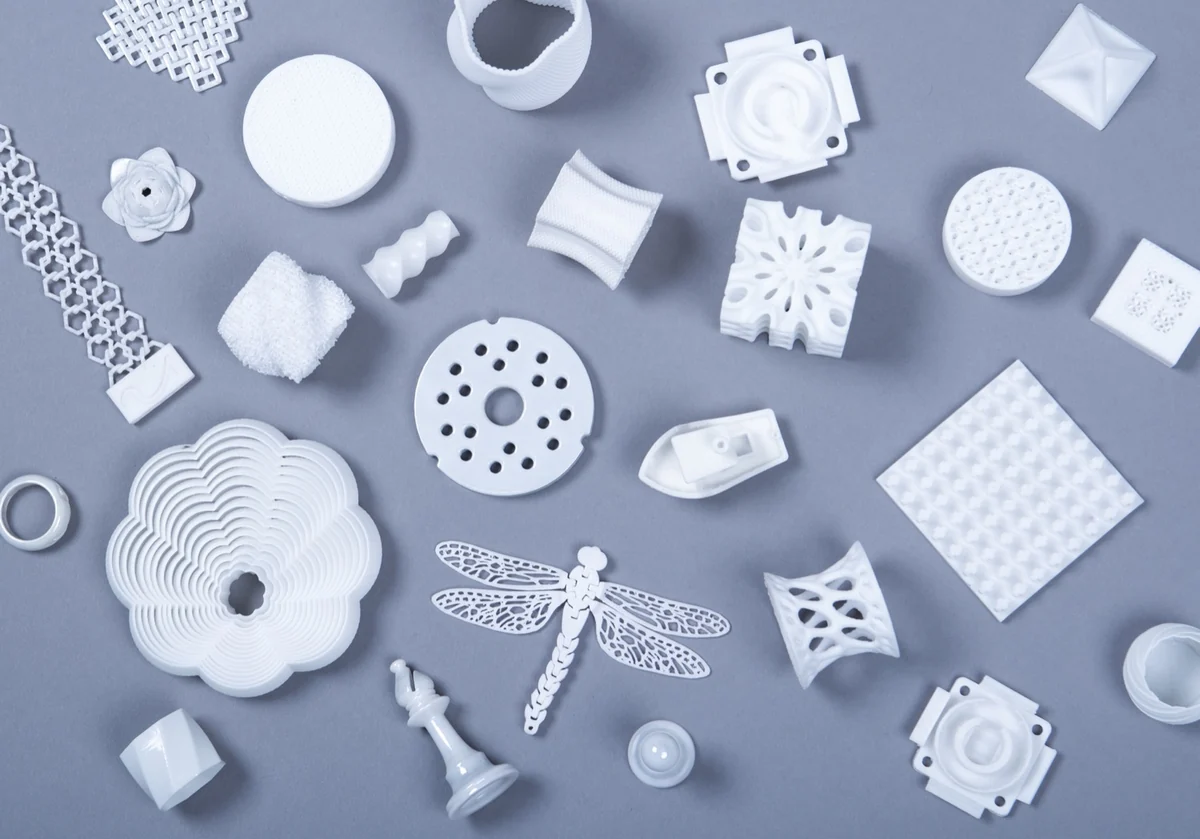
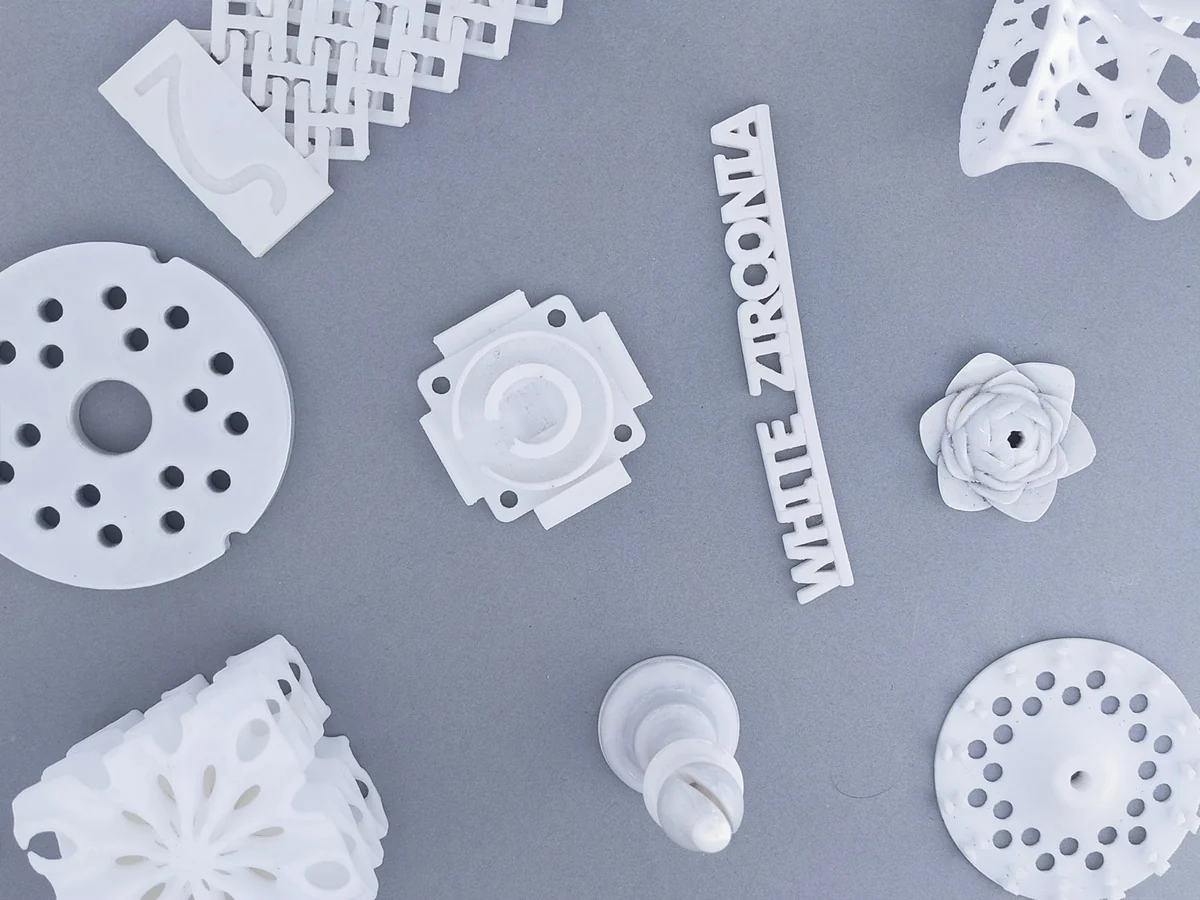
Zetamix White Zirconia Filament 1,75mm
- ✔ High toughness and flexural strength, wear- and corrosion-resistant
- ✔ Print → debind → sinter to dense zirconia on a desktop FFF machine
- ✔ Genuine Zetamix by Nanoe · 500 g spool · lead time 10–20 business days (depending on order queue)
$485
Zetamix White Zirconia lets you 3D-print dense technical zirconia (3Y-TZP) on a standard FFF printer, then debind and sinter to a tough, wear-resistant ceramic part with a clean white finish — the same print → debind → sinter workflow we run in-house on our 3DCeram M.A.T.
Why engineers choose Zetamix White Zirconia filament
3 mol% yttria-stabilized zirconia (3Y-TZP) — the toughest of the common technical ceramics.
3Y-TZP resists chipping and impact where alumina and other technical ceramics crack — the go-to material for parts that take load and abuse.
Bending strength of 400–1000 MPa after sintering, at 98–99% of theoretical density — comparable to conventionally manufactured technical zirconia.
Hard, chemically stable surface for cutting edges, guides, fixtures and structural parts that run in abrasive or aggressive environments.
Sinters to a dense white ceramic. Machinable and polishable from matte to a mirror finish for appearance and high-visibility parts.
White zirconia material properties after sintering

| Property | Value |
|---|---|
| Composition | 3 mol% yttria-stabilized zirconia (3Y-TZP) · 86 wt% ceramic load |
| Density after sintering | 98–99% of theoretical |
| Bending strength | 400–1000 MPa |
| Fracture toughness | Highest of the common technical ceramics |
| Sintering | 1475 °C, 2 h hold, air atmosphere |
| Linear shrinkage | ~21.5% ±1% (x, y, z) |
| Print temperature | 180 °C |
| Filament | 1.75 mm · 500 g vacuum-sealed spool |
Full specifications are listed in the Specifications tab. Mechanical values are process-dependent — final properties vary with print, debind and sinter parameters.
From spool to dense ceramic part
Three stages — the same workflow we run in-house.
Design & scale
Scale the model by ~21.5% for sintering shrinkage. Minimum wall 1 mm, minimum part size 6 mm, minimum vertical hole 0.6 mm.
Print on FFF
Print the green part on any standard FFF machine with a hardened, abrasion-resistant nozzle. 100% fan, grooved drive gear, 180 °C, flexible build plate.
Debind & sinter
Acetone debind, thermal debind to 500 °C, then sinter to 1475 °C in air to a dense zirconia part. No furnace? We run this for you.
Where white zirconia is used
Designers and engineers print white zirconia for tough, wear- and corrosion-resistant parts.
See real builds in our Zetamix case studies →
No sintering furnace or debinding station? Talk to our team — we’ll help you get set up. Get in touch →
See Zetamix White Zirconia in action
Watch how Zetamix ceramic and metal filaments go from spool to dense, sintered part — the same FFF print → debind → sinter workflow we run in-house.
Choose your Zetamix material
Every Zetamix filament prints on a standard FFF 3D printer — we print and validate them in-house on our 3DCeram M.A.T. system — then debind and sinter to a dense ceramic or metal part. The highlighted row is the material on this page; compare the range below:
| Material | Type | Stands out for | Best for | From |
|---|---|---|---|---|
| Alumina | Technical ceramic | Electrical insulation, ~1550°C | Insulators, high-temp tooling | $495 |
| White Zirconia | Technical ceramic | Toughness & flexural strength | Wear & structural parts | $485 |
| Black Zirconia | Technical ceramic | Zirconia strength, black finish | Aesthetic + technical parts | $550 |
| Silicon Carbide | Technical ceramic | Extreme hardness & thermal | Abrasive / high-temp parts | $550 |
| Porcelain | Ceramic (art) | Glazeable, classic finish | Art, tableware, decorative | $225 |
| 316L | Stainless steel | Corrosion resistance, ductile | Functional metal parts | $420 |
| 17-4 PH | Stainless steel | High strength, hardenable | Tooling & functional parts | $420 |
| H13 | Tool steel | Hot hardness & wear | Dies, inserts, tooling | $420 |
| TiO2 | Specialty ceramic | Specialty technical ceramic | Niche functional parts | $550 |
| Brand | Zetamix by Nanoe |
| Printing Materials | Ceramic Filaments |
| Technology | FFF |
| Material | Zirconia (ZrO2) |
| Application | Composite Tooling, Engineering, Jigs & Fixtures, Manufacturing |
Other products teams run alongside Zetamix White Zirconia Filament 1,75mm
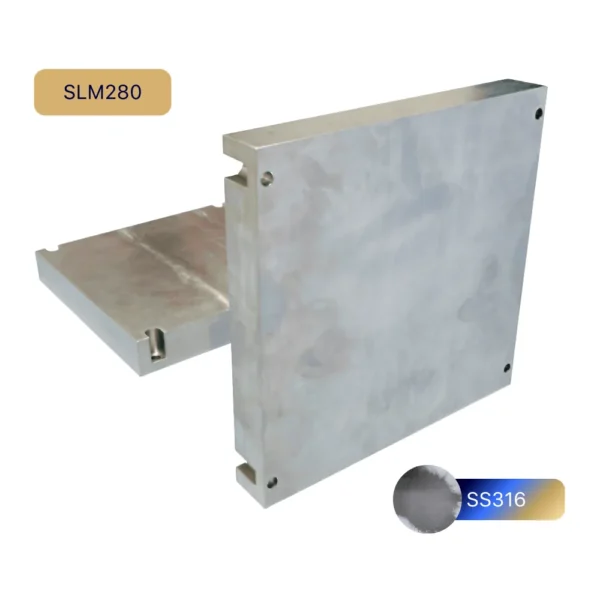
Need a custom stainless steel build platform or alternative alloy for your LPBF system? Request a custom quote — we manufacture precision steel and specialty alloy build plates for most industrial metal 3D printers.
In stock
· Express 2–3 wks · Standard 6–8 wks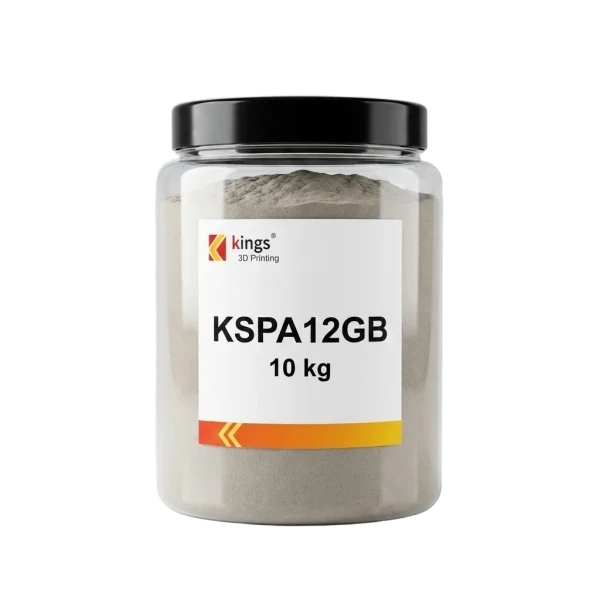
In stock
· In stock — ships in 1–2 business days from our Los Angeles warehouse.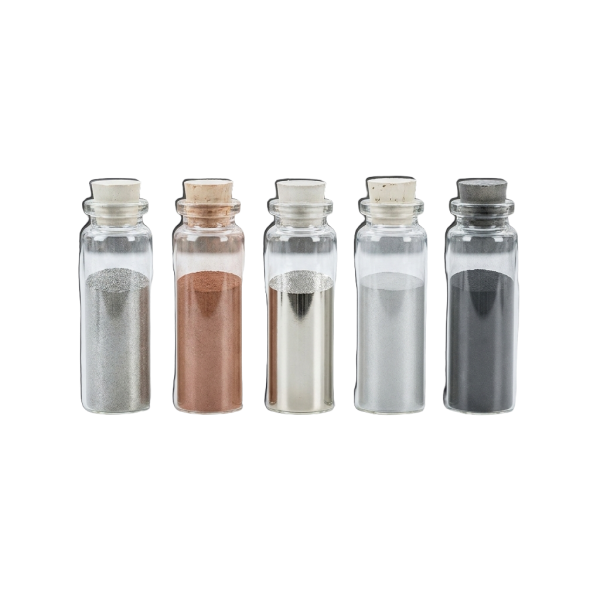
Bring a composition the catalog doesn’t cover — we ultrasonically atomize your alloy into fine, spherical, low-oxygen metal powder at a target 20–120 µm PSD, characterize every batch, and ship it print-ready with the measured powder data.
- ✔ Reactive, refractory, intermetallic or high-entropy — from rod, wire, ingot or scrap
- ✔ Frequency-selected particle size for LPBF, DED, MIM or binder jetting
- ✔ Every batch characterized — measured PSD, chemistry, O₂ and flow shared with you
- ✔ NDA standard · feasibility check first · quoted per composition
Made to order
· Lead time confirmed per composition — request a quote.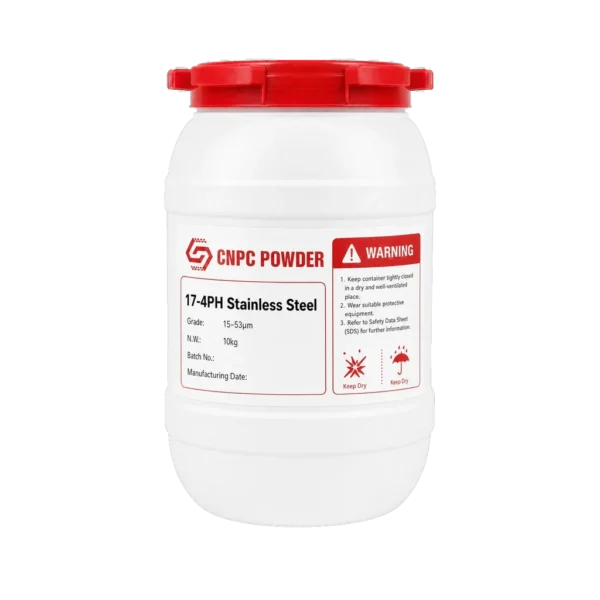
CNPC 17-4PH powder for LPBF — made by CNPC Powder, nitrogen gas-atomized, 15–53 µm, sold in 10 kg containers.
- 10 kg container · $38.50/kg · $385
- Certificate of analysis (COA) for the lot, on request
- Ship date confirmed by email after you order
Manufacturer: CNPC Powder · materials engineer on call · order below or talk to an engineer first.
Made to order
· Ship date confirmed after you order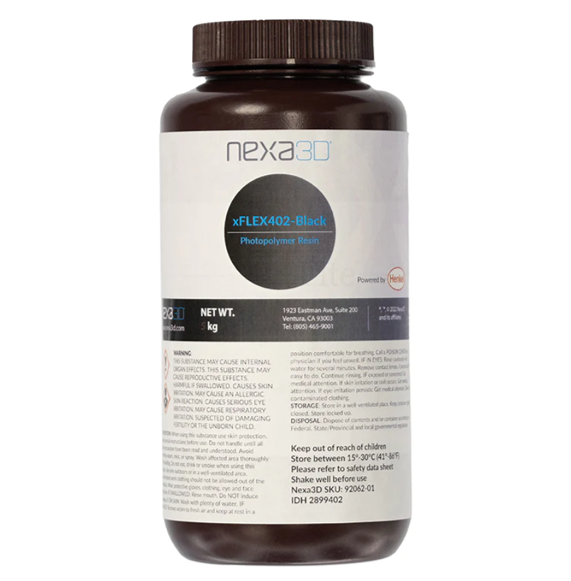
Currently not in stock. Leave a request and we will confirm availability, price and lead time.
xFLEX402-Black is a semi-firm, rubber-like elastomer with high rebound and good elongation — no thermal post-processing required.
- ✓ Single-component elastomer: springy, high-rebound, durable for prototypes and production parts
- ✓ Prints and finishes without a secondary thermal cure — straight from wash to use
- ✓ Genuine Nexa3D resin for NXE-series printers · 1 kg · not in stock, available on request
Out of stock
· Not in stock — available on request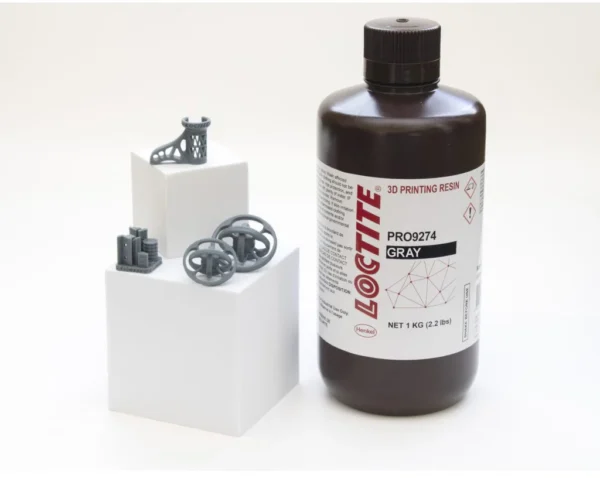
Dark gray resin for durable, high-detail parts. Fast-printing & compatible with DLP/LCD printers.
Availability: confirmed at order. Supplier stock for this line varies — we verify availability and lead time on every order before processing, and offer an equivalent or a full refund if an item cannot be supplied. Cubic Ink equivalents →
Made to order
· Available to order — we confirm the lead time by email within one business day of your order.
Structural PA6 nylon pellets qualified for large-format additive manufacturing (LFAM) — high strength, wear resistance, and glass-fiber grades for load-bearing tooling at pellet cost.
- ✓ High strength and wear resistance — glass-fiber grades for structural loads
- ✓ Ships dry with a lot datasheet + a strict drying and extrusion schedule
- ✓ Lead time: 1–2 business days from L.A. stock — volume & PO on request
In stock
· 1–2 Business Days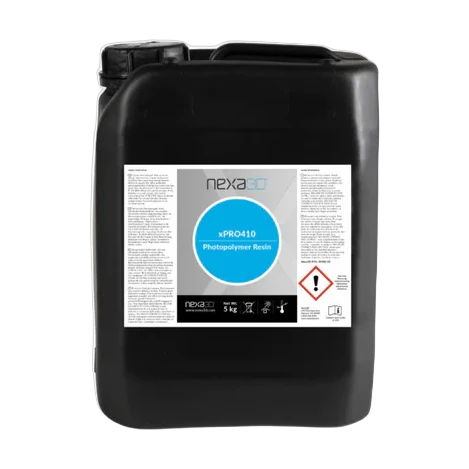
xPRO410 is a rigid, general-purpose LSPc photopolymer built on Henkel Loctite® PRO410 chemistry — extreme accuracy and an exceptional surface finish, optimized for the Nexa3D NXE 400 at up to 8 L/hour.
- ✓ Rigid general-purpose resin — 41 MPa tensile, Shore D 79
- ✓ Dimensional accuracy within 0.2% after xCURE post-cure
- ✓ 5 kg container for NXE 400 / 400Pro (405 nm LSPc)
- ✓ In stock — ships in 1–2 business days from US inventory
In stock
· In stock — ships in 1–2 business days from US inventory.Common questions
Don't see yours? Email [email protected] — NDA standard, typical reply within 4 hours.
What makes zirconia superior to other ceramics for strength applications?
What finishing options are available for sintered zirconia parts?
What applications is white zirconia best suited for?
How does the strength compare to traditional manufacturing methods?
What design limitations should I consider?
Can I create complex geometries with fine details?
How long does the complete process take?
What safety precautions are necessary?
What's the shelf life of the filament?
Can I achieve different surface finishes without post-processing?
Place your order, or talk to an engineer first
Order Zetamix White Zirconia Filament 1,75mm direct, or talk to materials engineer