
Made to order
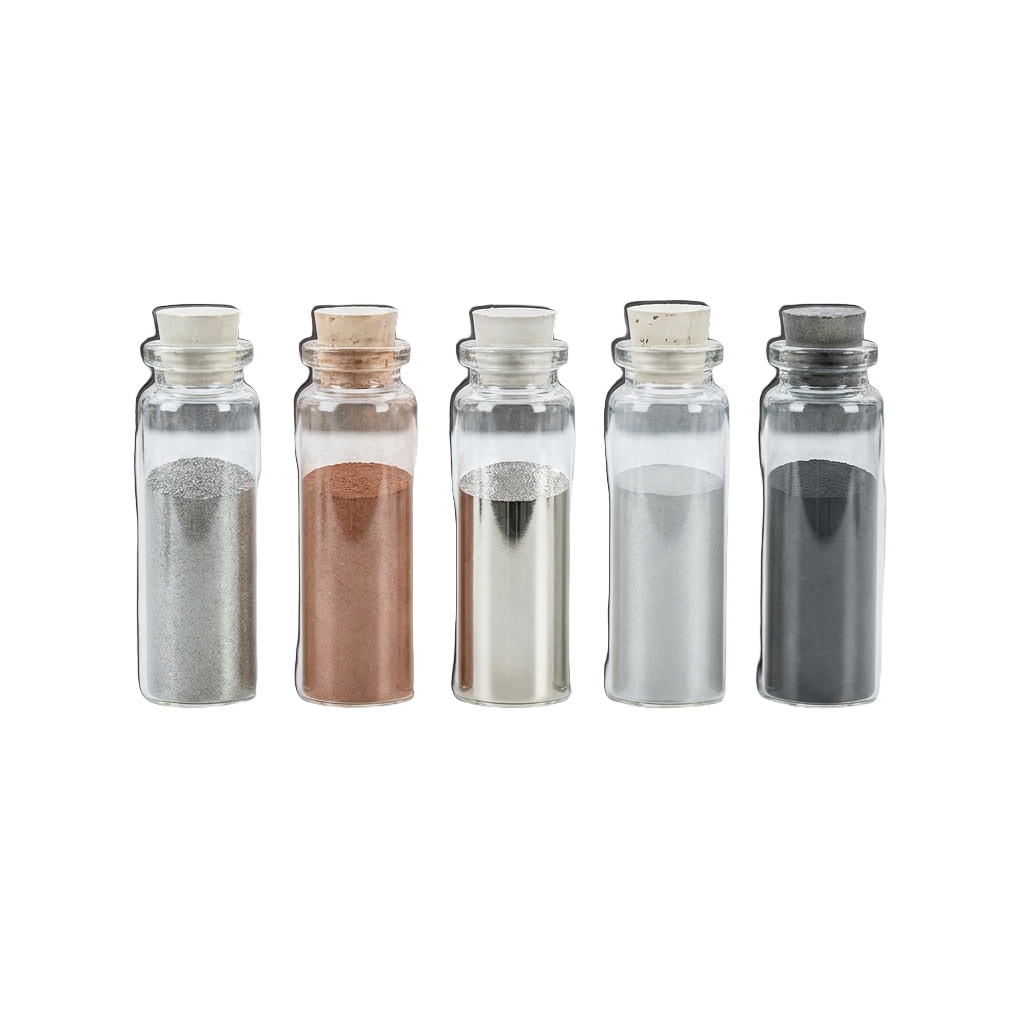
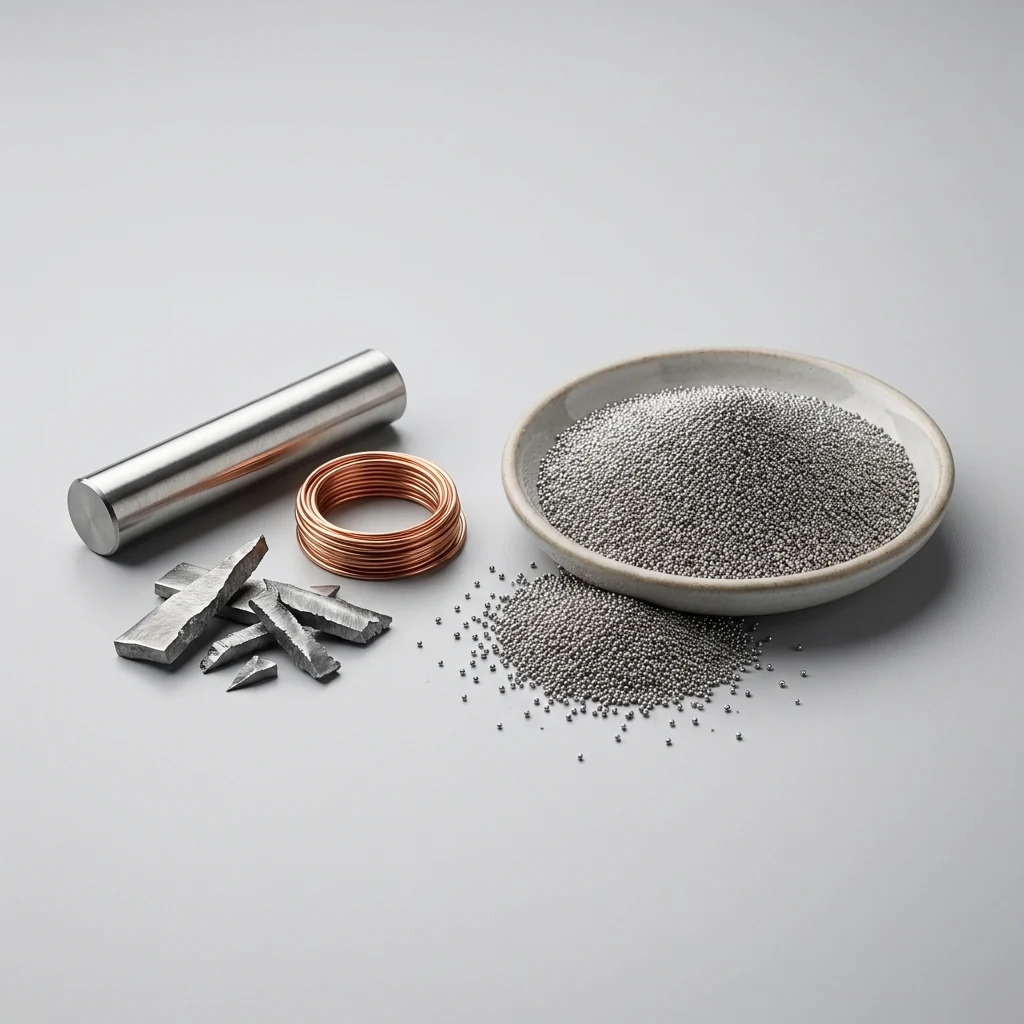
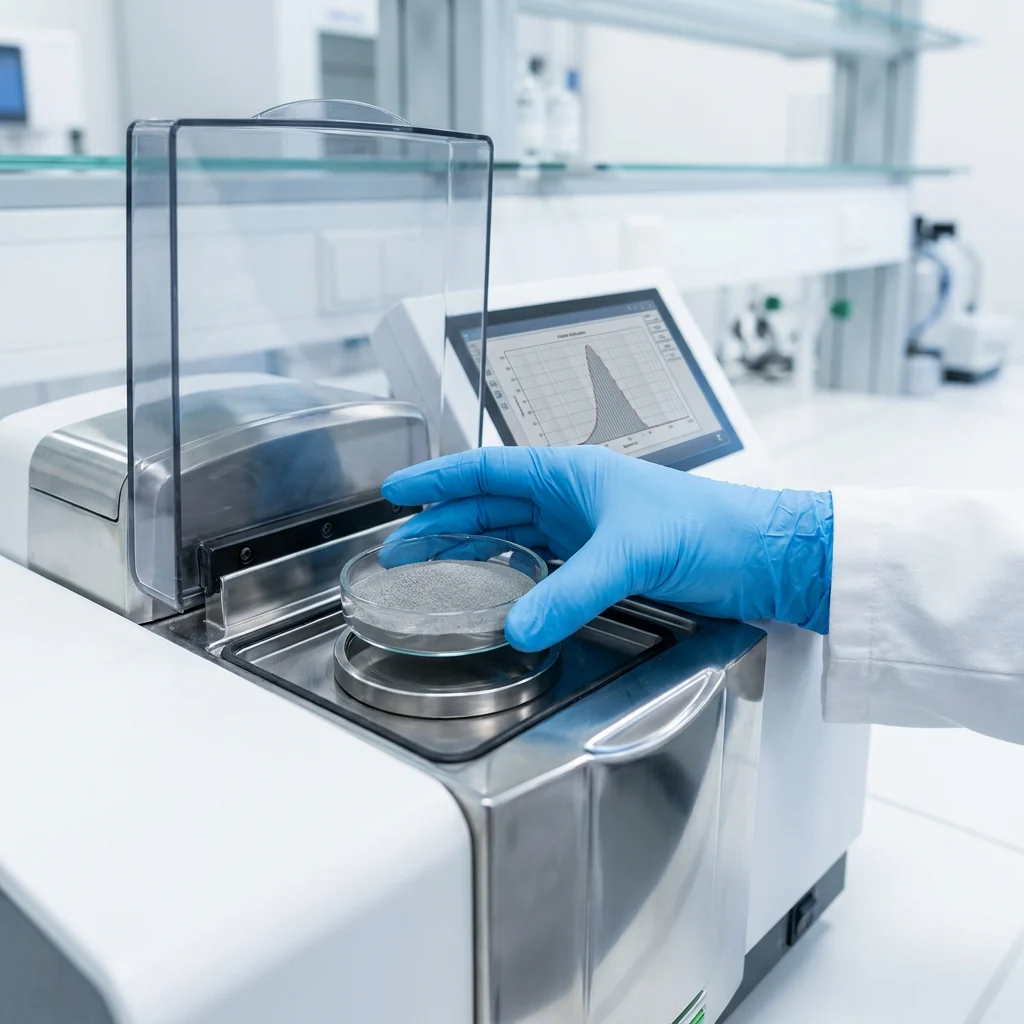
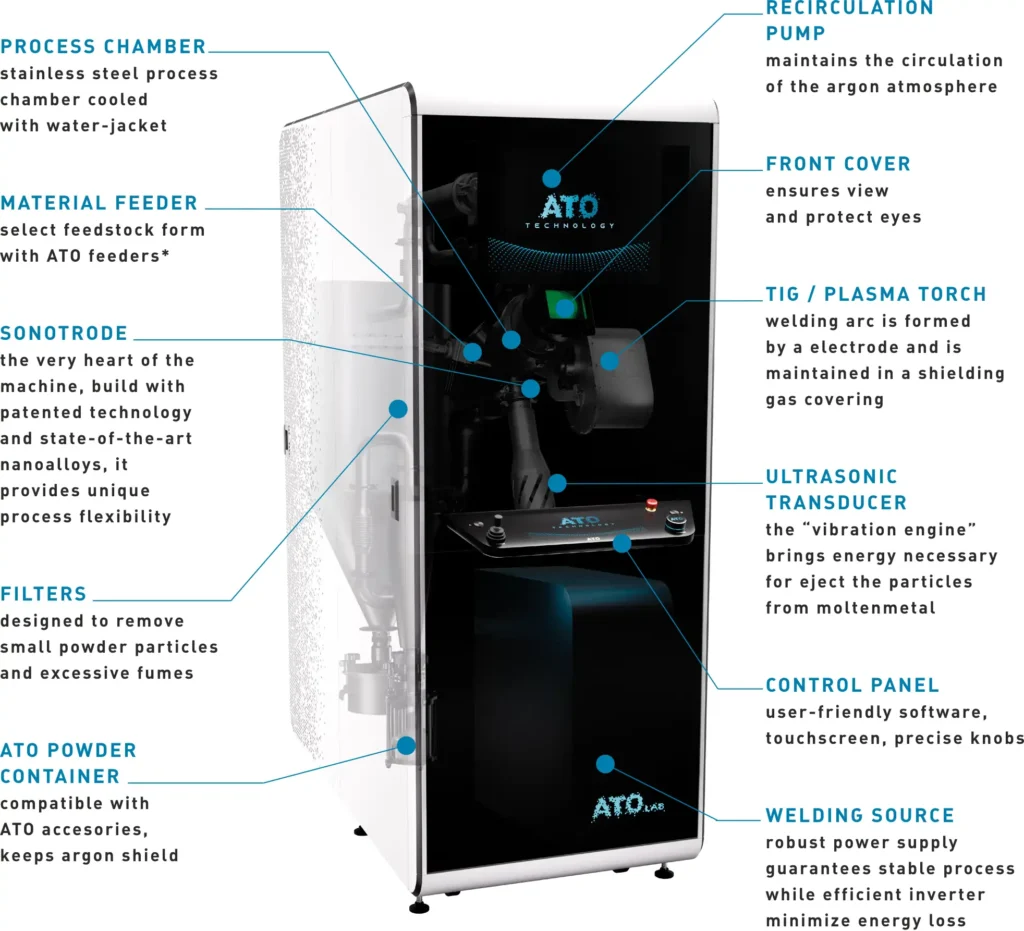
- Measured powder data — PSD, chemistry, oxygen and flow
- NDA-protected handling — your composition stays confidential
Custom Alloy Metal Powder — Atomized to Your Composition | Reactive, Refractory & High-Entropy Alloys
Bring a composition the catalog doesn’t cover — we ultrasonically atomize your alloy into fine, spherical, low-oxygen metal powder at a target 20–120 µm PSD, characterize every batch, and ship it print-ready with the measured powder data.
- ✔ Reactive, refractory, intermetallic or high-entropy — from rod, wire, ingot or scrap
- ✔ Frequency-selected particle size for LPBF, DED, MIM or binder jetting
- ✔ Every batch characterized — measured PSD, chemistry, O₂ and flow shared with you
- ✔ NDA on request · feasibility check first · quoted per composition
What your process engineer actually checks
Built on a proven atomization process
Many families on this card — reactive, refractory, intermetallic, high-entropy — have already been atomized on ATO ultrasonic systems. You get frequency-selected 20–120 µm powder with low oxygen and measured PSD, chemistry and flow — a proven process matched to your composition.
A materials engineer on the line
Send your target composition, particle size and batch size — we atomize these alloys on ATO ultrasonic systems and confirm whether yours is feasible, plus the frequency configuration, before you commit. Sub-4h reply, NDA on request.
Custom Alloy is made-to-order metal powder: you bring a composition the catalog doesn’t cover — a proprietary blend, a reactive or refractory metal, an intermetallic or a high-entropy alloy — and we ultrasonically atomize it into fine, spherical, low-oxygen powder. Particle size is set by ultrasonic frequency across a 20–120 µm range, and every batch is characterized so you get the measured PSD, chemistry, oxygen and flow. Many of the alloy families below have already been atomized on ATO ultrasonic systems — a strong starting point for your composition. Send us your target chemistry and we’ll confirm whether we can atomize it.
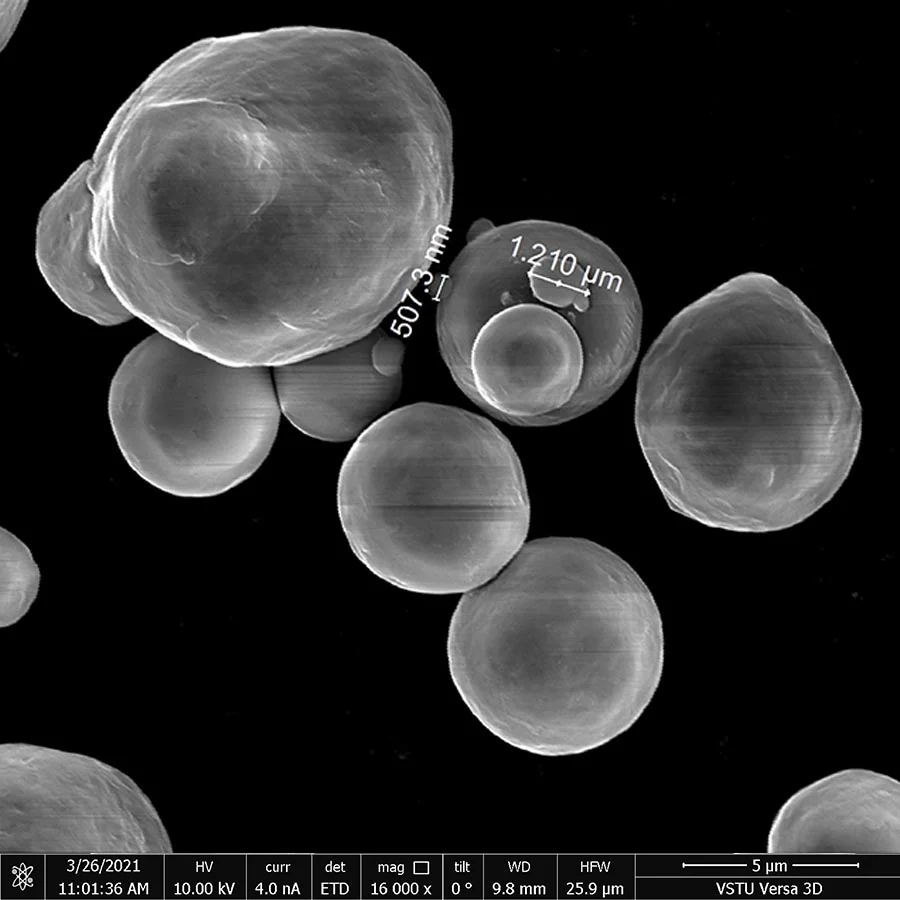
Why order a custom alloy through Additive Plus
Spec-backed reasons R&D and production teams atomize with us instead of waiting on a catalog powder.
Your composition, not a catalog grade
Bring the exact chemistry your application needs — reactive, refractory, intermetallic or high-entropy. We atomize compositions no off-the-shelf powder covers, including proprietary and recycled feedstock.
Frequency-selected particle size
Ultrasonic atomization gives a narrow 20–120 µm distribution set by the frequency module — not random turbulence. Request a fine cut for LPBF or a coarser fraction for DED, MIM or binder jetting.
Low-oxygen, spherical, satellite-free
Atomization under inert argon keeps oxygen pickup low and yields near-spherical, low-satellite powder with an unoxidized surface and high flowability. Every batch is characterized for PSD, chemistry, oxygen and flow, and we share the measured values.
Trial batch before you scale
Start with a small qualification batch to prove the powder in your process, then scale the same composition. NDA on request — your chemistry stays yours.
From your spec to qualified powder
How Additive Plus turns your composition into print-ready powder.
Define spec & feedstock
Share the composition, target particle size, batch size and downstream process under NDA. You send rod, wire, ingot or scrap, or we source the master alloy.
Ultrasonic atomization
We atomize under an inert argon atmosphere on ATO ultrasonic systems — low oxygen pickup, high sphericity, particle size selected by ultrasonic frequency.
Qualify & deliver
Sieve, clean and passivate, then characterize PSD, chemistry, oxygen and flow. Powder ships print-ready with its measured values.
What to include in your quote request
The more of this you share up front, the faster and tighter the quote. Send it under NDA.
Target composition
An element list in wt% or at%, or a reference grade for us to match (for example “Inconel 625-like”). Attach a spec sheet if you have one.
Process & particle size
Your downstream process — LPBF, DED, MIM, binder jetting or coatings — and the target fraction or D10 / D50 / D90.
Batch size & cadence
The trial or qualification quantity you need now, plus the repeat volume you expect once the alloy is proven.
Feedstock route
Whether you’ll supply rod, wire, ingot or scrap, or you’d like Additive Plus to source the master alloy.
Requirements
Any oxygen limit, target particle-size fraction or specification the powder must meet for your qualification.
Proven, Already-Atomized Compositions
The ATO ultrasonic process handles metals with melting points up to 3400 °C. These alloys have already been atomized on ATO systems — bring one of them, a close variant, or your own composition in the same family, and we’ll confirm feasibility.
| Family | Already-atomized grades |
|---|---|
| Steel & stainless | SS316L · SS304 · 42CrMo4 · PH17-7 · FeMn · Fe 99.5% · AMS5832 |
| Titanium | Ti Gr.1 · Gr.2 · Gr.5 (Ti6Al4V) · Ti5Al2.5Sn · TiAl · TiMoSi |
| Nickel | Inconel 625 · Inconel 718 · NiTi · NiTiHf · Ni 99% |
| Aluminium | AlSi10Mg · Al7075 · Al4047 · Al5183 · AlMg · AlMgCu · AlMgSc · AlCoCrFeNi · Al 99.99% |
| Magnesium | AZ31 · WE43 · WE54 · ZX00 · MgAl9Zn1 |
| Copper | CuCrZr · CuSn · CuNi3Si · CuAlNiFe · CuMnAl · CuM1E |
| Refractory | Nb 99% · Ta 99% · W90Ni7Fe3 · MoSi2 |
| Precious | Au 9ct / 18ct / 99.99% · Ag 99% · Pt alloys · Ir 99% |
| High-entropy (HEA) | CoCrFeMo · CoCrFe · NiCrFe · FeNiCrMo · FeNiAlCr |
| Special | MoS₂ · B₄C · Zr bulk metallic glass |
Don’t see your alloy? If it can be melted and welded, it can most likely be atomized — send us the composition and we’ll confirm feasibility.
Atomization Capability
| Parameter | Custom Alloy powder |
|---|---|
| Particle size (PSD) | 20–120 µm, frequency-selected · fine cut for LPBF, coarser for DED / MIM / binder jetting |
| Melting point range | Up to 3400 °C — reactive, refractory and high-entropy metals |
| Atmosphere | Inert argon — low oxygen pickup, high sphericity |
| Powder morphology | Near-spherical, low-satellite, unoxidized surface — high flowability for LPBF and DED |
| Input feedstock | Rod · wire · ingot · scrap / recycled material · or master alloy sourced by us |
| Characterization | PSD, chemistry, oxygen and flow measured and reported per batch |
| Batch model | Trial / qualification batch → repeat at production volume |
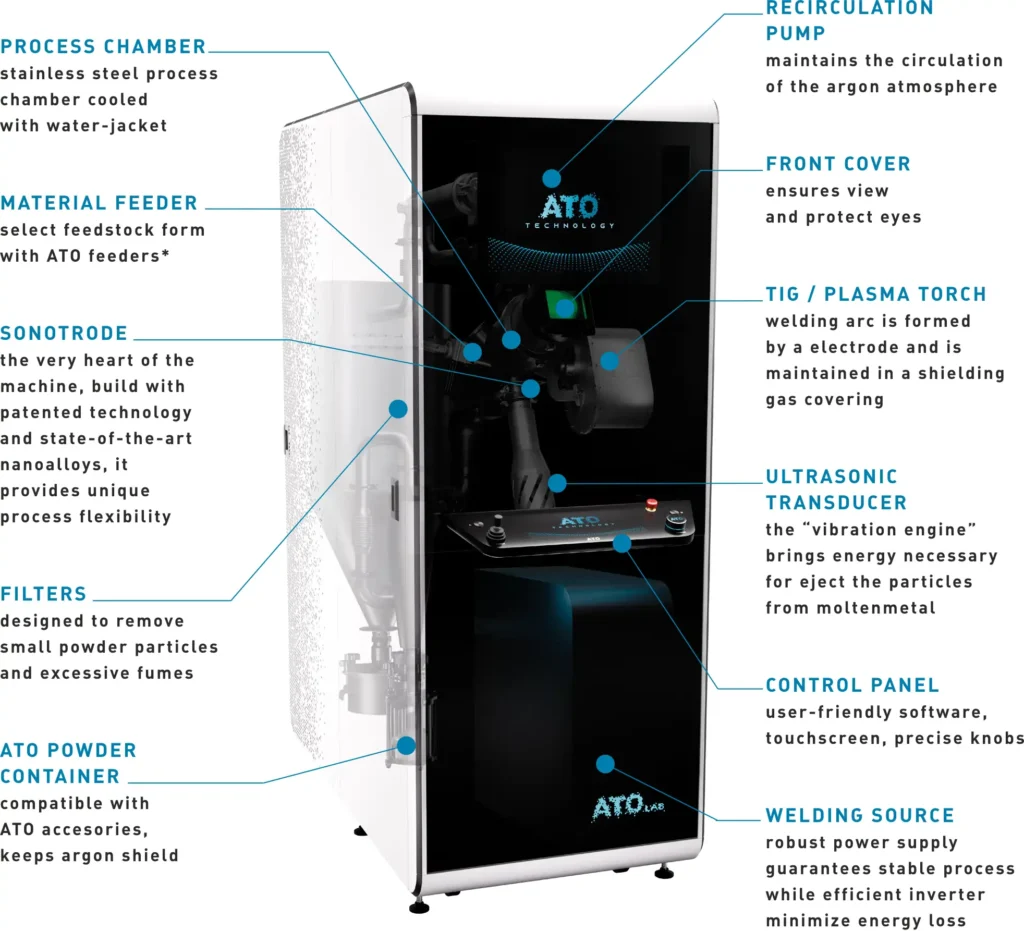
Typical Applications
Not sure a custom alloy is the right route?
Make it yourselfATO LabView atomizer →
Precious metalsATO NobleView atomizer →
Why Source Custom Alloy Powder Through Additive Plus
- Atomization runs on ATO ultrasonic systems — the same technology behind our ATO Lab atomizers and AO Metal powders.
- Applications engineering matches melting module, feeding system and frequency to your alloy before atomization.
- Full powder workflow coordinated by one partner: atomization, sieving, cleaning, passivation and characterization.
- NDA on request on every composition · sub-24h engineer response.
- 15,000+ teams supported across 23 countries.
Compatible 3D printing systems
Atomized to the process and cut you specify.
| Brand | AO Metal |
| Technology | Ultrasonic atomization |
| PSD (particle size distribution) | 20–120 micrometres |
| Printing Materials | Metal Powders |
| Material | Custom Alloy |
| Production Method | Ultrasonic Atomized |
| Country of origin | China, USA OEM |
| Application | Engineering, Manufacturing |
Product videos
We atomize qualified reactive-metal scrap and machining stock back into spherical, print-ready powder — closing your recycled-material loop under one partner.
Other products teams run alongside Custom Alloy Metal Powder — Atomized to Your Composition | Reactive, Refractory & High-Entropy Alloys
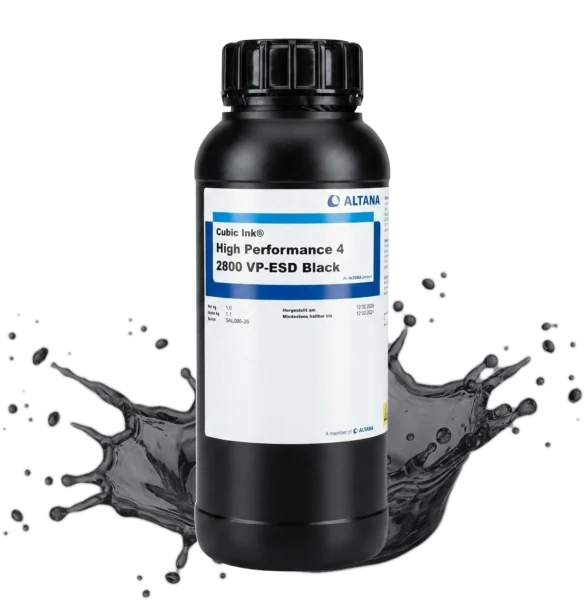
Low-viscosity ESD resin with real toughness for final-part production — dissipative volume resistivity (5.5 × 10⁷ Ω·cm) plus 65 MPa strength and HDT-B 94 °C.
- ✓ ESD-dissipative — volume resistivity 5.5 × 10⁷ Ω·cm for static-safe parts
- ✓ Tough & strong — 65 MPa tensile, 2700 MPa modulus, 86 Shore D
- ✓ HDT-B 94 °C, excellent chemical resistance; easy low-viscosity processing
- ✓ A similar option to Loctite IND3380 ESD
Made to order
· Ships in 5–10 business days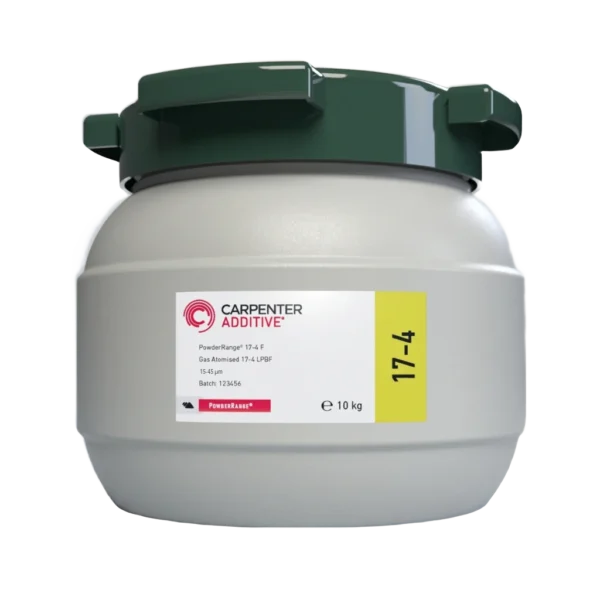
High strength. Heat-treatable. Production-ready. Genuine Carpenter PowderRange® 17-4PH precipitation-hardening stainless steel for LPBF metal 3D printing.
- ✓ Vacuum-melted, nitrogen gas-atomized — COA on request
- ✓ Sold in small, workable volumes — no large mill minimums
- ✓ Out of stock — next lot expected in November
Out of stock: the next Carpenter lot is expected in November.
Out of stock
· Out of stock · next lot expected in November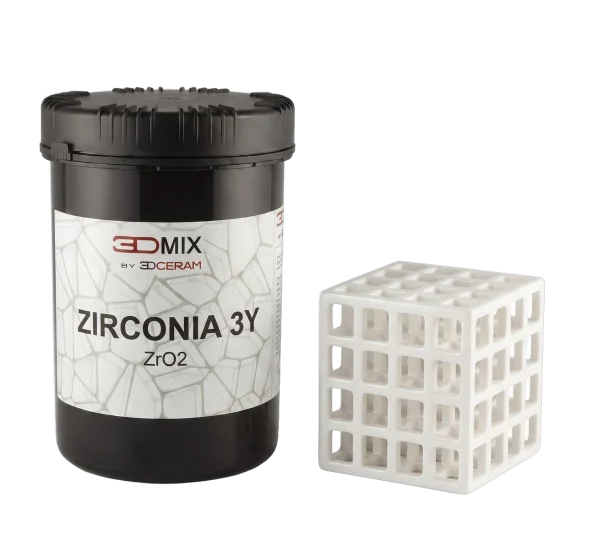
Print exceptionally tough 3Y zirconia (ZrO₂) parts on 3DCeram's Ceramaker laser-SLA platform, then debind and sinter to a dense, biocompatible oxide ceramic.
- ✓ 950 MPa 4-point bending strength at >99.5% density — the strongest single oxide in the range
- ✓ Colourable, biocompatible, sub-0.5 µm grain — jewellery, dental and precision parts
- ✓ Ceramic SLA paste for the 3DCeram Ceramaker platform — quote-based, mutual NDA before spec review
In stock
· In stock — ships in 1–2 business days. Custom ceramic formulations and larger batches: 2–4 weeks, configured to order.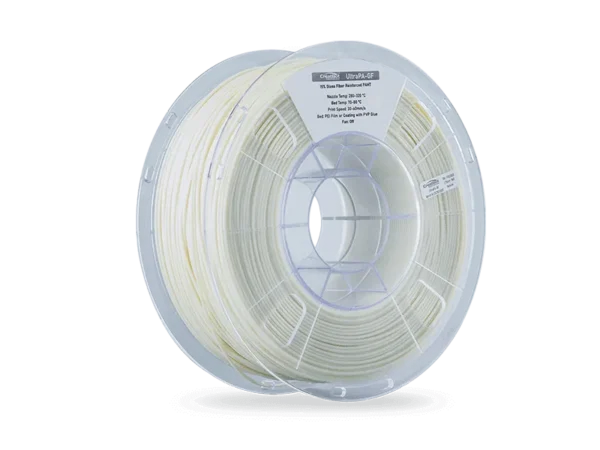
Glass-fiber-reinforced high-temperature nylon filament for FDM 3D printing — high strength (88 MPa tensile) and stiffness with a heat-deflection temperature up to 135°C, tougher and less brittle than carbon-fiber grades, for demanding functional parts.
- ✓ ±0.02mm diameter tolerance — consistent extrusion, low jam risk
- ✓ Validated CreatBot F430 print profile + datasheet included
- ✓ In stock, ships in 1–2 business days
In stock
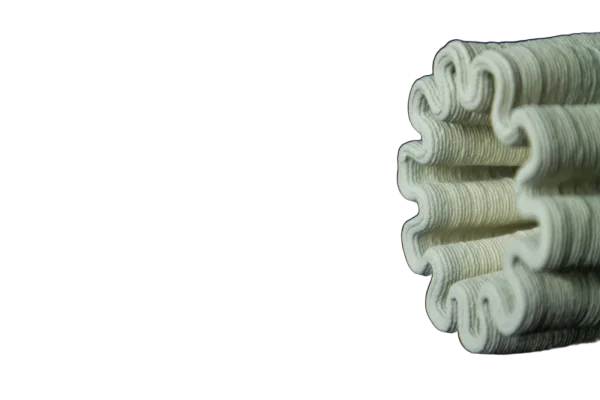
Print your own ceramic paste — the Sygnis F-NIS 23151 and Sygpast are open DIW platforms for alumina, zirconia, SiC and other pastes you formulate or buy.
- Al₂O₃, YSZ, ZrO₂, SiC, aluminosilicate, TiO₂ and zeolite pastes
- Pneumatic extrusion up to 4 bar, Luer Lock nozzles 0.10–1.50 mm
- Print seals and insulation straight onto a component
- You source the paste and fire the green parts in your own furnace
Made to order
· Free DIW guide · not sold as a material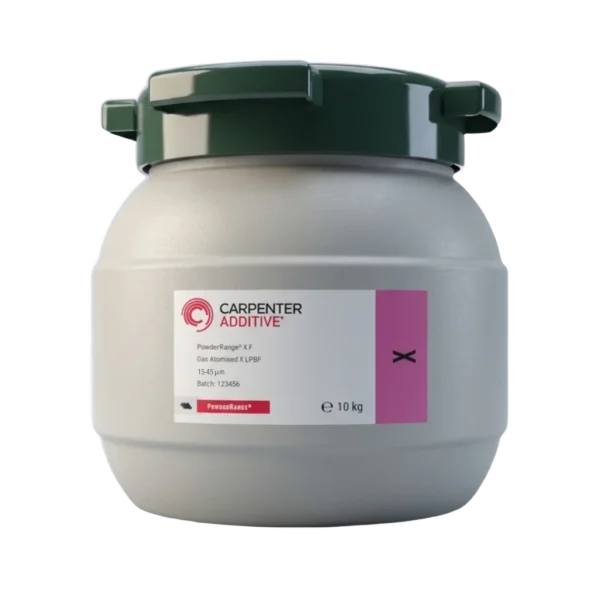
Extreme heat. Oxidation-proof. Non-magnetic. Genuine Carpenter PowderRange® X (Hastelloy® X) nickel superalloy for LPBF & EBM metal 3D printing.
- ✓ Strength & oxidation resistance to 2200°F (1204°C)
- ✓ Low crack susceptibility — wrought-equivalent as-processed
- ✓ COA on request · small volumes
In stock
· Ship date confirmed after you order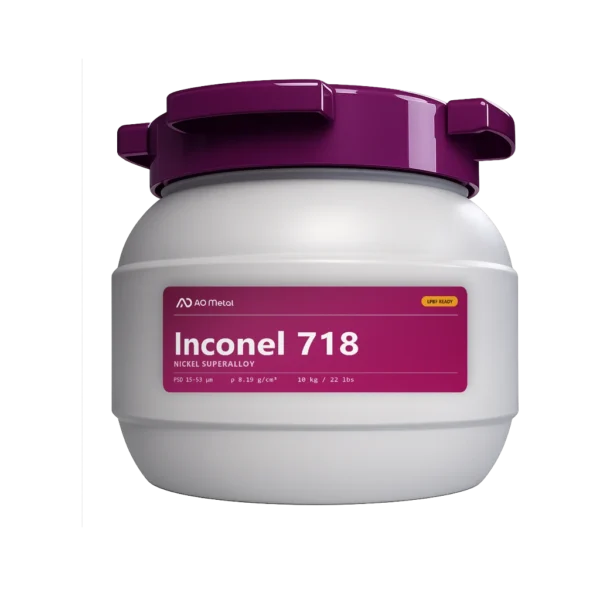
A-Powder Inconel 718 — AO Metal’s LPBF powder line, 15–53 µm, in 10 kg containers.
- Lot certificate of analysis (COA)
Brand: A-Powder by AO Metal
Made to order
· Ships in 6–8 weeks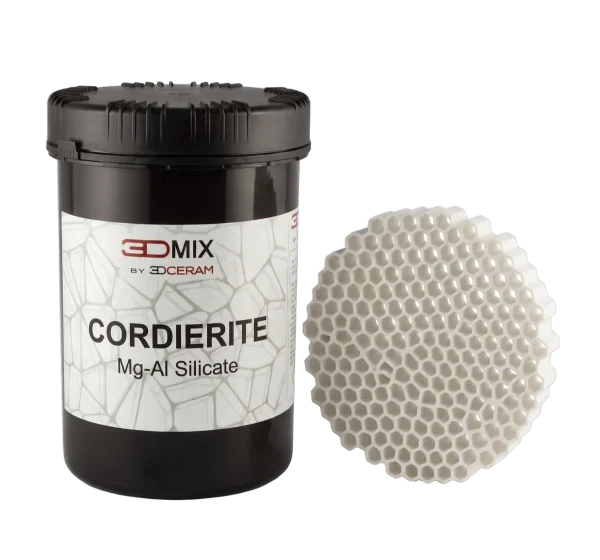
Print near-zero-expansion cordierite parts on 3DCeram's Ceramaker laser-SLA platform, then debind and sinter to a dimensionally stable oxide ceramic.
- ✓ Coefficient of thermal expansion near zero — dimensional stability through thermal cycling
- ✓ Aerospace optics, metrology and vacuum hardware; >98% dense after sintering
- ✓ Ceramic SLA paste for the 3DCeram Ceramaker platform — quote-based, mutual NDA before spec review
In stock
· In stock — ships in 1–2 business days. Custom ceramic formulations and larger batches: 2–4 weeks, configured to order.What our customers say
“Harry and team were professional, effective communicators as we set up the order, then they executed quickly and produced an amazing product for us at a very competitive price. Am looking forward to our next print w Additive Plus!”
“Great 3D printing service and the resin parts look super smooth and clean. Really happy with how everything turned out!”
“Harry was very professional and helped me out with my 3D printing needs and explained what options I have in terms of filaments such as PEEK. Highly recommended.”
“I needed a 3D enclosure printed urgently in a specific time period, they did great!”
Common questions
Don't see yours? Email [email protected] — NDA on request.
What is a custom alloy powder and how is it made?
Which alloys can you atomize?
Do you sign an NDA before I share my composition?
What particle size can I get, and for which process?
Do I supply the feedstock, or can Additive Plus source it?
Do you provide a Certificate of Analysis for a custom alloy?
What is the minimum batch size and lead time?
Can a custom alloy scale from a trial batch to production?
Can you atomize powder for thermal spray, MIM or brazing — not just 3D printing?
Place your order, or talk to an engineer first
Order Custom Alloy Metal Powder — Atomized to Your Composition | Reactive, Refractory & High-Entropy Alloys direct, or talk to materials engineer