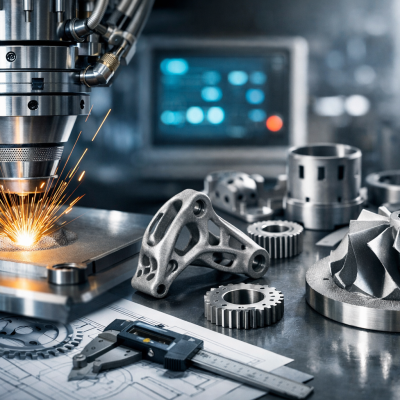
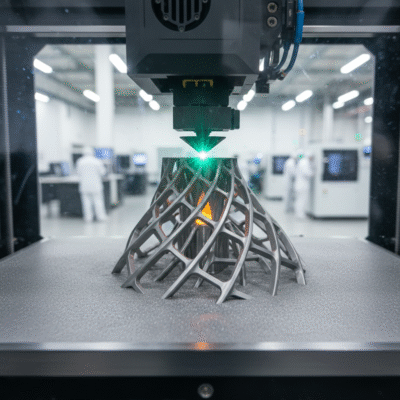
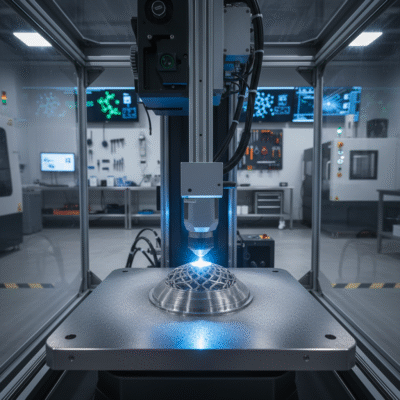
200+ qualified systems across every additive technology — including AO Metal, the LPBF printer we design and build ourselves.
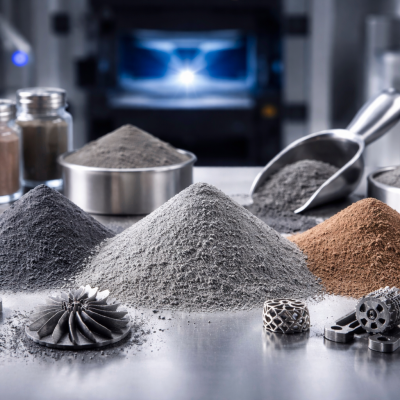
Make your own metal powder in-house, or have us run a custom alloy batch in 3–4 weeks.
Capture parts for reverse engineering, inspection, and repair.
Everything between a green part and a finished, qualified part.
Debind and sinter green parts into fully dense, qualified components.
Metal-safe powder handling and shop air, kept clean and compliant.
Measure powder size and morphology so every build is repeatable.
Bridge from printed prototypes to short-run injection molding.
A named applications engineer scopes your part and budget — no sales rep, no obligation.
- Free demo on the shortlist
- Install + training included
Priced per 10 kg · COA on request
Validated profiles for the printers we sell — load and print.
The supporting kit so the first build runs clean.
Need an alloy we don’t stock? Choose how you want to get it.
Pick the right material with confidence.
Know your material? Pick it, upload your file, and get a price instantly from our online calculator — no waiting.
Prefer to choose the technology yourself? Quote across all 8.
From a sketch to a qualified part — we cover the gaps.
Workflows tuned to your standards and lead times.
Learn the trade-offs before you commit.
Common materials price instantly in our online calculator. Tricky part? Upload it and a named engineer quotes in 24h.
- Instant price on common materials
- Upload STL · STEP · IGES
- NDA on request