
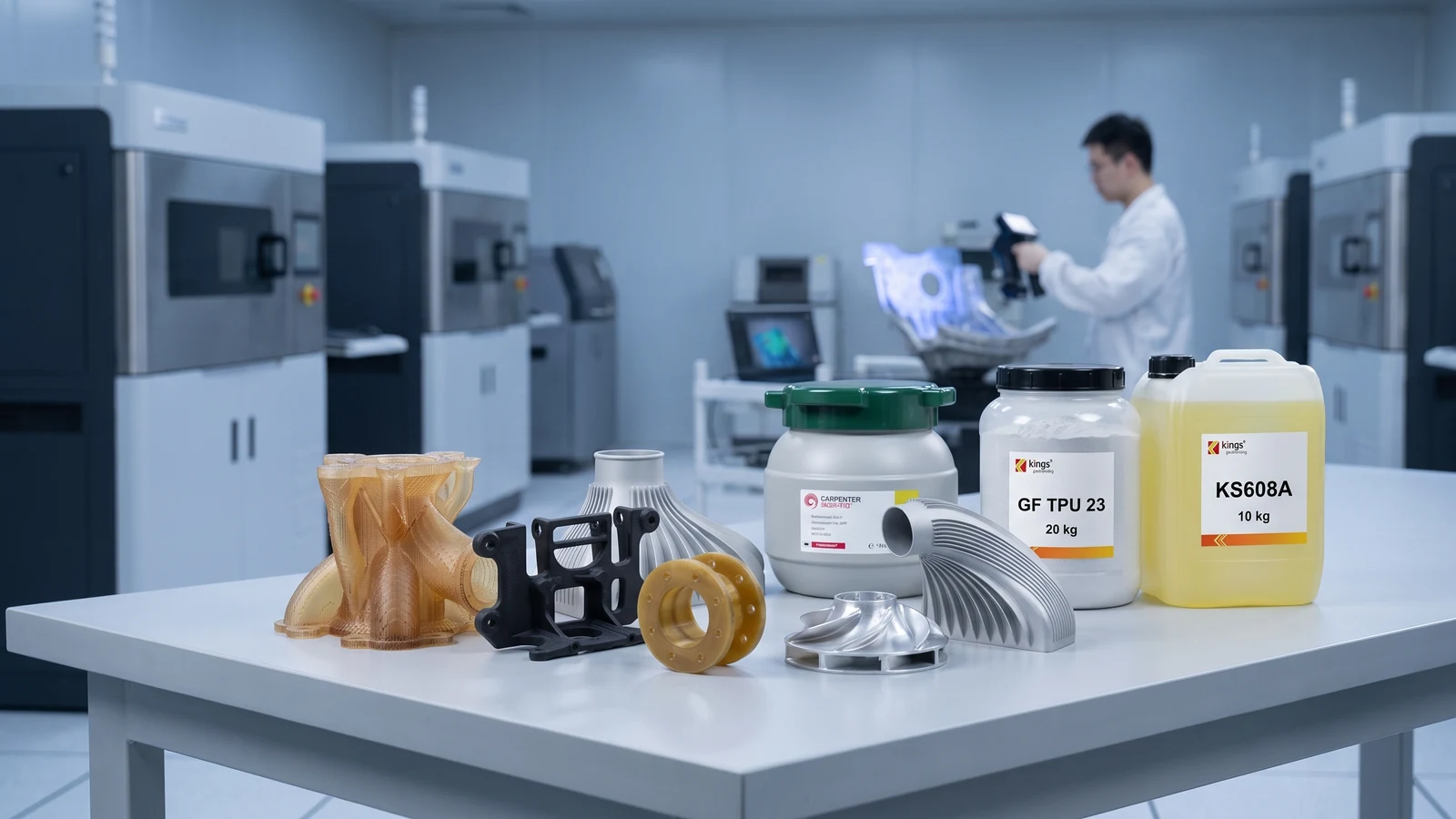
Additive manufacturing (AM) is the process of building a physical part layer by layer directly from a 3D model, instead of cutting it out of a solid block or forming it in a mould. The international standard ISO/ASTM 52900 defines it and groups every method into seven process categories. This guide covers what those categories are, the materials they run, the standards that qualify the parts, and where the technology earns its place — with links into the 3D printers and materials that do the work.
“Additive manufacturing” and “3D printing” mean the same thing; AM is simply the term the industry uses once parts move from prototypes to production hardware.
What is additive manufacturing, exactly?
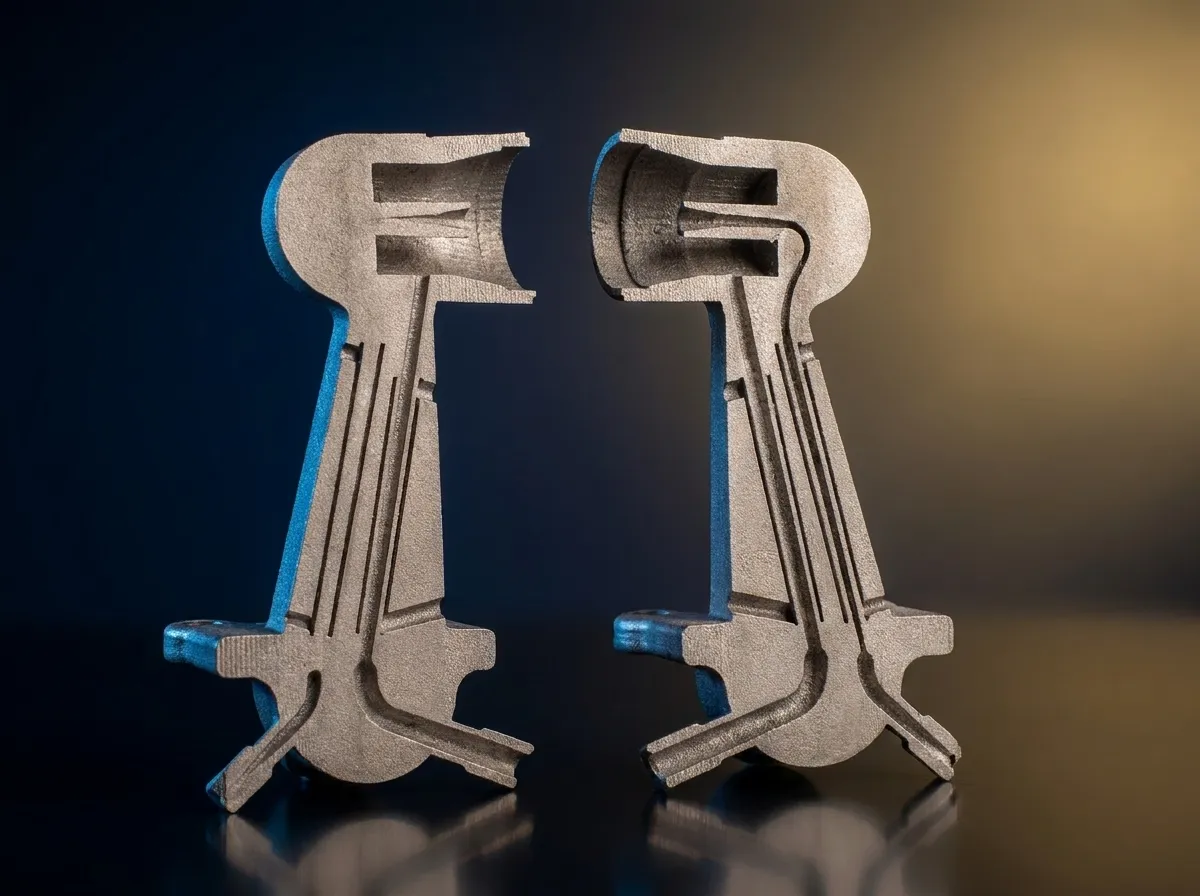
In additive manufacturing, software slices a 3D model into thin horizontal layers, and a machine reproduces each slice in sequence — fusing metal powder, curing liquid resin, or extruding molten polymer — until the layers add up to a finished part. Because geometry comes from data rather than tooling, AM makes shapes that are impossible to machine or cast: internal cooling channels, lattice structures, and consolidated assemblies printed as one piece.
The core idea. Subtractive manufacturing removes material to reveal a part; additive manufacturing adds material only where the part needs it. That single difference is why AM cuts weight, consolidates part counts, and prints geometries conventional processes cannot reach.
The seven types of additive manufacturing (ISO/ASTM 52900)
Every additive manufacturing method falls into one of seven families. They differ by what the raw material is (powder, liquid, filament, sheet) and how each layer is joined. The table below is the practical map from process to materials to where it fits.
| Process category | Common methods | Typical materials | Best for |
|---|---|---|---|
| Powder bed fusion (PBF) | LPBF / DMLS / SLM, EBM, SLS | Metals, PA nylon | End-use metal parts, functional polymer parts |
| Vat photopolymerization | SLA, DLP, LCD | Resins | Fine detail, dental, castable patterns |
| Material extrusion | FDM / FFF, pellet FGF, LFAM | Filaments, pellets | Prototypes, jigs, large tooling |
| Binder jetting | Metal / sand / ceramic BJ | Metal powder, sand, ceramic | Sand moulds, high-throughput metal |
| Directed energy deposition | DED, WAAM, laser metal deposition | Metal powder / wire | Large parts, repair, cladding |
| Material jetting | PolyJet, wax jetting | Photopolymer, wax | Multi-material, investment-cast patterns |
| Sheet lamination | LOM, ultrasonic AM | Sheet metal, paper | Niche; low-cost concept models |
For a technical buyer, the first question is almost always metal or polymer. Metal work runs mostly on laser powder bed fusion (LPBF) and DED; polymer work spans SLS, FDM, and resin. Our deeper guide on metal 3D printing technologies breaks the metal side down further.
How additive manufacturing works, step by step
Regardless of process, the workflow follows the same chain. The layer thickness sets the trade-off between resolution and speed: LPBF typically runs 20–60 µm layers, SLA 25–100 µm, and FDM 100–300 µm.
- 3D model. A CAD file (STEP/STL) defines the part; design-for-additive rules decide orientation, wall thickness, and supports.
- Slicing. Software cuts the model into layers and generates the machine tool-path and support structures.
- Build. The machine fuses, cures, or extrudes each layer in turn inside a controlled (often inert-gas) chamber.
- Removal. The part comes off the plate or out of the powder bed; supports and loose powder are removed.
- Post-processing. Heat treatment, HIP, machining of mating faces, and surface finishing bring the part to spec.
Post-processing is not optional for production metal parts — it is where the properties are actually set, through stress relief, hot isostatic pressing, and finish machining.
Materials additive manufacturing can use
- Metals — stainless steels like 316L and 17-4PH, titanium (Ti-6Al-4V), nickel superalloys (Inconel 718/625), aluminium (AlSi10Mg), and tool steels, printed from gas-atomised metal powder with a 15–45 µm particle size for LPBF.
- Polymers — PA11/PA12 nylon, glass- or carbon-filled SLS grades, and flexible powders like TPU; plus PLA, PETG, ABS, and engineering filaments for FDM.
- Resins — engineering, castable, dental, and high-temperature photopolymers such as tough UV resin for SLA/DLP.
- Ceramics — alumina, zirconia, and silicon carbide via ceramic filaments and ceramic SLA.
Additive vs subtractive: where AM earns its place
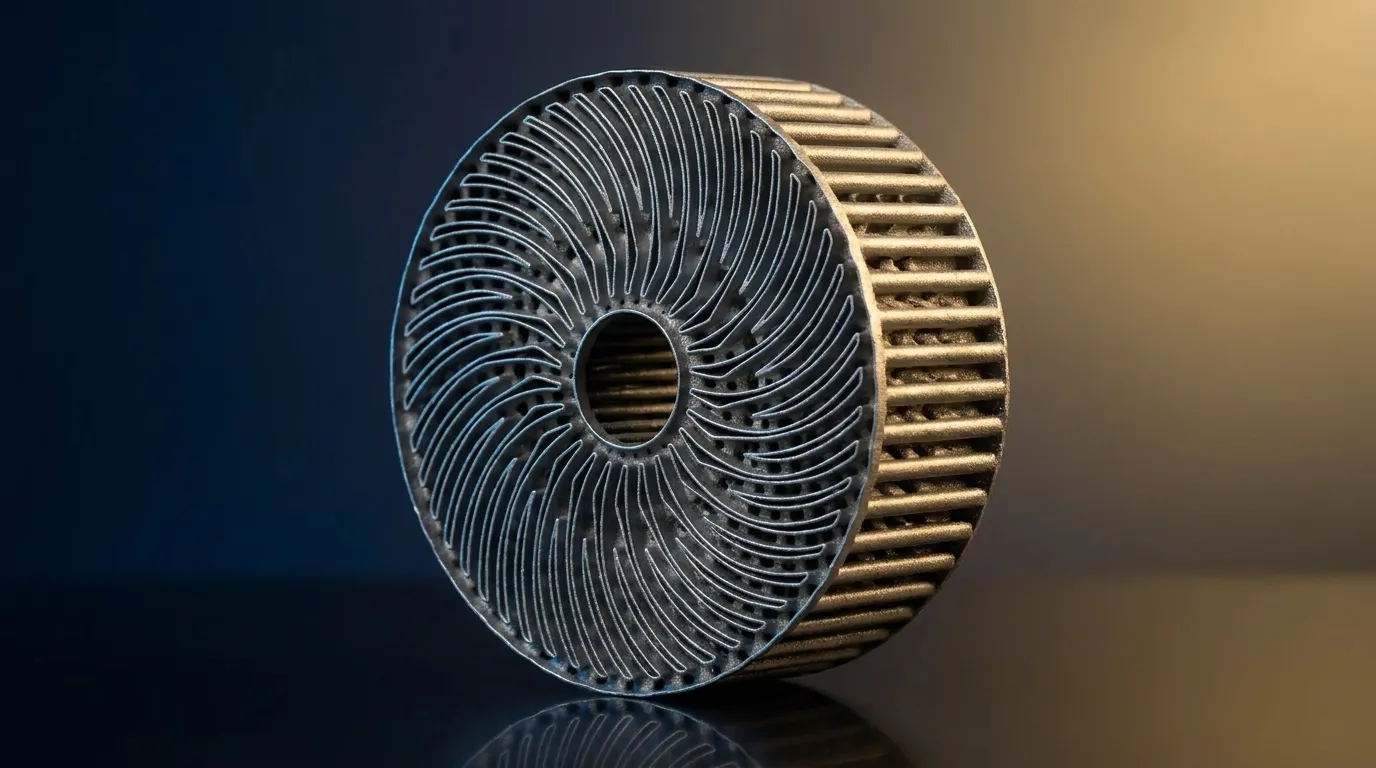
Additive manufacturing does not replace machining or casting — it wins where geometry, weight, or lead time beat raw cost per part. The clearest cases:
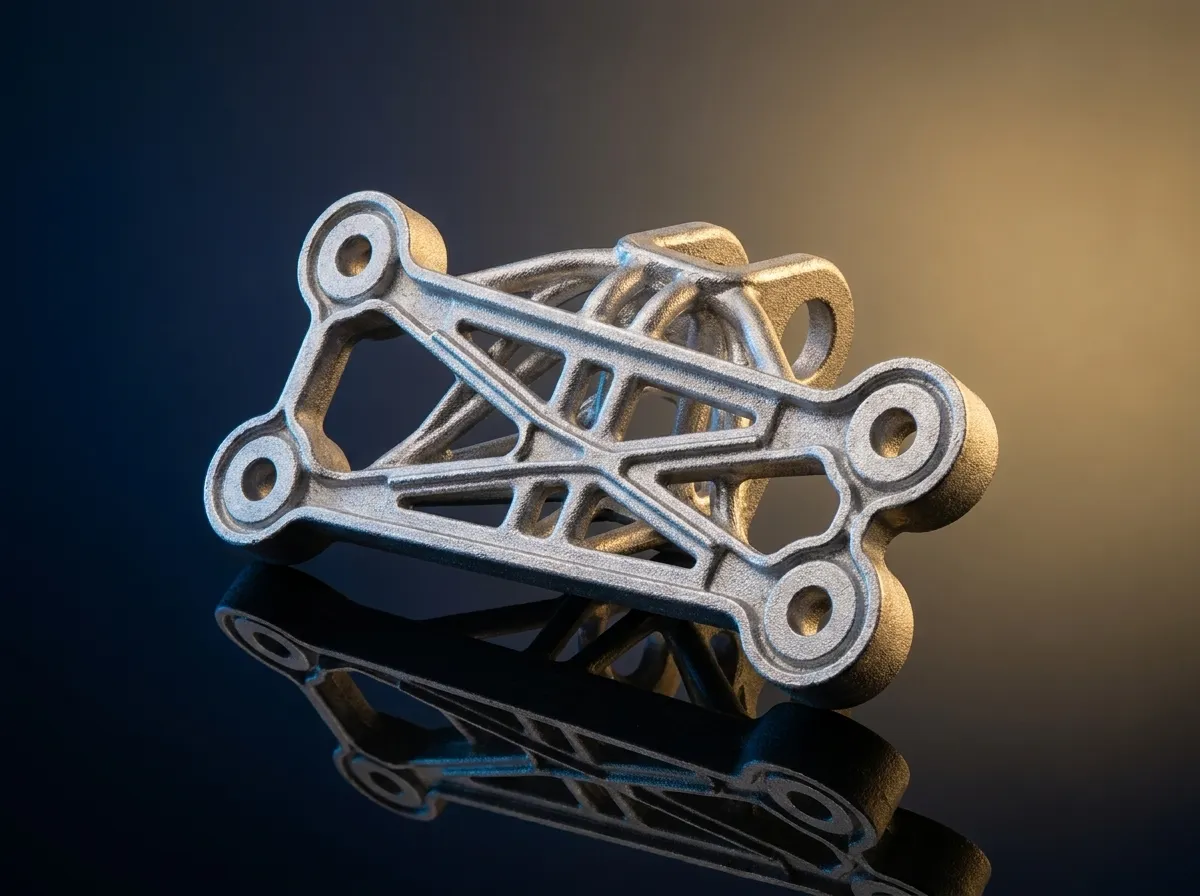
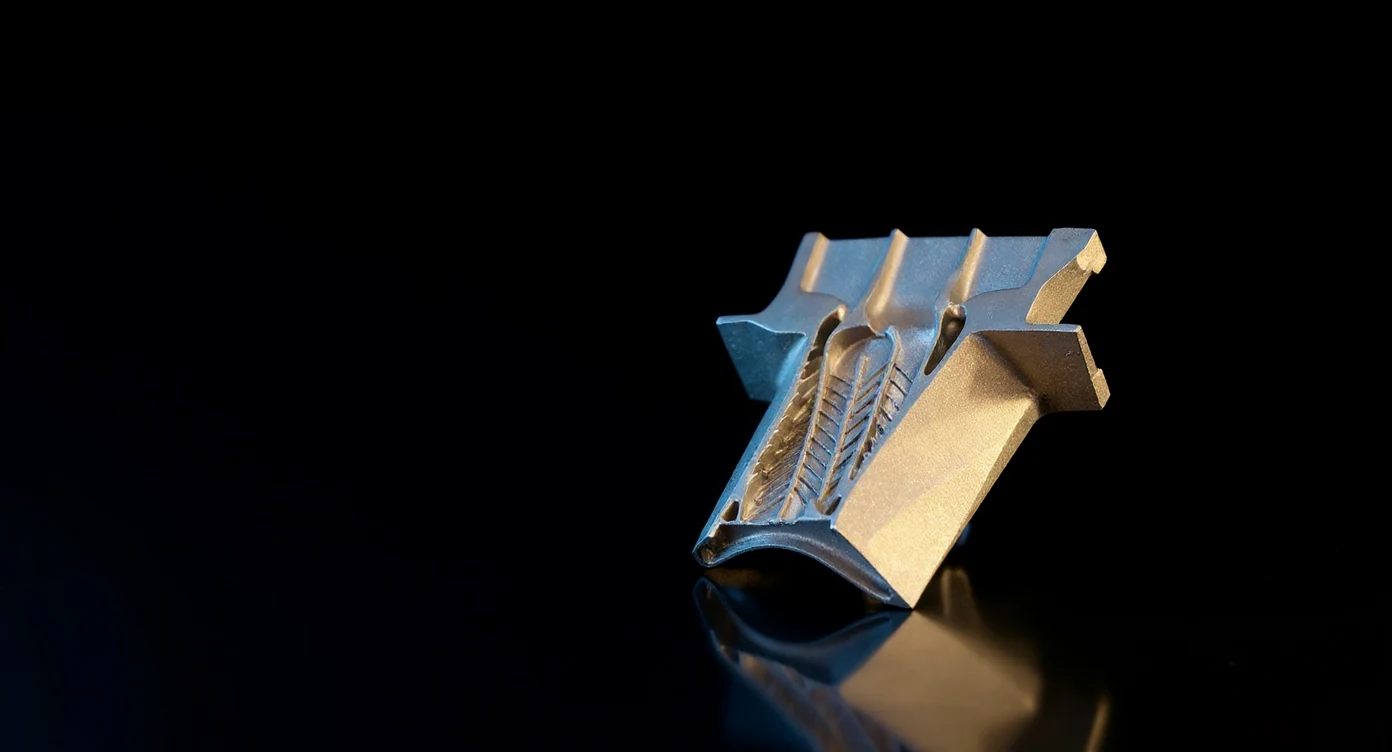
- Aerospace & defense — topology-optimised brackets, fuel nozzles, and heat exchangers that consolidate many machined pieces into one lighter part, under AS9100 and ITAR control.
- Medical & dental — patient-specific implants and surgical guides with porous, bone-integrating structures, made under ISO 13485.
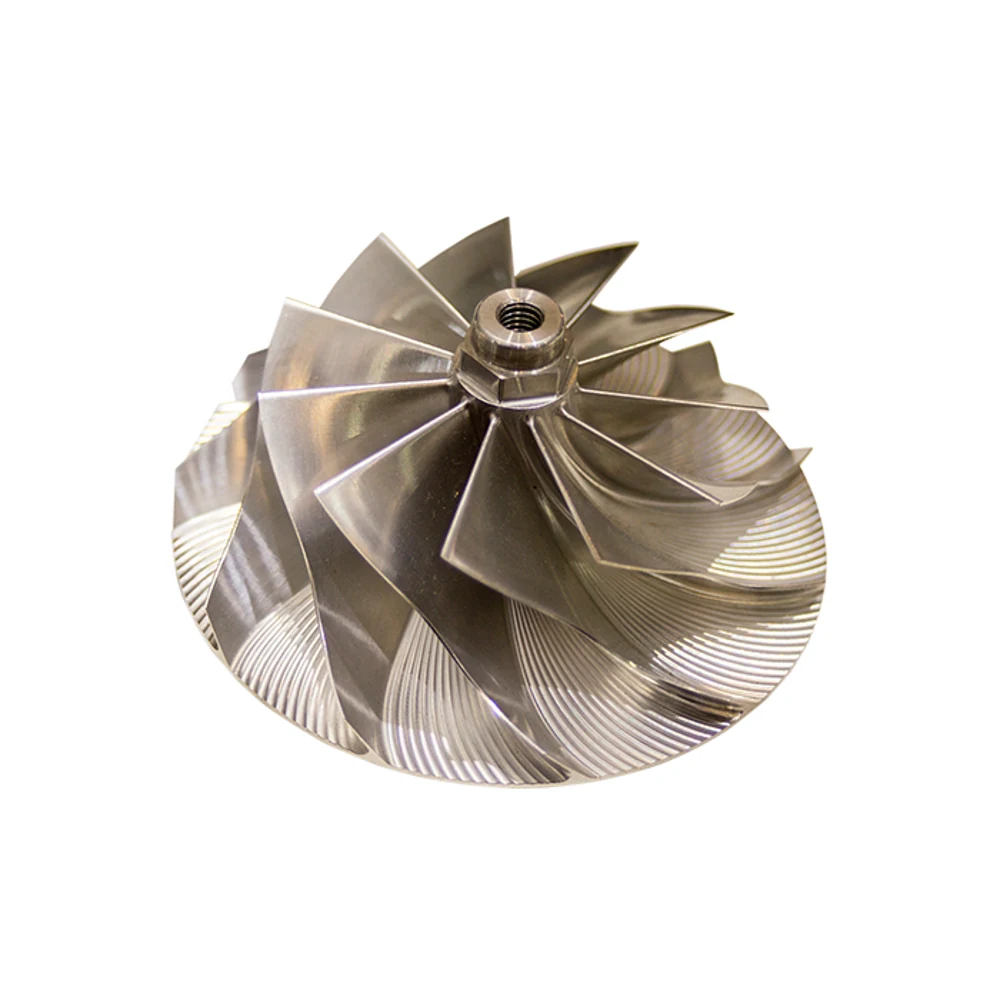
- Energy & turbomachinery — Inconel impellers and combustion hardware that survive high temperature and corrosion.
- Tooling & automotive — injection-mould inserts with conformal cooling channels that cut cycle time, plus large-format LFAM tooling.
Additive manufacturing as a service
Not every program needs to own a machine. Additive Plus runs five production processes in-house as 3D printing services, so a part can be quoted, printed, and finished on demand without buying capital equipment. The job is to match the part to the right process and material.
| Process | Materials | Typical parts | Service |
|---|---|---|---|
| Metal LPBF / DMLS | 316L, Ti-6Al-4V, Inconel, AlSi10Mg | Aerospace, medical & energy end-use | Metal 3D printing |
| SLS (nylon) | PA11 / PA12, PA-CF / PA-GF | Functional polymer parts, small batches | Nylon SLS |
| SLA / DLP (resin) | Engineering, castable, dental resins | High-detail prototypes, cast patterns | Resin printing |
| FDM / FFF | ABS, PETG, PC, PEEK | Jigs, fixtures, end-use thermoplastics | FDM |
| Pellet FGF / LFAM | ABS, ASA, PETG, PEEK | Large tooling, full-scale fixtures | High-volume FGF |
Each quote is engineered, not auto-generated: the process, material, orientation, and finish are chosen for the part, and metal work is produced under the quality systems below. Send a STEP or STL file to start.
Standards and qualification
Production AM lives on documented standards. ISO/ASTM 52900 fixes the terminology; ASTM/AMS specifications define each alloy and its properties; and quality systems — AS9100 for aerospace, ISO 13485 for medical, NADCAP for special processes — govern how a qualified part is actually produced and traced. For a metal flight or implant part, the material certificate, the heat-treat records, and the process controls matter as much as the geometry.
Sourcing additive manufacturing through Additive Plus
Additive Plus is a full-stack additive manufacturing partner based in California — printers, materials, and post-processing under one roof, so a program does not stall between an equipment vendor and a powder supplier. Whether the next step is a metal system, a resin printer, or a lot-controlled powder, the catalog below is the place to start.
Services: 3D printing services · Metal LPBF · Nylon SLS · Resin SLA · FDM · FGF
Printers: Metal 3D printers · LPBF systems · Resin 3D printers
Materials: 316L powder · Metal powders · TPU SLS powder · SLA resin · Ceramic filaments
Learn more: Metal 3D printing guide · SLA explained · Filament types
Frequently asked questions
What is additive manufacturing in simple terms?
Additive manufacturing builds a part layer by layer directly from a 3D model, adding material only where the part needs it. The international standard ISO/ASTM 52900 defines it and groups every method into seven process categories.
Is additive manufacturing the same as 3D printing?
Yes — the terms are synonyms. 'Additive manufacturing' is the term the industry uses once parts move from prototypes into qualified, end-use production hardware.
What are the main types of additive manufacturing?
ISO/ASTM 52900 defines seven: powder bed fusion, vat photopolymerization, material extrusion, binder jetting, directed energy deposition, material jetting, and sheet lamination. Most metal production runs on powder bed fusion (LPBF).
What materials can additive manufacturing use?
Metals (stainless, titanium, Inconel, aluminium), polymers (nylon, PLA, PETG, TPU), photopolymer resins, and ceramics (alumina, zirconia, silicon carbide). Metal LPBF uses gas-atomised powder with a 15–45 µm particle size.
Have a question or a project? Let’s talk.
Tell us what you need — a real applications engineer replies within 24 hours. NDA standard, no sales script.