
In stock
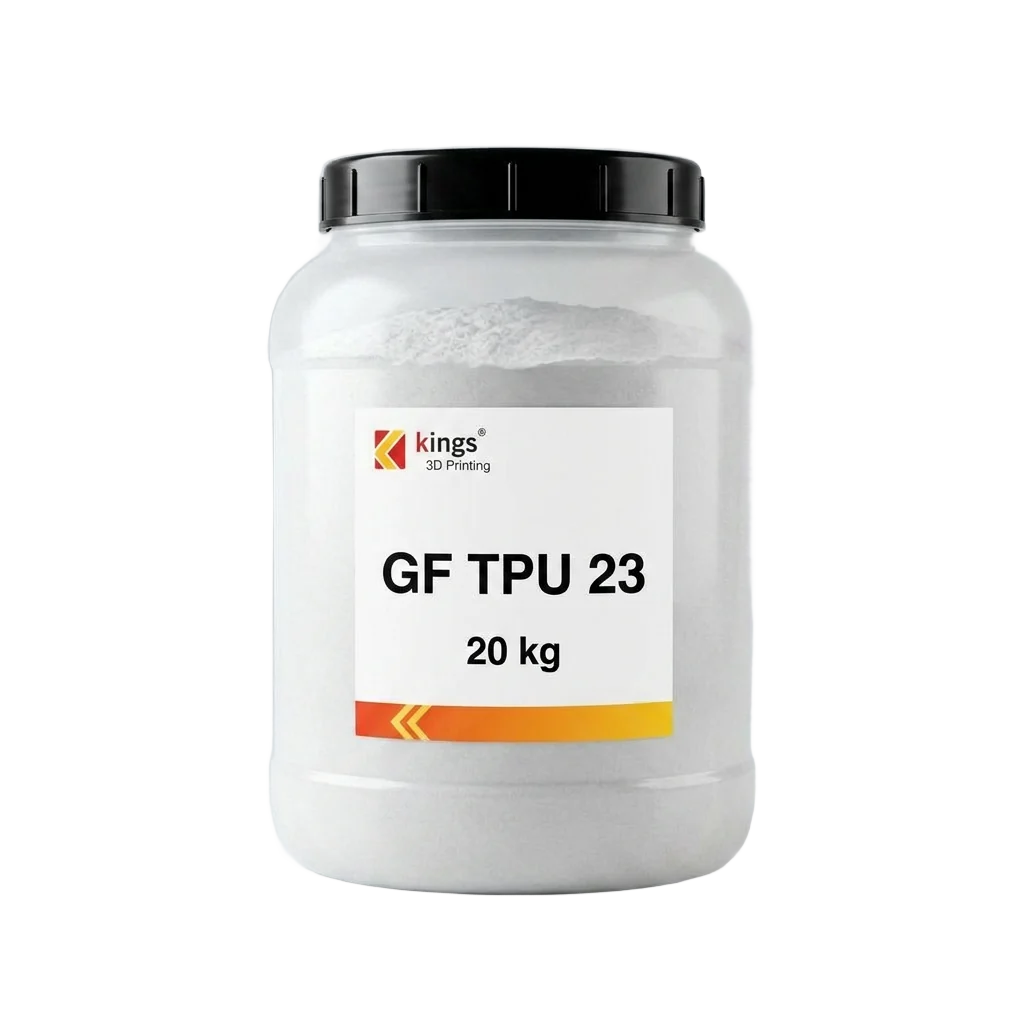
- 20 kg sealed pack with a batch data sheet for repeatable production
- Starting build parameters for Kings and other open SLS platforms
Kings3D GF TPU 23 Flexible SLS TPU Powder – Rubber-Like Elastomeric Parts | Shore 88A, 20 kg
$750
What your process engineer actually checks
Rubber-like flexibility you can print
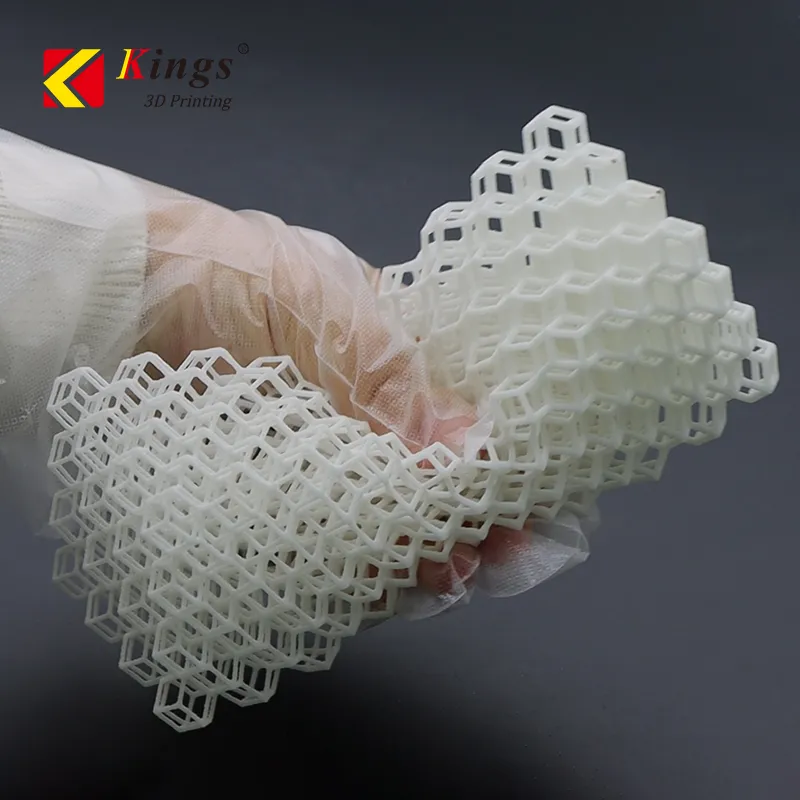
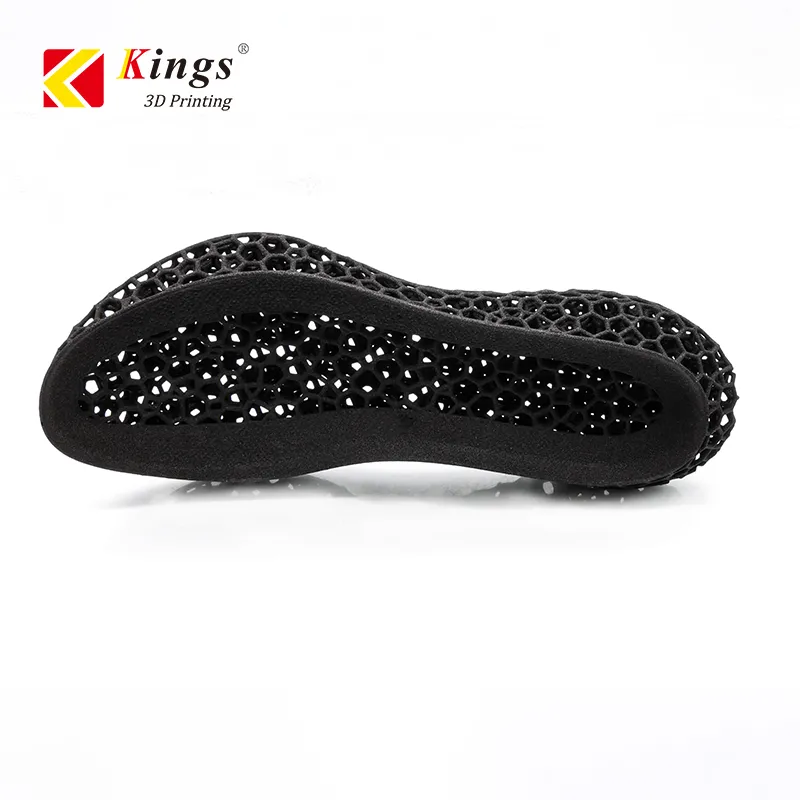
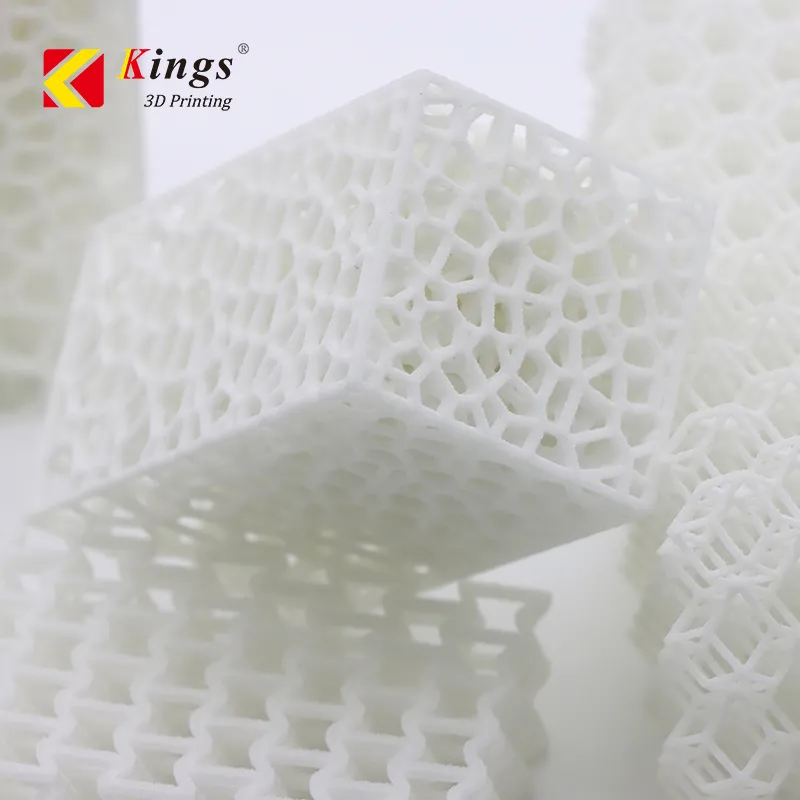
At 88–90 Shore A with up to 400% elongation at break, GF TPU 23 prints soft, bendable parts that stretch and compress like moulded rubber where rigid nylon powders would crack. It is the grade to reach for on seals, grips, cushioning, living hinges, and impact-absorbing lattices.
A materials engineer on the line
Questions on build parameters, refresh ratio, or flex performance? We run a production SLS print center in-house, so our engineers answer from real build experience — not a script. Sub-4h reply, NDA on request.
Kings3D GF TPU 23 (KSTPU23) is a flexible, rubber-like TPU powder for SLS 3D printing — a thermoplastic polyurethane elastomer that prints tough, bendable parts at 88–90 Shore A with up to 400% elongation at break. The powder is white and finished parts come out in a natural colour. It runs on Kings and other open, TPU-capable SLS systems, and we supply it from US stock with starting parameters to run it.
Why engineers choose GF TPU 23
A rubber-like SLS elastomer for parts that need to flex, stretch, and absorb impact.
Rubber-like at 88–90 Shore A
A soft, flexible durometer that bends and compresses like moulded rubber — the reason to pick GF TPU 23 over rigid nylon powders for elastomeric parts.
Up to 400% elongation
High elongation at break (DIN 53504) lets parts stretch, snap-fit, and deform repeatedly without cracking — ideal for living hinges, seals, and grips.
Impact and abrasion resistant
The TPU elastomer chemistry absorbs shock and shrugs off wear, so parts survive drops, cyclic loading, and contact friction where brittle materials fail.
Runs on open SLS platforms
A powder-bed TPU with a 160 °C melting point (ISO 11357) — compatible with Kings SLS (P440 line) and other open, TPU-capable SLS systems, tuned per machine.
How we supply it
A production print center supplying proven powders — not a warehouse reselling boxes.
Proven, then stocked
We run a production SLS print center in-house. We only stock powders we have printed and validated ourselves — so what ships is a known quantity, not a catalog listing.
Stocked in California
GF TPU 23 ships from our Los Angeles warehouse in 1–2 business days, sealed with a batch data sheet, plus starting build parameters for common SLS platforms.
Custom formulation on request
Need a different hardness, colour, or refresh behaviour? Tell us the target and we will discuss a custom SLS elastomer option with our material partners.
Material properties
| Property | Value | Standard |
|---|---|---|
| Base material | TPU (thermoplastic polyurethane / TPE) | — |
| Powder colour | White | — |
| Part colour | Natural | — |
| Bulk density | 0.5 g/cm³ | GB/T 16913 |
| Hardness | 88–90 Shore A | ISO 868 |
| Melting point | 160 °C | ISO 11357 |
| Tensile strength | 20 MPa | DIN 53504 |
| Elongation at break | 400 % | DIN 53504 |
Full specification list is in the Specifications tab. Values are typical and vary with geometry, packing density, and process. Particle size and refresh rate are not published by the vendor — request the batch data sheet for your build.
Typical applications
Where a flexible, impact-absorbing SLS elastomer earns its place.
Not sure GF TPU 23 is the right powder?
Compare with the other Kings SLS nylon powders we stock.
Why source GF TPU 23 through Additive Plus
- We run a production SLS print center in-house — we stock only powders we have proven on real builds
- Genuine Kings3D GF TPU 23 (KSTPU23), verified against the vendor datasheet, with a batch data sheet in every order
- Broad compatibility — a TPU elastomer powder that runs on Kings and other open, TPU-capable SLS systems
- In-stock in California, ships in 1–2 business days; custom formulations discussed on request
| Brand | Kings3D |
| Country of origin | China |
| Technology | SLS |
| Application | Composite Tooling, Engineering, Jigs & Fixtures, Manufacturing |
| Printing Materials | Plastic Nylon Powders |
| Available colors | White |
| Elongation at Break (%) | 12-20 |
| Weight | 20 kg |
Tell us your target — a different hardness, colour, or refresh behaviour — and our materials engineers will discuss a custom SLS elastomer option with our partners. You get a powder matched to your part, not a compromise.
Complete the workflow
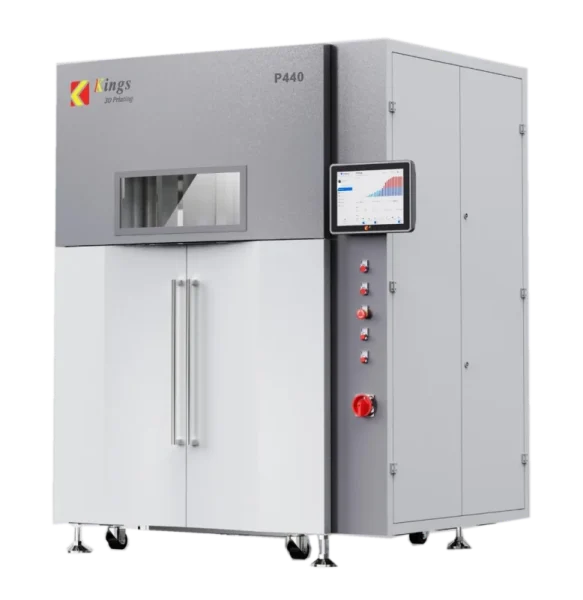
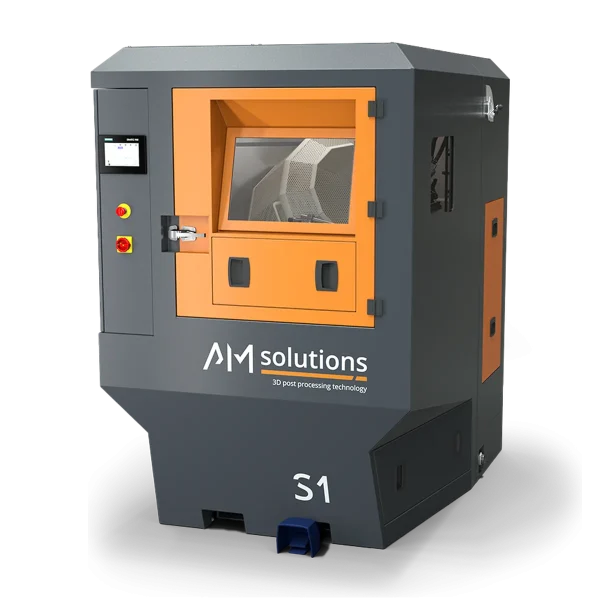
Automated 2-in-1 blasting cell that depowders and surface-finishes powder-bed 3D-printed parts in one enclosed, software-controlled cycle.
- ✓ Depowdering + surface finishing in one ATEX-compliant cell
- ✓ Polymer PBF (SLS, MJF, HSS, SAF) + de-powdered metal parts
- ✓ Lead time: 4–8 weeks — built to order · install + training included
Other products teams run alongside Kings3D GF TPU 23 Flexible SLS TPU Powder – Rubber-Like Elastomeric Parts | Shore 88A, 20 kg
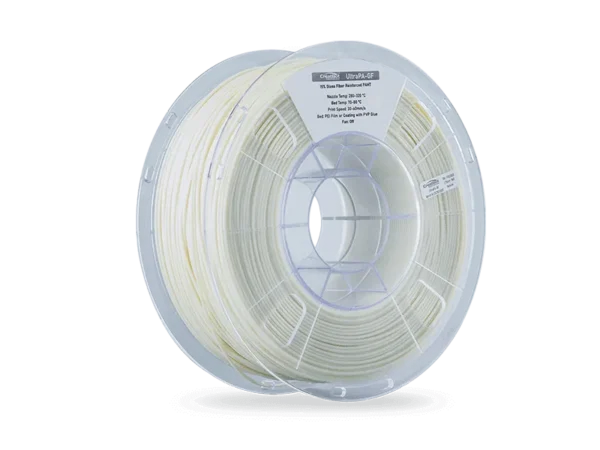
Glass-fiber-reinforced high-temperature nylon filament for FDM 3D printing — high strength (88 MPa tensile) and stiffness with a heat-deflection temperature up to 135°C, tougher and less brittle than carbon-fiber grades, for demanding functional parts.
- ✓ ±0.02mm diameter tolerance — consistent extrusion, low jam risk
- ✓ Validated CreatBot F430 print profile + datasheet included
- ✓ In stock, ships in 1–2 business days
In stock
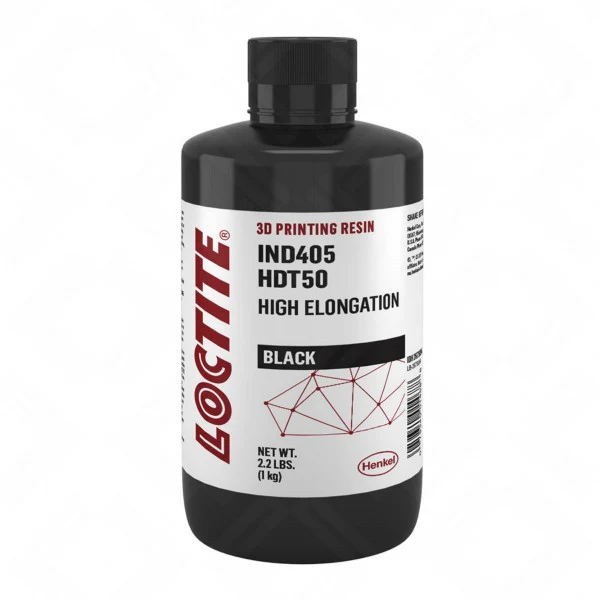
PP-like black resin: high elongation/impact for end-use jigs, housings & parts.
Availability: confirmed at order. Supplier stock for this line varies — we verify availability and lead time on every order before processing, and offer an equivalent or a full refund if an item cannot be supplied. Cubic Ink equivalents →
In stock
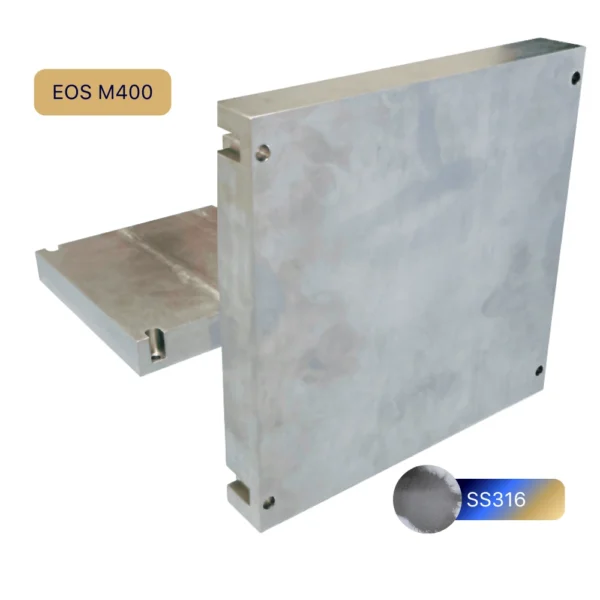
Made to order
· Express 2–3 wks · Standard 6–8 wks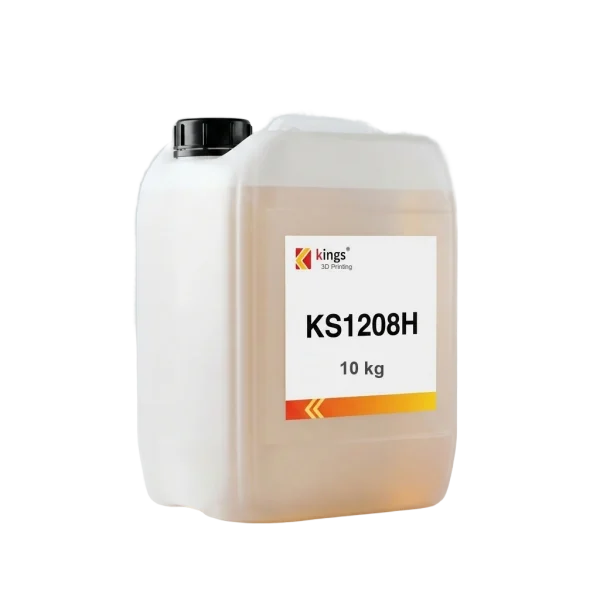
Low-viscosity, semi-translucent laser-SLA resin with a 135 °C glass transition — built for prototypes and quick molds that must hold their shape under heat.
- ✓ Tg 135 °C · 87 Shore D · 65 MPa tensile · 110 MPa flexural
- ✓ 340 cps low-viscosity · 0.08–0.12 mm layers on Kings industrial SLA (355 nm)
- ✓ In stock — ships in 1–2 business days from our Los Angeles warehouse
In stock
· In stock — ships in 1–2 business days from our Los Angeles warehouse.
- ✓ Runs hot to 80 °C safely — no peroxide formation
- ✓ For high-temperature and FST resins (e.g. Loctite 3955 HDT280 FST)
- ✓ 18 kg · in stock — ships same day
In stock
· Ships same day from Los Angeles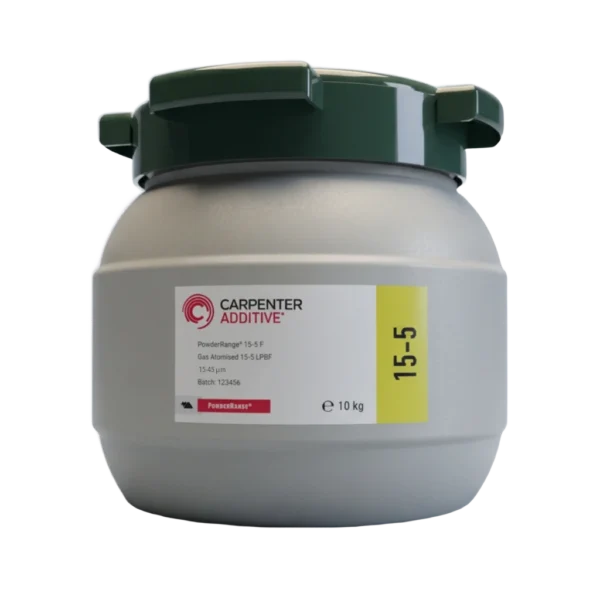
High strength. Cleaner properties. Heat-treatable. Genuine Carpenter PowderRange® 15-5 (15-5PH) precipitation-hardening stainless steel for LPBF metal 3D printing.
- ✓ Gas-atomized, low-oxygen — COA on request
- ✓ Sold in small, workable volumes — no large mill minimums
- ✓ In US stock — ready to ship
In stock
· In US stock · ready to ship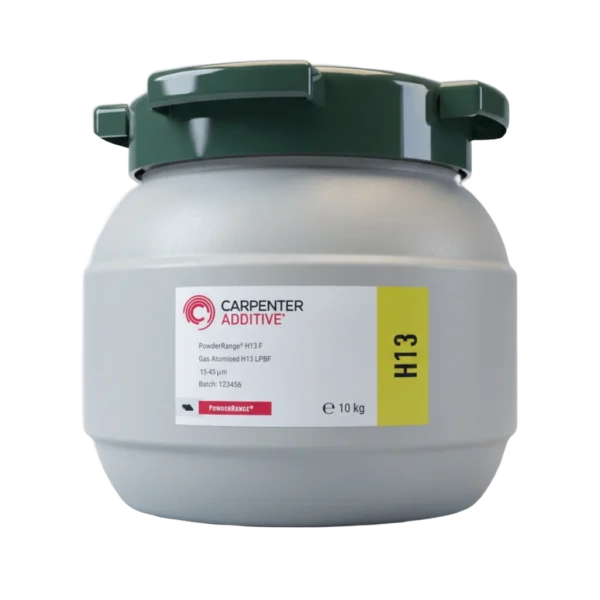
- ✓ High toughness & thermal-fatigue resistance for die-casting tooling
- ✓ Gas-atomized — COA on request
- ✓ Sold in small, workable volumes
In stock
· In US stock · ready to ship
In stock
· In stock — ships in 1–2 business days from our Los Angeles warehouse.What our customers say
“Harry and team were professional, effective communicators as we set up the order, then they executed quickly and produced an amazing product for us at a very competitive price. Am looking forward to our next print w Additive Plus!”
“Great 3D printing service and the resin parts look super smooth and clean. Really happy with how everything turned out!”
“Harry was very professional and helped me out with my 3D printing needs and explained what options I have in terms of filaments such as PEEK. Highly recommended.”
“I needed a 3D enclosure printed urgently in a specific time period, they did great!”
Common questions
Don't see yours? Email [email protected] — NDA on request, typical reply within 4 hours.
How flexible is GF TPU 23?
Which 3D printers is GF TPU 23 compatible with?
What is GF TPU 23 made of?
How strong and durable are parts printed in GF TPU 23?
What colour are GF TPU 23 parts?
How should I store GF TPU 23 powder?
Can I order a sample before buying a full 20 kg pack?
Place your order, or talk to an engineer first
Order Kings3D GF TPU 23 Flexible SLS TPU Powder – Rubber-Like Elastomeric Parts | Shore 88A, 20 kg direct, or talk to materials engineer