
Made to order
- Install & operator training on MX-OS and Material Designer, on-site
- DMT parameter support for your first compositions
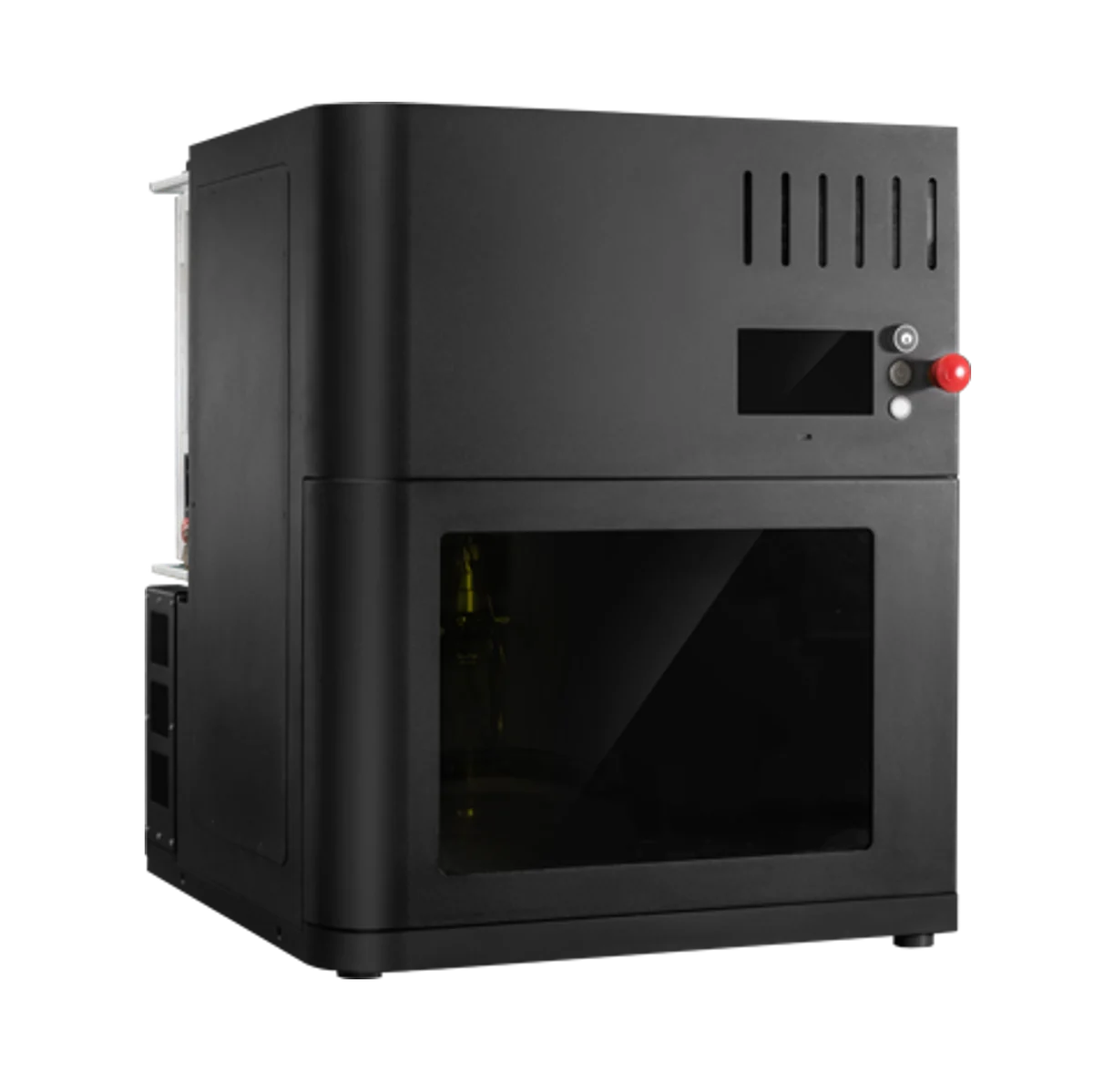
InssTek MX-Lab Compact DED Metal 3D Printer – DMT Alloy Development | 150×150×150 mm
The InssTek MX-Lab is a compact, benchtop-scale DED metal 3D printer for materials research — a 5.9×5.9×5.9 in / 150×150×150 mm envelope, a six-hopper powder feeder blending up to six ratios at once, and the same DMT closed-loop melt-pool control as InssTek’s production systems.
- ✔ Six-hopper Hexa feeder, 0.03–2.0 g/min — high-entropy alloys & functionally graded materials
- ✔ DMT closed-loop control — dense, repeatable coupons for trustworthy data
- ✔ Argon >99.999% at ≤50 ppm O₂ — reactive-alloy research
- ✔ Lead time: configured to order — request a quote for delivery & installation
What your process engineer actually checks
Alloy studies you can trust
The MX-Lab's six-hopper feeder and DMT closed loop let you blend and grade compositions at lab scale — dense, repeatable coupons, so your materials data reflects the alloy, not machine drift.
A materials engineer on the line
Factory-trained engineers, not a ticket queue. New-composition qualification, DMT parameters, and troubleshooting in under 24h — we run directed-energy deposition and powder work ourselves. NDA on request.
The InssTek MX-Lab is a compact, benchtop-scale DED metal 3D printer built for materials research — a 5.9×5.9×5.9 in / 150×150×150 mm envelope, a six-hopper powder feeder, and the same DMT closed-loop melt-pool control as InssTek’s production systems, so alloy studies stay dense and repeatable.
Why researchers choose the MX-Lab
Production-grade DED control at lab scale — for new alloys, gradients, and multi-material studies.
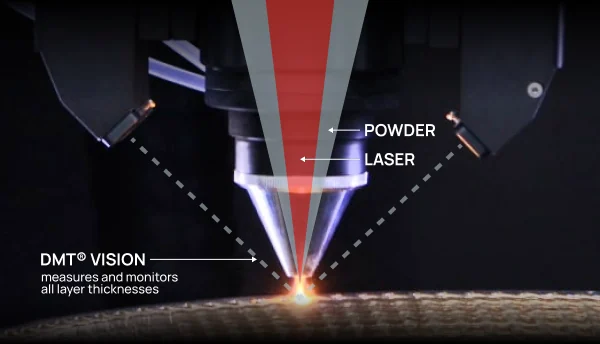
DMT closed-loop melt-pool control
Two vision cameras hold the melt pool layer by layer, so small research builds stay dense and repeatable — essential when you’re comparing alloy compositions, not just making parts.
Six-hopper Hexa feeder
The built-in CVM Hexa feeder blends up to six powders at 0.03–2.0 g/min for titanium, controlling six material ratios at once — the tool for high-entropy alloys and functionally graded materials.
Fine dosing, benchtop footprint
A 150×150×150 mm envelope and 400 µm beam make the MX-Lab an affordable, lab-scale DED system — develop new alloys without committing to a production machine.
Argon-controlled research atmosphere
Argon >99.999% at ≤50 ppm O₂, leak class 1 — reactive-alloy work (Ti, refractory) with the oxygen control your data needs to be trustworthy.
How Additive Plus delivers it
Set up for your research program, supported by engineers who run DED themselves.
Match it to your program
We confirm feeder count, optics and atmosphere against the alloys and gradients you plan to study before you commit.
Install & train on-site
Factory-trained engineers install the MX-Lab, run first deposits, and train your team on MX-OS and Material Designer.
Develop & support
We help build DMT parameter sets for new compositions and stay on the line for your studies — sub-4h reply, NDA on request.
Qualified Materials
The MX-Lab runs the full DMT alloy library from spherical 45–150 µm powder, and is built to characterise new and mixed compositions.
- Titanium: CP Ti, Ti-6Al-4V
- Nickel superalloys: Inconel 600 / 625 / 690 / 713 / 718, Hastelloy 22 / 276, Nimonic 75, Invar 36
- Stainless & tool steels: SS304L, SS316L, SS420, SDSS 2507, P20, P21, H13
- Cobalt alloys: CoCr, Stellite 6 / 21 / 25 · Copper: Cu-Sn, Al-bronze
- Research: high-entropy alloys, functionally graded materials, custom blends
System & Process Specifications
- Build envelope: 5.9×5.9×5.9 in / 150×150×150 mm (3-axis)
- Process: DED with DMT real-time melt-pool feedback (2 vision cameras)
- Laser: Ytterbium fiber, max. 500 W; SDM 400 optics, 400 µm beam
- Powder feed: CVM Hexa, up to 6 hoppers, 0.03–2.0 g/min (Ti), six ratios controlled at once
- Atmosphere (option): argon >99.999%, O₂ ≤50 ppm, leak class 1
- Working distance: auto-adjusts sample-to-nozzle distance layer by layer · See the full Specifications tab below.
Where the MX-Lab is used
Adopted by universities and institutes across 15 countries.
Not sure the MX-Lab is the right scale?
Compare it with InssTek’s production and medical DED systems.
MedicalInssTek MX-MedView printer →
Powder bedFarsoon FS301MCompare platform →
Why Source the MX-Lab Through Additive Plus
- Application engineering from a team that runs directed-energy deposition and powder work in-house
- Setup matched to your research program — feeder count, optics and atmosphere
- Install, operator training and DMT parameter development for new compositions included
- Leasing and financing available for research capital equipment
- <24h response · 200+ AM systems delivered across 23 countries
| Brand | Insstek |
| Country of origin | South Korea |
| Technology | Directed Energy Deposition (DED) / DMT |
| Build Volume | 5.9×5.9×5.9 in / 150×150×150 mm |
| Laser Type | Ytterbium fiber, max. 500 W |
| Material | Cobalt alloys, Copper alloys, High-entropy & graded alloys, Nickel superalloys, Stainless & tool steels, Titanium |
Product videos
Send us your target alloy or blend — we'll deposit trial coupons on DMT in California and share density and structure data before you commit to a system.
Other products teams run alongside InssTek MX-Lab Compact DED Metal 3D Printer – DMT Alloy Development | 150×150×150 mm
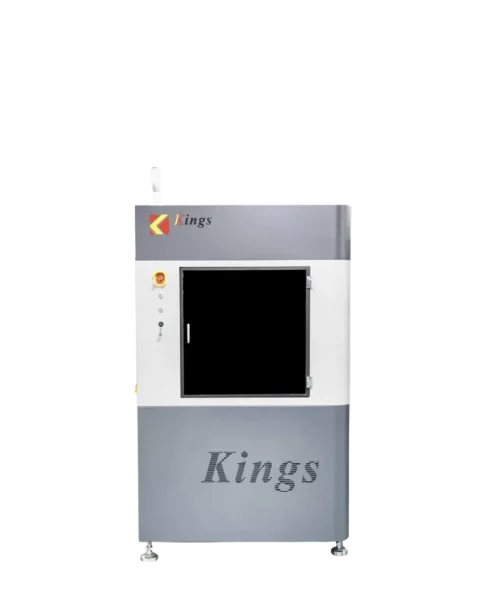
Large-format industrial SLA. Marble frame. Vacuum recoating. Built for shoe molds, automotive patterns, dental models, and architectural forms — without stitching or Z-seam artifacts.
- ✓ 450 × 450 × 350 mm build chamber — fits a standard shoe last or full fascia panel in one run
- ✓ Solid-state 355 nm Nd:YVO4 laser · 0.08–0.8 mm variable beam · 15.0 m/s max scan
- ✓ Full-marble machine frame (720 kg) — thermal stability for ±0.1 mm part accuracy
- ✓ Lead time: 8–10 weeks — on-site install, calibration & operator training included
Made to order
· Ships in 8–10 weeks from order placement. Need it sooner? Talk to a specialist.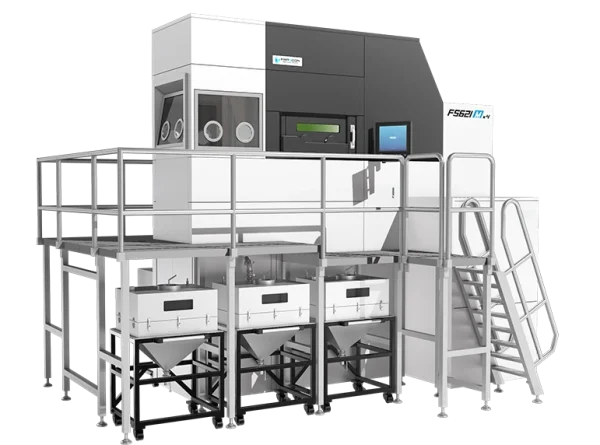
The Farsoon FS621M is a metal LPBF 3D printer with a 24.4×24.4×43.3 in / 620×620×1100 mm build envelope, running four or six lasers at 500 W or 1000 W depending on configuration.
- ✓ 4 — configurations supplied
- ✓ 24.4×24.4×43.3 in / 620×620×1100 mm build envelope
- ✓ Open platform — full access to process parameters, qualify your own alloy
- ✓ Lead time: built to order — confirmed at quote
Installation and commissioning in the USA: facility and gas planning, start-up and operator training by our US service team.
Made to order
· Built to order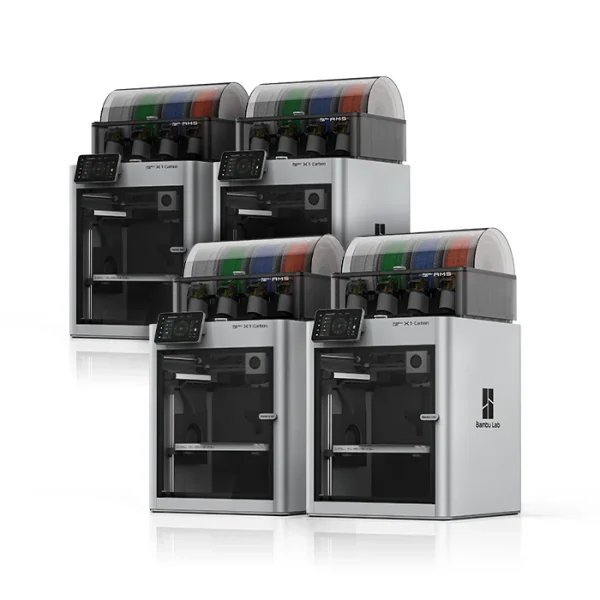
Expert on-site installation and hands-on operator training for your Bambu Lab printer, delivered by Additive Plus. Choose the session length that fits your team.
In stock
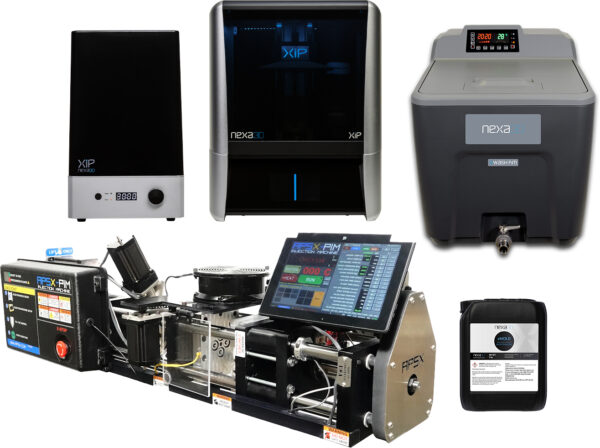
A desktop package to run Freeform Injection Molding: print a dissolvable mold in xMOLD resin on the Nexa3D XiP, inject real production material into it, then dissolve the mold away — end-use parts from a printed tool, at a fraction of hard-tooling cost.
- ✓ Print the mold, mold the part, dissolve the mold — ~2 days CAD-to-part
- ✓ Inject thermoplastics, TPE, LSR silicone, MIM metal, CIM ceramic
- ✓ Package: XiP printer + xMOLD resin + xWASH FiM · priced by configuration
In stock
· Configured and quoted to your setup (incl. injection press). Install and training included; lead time confirmed at quote.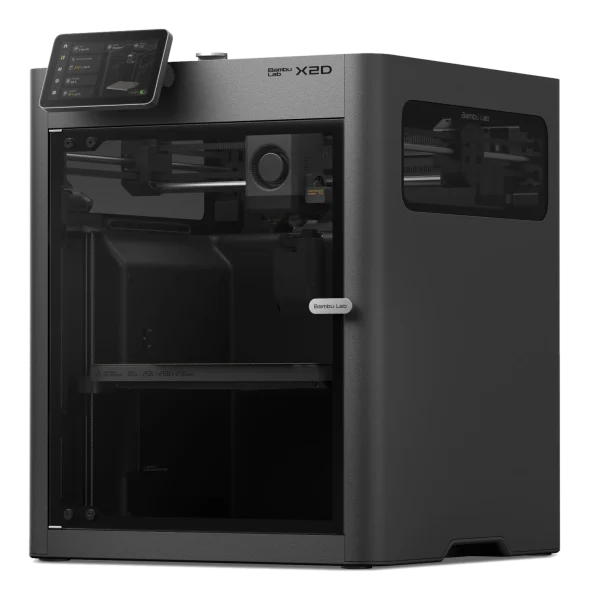
Dual-nozzle printing made accessible — two materials or colors in one print, clean low-waste supports, and a 65°C active-heated chamber in a compact 256 mm machine.
- Dual-nozzle — 2 materials/colors per print, cleaner supports, less waste
- 300°C hotend + 65°C active chamber — ABS, ASA, PC, PA
- Compact 256×256×260 mm enclosed build
- US additive experts · ships in 1–2 business days from US stock · pay over time with PayPal
- Price match against any authorized US dealer · POs, tax-exempt and EDU/GOV orders welcome
In stock
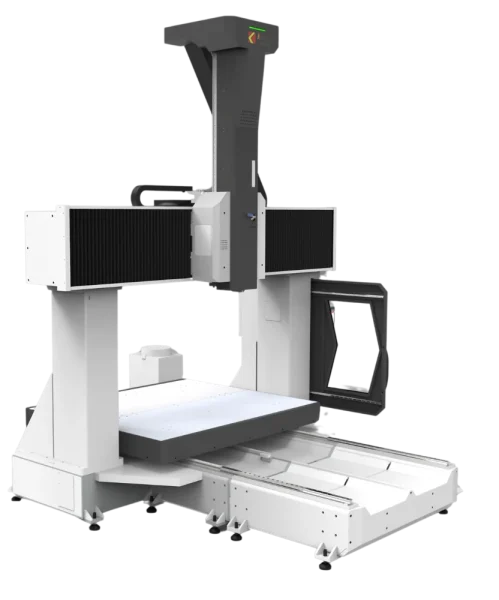
Flagship hybrid additive + subtractive pellet 3D printer — 138×94×39 in / 3500×2400×1000 mm bed with integrated 5-axis CNC milling, raw polymer granules, 3–16 mm nozzles, up to 30 kg/h. Optional 450°C nozzle. Material cost 5–10× lower than filament.
- ✓ Print + 5-axis finish-machine in one setup — no crane move to a separate mill
- ✓ 138×94×39 in / 3.5×2.4×1.0 m bed — the largest one-piece molds Kings builds
- ✓ Lead time: 8–10 weeks — configured to order, installed and trained on-site
Looking for a smaller machine? Kings FGF800 from $34,200 · or have us print the part on our FGF line.
Made to order
· Ships in 8–10 weeks from order placement. Need it sooner? Talk to a specialist.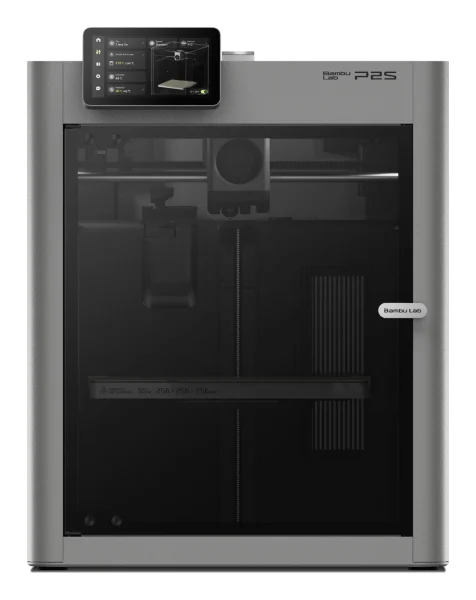
Enclosed CoreXY FDM with the new 2nd-gen AMS — print ABS, ASA, PC and PA reliably, in up to 4 materials, on the printer that refines the best-selling P1S.
- Fully enclosed 256×256×256 mm — engineering filaments without warping
- AMS 2 Pro included — multi-material + active filament drying in one box
- Bought from additive experts — free DfAM review with your first order
- Ships in 1–2 business days from US stock · pay over time with PayPal
- Price match against any authorized US dealer · POs, tax-exempt and EDU/GOV orders welcome
In stock
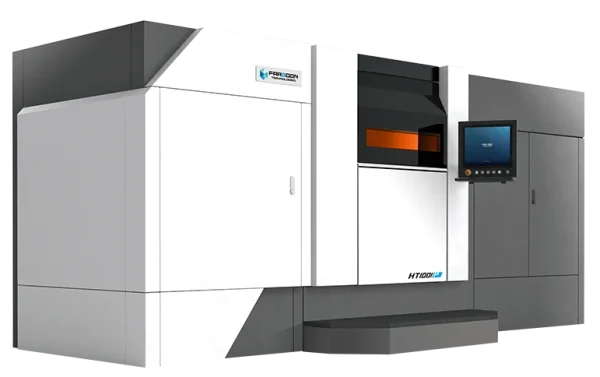
Large-format, high-throughput SLS system: dual 100 W CO₂ lasers drive build rates up to 15 L/h across a metre-scale 39.4×19.7×17.7 in / 1000×500×450 mm build, with a 220 °C chamber for high-performance polymers. Open platform, modular build-station architecture. Sold, installed and supported in the US by Additive Plus.
- Metre-scale build — 1000×500×450 mm for large parts and high-nest batches.
- Dual CO₂ · up to 15 L/h — high-volume production; 220 °C chamber, broad materials.
- Lead time: configured to order — US install, training & validated profiles from California.
Made to order
· Lead time: configured to order — request a build slot. US installation of module and build station, training and process support included from California.What our customers say
“Harry and team were professional, effective communicators as we set up the order, then they executed quickly and produced an amazing product for us at a very competitive price. Am looking forward to our next print w Additive Plus!”
“Great 3D printing service and the resin parts look super smooth and clean. Really happy with how everything turned out!”
“Harry was very professional and helped me out with my 3D printing needs and explained what options I have in terms of filaments such as PEEK. Highly recommended.”
“I needed a 3D enclosure printed urgently in a specific time period, they did great!”
Common questions
Don't see yours? Email [email protected] — NDA on request, typical reply within 4 hours.
What is the InssTek MX-Lab designed for?
How many powders can the MX-Lab blend at once?
What are the build volume and laser power?
Can the MX-Lab handle reactive alloys like titanium?
How does DMT closed-loop control help research work?
Can results from the MX-Lab scale to a production system?
What lead time and support come with the MX-Lab?
Place your order, or talk to an engineer first
Order InssTek MX-Lab Compact DED Metal 3D Printer – DMT Alloy Development | 150×150×150 mm direct, or talk to materials engineer