
In stock
- Validated cure profile + datasheet for the printers we sell
- Mutual NDA before any file or spec review
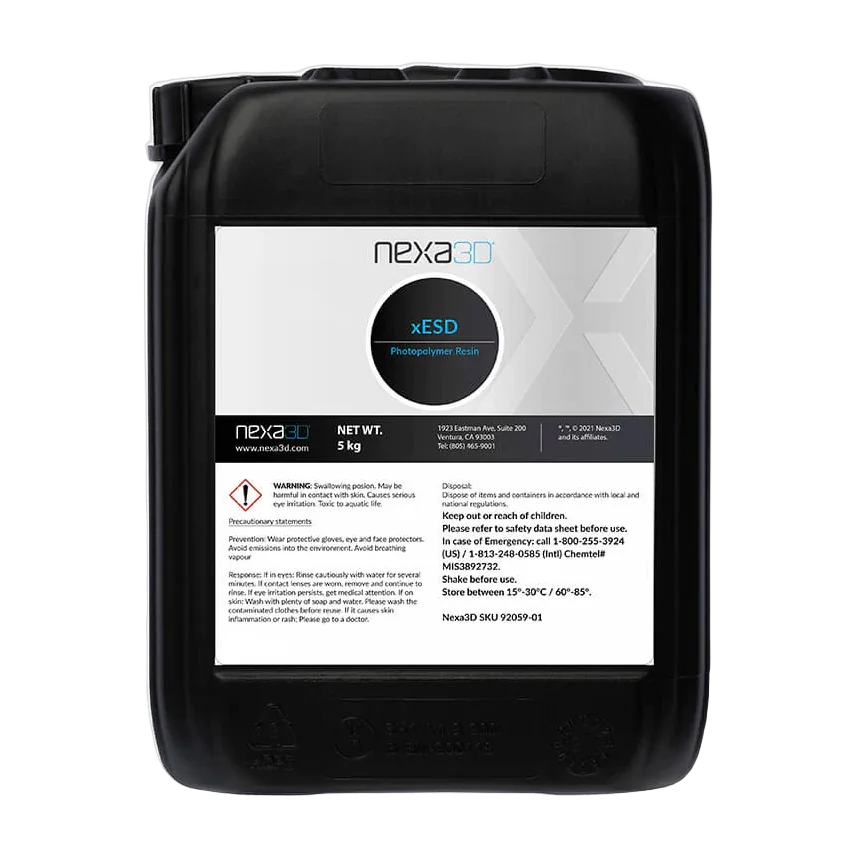
Nexa3D xESD 5kg Resin
Rigid black static-dissipative LSPc photopolymer: surface resistivity of about 10⁷ Ω to ASTM D257, with measured part surface resistance of 10⁶–10⁸ Ω from a dispersed discrete carbon-nanotube network. 5 kg bottle for Nexa3D NXE 400 and XiP.
- ✔ 10⁶–10⁸ Ω measured surface resistance — inside the 10⁶–10⁹ Ω static-dissipative band
- ✔ 68.1 MPa tensile, 97.4 MPa flexural, Shore D 87, HDT 91.3 °C at 0.45 MPa
- ✔ 5 kg bottle, Black — held in US stock, ships in 1–2 business days
$1,960
What your process engineer actually checks
Dissipative through the part, not on it
xESD carries a stable, uniformly dispersed network of discrete carbon nanotubes through the whole resin, so measured part surface resistance lands at 10⁶–10⁸ Ω consistently across a finished part instead of relying on a sprayed or dipped coating that abrades away in service. Surface resistivity is about 10⁷ Ω by ASTM D257 — inside the 10⁶–10⁹ Ω static-dissipative band — and because the dispersion does not settle, results repeat build after build and in every print axis.
A materials engineer on the line
Questions on resin compatibility, wash media or post-cure settings? Our engineers have run these materials on Nexa3D LSPc printers. Sub-4h reply, NDA standard. Use the Talk to materials engineer button above.
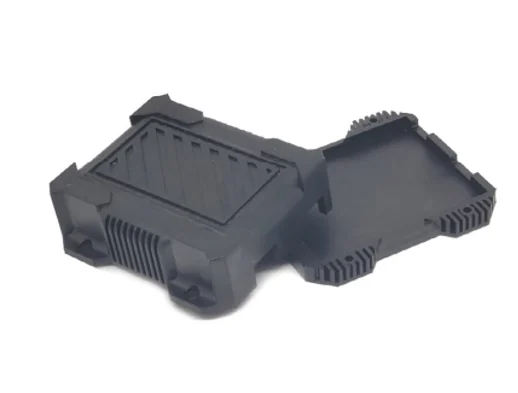
Nexa3D xESD is a rigid black LSPc photopolymer built for electronics manufacturing. A stable, uniformly dispersed network of discrete carbon nanotubes — Mechnano MechT technology — holds surface resistivity at roughly 10⁷ Ω by ASTM D257, inside the 10⁶–10⁹ Ω static-dissipative band, and Nexa3D’s own xESD case study reports measured part surface resistance of 10⁶–10⁸ Ω. The dispersion does not settle and leaves no carbon trails, so ESD-safe jigs, fixtures, grippers, trays and enclosures print with isotropic dissipative behaviour instead of a surface coating. Supplied in a 5 kg bottle for NXE 400 and XiP.
Why engineers choose xESD
Electrical performance first, then the mechanicals — values from the Nexa3D xESD data sheet.
Surface resistivity ≈10⁷ Ω
ASTM D257 places xESD inside the 10⁶–10⁹ Ω static-dissipative band; measured part surface resistance runs 10⁶–10⁸ Ω across the geometry.
Isotropic, not a coating
The discrete carbon-nanotube network is dispersed through the resin and does not settle, so dissipative behaviour is uniform in every print axis and leaves no carbon trails.
68.1 MPa tensile, 2600 MPa modulus
Ultimate tensile strength of 68.1 MPa with 3.8% elongation at break and 24 J/m notched Izod — rigid fixtures that hold tolerance under daily handling.
97.4 MPa flex, HDT 91.3 °C
Flexural modulus of 1800 MPa and Shore D 87, with a 91.3 °C HDT at 0.45 MPa, keep trays and fixtures stable on a warm assembly line.
How we supply xESD
Every bottle arrives ready to run on your Nexa3D printer — no parameter hunting.
Lot-coded & profiled
Each bottle ships sealed and lot-coded with the validated LSPc print profile for your NXE 400 or XiP.
Wash + post-cure dialed in
Wash in IPA or xClean, two intervals of two minutes, dry, then LED or wide-spectrum UV post-cure — the routine we run in-house so xESD lands on spec.
Stocked & shipped
Held in US stock and dispatched in 1–2 business days; 1.5 kg and 5 kg formats, with volume and PO orders handled by our materials desk.
Typical applications
Where a static-dissipative photoplastic earns its place on the floor.
Physical & mechanical properties
Typical values from the Nexa3D xESD technical data sheet. Post-processed properties are process-dependent.
| Property | Method | Value |
|---|---|---|
| Surface resistivity | ASTM D257 | ~10⁷ Ω (static-dissipative band 10⁶–10⁹ Ω) |
| Tensile modulus | ASTM D638 | 2600 MPa |
| Ultimate tensile strength | ASTM D638 | 68.1 MPa |
| Elongation at break | ASTM D638 | 3.8% |
| Flexural modulus | ASTM D790 | 1800 MPa |
| Flexural strength | ASTM D790 | 97.4 MPa |
| Notched Izod impact | ASTM D256 | 24 J/m |
| Shore hardness (D) | ASTM D2240 | 87 |
| HDT @ 0.45 MPa | ASTM D648 | 91.3 °C |
| Viscosity @ 25 °C | Liquid resin | 878.1 cP |
| Density @ 25 °C | Liquid resin | 1.1 g/cm³ |
| Base chemistry / colour | — | Urethane dimethacrylate · Black |
Compatible printers & workflow
- Runs on Nexa3D LSPc resin systems — NXE 400 and the XiP 4K desktop printer.
- Wash in IPA or xClean for two intervals of two minutes, dry, then LED or wide-spectrum UV post-cure; wash and cure stations are sold separately.
- Supplied in Black only, in 1.5 kg and 5 kg formats.
Not sure xESD is the right resin?
Same LSPc workflow, different property target — compare within the Nexa3D line.
Downloads
Nexa3D xESD — Technical Data Sheet (PDF)
Nexa3D xESD — Safety Data Sheet (PDF)
Why source xESD through Additive Plus
- Nexa3D LSPc resins stocked and supported in the US by Additive Plus.
- Validated LSPc print profiles and post-cure settings ship with every bottle.
- Volume pricing and official purchase orders handled by our materials desk.
- Under-24h response, dispatched in 1–2 business days from US stock.
| Brand | Nexa3D |
| Available colors | Black |
| Weight | 5 kg |
| Country of origin | USA |
| Printing Materials | Resins |
| Platform | NX, XiP |
| Technology | LSPc |
| Resin Type | General |
| Application | Engineering, Manufacturing |
Product videos
We formulate and qualify. Custom variants on request.
Need a tuned resin, a filled or castable formulation, or a profile for a printer we don't list yet? Our materials team qualifies custom formulations and prints test specimens before you commit. Typical lead 2–4 weeks.
Other products teams run alongside Nexa3D xESD 5kg Resin
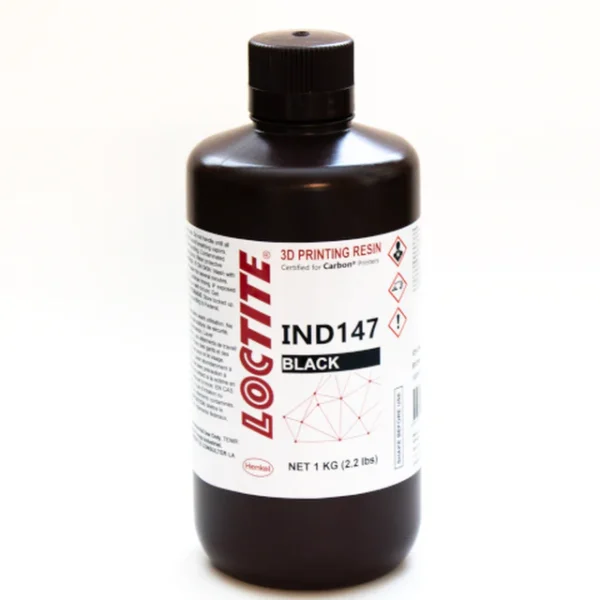
Extreme-temp resin: HDT230°C for molding/dies. Stiff, dimensionally stable & production-ready.
Availability: confirmed at order. Supplier stock for this line varies — we verify availability and lead time on every order before processing, and offer an equivalent or a full refund if an item cannot be supplied. Cubic Ink equivalents →
Made to order
· Available to order — we confirm the lead time by email within one business day of your order.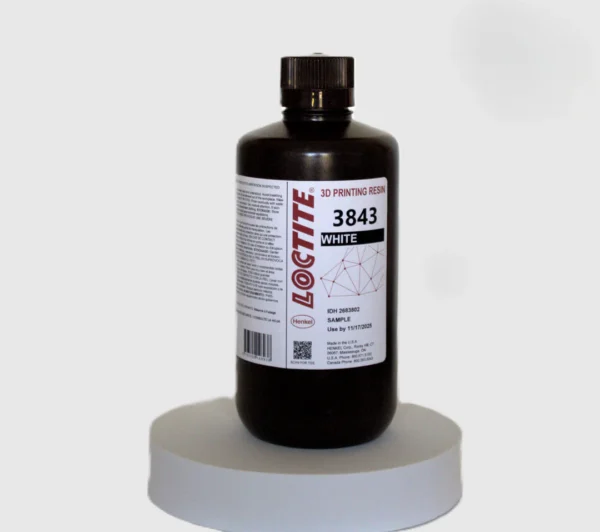
Semi-flex matte black resin (HDT60): no post-cure needed for impact-resistant jigs & fixtures
Availability: confirmed at order. Supplier stock for this line varies — we verify availability and lead time on every order before processing, and offer an equivalent or a full refund if an item cannot be supplied. Cubic Ink equivalents →
Made to order
· Available to order — we confirm the lead time by email within one business day of your order.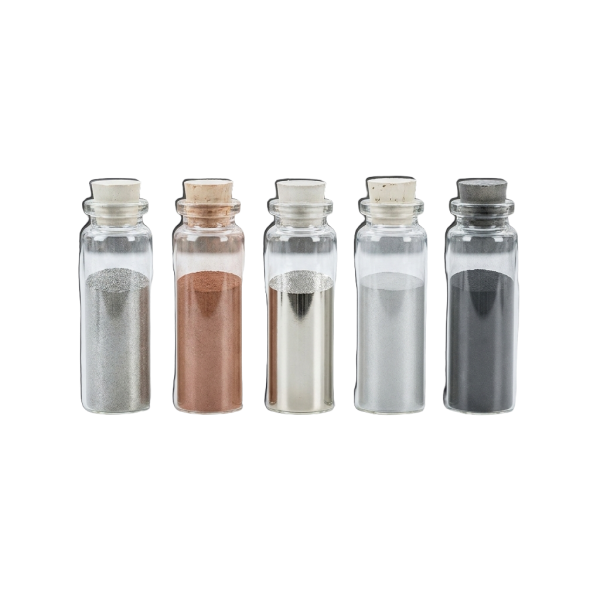
Bring a composition the catalog doesn’t cover — we ultrasonically atomize your alloy into fine, spherical, low-oxygen metal powder at a target 20–120 µm PSD, characterize every batch, and ship it print-ready with the measured powder data.
- ✔ Reactive, refractory, intermetallic or high-entropy — from rod, wire, ingot or scrap
- ✔ Frequency-selected particle size for LPBF, DED, MIM or binder jetting
- ✔ Every batch characterized — measured PSD, chemistry, O₂ and flow shared with you
- ✔ NDA standard · feasibility check first · quoted per composition
Made to order
· Lead time confirmed per composition — request a quote.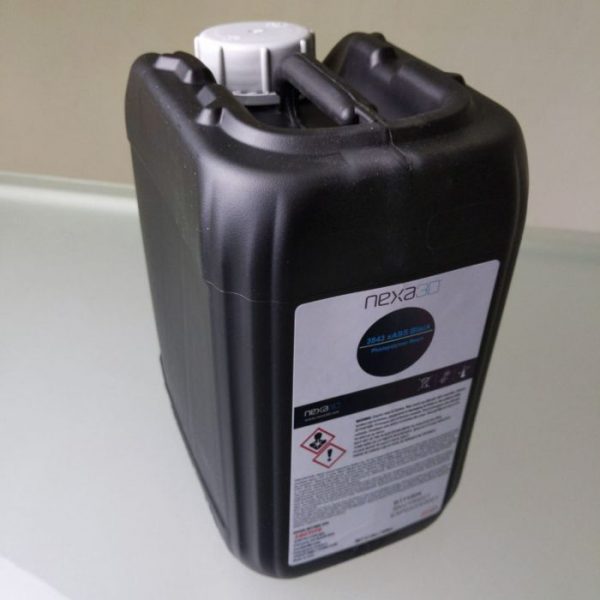
Currently not in stock. Leave a request and we will confirm availability, price and lead time.
xABS3843-Black is a tough, high-modulus resin with the look and feel of injection-molded black ABS.
- ✓ Excellent flexural and tensile strength with a relatively high elongation — durable functional parts
- ✓ Injection-molded black ABS aesthetics for enclosures, housings, and snap-fit assemblies
- ✓ Genuine Nexa3D resin for NXE-series printers · 5 kg · not in stock, available on request
Out of stock
· Not in stock — available on request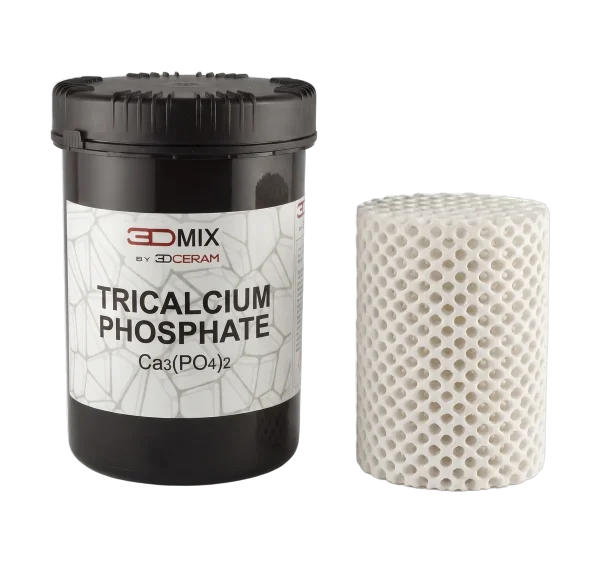
Print bioresorbable tricalcium phosphate (TCP) scaffolds on 3DCeram's Ceramaker laser-SLA platform, then debind and sinter to a clean, resorbable bioceramic.
- ✓ Bioresorbable — gradually replaced by natural bone; Ca/P ratio 1.503, no calcium pyrophosphate
- ✓ Print porous, patient-specific scaffolds for bone regeneration and spinal implants
- ✓ Ceramic SLA paste for the 3DCeram Ceramaker platform — quote-based, mutual NDA before spec review
In stock
· In stock — ships in 1–2 business days. Custom ceramic formulations and larger batches: 2–4 weeks, configured to order.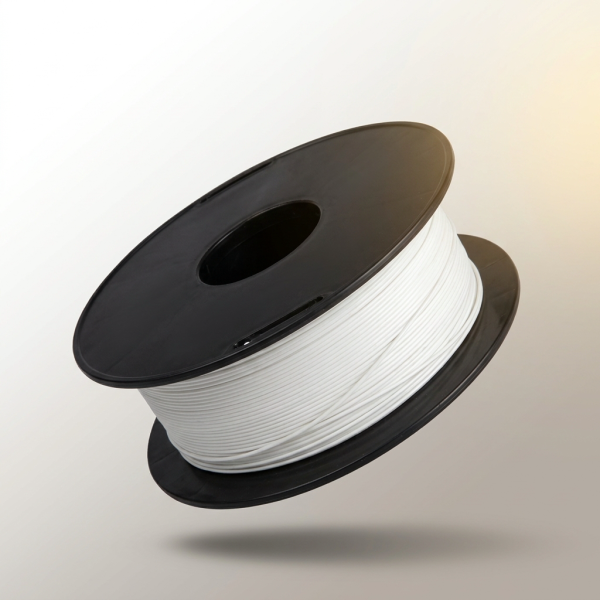
- ✔ Electrically insulating, very hard and wear-resistant, stable at high temperatures
- ✔ Print → debind → sinter to dense alumina — no powder bed, no special printer
- ✔ Genuine Zetamix by Nanoe · 500 g spool · lead time 10–20 business days (depending on order queue)
In stock
· Ships in 1–2 business days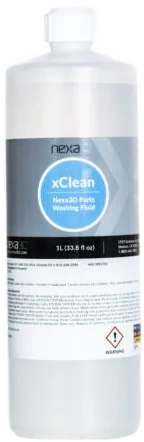
Currently not in stock. Leave a request and we will confirm availability, price and lead time.
Nexa3D xCLEAN parts-washing solvent — 3x IPA's saturation limit, no HazMat shipping, clears photopolymer resin residue in about 5 minutes.- ✓ 3x IPA's saturation limit — fewer bath changeovers
- ✓ Not a Dangerous Good at this size — ships without HazMat freight
- ✓ available on request (not in stock)
Out of stock
· Not in stock — available on request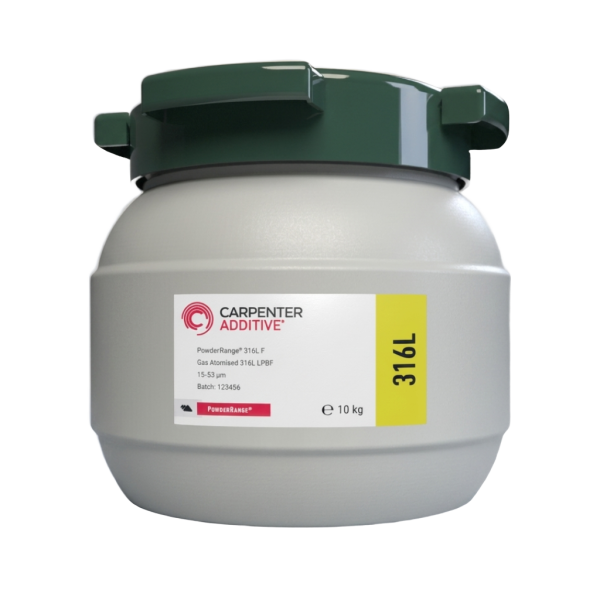
Corrosion-resistant. Biocompatible. Production-ready. Genuine Carpenter PowderRange® 316L austenitic stainless steel for LPBF, EBM & DED metal 3D printing.
- ✓ Gas-atomized, low-oxygen — COA on request
- ✓ Sold in small, workable volumes — no large mill minimums
- ✓ In US stock — ready to ship
In stock
· In US stock · ready to shipCommon questions
Don't see yours? Email [email protected] — NDA standard, typical reply within 4 hours.
What is Nexa3D xESD and how does its carbon-nanotube network work?
What surface resistance does xESD achieve, and what does static-dissipative mean?
Which printers run xESD?
What are the mechanical properties of xESD?
How do I wash and post-cure xESD parts?
What are the typical applications for xESD?
Can I get a sample or volume pricing on xESD?
Place your order, or talk to an engineer first
Order Nexa3D xESD 5kg Resin direct, or talk to materials engineer