
In stock
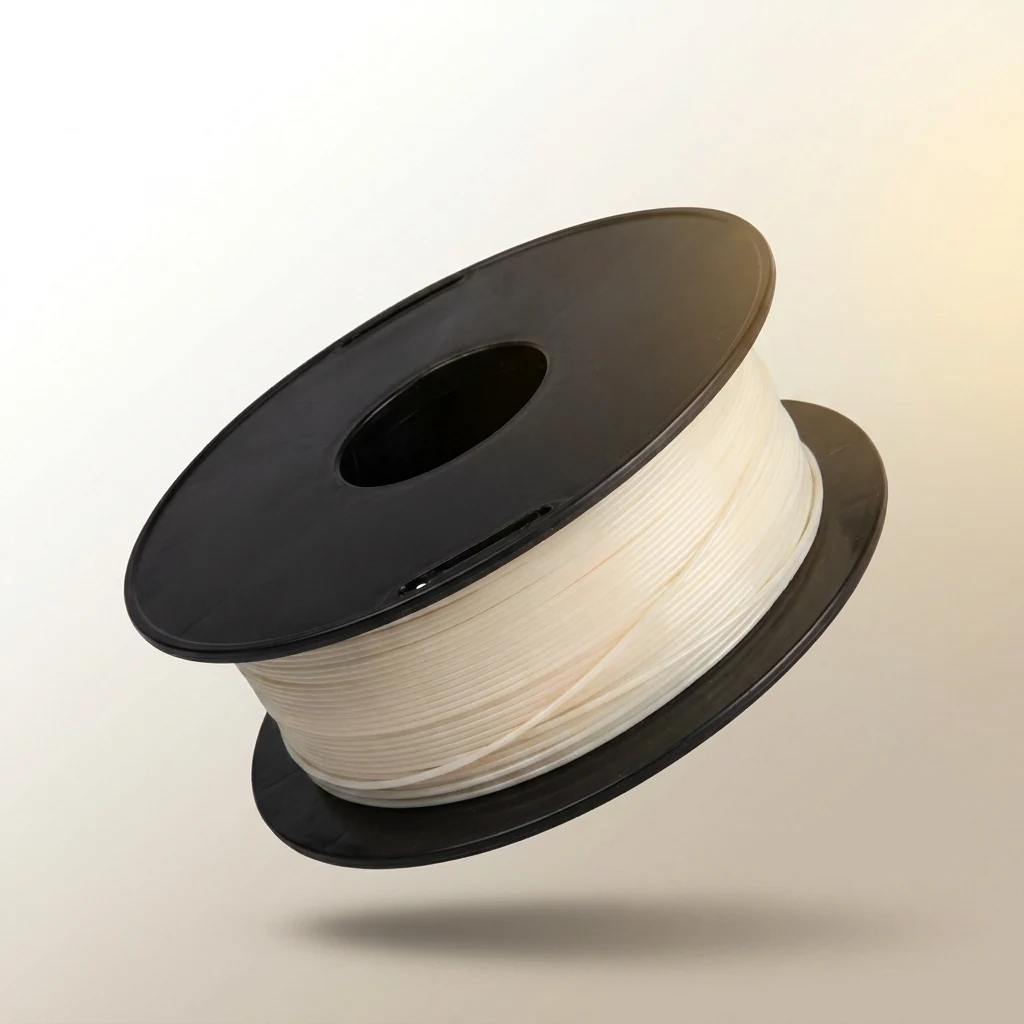
Zetamix Epsilon 4.5 Dielectric Filament 1,75mm
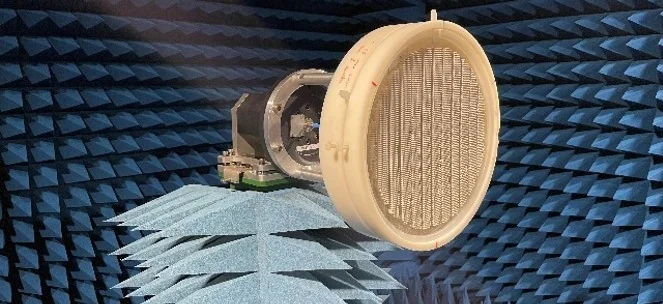
Print radiofrequency parts directly — no debinding, no sintering. A dielectric filament with permittivity 4.5 and low loss, so antennas, lenses and metasurfaces come off the printer ready to test.
- ✔ Permittivity 4.5 · loss tangent 0.001 · HDT up to 110 °C
- ✔ No debinding, no sintering — prints as a technical polymer, parts up to 80 cm
- ✔ Genuine Zetamix by Nanoe · 500 g spool, vacuum packed · 1.75 mm
$312
What RF engineers should check first
Dielectric performance, no furnace
Zetamix Epsilon 4.5 holds a permittivity of 4.5 with a loss tangent of 0.001 and a heat deflection temperature up to 110 °C. It prints and finishes as a technical polymer — no debinding, no sintering, no shrinkage — so parts up to 80 cm come off the plate ready to measure.
Where Additive Plus helps
Tell us your target permittivity and frequency and we confirm the right Epsilon grade against your design. We share starting print parameters for your FFF machine and an engineer stays on the line through your first RF prints, so you tune on real data rather than guesswork.
Zetamix Epsilon 4.5 is a dielectric filament for radiofrequency parts. It prints on a standard FFF printer and the part is finished when it leaves the build plate — no debinding, no sintering, no shrinkage and no furnace cycle between design and test. Permittivity is set by the grade you choose, from 2.2 up to 10.
Why RF engineers choose Epsilon 4.5
A dielectric filament that prints and finishes as a technical polymer — controlled permittivity, low loss, no furnace.
Permittivity of 4.5 in the middle of the Epsilon range, loss tangent 0.001 and heat deflection temperature up to 110 °C.
Prints and finishes as a technical polymer — no debinding, no sintering and no shrinkage compensation.
Because there is no furnace, part size is limited by your printer — a range sinterable ceramics cannot reach.
Pick the permittivity your design calls for across four grades; every grade shares the 0.001 loss tangent.
Epsilon 4.5 material properties
- Permittivity: 4.5
- Loss tangent: 0.001
- Heat deflection temperature: up to 110 °C
- Printing temperature: 270–300 °C
- Recommended chamber: 120 °C controlled heated chamber
- Material: polymer matrix with ceramic filler
- Post-processing: none — no debinding, no sintering
- Filament: 1.75 mm · 500 g spool, vacuum packed
Full specifications are listed in the Specifications tab. A controlled heated chamber at 120 °C is recommended for dimensional stability on large RF geometries.
From spool to tested RF part
Three steps — no furnace stands between the printer and measurement.
Pick the permittivity
The Epsilon range runs 2.2, 4.5, 7.5 and 10. Choose the grade your antenna, lens or metasurface design calls for.
Print at 270–300 °C
Print on a standard FFF machine. A heated chamber at 120 °C is recommended for dimensional stability on large parts.
Test the part
No debinding, no sintering, no shrinkage — the part is finished on the build plate and ready to measure.
Where Epsilon is used
Radiofrequency components that need a controlled, low-loss dielectric constant.
Choose your Epsilon permittivity
Every Epsilon grade prints and finishes as a technical polymer — same 0.001 loss tangent, same 110 °C heat deflection temperature, same 270–300 °C print window. The highlighted row is the grade on this page:
| Grade | Permittivity | Loss tangent | HDT |
|---|---|---|---|
| Epsilon 2.2 | 2.2 | 0.001 | up to 110 °C |
| Epsilon 4.5 | 4.5 | 0.001 | up to 110 °C |
| Epsilon 7.5 | 7.5 | 0.001 | up to 110 °C |
| Epsilon 10 | 10 | 0.001 | up to 110 °C |
Before you order
Epsilon is a polymer-ceramic composite, not a sintered technical ceramic. It needs a printer with a controlled heated chamber at 120 °C for dimensional stability on large RF geometries. For service temperatures above 110 °C, use a sintered ceramic filament instead — Alumina, White Zirconia or Silicon Carbide.
| Material | Polymer matrix with ceramic filler |
| Permittivity | 4.5 |
| Loss tangent | 0.001 |
| Heat deflection temperature | Up to 110 °C |
| Printing temperature | 270–300 °C |
| Filament diameter | 1.75 mm |
| Spool | 500 g, vacuum packed |
| Post-processing | None — no debinding, no sintering |
| Brand | Zetamix by Nanoe |
| Printing Materials | Dielectric Filaments |
| Technology | FFF |
| Application | Engineering, Manufacturing |
Other products teams run alongside Zetamix Epsilon 4.5 Dielectric Filament 1,75mm
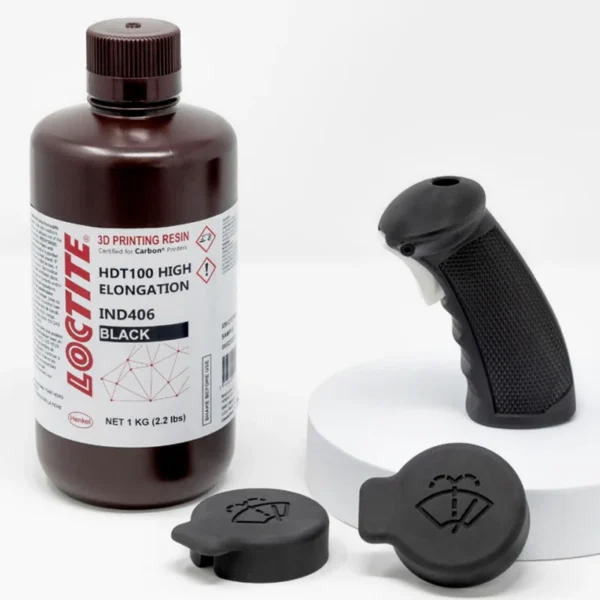
HDT100°C ABS/PP alternative: Tough end-use parts & tooling. High impact/elongation.
Availability: confirmed at order. Supplier stock for this line varies — we verify availability and lead time on every order before processing, and offer an equivalent or a full refund if an item cannot be supplied. Cubic Ink equivalents →
Made to order
· Ships in about 2 weeks — final date confirmed after you order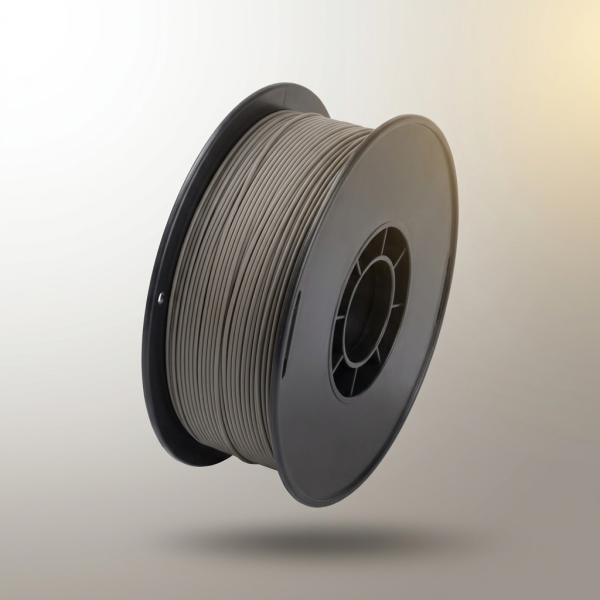
- ✔ Excellent corrosion resistance, ductile and well suited to functional parts
- ✔ Print → debind → sinter to dense 316L on a desktop FFF printer
- ✔ Genuine Zetamix by Nanoe · 500 g spool · lead time 10–20 business days (depending on order queue)
In stock
· Ships in 1–2 business days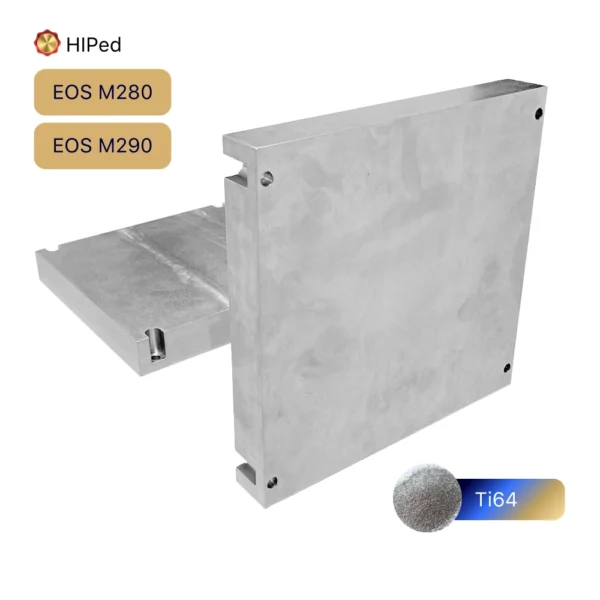
Need a HIPed titanium build platform for a different printer model or custom dimensions? Request a custom quote — we manufacture precision HIPed titanium build plates and additive manufacturing platforms for most metal AM systems.
 Other materials available upon request.
Made to order
· 4-5 weeks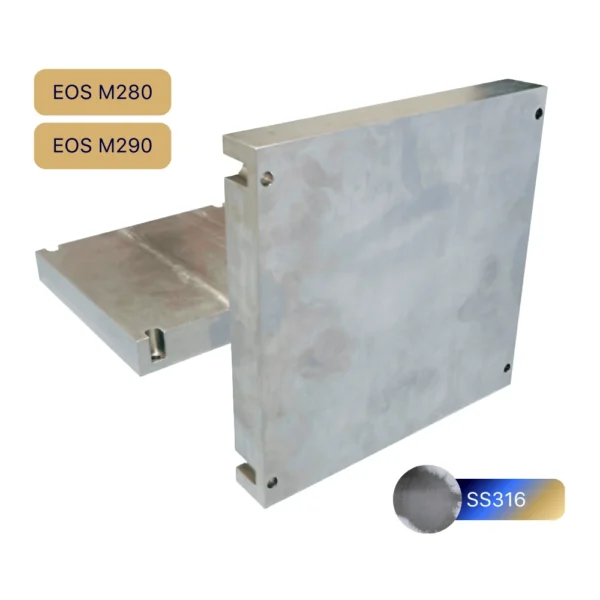
- ✓ 316L — stronger pitting and chemical resistance than 304 stainless
- ✓ Precision-ground flatness for consistent first-layer adhesion
- ✓ Made to order — choose your speed below: Express 2–3 wks, or Standard 6–8 wks (save ~45%)
Made to order
· Express 2–3 wks · Standard 6–8 wks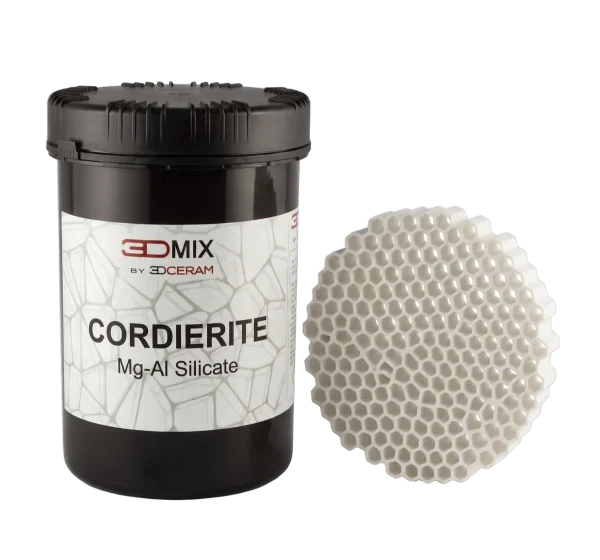
Print near-zero-expansion cordierite parts on 3DCeram's Ceramaker laser-SLA platform, then debind and sinter to a dimensionally stable oxide ceramic.
- ✓ Coefficient of thermal expansion near zero — dimensional stability through thermal cycling
- ✓ Aerospace optics, metrology and vacuum hardware; >98% dense after sintering
- ✓ Ceramic SLA paste for the 3DCeram Ceramaker platform — quote-based, mutual NDA before spec review
In stock
· In stock — ships in 1–2 business days. Custom ceramic formulations and larger batches: 2–4 weeks, configured to order.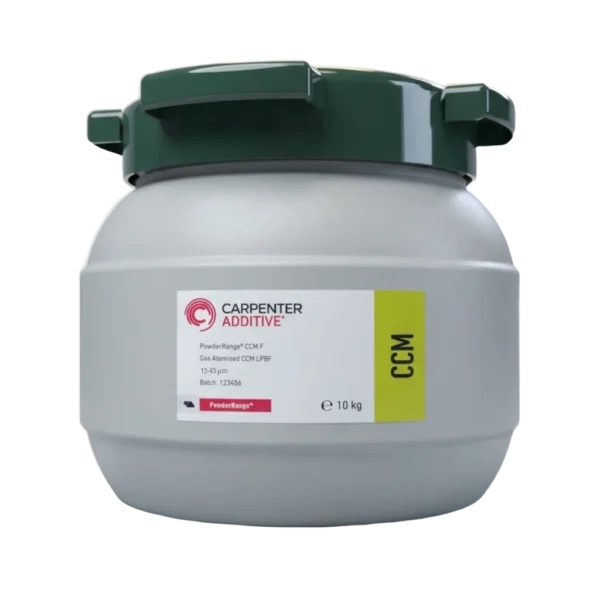
Implant-grade. Biocompatible. Wear-resistant. Genuine Carpenter PowderRange® CCM cobalt-chrome (CoCrMo, ASTM F75) for LPBF, EBM & DED metal 3D printing.
- ✓ VIM-melted, nitrogen gas-atomized — COA on request
- ✓ Excellent biocompatibility & non-magnetic (MRI-safe)
- ✓ Sold in small, workable volumes · in US stock, ready to ship
In stock
· In US stock · ready to ship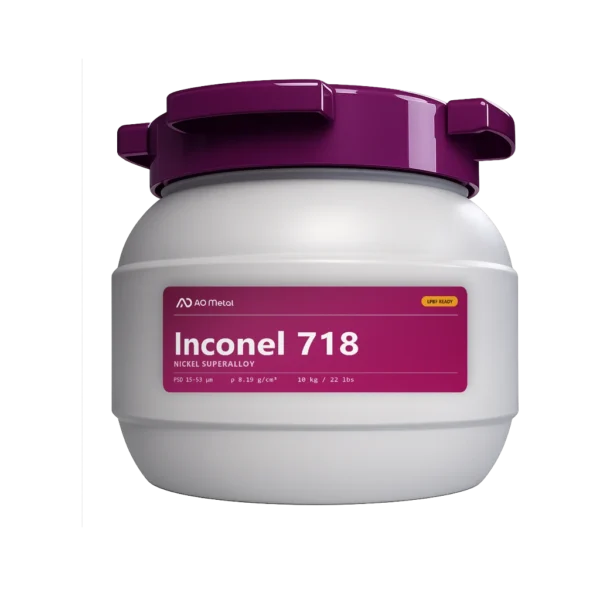
A-Powder Inconel 718 — AO Metal’s LPBF powder line, 15–53 µm, in 10 kg containers.
- Lot certificate of analysis (COA)
Brand: A-Powder by AO Metal
Made to order
· Ships in 6–8 weeks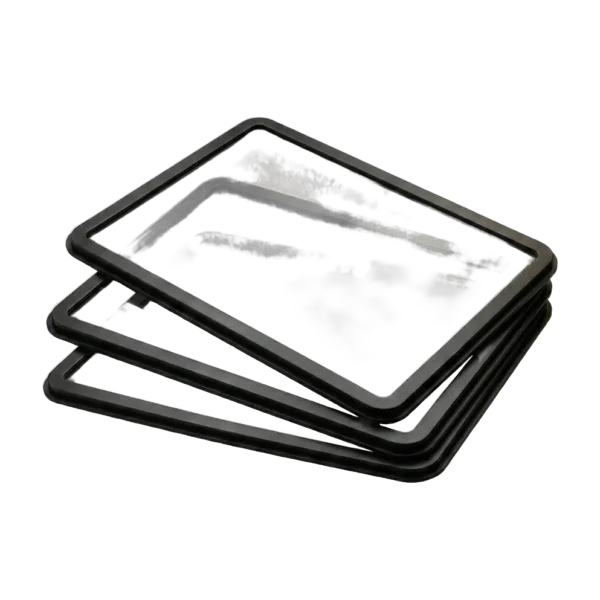
Stock up and keep your XiP printing — three genuine Nexa3D Everlast-2 membranes ready on the shelf.
- ✔ Each rated 50,000+ layers (~20 L) — up to 25× the life of standard films
- ✔ Lower cost per membrane than singles — genuine Nexa3D OEM
- ✔ In stock in Los Angeles
Three on hand means a fresh membrane is always one swap away.
In stock
· Ship Date Confirmed at OrderWhat our customers say
“Harry and team were professional, effective communicators as we set up the order, then they executed quickly and produced an amazing product for us at a very competitive price. Am looking forward to our next print w Additive Plus!”
“Great 3D printing service and the resin parts look super smooth and clean. Really happy with how everything turned out!”
“Harry was very professional and helped me out with my 3D printing needs and explained what options I have in terms of filaments such as PEEK. Highly recommended.”
“I needed a 3D enclosure printed urgently in a specific time period, they did great!”
Common questions
Don't see yours? Email [email protected] — NDA on request, typical reply within 4 hours.
Does Zetamix Epsilon 4.5 need debinding and sintering?
How large a part can I print with Epsilon 4.5?
Why not print RF parts in ordinary PLA or ABS?
I need a different permittivity than 4.5.
Place your order, or talk to an engineer first
Order Zetamix Epsilon 4.5 Dielectric Filament 1,75mm direct, or talk to materials engineer