
In stock
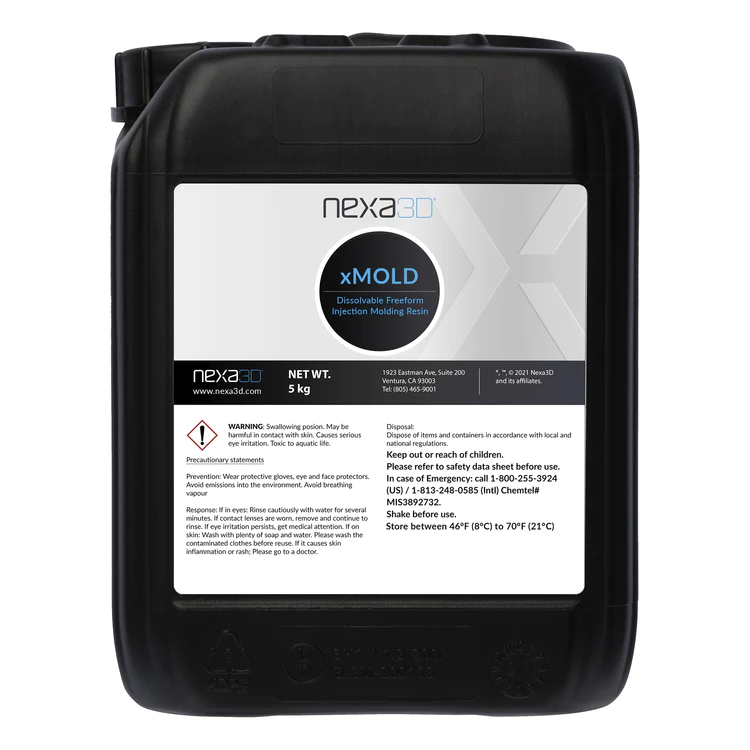
- Lot-matched xMOLD resin with batch traceability for repeatable mould runs
- FIM process guidance mould design review and injection-grade compatibility check
Nexa3D xMOLD Dissolvable Freeform Injection Molding Resin – LSPc for XiP | 5 kg
xMOLD is Nexa3D’s dissolvable resin for Freeform Injection Molding — print the mould on an LSPc printer, inject a real production thermoplastic, then dissolve the mould away in solvent. Injection-moulded parts without cutting steel tooling.
- ✓ Tooling in hours, not weeks — revise the mould in CAD and reprint the same day
- ✓ Compatible with thousands of commercial injection materials, including reinforced grades
- ✓ Fully dissolvable — undercuts and internal features release without side actions
- ✓ Genuine Nexa3D · 5 kg · in stock — ships within 5–7 business days
Open-platform alternative: Cubic Ink Mold 400 VP — water-breakable Freeform Injection Molding resin, in stock. Print parameters for XiP available. View Mold 400 VP →
$2,495
Looking for Nexa3D resins? They are discontinued. See current replacements →
What your process engineer actually checks
Production polymer, not a printed proxy
FIM injects the material you will actually ship — including reinforced and high-performance grades — into a printed mould that then dissolves completely. You validate the real polymer and real moulded microstructure at quantities that never justify a steel tool.
A materials engineer on the line
Mould design review, injection-grade compatibility and first-run support from engineers who run FIM themselves. Sub-4h reply, NDA on request.
xMOLD is Nexa3D’s dissolvable resin for Freeform Injection Molding (FIM). You print the mold on an LSPc printer, inject a real production thermoplastic into it, then dissolve the mold away in solvent — getting injection-moulded parts in production material without cutting steel tooling.
Why engineers use xMOLD
Injection-moulded parts without the tooling lead time or the tooling bill.
Tooling in hours, not weeks
Print the mould on a Nexa3D LSPc system and inject the same day. Design changes go back through CAD, not back through a toolmaker.
Real production materials
xMOLD is compatible with thousands of commercially available injection moulding materials, including reinforced and high-performance grades — the polymer you will actually ship.
Geometry steel tooling fights
The mould dissolves completely, so undercuts, internal channels and trapped features release without side actions or a complex parting line.
No minimum order
Run a single part or a bridge batch. The economics work at quantities that never justify a steel tool, and scale up as demand proves out.
How Freeform Injection Molding works
Print, inject, dissolve — three steps from CAD to a moulded part.
Print the mould
Print the mould cavity in xMOLD on a Nexa3D LSPc printer, then wash and post-cure it ready for the press.
Inject production polymer
Mount the mould in a standard injection moulding machine and shoot your real production material, including reinforced grades.
Dissolve and release
Submerge the assembly in demoulding solvent. xMOLD dissolves completely and frees the part — no ejection damage on delicate geometry.
Technical specifications
Post-cured properties from the Nexa3D xMOLD datasheet. Values are typical with the stated tolerance, not guaranteed minimums.
| Property | Value |
|---|---|
| Ultimate tensile strength | 38 ± 3 MPa |
| Young’s modulus | 1152 ± 284 MPa |
| Tensile stress at break | 31 ± 2 MPa |
| Toughness | 18 ± 4 MPa |
| Hardness (post-cure) | Shore 80 D |
| Thermal conductivity | 0.187 W/m·K |
| Demoulding | Fully dissolvable in demoulding solvent |
| Pack size | 5 kg |
Compatibility & workflow
- Printers: Nexa3D LSPc systems — the XiP desktop for the standard FIM workflow, and NXE-series industrial printers where larger or more numerous moulds are needed.
- Injection materials: compatible with thousands of commercially available injection moulding polymers, including reinforced and high-performance grades. Confirm your specific grade with our engineers before a first run.
- Supporting equipment: a standard injection moulding machine, a Nexa3D wash-and-cure station, and an xWASH FiM demoulding station for dissolving the mould. Nexa3D Mold Generator software builds the mould geometry from your part CAD.
Typical applications
Where soft tooling beats both 3D printing and steel.
Is FIM the right route for your part?
Compare soft tooling against the alternatives in our catalogue.
Why source xMOLD through Additive Plus
- Genuine Nexa3D FIM material — the real xMOLD formulation, supported by the team that sells and services the printers.
- The whole FIM chain — resin, Mold Generator software, LSPc printer and the xWASH FiM demoulding station from one partner.
- US stock, fast dispatch — ships in 1–2 business days; volume and PO orders handled directly.
- Materials engineering on call — mould design review, injection-grade compatibility and first-run support. Sub-4h reply, NDA on request.
| Brand | Nexa3D |
| Weight | 5kg |
| Platform | XiP, XIP PRO |
| Technology | LSPc, DLP, XiP |
| Printing Materials | Resins |
| Application | Engineering, Manufacturing |
Product videos
Send your CAD We build the mouldYou get moulded parts
Send your part CAD and target injection polymer. We'll review the mould design, print it in xMOLD and run a paid first article in your production material, so you can measure and test real moulded parts before investing in the process.
Other products teams run alongside Nexa3D xMOLD Dissolvable Freeform Injection Molding Resin – LSPc for XiP | 5 kg

- ✓ Runs hot to 80 °C safely — no peroxide formation
- ✓ For high-temperature and FST resins (e.g. Loctite 3955 HDT280 FST)
- ✓ 18 kg · in stock — ships same day
In stock
· Ships same day from Los Angeles
Bio-based PLA pellets qualified for large-format additive manufacturing (LFAM) — easy, low-warp, high-stiffness big concept models and masters at pellet cost.
- ✓ Bio-based, low-warp, and stiff — ideal for large concept models and layup masters
- ✓ Ships dry with a lot datasheet + drying and extrusion parameters
- ✓ Lead time: 1–2 business days from L.A. stock — volume & PO on request
In stock
· 1–2 Business Days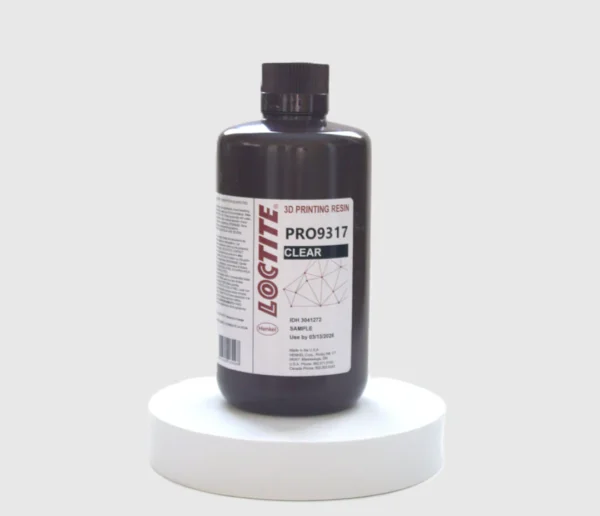
Crystal-clear resin for precision parts. Low viscosity = effortless flow & void-free prints.
Availability: confirmed at order. Supplier stock for this line varies — we verify availability and lead time on every order before processing, and offer an equivalent or a full refund if an item cannot be supplied. Cubic Ink equivalents →
Made to order
· Ships in about 2 weeks — final date confirmed after you order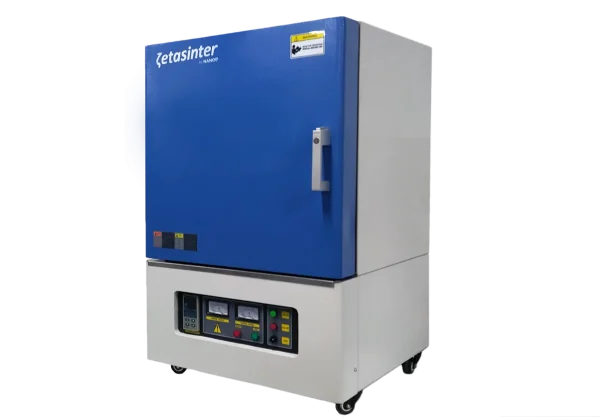
Zetasinter Chamber sinters printed ceramic parts in ambient air, up to 1600 °C.
- ✔ Sinters in ambient air — no gas supply, no atmosphere control to manage
- ✔ 1600 °C maximum: alumina at 1550 °C, white and black zirconia at 1475 °C
- ✔ 250 × 250 × 250 mm chamber takes real parts, not only test pieces
Freight and installation requirements confirmed with you before the order is placed.
Made to order
· Ships from California in 4–8 weeks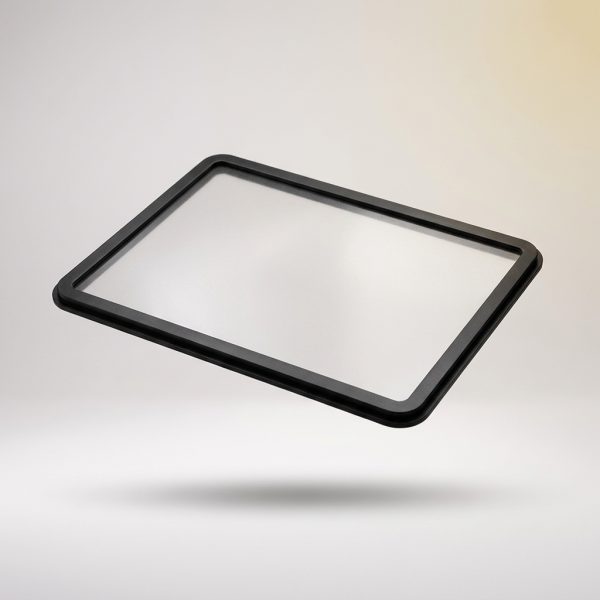
The genuine Nexa3D Everlast-1 membrane keeps your XiP Pro producing consistent parts at industrial volume.
- ✔ Rated 50,000+ layers (~20 L per membrane) — up to 25× the life of standard films
- ✔ Genuine Nexa3D OEM — even resin replenishment for repeatable parts, build after build
- ✔ Ships fast from our Los Angeles warehouse — lead time 5–15 business days
A fresh membrane on schedule is the cheapest insurance against downtime.
In stock
· 5–15 Business Days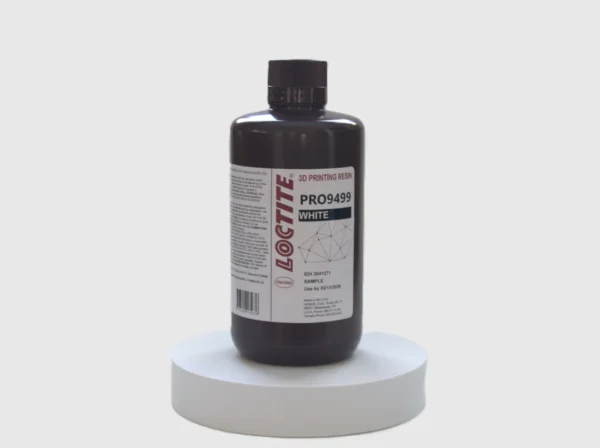
High-res white resin: Sharp details & strong parts. Matte finish for functional prototyping. Low moisture.
Availability: confirmed at order. Supplier stock for this line varies — we verify availability and lead time on every order before processing, and offer an equivalent or a full refund if an item cannot be supplied. Cubic Ink equivalents →
Made to order
· Ships in about 2 weeks — final date confirmed after you order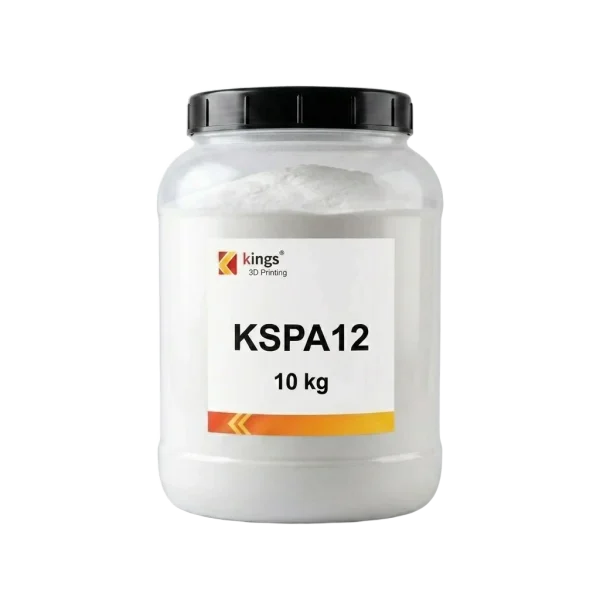
- 10 kg sealed package · $75/kg · in stock
- Fine ~50 µm powder · narrow PSD · high reusability
- Materials engineer on call · setup recommendations · NDA on request
For CO₂ / infrared SLS systems · order direct below or talk to an engineer first.
In stock
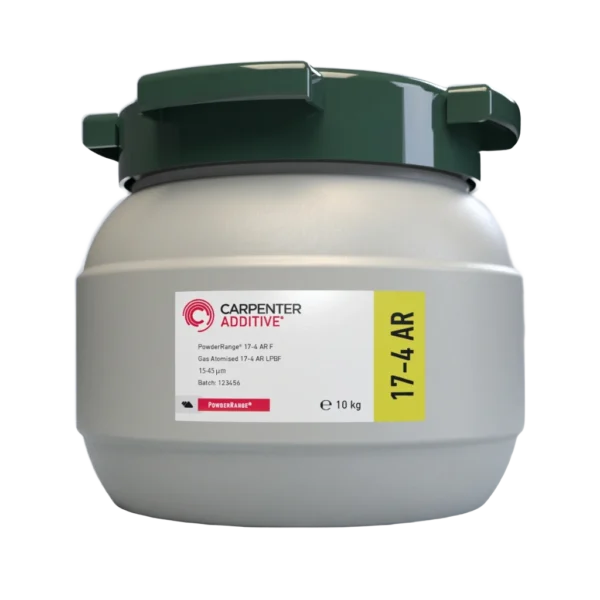
- ✓ Lower-nitrogen chemistry — full martensite, full 17-4 performance
- ✓ Sold in small, workable volumes — no large mill minimums
- ✓ Full COA on every lot
Out of stock
· Out of stock · next lot expected in February 2027What our customers say
“Harry and team were professional, effective communicators as we set up the order, then they executed quickly and produced an amazing product for us at a very competitive price. Am looking forward to our next print w Additive Plus!”
“Great 3D printing service and the resin parts look super smooth and clean. Really happy with how everything turned out!”
“Harry was very professional and helped me out with my 3D printing needs and explained what options I have in terms of filaments such as PEEK. Highly recommended.”
“I needed a 3D enclosure printed urgently in a specific time period, they did great!”
Common questions
Don't see yours? Email [email protected] — NDA on request, typical reply within 4 hours.
What is Freeform Injection Molding and how does xMOLD fit in?
Which injection molding materials can I use with xMOLD?
Which printers can print xMOLD moulds?
What equipment do I need besides the resin and printer?
What are the mechanical properties of cured xMOLD?
How does FIM compare to steel tooling on cost and lead time?
How should xMOLD be stored and handled?
Place your order, or talk to an engineer first
Order Nexa3D xMOLD Dissolvable Freeform Injection Molding Resin – LSPc for XiP | 5 kg direct, or talk to materials engineer