
Made to order



- Install & training paste loading, pressure tuning, bed prep
- Engineer support
Sygnis F-NIS 23151 Silicone & Ceramic Paste 3D Printer (DIW), Versions A–E
A desktop silicone and paste 3D printer (Direct Ink Writing) for your own materials — silicones, ceramic and conductive pastes, UV-curing gels — in eight configurations from $11,210.
- 230 × 150 × 150 mm closed chamber · pneumatic extrusion up to 4 bar
- Versions A–E: add UV 365/405 nm, a 60 °C heated head, a −15 °C cooled platform or a second head
- Open platform — no material lock; works with Cura, PrusaSlicer, Simplify3D
- Ships in 2–3 weeks · remote commissioning and training · 12-month warranty
What your process engineer actually checks
Pneumatic control you can tune
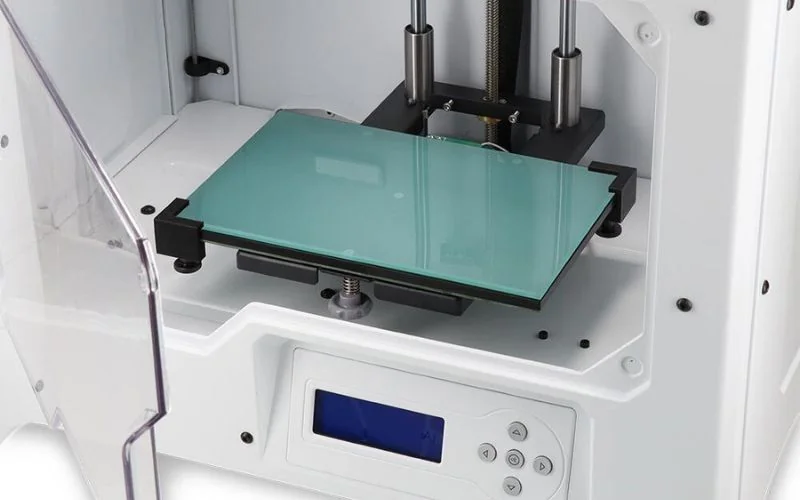
Regulated pressure up to 4 bar on a closed, heated tempered-glass platform; Sygnis has built 6, 8 and 10 bar versions as custom upgrades. You set the bead, not a fixed melt curve — repeatable extrusion for one-component pastes, silicones, ceramics and conductive inks.
An applications engineer on the line
Remote commissioning and operator training with the Additive Plus team and Sygnis — help choosing among Versions A to E, translating your paste into print parameters, and troubleshooting.
- Version A — the base DIW printer: pneumatic head for 30 / 55 ml cartridges, tempered-glass bed heated to 120 °C
- Version B — adds the UV module, 365 nm and 405 nm
- Version C — adds a heated head for 10 ml cartridges, up to 60 °C
- Version D — adds a cooled platform, −15 °C to ambient
- Version E — two independent printheads with a shared UV module
- Every version with or without the compressor
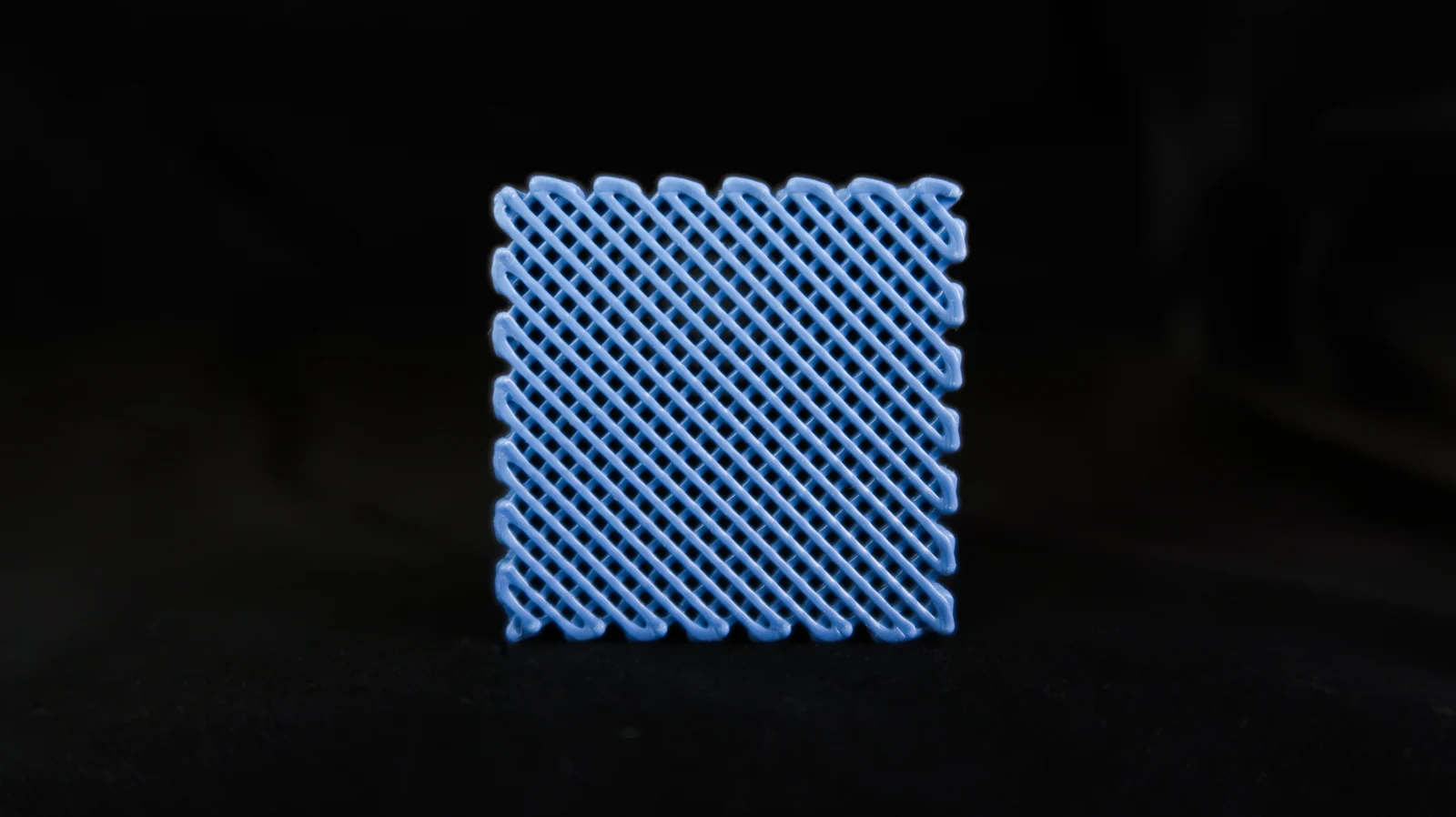
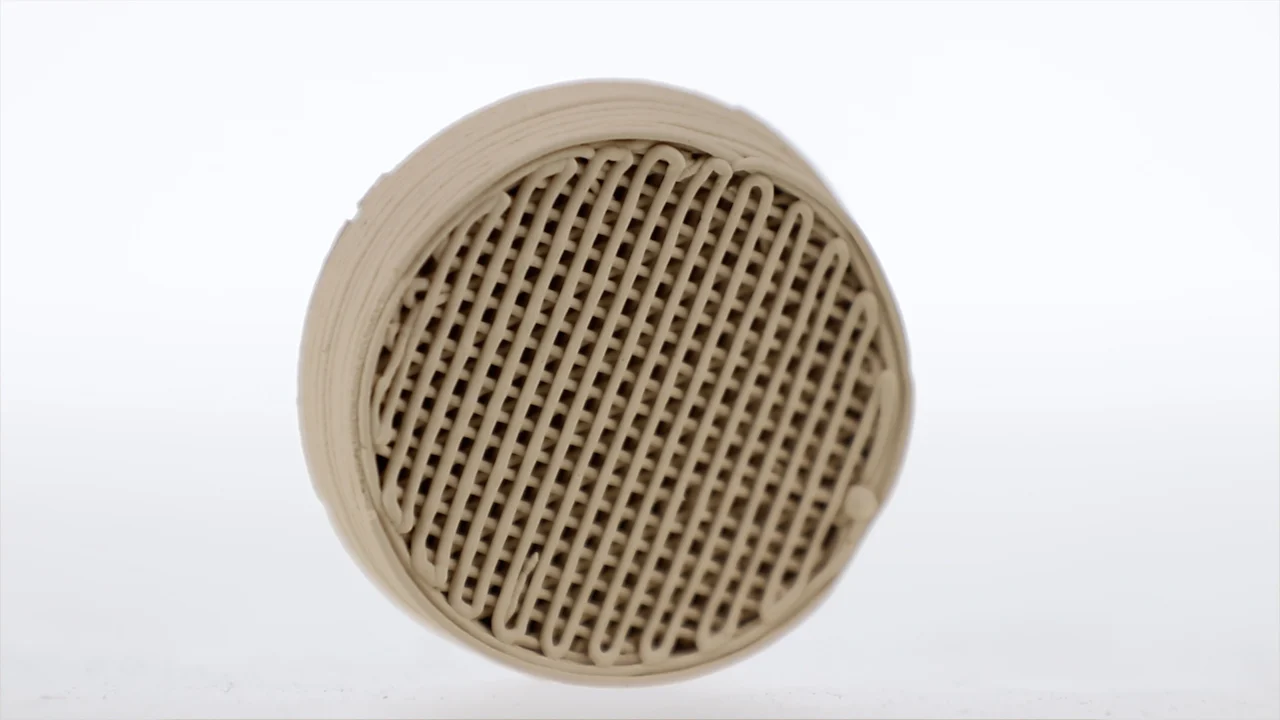
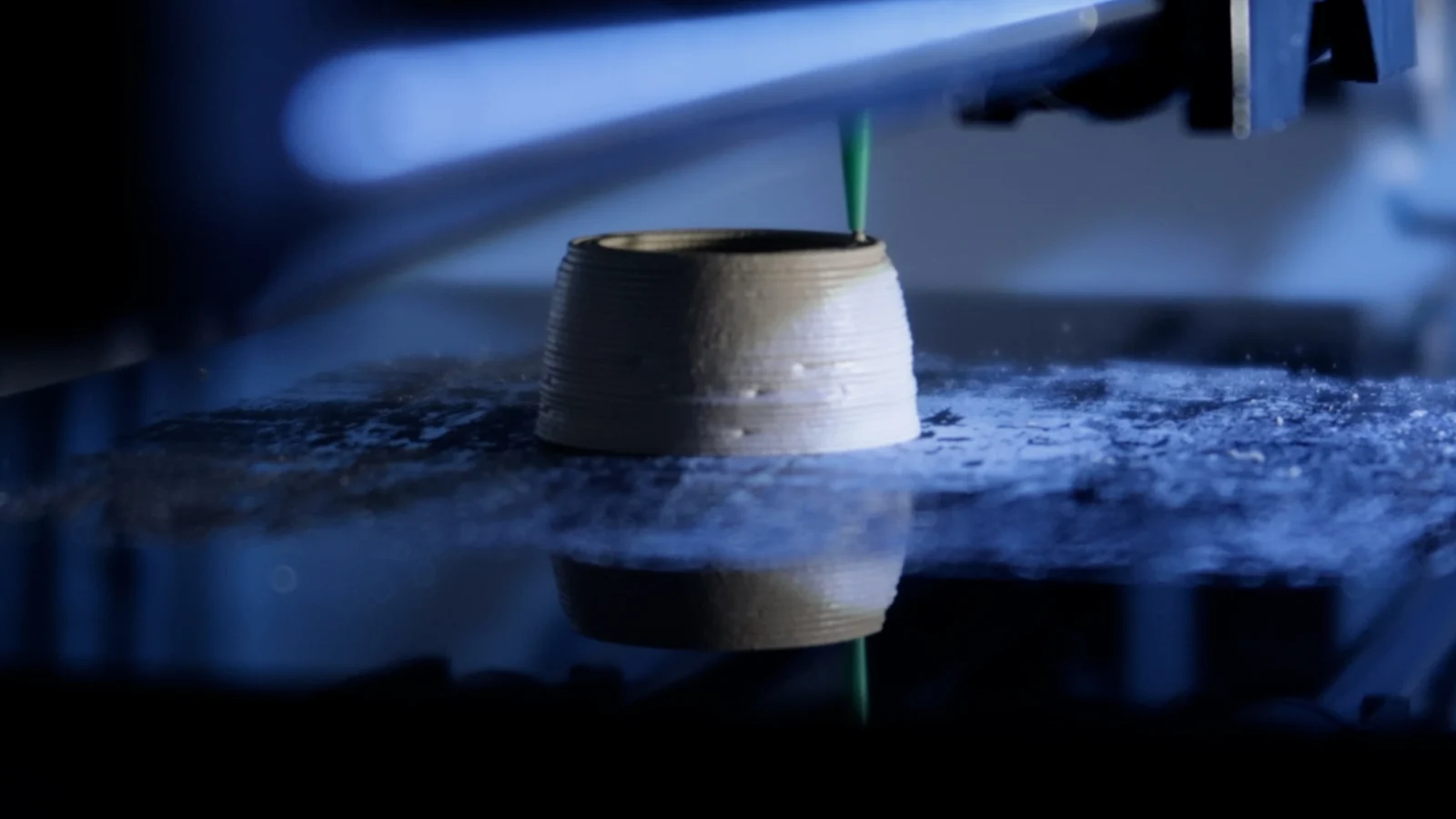
Printed on the F-NIS
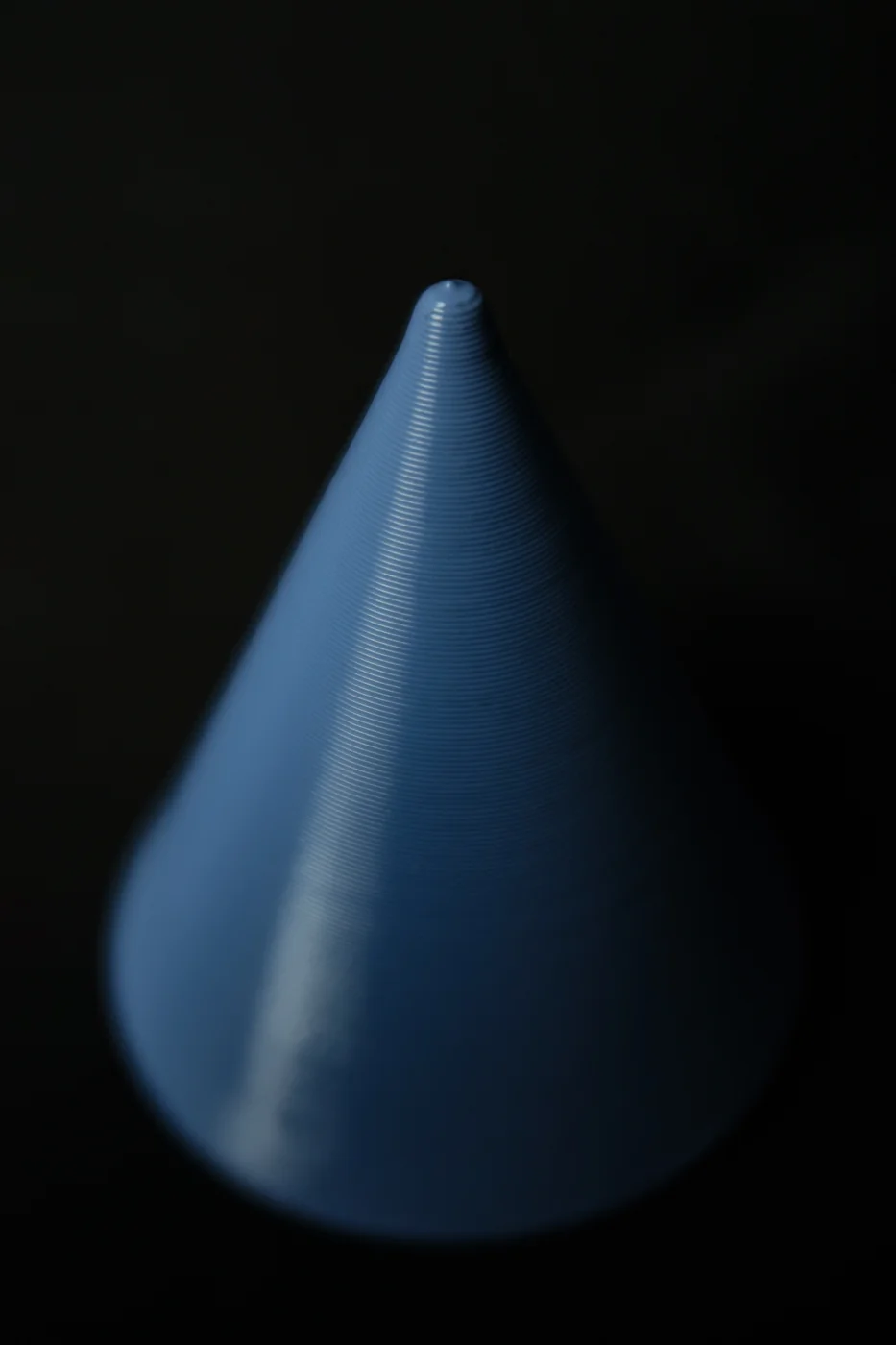
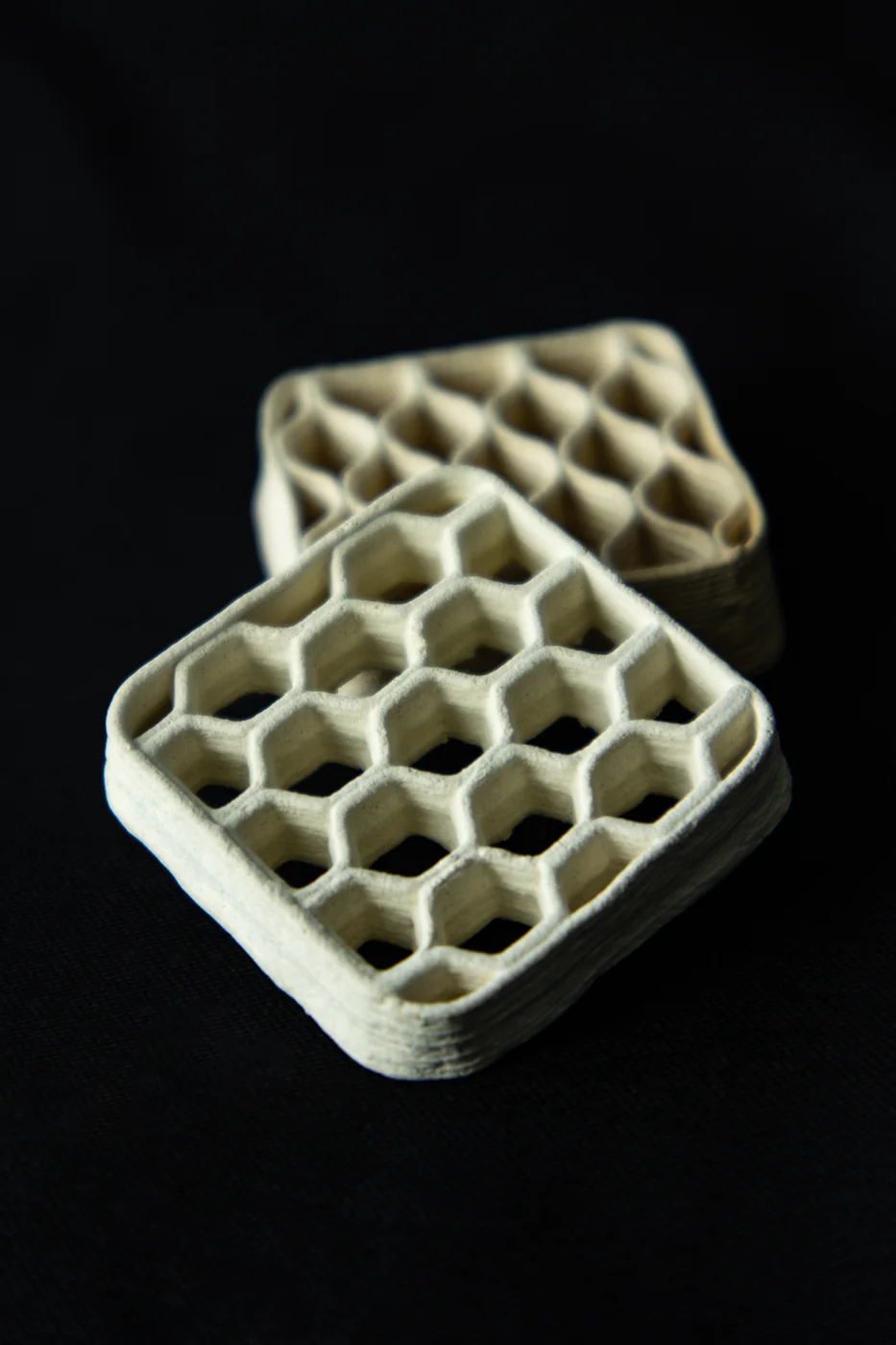
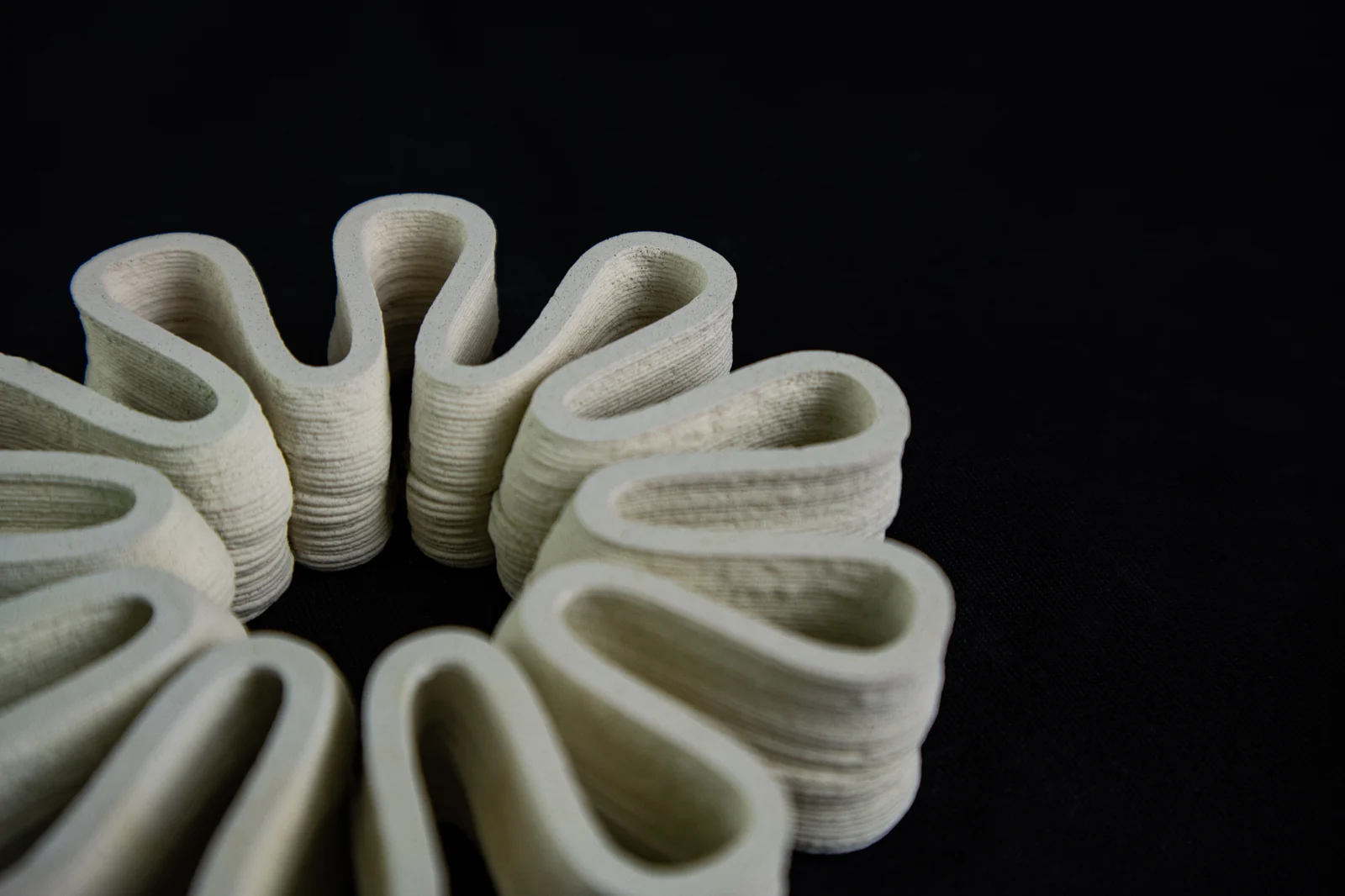
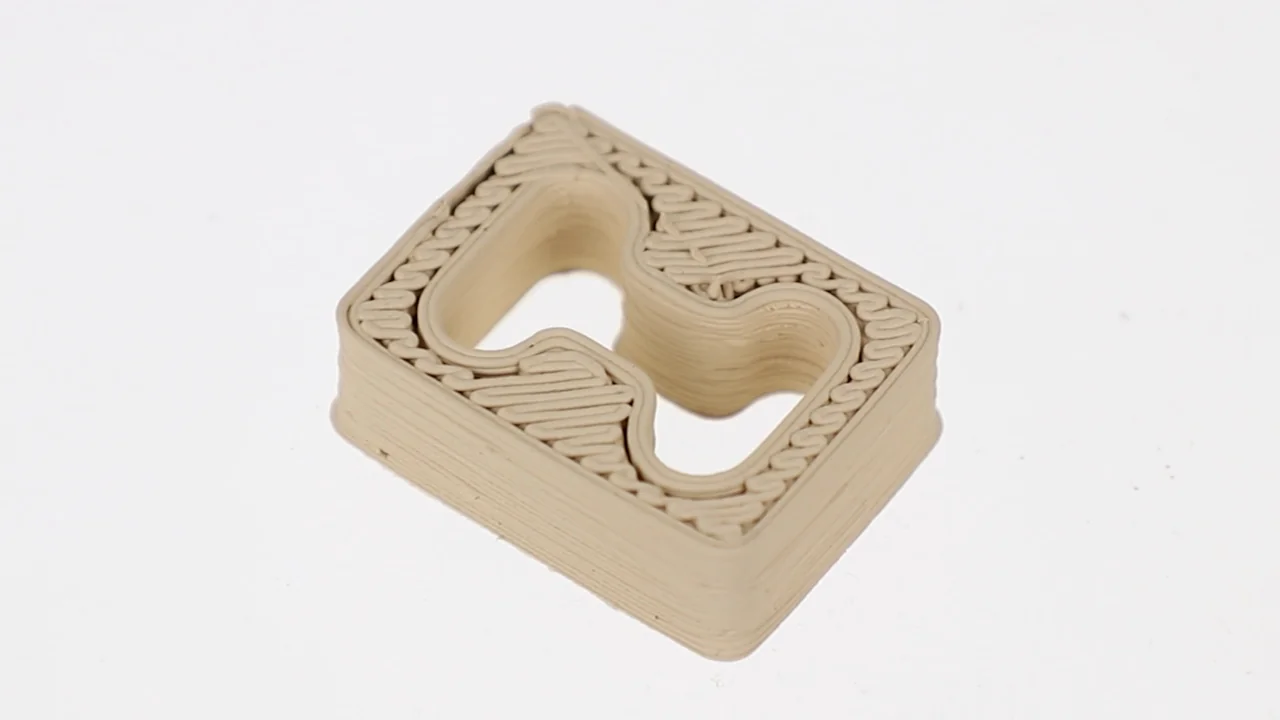
Sample parts printed by Sygnis on the F-NIS 23151. Photos: Sygnis.
What the F-NIS 23151 is
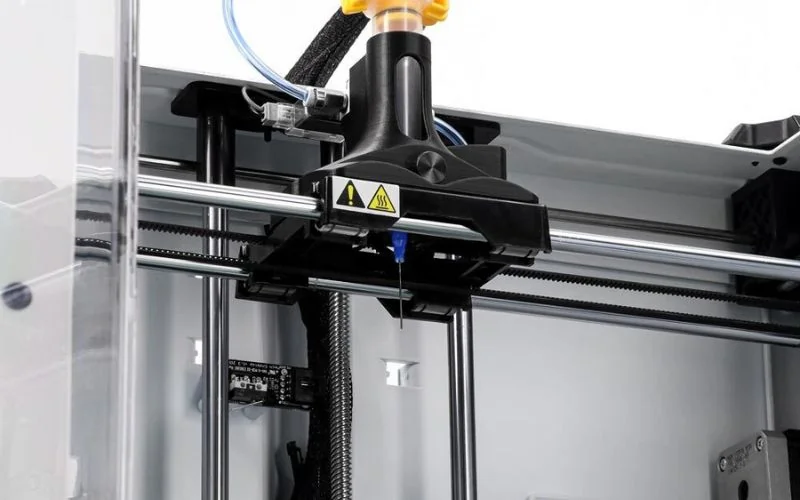
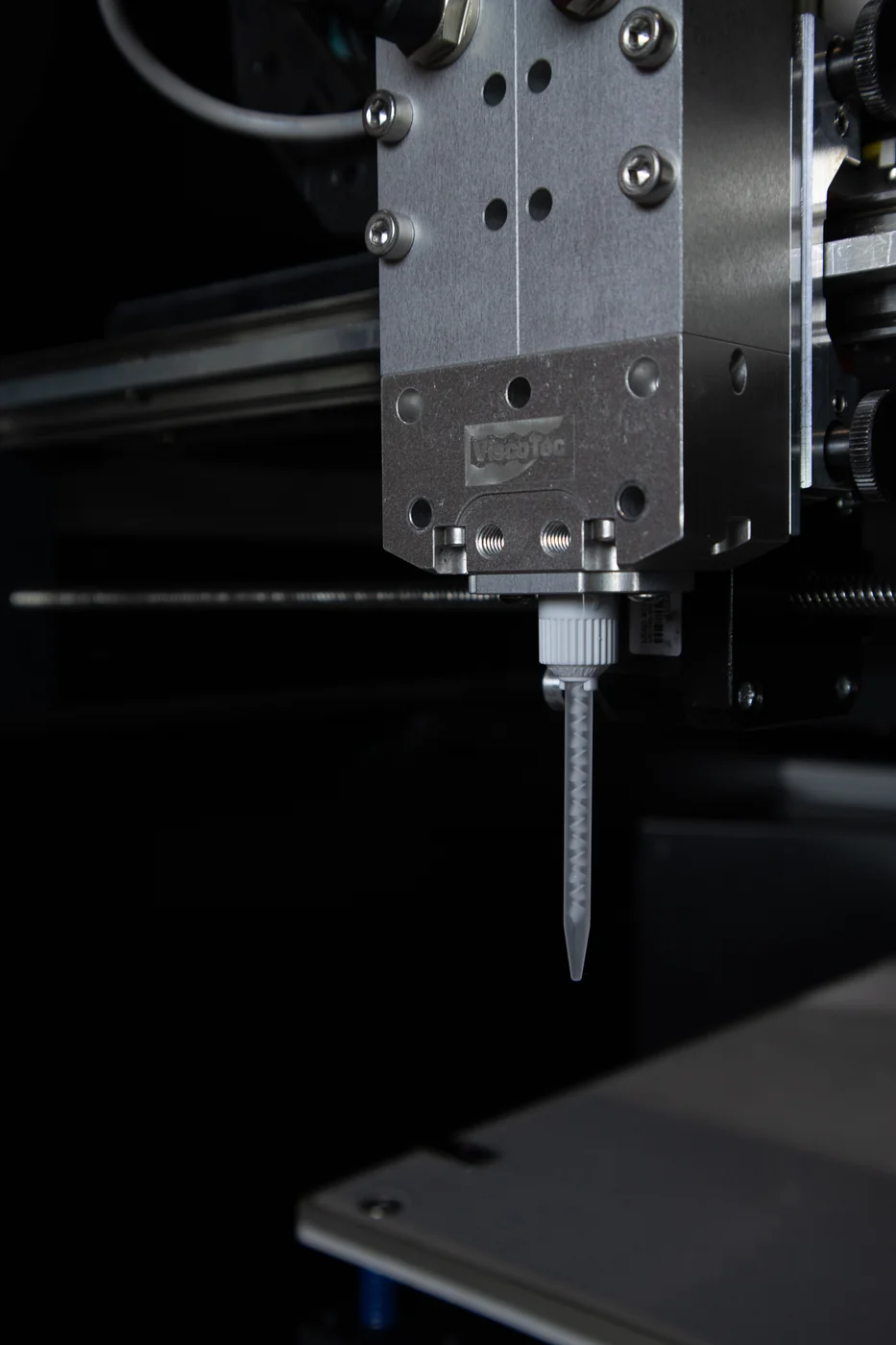
The F-NIS 23151 is a desktop silicone and paste 3D printer — a Direct Ink Writing (DIW) machine made by Sygnis S.A. in Poland under its DIW3D line. A pneumatic box presses air onto a syringe cartridge, and the printhead lays your paste through a Luer-lock dispensing tip onto a tempered-glass bed inside a closed chamber. It prints one-component pastes and semi-liquid materials — silicones, ceramic pastes, conductive pastes, UV-curing gels — rather than filament, so the material is yours, not the printer maker’s.
You slice in a slicer you already know — Cura, PrusaSlicer, Simplify3D, Slic3r or FlashPrint — and the Sygnis post-processor turns the G-code into pneumatic commands, adding UV exposure and head heating on the versions that have them. For a new material there is a set calibration routine: a single-line print and a 20 × 20 × 5 mm cube, from which you record the pressure and speed that become your parameters. The printer was built for proof-of-concept work and for developing new printable materials in chemistry, materials and engineering labs.
Versions A to E — what each one adds
| Feature | A | B | C | D | E |
| Adds | base printer | UV | UV + heated head | UV + heated head + cooled bed | 2nd head + UV |
| Printheads | 1 | 1 | 1 | 1 | 2 |
| Cartridges | 30/55 ml | 30/55 ml | 30/55 + 10 ml | 30/55 + 10 ml | 2 × 30/55 or 10 ml |
| Head heating | — | — | 60 °C | 60 °C | 60 °C, each head |
| UV 365/405 nm | — | ✓ | ✓ | ✓ | ✓ shared |
| Platform | glass, 120 °C | glass, 120 °C | glass, 120 °C | cooled, −15 °C to ambient | glass, 120 °C |
| Pressure | 1 channel | 1 channel | 1 channel | 1 channel | per head |
| Price | $11,210 | $11,745 | $12,390 | $16,035 | $14,965 |
| With compressor | $11,595 | $12,130 | $12,775 | $16,420 | $15,350 |
Build area is 230 × 150 × 150 mm on Versions A, B, C and E; Sygnis confirms the build area and platform material of the cooled Version D with your order. Every version comes with the compressor or connects to your own compressed-air supply with the fitting and tubing supplied. Buying a version outright costs less than adding the same module later — for example, Version B is $11,745, while Version A plus the UV module is $12,360.
Specifications
| Manufacturer | Sygnis S.A., Gdańsk, Poland (DIW3D) |
| Technology | Direct Ink Writing, pneumatic extrusion |
| Build area | 230 × 150 × 150 mm (9.1 × 5.9 × 5.9 in) |
| Working pressure | up to 4 bar (400 kPa) |
| Material flow | 0.5–1.5 ml/min |
| Extrusion response | 62 ms average pressure delay |
| Line width | 0.10–1.50 mm |
| Resolution | Z 0.1 mm · XY 0.2 mm |
| Nozzles | any Luer-lock tip, e.g. 0.11 to 1.60 mm |
| Cartridges | 30 / 55 ml; 10 ml heated (C, D, E) |
| Head heating | up to 60 °C, 10 ml cartridge (C, D, E) |
| Platform | tempered glass, heated to 120 °C; cooled −15 °C to ambient (D) |
| UV module | 365 nm and 405 nm LEDs, post-processor controlled (B–E) |
| Chamber | closed |
| Data | USB, SD card |
| Software | G-code post-processor with profiles for Cura, PrusaSlicer, Simplify3D, Slic3r, FlashPrint |
| Power | 110–230 V, 50–60 Hz · 60–80 W average, 300 W peak, 35 W idle |
| Noise | 50 dB |
| Printer size and weight | 526 × 360 × 403 mm (20.7 × 14.2 × 15.9 in), 15 kg (33 lb) |
| Compressor (option) | 600 kPa max, auto start/stop at 300–400 kPa, 3.5 L tank, 45 dB, 7.1 kg |
| Shipping carton | 56 × 43 × 65 cm, 18 kg without compressor; 58 × 43 × 65 cm, 26 kg with compressor |
| Warranty | 12 months (Sygnis) |
| Installation and training | remote — online commissioning and operator training |
| Lead time | 2–3 weeks |
Download: the F-NIS 23151 brochure is in the Downloads tab above. A short video of the printer at work is in the Video tab.
Which version for which material
Sygnis sorts materials by what they need from the printer. Any one-component paste that extrudes at room temperature runs on Version A.
| Silicones — UV-curing and moisture-curing, 20–80 Shore A | A and up |
| Ceramic pastes — Al2O3, YSZ, ZrO2, SiC, aluminosilicate, TiO2, zeolite | A and up |
| Conductive pastes — silver, copper, carbon or graphene, conductive polymers | A and up |
| Greases, carbon- and silver-filled silicones, plastisol, polymer clays | A and up |
| Acrylic and methacrylic gels that cure under UV | B and up |
| Modeling waxes and pastes that flow only when warm | C, D, E (heated head) |
| Pastes that set too fast or slump at room temperature | D (cooled platform) |
| Two materials in one print, e.g. a conductive trace and a dielectric | E (two heads) |
Silicone can be printed straight onto aluminum, stainless steel, glass, plastic, rubber or ceramic, and the printer lets you set your own zero height, so a machined plate or a printed part can serve as the substrate. On Versions B to E the UV light also cures between layers and may be enough to sterilize printed samples; for fully sterile work, Sygnis recommends placing the printer in a glove-box chamber.
Step-by-step guides: printing silicones on the F-NIS and printing ceramic pastes on the F-NIS. Real-world uses are collected in Direct Ink Writing Applications: 10 Real Industrial Uses.
What it is used for
Sygnis lists these applications for the F-NIS: silicone gaskets printed directly onto metal housings, such as valve covers and enclosures; custom suction cups for vacuum handling in automotive, electronics, food, packaging and pharmaceutical lines; ceramic insulators, filters and high-temperature ceramic seals; conductive and EMI-shielding gaskets and flexible electronics; and, above all, development of new printable materials — the step before anyone commits to a production process.
What’s in the box
- F-NIS 23151 printer, pneumatic box, power cord and USB cable, plus the compressor if you ordered it
- Printhead and adapter for 30 / 55 ml cartridges; on B to E the UV LED module and its driver; on C and D the 10 ml extruder and adapter
- Starter set: 2 × 30 ml and 2 × 55 ml cartridges, 6 plastic dispensing tips in 3 sizes, 4 barrel pistons and an end cap; on C, also 10 ml cartridges, stainless tips and 10 ml pistons
- Tempered-glass build plate, self-service kit, Teflon tape, R1/8″–4 mm fitting and tubing for your own air supply
- SD card with calibration files and sample models; the G-code post-processor and slicer profiles
- A standard K2 silicone, for commissioning and calibration only
Three ways to grow it later
Where the F-NIS stops — and what to take instead
The F-NIS prints one-component pastes; it does not mix reactive two-component materials in the head, and it cannot print support structures, so overhangs in soft material will slump. For two-component pastes, thermoplastic supports, UV and IR curing during the print and a 250 × 250 × 250 mm build, look at the Sygnis Sygpast. If you need filament printing, CNC milling and thick-paste extrusion on one machine, look at the Zmorph FAB 4in1, now produced by the Sygnis Group. The F-NIS stops at 4 bar and a 60 °C head, and Sygnis publishes no viscosity limit: very stiff pastes may not extrude. Sygnis has built higher-pressure versions (6, 8 or 10 bar), a PEEK head heated to 140 °C, a coaxial head and custom build areas as one-off upgrades — ask before you order if your material needs one. Sygnis does not sell printing materials; you print your own or third-party pastes.
In pictures
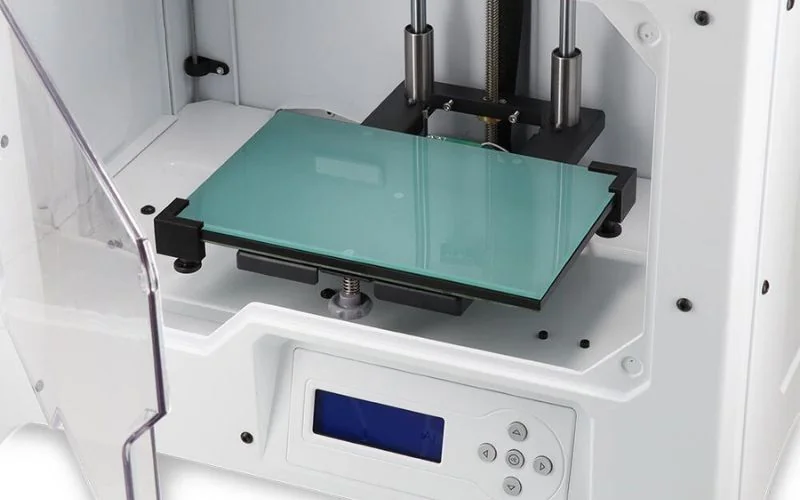
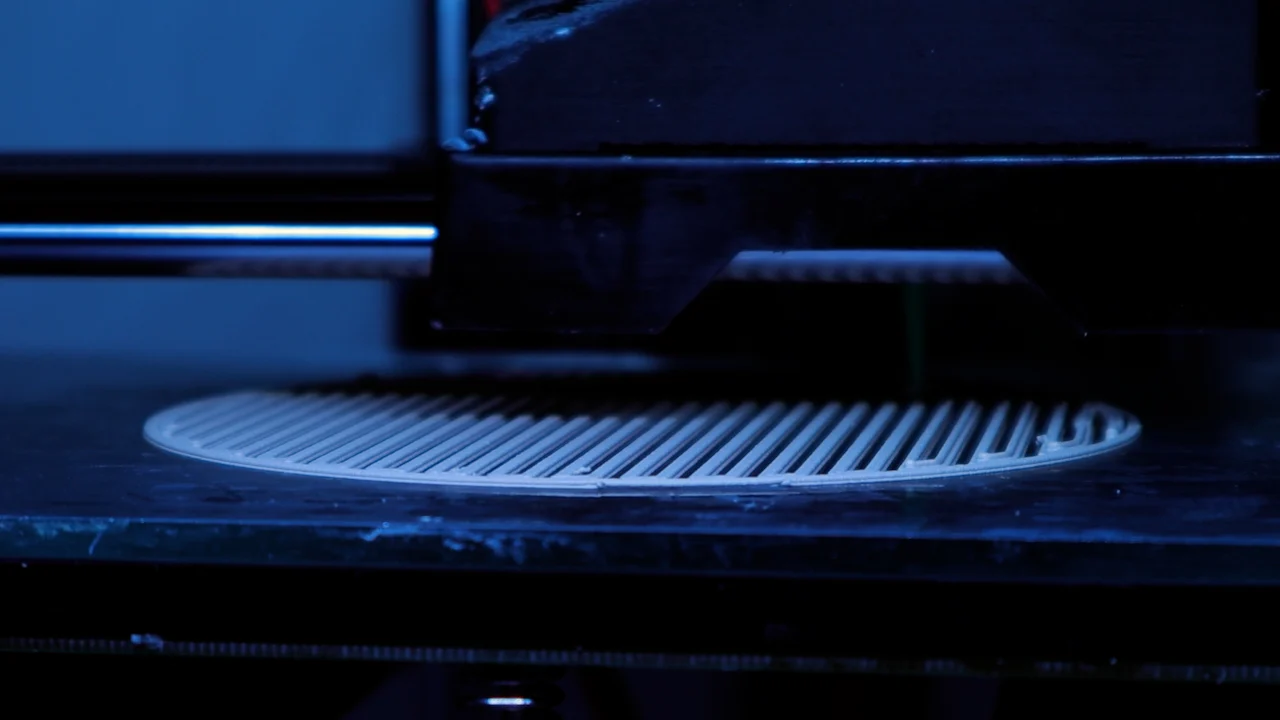
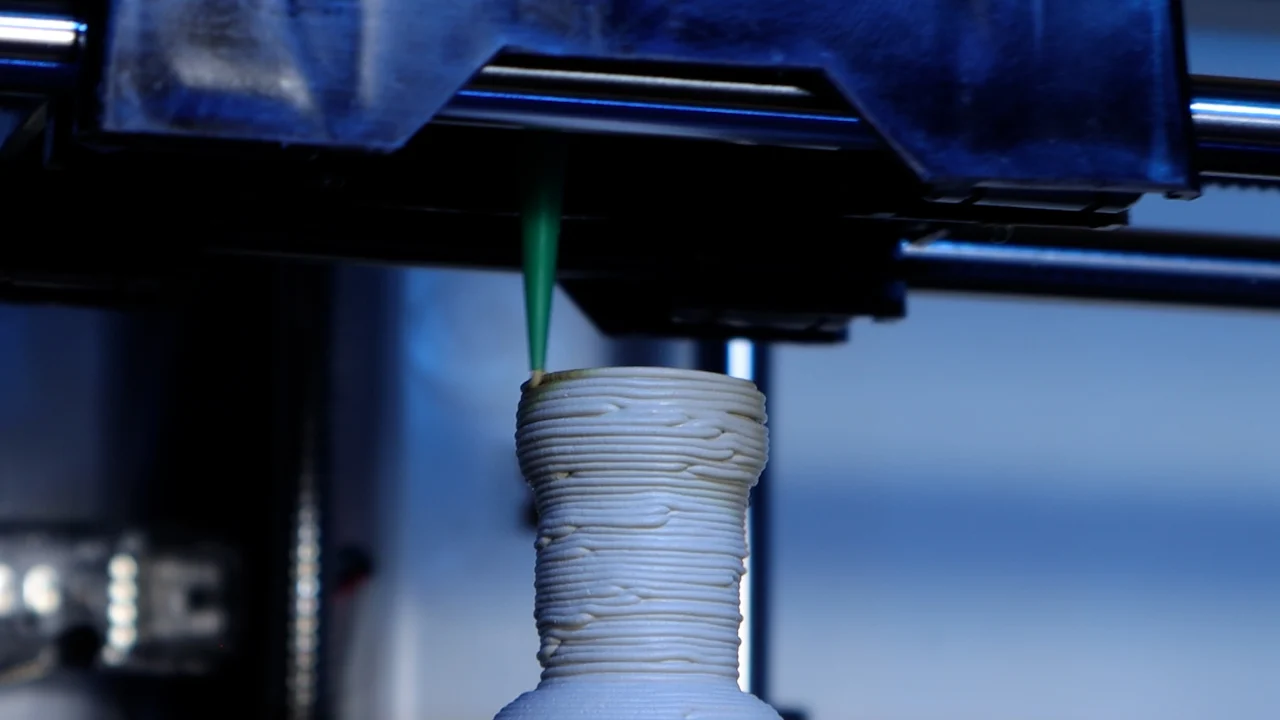
Availability, payment and delivery
Why buy it through Additive Plus
What usually stops people — and the honest answer
Ready when you are
| Brand | Sygnis |
| Build Volume | 9×5.9×5.9 in / 230×150×150 mm |
| Technology | DIW |
| Number of printing heads | 1 (2 on Version E) |
| Cartridge size | 30 ml / 50 ml 10 ml (optional) |
| Printing area | 9×5.9×5.9 in / 230×150×150 mm |
| Heated platform | up to 120 °C |
| Working platform material | Tempered glass |
| Print material | Any one-component paste or semi-liquid material |
| Data transfer interface | USB, SD-card |
| Software | Post-processor, included |
| Working chamber type | Closed |
| Extrusion system | Pneumatic (optional compressor with working pressure up to 4 bar) |
| UV Module | UV module with 365 nm and 405 nm wavelengths (optional) |
| Source of light | Post-processor controlled diodes (optional) |
| Head upgrade | Extruder with cartridge heating capability up to 60 °C (optional) |
| Variations | F-NIS 23151 3D Printer Version A, F-NIS 23151 3D Printer Version A with Compressor, F-NIS 23151 3D Printer Version B + UV, F-NIS 23151 3D Printer Version B + UV with compressor, F-NIS 23151 3D Printer Version C + UV + Heated printhead, F-NIS 23151 3D Printer Version C + UV + Heated printhead with Compressor, F-NIS 23151 3D Printer Version D + UV + Heated printhead + Cooled platform, F-NIS 23151 3D Printer Version E + Dual printhead + UV, F-NIS 23151 3D Printer Version D + UV + Heated printhead + Cooled platform with Compressor, F-NIS 23151 3D Printer Version E + Dual printhead + UV with Compressor |
| Printing Materials | Ceramic Pastes, Conductive Pastes, Silicone |
Product videos
We build our own. Custom configs on request.
Need a specific laser setup, build plate size, or an integrated powder/post-processing workflow? We configure AO Metal systems and bundle OEM equipment to match your application. Demo before you commit.
Complete the workflow
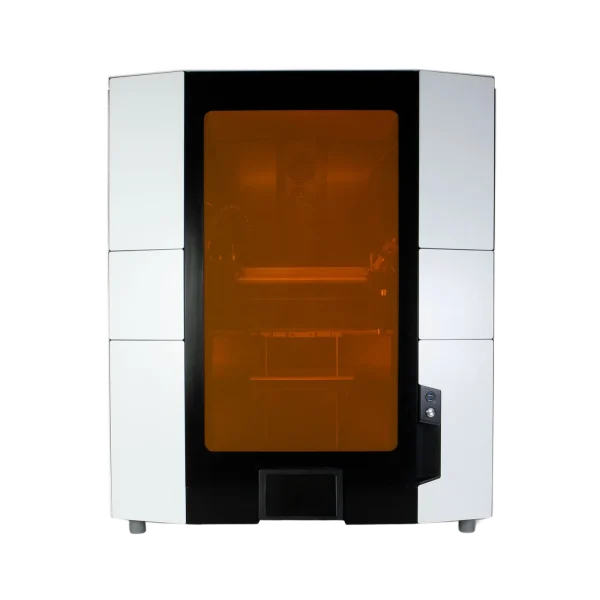
A hybrid Direct Ink Writing printer that prints one- and two-component pastes with thermoplastic supports and cures them with UV and IR during the print — for R&D and production of soft and functional parts.
- 250 × 250 × 250 mm build · platform heated to 120 °C
- SLE1 / SLE2 paste heads + FFF support head to 280 °C
- UV 365 / 405 nm and IR curing · profilometer and IR camera
- Built on demand, 12–14 weeks · remote commissioning and training · 12-month warranty
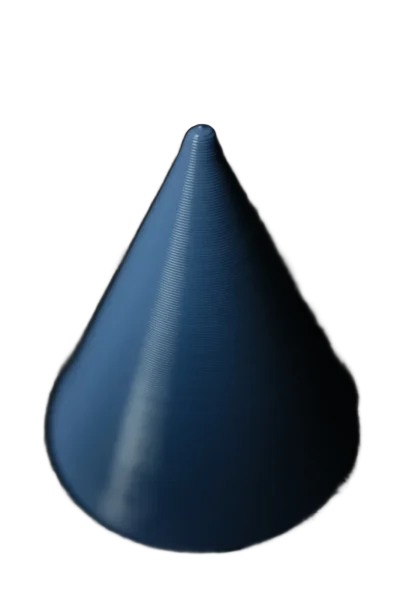
Print your own silicone — the Sygnis F-NIS 23151 and Sygpast are open DIW platforms for one- and two-component silicones you formulate or buy.
- One-component, moisture-curing and UV-curing silicones on the F-NIS
- UV 365/405 nm, 60 °C heated cartridge, cooled platform or two heads by version
- Two-component silicones and supported soft parts on the Sygpast
- K2 silicone in the box for calibration · you source the production material
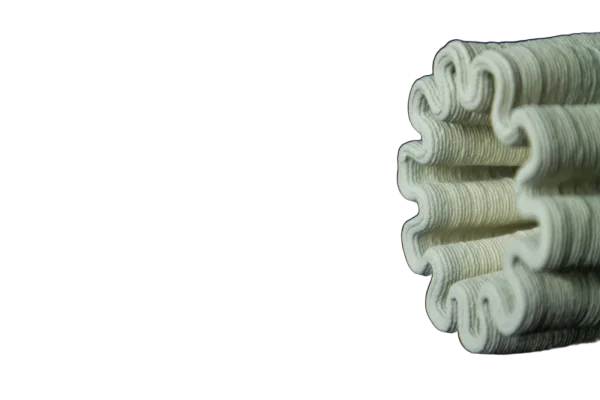
Print your own ceramic paste — the Sygnis F-NIS 23151 and Sygpast are open DIW platforms for alumina, zirconia, SiC and other pastes you formulate or buy.
- Al₂O₃, YSZ, ZrO₂, SiC, aluminosilicate, TiO₂ and zeolite pastes
- Pneumatic extrusion up to 4 bar, Luer Lock nozzles 0.10–1.50 mm
- Print seals and insulation straight onto a component
- You source the paste and fire the green parts in your own furnace
More from the Sygnis line
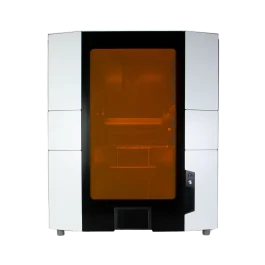
A hybrid Direct Ink Writing printer that prints one- and two-component pastes with thermoplastic supports and cures them with UV and IR during the print — for R&D…
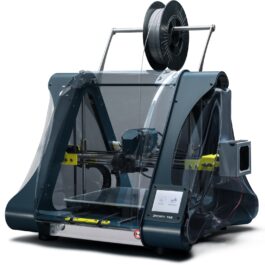
One desktop machine for 3D printing, two-material printing, CNC milling and paste extrusion — four toolheads, swapped in about a minute.Single and Dual FFF printing, 235 × 250…
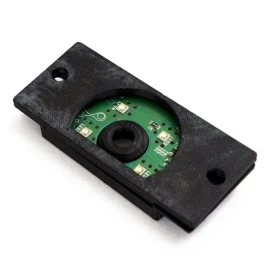
Add UV curing to your Sygnis F-NIS 23151: the UV Module with 365 nm and 405 nm diodes turns a Version A into a Version B, fitted by…
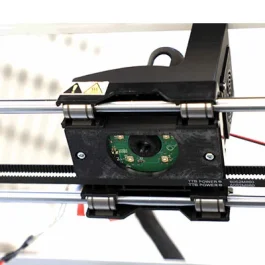
Print temperature-sensitive pastes on your Sygnis F-NIS 23151: the Heat Module warms a 10 ml cartridge to 60 °C and turns a Version B into a Version C.Heated…
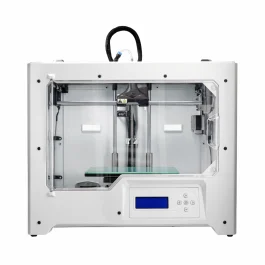
Turn the F-NIS 23151 already in your lab into Version D: a cooled build platform from −15 °C to ambient.Cooled platform, −15 °C to ambientVersion D also carries…
Turn the F-NIS 23151 already in your lab into Version E: a second printhead, so two materials print in one job.Two pneumatic heads, independent pressure for each cartridgeIndependent…
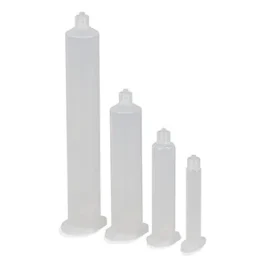
Transparent luer-lock syringe barrels for the Sygnis F-NIS 23151 silicone & paste 3D printer — the material cartridges you fill, lock in the printhead and print from. Pack…
General-purpose pistons for Sygnis F-NIS syringe barrels: the tapered face spreads the air pressure evenly and the wiper keeps the barrel wall clean.Pack of 20 · $55 (10…
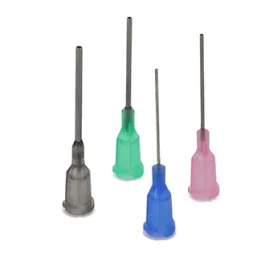
Electropolished stainless dispensing tips for the Sygnis F-NIS 23151 — six color-coded diameters from 0.20 to 1.50 mm, luer-lock, free of silicones and chlorides.Pack of 20 of one…
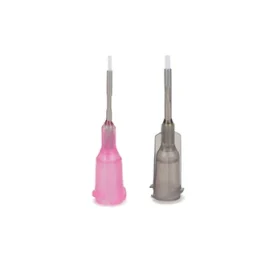
Teflon-lined 0.25 mm dispensing tips for the Sygnis F-NIS 23151 — the PTFE lining resists clogging with filled and multi-phase pastes.Pack of 20 · $1200.25 mm bore, PTFE-lined…
What our customers say
“Harry and team were professional, effective communicators as we set up the order, then they executed quickly and produced an amazing product for us at a very competitive price. Am looking forward to our next print w Additive Plus!”
“Great 3D printing service and the resin parts look super smooth and clean. Really happy with how everything turned out!”
“Harry was very professional and helped me out with my 3D printing needs and explained what options I have in terms of filaments such as PEEK. Highly recommended.”
“I needed a 3D enclosure printed urgently in a specific time period, they did great!”
Common questions
Don't see yours? Email [email protected] — NDA on request, typical reply within 4 hours.
What is the Sygnis F-NIS 23151?
How much does the F-NIS 23151 cost?
What is the difference between Versions A, B, C, D and E?
What materials can the F-NIS print?
Do I have to buy materials from Sygnis or Additive Plus?
What comes in the box?
What is the lead time and warranty?
Is installation and training included?
What pressure does the printer use, and do I need a compressor?
Which software does it use?
Can I upgrade my F-NIS later?
Can it print onto existing parts or other substrates?
What resolution and line width can it reach?
How does the F-NIS compare with the Sygnis Sygpast?
Can you print a test part from our material first?
Can we see the F-NIS running before we buy?
Can the F-NIS be used for sterile work?
Place your order, or talk to an engineer first
Order Sygnis F-NIS 23151 Silicone & Ceramic Paste 3D Printer (DIW), Versions A–E direct, or talk to materials engineer