
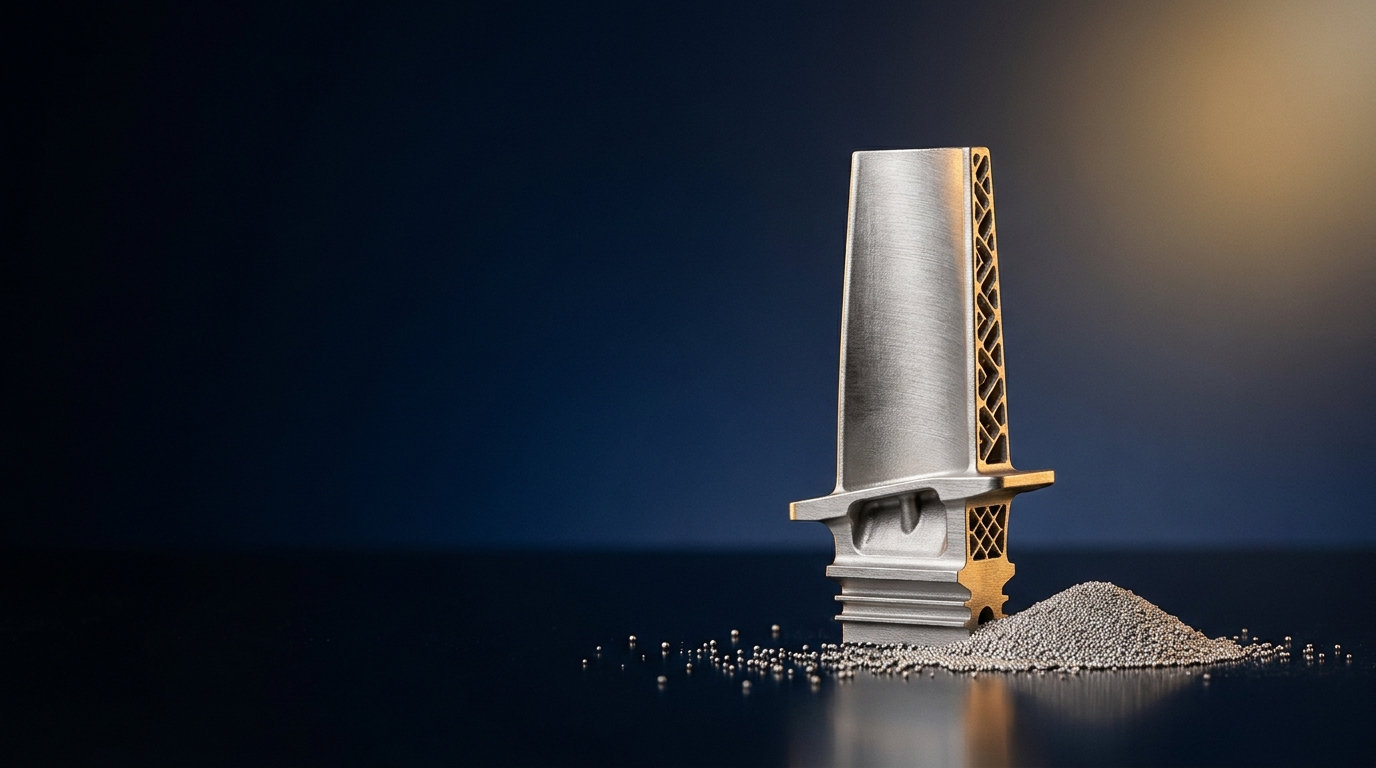
Inconel is the metal engineers reach for when a part has to survive heat that would soften steel and creep aluminium into scrap. It is also one of the most punishing metals to machine: it work-hardens the instant a tool touches it, chews through cutting edges, and refuses the fine internal channels a hot part actually needs. Inconel 3D printing flips that problem. Instead of fighting the metal with a tool, laser powder bed fusion (LPBF) grows the part straight from nickel-superalloy powder — cooling channels, lattices and consolidated assemblies included, with almost no wasted material.
This guide covers what makes Inconel worth printing, how to choose between the common alloys, the process and post-processing that decide whether a part meets spec, and where printed Inconel actually earns its place.
Why print Inconel instead of machining it
Three things push Inconel toward additive manufacturing:
- It is brutal to machine. High work-hardening and low thermal conductivity mean slow feed rates and heavy tool wear. Complex internal geometry is often impossible to cut at all.
- The value is in the geometry. The reason to use Inconel is usually a hot part — a nozzle, a blade, a heat exchanger — that benefits from internal cooling channels and thin, optimised walls. LPBF prints those directly.
- Volumes are low and parts are expensive. That is the exact profile where additive beats machining from a billet on both cost and lead time.
The most-produced additive superalloy part, a printed engine fuel nozzle, consolidated a 20-piece assembly into one component that is roughly 25% lighter and about five times more durable. That is the pattern Inconel additive follows: fewer parts, less weight, faster iteration.
What is Inconel 718?
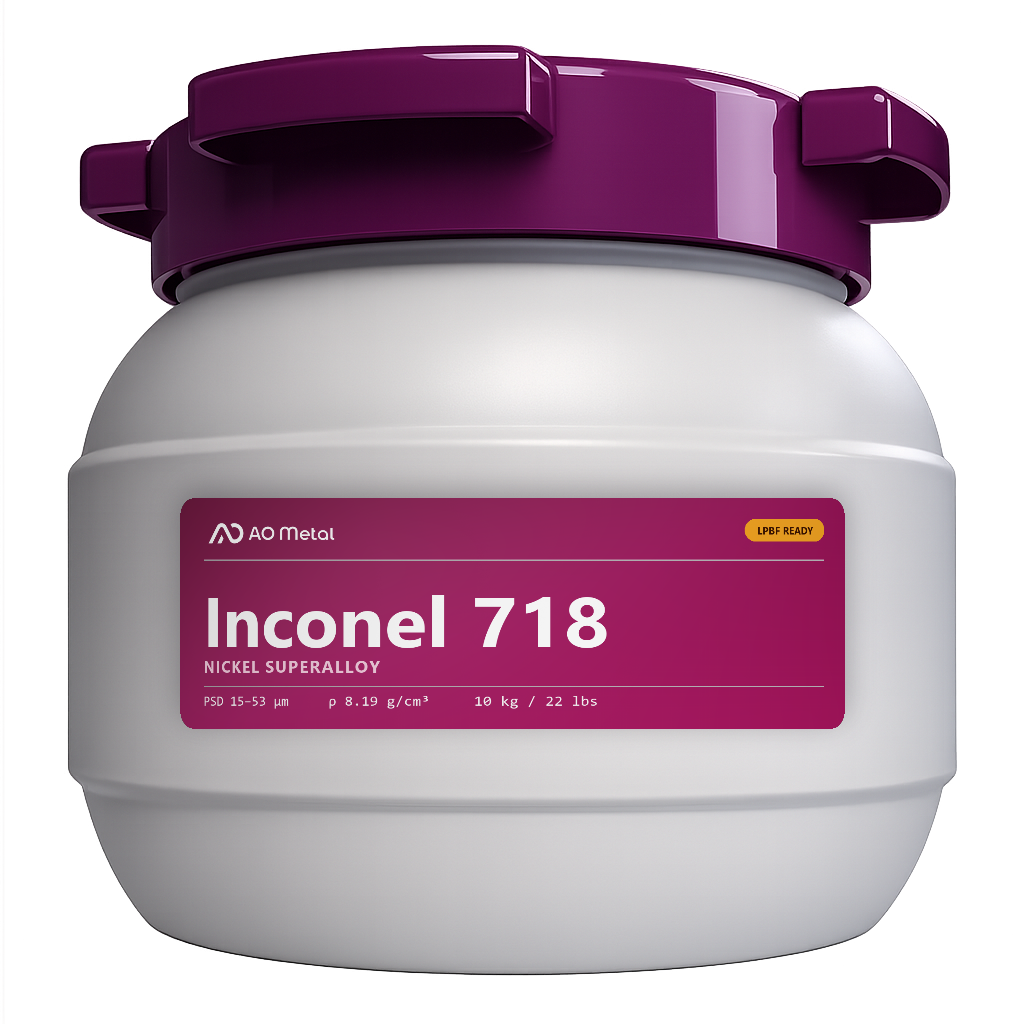
Inconel 718 is a nickel-chromium superalloy strengthened by niobium and molybdenum. It is age-hardenable: a heat-treatment cycle precipitates a gamma double-prime phase that gives the alloy its strength. In service it holds useful mechanical properties to around 650 °C, resists oxidation and corrosion, and — the reason it dominates additive — welds and prints more forgivingly than most superalloys. If a project does not have a specific reason to use something else, Inconel 718 is the default.
Inconel 718 vs 625 vs Hastelloy X: which alloy?
Three nickel alloys cover most printed hot-section work. The split is simple: pick strength, corrosion resistance, or peak temperature.
| Alloy | Strengthening | Approx. temperature ceiling | Best for |
|---|---|---|---|
| Inconel 718 | Age-hardened (γ″) | ~650 °C | Structural and rotating parts, brackets, high strength |
| Inconel 625 | Solid-solution | oxidation to ~980 °C, lower strength | Exhaust, marine, chemical, corrosion-driven parts |
| Hastelloy X | Solid-solution | oxidation to ~1200 °C | Combustor liners and the hottest static hardware |
Need a chemistry none of these hit? We atomize custom alloy powder to a target composition.
The Inconel 3D printing process
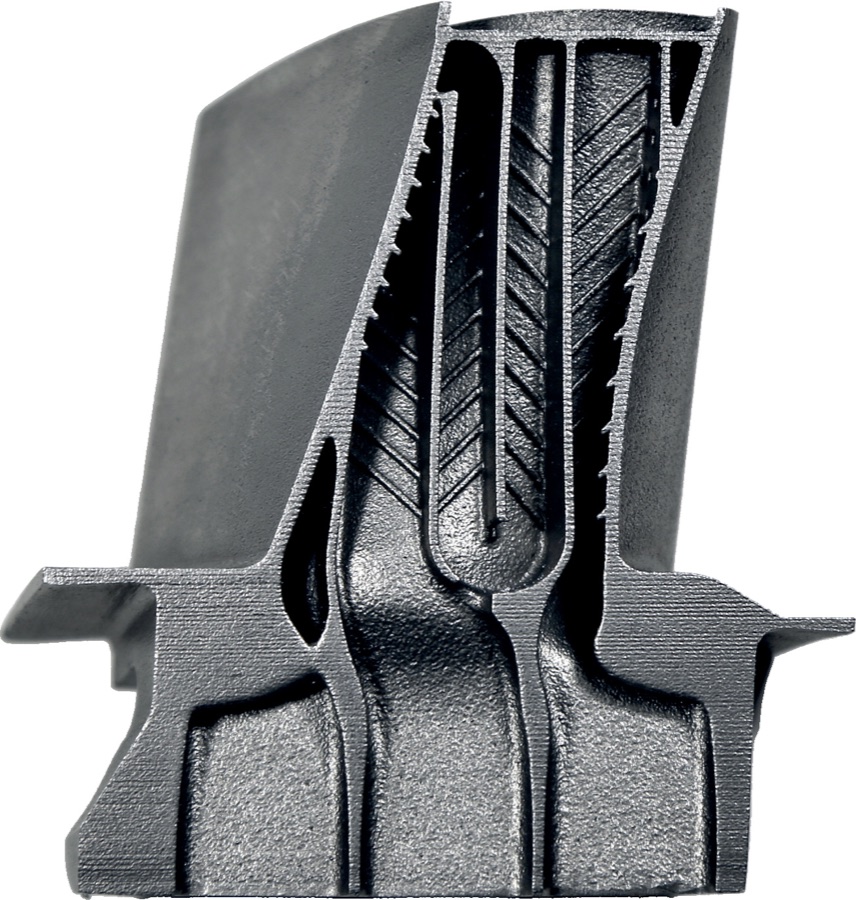
Inconel is printed on an LPBF metal printer, where a laser melts fine powder track by track. Three inputs decide the result before geometry even enters the picture:
- Parameters — laser power, scan speed and hatch spacing tuned for the alloy to reach full density without cracking or keyhole porosity.
- Orientation and supports — Inconel holds heat, so how the part sits on the plate controls residual stress and distortion. Get this wrong and the part warps off the supports mid-build.
Machines such as the Farsoon FS812M-U run open parameters, which matters for Inconel work where a lab wants to develop its own recipes rather than accept locked presets.
Post-processing: where the properties are set
An as-built Inconel part is not a finished part — it is a stressed, porous blank with the wrong microstructure. The standard chain is:
- Stress relief on the plate, before cutting the part free, so it does not spring.
- Hot isostatic pressing (HIP) to close internal porosity.
- Solution treatment and double aging — the AMS 5662/5663 route — to precipitate the strengthening phase and reach full mechanical properties.
- Finish machining of sealing faces, bores and datums that need tight tolerance or a fine surface.
Skipping or reordering this chain is the most common reason a printed Inconel part fails qualification, so specify it up front. The furnaces and post-processing equipment belong in the plan from day one, not after the print.
Designing for Inconel additive
Printed Inconel rewards designs that a machinist could never make, and punishes designs drawn as if they will be machined. A few rules pay off immediately:
- Add conformal cooling. Route cooling channels to follow the hot surface instead of straight-line drilling — this is the single biggest reason to print the part.
- Consolidate assemblies. Every joint you delete is a leak path and a failure point removed.
- Mind overhangs. Keep unsupported overhangs above roughly 45° and design self-supporting channels where you can, to cut support removal from hard-to-reach internal features.
- Leave machining stock on faces that need tolerance, because as-built surfaces will not hold it.
Where printed Inconel earns its place
- Aerospace hot section — fuel nozzles, combustor and turbine hardware, brackets that live near the engine.
- Energy and power — gas-turbine blades and vanes, and heat exchangers with cooling that only additive can route.
- Oil and gas — downhole and valve components facing heat and corrosive media, where Inconel 625 usually wins on corrosion.
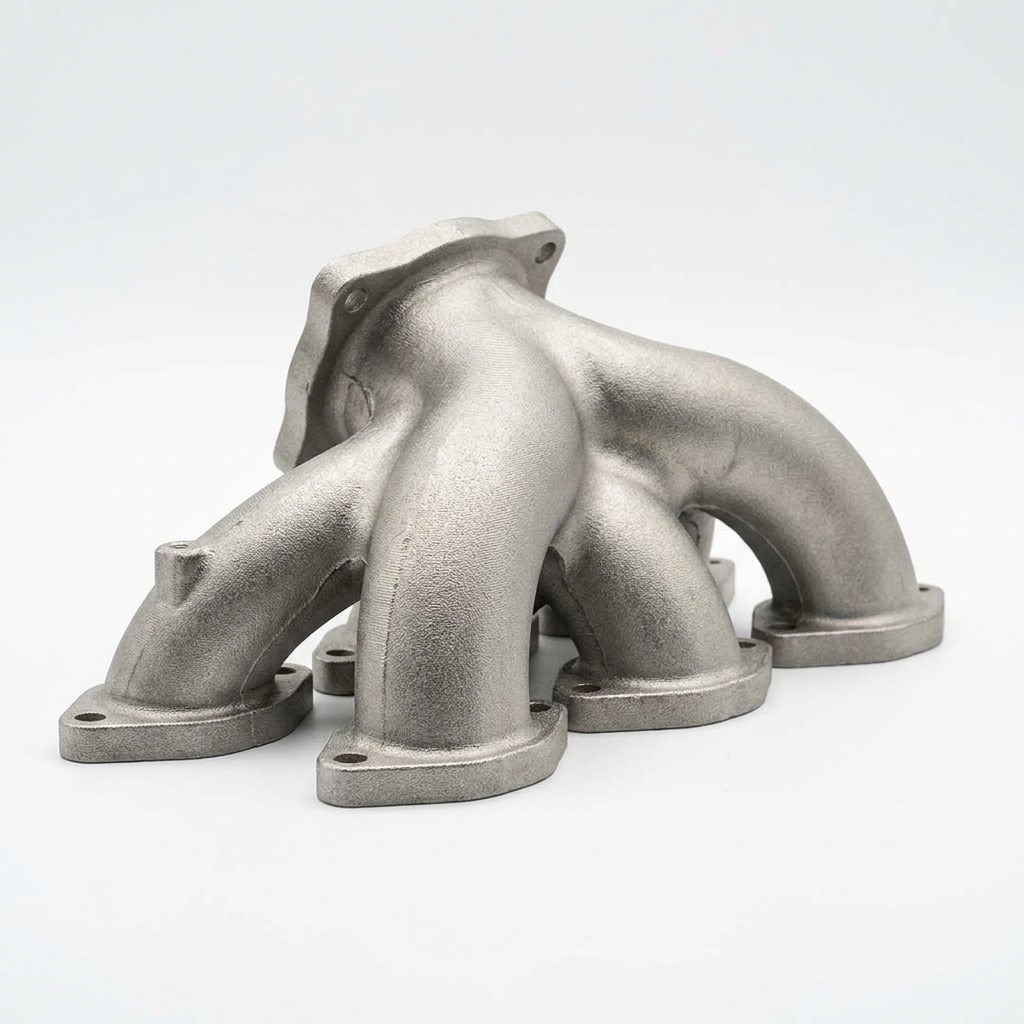
- Motorsport and industrial — turbochargers, exhaust manifolds and high-temperature tooling, printed in weeks instead of cast in months.
Sourcing Inconel powder and printers
Additive Plus supplies both sides of the process: LPBF-ready, lot-controlled Inconel powder and the metal printers that run it. Start with the alloy and the standard the part has to meet, then the geometry — that order keeps a project out of trouble.
Materials: A-Powder Inconel 718 · IN625 · Hastelloy X · All metal powders
Related guides: Additive manufacturing in aerospace · LPBF printers
Frequently asked questions
Can Inconel be 3D printed?
Yes. Inconel 718 and 625 are routinely printed by laser powder bed fusion (LPBF). Inconel prints more readily than most nickel superalloys and reaches full density with tuned laser parameters.
What is the difference between Inconel 718 and 625 for 3D printing?
Inconel 718 is age-hardened for higher strength, suiting structural and rotating parts. Inconel 625 is solid-solution strengthened with better corrosion resistance and weldability, suiting exhaust, marine and chemical hardware.
Does 3D-printed Inconel need heat treatment?
Yes. The standard chain is stress relief on the plate, hot isostatic pressing (HIP) to close internal porosity, then solution treatment and a double-aging cycle to reach full strength, followed by finish machining of critical features.
What is Inconel 718 used for?
Aerospace hot-section parts such as fuel nozzles and turbine hardware, gas-turbine blades and heat exchangers, oil and gas downhole and valve components, and motorsport turbochargers and manifolds.
Have a question or a project? Let’s talk.
Tell us what you need — a real applications engineer replies within 24 hours. NDA on request, no sales script.