
In stock
- Lot datasheet + parameters drying and extrusion settings for your LFAM system
- Dry, sealed packaging shipped ready to run, with a re-dry schedule
Caracol PET-G Pellets – Easy-Print Feedstock for Large-Format 3D Printing
Easy-printing PET-G pellets qualified for large-format additive manufacturing (LFAM) — low-warp, strong-bonding, glossy big parts for display and enclosures at pellet cost.
- ✓ Low warp and strong layer adhesion — reliable big prints with a clean glossy finish
- ✓ Ships dry with a lot datasheet + drying and extrusion parameters
- ✓ Lead time: 1–2 business days from L.A. stock — volume & PO on request
What your process engineer actually checks
Reliable big parts you can print easily
PET-G is amorphous, so it warps little and prints across a wide, forgiving window, with strong layer adhesion for tough, watertight walls and a clean glossy finish. Good chemical resistance and food-contact-capable grades widen its range. Every lot ships with drying and extrusion parameters so large display and enclosure parts come out reliably and reorders behave the same.
A materials engineer on the line
Questions on drying schedules, warpage, recyclate ratios, or glass-fiber content? A materials engineer answers directly — not a contact-form bot. Most replies in under 4 hours, NDA on request.
Caracol PET-G is a glycol-modified PET pellet feedstock qualified for Caracol large-format additive manufacturing (LFAM) extruders. It is the easy-printing, low-warp member of the pellet family — strong layer adhesion, good chemical resistance, a clean glossy finish, and food-contact-capable grades — which makes it a dependable choice for large display, signage, and enclosure parts. Every lot ships dry with recommended drying and extrusion parameters.
Why engineers choose Caracol PET-G
Four things production teams verify before running PET-G on a large-format system.
Low warp, easy to print
PET-G is amorphous and shrinks little, so large parts stay flat and print reliably with a wide, forgiving process window.
Strong layer adhesion
Excellent interlayer bonding gives big parts good toughness and watertight walls without the brittleness of some easy-print polymers.
Chemical & food-contact
Good chemical resistance, and food-contact-capable grades on request, suit retail, hygiene, and wet-environment parts.
Clean glossy finish
A naturally glossy, translucent surface makes PET-G a fit for display and signage parts that need to look finished.
How Additive Plus delivers it
Every order ships production-ready — qualified feedstock, parameters, and a datasheet.
Source & qualify
Glycol-modified polyethylene terephthalate (PET-G) sourced and qualified against Caracol's extrusion testing so the pellet runs on LFAM systems without a re-development cycle.
Dry & screen
PET-G absorbs moisture and prints best dry. We ship it dry and specify a 60–65 °C re-dry to keep layer clarity and adhesion on big parts.
Verify & document
Each lot ships with a datasheet and recommended drying and extrusion parameters, so you reorder the same behavior — not a new qualification.
Material overview
PET-G (glycol-modified polyethylene terephthalate) is an amorphous copolyester that prints easily, warps little, and bonds strongly between layers, while offering good chemical resistance and a glossy surface. On a large-format extruder it is the forgiving workhorse for big display, signage, retail, and enclosure parts, and food-contact-capable grades extend it to hygienic applications. It trades the high heat resistance of PC for far easier, more reliable big-part printing.

Technical specifications
Representative PET-G properties. Lot-specific values are on the datasheet shipped with every order. Confirm exact figures with a materials engineer for design-critical work.
| Property | Typical value |
|---|---|
| Polymer | Glycol-modified PET (PET-G) |
| Form | Pellets (granulate) for LFAM/FGF extruders |
| Density | ~1.27 g/cm³ |
| Tensile strength | 45–55 MPa |
| Tensile modulus | 1,900–2,200 MPa |
| Elongation at break | 100–200%+ |
| Heat deflection (HDT, 0.45 MPa) | ~65–70 °C |
| Extrusion temperature | 230–260 °C |
| Recommended drying | 60–65 °C for 2–4 h before printing |
| Reinforcement | Unreinforced (fiber-filled grades on request) |
Typical applications
Where large-format PET-G earns its place.
Not sure PET-G is the right pellet?
Same large-format pellet family — pick the property that matters most.
Need more heatPCCompare pellet →
Cost-first / bioPLACompare pellet →
Why source PET-G through Additive Plus
- Qualified feedstock, not a generic bag of pellets — sourced and qualified against Caracol LFAM extrusion, shipped dry with a datasheet and parameters.
- Forgiving big-part printing — low warp and a wide process window so large display and enclosure parts print reliably.
- Food-contact and custom grades on request — food-contact-capable, recycled-content, or color-matched PET-G qualified before you commit.
- A materials engineer on the line — drying, adhesion, and part-environment questions answered directly. Under 4h reply, NDA on request.
| Brand | Caracol |
| Technology | FFF, LFAM |
| Printing Materials | Plastic Pellets |
| Material | PETG |
| Reinforcement | Unfilled |
| Application | Engineering, Jigs & Fixtures, Manufacturing |
Product videos
We qualify food-contact-capable, recycled-content, and color-matched PET-G pellets against your LFAM extruder before you commit — 2–4 week custom batches.
Other products teams run alongside Caracol PET-G Pellets – Easy-Print Feedstock for Large-Format 3D Printing
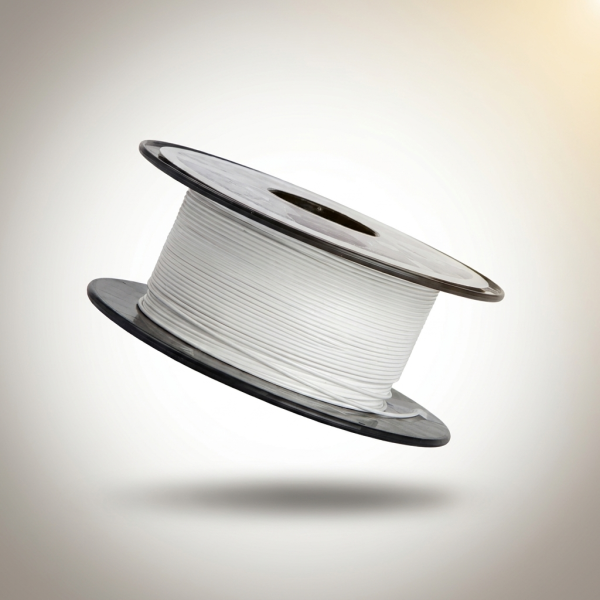
- ✔ Specialty technical ceramic produced on an everyday FFF machine
- ✔ Print → debind → sinter to dense ceramic, no powder system required
- ✔ Genuine Zetamix by Nanoe · 500 g spool · lead time 10–20 business days (depending on order queue)
In stock
· Ships in 1–2 business days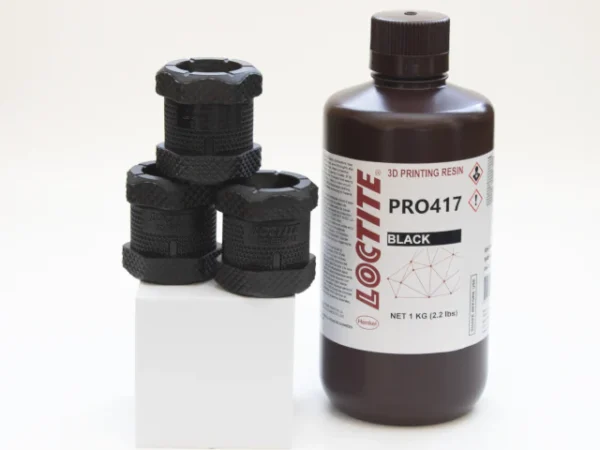
Tough impact-resistant resin for jigs, housings & prototypes. High green strength, works with DLP/LCD.
Availability: confirmed at order. Supplier stock for this line varies — we verify availability and lead time on every order before processing, and offer an equivalent or a full refund if an item cannot be supplied. Cubic Ink equivalents →
Made to order
· Ships in about 2 weeks — final date confirmed after you order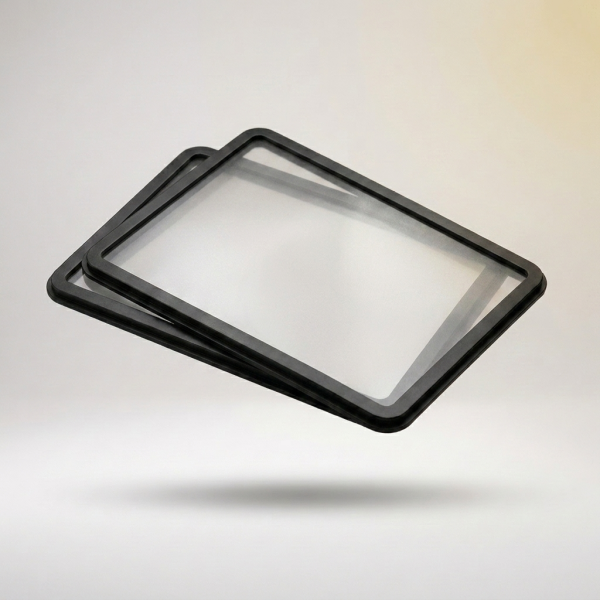
Two genuine Nexa3D Everlast-1 membranes for the XiP Pro — a backup always ready.
- ✔ Each rated 50,000+ layers (~20 L) — up to 25× the life of standard films
- ✔ Lower cost per membrane than singles — genuine Nexa3D OEM
- ✔ Ships fast from our Los Angeles warehouse — lead time 5–15 business days
Never lose a production day to a worn membrane and an empty shelf.
In stock
· 5–15 Business Days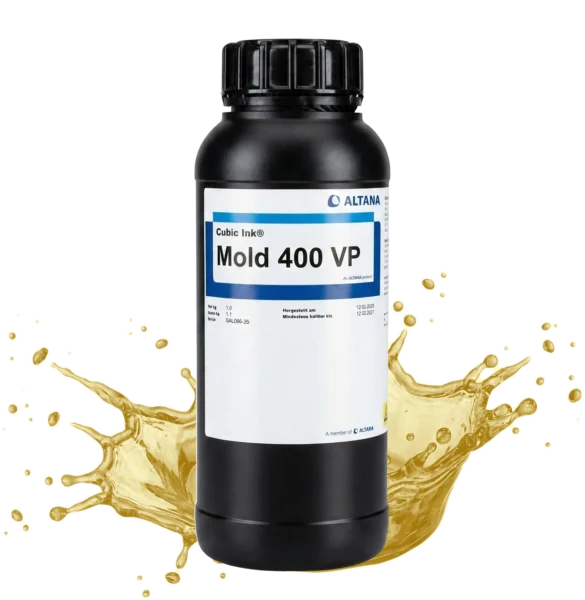
Print a mold, cast your part, dissolve the mold in water. ALTANA Cubic Ink Mold 400 VP is a water-breakable liquid photopolymer resin for Freeform Injection Molding — 3D-print a sacrificial mold on an open DLP/LCD/mSLA printer, cast or inject your production material (even PEEK, PPS or glass-filled), then break the mold away in plain water.
- ✓ Open platform — parameters for Nexa XiP, Formlabs, Asiga, Prusa, Phrozen
- ✓ Water-breakable demolding — no solvent bath
- ✓ Handles real process heat & pressure — up to 380 °C / 1200 bar
Sold in 1 kg and 5 kg bottles · invoiced per kg · in stock.
In stock
· Ships in ~2 business days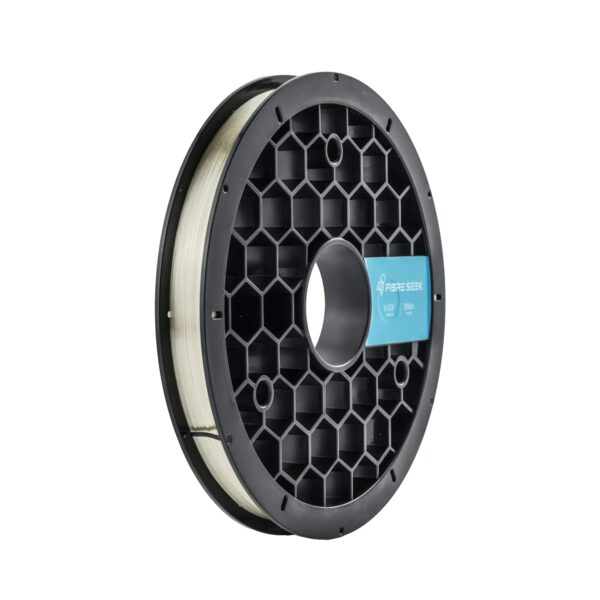
- 1K continuous glass fiber for FibreSeeker 3 co-extrusion
- Up to 714 MPa tensile strength, balanced mechanical performance
- Electrically insulating — for non-conductive structures
In stock
· In stock · ships from the US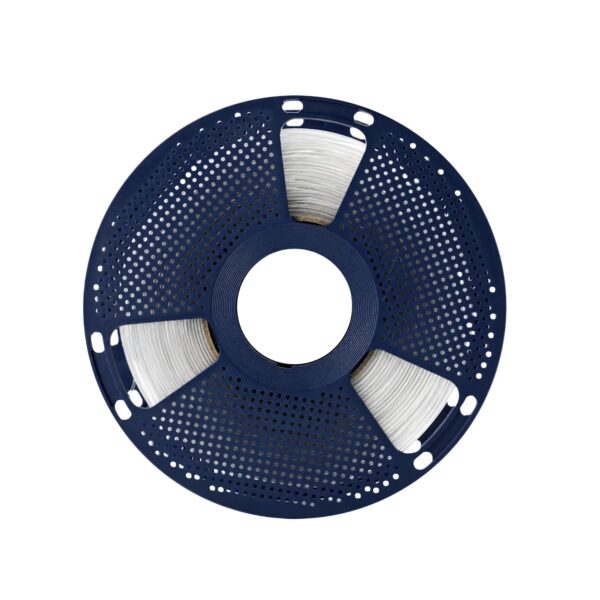
- PLA filament for FibreSeeker 3 — fast prototypes and fiber-reinforced parts
- 1.75 mm, grey
In stock
· In stock · ships from the US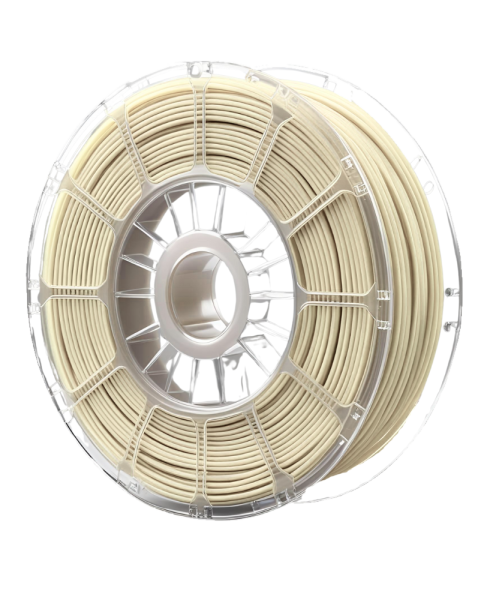
- ✔ 295 MPa average flexural strength, 213 GPa elastic modulus and 3.9 g/cc after solid-state sintering at 1650°C
- ✔ Debind and sinter parameters plus the full datasheet included with every spool
- ✔ 1.75mm ceramic feedstock for the 3DCeram M.A.T. FFF head — mutual NDA before any spec review
In stock
· In stock — ships in 1–2 business days. Custom alloy or ceramic feedstock: 3–4 weeks, configured to order.
- ✓ ESA/ESTEC-verified: 423 MPa flexural strength, 82 W/m-K thermal conductivity
- ✓ Solid-state sintered to 2100°C — dense, chemically inert, no powder bed
- ✓ Qualified for the 3DCeram M.A.T. platform — quote-based pricing, request a quote
In stock
· Contact for lead timeWhat our customers say
“Harry and team were professional, effective communicators as we set up the order, then they executed quickly and produced an amazing product for us at a very competitive price. Am looking forward to our next print w Additive Plus!”
“Great 3D printing service and the resin parts look super smooth and clean. Really happy with how everything turned out!”
“Harry was very professional and helped me out with my 3D printing needs and explained what options I have in terms of filaments such as PEEK. Highly recommended.”
“I needed a 3D enclosure printed urgently in a specific time period, they did great!”
Common questions
Don't see yours? Email [email protected] — NDA on request, typical reply within 4 hours.
Is Caracol PET-G a filament or a pellet material?
Why is PET-G considered easy to print at large format?
Does Caracol PET-G need drying before printing?
Is a food-contact-capable PET-G available?
Which systems is Caracol PET-G qualified for?
What extrusion temperature does PET-G run at?
Can I order a sample before committing to a full order?
Place your order, or talk to an engineer first
Order Caracol PET-G Pellets – Easy-Print Feedstock for Large-Format 3D Printing direct, or talk to materials engineer