
Made to order
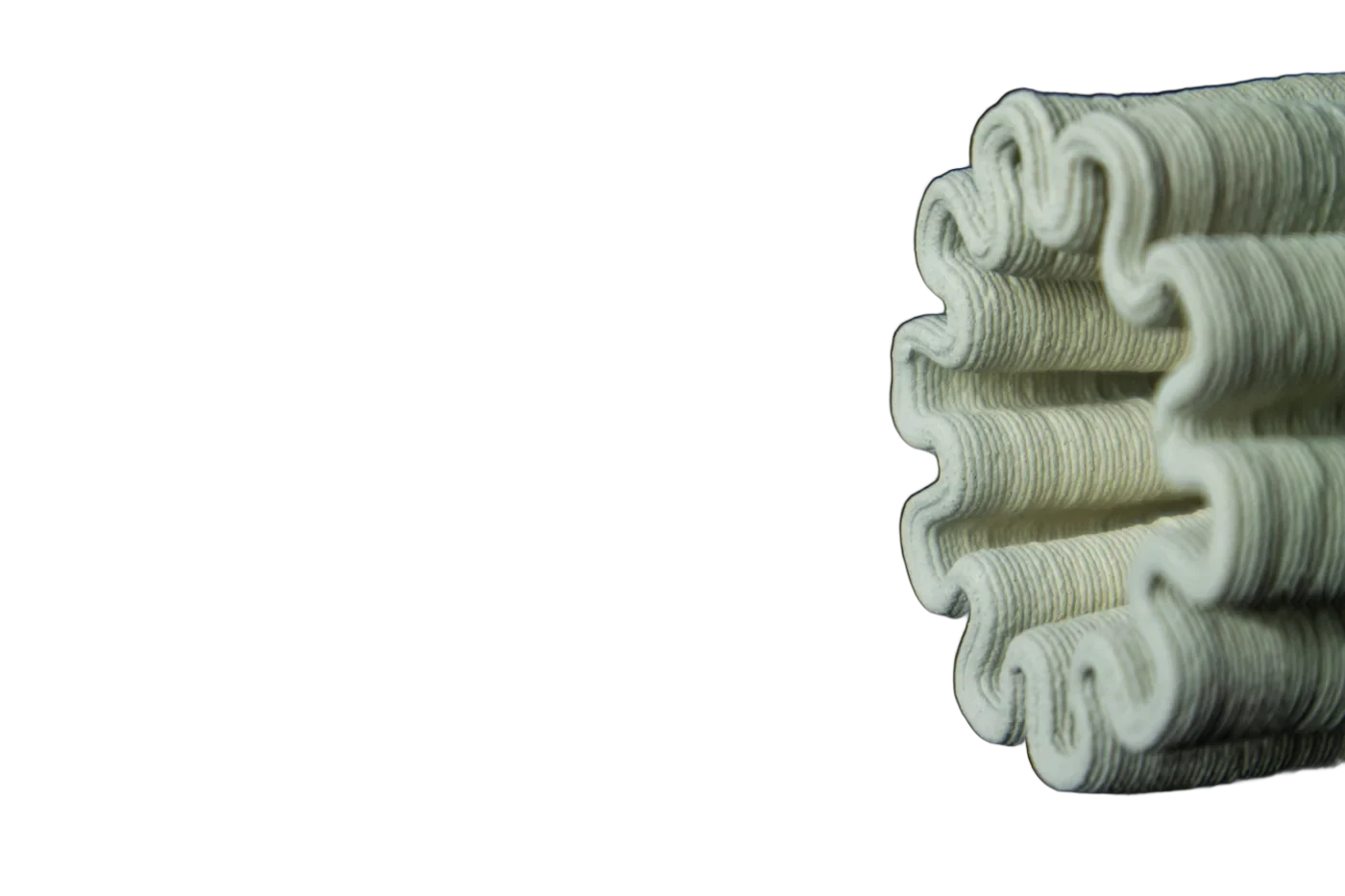
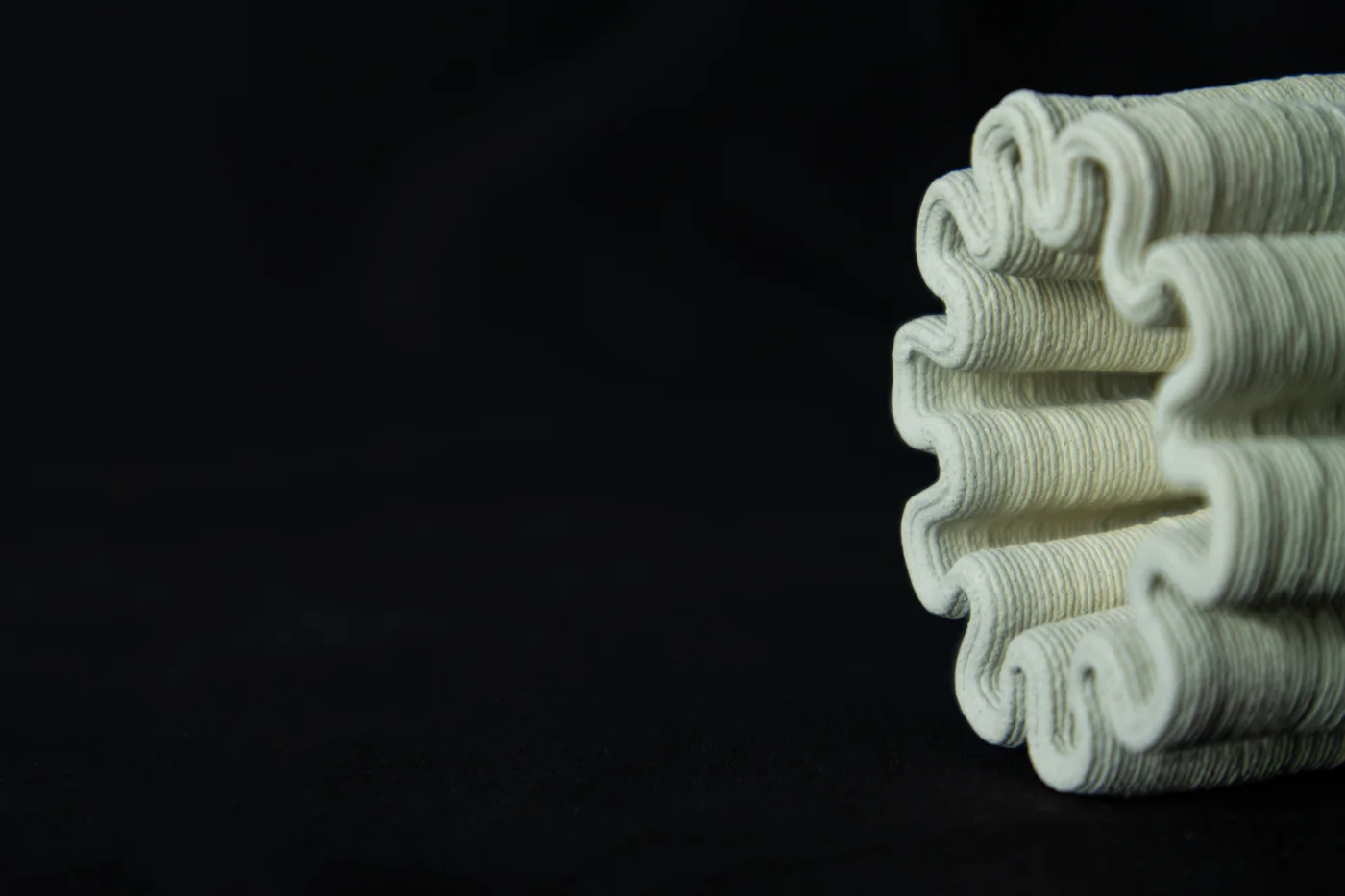
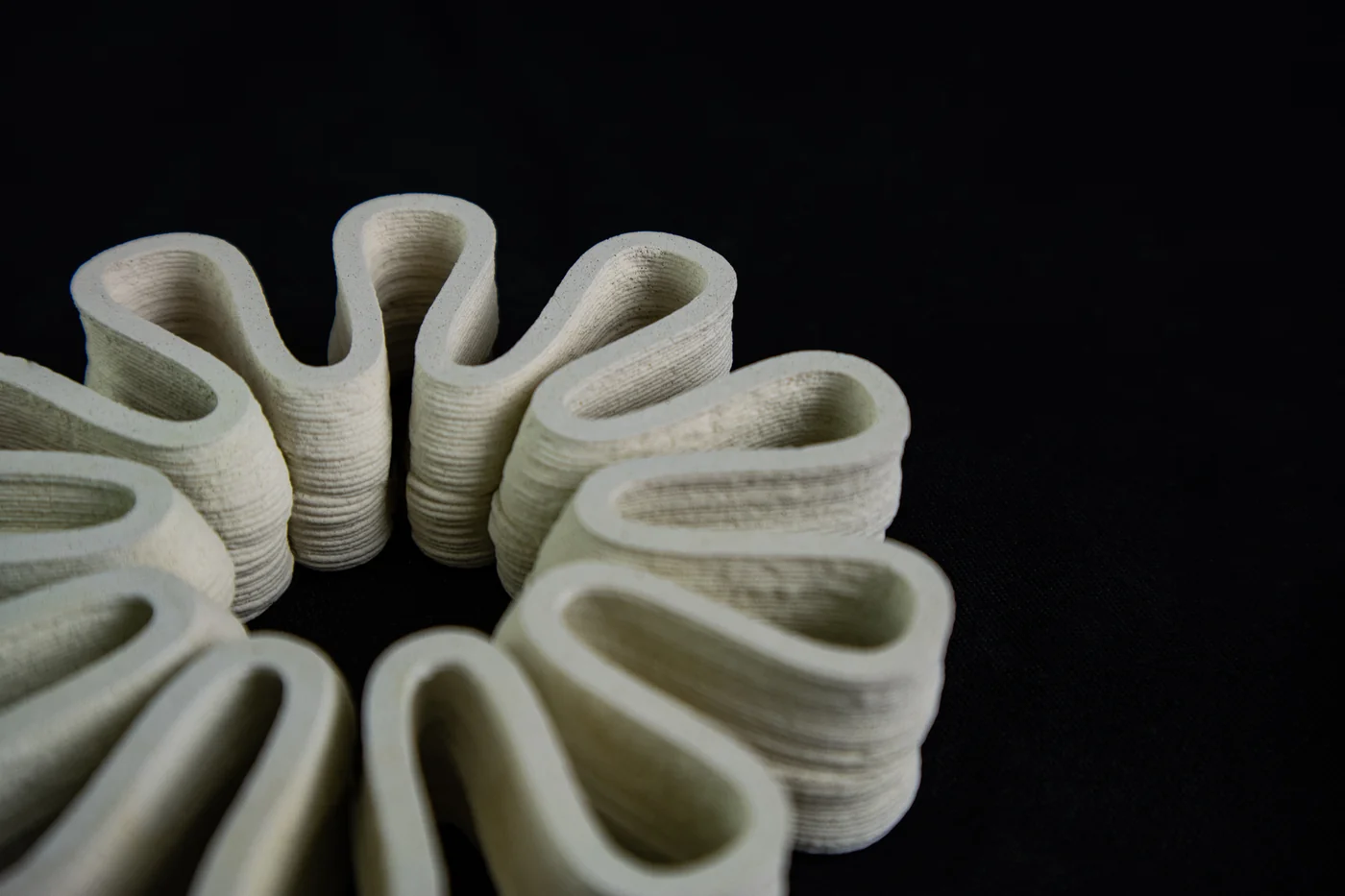
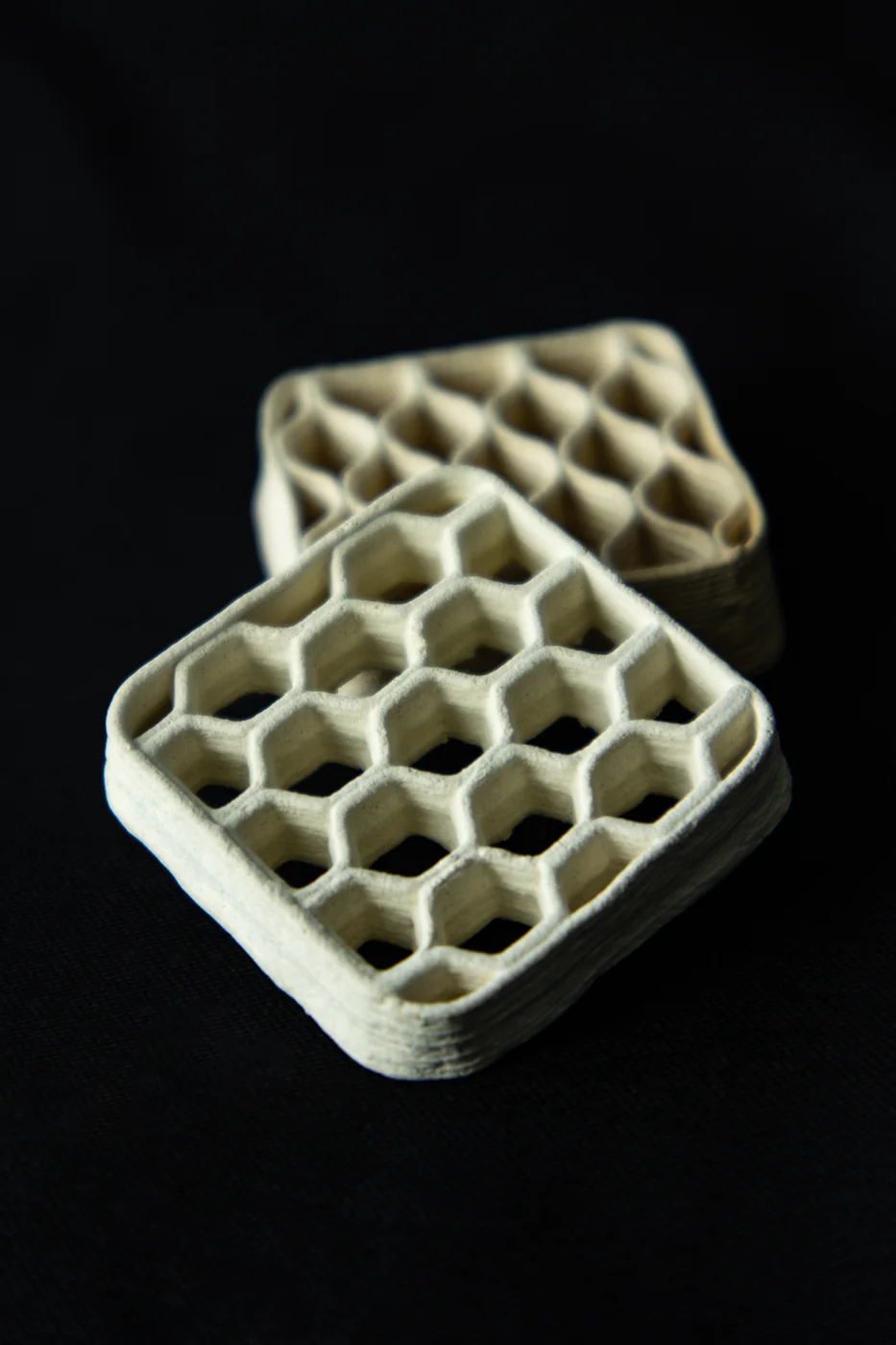
- Technical datasheet handling, printing and firing guidance
- Materials-engineer support chemistry selection and firing schedule
Printing Ceramic Pastes on the Sygnis F-NIS and Sygpast – DIW Guide
Print your own ceramic paste — the Sygnis F-NIS 23151 and Sygpast are open DIW platforms for alumina, zirconia, SiC and other pastes you formulate or buy.
- Al₂O₃, YSZ, ZrO₂, SiC, aluminosilicate, TiO₂ and zeolite pastes
- Pneumatic extrusion up to 4 bar, Luer Lock nozzles 0.10–1.50 mm
- Print seals and insulation straight onto a component
- You source the paste and fire the green parts in your own furnace
What your process engineer actually checks
Printable rheology, real fired properties
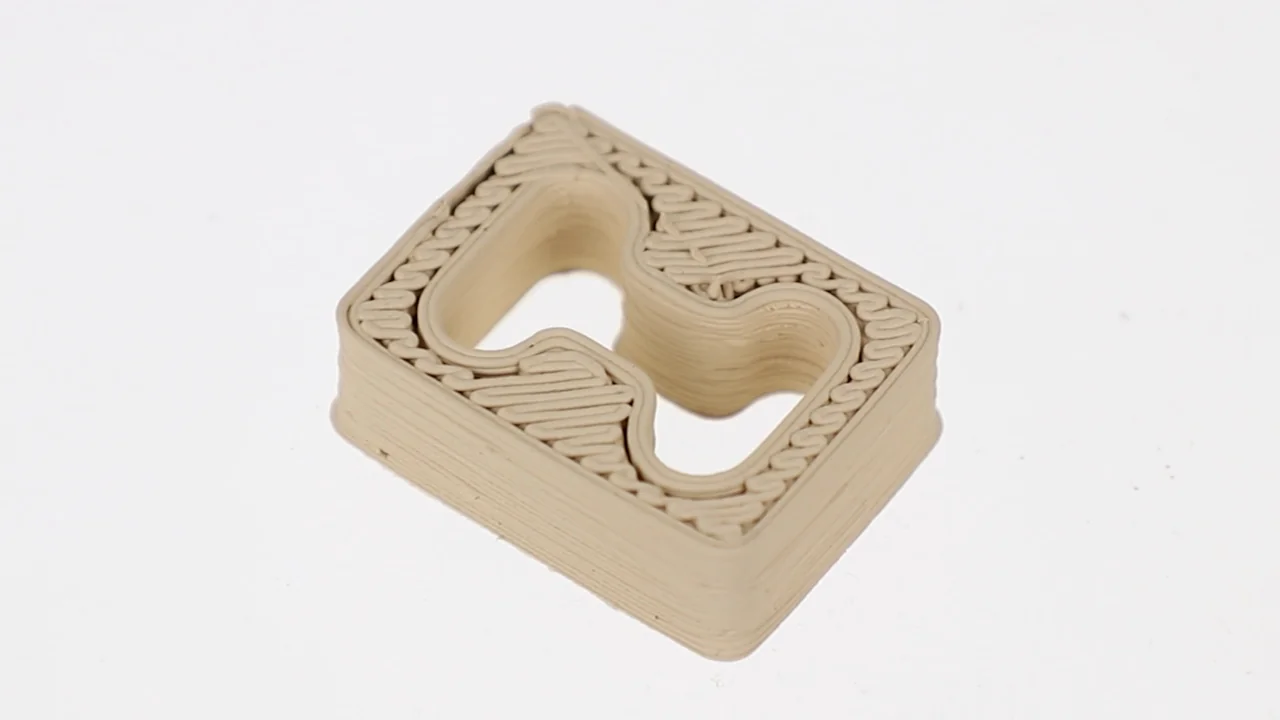
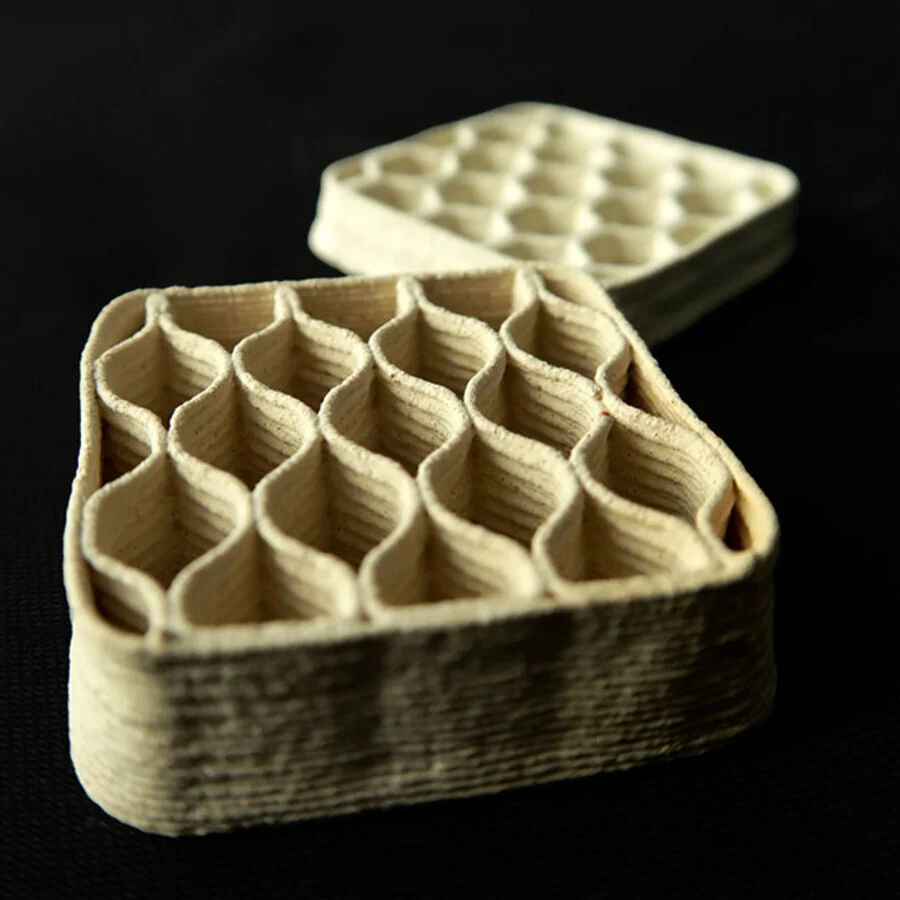
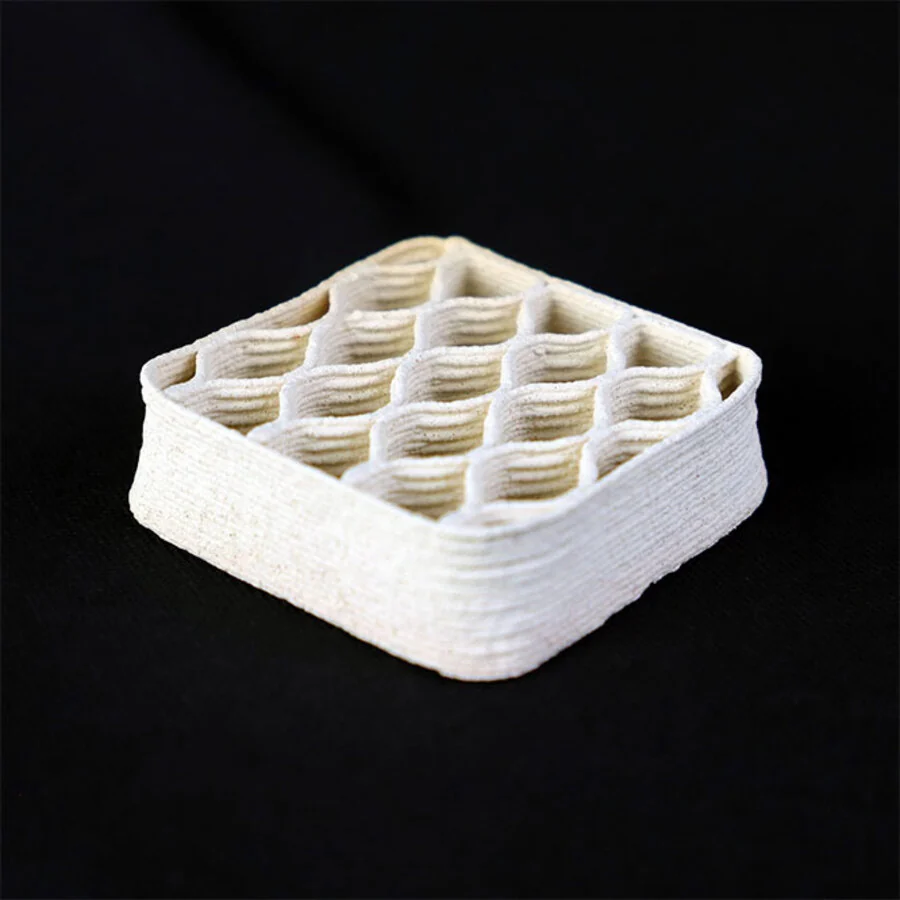
The paste has to extrude cleanly and hold its shape during printing, then deliver the ceramic's real strengths after debind and sinter — heat resistance, mechanical strength, wear and corrosion resistance and electrical insulation. We tune both the rheology and the firing schedule, and account for shrinkage, so the printed part meets spec.
A materials engineer on the line
Chemistry selection, paste tuning and debind/sinter guidance from engineers who run ceramic AM. Trial prints available.
- Ceramic pastes and slurries — alumina, zirconia, YSZ, silicon carbide, aluminosilicate, titania
- Zeolite pastes, listed by Sygnis among F-NIS materials
- Commercial high-temperature ceramic adhesives and putties, printed as seals
- Pastes whose flow depends on temperature — 10 ml cartridge heated to 60 °C (F-NIS C, D, E)
- Two-component pastes — on the Sygpast with its SLE2 head
- Prints the green part; drying, debinding and sintering happen in your own furnace
Which ceramic pastes the Sygnis printers print
The F-NIS 23151 and the Sygpast are Direct Ink Writing (DIW) printers: air pressure pushes the paste from a syringe cartridge through a Luer Lock nozzle, and the paste’s own rheology holds the bead in shape. Sygnis built the F-NIS to print ceramics, silicones and other one-component pastes, and its user manual names functional ceramics and filters as applications. Sygnis lists silicones, ceramic pastes and zeolite pastes as examples of F-NIS materials.
Because the head moves over the platform without touching the part, the paste can also be laid directly onto an existing component. Sygnis’s application examples are high-temperature gaskets and seals printed from commercially available ceramic adhesives and putties onto alumina, stainless steel, graphite and clay, and Sygnis describes the HydroGEN project, in which it printed insulation for solid-oxide electrochemical cells. The printer delivers the shaped green part; the fired properties come from your paste and your firing schedule.
Ceramic classes in the Sygnis materials list
| Ceramic | Why it is chosen |
| Alumina (Al₂O₃) | high thermal conductivity, electrical insulation, wear and corrosion resistance |
| Yttria-stabilized zirconia (YSZ) | thermal and chemical stability for high-temperature use |
| Silicon carbide (SiC) | very hard, wear-resistant, high thermal conductivity, chemical resistance |
| Zirconia (ZrO₂) | high fracture toughness — structural parts |
| Aluminosilicate (Al₂O₃–SiO₂) | high-temperature stability and thermal shock resistance — refractory use |
| Titania (TiO₂) | high refractive index and dielectric properties — optical and electronic use |
The Sygnis materials overview is in the Downloads tab above, and a short video of ceramic printing is in the Video tab.
Process parameters from the Sygnis documents
| Pressure | up to 4 bar (400 kPa); calibration starts at 0.100 MPa |
| Material flow | 0.5–1.5 ml/min |
| Nozzles | Luer Lock, 0.10–1.50 mm; calibration files use 0.41 mm |
| Resolution | Z 0.1 mm · XY 0.2 mm |
| Cartridges | 30 / 55 ml; 10 ml heated to 60 °C on C, D, E |
| Platform | tempered glass to 120 °C (A, B, C, E); cooled −15 °C to ambient (D) |
| UV | 365 / 405 nm for pastes with a photocurable binder (B and up) |
| Work field | F-NIS 230 × 150 × 150 mm · Sygpast 250 × 250 × 250 mm |
For multi-phase pastes and pastes with solid particles, Sygnis offers Teflon-lined dispensing tips, whose lining is designed to prevent clogging; stainless steel tips suit finer, lower-viscosity work.
Getting a new paste to print
Where the printer stops — and what you bring
The printer does not come with ceramic paste. You source or formulate it, and its firing schedule, shrinkage and fired properties are the paste supplier’s or your own, not Sygnis’s or ours. The F-NIS prints the green part only: drying, debinding and sintering need your own furnace, and the part shrinks when it is fired. The F-NIS prints one-component pastes up to 4 bar; very stiff pastes may need more, and Sygnis has built higher-pressure versions (6, 8 or 10 bar) as custom modifications, quoted case by case. For two-component systems or parts that need supports during printing, take the Sygpast. For silicones see printing silicones on the F-NIS and Sygpast.
Which printer to choose
In pictures
Why buy the printer through Additive Plus
What usually stops people — and the honest answer
Ready when you are
| Brand | Sygnis |
| Printing Materials | Ceramic Pastes |
| Technology | DIW |
| Material | Alumina (Al2O3), Titania (TiO2), Silicon Carbide (SiC), Zirconia (ZrO2) |
| Application | Composite Tooling, Engineering, Jigs & Fixtures, Manufacturing |
Product videos
Complete the workflow
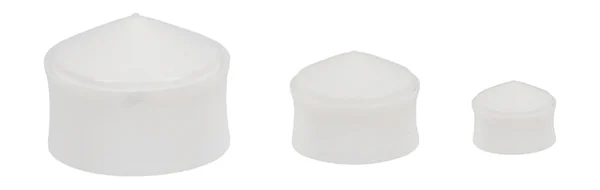
General-purpose pistons for Sygnis F-NIS syringe barrels: the tapered face spreads the air pressure evenly and the wiper keeps the barrel wall clean.
- Pack of 20 · $55 (10 ml) or $65 (30/55 ml)
- Sizes 10 ml or 30/55 ml — one piston covers 30 and 55 ml
- Fits every F-NIS 23151 version, A to E
- Ships in 2–3 weeks
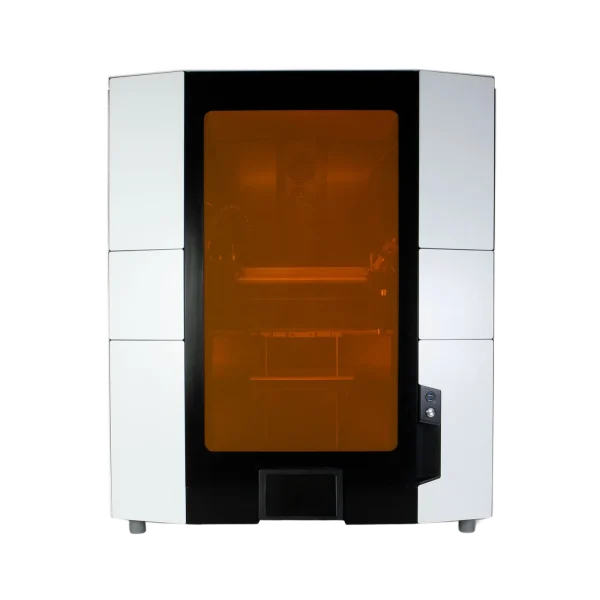
A hybrid Direct Ink Writing printer that prints one- and two-component pastes with thermoplastic supports and cures them with UV and IR during the print — for R&D and production of soft and functional parts.
- 250 × 250 × 250 mm build · platform heated to 120 °C
- SLE1 / SLE2 paste heads + FFF support head to 280 °C
- UV 365 / 405 nm and IR curing · profilometer and IR camera
- Built on demand, 12–14 weeks · remote commissioning and training · 12-month warranty
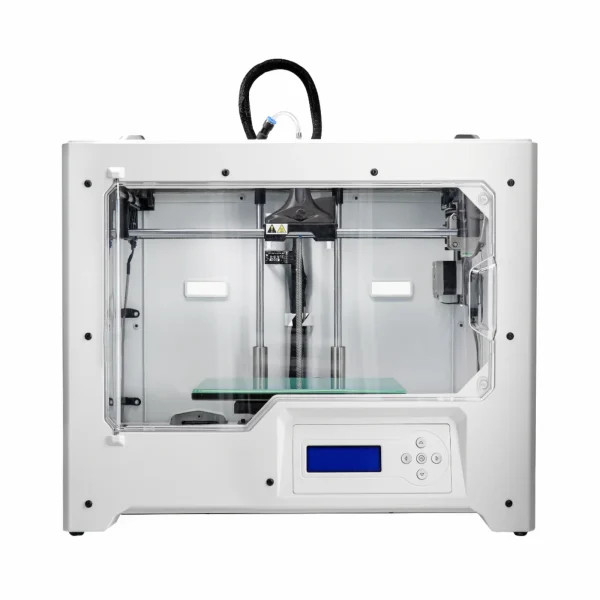
A desktop silicone and paste 3D printer (Direct Ink Writing) for your own materials — silicones, ceramic and conductive pastes, UV-curing gels — in eight configurations from $11,210.
- 230 × 150 × 150 mm closed chamber · pneumatic extrusion up to 4 bar
- Versions A–E: add UV 365/405 nm, a 60 °C heated head, a −15 °C cooled platform or a second head
- Open platform — no material lock; works with Cura, PrusaSlicer, Simplify3D
- Ships in 2–3 weeks · remote commissioning and training · 12-month warranty
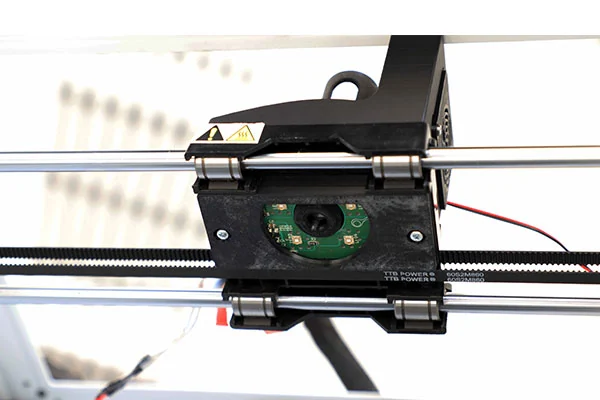
Print temperature-sensitive pastes on your Sygnis F-NIS 23151: the Heat Module warms a 10 ml cartridge to 60 °C and turns a Version B into a Version C.
- Heated 10 ml cartridge head, up to 60 °C
- Upgrades F-NIS Version B to Version C — self-installed
- 12-month Sygnis warranty · online setup support
- Ships in 2–3 weeks
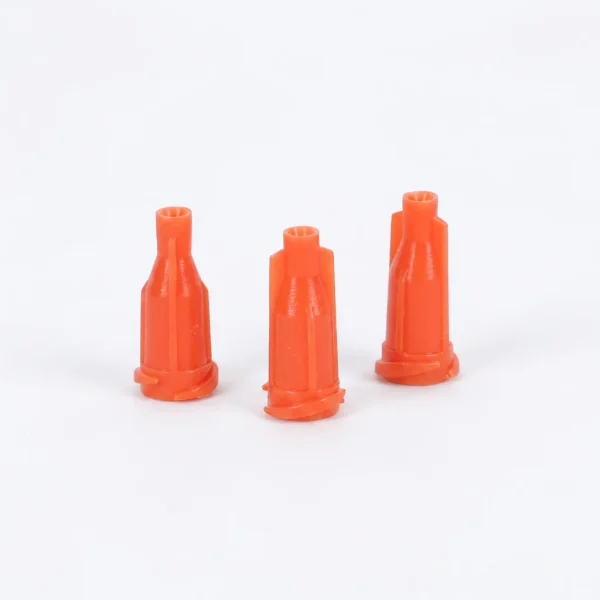
Airtight end caps for Sygnis F-NIS syringe barrels — seal filled or pre-filled barrels for storage and transport.
- Pack of 10 · $25
- Sizes 10 ml or 30/55 ml
- Fits every F-NIS 23151 version, A to E
- Ships in 2–3 weeks
More from the Sygnis line
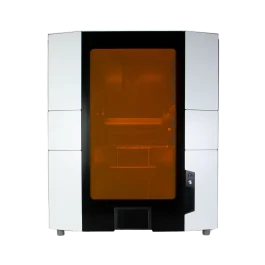
A hybrid Direct Ink Writing printer that prints one- and two-component pastes with thermoplastic supports and cures them with UV and IR during the print — for R&D…
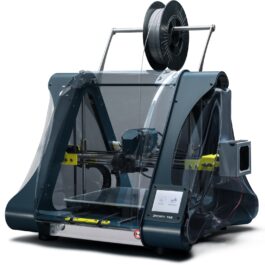
One desktop machine for 3D printing, two-material printing, CNC milling and paste extrusion — four toolheads, swapped in about a minute.Single and Dual FFF printing, 235 × 250…
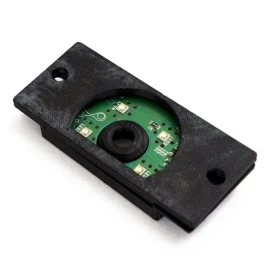
Add UV curing to your Sygnis F-NIS 23151: the UV Module with 365 nm and 405 nm diodes turns a Version A into a Version B, fitted by…
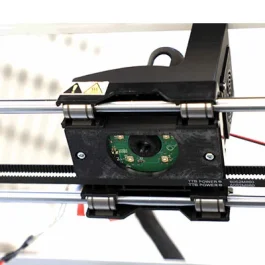
Print temperature-sensitive pastes on your Sygnis F-NIS 23151: the Heat Module warms a 10 ml cartridge to 60 °C and turns a Version B into a Version C.Heated…
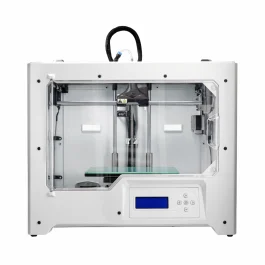
Turn the F-NIS 23151 already in your lab into Version D: a cooled build platform from −15 °C to ambient.Cooled platform, −15 °C to ambientVersion D also carries…
Turn the F-NIS 23151 already in your lab into Version E: a second printhead, so two materials print in one job.Two pneumatic heads, independent pressure for each cartridgeIndependent…
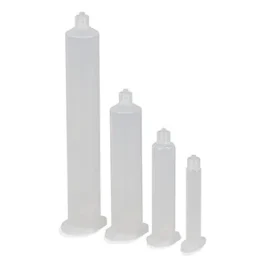
Transparent luer-lock syringe barrels for the Sygnis F-NIS 23151 silicone & paste 3D printer — the material cartridges you fill, lock in the printhead and print from. Pack…
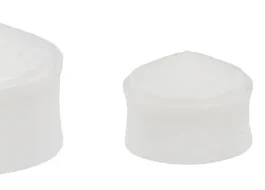
General-purpose pistons for Sygnis F-NIS syringe barrels: the tapered face spreads the air pressure evenly and the wiper keeps the barrel wall clean.Pack of 20 · $55 (10…
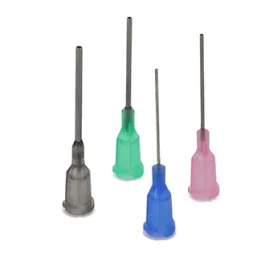
Electropolished stainless dispensing tips for the Sygnis F-NIS 23151 — six color-coded diameters from 0.20 to 1.50 mm, luer-lock, free of silicones and chlorides.Pack of 20 of one…
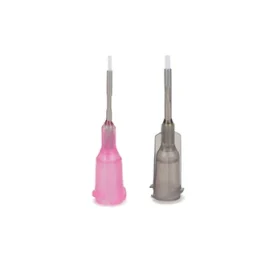
Teflon-lined 0.25 mm dispensing tips for the Sygnis F-NIS 23151 — the PTFE lining resists clogging with filled and multi-phase pastes.Pack of 20 · $1200.25 mm bore, PTFE-lined…
What our customers say
“Harry and team were professional, effective communicators as we set up the order, then they executed quickly and produced an amazing product for us at a very competitive price. Am looking forward to our next print w Additive Plus!”
“Great 3D printing service and the resin parts look super smooth and clean. Really happy with how everything turned out!”
“Harry was very professional and helped me out with my 3D printing needs and explained what options I have in terms of filaments such as PEEK. Highly recommended.”
“I needed a 3D enclosure printed urgently in a specific time period, they did great!”
Common questions
Don't see yours? Email [email protected] — NDA on request, typical reply within 4 hours.
Do you sell ceramic paste for the Sygnis printers?
Which ceramic pastes can the F-NIS print?
What is Direct Ink Writing for ceramics?
Does the printer sinter the parts?
Can I print a ceramic seal directly onto a component?
Which F-NIS version do I need for ceramic paste?
Which nozzles work with ceramic pastes?
How do I find print settings for a new paste?
What if my paste is too stiff for 4 bar?
When should I choose the Sygpast instead?
What does an F-NIS cost and how fast does it arrive?
Can you run a trial print of our paste?
Place your order, or talk to an engineer first
Order Printing Ceramic Pastes on the Sygnis F-NIS and Sygpast – DIW Guide direct, or talk to materials engineer