
Made to order
- Install, operator training, and validated print profiles
- Tailored warranty with same-week dispatch on critical issues
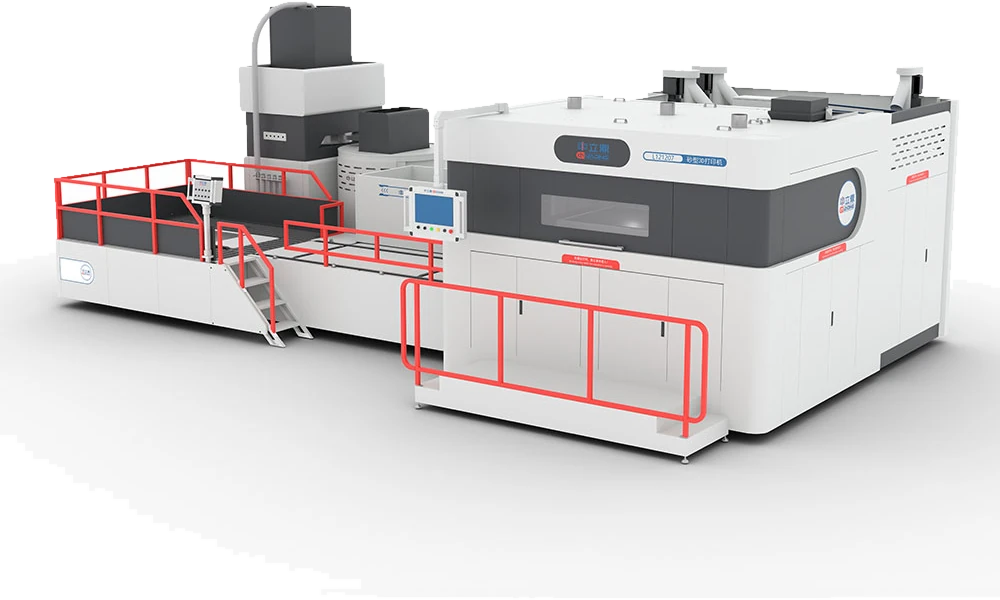
CH Leading L251510 Sand Binder-Jetting 3D Printer – Foundry Molds & Cores | 2500×1500×1000 mm
- ✔ 2.5×1.5×1.0 m build box — the largest in the line, full molds and cores in one piece
- ✔ Plus: 312–519 L/h at ~13 s/layer · High-Speed: 213–355 L/h — CAD to sand mold in a day
- ✔ Nitrogen-free furan or inorganic binder; onboard AC, sand recovery & mixer
- ✔ Lead time: configured to order — request a quote for delivery & installation
What your foundry engineer actually checks
From CAD to mold in a day
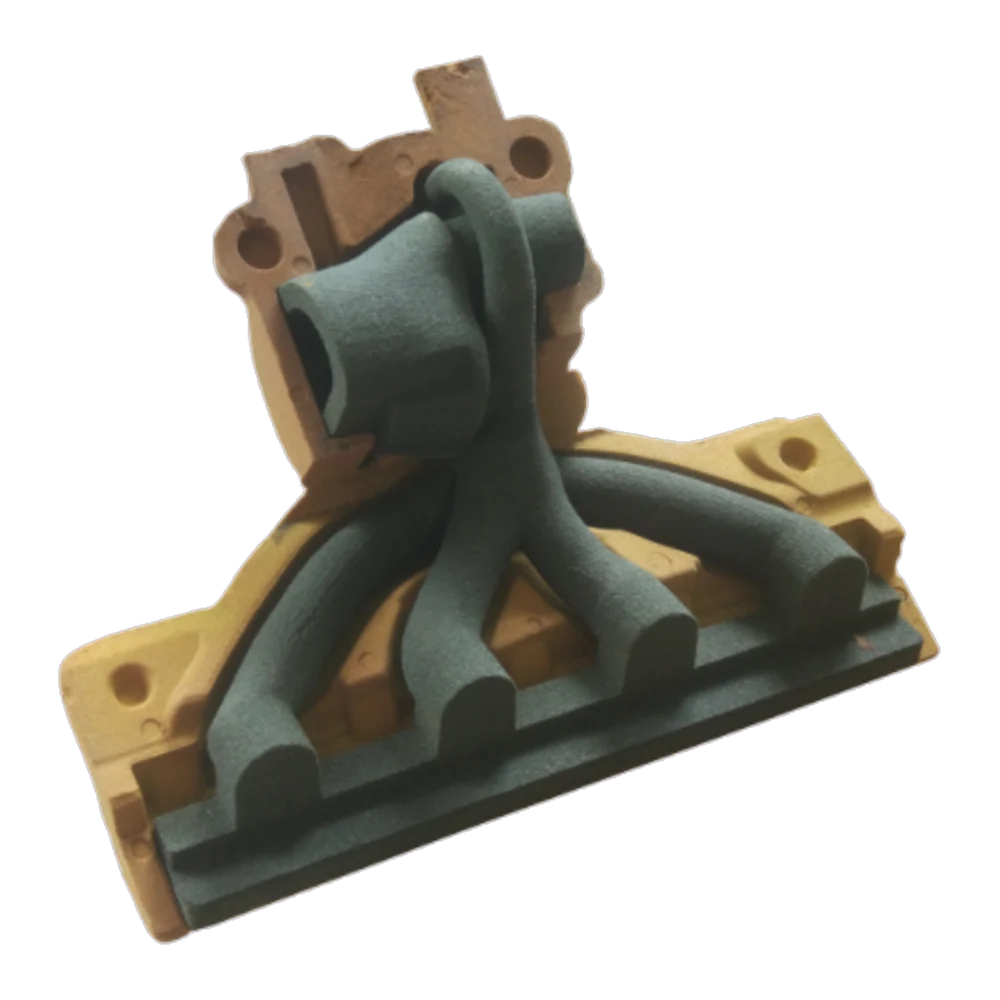
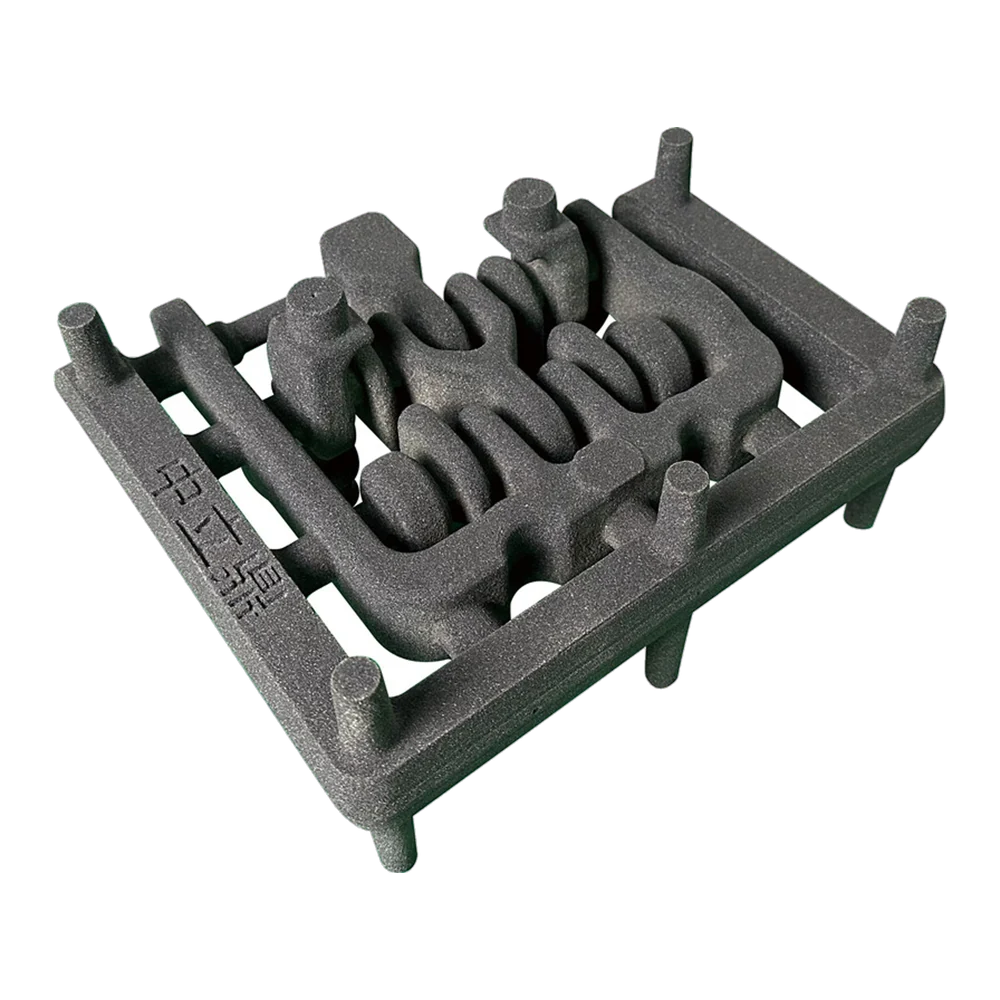
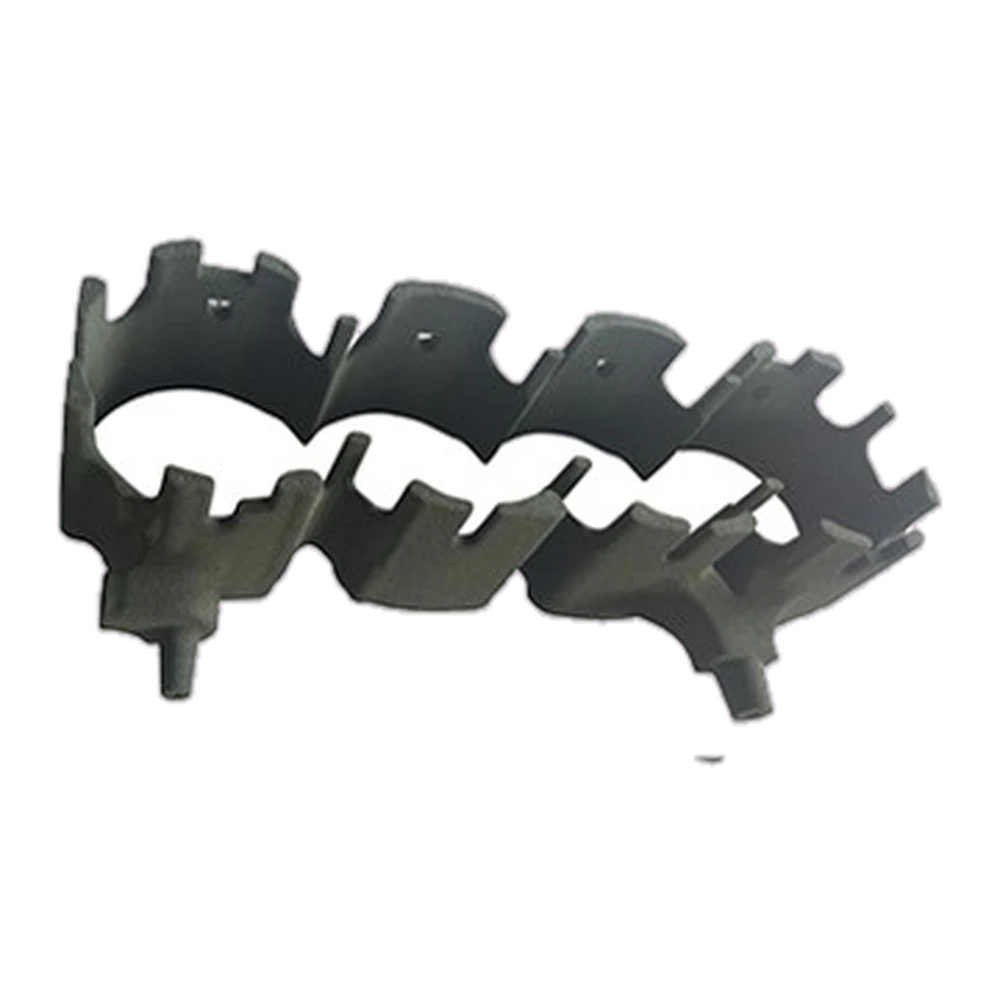
Binder jetting prints the mold and cores directly — no pattern, no corebox, no machining. At up to 519 L/h a 2.5×1.5×1.0 m box fills in hours, so complex castings iterate in days, not weeks.
An applications engineer on the line
Not a remote ticket queue. Our engineers help match sand and binder to your alloy, choose High-Speed or Plus, and dial in mold parameters — sub-4h reply, NDA on request.
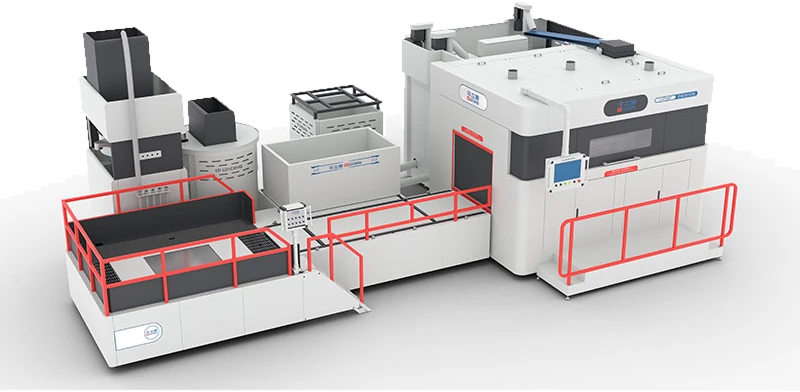
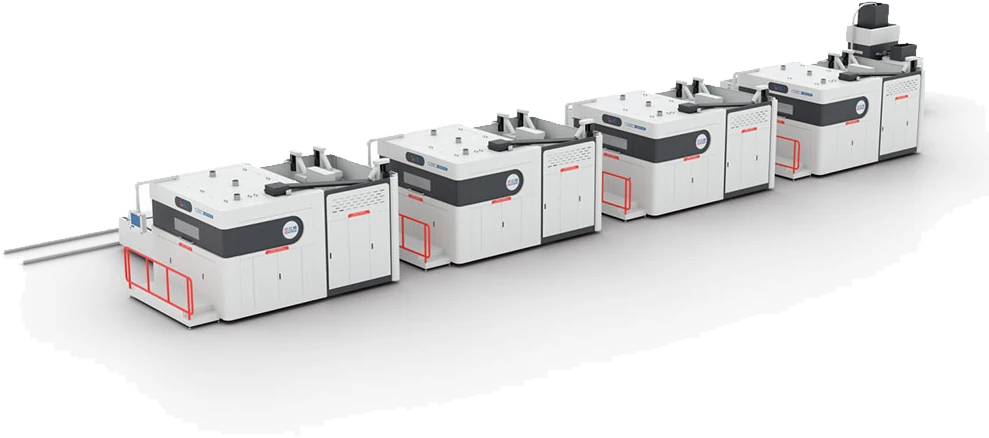
The CH Leading L251510 is the largest sand 3D printer in the line — it binder-jets full-size casting molds and cores straight from CAD in a 98.4×59.1×39.4 in / 2500×1500×1000 mm forming box, at up to 519 L/h, with no patterns and no tooling. Choose the High-Speed single machine or the Plus configuration with AGV build-box transfer, automatic sand cleaning and a digital-factory production line.
Why foundries choose the L251510
Binder jetting turns CAD into casting molds and cores — no pattern, no corebox, no machining.
2.5×1.5×1.0 m build box
A 98.4×59.1×39.4 in / 2500×1500×1000 mm forming box prints the largest molds and cores in the line in one piece — engine blocks, large pump and valve bodies, castings the CNC route can’t reach.
Up to 519 L/h build rate
The Plus prints 312–519 L/h at about 13 s per layer; the High-Speed 213–355 L/h. A full box finishes in hours, not the days a machined mold or pattern shop needs — CAD to sand in a day.
Nitrogen-free furan or inorganic binder
A self-developed nitrogen-free furan binder (low-corrosion, low-odor) or an inorganic binder, jetted onto silica, ceramic, cerabeads or CB sand — matched to your alloy and casting.
Built for the foundry floor
Built-in air-conditioning removes the need for a climate room, with all-direction uncured-sand recovery and an onboard high-capacity mixer — a self-contained line, not a lab tool.
How Additive Plus delivers it
Sized to your castings, installed and supported for production foundry use.
Match sand & binder
We confirm the sand type, binder chemistry and layer settings for your alloys and casting spec, and the right configuration — High-Speed or Plus.
Install & commission
Engineers install the printer, set up sand handling, recovery and (on Plus) the AGV line, and train your team on the print-to-mold workflow.
Qualify & support
We help dial in mold parameters for your castings and stay on the line for production support — sub-4h reply, NDA on request.
High-Speed vs Plus
Both configurations share the 2500×1500×1000 mm forming box, print heads and open sand/binder system. The Plus adds automation and speed for higher-volume foundry production.
| Configuration | High-Speed | Plus |
|---|---|---|
| Layer time | 18–19 s / layer | ~13 s / layer |
| Build rate | 213–355 L/h | 312–519 L/h |
| Sand handling | Onboard AC, all-direction recovery, high-capacity mixer | Adds AGV build-box transfer & automatic sand cleaning |
| Automation | Linear-motor motion, recipe-based parameters | Adds digital factory: mobile-app monitoring, remote maintenance, production-line ready |
Materials & Binders
Open sand and binder system, matched to the metal you pour and the surface finish you need.
- Sand: silica (quartz), ceramic, cerabeads (pearl), CB sand
- Binder: self-developed nitrogen-free furan (low-corrosion, low-odor) or inorganic binder
- Castings: aluminum, iron and steel alloys — molds and cores for sand casting
System & Process Specifications
- Forming box: 98.4×59.1×39.4 in / 2500×1500×1000 mm
- Layer thickness: 0.2–0.6 mm adjustable
- Build rate: 213–519 L/h by configuration; ~13–19 s / layer
- Print resolution: 300×400 / 400×400 DPI adjustable
- Sand-mold accuracy: ±0.3 mm (0.012 in)
- Onboard: air-conditioning, all-direction sand recovery, high-capacity mixer; mobile-app monitoring & AGV line on Plus
- Motion: linear-motor drive · See the full Specifications tab below.
Where the L251510 runs
Foundry molds and cores for complex, low-to-medium-batch castings.
Need a smaller box, or to print the metal directly?
Compare the other sizes in the CH Leading line, or a direct-metal route.
Wide formatCH Leading L121207View printer →
Direct metalFarsoon FS721MCompare route →
Why Source the L251510 Through Additive Plus
- Application engineering for the print-to-casting workflow, not just the machine
- Sand, binder and configuration matched to your alloys and castings
- Install, sand-handling setup and operator training included
- Leasing and financing available for capital equipment
- <24h response · 200+ AM systems delivered across 23 countries
| Brand | CH Leading |
| Technology | Sand Binder Jetting |
| Build Volume | 98.4×59.1×39.4 in / 2500×1500×1000 mm |
| Layer thickness | 0.2–0.6 mm adjustable |
| Material | CB sand, Cerabeads (pearl) sand, Ceramic sand, Silica (quartz) sand |
We build our own. Custom configs on request.
Need a specific laser setup, build plate size, or an integrated powder/post-processing workflow? We configure AO Metal systems and bundle OEM equipment to match your application. Demo before you commit.
Other products teams run alongside CH Leading L251510 Sand Binder-Jetting 3D Printer – Foundry Molds & Cores | 2500×1500×1000 mm
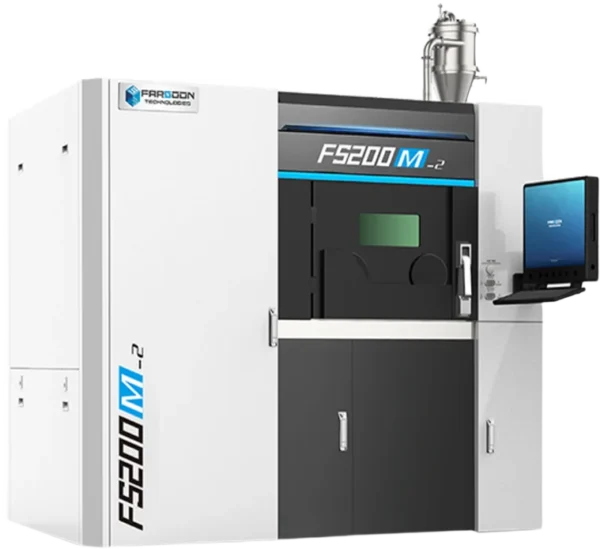
The Farsoon FS200M-2 is a metal LPBF 3D printer with a 16.7×9.1×11.8 in / 425×230×300 mm build envelope, running two 500 W fiber lasers.
- ✓ 2×500 W — dual fiber lasers
- ✓ 16.7×9.1×11.8 in / 425×230×300 mm build envelope
- ✓ Open platform — full access to process parameters, qualify your own alloy
- ✓ Lead time: built to order — confirmed at quote
Installation and commissioning in the USA: facility and gas planning, start-up and operator training by our US service team.
Made to order
· Built to order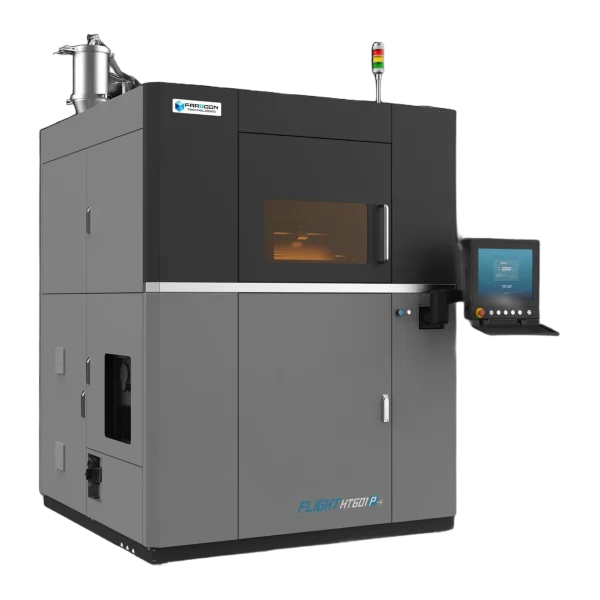
The Farsoon Flight HT601P-4 is a large-format quad-fiber SLS 3D printer — a 600 × 600 × 600 mm cubic build, four 300 W fiber lasers (1,200 W total) scanning to 20 m/s, and a 220 °C chamber for engineering polymers.
- ✓ Cubic 600 mm build · quad 300 W fiber lasers for speed and detail
- ✓ Efficiency and Quality scan modes · adjustable laser spot size
- ✓ Lead time: configured to order — US install, training and support
Made to order
· Lead time: configured to order — request a build slot. US installation and operator training included.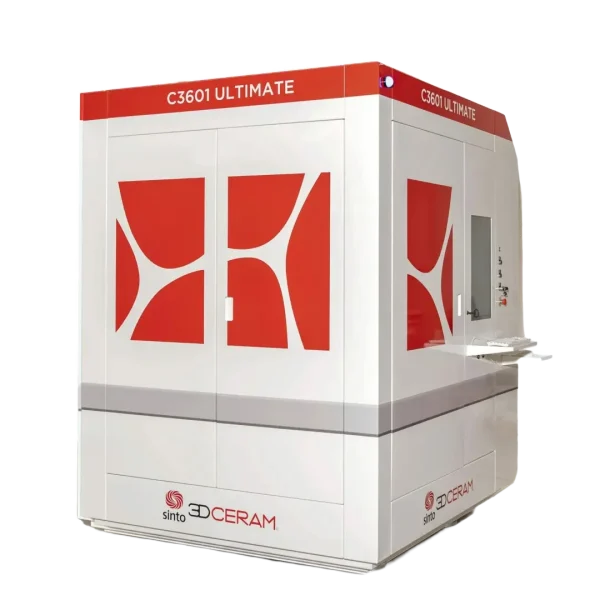
Quad-laser SLA ceramic 3D printer for serial production — a 600×600×300 mm build envelope, four 405 nm UV lasers, and an open architecture that runs any qualified ceramic paste.
- ✓ Largest plate in the 3DCeram line — 600×600×300 mm (23.6×23.6×11.8 in)
- ✓ Support-free top-down SLA · surface roughness under 2 µm
- ✓ Lead time: configured to order — full print → debind → sinter workflow supported
Made to order
· Built to order — contact us for the current lead time and installation schedule.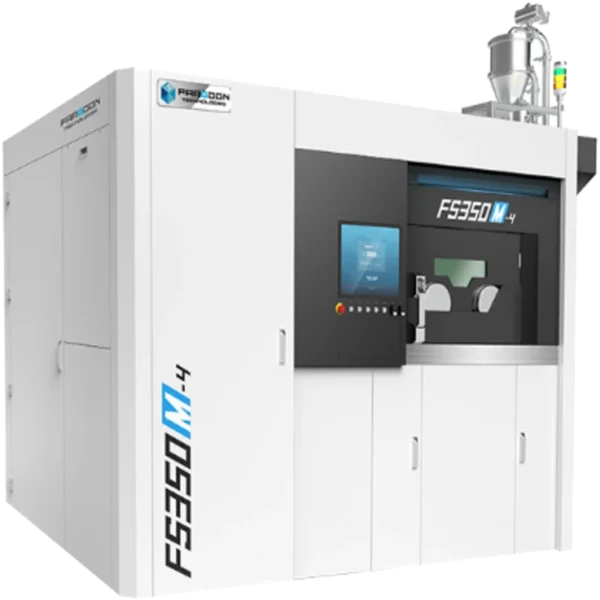
The Farsoon FS350M is a multi-laser LPBF metal 3D printer for medium- to high-volume series production, supplied in 4×500 W, 4×1000 W or 6×500 W laser configurations on the same 17.1×14.1×15.7 in / 433×358×400 mm build cylinder.
- ✓ Three laser configurations — we supply and support all three
- ✓ 17.1×14.1×15.7 in / 433×358×400 mm build on a 65 sq ft / 6 m² class footprint
- ✓ Open platform — full access to process parameters, qualify your own alloy
- ✓ Lead time: built to order — confirmed at quote
Installation and commissioning in the USA: facility and gas planning, start-up and operator training by our US service team.
Made to order
· Built to order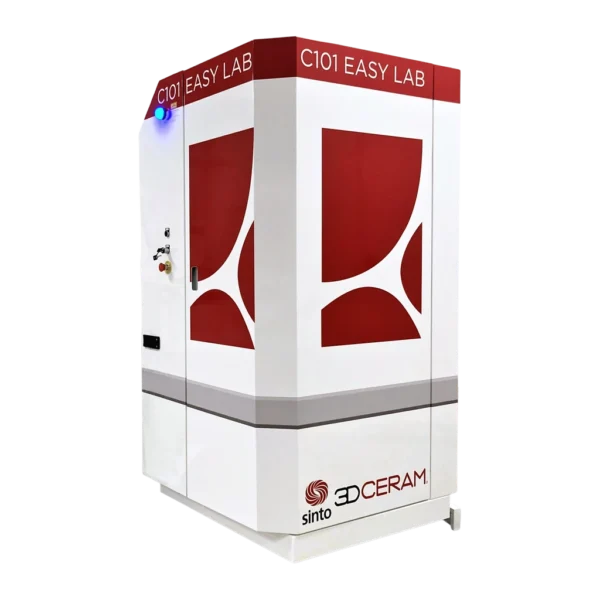
Compact open-parameter ceramic SLA printer for research and material development — a 3.9×3.9×5.9 in / 100×100×150 mm build that starts a print from as little as 60 mL of ceramic. Develop your own process, then scale the same technology to 3DCeram production systems. Full print → debind → sinter workflow supported by Additive Plus.
- Open parameters — qualify new ceramics & formulations, not just vendor recipes.
- Print from 60 mL — 10 mL with SAM option · change ceramic in ~20 min.
- Lead time: configured to order — install, training & scale-up support from California.
Made to order
· Lead time: configured to order — request a build slot. Installation, training and process support included from California.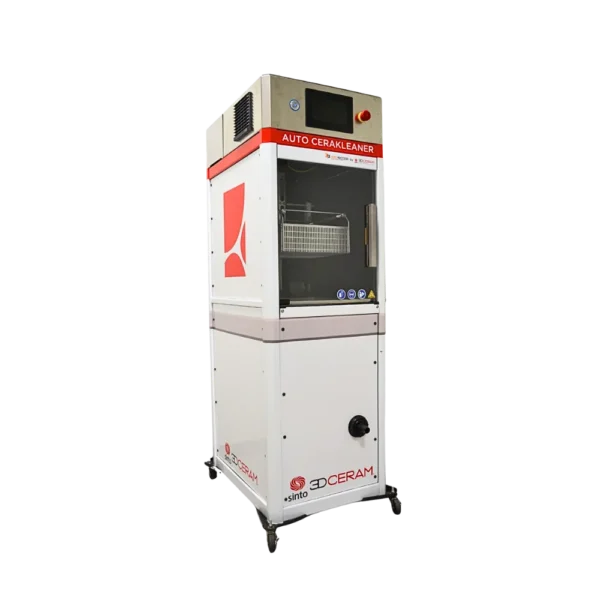
Automated cleaning system that removes excess ceramic paste from freshly printed green parts, leaving them ready to debind — replacing slow, hands-on solvent cleaning in the ceramic AM workflow.
- ✓ Gentle, low-mechanical-stress cleaning of fragile green parts
- ✓ Batch time cut dramatically vs manual (e.g. 60 min → 5 min on 70 alumina parts)
- ✓ Solvent longevity + recycling · no manual solvent contact
In stock
· Lead time, utilities and installation confirmed at quote — configured to order. Install and training included.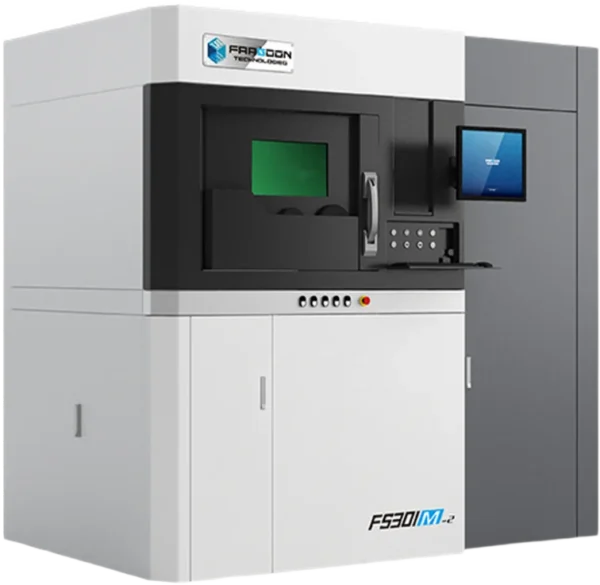
The Farsoon FS301M is a metal LPBF 3D printer with a 12.0×12.0×16.1 in / 305×305×410 mm build envelope, running one or two 500 W lasers, each covering the full build area.
- ✓ 12.0×12.0×16.1 in — build cylinder
- ✓ 12.0×12.0×16.1 in / 305×305×410 mm build envelope
- ✓ Open platform — full access to process parameters, qualify your own alloy
- ✓ Lead time: built to order — confirmed at quote
Installation and commissioning in the USA: facility and gas planning, start-up and operator training by our US service team.
Made to order
· Built to order
The InssTek MX-Fab is an all-in-one 5-axis DED metal 3D printer with a 31×39×28 in / 800×1000×700 mm work envelope — a 1,000 W (up to 2,000 W) ytterbium fiber laser, DMT closed-loop melt-pool control, and up to six powder feeders for multi-material and functionally graded parts.
- ✔ 5-axis DED with real-time DMT melt-pool feedback — dense, near-net-shape metal
- ✔ 30+ qualified alloys: Ti, Ni superalloys, stainless & tool steel, CoCr, Cu — multi-material in one build
- ✔ Fabrication, cladding, and repair on one platform
- ✔ Lead time: configured to order — request a quote for delivery & installation
Made to order
· Quote on requestWhat our customers say
“Harry and team were professional, effective communicators as we set up the order, then they executed quickly and produced an amazing product for us at a very competitive price. Am looking forward to our next print w Additive Plus!”
“Great 3D printing service and the resin parts look super smooth and clean. Really happy with how everything turned out!”
“Harry was very professional and helped me out with my 3D printing needs and explained what options I have in terms of filaments such as PEEK. Highly recommended.”
“I needed a 3D enclosure printed urgently in a specific time period, they did great!”
Common questions
Don't see yours? Email [email protected] — NDA on request, typical reply within 4 hours.
How does sand binder jetting work, and what does it replace?
What is the difference between the High-Speed and Plus configurations?
What sand and binder can the L251510 use?
How large a mold can it print, and how fast?
What metals can I cast from these molds?
What accuracy and layer resolution does it hold?
What is the lead time, and what support is included?
Place your order, or talk to an engineer first
Order CH Leading L251510 Sand Binder-Jetting 3D Printer – Foundry Molds & Cores | 2500×1500×1000 mm direct, or talk to materials engineer