
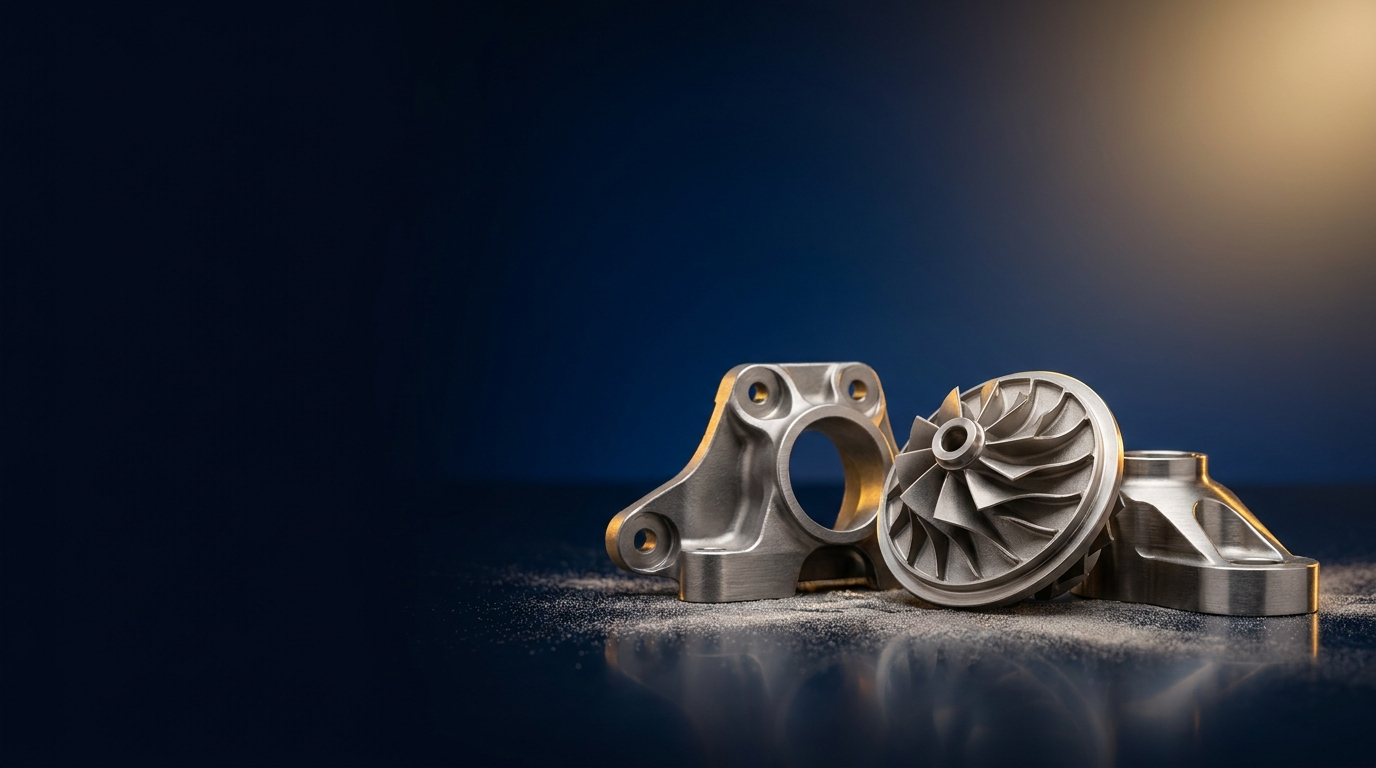
A metal 3D printing service turns a CAD file into a finished, qualified metal part — titanium, Inconel, aluminium or steel — without you owning a printer, a powder store, or a heat-treatment furnace. For low-volume, high-value parts that are hard to machine or cast, it is usually the fastest and cheapest route to a real component. This guide covers what the service actually delivers, the materials and standards that matter, what drives cost and lead time, and how to brief one so the first part comes back right.
What a metal 3D printing service does
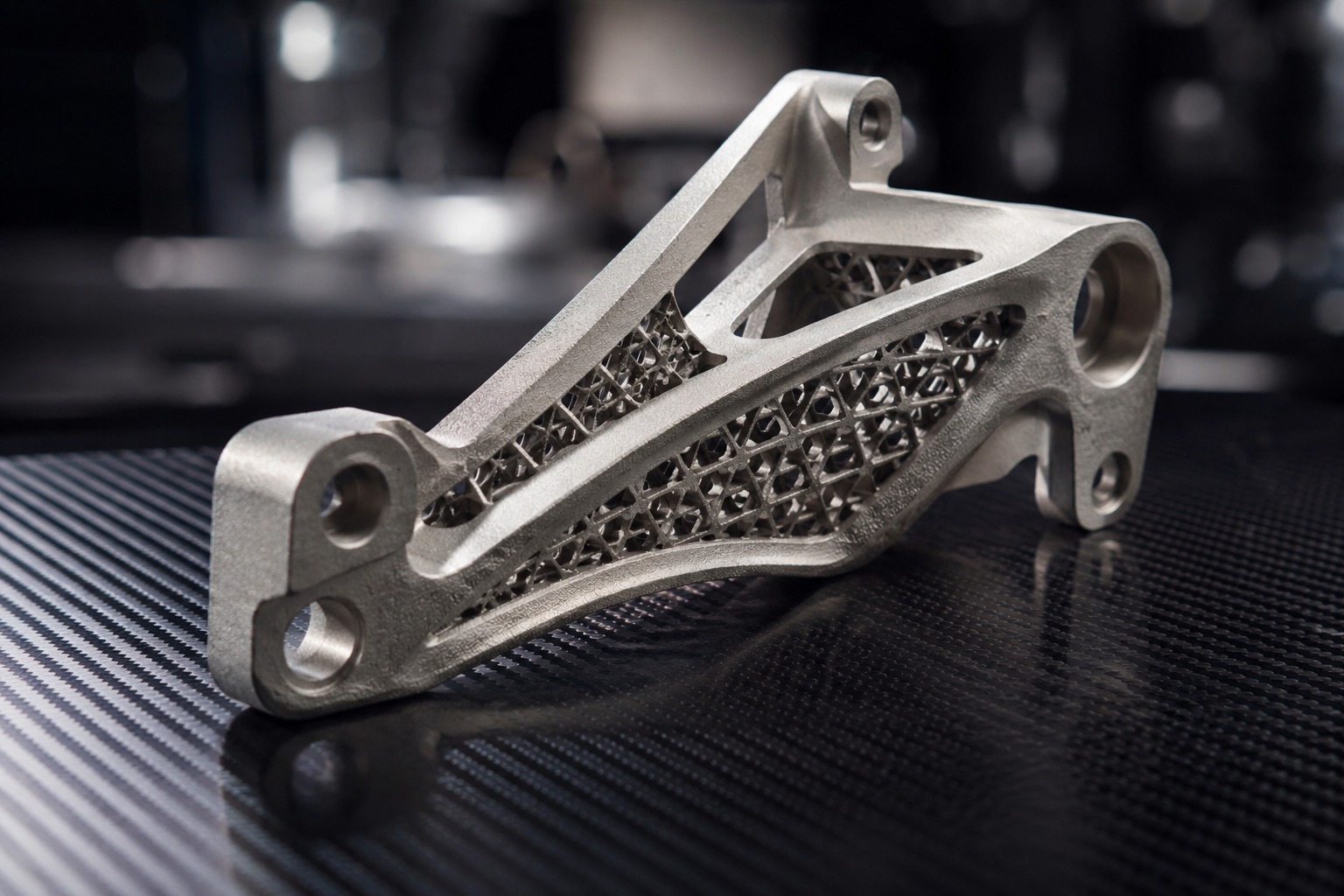
The workhorse process is laser powder bed fusion (LPBF), where a laser melts fine metal powder track by track to build the part layer by layer. A full service does not stop at the printer. It carries the part through the whole chain: design-for-additive review, printing on a qualified metal system, stress relief, removal from the plate, hot isostatic pressing, heat treatment, and finish machining of the surfaces that need tolerance. You hand over a model and a spec; you get back a part that meets it. Additive Plus runs this as a manufacturing partner, not a marketplace — the engineers who configure the build also run the powder and answer your call.
Materials: pick the alloy before the geometry
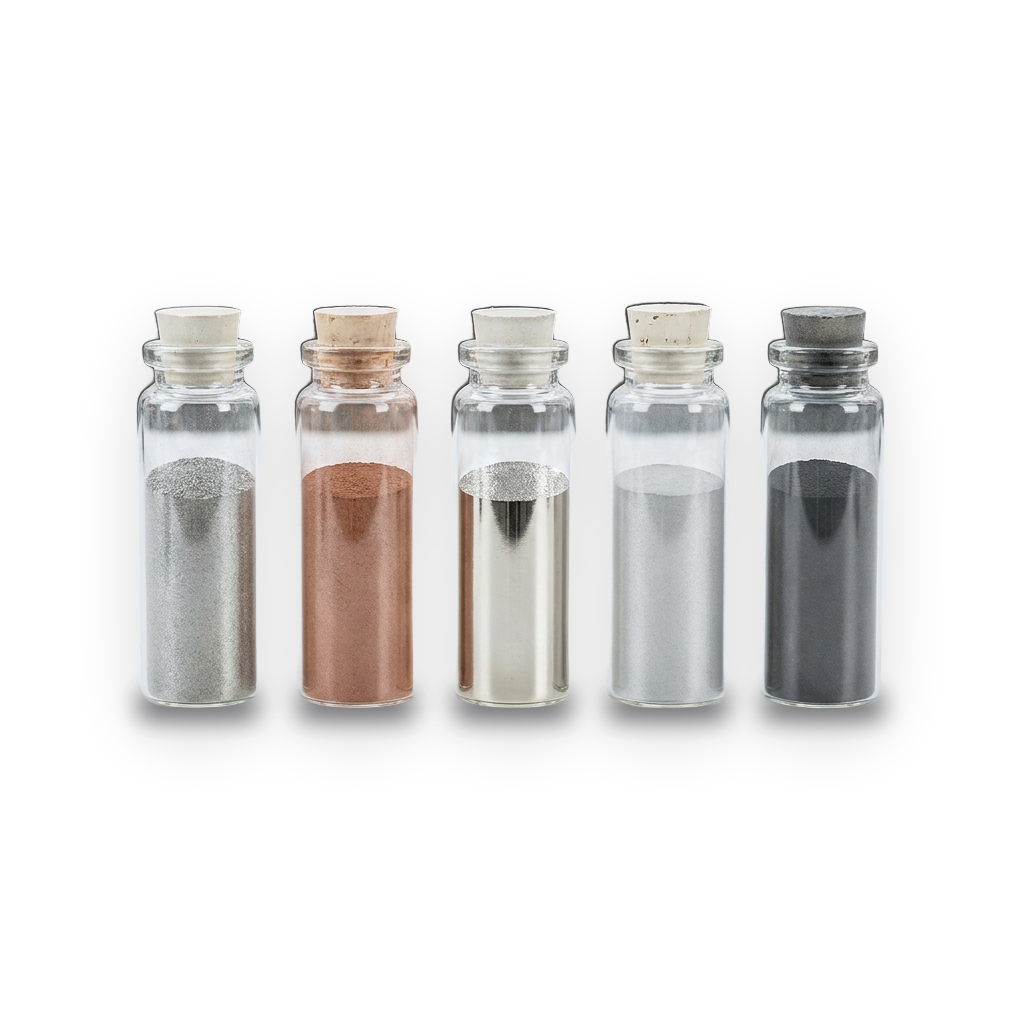
The alloy sets the properties, the cost and half the process decisions. A capable service stocks the common LPBF metals as traceable, lot-controlled powder:
| Alloy | Why it is used | Typical parts |
|---|---|---|
| Ti-6Al-4V | High strength-to-weight, biocompatible | Aerospace structures, medical implants, motorsport |
| Inconel 718 / 625 | Holds strength and resists corrosion at high temperature | Engine hot section, turbines, oil and gas |
| AlSi10Mg | Light, good thermal conductivity | Housings, heat exchangers, brackets |
| 316L / 17-4 PH stainless | Corrosion resistance; 17-4 age-hardens for strength | Tooling, manifolds, general engineering |
| 18Ni300 maraging steel | Very high strength, age-hardens after print | Tooling and mould inserts with conformal cooling |
| CuCrZr copper | High thermal and electrical conductivity | Heat exchangers, cooling channels, thermal parts |
For a chemistry none of these hit — a refractory, biocompatible or proprietary blend — a vertically integrated service can atomize custom powder to your composition.
Post-processing is not optional
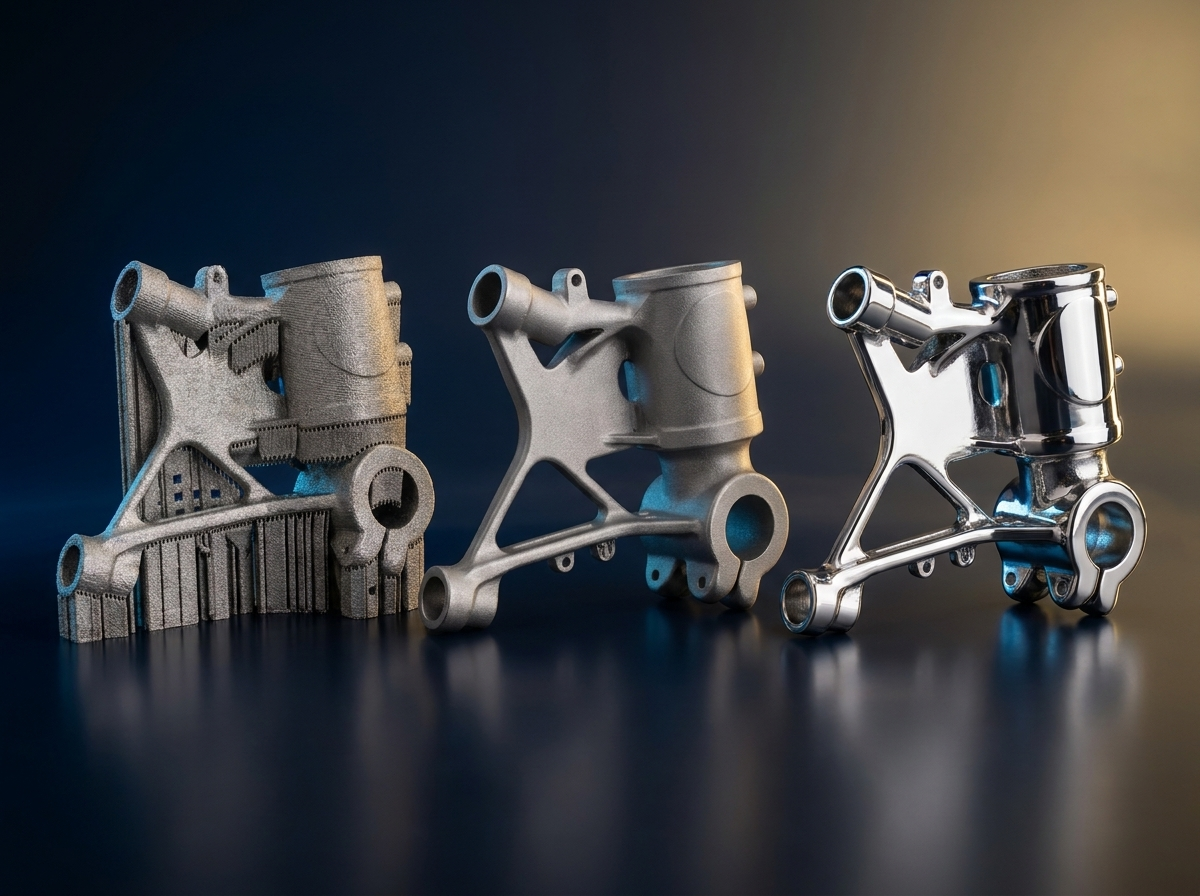
The standard sequence is stress relief on the plate, then hot isostatic pressing (HIP) to close internal porosity, then solution and aging heat treatment to develop full mechanical properties, then machining and surface finishing of critical features. Skipping a step is the most common reason a printed part fails inspection. A service that specifies this chain up front — and has the furnaces and finishing to run it — is the difference between a demo and a production part.
Standards and qualification
For regulated work, the process around the part matters as much as the printer. The elements that decide whether a printed metal part is acceptable are consistent:
- AS9100-aligned quality processes across build and inspection for aerospace parts.
- ITAR-aware handling for defense and dual-use programs, which for many teams weighs heavier than price.
- ISO 13485-aligned practice for medical device work.
- Traceable powder — every batch tested, every shipment certified with a certificate of analysis: known chemistry, particle size distribution and lot control, because the feedstock sets the part.
What drives cost and lead time
Metal 3D printing is priced by the build, not the part. The main drivers:
- Volume on the plate — height and packing decide machine time, the largest cost. Nesting several parts in one build lowers the price of each.
- Alloy — titanium and nickel superalloys cost more per kilogram and print slower than aluminium or steel.
- Post-processing — HIP, heat treatment and machining each add time and cost; a simple as-built part is far cheaper than a fully qualified one.
- Finish and tolerance — every machined datum and tight callout adds a secondary operation.
For a prototype in a common alloy, a metal part typically comes back in one to two weeks; a fully HIP-ed, heat-treated and machined production part with inspection runs longer. The fastest way to a firm number is a CAD file and the alloy.
Service or in-house?
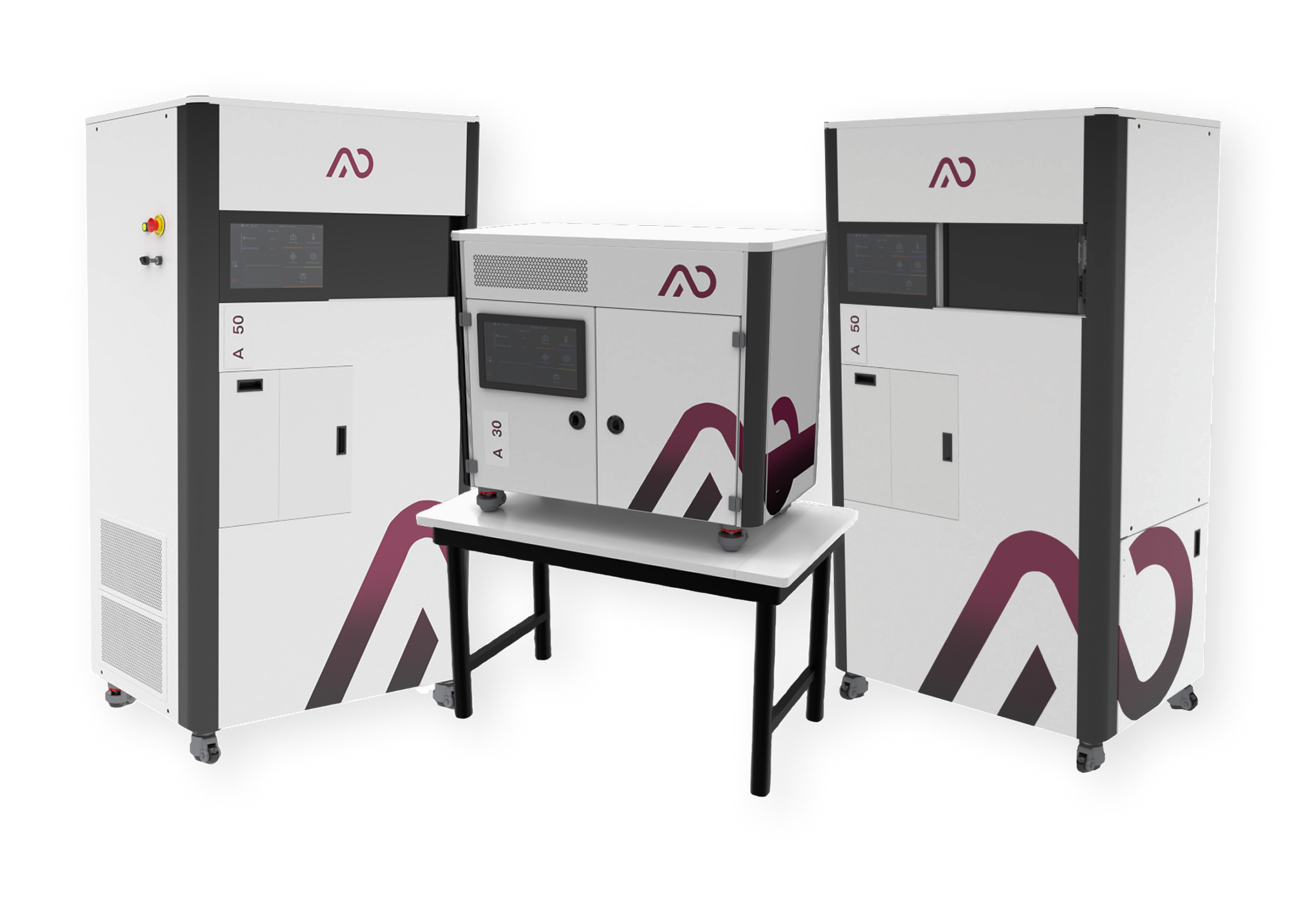
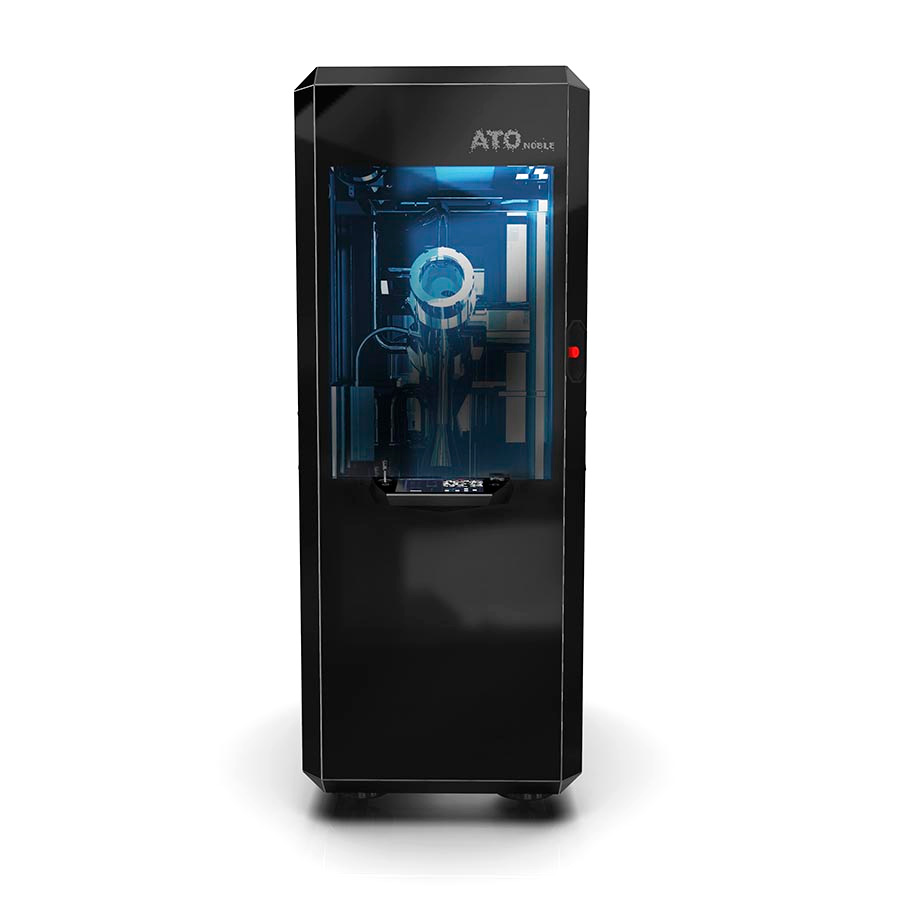
Use a service when volume is low, the alloy varies job to job, or you need a qualified part without standing up a lab. Bring it in-house when you print metal regularly, control and IP matter, and the machine will stay busy. A vertically integrated partner can supply both sides — parts through the service today, and an AO Metal printer plus powder when you are ready to move it under your own roof — so the transition does not mean re-qualifying from scratch.
How to get an accurate quote fast
Give the service four things and the quote comes back tight:
- The CAD — a STEP file, not a drawing.
- The alloy — or the properties the part must hit, and let the service recommend one.
- The standard — aerospace, medical, or general, and any inspection required.
- Quantity and finish — how many, and which surfaces need machining or tolerance.
Have a CAD? A firm quote comes back in about 24 hours. No CAD yet? A full-service partner can redraw from a sample or sketch. Start with our metal 3D printing service, or if you are scoping a build in-house, browse LPBF printers and metal powders.
Related guides: Inconel 3D printing · Aerospace AM cases
Frequently asked questions
What metals can a metal 3D printing service print?
Commonly Ti-6Al-4V titanium, Inconel 718 and 625, AlSi10Mg aluminium, and 316L or 17-4 PH stainless steel by laser powder bed fusion. Custom alloys can be atomized to a target composition.
How much does metal 3D printing cost?
It is priced by the build, not the part: machine time (part height and how parts pack on the plate), the alloy, and post-processing such as HIP, heat treatment and machining. Nesting several parts in one build lowers the cost of each.
How long does a metal 3D printed part take?
A prototype in a common alloy typically comes back in one to two weeks. A fully HIP-ed, heat-treated, machined and inspected production part takes longer.
Does a metal 3D printed part need post-processing?
Yes. Stress relief, hot isostatic pressing to close porosity, solution and aging heat treatment, and finish machining of critical surfaces are the standard chain.
Have a question or a project? Let’s talk.
Tell us what you need — a real applications engineer replies within 24 hours. NDA on request, no sales script.