
Limited stock
- COA on request — PSD, sphericity, flow rate, chemistry
- Mutual NDA before any file or spec review
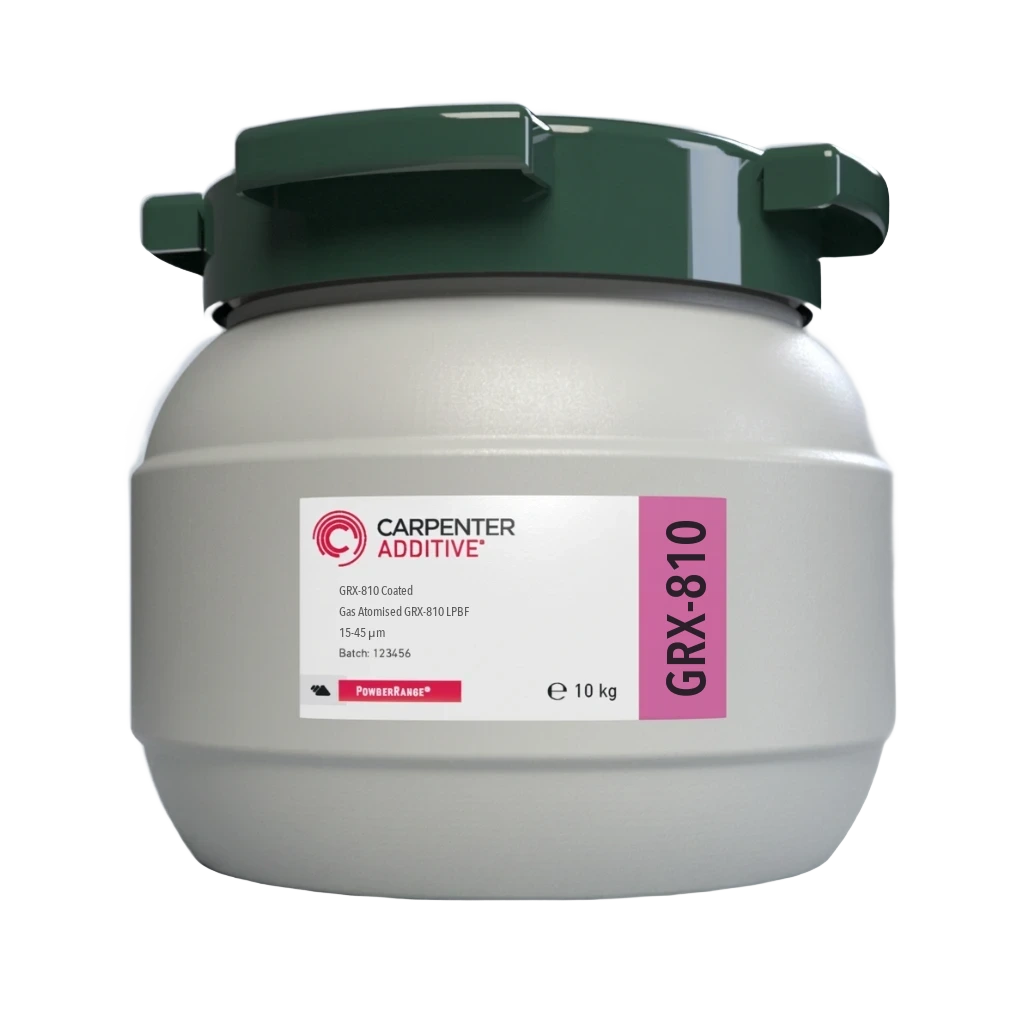
GRX-810 NASA ODS Alloy Powder for LPBF — 15–45 µm, 10 kg
GRX-810 powder price: $5,020 per 10 kg ($502.00/kg)
NASA-developed nickel-cobalt-chromium oxide dispersion strengthened (ODS) alloy, supplied by Carpenter Additive as a coated powder. In the NASA data it gives about twice the strength of 718 and 625 at 1093 °C (2000 °F) and resists oxidation up to 1316 °C (2400 °F).
Values from the GRX-810 NASA-developed data sheet (Distribution Statement A) published by Carpenter Technology.
Which high-temperature nickel alloy is right for your build?
All of them are in our catalog at a published price. Pick by machine, timing and country of origin.
| Powder | Particle size | Origin | Availability | Good fit for | 10 kg | |
|---|---|---|---|---|---|---|
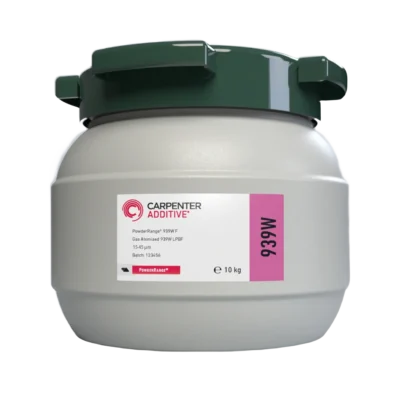 Carpenter Additive 939WIN939 for AM | 15–45 µm · LPBF | Confirmed per lot | In stock | Hot-gas-path turbine parts; precipitation-hardenable | $1,770 | View |
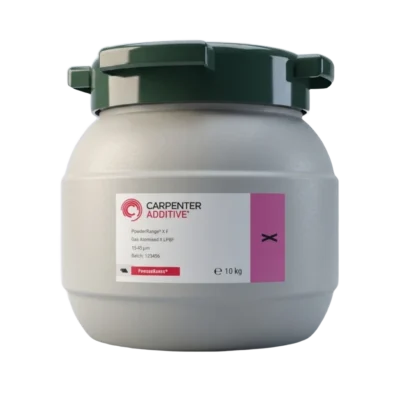 Carpenter Additive X (Hastelloy X) FFine cut | 15–45 µm · LPBF | Confirmed per lot | In stock | Oxidation resistance to 1204 °C (2200 °F), LPBF | $1,125 | View |
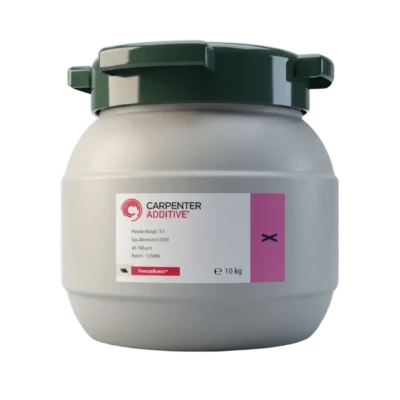 Carpenter Additive X (Hastelloy X) ECoarse cut | 45–106 µm · EBM | Confirmed per lot | In stock | Hastelloy X for electron-beam systems | $525 | View |
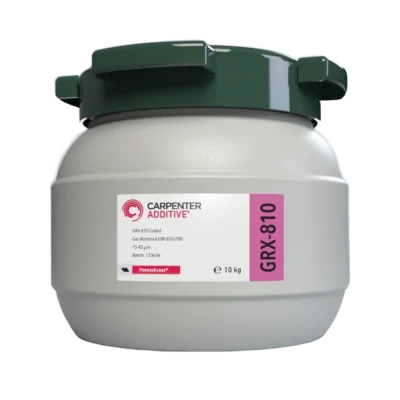 Carpenter Additive GRX-810This page | 15–45 µm · LPBF | Confirmed per lot | In stock | NASA ODS alloy: oxidation resistance to 1316 °C (2400 °F) | $5,020 | Add to cart |
Need a specific country of origin for a government or defense program? Ask before ordering and we will confirm it in writing for your lot.
What is in the container
Specification from the manufacturer. The certificate for your lot is available on request.
Specification
Nominal composition of the base powder (wt%), per the NASA-developed data sheet.
| Element | wt% |
|---|---|
| Nickel (Ni) | Balance |
| Cobalt (Co) | 32 |
| Chromium (Cr) | 30 |
| Tungsten (W) | 3.0 |
| Rhenium (Re) | 1.5 |
| Niobium (Nb) | 0.8 |
| Aluminum (Al) | 0.3 |
| Titanium (Ti) | 0.3 |
| Carbon (C) | 0.055 |
| Powder property | Requirement |
|---|---|
| Particle size | 15–45 µm cut for laser powder bed fusion |
| Form | Coated powder; the oxide dispersion is added by coating |
| D10 / D50 / D90 | reported on the lot certificate |
What comes with your lot
From the manufacturer certificate
- Chemistry against the specification limits on the left
- Particle size distribution: D10, D50, D90
- Flow rate and apparent density
- Lot number for traceability
The certificate for your lot is available on request. The manufacturer datasheet for this alloy has no particle image; ask us if you need one.
How the printed metal performs
From the NASA-developed data sheet, printer 1, Z direction. Results vary by printer; the full data sheet covers other machines, orientations and temperatures. Not design data.
| Condition | Test | Yield, MPa | UTS, MPa | Modulus | Density, g/cm³ | Thermal cond., W/m·K |
|---|---|---|---|---|---|---|
| As-built | Z, 24 °C | 573 | 882 | 190.6 GPa | 8.44 | 10.55 |
| HIP | Z, 24 °C | 480 | 892 | 188.2 GPa | 8.44 | 11.0 |
| As-built | Z, 1093 °C | 110 | 115 | — | — | — |
| HIP | Z, 1093 °C | 109 | 116 | — | — | — |
Heat treatment
Carpenter datasheet, process guidance
- Used as-built or after HIP; no solution or aging treatment is required.
- HIP for the published data: 1163 °C for 3–4 hours at 103 MPa (ASTM F3301).
- Published LPBF core parameters: 275 W laser power, 1000 mm/s scan speed, 0.04 mm layers. Tune them for your platform.
How this GRX-810 compares
Published tensile data, X–Y direction unless noted, one representative condition per alloy. Conditions differ, so use this to shortlist, not to design.
| Alloy | Condition | Yield, MPa | UTS, MPa | Elongation | Choose it for | 10 kg |
|---|---|---|---|---|---|---|
| GRX-810 | HIP, Z, 24 °C (NASA data) | 480 | 892 | — | Oxidation to 1316 °C; ~2× 718/625 strength at 1093 °C | $5,020 |
| Hastelloy X | Solution + age | 393 | 816 | 41% | Oxidation resistance to 1204 °C (2200 °F) | $1,125 |
| Inconel 718 | Solution + age | 1086 | 1425 | 13% | Strength up to 704 °C (1300 °F) | $1,000 |
Will it run on my printer?
Prints on open-parameter laser powder bed fusion systems at build speeds similar to 718, per the NASA data. Ask our materials engineer for starting parameters for your machine.
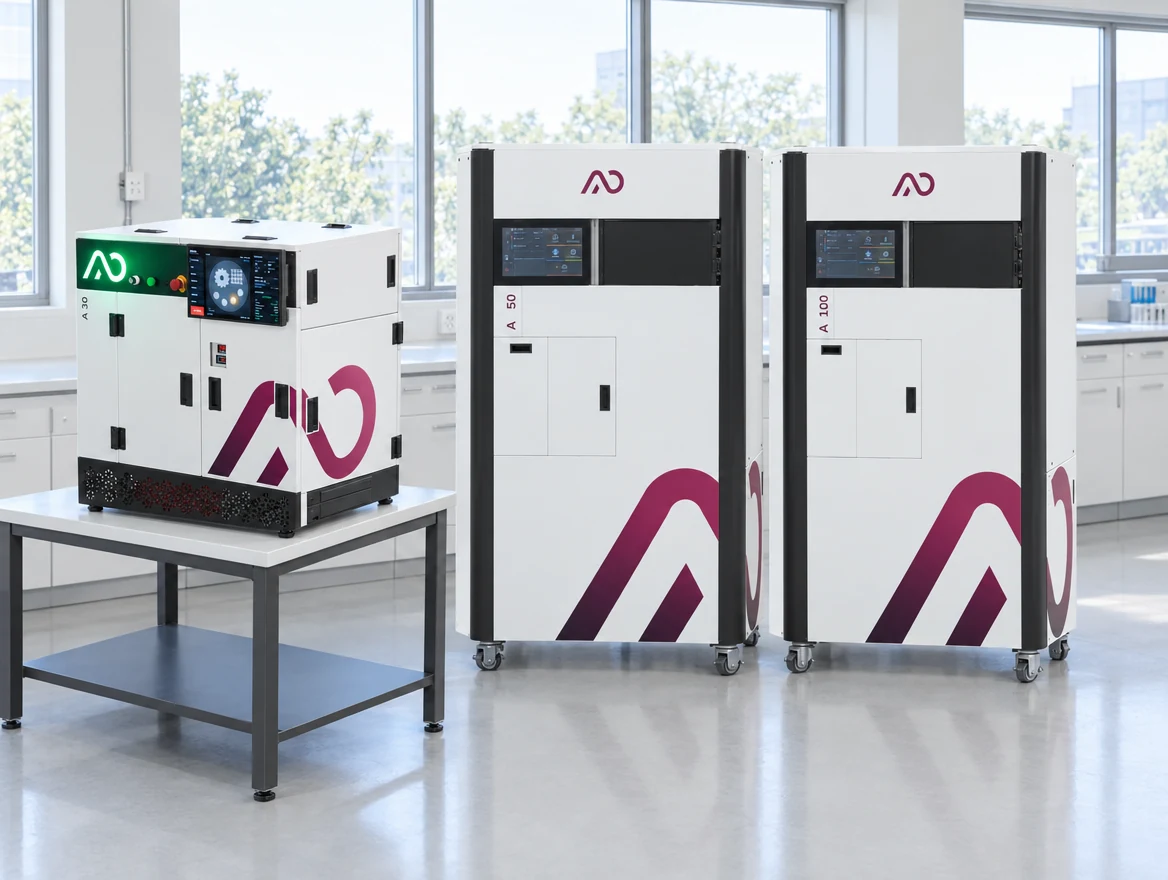 AO MetalA30 · A50 · A100Benchtop to production LPBF with open parameters. Ask our materials engineer for starting parameters.From $59,000 · A30See AO Metal printers →
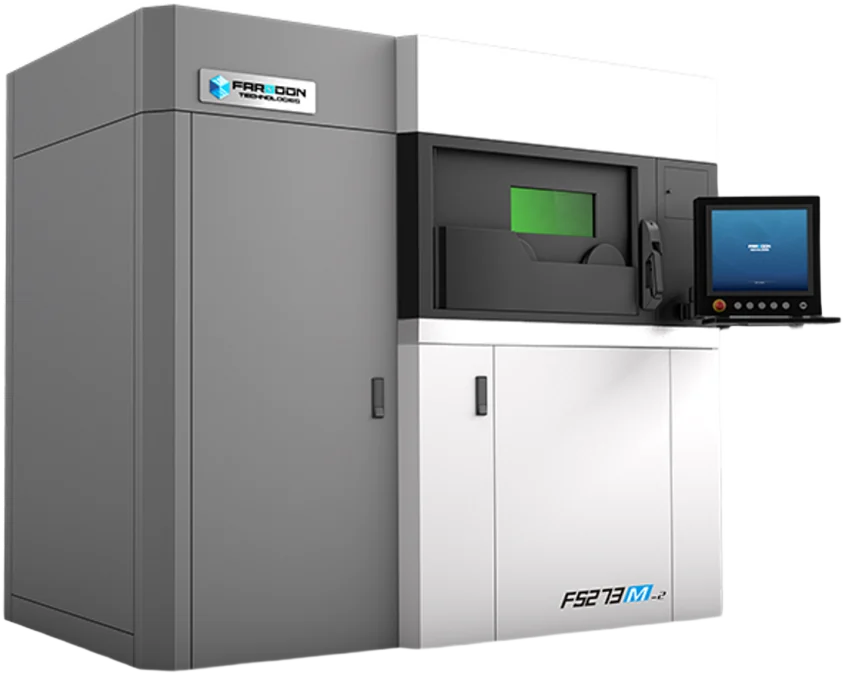 FarsoonMetal LPBF lineOpen-platform LPBF from compact R&D frames to 16-laser production systems.FS121M · FS191M · FS200M · FS273M · FS301M · FS350M · FS422M · FS621M · FS721M · FS812M · FS1311M · FS1521MQuote on requestSee Farsoon metal printers →
Machine names identify compatible equipment only. Additive Plus is not affiliated with these manufacturers, and the powder is not approved by them. Process parameters are tuned per machine.
Store sealed
Keep the container closed, dry and at room temperature until you load the printer.
Sieve
Sieve before loading and every time you reuse powder recovered from a build.
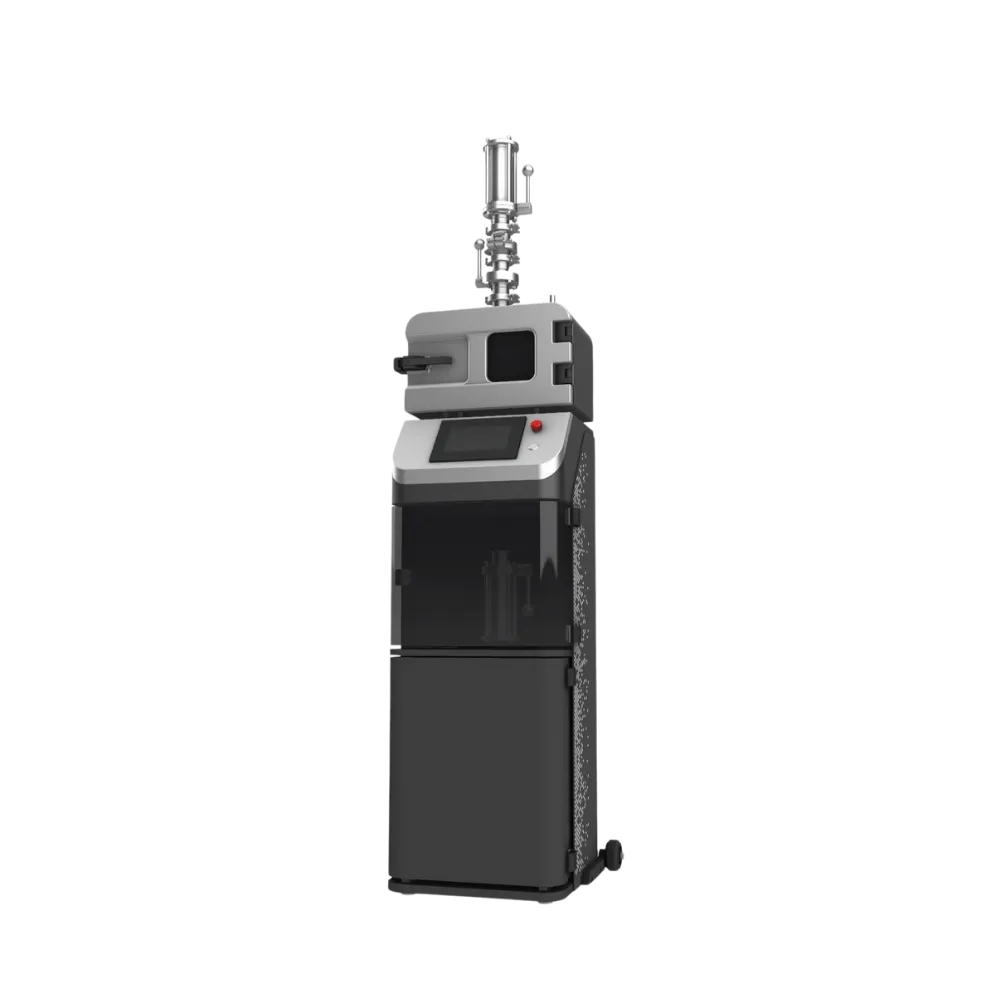 ATO Sieve · quote
Load and purge
Fill the dispenser, close the chamber and purge with argon or nitrogen.
Print and relieve
Stress-relieve on the plate, then remove parts and supports.
Recover
Collect unfused powder, sieve it and return it to a sealed container.
 Delfin Mistral 451 BL D2 — ATEX metal powder vacuum · $7,175
Wear a respirator, gloves and eye protection when handling metal powder. Read the safety data sheet before first use.
Printed on AO Metal
Real builds on the LPBF printers we sell, and what teams make from this alloy.
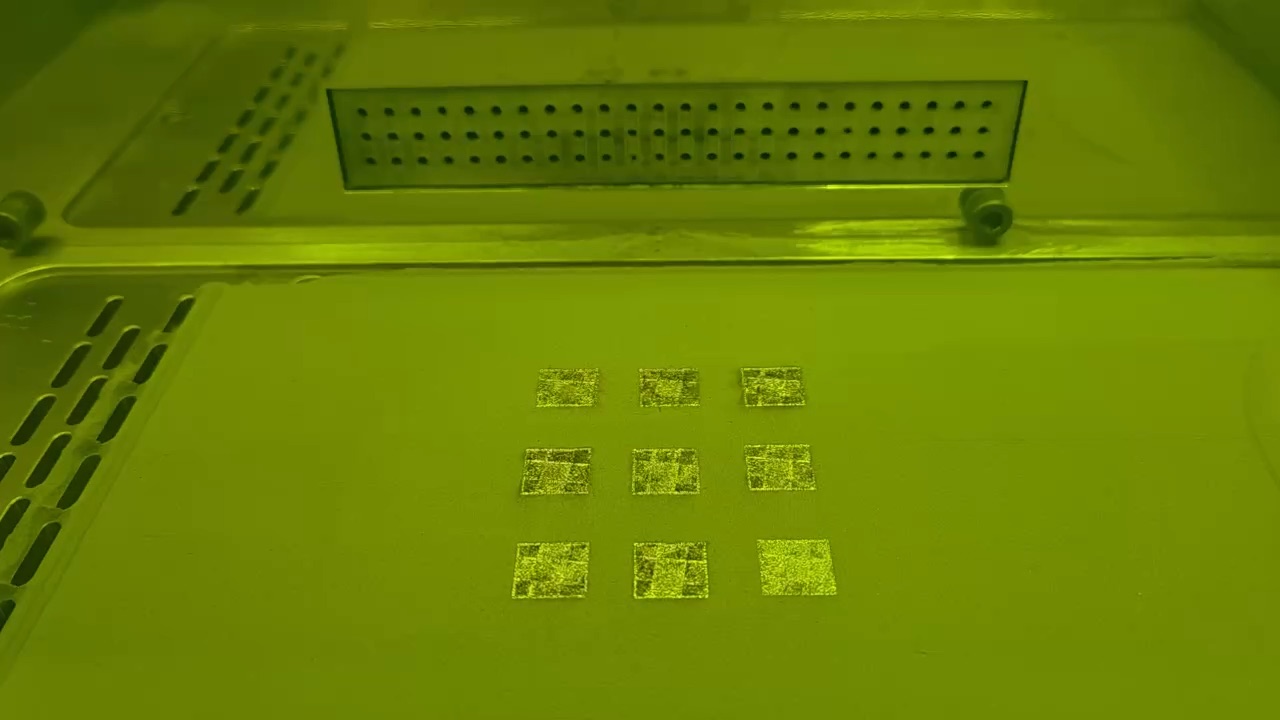
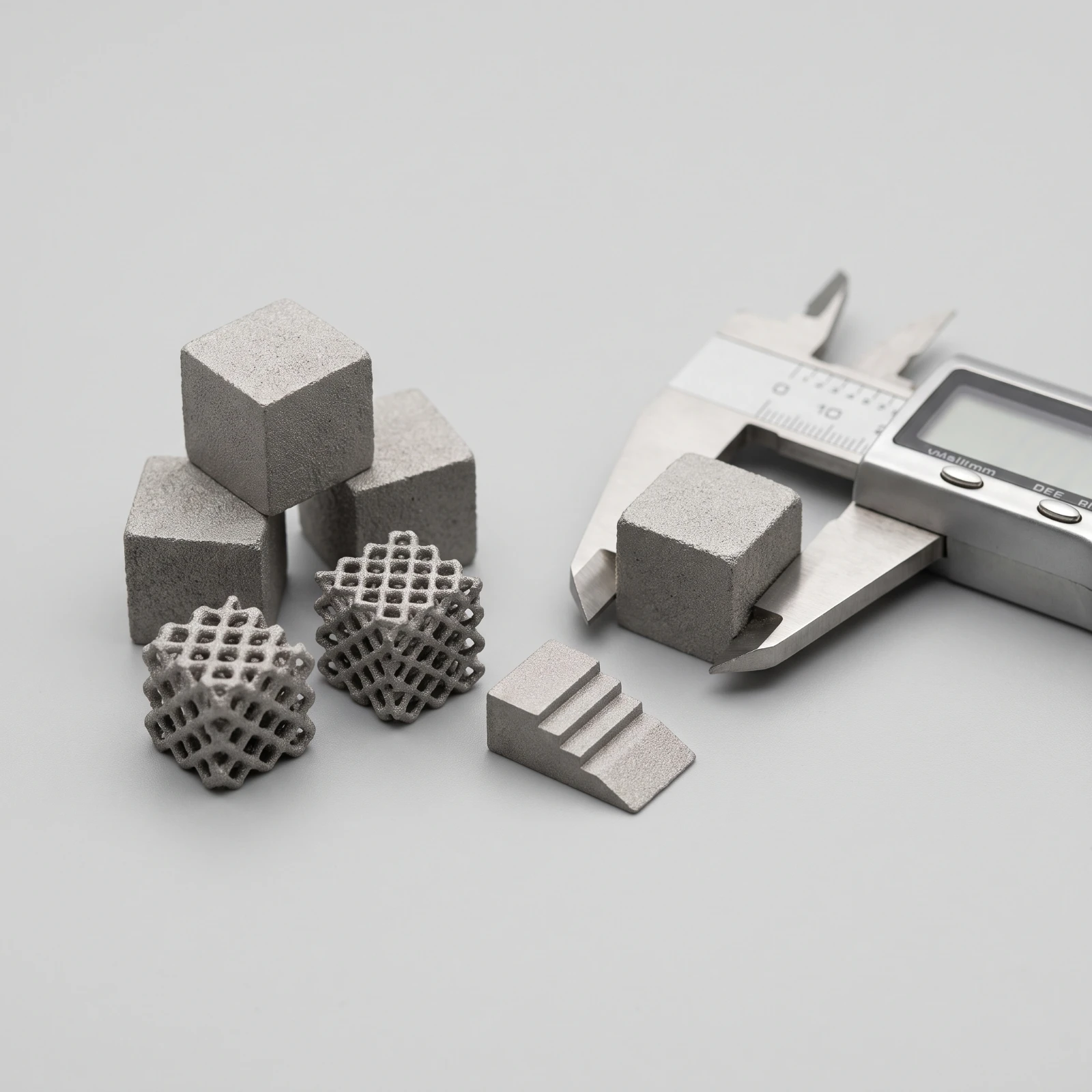
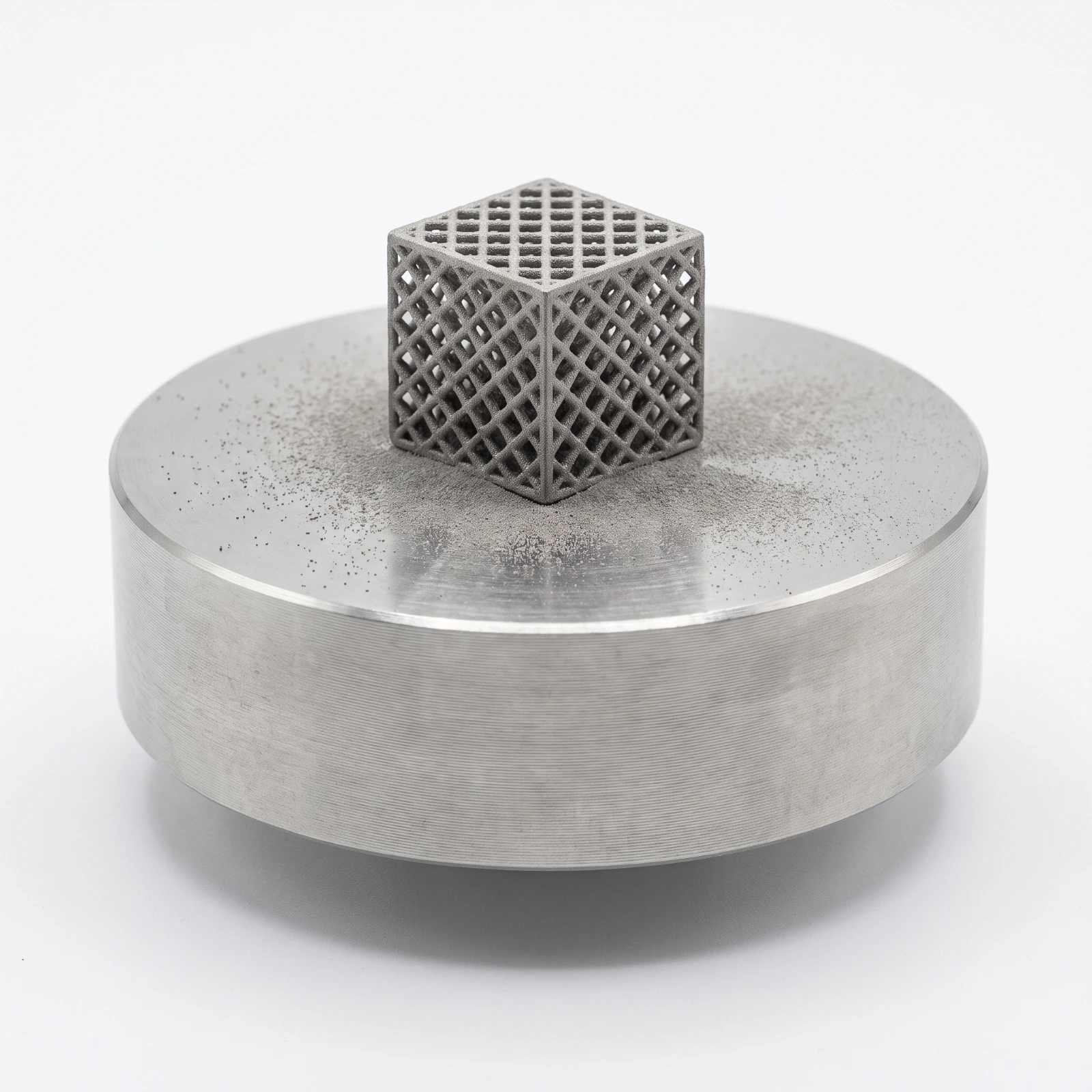
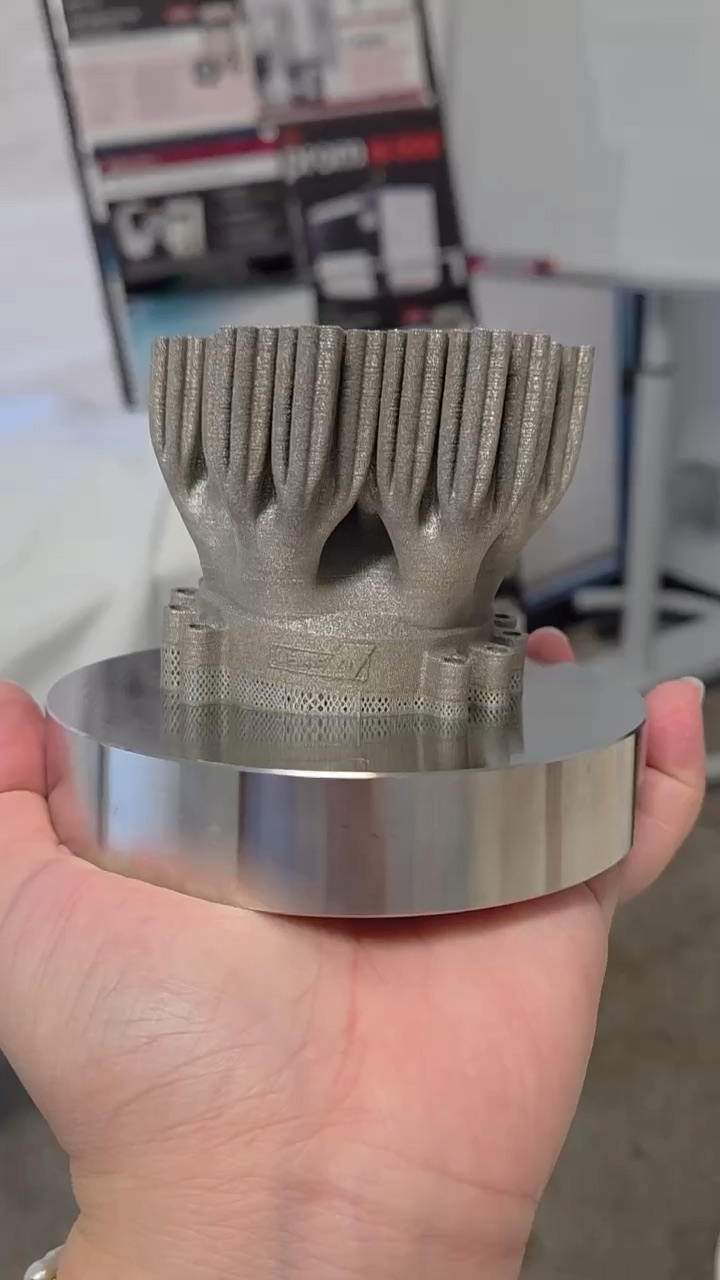
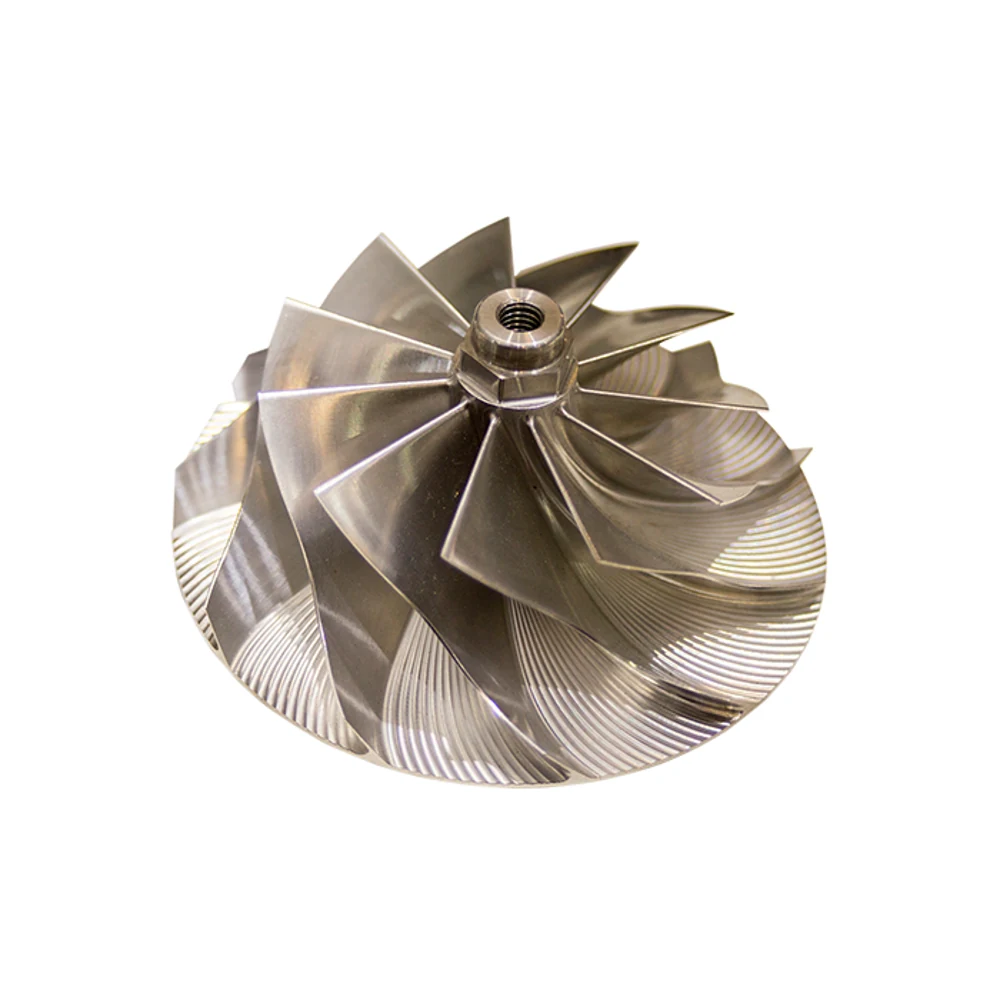
Parts printed on AO Metal printers, which we sell. Alloys, parameters and powder lots differ from part to part; these photos show the process, not parts made from this specific powder lot.
- Liquid rocket engine injectors and preburners
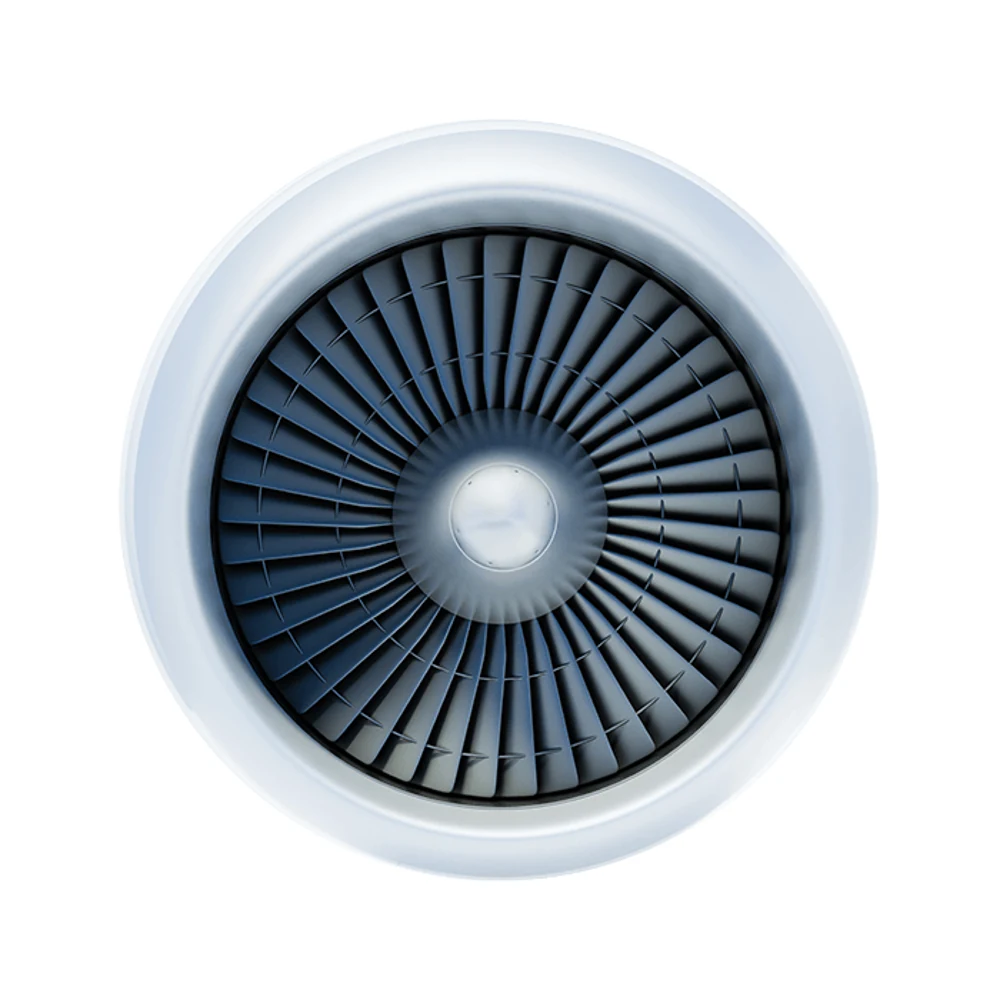
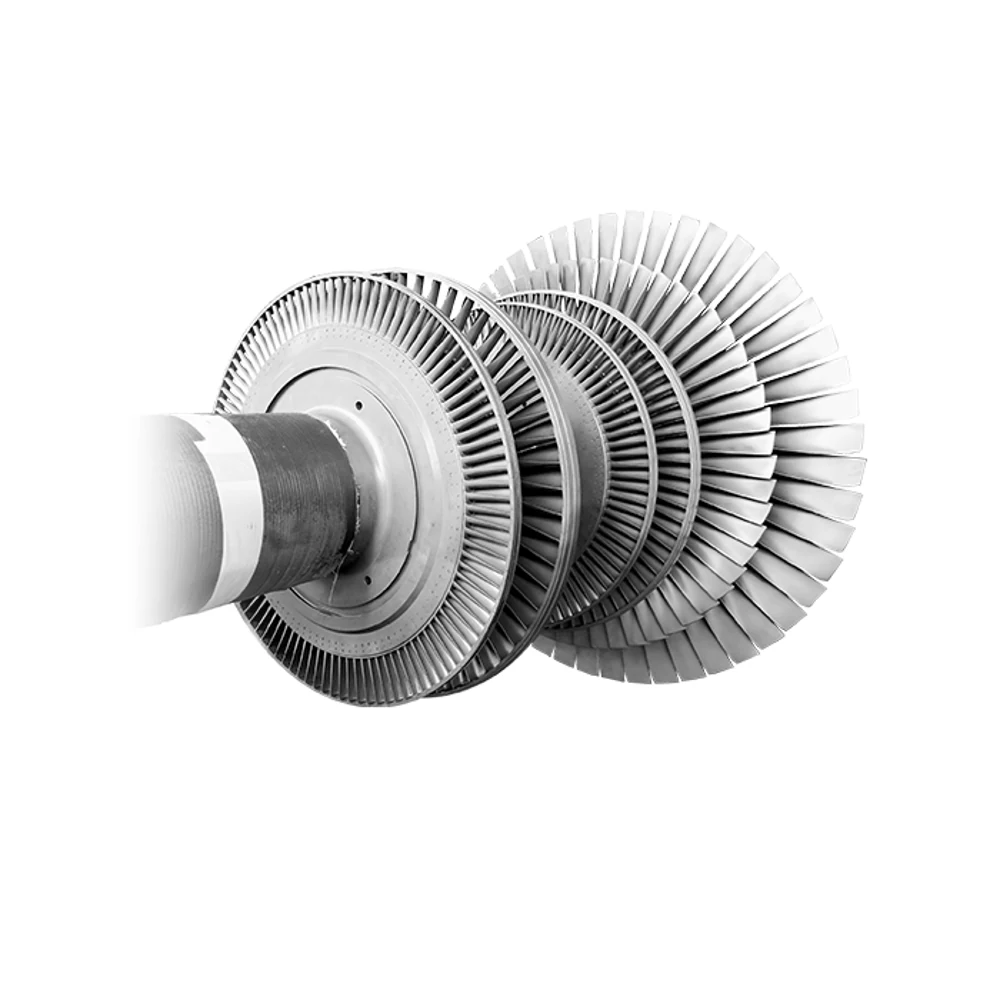
- Turbine and hot-section parts up to about 1,100 °C
- Parts that bridge nickel superalloys and refractory alloys
Applications as listed in the NASA-developed data sheet.
Ordering, delivery and our promise
10 kg of 15–45 µm coated powder, sealed, with the certificate of analysis for the lot on request.
The ship date shows next to the Add to Cart button. Shipping cost is calculated at checkout.
Card or PayPal at checkout, an invoice, or a purchase order — choose how you buy next to Add to Cart.
100 kg and more: ask for a volume quote with your alloy, quantity and ship-to.
If the powder is not right, we make it right.
If your lot’s chemistry or particle size falls outside its certificate or this page, or it arrives damaged or wrong, tell us within 14 days of delivery. We replace it or refund you, and we pay for shipping both ways.
Complete the workflow
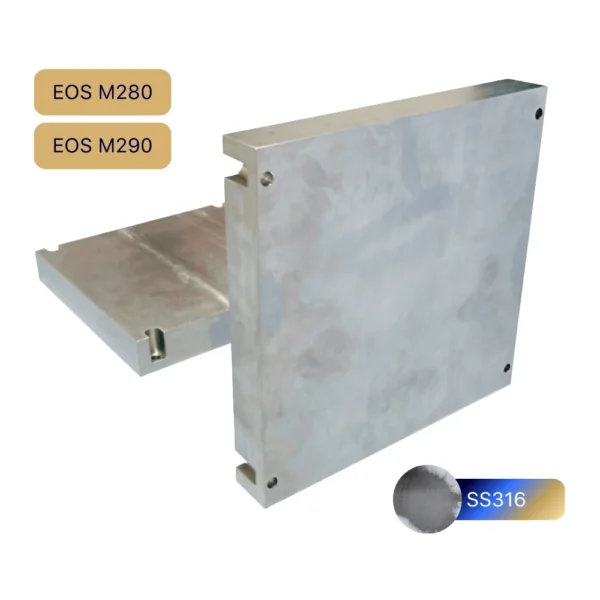
- ✓ 316L — stronger pitting and chemical resistance than 304 stainless
- ✓ Precision-ground flatness for consistent first-layer adhesion
- ✓ Made to order — choose your speed below: Express 2–3 wks, or Standard 6–8 wks (save ~45%)

ATEX-certified industrial vacuum for combustible dust and non-reactive metal powder — built to the D2 standard for Zone 22 areas, with antistatic, grounded construction and a Class M filter. 2 kW, 3-inch inlet, 12-gallon container.
- ✓ Conductive / antistatic build — no static build-up around ignition-sensitive powder
- ✓ For stainless, nickel & non-reactive AM powder — reactive metals need the inert unit
- ✓ In US stock · ships in 2–3 business days · genuine Delfin unit · ATEX docs on request
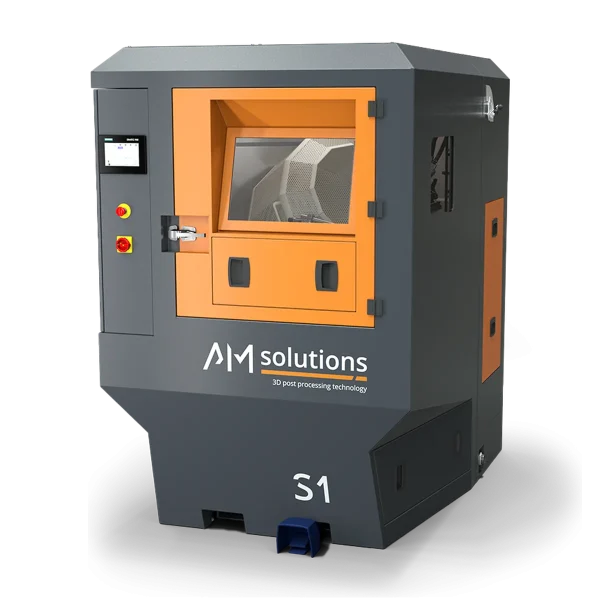
Automated 2-in-1 blasting cell that depowders and surface-finishes powder-bed 3D-printed parts in one enclosed, software-controlled cycle.
- ✓ Depowdering + surface finishing in one ATEX-compliant cell
- ✓ Polymer PBF (SLS, MJF, HSS, SAF) + de-powdered metal parts
- ✓ Lead time: 4–8 weeks — built to order · install + training included
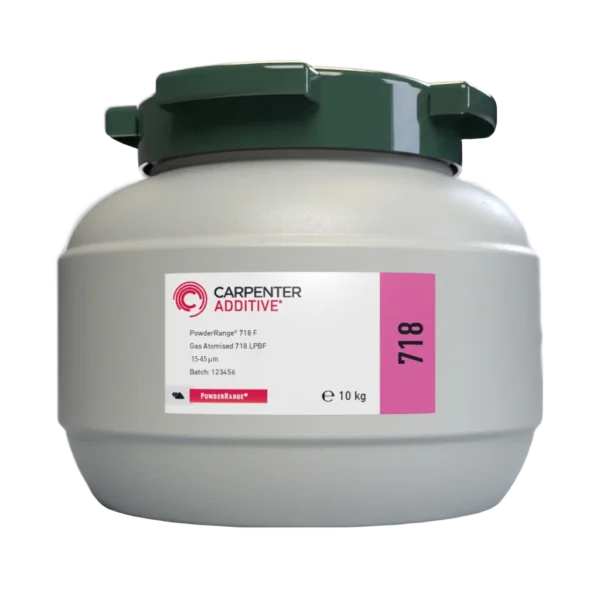
- ✓ High tensile, fatigue & creep strength to 1300°F (704°C)
- ✓ Sold in small, workable volumes — no large mill minimums
- ✓ COA on request · in US stock, ready to ship
Other alloys in US stock now
Premium-grade LPBF powders, COA on request — add to cart or request a formal quote.
 Carpenter Additive · Made in USAIN939 Nickel Alloy Powder for Metal 3D PrintingIn stock · ships in ~2 business days$1,770 / 10 kg · $177.00/kg
 Carpenter Additive · Made in USAHastelloy X Powder for Additive ManufacturingIn stock · ships in ~2 business days$1,125 / 10 kg · $112.50/kg
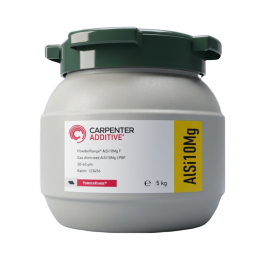 Carpenter Additive · Made in AustriaAluminum Alloy Powder AlSi10MgIn stock · ships in ~2 business days$830 / 10 kg · $83.00/kg
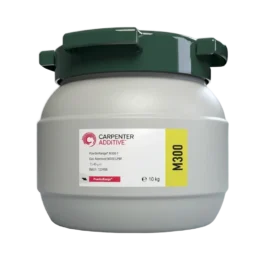 Carpenter Additive · Made in USAM300 Maraging Steel Powder for Metal 3D PrintingIn stock · ships in ~2 business days$945 / 10 kg · $94.50/kg
Common questions
Don't see yours? Email [email protected] — NDA on request.
What is GRX-810 powder?
How strong is printed GRX-810 at high temperature?
Does GRX-810 need heat treatment after printing?
Which printer parameters does GRX-810 use?
What is GRX-810 used for?
Does GRX-810 powder come with a certificate of analysis?
How do I order GRX-810, and how can I pay?
Place your order, or talk to an engineer first
Order GRX-810 Powder for Metal 3D Printing | NASA ODS Alloy, LPBF - 10 kg / 22 lbs direct, or talk to materials engineer