A practical guide to the materials additive manufacturing uses — polymers, photopolymer resins, metals, ceramics and composites — and the applications each one unlocks.
As covered in our Introduction to 3D Printing, additive manufacturing builds objects layer by layer from digital designs. Across those techniques, AM works with a wide range of materials — each with its own properties and best-fit applications. The industry offers one or more processes for most commonly used polymers, photopolymer resins, ceramics and metals.
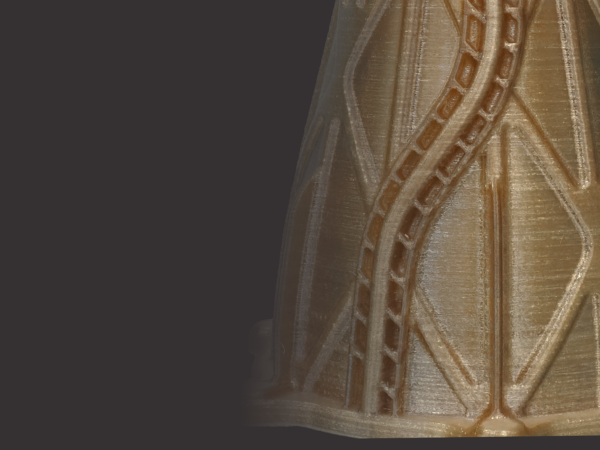
The most widely used family in 3D printing — from everyday prototyping thermoplastics to high-performance superpolymers.
Known for its strength, flexibility and durability. Commonly used in prototyping and end-use parts for fast 3D printing.
Industrially biodegradable and derived from renewable resources like cornstarch or sugarcane. Used for prototypes, hobbyist projects and consumer products — a great, affordable option for easy 3D printing.
Combines the strength and durability of ABS with the ease of printing of PLA. Used in mechanical parts and food-safe applications.
A thermoplastic known for toughness, flexibility and chemical resistance. Low density makes it lightweight, with good fatigue resistance — used for functional prototypes, automotive components, flexible hinges and containers.
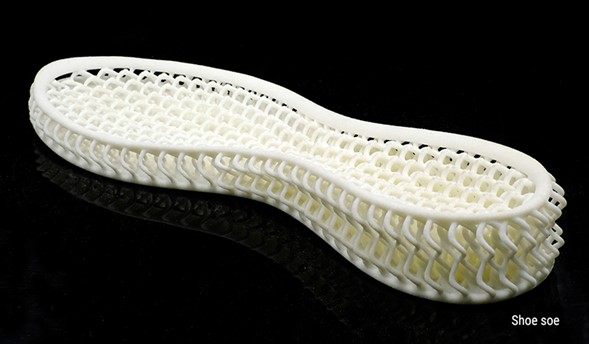
A flexible, elastic elastomer with excellent abrasion resistance and durability, formulated across a range of hardness. Widely used where flexibility and impact resistance matter — footwear, sports equipment, phone cases and seals/gaskets. In AM it is valued for flexible, resilient parts: prototypes, gaskets, protective covers and medical devices.
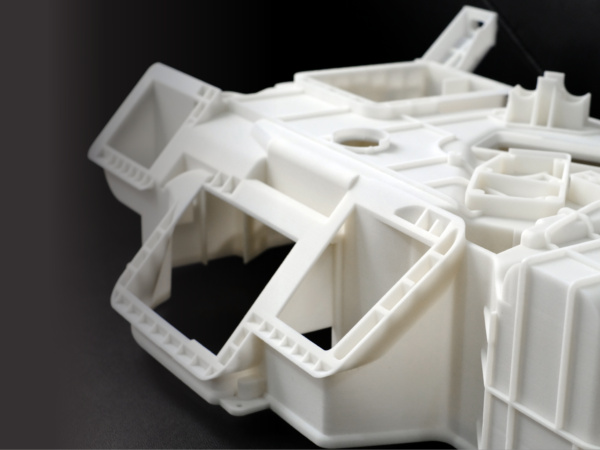
Polyamide grades (PA6, PA6-66, PA11, PA12) are heavily used in 3D printing for their mechanical properties and versatility — high strength, impact resistance and flexibility across automotive, consumer and aerospace parts. Their chemical resistance and low friction suit gears, bearings and structural components. PA is often reinforced with carbon or glass fibre to create composites with even higher strength and stiffness, making it a cornerstone of additive manufacturing for robust, functional parts.
Superpolymers such as PEEK (Polyetheretherketone), ULTEM (Polyetherimide) and PPSU (Polyphenylsulfone) are transforming additive manufacturing. PEEK is prized for exceptional mechanical properties and biocompatibility — medical implants, aerospace components and industrial machinery. ULTEM’s strength-to-weight ratio, flame resistance and electrical insulation make it essential for aircraft interiors, automotive components and electronic housings. PPSU’s toughness, chemical resistance and autoclave sterilisability suit medical devices and food-processing equipment. PEKK is emerging as a PEEK alternative with similar properties and better printability.
Browse our filament & polymer materials →
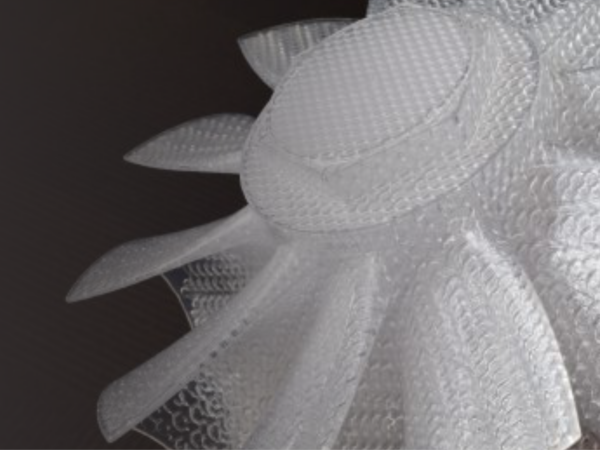
Photopolymer resins are liquid polymers that cure — harden — when exposed to UV light, building parts layer by layer. They power the vat-photopolymerisation processes: SLA (a laser traces each layer), DLP (a projector flashes a whole layer at once) and LCD / MSLA (an LCD mask over a UV array). Because they cure at very fine resolution, resins deliver the smoothest surfaces and the sharpest detail in additive manufacturing — ideal for intricate, small and cosmetic parts.
The trade-off: mechanical properties vary widely by formulation, printed parts need washing and UV post-curing, and some resins keep reacting to sunlight over time. Choosing the right resin for the job is everything — which is why the resin world is really a family of specialised chemistries:
High-detail resins for visual prototypes, models and concept parts where surface finish matters more than strength.
Replicate the strength, durability and impact resistance of ABS plastic for functional prototypes, enclosures and consumer products that must survive handling.
Lower-friction, wear-resistant resins with some flex — good for snap-fits, living hinges and moving assemblies.
Heat-deflection-resistant resins for thermal testing, tooling, moulds and fixtures that see elevated temperatures.
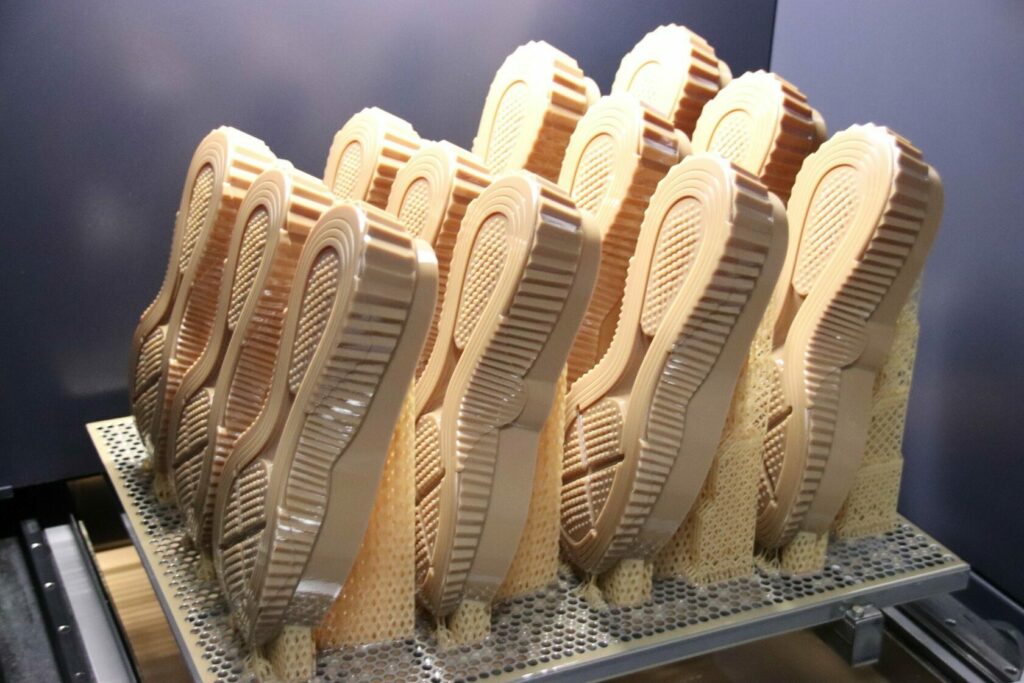
Soft, stretchable resins across a range of shore hardness — gaskets, seals, wearables, grips and footwear midsoles.
Burn out cleanly in investment casting, leaving no ash — the backbone of 3D-printed jewellery and precision metal-casting patterns for aerospace and automotive.
Biocompatible formulations for dental models, surgical guides, splints, denture bases and hearing-aid shells, where certification and reliability are essential.
Resins loaded with ceramic particles for stiff, heat-resistant parts that bridge toward technical-ceramic performance.
Explore our own Additive Plus resin line and the full resin & DLP materials catalogue →
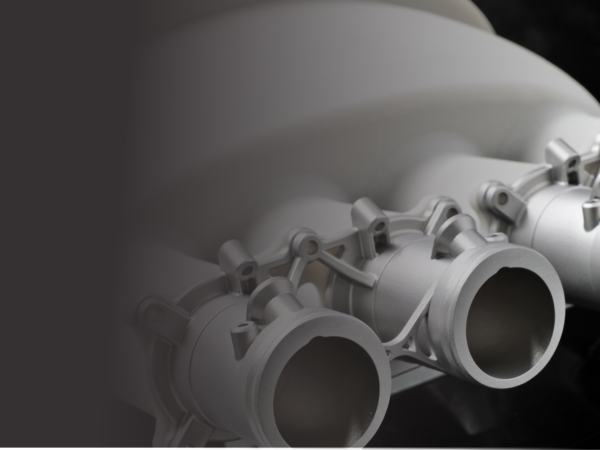
Where additive manufacturing meets production-grade performance — from stainless steel to titanium and aluminium alloys.
316L stainless is widely used for its corrosion resistance and biocompatibility — surgical instruments and marine components. Strength, durability and wear resistance make stainless a top choice across aerospace, automotive and medical, with a wide range of grades for tailored properties. Its longevity justifies the initial cost, needing minimal maintenance, and post-processing further enhances properties and appearance.
Known for a high strength-to-weight ratio and biocompatibility — common in aerospace and medical implants. Consumer electronics is increasingly adopting Titanium Ti64 3D printing for its combination of high strength, ultra-low weight and striking aesthetics. Ti64 offers greater durability than stainless while staying feather-light — ideal for portable devices — and its properties suit intricate, sleek designs from smartphones to wearables.
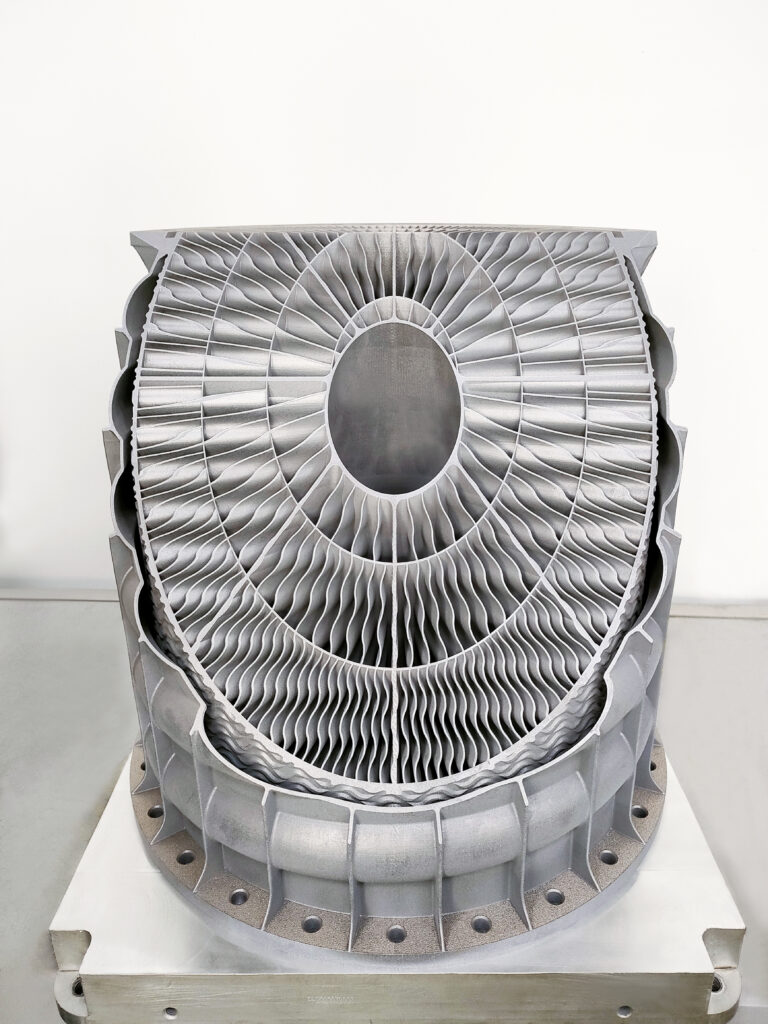
Lightweight and corrosion-resistant — used in aerospace, automotive and consumer goods. Alloys such as AlSi10Mg and AlSi7Mg are increasingly favoured for their light weight, strength and thermal conductivity. AlSi10Mg is renowned for versatility across aerospace, automotive and electronics where weight reduction and structural integrity matter, with good corrosion resistance and intricate geometries. AlSi7Mg is valued for high strength and excellent machinability. Both process easily and affordably, enabling high-performance parts with shorter lead times.
Explore our metal powders for LPBF, DED & EBM →
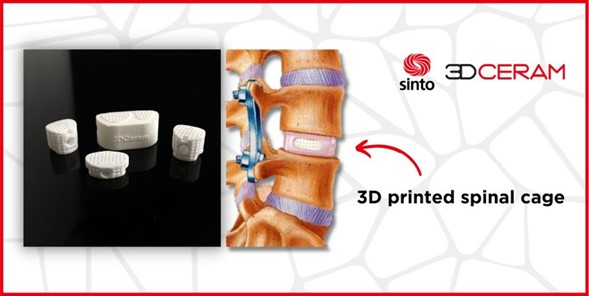
A breakthrough for intricate, high-detail technical ceramics. With SLA, materials like Zirconia, Zirconia 8Y, Alumina, Hydroxyapatite, Tricalcium Phosphate (TCP), Aluminium Nitride and Silicon Nitride can be precisely fabricated — offering high strength, thermal resistance and biocompatibility. FDM extends the range to dark ceramics such as Silicon Carbide and ferrite, opening applications across aerospace, healthcare and electronics where complex geometry and material performance are paramount.
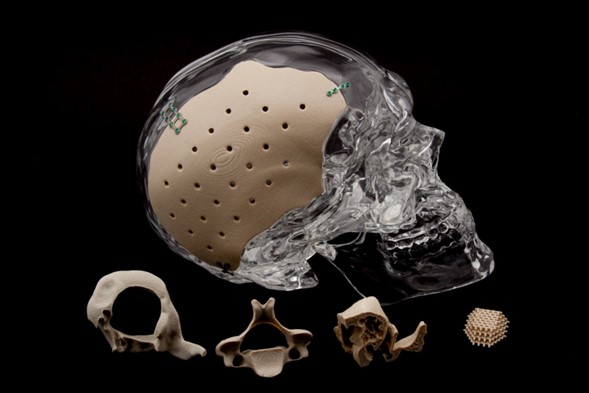
Hydroxyapatite (HAP) and Tricalcium Phosphate (TCP) are key biomedical materials for absorbable implants that support tissue growth. These biocompatible ceramics mimic natural bone composition, promoting integration with surrounding tissue and encouraging new bone formation — improving patient outcomes in bone-regeneration applications.
See our full range of ceramic systems and 3DMIX pastes on the 3DCeram ceramics page.
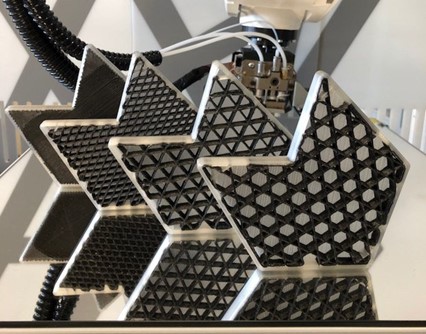
Continuous-fibre composite printing reshapes AM by increasing part anisotropy. Carbon-Fibre and Glass-Fibre Reinforced Polymers are most often paired with Polyamide (Nylon), with advanced superpolymers like ULTEM (PEI) and PEEK used for demanding applications. The result: enhanced strength, durability and thermal stability for aerospace, automotive and medical.
Whether optimising for lightweight structures or high-performance components, continuous-fibre printing plus a spectrum of polymer options lets engineers innovate broadly. Makers of continuous carbon-fibre printers often compare prints to 6061 aluminium, claiming a 50% higher strength-to-weight ratio in flexure and up to 300% higher in tensile moment. Continuous reinforcement is used for conformal jigs, fixtures and specialty tooling for major global businesses, and for one-off end-use parts in high-end motorsport.
See our composite tooling & materials →
Reach out for an insightful conversation about 3D printing materials and their applications in education and industry — and watch for our upcoming webinars.
Get Instant Quote
Engineer-reviewed · Confidential · Fast response