Glue PLA Together: Best Ways to Bond PLA 3D Prints
How to Glue PLA Together: Best Adhesives and Bonding Tips for 3D Printing
PLA (Polylactic Acid) is one of the most widely used 3D printing filaments, celebrated for its ease of use, affordability, and consistent print quality. It’s popular among hobbyists, educators, prototypers, and industrial users alike. Despite PLA’s printing-friendly properties, joining multiple PLA prints can be challenging. Post-processing often involves assembling separate components, repairing broken prints, or creating modular designs. Knowing how to glue PLA effectively is crucial for achieving reliable, durable, and visually clean joints. This guide walks you through the best adhesives, preparation techniques, and bonding methods tailored for PLA 3D prints. We’ll cover options ranging from simple super glues to more advanced welding techniques, helping you select the right solution for your printing projects.Why You Might Need to Glue PLA 3D Prints
In 3D printing, it’s rare that every object is printed in a single piece. Printer size limitations, complex geometries, and optimization strategies often necessitate printing in sections. Here are common scenarios where gluing PLA becomes necessary:- Large or modular prints: Many designers intentionally split objects into smaller components. Gluing allows these sections to come together seamlessly without compromising print quality.
- Functional prototypes and assemblies: Mechanical parts or product prototypes may require post-print assembly to achieve the desired functionality. Proper bonding ensures that these components work together reliably.
- Repairs and modifications: Broken prints or design modifications often require rejoining PLA parts, whether to restore functionality or integrate updates.
- Multi-material projects: When combining PLA with other printed materials or modular elements, adhesives can help create a cohesive final assembly.
Challenges When Gluing PLA
PLA presents unique challenges that make bonding more complicated than simply applying glue:- Smooth, non-porous surfaces: PLA has a slightly glossy finish that resists many adhesives. Without surface preparation, bonds may be weak or prone to peeling.
- Low surface energy: Certain glues do not chemically adhere well to PLA, limiting your options.
- Heat sensitivity: PLA’s melting point ranges from 180–220°C. High-heat methods can warp or deform prints, making temperature-controlled bonding techniques critical.
- Brittleness under stress: PLA is naturally rigid and can fracture if the joint is too thin or if improper adhesive is used.
Best Adhesives and Bonding Methods for PLA 3D Prints
1. Cyanoacrylate (Super Glue)
Cyanoacrylate, or super glue, is one of the most widely used adhesives in 3D printing. It works by rapidly hardening upon contact with moisture, forming a thin, rigid bond. Advantages:- Fast-setting, allowing rapid assembly.
- High precision, suitable for small or intricate parts.
- Widely available and inexpensive.
- Lightly sand and clean surfaces for maximum adhesion.
- Apply sparingly; excess glue can ooze and create unsightly seams.
- Clamp or hold pieces in place briefly to ensure proper curing.
- Cosmetic fixes and small assembly tasks.
- Non-load-bearing components.
- Decorative models or prototypes where speed and appearance are prioritized.
2. Epoxy Adhesives
Epoxy is a two-part adhesive composed of a resin and a hardener that chemically reacts to create a strong, durable bond. Its gap-filling ability makes it ideal for slightly misaligned parts. Advantages:- High mechanical strength, suitable for load-bearing components.
- Versatile: can be sanded, drilled, and painted after curing.
- Works well for irregular or uneven surfaces.
- Mix the resin and hardener thoroughly to ensure consistent curing.
- Choose slow-setting epoxy for precise alignment or fast-setting for quick assembly.
- Clamp larger parts to maintain alignment during curing.
- Functional assemblies requiring durability.
- Larger prints or mechanical components.
- Parts that will undergo stress or wear.
3. PLA Filament with a 3D Pen
Using a 3D pen loaded with PLA filament is a unique bonding method that leverages material compatibility. By extruding molten PLA directly onto the joint, you effectively “weld” the parts together.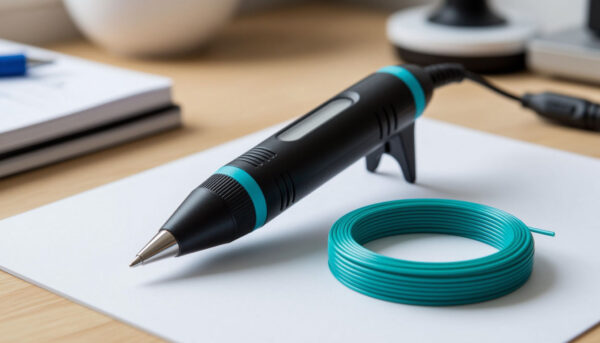 Advantages:
- Creates a strong, seamless bond with the same material.
- Excellent for filling gaps or reinforcing internal joints.
- Eliminates adhesive compatibility issues.
- Use controlled temperatures to avoid warping existing parts.
- Apply carefully to build up a strong seam.
- Smooth the surface afterward for a clean finish.
- Repairs and gap-filling on broken prints.
- Structural reinforcements for functional parts.
- Complex assemblies where material uniformity is critical.
4. Heat Welding (Soldering Iron or Plastic Welding)
Heat welding involves using a soldering iron or dedicated plastic welding tool to melt and fuse PLA edges. This creates a strong mechanical bond akin to industrial plastic welding. Advantages:- Produces a durable structural bond.
- It can be used for internal joints that don’t require a smooth exterior finish.
- Maintain precise temperature control to prevent bubbling or warping.
- Work in small sections for consistent bonding.
- Avoid visible surfaces unless post-processing is planned.
- Internal reinforcements or structural joints.
- Functional components where bond strength is more critical than appearance.
5. Hot Glue
Hot glue is widely available and easy to use, but provides a relatively weak bond for PLA. Its primary value is speed and convenience for non-structural applications. Advantages:- Fast application.
- Good for temporary setups or visual demonstrations.
- Clean surfaces before applying hot glue.
- Clamp parts while cooling for better adhesion.
- Avoid load-bearing applications.
- Quick prototypes or mockups.
- Educational or classroom demonstrations.
- Temporary assemblies for planning or testing.
Tips for Achieving Strong PLA Bonds
Achieving a strong and durable bond for PLA 3D prints goes beyond just applying glue. Proper preparation, design considerations, and post-processing are all key factors in creating high-quality assemblies. Here’s a more detailed guide:1. Surface Preparation Matters
The success of any adhesive bond starts with the surface. PLA’s smooth, slightly glossy finish can make it difficult for glue to adhere effectively. To improve adhesion:- Sanding: Lightly sand the bonding surfaces using fine-grit sandpaper (around 220–400 grit). This increases surface roughness, giving adhesives more grip.
- Cleaning: Remove dust, grease, or oils left from handling the print. Use isopropyl alcohol or mild soap and water, and let the parts dry completely.
- Degreasing: PLA can have residues from filament oils or printing processes. A clean, dry surface ensures that adhesives form a strong chemical or mechanical bond.
2. Joint Design Affects Strength
The geometry of the joint plays a critical role in how well your PLA parts will stay together:- Overlapping surfaces: Increasing the contact area between parts distributes stress more evenly and reduces the likelihood of failure.
- Interlocking features: Simple interlocks, dovetails, or tabs can prevent sliding or twisting along the joint, even under mechanical stress.
- Beveled or angled edges: Slightly angled surfaces can provide more surface area for adhesive contact and improve the bond’s mechanical performance.
3. Consider Post-Processing
After bonding, you can enhance both the strength and appearance of the joint through post-processing:- Sanding: Smooth out seams and remove any excess glue for a clean finish.
- Filing: Small files or needle files can help refine detailed joints.
- Painting or coating: Applying paint or sealant can protect the joint and improve the overall look of your printed assembly.
4. Choose Adhesives Based on Function
Selecting the right adhesive depends on how the bonded part will be used:- Epoxy or PLA welding: Best for structural, load-bearing, or functional components. These adhesives provide strong, long-lasting bonds suitable for mechanical stress.
- Super glue (cyanoacrylate): Ideal for cosmetic fixes, small assemblies, or parts that won’t experience heavy loads. Quick setting time makes it convenient for fast prototyping.
- Hot glue: Useful for temporary assemblies, mockups, or educational models where speed is more important than durability. Avoid using hot glue for parts that will bear weight or stress.
5. Test Small Sections First
Before committing to gluing an entire assembly, test your method on scrap or small parts:- This allows you to evaluate how the adhesive behaves with your specific PLA filament and print settings.
- You can adjust curing time, pressure, or surface preparation techniques based on results.
- Testing helps avoid mistakes that could ruin larger prints or assemblies, saving time and material in the long run.
Related Posts