Is Resin or Filament Better for 3D Printing? A Detailed Comparison
Choosing the right 3D printing method is crucial for your project’s success. Resin and filament are two popular options having 71% and 100% usage according to Statists’s research. Each with distinct characteristics and understanding these differences helps you make informed decisions.
In this article, we’ll explore whether resin or filament is better for your needs. We’ll break down their unique features, strengths, and limitations.
By the end, you’ll have the knowledge to choose the best approach for your 3D printing journey.
Let’s dive in!
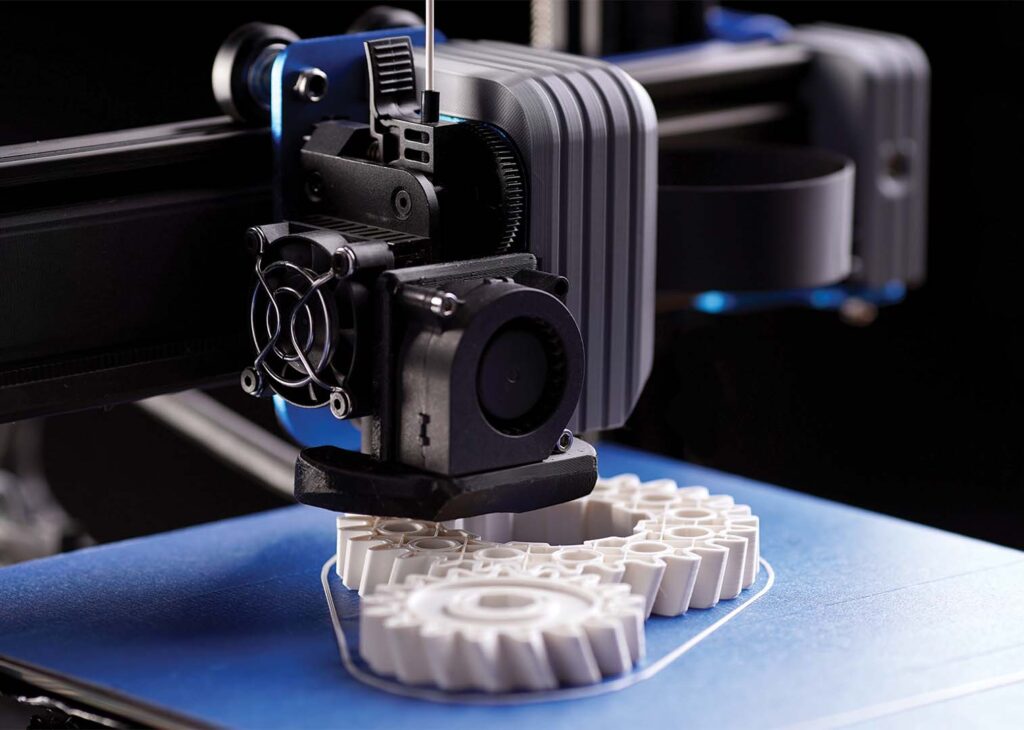
Exploring Filament 3D Printing
Filament 3D printing, commonly referred to as fused deposition modeling (FDM), is a widely-used technique that involves extruding thermoplastic filaments to build objects layer by layer.
This process is straightforward and adaptable, making it accessible for both beginners and experienced users.
Here are some advantages of filament printing:
- Material Variety: Compatible with a range of thermoplastics, such as PLA, ABS, and nylon.
- Large Build Sizes: Capable of producing larger parts due to the scalability of the technology.
- Durability: Creates robust and wear-resistant components ideal for functional prototypes.
Explore high-quality filament materials designed for durable, functional, and large-format 3D printing applications.
FDM is particularly popular in industries like automotive, aerospace, and education. Its versatility allows users to select materials based on specific project requirements, whether that’s strength, flexibility, or temperature resistance.
While filament prints can show visible layer lines, the process is generally simpler and less messy than resin printing, appealing to users who prioritize efficiency and ease of use.
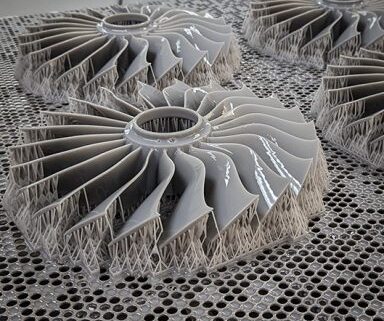
Understanding Resin 3D Printing
Resin 3D printing, often seen in processes like stereolithography (SLA) and digital light processing (DLP), uses liquid photopolymer resins that are cured by UV light.
This method allows for incredible detail and smooth surface finishes, making it ideal for intricate designs.
Here are some key benefits of resin printing:
- High Resolution: Produces detailed and complex parts with exceptional accuracy.
- Smooth Surfaces: Yields smoother finishes right off the printer, minimizing post-processing.
- Material Diversity: Offers various resin types, including flexible, engineering-grade, and specialized dental resins.
This technique is widely used in sectors like jewelry design, dentistry, and prototyping. While it excels in producing high-quality prints, it does come with some challenges.
The process can be time-consuming, and the post-processing steps, such as washing and curing, require careful handling. Additionally, safety precautions are essential due to the toxic nature of some resins.
Choosing Between Resin and Filament for Your Project
Selecting the right 3D printing method depends on your project’s requirements.
Resin printing is usually the better choice if you need fine detail, smooth finishes, or highly accurate small parts. It’s ideal for applications like jewelry, dental molds, and intricate prototypes where precision matters.
On the other hand, filament printing is notable for its durability and flexibility, especially when creating functional prototypes, larger models, or parts that need to withstand stress.
Key factors to consider when deciding include:
- Detail and Precision: Resin excels in small-scale, detailed projects.
- Durability and Strength: Filament offers more robust prints for functional use.
- Size of the Print: Filament printers often support larger build volumes.
- Budget and Time: Filament can be more cost-effective and requires less post-processing.
Both methods have strengths, so understanding your project’s demands will lead you to the best choice.
Industries and Applications for Resin and Filament Printing
Resin and filament printing excel in specific industries based on their unique strengths. Resin printing, known for high precision and smooth finishes, is ideal for dentistry (dental molds, prosthetics), jewelry design, medical prototyping, and miniature modeling, where intricate detail is essential.
Filament printing, valued for its durability and versatility, is widely used in automotive and aerospace for large prototypes and functional components and in engineering for mechanical parts. Its cost-effectiveness also makes it popular in education and among hobbyists.
Printing Method | Industries & Applications | Key Advantages |
Resin Printing | – Dentistry (dental molds, prosthetics) – Jewelry Design – Medical Prototyping – Miniature Models | – Precision and smooth finish |
Filament Printing | – Automotive (prototypes) – Aerospace (functional parts) – Engineering (mechanical components) – Education, Hobbyists | – Durability and versatility |
Material Options and Their Impact on Results
The 3d printing materials you choose plays a crucial role in the quality and functionality of your final print. More than 50% of businesses with 3D printers plan to add new materials, and 70% expect to discover fresh uses for 3D printing soon.
Resin and filament printing each offer a unique selection of materials suited for different applications:
- Resin Options: Resin is available in various specialized types, including flexible, engineering-grade, and dental resins. These materials are known for their smooth finishes and high resolution, making them ideal for prototypes and models that demand intricate detail.
- Filament Options: Filaments like PLA, ABS, nylon, and polycarbonate provide more versatility and strength. Each type offers unique properties—PLA is user-friendly and biodegradable, ABS is durable and heat-resistant, and nylon is flexible and robust. For projects needing the strongest materials, carbon fiber, and polycarbonate filaments are excellent choices, delivering parts that withstand high wear and stress.
Choosing the right material is as important as choosing the correct method. It can mean the difference between a model that looks great and a part that performs exceptionally in real-world conditions.
Discover versatile plastic filaments engineered for strength, reliability, and consistent FDM printing results.
Print Quality: Detail vs. Strength
Print quality, resin, and filament printing offer distinct advantages tailored to specific outcomes. Resin printing is the go-to for high-detail, intricate designs that require smooth, polished surfaces.
Its UV-curing process creates layers as thin as 25 microns, allowing for impressive precision and minimal visible lines.
In contrast, filament printing may show more visible layer lines, but it excels in creating durable and robust parts. Filament prints, particularly with materials like polycarbonate or carbon fiber, are built to endure heavy-duty use and stress.
This makes them ideal for functional prototypes and end-use parts where strength is a priority over fine detail.
Choosing between these methods depends on the project’s end goals—whether that’s flawless detail or lasting durability.
Explore professional-grade resins optimized for high-detail, smooth-surface, and precision 3D printing.
Cost Considerations for Resin and Filament Printing
The cost of resin and filament printing varies significantly across initial investment and ongoing expenses.
Cost Factor | Resin Printing | Filament Printing |
Equipment | Higher upfront costs due to precision components and UV curing requirements. | More affordable options available, from entry-level to industrial. |
Materials | Resin tends to cost more per liter, especially engineering or flexible types. | Filaments (e.g., PLA, ABS) are generally more budget-friendly. |
Operational Costs | Requires additional equipment for cleaning and curing, plus proper waste handling. | Lower maintenance, with some post-processing for fine finishes. |
Resin printing typically involves a higher initial cost and extra equipment for post-processing, while filament printing offers broader accessibility with lower ongoing costs.
Print metal-like parts with advanced metal filaments designed for strength, weight, and functional prototyping.
Navigating Your 3D Printing Choices
In conclusion, choosing between resin and filament printing is an important decision that depends on your needs and project goals.
Whether you require the fine details and smooth finishes of resin or the durability and versatility of filament, each method offers unique advantages. At Additive Plus, we understand that navigating these options can be overwhelming.
At Additive Plus, we offer diverse 3d printing materials and 3d printers, including 3d printing services SLA, ensuring you have access to the best technologies for your projects. Our expertise in both resin and filament printing allows us to help you make informed choices tailored to your requirements.
If you’re ready to elevate your 3D printing capabilities, contact us for a quote today!
Get a quote today! Let’s work together to make your 3D printing vision a reality.
Ready to Take Your 3D Printing to the Next Level?
Now that you know the key differences between resin and filament printing, it’s time to make the best choice for your project! Whether you’re looking for high detail or durable prototypes, Additive Plus has the expertise and resources to help you succeed.
Contact us today for a personalized quote and let’s bring your 3D printing vision to life!
FAQ
Is resin or filament better for 3D Printing?
The choice between resin and filament depends on your specific project requirements. Resin printing is typically better for applications that demand high detail and smooth surface finishes, such as jewelry or dental models. In contrast, filament printing is preferable for larger prints and functional prototypes that need durability, like mechanical parts. Consider factors like precision, material strength, and the scale of your project when deciding.
What is the strongest 3D printing filament?
The most robust 3D printing filament options include carbon fiber-infused nylon and polycarbonate. Carbon fiber nylon combines the lightweight characteristics of nylon with the rigidity of carbon fiber, making it ideal for high-stress applications. Polycarbonate is another strong filament that offers excellent impact resistance and can withstand higher temperatures, making it suitable for functional parts and prototypes that require durability.
What is 3D printing filament?
3D printing filament refers to the thermoplastic materials used in fused deposition modeling (FDM) printing. It comes in spools and is melted and extruded layer by layer to create 3D objects. Common types of filament include PLA (biodegradable and user-friendly), ABS (durable and heat-resistant), nylon (flexible and strong), and PETG (good strength and chemical resistance). Each type offers different properties, making them suitable for various applications.
What is the strongest filament for 3D Printing?
In addition to carbon fiber-infused nylon and polycarbonate, other strong filaments include PETG and ASA. PETG offers good strength and flexibility, making it a popular choice for parts that need to resist impact. ASA, similar to ABS, provides excellent weather resistance and is suitable for outdoor applications. The choice of filament will depend on the specific requirements of your project regarding strength, flexibility, and environmental conditions.
What plastic is used in 3D Printing?
Various plastics are used in 3D Printing, including PLA, ABS, nylon, PETG, TPU (thermoplastic polyurethane), and polycarbonate. Each plastic has unique characteristics:
- PLA is biodegradable and easy to print.
- ABS is strong and can be post-processed easily.
- Nylon is known for its flexibility and toughness.
- PETG combines the best of both PLA and ABS.
- TPU is flexible and rubber-like.
- Polycarbonate offers high impact resistance and heat tolerance.
The choice of plastic will depend on the functional requirements of your 3D-printed part.
What is used for 3D Printing?
3D Printing primarily utilizes filament (FDM) and resin (SLA or DLP). Filament printers use thermoplastics, while resin printers use liquid photopolymer resins that are cured by UV light. Each method has its advantages and is suited for different applications. For example, FDM is great for larger prints and functional prototypes, while resin printing is ideal for detailed and intricate designs. The choice of method will depend on your project’s goals, material requirements, and desired finish.
Explore What’s New in 3D Printing
Enhancing Performance and Sustainability in Additive Manufacturing: The Role of Materials Science
Unleash Creativity This Holiday Season with EinStar Vega & EinStar 3D Scanners
How to Line Up 3D Printed Parts: Techniques for Perfect Assembly
Can You 3D Print Metal? A Comprehensive Guide to Metal 3D Printing Technologies
3D Printing for the Medical Industry: A Review of Essential Technologies and Trends
Related Posts
1. Introduction Additive manufacturing, commonly known as 3D printing, has fundamentally transformed modern product development,…
Metal additive manufacturing has fundamentally transformed the way industries approach design and production, enabling the…
Imagine a manufacturing process capable of producing parts measured in meters, not millimeters—components so vast…

Ashkhen Ovsepyan
Additive manufacturing expert and tech business leader, focused on global strategy, innovation, and advancing women in 3D printing.