Nickel 625: The Super Metal for 3D Printing Innovation
In the relentless pursuit of materials that can withstand the most demanding conditions, nickel 625 emerges as a true engineering marvel. This high-performance nickel-based superalloy, often recognized by its trade name Inconel® 625, is celebrated for its extraordinary combination of high tensile strength, remarkable fatigue resistance, and unparalleled corrosion stability across a vast temperature spectrum. From the cryogenic depths of the ocean to the scorching heat of industrial furnaces, its robust nature makes it indispensable for critical applications.
What sets nickel 625 apart among advanced nickel alloys is its unique composition, primarily nickel, chromium, molybdenum, and niobium. This precise elemental balance confers exceptional solid-solution strengthening without the need for precipitation hardening, allowing it to thrive where other materials often fail. Its inherent strengths have made it a cornerstone in aerospace, chemical processing, and marine engineering. Furthermore, the excellent weldability and fabricability of nickel 625 have propelled its adoption in state-of-the-art manufacturing techniques, particularly metal 3D printing, enabling the production of complex, optimized components previously unattainable through traditional methods.
The Core of the Alloy: Understanding Nickel 625 Composition
At its heart, nickel 625 is a meticulously engineered nickel alloy, distinguishing itself through a precise chemical composition that underpins its remarkable properties. The foundational element is nickel, comprising a minimum of 58.0% of the alloy’s mass, providing the essential austenitic matrix crucial for both ductility and robust corrosion resistance. However, it is the synergistic inclusion of other key alloying elements that truly elevates its performance.
Chromium, present in a significant range of 20.0–23.0%, is indispensable for imparting high oxidation resistance, allowing the alloy to withstand corrosive environments, particularly at elevated temperatures. Molybdenum, at 8.0–10.0%, further bolsters this resilience by enhancing solid-solution strengthening and notably improving resistance to pitting and crevice corrosion, crucial for applications in aggressive media like seawater. A distinctive characteristic of nickel 625 is the inclusion of niobium (plus tantalum), ranging from 3.15–4.15%. This element plays a dual role, stiffening the alloy’s matrix and providing critical stabilization against issues like weld cracking and sensitization, a common concern in other high-performance alloys.
Beyond these primary constituents, minor elements like iron (typically up to ~5%), carbon (0.010% max), manganese (0.50% max), silicon (0.50% max), phosphorus, sulfur (0.015% max each), titanium, and aluminum (0.40% max each) are precisely controlled. These minute additions further refine the alloy’s characteristics, optimizing its structural integrity and performance under stress. What sets nickel 625 apart from many other nickel alloys is its strategic balance of molybdenum and niobium, which provides exceptional strength through solid-solution strengthening, effectively eliminating the need for precipitation hardening heat treatments. This inherent strength and stability contribute to its superior weldability and consistent performance across a wide range of operational conditions.
Exceptional Endurance: Properties of Nickel 625
The carefully balanced composition of nickel 625 translates into an impressive array of mechanical and physical properties, making it a cornerstone material for demanding applications. This nickel-based superalloy exhibits remarkable strength, evidenced by its high tensile strength, typically ranging from 827–1034 MPa ultimate and 414–655 MPa yield at room temperature. Its ductility is equally impressive, with an elongation of 30–60%, indicating a significant capacity for deformation before fracture. Such robust mechanical traits are complemented by a Brinell hardness of 145–240, signifying its resistance to indentation and wear.
Beyond static strength, nickel 625 offers superior fatigue resistance, boasting an endurance limit of approximately 620 MPa at 10^8 cycles, making it suitable for components subjected to repetitive loading. Its high-temperature performance is particularly noteworthy, maintaining significant creep strength, exceeding 100 MPa rupture after 1,000 hours at 760°C. This stability extends from cryogenic temperatures up to an impressive 982°C (1800°F), allowing for reliability in environments where other materials would quickly degrade.
Perhaps its most celebrated attribute is its comprehensive corrosion resistance. The alloy’s stable face-centered cubic (FCC) austenitic microstructure, fortified by the presence of MC/M6C carbides and minimal phase embrittlement, provides an inherent defense against a wide spectrum of corrosive agents. Nickel 625 excels against pitting, crevice corrosion, and chloride stress cracking. It resists attack from various acids, alkaline solutions, and even aggressive seawater environments, thriving in both oxidizing and reducing conditions. These combined traits – high strength, wide temperature stability, and exceptional corrosion resistance – position nickel 625 as an optimal choice for extreme conditions encountered in aerospace, marine, chemical processing, and power generation sectors.
Transforming Design: Nickel 625 in Additive Manufacturing
The advent of metal 3D printing, also known as additive manufacturing, has unlocked unprecedented potential for nickel 625. This advanced manufacturing technique allows engineers to move beyond the limitations of traditional methods like casting and machining, enabling the creation of intricate geometries, optimized lightweight designs, and highly customized components. For rapid prototyping with 3D printing or complex production, nickel 625 has become a material of choice.
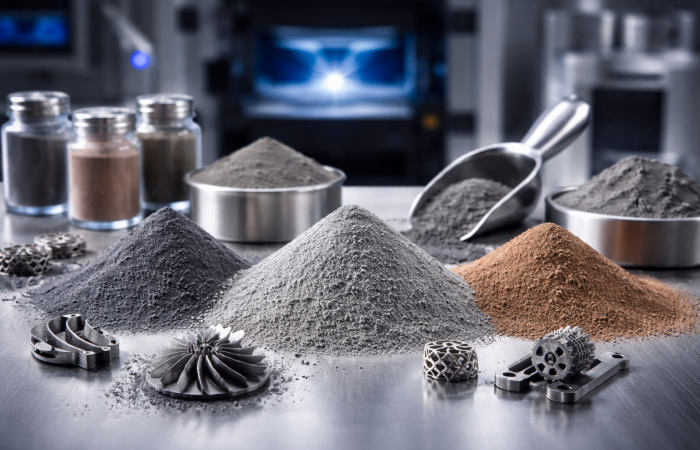
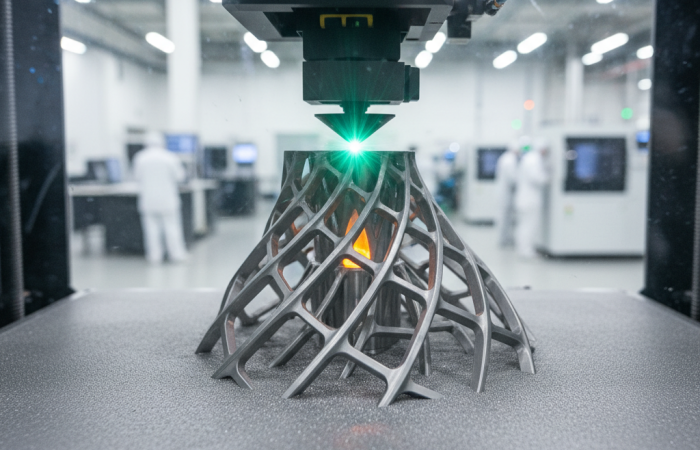
Common additive manufacturing processes employed for nickel 625 include Laser Powder Bed Fusion (LPBF) and Electron Beam Melting (EBM). Both methods utilize fine nickel 625 powder, selectively melting it layer by layer with a high-energy source to build up complex structures. The alloy’s inherent weldability and fabricability are critical to the success of these processes, as they allow for the formation of near-net-shape components while preserving its solid-solution strengthened microstructure.
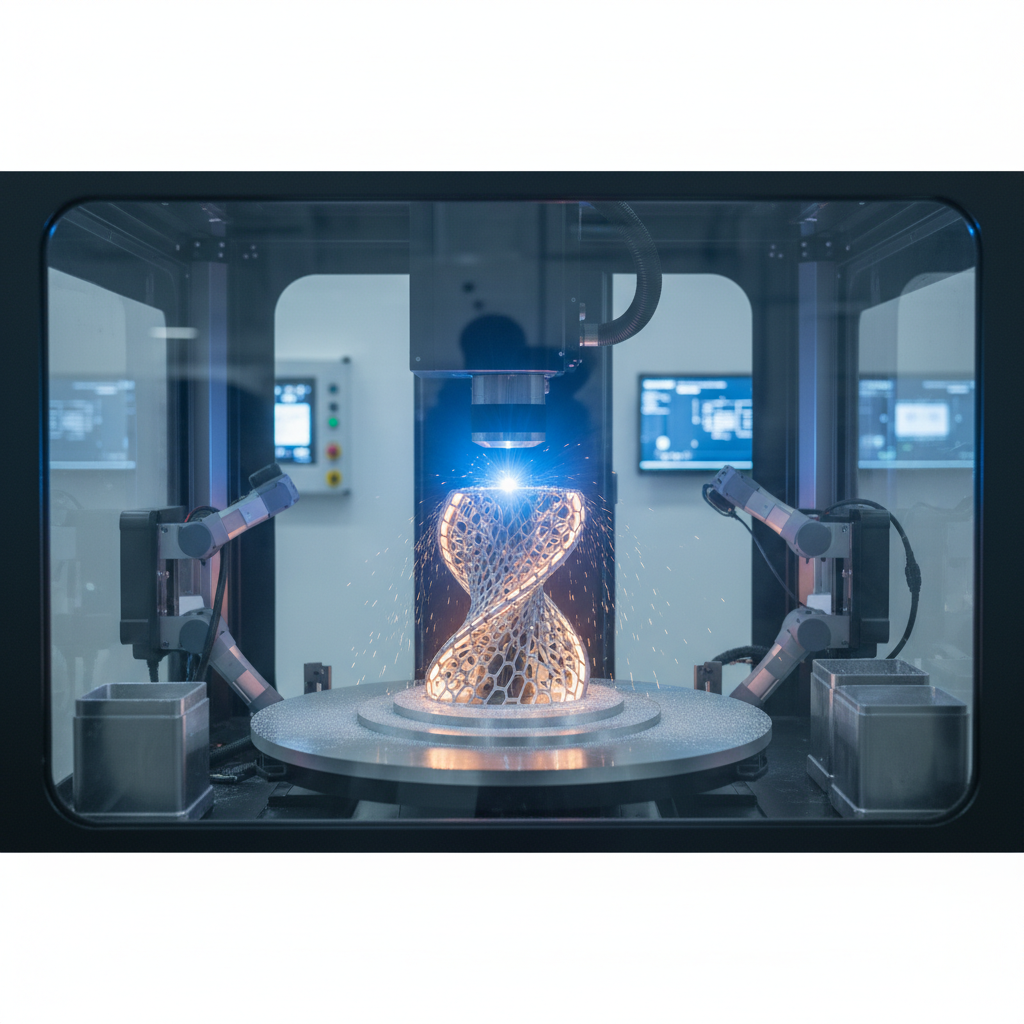
The advantages of utilizing nickel 625 in additive manufacturing are profound. It significantly reduces lead times for both high-value prototypes and final production parts, particularly in applications demanding extreme material performance. The ability to produce parts with internal channels, lattice structures, and optimized topological designs contributes to enhanced functional performance, often with substantial weight savings. Furthermore, innovations in smart CAD optimization programs, for which AI-generated blueprint solutions are emerging, further amplify the design freedom offered by 3D printing with advanced materials like nickel 625. This synergy of material and method is redefining what is possible in modern engineering.
Real-World Impact: Industrial Uses of Additively Manufactured Nickel 625
The superior properties of additively manufactured nickel 625 parts have translated into tangible real-world impacts across several critical industries. Its ability to withstand extreme conditions makes it an indispensable material for high-performance applications where reliability and longevity are paramount.
In the aerospace sector, additively manufactured nickel 625 is revolutionizing component design. Parts such as turbine components, combustion liners, and heat shields benefit immensely from the alloy’s high-temperature strength and oxidation resistance. The ability of additive manufacturing to create complex internal cooling channels and lighter structures directly contributes to improved engine efficiency and reduced fuel consumption.
For chemical processing industries, where corrosive environments are the norm, nickel 625 is employed in reactors, valves, and piping systems. Its exceptional resistance to a wide range of acids and alkaline solutions ensures operational integrity and extends equipment lifespan, minimizing downtime and maintenance costs.
The marine industry leverages nickel 625 for submersible parts, propellers, and various seawater-handling equipment. Given its unparalleled resistance to chloride stress corrosion cracking and pitting in saltwater, these components maintain structural integrity even under prolonged exposure to harsh oceanic conditions. Similarly, the oil & gas sector utilizes nickel 625 for downhole tools and gas turbine ducting, benefiting from its strength at high temperatures and resistance to aggressive wellbore fluids.
Beyond these core applications, additively manufactured nickel 625 is also crucial for pollution-control equipment and components within nuclear reactors, where its corrosion and high-temperature resistance are vital for safety and operational efficiency. The strategic use of additive manufacturing enables the creation of lighter, more optimized designs for these critical parts, often unattainable through conventional manufacturing routes, demonstrating the alloy’s enduring value in advanced manufacturing.
Beyond the Basics: Comparing Nickel 625 to Other Alloys
To fully appreciate the versatility and unique advantages of nickel 625, it is instructive to compare it with other prominent nickel alloys and metal families. While many alloys offer specialized benefits, nickel 625 consistently stands out for its balanced blend of strength, corrosion resistance, and thermal stability.
Other nickel alloys, particularly those that are precipitation-hardened, derive their strength from the formation of secondary phases like gamma prime (γ’) or gamma double prime (γ”). While effective, these alloys can sometimes be prone to embrittlement at elevated temperatures or require complex heat treatment cycles to achieve their desired properties. In contrast, nickel 625 is primarily solid-solution strengthened by molybdenum and niobium. This characteristic means it does not require additional heat treatment for strengthening, offering superior weldability and greater cyclic stability up to 982°C (1800°F). This fundamental difference simplifies manufacturing and reduces the risk of thermal degradation during service.
When considering iron-nickel alloys, their primary advantages often lie in their low thermal expansion characteristics or specific magnetic properties, making them ideal for controlled-expansion applications in electronics or instrumentation. However, nickel 625 significantly surpasses iron-nickel alloys in terms of overall strength, high-temperature performance, and broad-spectrum corrosion resistance. While nonmagnetic, its resilience across a wider temperature range and its ability to withstand aggressive chemical environments make it the preferred choice where extreme conditions, rather than precisely matched expansivity, are the main concern.
Similarly, copper-nickel alloys are renowned for their excellent resistance to seawater corrosion, making them a staple in marine hardware, piping, and heat exchangers. Yet, while effective in marine environments, copper-nickel alloys generally lack the high-temperature strength, robust pitting/crevice corrosion resistance, and overall mechanical toughness that nickel 625 offers in more aggressive or elevated-temperature media. For applications demanding both superior high-temperature mechanical properties and comprehensive corrosion defense, nickel 625 presents a more formidable solution. It uniquely excels in multi-extreme scenarios where heat, corrosion, and mechanical stress combine, demonstrating a versatility that positions it at the forefront of advanced material engineering.
The Engineering Marvel: Diving Deeper into Nickel 625’s Performance
Beyond its foundational properties, the true marvel of nickel 625 lies in the synergistic interplay of its elemental composition, which crafts a material capable of sustained high performance under conditions where most metals fail. Its strength isn’t just high; it’s robustly maintained across an astonishing temperature range, from the cryogenic depths to a searing 982°C (1800°F). This exceptional thermal stability is partly due to its stable face-centered cubic (FCC) austenitic microstructure, which resists the undesirable phase transformations that can lead to embrittlement in other alloys at elevated temperatures.
The key to Nickel 625’s impressive mechanical traits, particularly its high tensile and creep strengths, is its solid-solution strengthening mechanism. Unlike many other nickel alloys that rely on heat treatments to form strengthening precipitates (which can sometimes make them prone to issues like embrittlement or reduced weldability), Nickel 625 achieves its remarkable strength through the atomic interactions of molybdenum and niobium within its nickel matrix. This inherent strength means components made from nickel 625 exhibit superior cyclic stability and fatigue resistance, enduring millions of stress cycles without degradation—a critical requirement for demanding applications like jet engine components or rapidly rotating machinery.
Furthermore, its resistance to an array of corrosive agents is more than just a surface-level attribute. The high chromium content forms a tenacious, passive oxide layer, safeguarding against general corrosion and oxidation. Molybdenum, in particular, dramatically enhances its resistance to pitting and crevice corrosion, especially in chloride-rich environments like seawater or acidic chemical processes. This comprehensive corrosion shield, combined with its resistance to chloride stress-corrosion cracking, makes nickel 625 an indispensable material for applications in marine environments, pollution control equipment, and highly aggressive chemical processing plants where reliability is paramount.
Precision in Practice: Mastering Nickel 625 in Additive Manufacturing
The journey of nickel 625 from a high-performance alloy to a complex, functional component through metal 3D printing is a testament to precision engineering. While the potential for intricate geometries and reduced waste is clear, successfully processing nickel 625 via additive manufacturing (AM) demands meticulous control over every parameter.
For processes like Laser Powder Bed Fusion (LPBF) and Electron Beam Melting (EBM), the interaction between the energy source and the nickel alloy powder is critical. Precise adjustments of laser power, scan speed, layer thickness, and hatch spacing are essential to avoid common AM challenges such as residual stresses and microcracking. Defects like Laves phase formation or the undesirable precipitation of niobium carbides (NbC) can compromise mechanical integrity if not carefully managed. These issues are often influenced by the carbon-to-niobium ratio and the levels of niobium, molybdenum, and silicon in the alloy, requiring careful selection of powder metallurgy and optimized build parameters to prevent them.
Post-processing heat treatments are equally crucial. While nickel 625 is solid-solution strengthened and doesn’t require a traditional age-hardening treatment, stress-relief annealing is often applied to AM parts to mitigate internal stresses built up during the layer-by-layer fabrication, thereby improving ductility and preventing distortion. Surface finishing techniques are also vital to achieve the required surface integrity and fatigue performance, often addressing the inherent surface roughness of AM parts.
The ability to finely control these aspects unlocks transformative design possibilities. Engineers can leverage smart CAD optimization programs and AI-generated blueprint solutions to create lighter, stronger, and more efficient parts that are impossible to produce with traditional methods. By iteratively designing, simulating, and printing, companies can achieve rapid prototyping with 3D printing, significantly accelerating product development cycles. The quality of the metal powder itself is also paramount, with advanced characterization tools like Camsizer technology ensuring optimal particle size distribution and morphology for consistent build quality.
Real-World Transformation: Advanced Applications and Impact
The impact of additively manufactured nickel 625 extends far beyond mere component fabrication; it fundamentally transforms industry capabilities. In aerospace, the ability to print complex turbine components with internal cooling channels or lightweight combustion liners means jet engines can operate at higher temperatures, leading to increased fuel efficiency and reduced emissions. This also includes the production of specialized rocket nozzles capable of withstanding extreme thermal cycling during launch and re-entry.
For the energy sector, particularly in advanced nuclear reactors or offshore oil and gas exploration, nickel 625‘s resistance to radiation, high temperatures, and corrosive fluids enables the creation of more durable and safer components, such as specialized valves and downhole tools that operate reliably in hostile environments. The optimized designs possible through AM also allow for compact, more efficient heat exchangers and pressure vessels in chemical processing, where precise fluid flow and thermal management are critical.
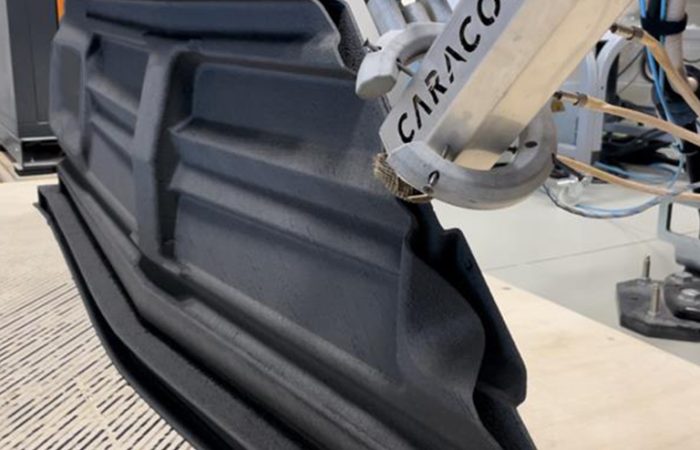
Even in less obvious areas, such as pollution control systems, nickel 625 provides robust, long-lasting solutions for components exposed to aggressive industrial exhaust gases. The strategic advantage of AM lies in consolidating multiple parts into a single, complex component, reducing assembly time, potential failure points, and overall weight – a crucial factor across all these high-stakes applications. The future also holds potential for large scale 3D printing of nickel 625 parts, opening doors for even larger, intricate structures.
Strategic Material Selection: When Nickel 625 is the Undisputed Choice
In the vast landscape of materials science, selecting the right alloy is a strategic decision driven by specific performance requirements. While many high-performance metals exist, nickel 625 often emerges as the undisputed choice in scenarios demanding a unique confluence of properties.
Consider its differentiation from other nickel alloys. While precipitation-hardened nickel alloys (like Inconel 718) offer impressive strength, they often require complex, multi-stage heat treatments. Nickel 625, being solid-solution strengthened, bypasses this complexity, offering superior weldability and reduced risk of cracking during fabrication, making it more forgiving for complex AM builds and subsequent repairs. Furthermore, its cyclic stability at elevated temperatures often surpasses that of precipitation-hardened counterparts, proving invaluable for components subjected to constant thermal and mechanical fatigue.
When compared to an iron-nickel alloy, which might offer controlled thermal expansion for specific applications, nickel 625 provides a significantly higher strength-to-weight ratio and vastly superior corrosion resistance across a broader spectrum of aggressive chemicals and temperatures. Its non-magnetic properties can also be a decisive factor in sensitive instrumentation or marine applications where magnetic interference must be avoided.
Similarly, while a copper-nickel alloy excels in marine environments for its biofouling resistance and good seawater corrosion properties, it cannot match the high-temperature strength or the pitting and crevice corrosion resistance of nickel 625 in more extreme, high-pressure, or high-temperature marine or chemical processing contexts. For instance, in deep-sea submersible parts or critical seawater piping exposed to both high temperatures and pressures, nickel 625 provides an unparalleled level of reliability and structural integrity. Essentially, nickel 625 is chosen when a component must simultaneously resist extreme heat, aggressive corrosion, and significant mechanical stress, outperforming alloys that specialize in only one or two of these domains.
The Horizon of Innovation: Pushing Nickel 625’s Boundaries
The evolution of nickel 625 in additive manufacturing is far from over. Future trends point towards even more sophisticated applications and refined processes. One significant area of focus is advanced powder metallurgy, aiming to develop nickel 625 powders with optimized particle size distribution, morphology, and purity. This will result in more uniform microstructures in printed parts, leading to enhanced mechanical properties and greater consistency.
Multi-material printing stands as another exciting frontier. Imagine hybrid components where nickel 625 forms the high-strength, corrosion-resistant core, while other materials are selectively integrated to provide localized properties—perhaps a ceramic coating for extreme wear resistance or another nickel alloy for tailored thermal expansion in specific areas. This capability, driven by continuous innovation in additive manufacturing, will enable truly revolutionary designs.
Furthermore, the integration of artificial intelligence and machine learning is poised to transform nickel 625 AM. AI-optimized parameters will move beyond trial-and-error, predicting optimal laser settings, build plate temperatures, and post-processing protocols to minimize defects like Laves phases and residual stresses, thereby ensuring peak performance and reducing material waste. This predictive power, coupled with real-time monitoring, will enhance the scalability and reliability of nickel 625 parts for increasingly critical applications. As the technology matures, we can anticipate seeing nickel 625 enabling the creation of novel aerospace and marine parts that were once confined to the realm of theoretical design, making advanced manufacturing more accessible and impactful than ever before.
Conclusion
Nickel 625 is far more than just another material; it is a fundamental problem-solver for the most demanding engineering challenges. This premier nickel alloy harnesses a unique blend of nickel, chromium, molybdenum, and niobium to deliver an unparalleled combination of strength, heat resistance, and exceptional corrosion resistance. These characteristics make it indispensable in environments where conventional materials simply fail.
Its rise to prominence in additive manufacturing has revolutionized how industries approach complex designs, enabling the creation of intricate, high-performance components previously deemed impossible. From the deep-sea depths to the harsh realities of aerospace and chemical processing, nickel 625 empowers innovation, driving progress in critical sectors globally.
While the path to optimizing its use in metal 3D printing presents challenges, ongoing research and advancements continue to unlock its full potential. The future for nickel 625 is bright, promising even greater versatility and capability as we push the boundaries of design and performance. Its enduring value lies in its proven ability to perform under pressure, securing its place as a cornerstone of advanced manufacturing for years to come.
Frequently Asked Questions
What exactly is Nickel 625?
Nickel 625, also known as Alloy 625 or Inconel® 625, is a high-performance nickel-based superalloy. It’s renowned for its exceptional strength, outstanding corrosion resistance, and stability even in the most extreme environments, from scorching heat to freezing cold.
What key ingredients give Nickel 625 its unique strength and resistance?
The “secret recipe” for Nickel 625 centers on nickel as the base metal, making up over 58%. Key alloying elements include chromium (providing excellent oxidation resistance), molybdenum (boosting solid-solution strengthening and pitting resistance), and niobium (which stiffens the matrix and helps prevent weld cracking). This specific balance sets it apart from many other nickel alloys.
How does Nickel 625 perform in terms of strength and temperature resistance?
Nickel 625 boasts high tensile strength and superior fatigue resistance, meaning it can withstand repeated stress without breaking. It performs exceptionally well across a vast temperature range, from cryogenic conditions (super cold) up to approximately 982°C (1800°F), while maintaining its structural integrity.
Why is Nickel 625 a preferred material for metal 3D printing?
Nickel 625 is highly prized in metal 3D printing because it allows for the creation of incredibly intricate and lightweight geometries that are difficult or impossible to achieve with traditional manufacturing methods. Its excellent weldability and fabricability are well-suited for processes like Laser Powder Bed Fusion (LPBF), enabling the production of strong, near-net-shape components.
In which industries are parts made from additively manufactured Nickel 625 commonly used?
Additively manufactured Nickel 625 parts are critical in demanding industries such as aerospace (for turbine components, combustion liners, and heat shields), chemical processing (reactors and valves), marine (submersible parts and seawater equipment), and oil & gas (downhole tools). Its superior corrosion and high-temperature resistance make it ideal for these applications.
Are there any challenges when 3D printing with Nickel 625?
Yes, like many advanced materials, processing Nickel 625 via additive manufacturing can present challenges. These include managing residual stresses, preventing cracking during solidification due to the formation of certain phases (like Laves phase), and controlling liquation at high temperatures. Overcoming these requires precise control of build parameters and often post-processing heat treatments to optimize the material’s microstructure.
How does Nickel 625 compare to other types of alloys, such as iron-nickel or copper-nickel?
Compared to other nickel alloys that rely on heat treatment for strength, Nickel 625 achieves its robust properties through solid-solution strengthening from its molybdenum and niobium content, offering superior weldability and stability up to 982°C without additional heat treatment. Against an iron-nickel alloy, Nickel 625 offers much higher strength and corrosion resistance across a broader temperature range. While a copper-nickel alloy excels in seawater corrosion resistance, Nickel 625 provides superior high-temperature strength, pitting, and crevice resistance, making it suitable for more aggressive environments.
Related Posts