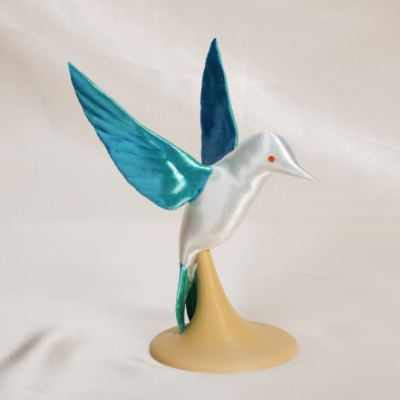
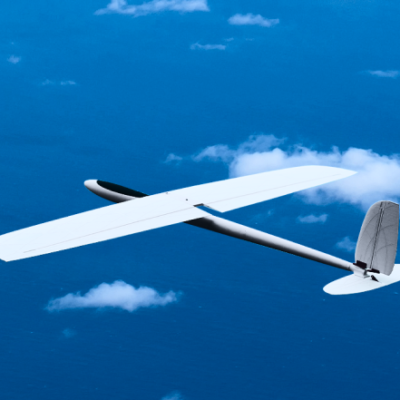
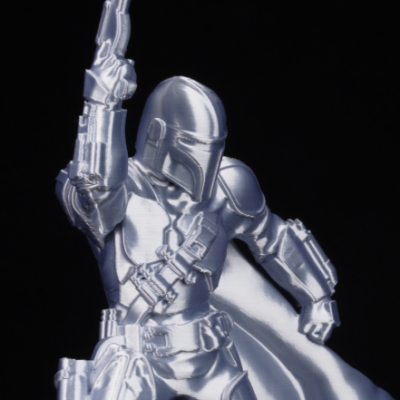
The X1 3D printer is a machine that uses plastic filament as the material for creating 3D objects.
Most of the time, the printable objects are files with the .stl extension that hold the 3D model which needs to be processed before it’s ready to be printed with a piece of software called a slicer.
The slicer, in our case the Bambu Lab Studio, takes that .stl file and slices it into layers which are then printed by the X1. All these slices are then converted into code, a type of language which tells the machine how to move its axis to print the model.
Besides the movement, the slicer is also able to integrate various other settings inside the generated file, like the temperatures of the filament, printing speeds, and generate supports for some sections of the print.
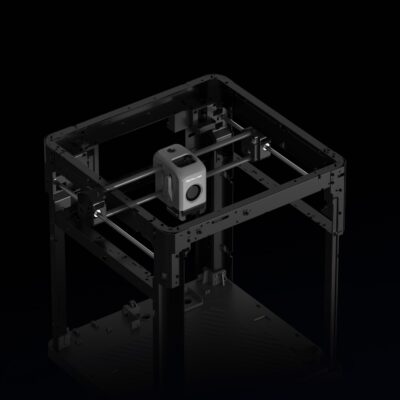
The Bambu Lab X1 uses a CoreXY motion system controlled by two stepper motors. The X and Y stepper motors work together to move the printhead.
Every stepper motor has an independent belt that is connected to the print head, so a pair of belts is used to control its position. Having a CoreXY motion system allows the X1 to print much faster compared to a traditional cartesian printer because the weight is lower, which is important when it comes to printing fast.
The Z-axis is comprised of three lead screws that are connected to a single stepper motor using a belt.
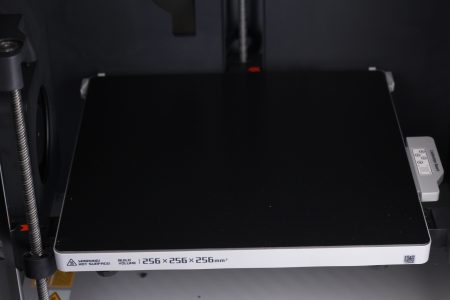
Other 3D printers use three lead screws with a fixed bed to perform automated bed tramming but this is not the case on the X1. This kind of leveling system is not needed as the X1 heatbed can be trammed using the three leveling knobs underneath the bed if needed.
The X1 comes pre-leveled from the factory and it also has two other types of leveling systems to ensure the print is successful every time.