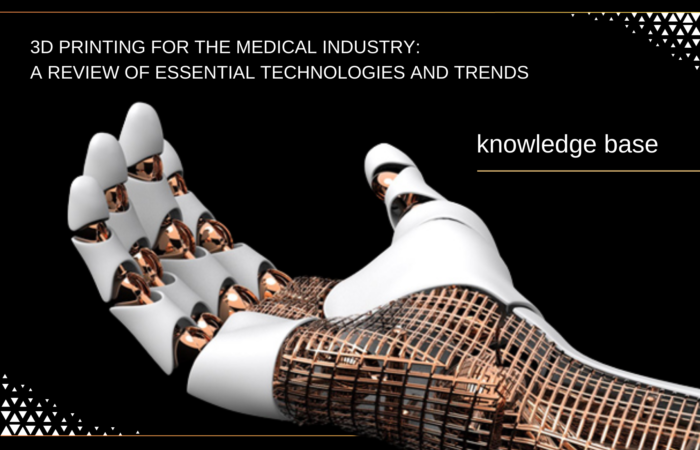
3D Printing for the Medical Industry: A Review of Essential Technologies and Trends
The medical field is evolving. And 3D printing is leading that change. From personalized implants to prosthetics and even drug development, 3D printing is transforming how medical professionals design, test, and produce solutions. The number of U.S. hospitals with dedicated 3D printing facilities has grown quickly, increasing from only three in 2010 to over 100 by 2019.
Why is this important? Because it opens doors to precision, efficiency, and innovation—things that matter most in healthcare.
With 3D printing, you can:
- Create customized prosthetics that fit each patient perfectly.
- Produce complex surgical models for better pre-operative planning.
- Accelerate drug testing with 3D-printed tissue models.
- Enhance manufacturing of medical devices with quicker prototypes and low-cost production.
At Additive Plus, we’re here to guide you through these possibilities. With over a decade of experience in advanced 3D technologies, we help the medical industry adopt and implement cutting-edge 3D printing solutions.
Ready to leap 3D printing? Let’s explore how it can reshape your medical applications.
Understanding 3D Printing Technologies In Medicine
The power of 3D printing in healthcare comes from its versatile technologies. These tools allow for a level of customization and accuracy that traditional methods simply can’t match.
Here’s how different 3D printing processes benefit the medical industry:
Technology | Description | Applications in Medicine |
| SLA (Stereolithography) | High-resolution and smooth finishes, ideal for intricate models. | Medical prototypes, dental molds, surgical planning models. |
| SLS (Selective Laser Sintering) | Uses powdered materials like plastics or metals, providing strength and durability with minimal waste. | Functional medical devices, prosthetics. |
| DMLS (Direct Metal Laser Sintering) | Produces high-strength metal parts with precision, perfect for complex medical devices. | Custom implants, surgical tools, complex medical devices. |
| FFF (Fused Filament Fabrication) | Cost-effective for large-scale models and prototypes. | Medical training models, non-critical device parts. |
Each of these technologies has its own strengths and applications in healthcare. Knowing the right process for your needs is key to optimizing 3D printing for medical innovation.
SLA
FFF
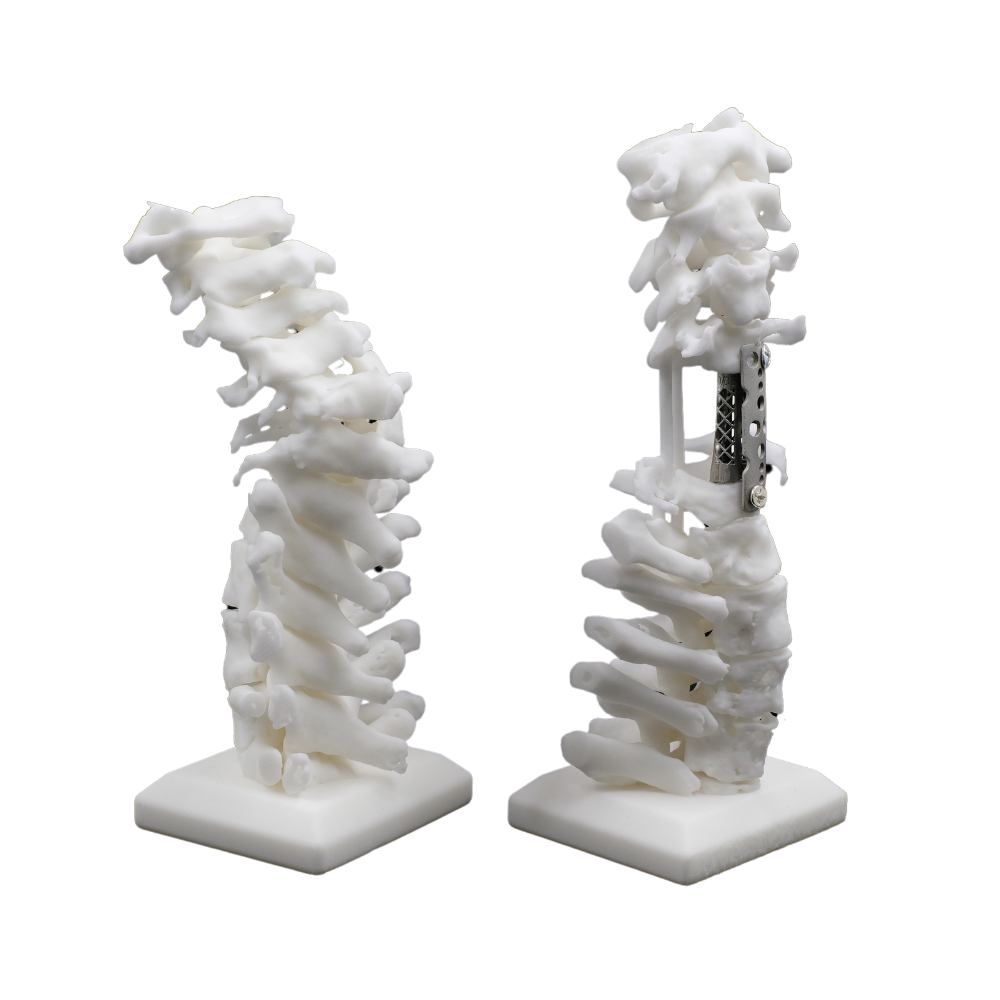
SLS
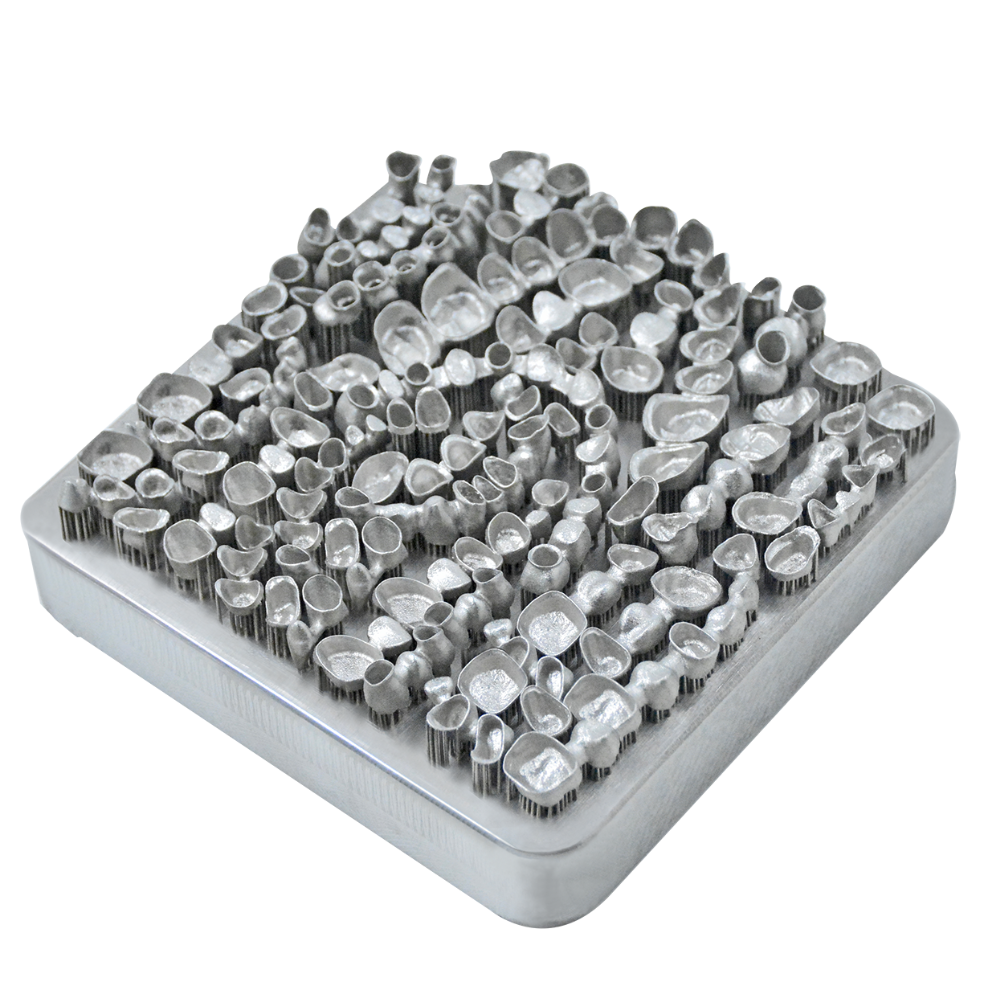
SLM
Benefits Of 3D Printing In Medicine
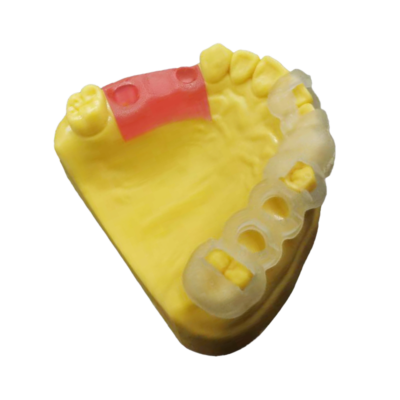
3D printing offers a range of benefits that are transforming the medical field. One of its most significant advantages is customization. Unlike traditional manufacturing, 3D printing can create patient-specific implants, prosthetics, and surgical tools tailored to individual anatomy.
Another key benefit is rapid prototyping, which allows healthcare professionals to test, modify, and refine designs quickly. This speeds up innovation and reduces costs associated with development.
The precision of 3D printing ensures accuracy in producing intricate models, making it invaluable for surgical planning and medical device manufacturing. Additionally, 3D printing reduces material waste, promoting cost efficiency and environmental sustainability.
For healthcare providers and researchers, these benefits lead to improved patient outcomes and streamlined workflows, revolutionizing how care is delivered.
Emerging Trends In Medical 3D Printing
The medical 3D printing landscape is evolving rapidly, bringing groundbreaking trends into focus. One prominent trend is bioprinting, where living cells are printed to create tissues and organs. This technology has the potential to revolutionize organ transplants and regenerative medicine.
Point-of-care 3D printing is another transformative shift. Hospitals and clinics are adopting in-house 3D printers to produce patient-specific models and devices on demand, reducing lead times and improving care.
The integration of AI and machine learning is enhancing precision in 3D printing, optimizing designs, and predicting material performance for complex medical applications.
Additionally, there is a growing emphasis on sustainable practices in medical 3D printing. Innovations in recyclable materials and energy-efficient printing processes are aligning the technology with global sustainability goals.
These trends indicate a future where medical 3D printing will not only innovate patient care but also shape a more efficient and eco-friendly healthcare industry.
Having these tools ready will ensure a hassle-free cleaning process. Let’s move on to how to clean your 3D printer nozzle step by step.
-
A100 Metal DMLS 3D Printer for Sale – Explore the Best Metal Printers
A compact LPBF system featuring a 300 W laser, ideal for R&D applications. The listed price refers to the 300...
-
Materials:
Metal Powders
 $99,000Read More
 -
Materials:
A100 by AO Metal
An ideal solutionfor various applications, including dental, medical, and material development.
A fast and affordable 3D laser printer for precise metal parts production.
All printable metal materials are indispensable everywhere, where you need elaborate forms, complex designs and structures, unique products or small series of metal parts. Robust and modular, composed of standard industrial components.
Challenges And Limitations In Medical 3D Printing
While 3D printing is transforming the medical industry, it comes with its own set of challenges:
| Challenge | Description |
| Regulatory Approvals | Meeting stringent medical standards and obtaining certifications can be time-consuming and complex. |
| Material Constraints | Limited availability and high costs of biocompatible or specialized materials restrict applications. |
| Cost of Entry | Significant initial investment in advanced 3D printers and materials may deter smaller facilities. |
| Technical Expertise | Skilled professionals are required to operate equipment and design medical-grade parts effectively. |
| Production Speed | Large-scale production with 3D printing can be slower than traditional manufacturing methods. |
Despite these challenges, ongoing advancements in technology, materials, and education are helping overcome these barriers, paving the way for broader adoption in healthcare.
Real-World Applications Of 3D Printing In Medicine
Implants and Prosthetics

Surgical Planning and Simulation
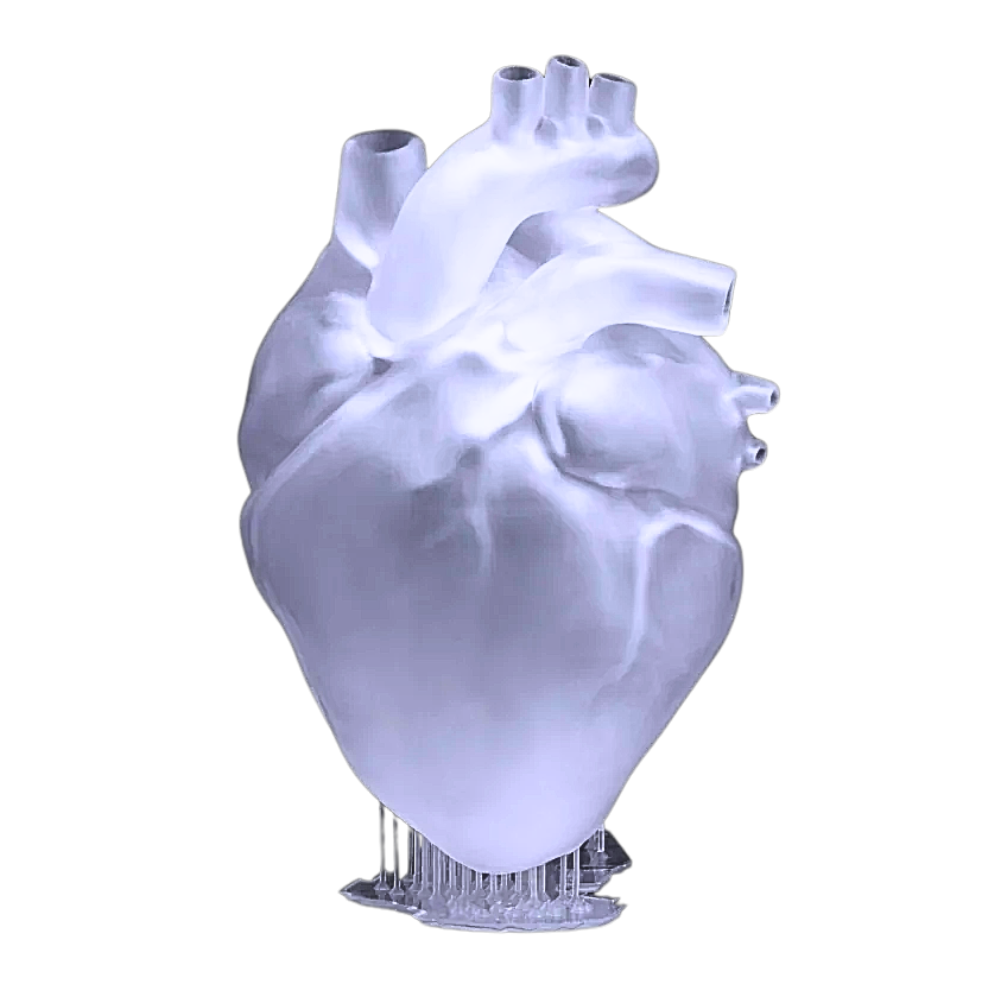
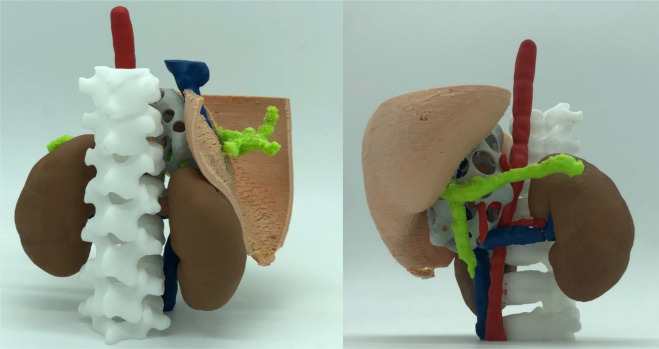
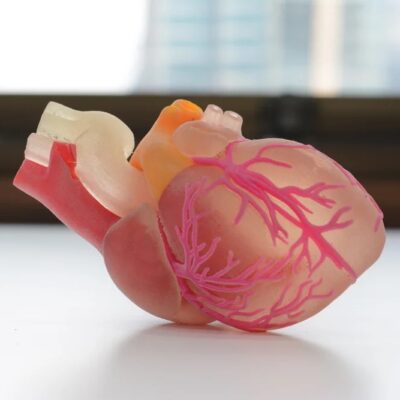
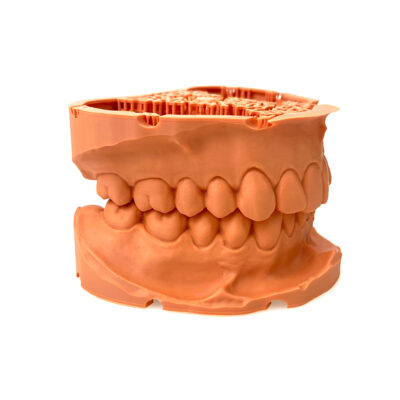
Hospitals are increasingly relying on 3D-printed anatomical models for precise pre-surgical planning. These detailed replicas allow surgeons to visualize and practice procedures before entering the operating room. For example, a team of surgeons used a 3D-printed heart model of a pediatric patient to plan a complex operation, reducing surgery time and improving outcomes. Such models are particularly useful for intricate surgeries involving organs, bones, or vascular systems where accuracy is critical.
Orthotics and Braces
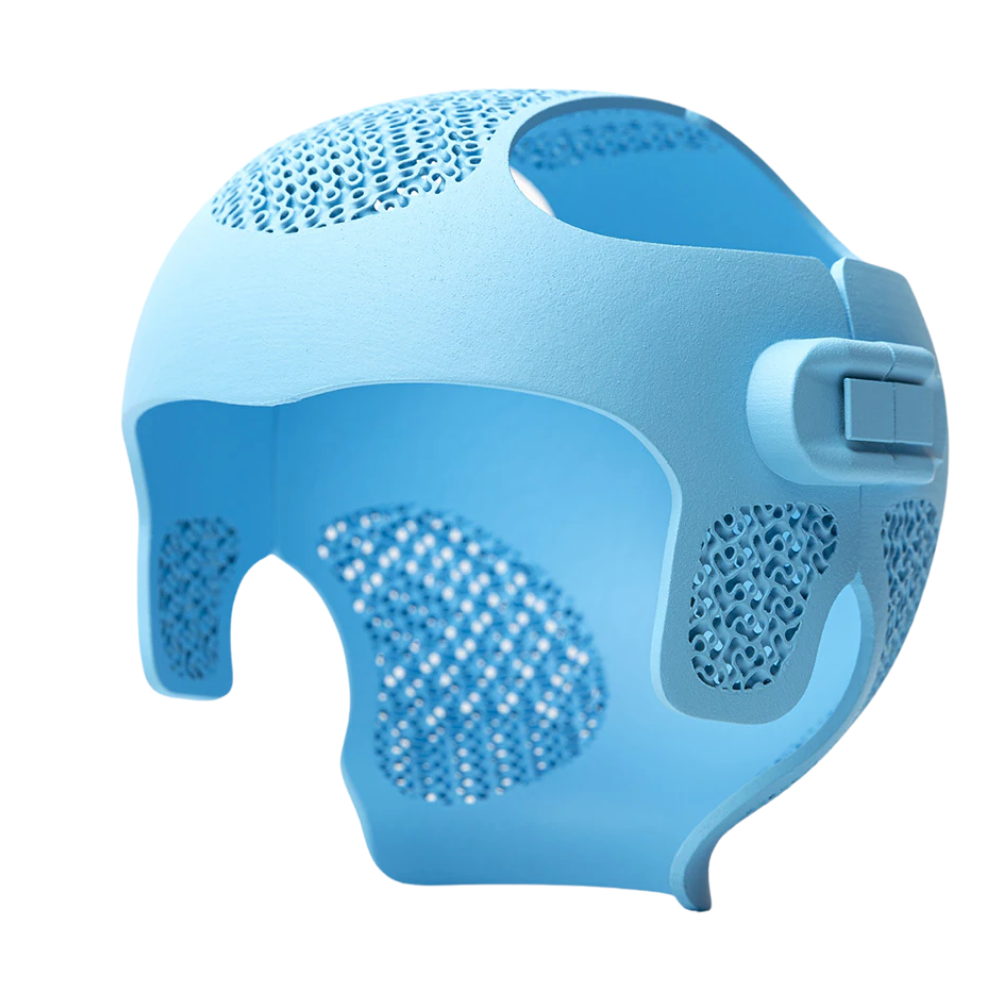
The ability to produce custom-fit orthotics and braces quickly and accurately is transforming rehabilitation and orthopedic care. For example, 3D printing was used to create a lightweight and breathable brace for a child with scoliosis, significantly improving their comfort and mobility compared to traditional methods. These advancements not only ensure a perfect fit but also shorten production times, enabling patients to receive their custom solutions faster and start treatment sooner.

Medical Research and Education
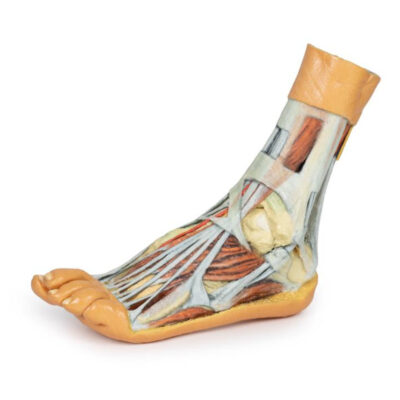
In medical research and education, 3D printing is proving to be a vital tool for training and innovation. Medical schools are using 3D-printed models to simulate rare or complex conditions, allowing students to practice procedures without risk to actual patients. For instance, researchers in Japan created a 3D-printed replica of a liver with a cancerous tumor, enabling surgeons to refine their skills in tumor removal techniques. Such models are bridging the gap between theoretical learning and hands-on experience, making training more effective and realistic.

The Future Of 3D Printing In Healthcare
The future of 3D printing in healthcare is incredibly promising, driven by advancements in technology and the growing demand for personalized medical solutions. Innovations such as bioprinting, which uses living cells to create tissues and organs, have the potential to revolutionize transplant medicine.
The integration of AI and machine learning is set to optimize design processes, enabling faster and more accurate production of medical devices. Additionally, as material sciences progress, we can expect a broader range of biocompatible and functional materials specifically tailored for medical applications.
With regulatory frameworks evolving to support these technologies, the adoption of 3D printing in healthcare will likely accelerate. From affordable prosthetics to on-demand surgical tools, the possibilities are vast and transformative.
The Future Of Healthcare, Powered By 3D Printing
3D printing is reshaping the medical industry, offering innovative solutions that enhance patient care, streamline processes, and push the boundaries of medical research. From custom implants and prosthetics to precise surgical planning tools and educational models, this technology is creating once unimaginable opportunities. However, navigating challenges like regulatory compliance, material constraints, and production speed requires expertise and the right partner.
At Additive Plus, we’re passionate about helping you integrate 3D printing into your medical projects. With cutting-edge technologies, a broad material portfolio, and a commitment to innovation, we provide the tools and guidance you need to bring your ideas to life. Let’s work together to advance healthcare through the power of 3D printing.
Ready to transform your medical innovations? Request a Quote today!
FAQ
What are the most common materials used in medical 3D printing?
Medical 3D printing uses a variety of materials, including biocompatible plastics, metals like titanium, and even living cells for bioprinting. The choice of material depends on the application, such as implants, medical devices, or tissue engineering.
How does 3D printing and medical imaging work together?
3D printing in the medical field often relies on imaging technologies like CT scans, MRIs, or ultrasound. These scans provide detailed patient-specific data, which is converted into 3D models for creating surgical guides, anatomical models, or custom prosthetics.
Can 3D printing medical devices reduce healthcare costs?
Yes, 3D printing medical devices can lower costs by enabling rapid prototyping, reducing waste, and minimizing the need for expensive molds or tools. It also facilitates on-demand production, cutting down on storage and inventory costs.
What are the safety regulations for 3D printing and medical applications?
3D printing in the medical field must comply with strict regulatory guidelines set by organizations like the FDA (in the U.S.) or the EU MDR. These regulations ensure that 3D-printed medical devices and implants meet safety, quality, and biocompatibility standards.
Is 3D printing in the medical field eco-friendly?
3D printing medical applications can be more sustainable than traditional manufacturing due to reduced material waste and energy usage. However, it depends on the technology, materials, and practices employed.
What role does 3D printing play in medical aesthetics?
3D medical aesthetics involves using 3D printing to create custom tools, molds, or implants for cosmetic and reconstructive procedures. This includes creating personalized facial implants or surgical guides for precise aesthetic outcomes.
Can 3D integrated medical systems improve patient care?
Yes, 3D integrated medical solutions, which combine 3D printing with AI and other advanced technologies, improve precision and enable personalized treatments. For instance, integrating 3D printing with imaging systems ensures better diagnostic accuracy and surgical outcomes.
What advancements are being made in 3D printing for medical education?
In medical education, 3D printing allows for the creation of highly detailed anatomical models, simulating rare conditions or complex surgeries. These tools help medical students and professionals refine their skills in a risk-free environment.
How is 3D printing used in developing countries for medical purposes?
3D printing in the medical field is being explored in developing countries to address challenges like a lack of medical devices or prosthetics. Low-cost 3D printers and open-source designs allow for the local production of critical medical supplies.
What are the future possibilities for 3D printing in medical research?
Future applications of 3D printing medical technologies include fully functional organ bioprinting, advanced drug delivery systems, and regenerative medicine. These innovations hold the promise of transforming how diseases are treated and managed.
Explore What’s New in 3D Printing
How Long Do Resin 3D Prints Last? Factors Affecting Durability and Longevity in 3D Printing
How Can LFAM Boost Efficiency and Flexibility in the Automotive Industry?
What Is a Slicer and Why Is It Essential for Successful 3D Printing?
FreeScan Combo: 3D Laser Scanning for Sheet Metal Inspection
Related Posts
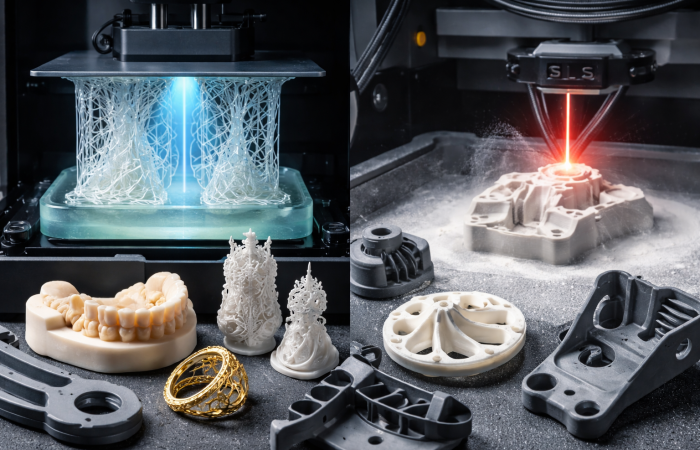
1. Introduction Additive manufacturing, commonly known as 3D printing, has fundamentally transformed modern product development,…

Metal additive manufacturing has fundamentally transformed the way industries approach design and production, enabling the…
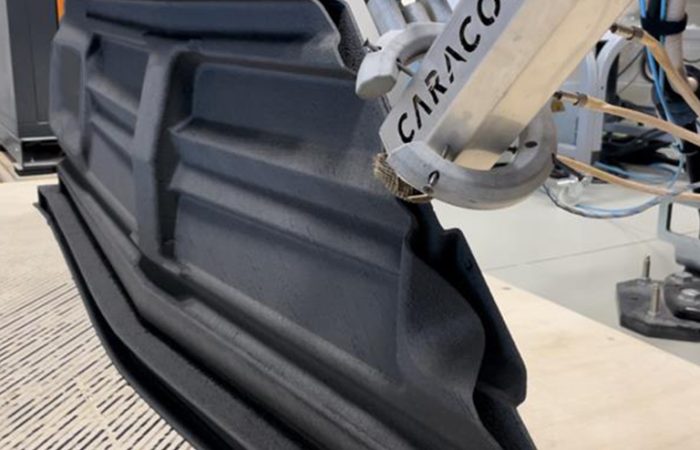
Imagine a manufacturing process capable of producing parts measured in meters, not millimeters—components so vast…
The medical field is evolving. And 3D printing is leading that change. From personalized implants…

Ashkhen Ovsepyan
Additive manufacturing expert and tech business leader, focused on global strategy, innovation, and advancing women in 3D printing.